- Motorcycle
- NSU (6 offers)
NSU Classic Cars for Sale
NSU stands for German engineering vision, pioneering developments in both motorcycles and cars. From the roots as a sewing machine builder in the 19th century, the brand evolved into the world’s second-largest motorcycle producer and broke new ground as the first manufacturer to bring the Wankel rotary engine into series production road cars. Whether it’s the nimble Prinz, the pioneering Ro 80, or rare machines like the Wankel-Spider, NSU models uniquely combine technical curiosity with postwar German automobile culture.
Search results
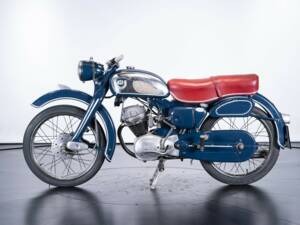
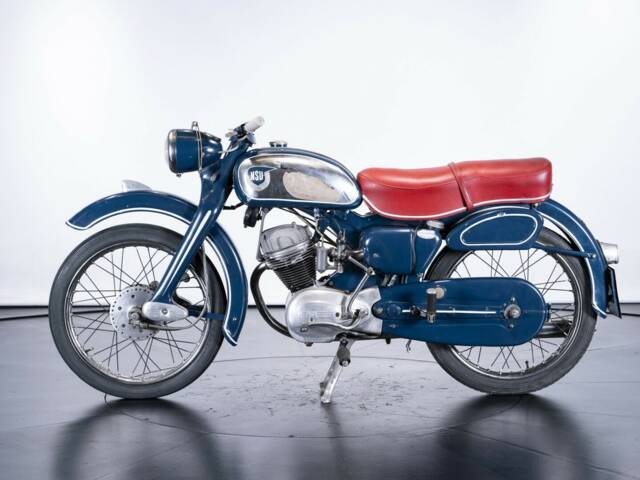
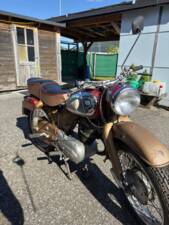
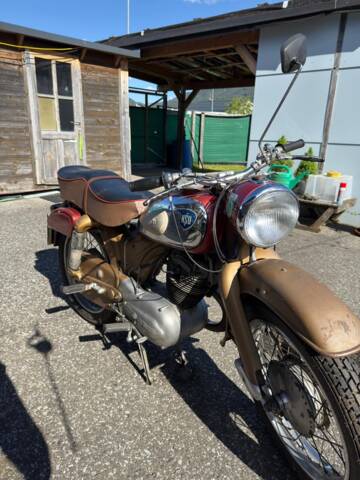
1956 | NSU Superfox
NSU 125 SUPER FOX

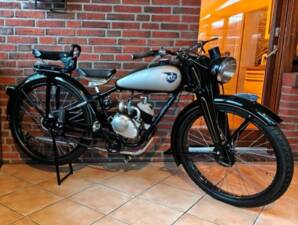
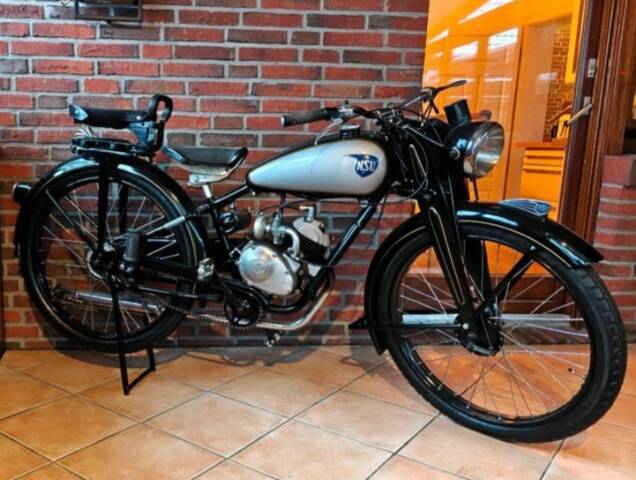
1954 | NSU Quickly 98cc
Year of manufacture 1954, first registered on 27.04.1954


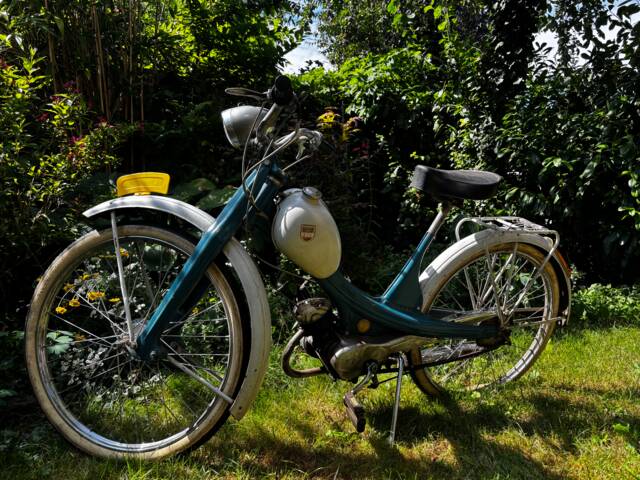
1959 | NSU Quickly S/2
Mooi exemplaar

Newsletter
The best NSU listings, straight to your inbox
Get hand-picked NSU listings, plus the best of cars, motorbikes, and auctions on Classic Trader — all in one place.
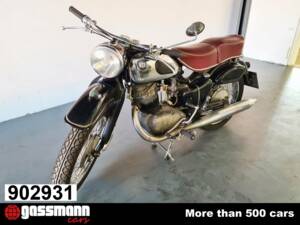
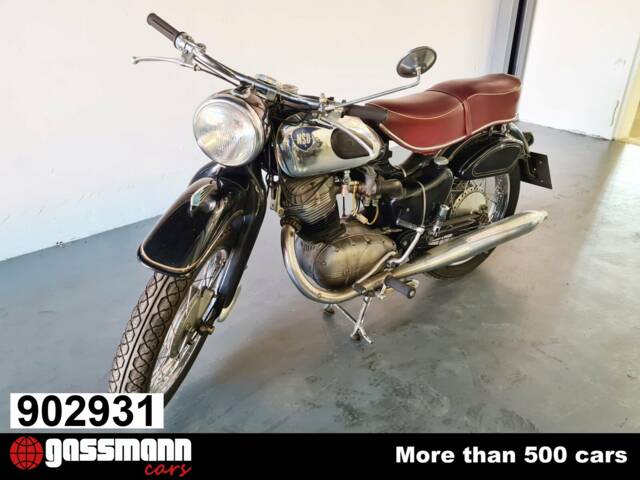
1956 | NSU Max
251 OSB Max -Restauriert
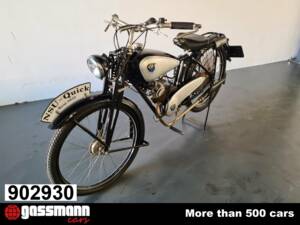
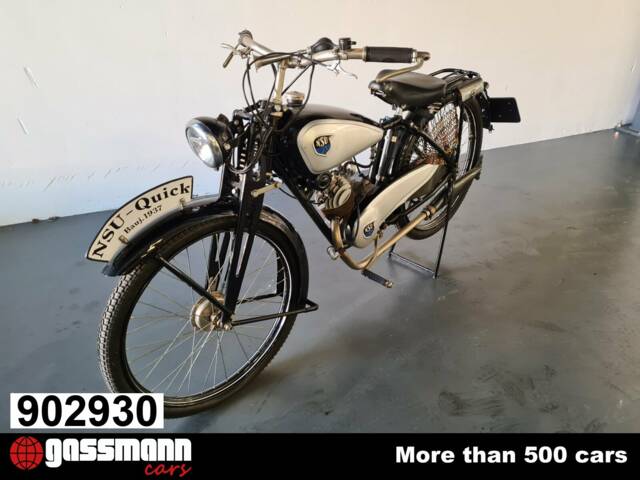
1937 | NSU Quick
Quick - Restauriert
NSU listing references from Classic Trader
Below you will find listings related to your search that are no longer available on Classic Trader. Use this information to gain insight into availability, value trends, and current pricing for a "NSU" to make a more informed purchasing decision.
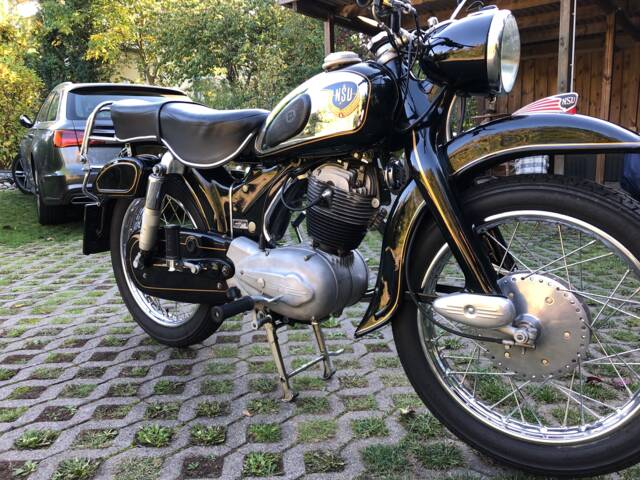
1956 | NSU Max
NSU Max 251 OSB 56
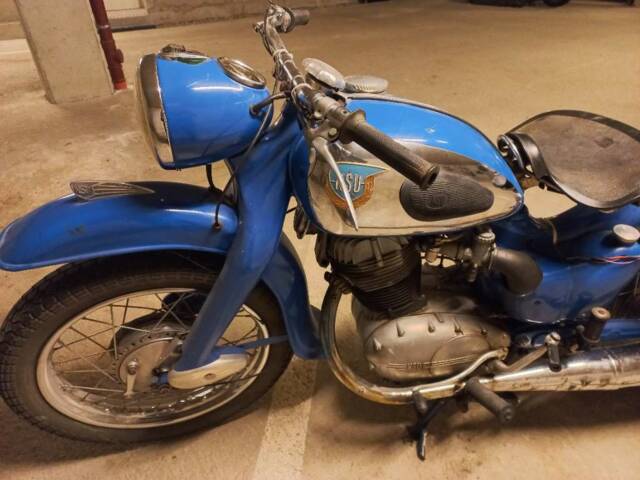
1957 | NSU Max
NSU Max 251 OSB
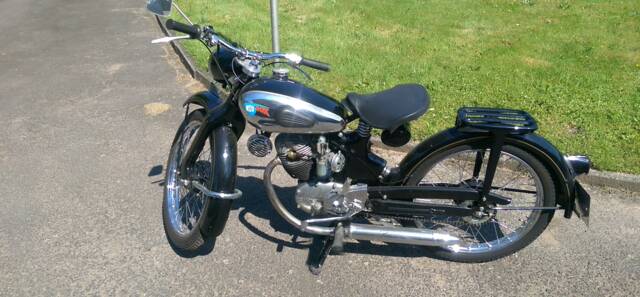
1950 | NSU Fox 101 OSB Viertakt
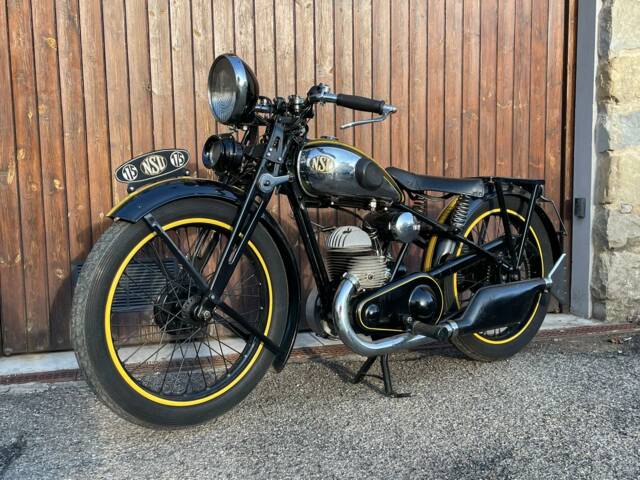
1932 | NSU 175 Z
VERY RARE BIKE !!!
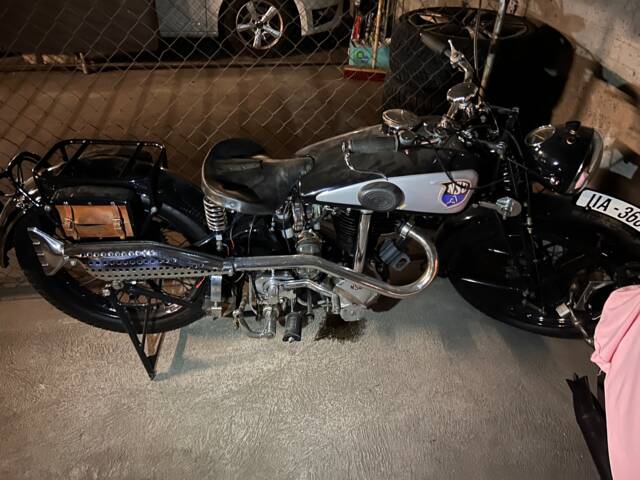
1936 | NSU 501 – OSL
Sehr gepflegter Zustand
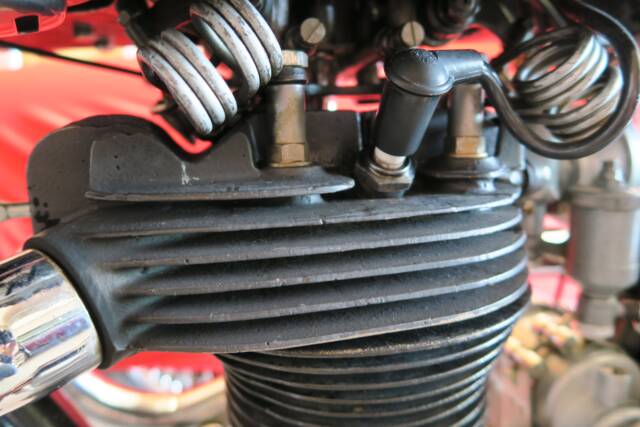
1937 | NSU 501 – OSL
Komplett restaurierte Maschine Zustand: Concourse
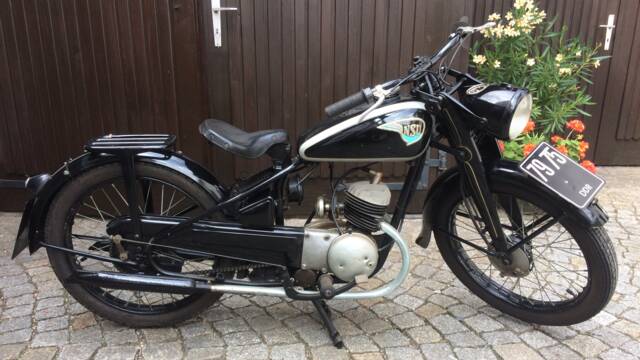
1941 | NSU 125 ZDB
Vorkriegsmodell · Baujahr 1941 · voll restauriert
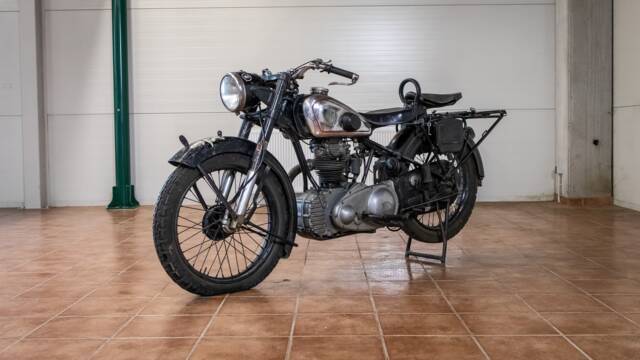
1942 | NSU 251 OSL
Characterful four-stroke model from Neckarsulm
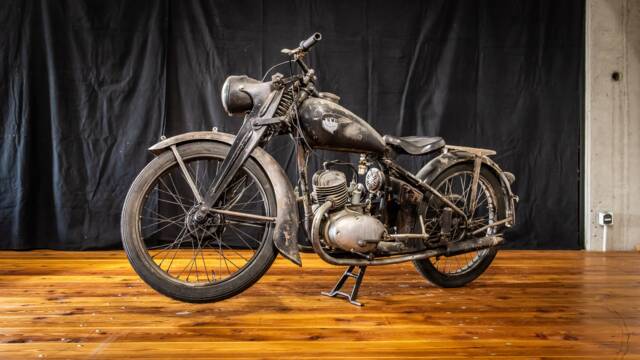
1950 | NSU 125 ZDB
Model of German post-war motorcycle production
History of NSU
Founded in 1873 in Riedlingen by Christian Schmidt and Heinrich Stoll, NSU initially manufactured sewing machines before turning to bicycles and motorcycles. The move to Neckarsulm in 1880 gave the company its name, derived from "NeckarSUlm". By the early 20th century, NSU had become Germany’s leading motorcycle producer, with international expansion following World War I. Despite financial difficulties after acquiring Berlin’s Carosseriewerke Schebera AG, NSU stabilised and emerged post-WWII as the world’s second-largest motorcycle maker. The 1950s marked the brand’s most successful era, particularly in motorsport. NSU’s last motorcycle left the factory in 1963. In August 1969, NSU merged with Auto Union GmbH, laying the groundwork for what is now the Audi Group. Today, Audi continues vehicle production in Neckarsulm, preserving the NSU lineage.
NSU Model History
NSU’s model journey begins with the NSU Prinz, which debuted at the 1957 Frankfurt Motor Show as the brand’s first postwar car. The Prinz offered affordable, simple mobility, with later versions – such as the Prinz II, III, and 4 – adding features and higher performance. The company also produced the sportier NSU Prinz 1000, 1200, TT, and 1200 TT models, which introduced 4-cylinder engines, unique chassis setup, and special equipment for competition use.
In the motorcycle sphere, the NSU Lambretta scooter became a major success in the 1950s, and the Max, Supermax, Fox, and Quickly were key sellers. For technological milestones, the NSU Wankel Spider stands out as the world’s first production car with a rotary engine, and the Ro 80 luxury saloon (launched in 1967) pushed boundaries in safety, styling, and powertrain engineering. NSU ended vehicle production before being absorbed into the Audi Union, but their models have left a lasting mark on both two- and four-wheel development.
Highlights and Special Features
NSU vehicles are best remembered for their willingness to innovate. The compact Prinz models provided agile city driving with reliable, air-cooled engines and practical layouts. The Ro 80 set new standards in aerodynamics, passenger comfort, and rotary engine performance, while the NSU Wankel Spider introduced rotary technology to public roads. Special attention is paid to details: the Ro 80 offered disc brakes on all wheels, semi-automatic transmission, and high-grade comfort features such as optional leather or velour interiors, Fuchs alloy wheels, and electric sunroofs.
The most popular NSU models by market supply are the Prinz Typ 47 (22.4%), Ro 80 (12.6%), and Wankel-Spider and Max (each 6.3%). On the demand side, the Prinz Typ 47 again leads (21.9%), followed closely by the Ro 80 (21.5%) and the TT variants (10.4%). These statistics show a consistent interest, especially in the postwar compact cars and the rotary-powered flagships, distinguishing NSU across German and international enthusiast communities.
Technical Data
Special Editions and Collectible Models
Among NSU’s cars, the TT, 1200 TT, and various factory sports/rally modifications represent true special editions, with tailored suspension, Recaro seats, Spiess or BBS alloys, and even dual-ignition systems for track applications. The Ro 80’s numerous annual updates – such as the introduction of Halogen lights (1970), new suspension and electronic ignition (1972), chassis upgrades, and interior refinements (1973) – are sought-after among specialists. Most NSU Spider Wankel cars were painted red, with some delivered with rare dealer hardtops. Factory documentation and sets of original manuals often increase collectability.
Engine and Performance, Transmission and Handling
NSU’s handling ethos focused on light weight and precision. The compact Prinz line offered simple, air-cooled rear engines with unsynchronised or later synchronised manual gearboxes and tidy road manners, ideal for narrow city streets and spirited drivers. The TT and 1200 TT introduced a stiffer chassis and responsive engines designed for motorsport, with frequent tuning and modifications for rally stages.
The Wankel-Spider exhibited the advantages and teething troubles of early rotary technology, with smoothness and rev-happiness offset by higher maintenance requirements. The Ro 80 combined front-wheel drive with a vibration-free twin-rotor Wankel, hydraulic steering, four-wheel disc brakes, and semi-automatic gearbox, resulting in a drive unlike any other German luxury car of its era.
Popular Models:
- Prinz Typ 47 / Prinz 4: Lightweight, 598cc air-cooled 2-cylinder, 30 hp, nimble handling.
- TT/1200 TT: Up to 65 hp, well-regarded for tunability and motorsport successes.
- Ro 80: Twin-rotor Wankel, 115 hp, semi-automatic, 181 km/h top speed, four-wheel discs.
- Wankel-Spider: First rotary-engined production car, lightweight roadster.
- Max/Supermax: Sporting single-cylinder motorbikes, up to 200 km/h for Supermax. undefined
Interior, Comfort, Exterior and Design
Design is a key NSU trademark. The Ro 80, shaped by Claus Luthe and brothers Josef and Otto Erlewein, features rounded bodywork, a sweeping rear, and panoramic windows providing superb outward vision. Inside, options range from simple cloth to premium velour and, historically, full leather. Extensive colour choices included originals like Tizian metallic, Jade Green, and Polar Blue.
The technical design approach showed in details: Fuchs alloy rims, colour-matched dashboards, practical accessories such as electric or manual sunroofs, rear window defrosters, and high-quality switchgear. The compact Prinz models offered plain but functional interiors, with later versions adding full dashboard treatments and elaborated trim equipment.
Other Features
Original documentation, factory logbooks, and inspection notes often accompany better-preserved NSU models and attract attention from specialists. Certain variants, notably Ro 80 and Wankel-Spider, have enhanced value when sold with full provenance, period accessories, or supplied with rare components such as the dealer hardtop (Spider) or Fuchs wheels (Ro 80).
Summary
NSU vehicles are benchmarks of innovation in postwar German motoring, blending engineering courage with everyday practicality – from simple city machines like the Prinz to groundbreaking advances like the Wankel-powered Ro 80. Each model encapsulates a period of automotive progress, and market statistics show that enthusiasts appreciate both accessible classics and technologically advanced rarities. Their variety, engineering, and history ensure that any NSU stands out in a classic collection.