- Motorcycle
- Motobécane (1 offer)
Buy Motobécane Motorcycle
Motobécane represents a unique slice of French motoring history that has found a dedicated following in Australia. From the iconic Mobylette to the minimalist Vélosolex, these classics offer a distinctive alternative for Australian collectors.
Search results
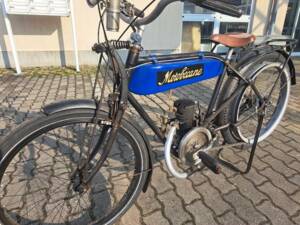
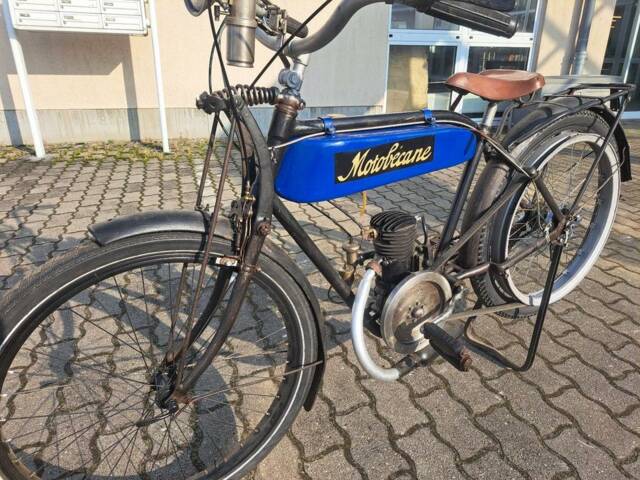
1900 | Motobécane MB1
Motobecane MB 1

Motobécane listing references from Classic Trader
Below you will find listings related to your search that are no longer available on Classic Trader. Use this information to gain insight into availability, value trends, and current pricing for a "Motobécane" to make a more informed purchasing decision.
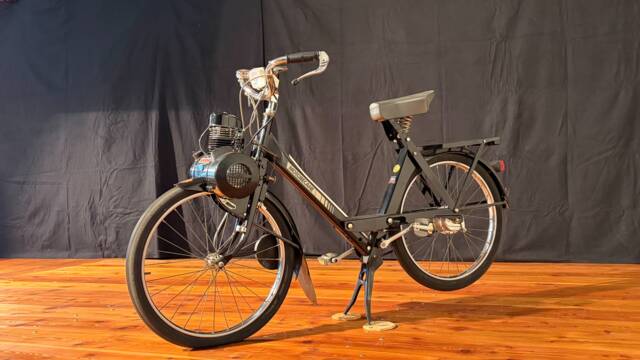
1966 | Motobécane Vélosolex Model 3800
A piece of post-war European two-wheeler culture

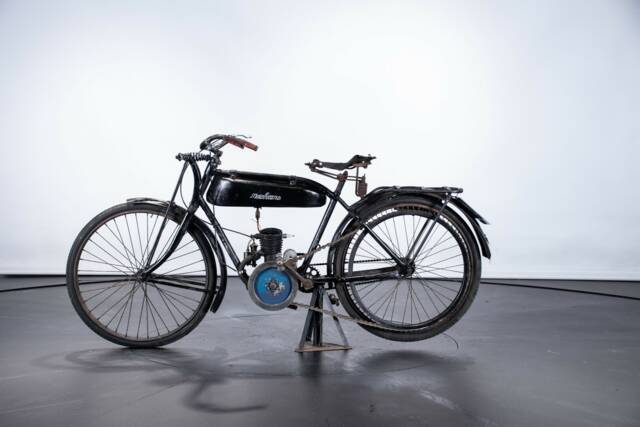
1924 | Motobécane 175 Mirimin
Motobecane MB1

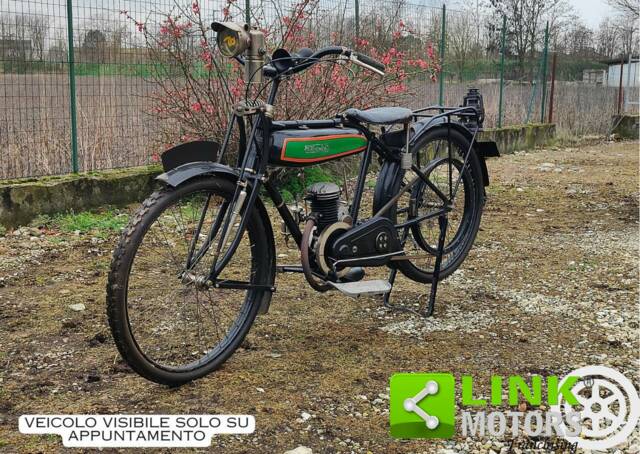
1926 | Motobécane moped
MOTOBECANE Motocomfort MC2
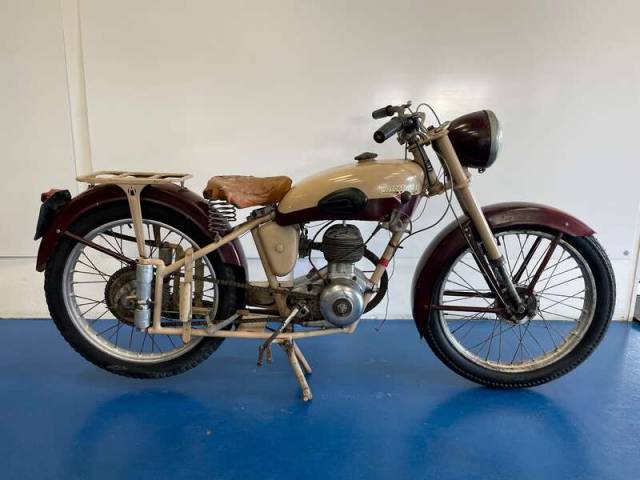
1932 | Motobécane 125
c.1952 Motobecane D45S 125cc

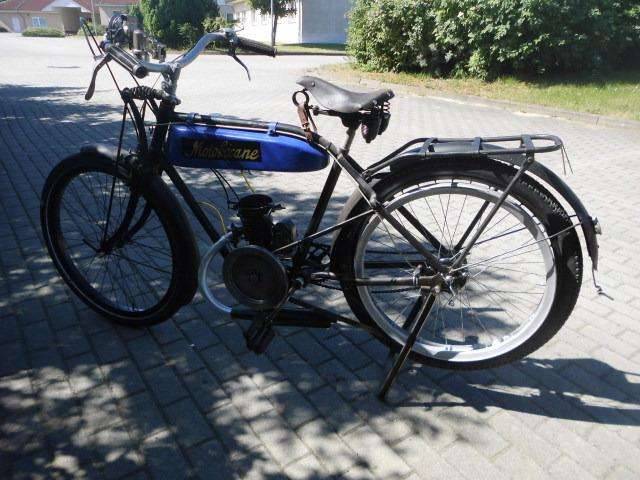
1925 | Motobécane 175 Mirimin
Motobecane MB1
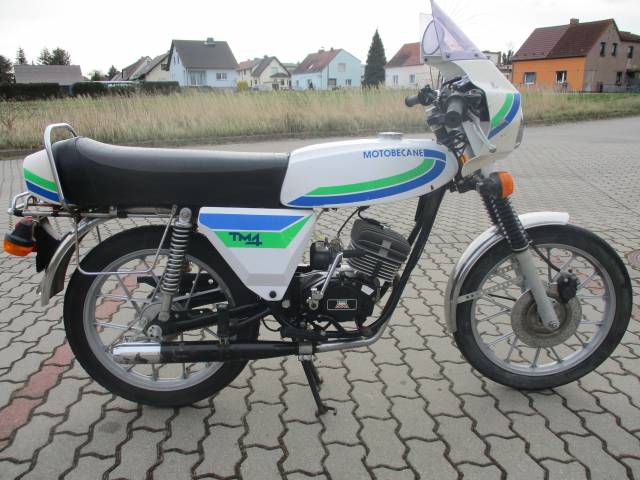
1980 | Motobécane Moby
Motobecane TM 4
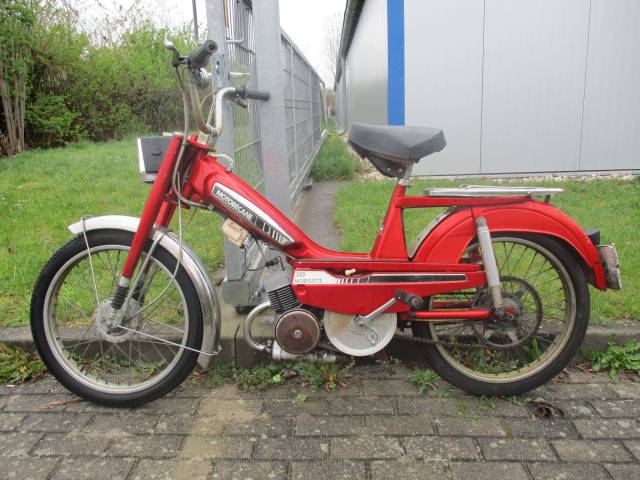
1979 | Motobécane Mobylette N150
Motobecane Mobylette N150
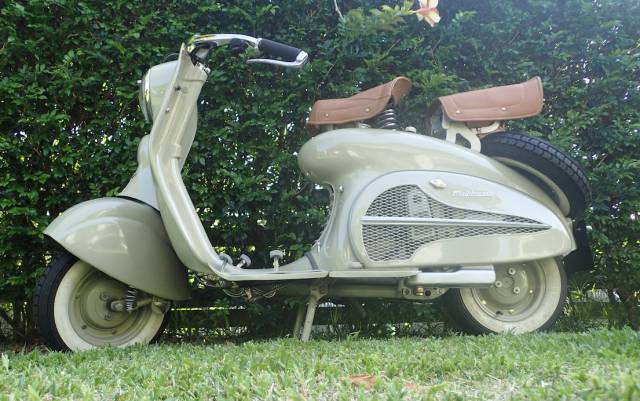
1954 | Motobécane Mobylette 125
Beautiful Rare 4-Stroke French Scooter Designed by Géo Ham
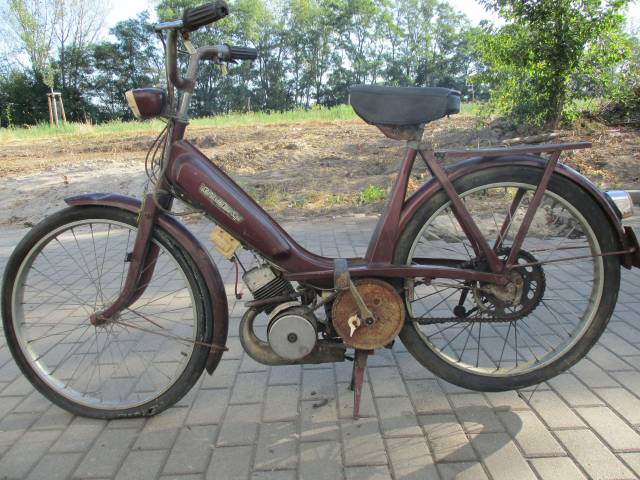
1971 | Motobécane moped
Motobecane M 11
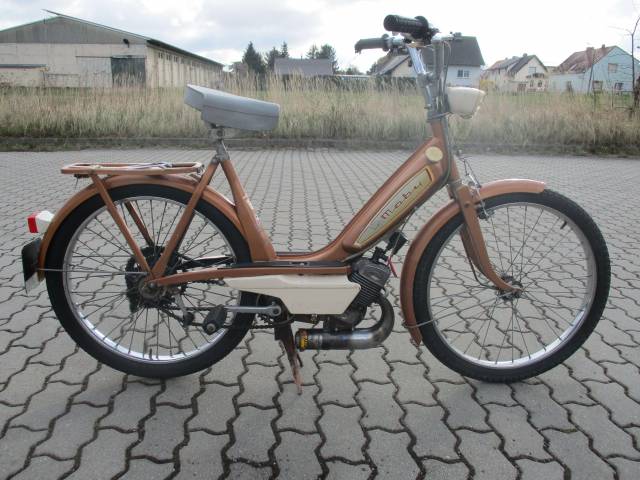
1977 | Motobécane Moby
Motobecane M1 Moby
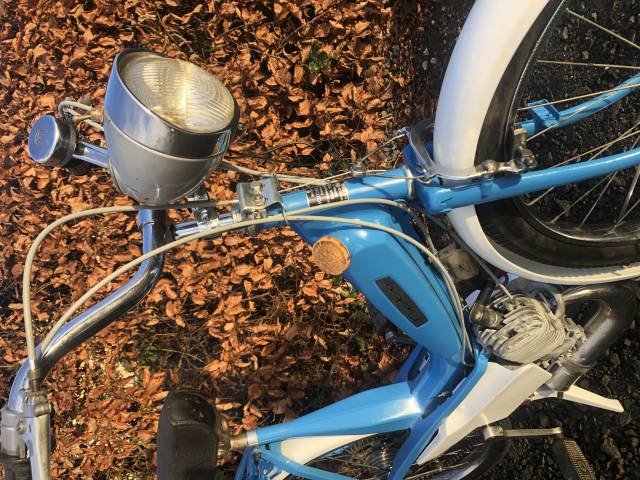
1968 | Motobécane MB1
Minimoby,Neu aufgebaut, von Rost befreit, grundiert, lackiert, Tank versiegelt
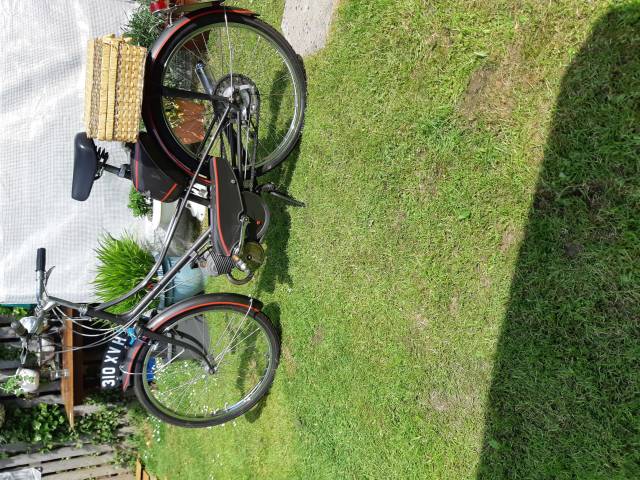
1958 | Motobécane Mobylette AV33
Mobecane MOBYLETTE AV33 de Luxe
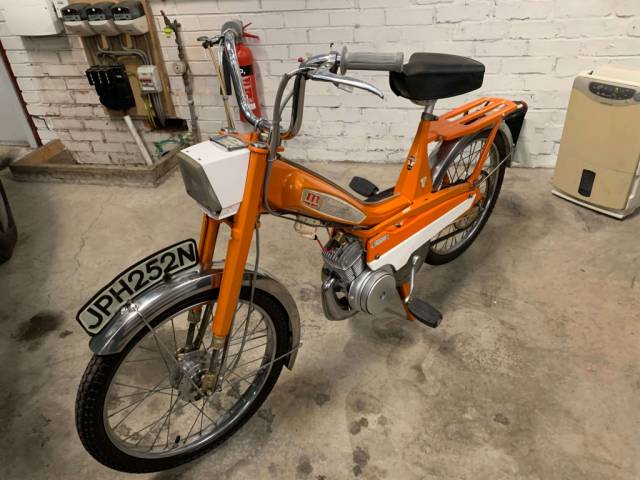
1974 | Motobécane Mobylette AV50
1974 Mobylette 50cc
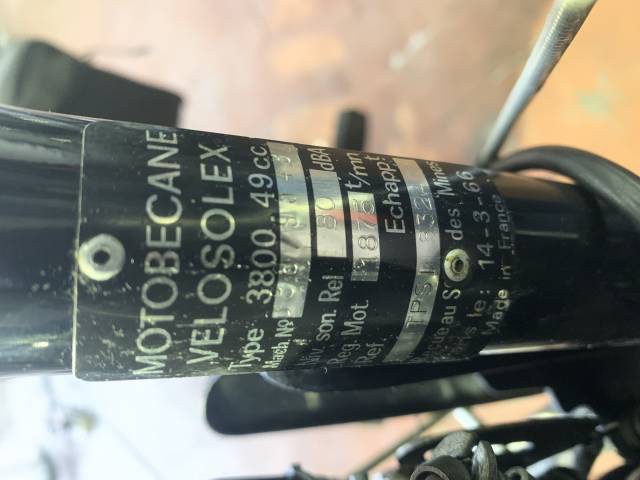
1966 | Motobécane Vélosolex Model 3800
Unico propietario 268 km
History & Heritage
The story of Motobécane is a fascinating journey through the heart of French industrial innovation. Founded in 1923 in Pantin, a suburb of Paris, by Charles Benoît, Abel Bardin, and financier Jules Benezech, the company set out with a clear mission: to provide affordable, reliable, and simple motorised transportation for the masses. The name "Motobécane" itself is a playful combination of "Moto" (motorcycle) and "Bécane" (French slang for bicycle), perfectly capturing the essence of their early products.
In the 1920s and 30s, Motobécane quickly established itself as a leader in the French market. Their first model, the MB1 of 1923, was a 175cc two-stroke that proved to be an immediate success. As the company grew, it expanded its range to include more powerful machines, such as the 500cc and 750cc four-cylinder models with shaft drive that were technically advanced for their time. Motobécane also made a name for itself in the world of racing, particularly in endurance events like the Bol d'Or, where their machines demonstrated exceptional reliability and performance.
The post-World War II era saw a shift in focus towards lightweight, economical transport. In 1949, Motobécane introduced the Mobylette, a vehicle that would become a global phenomenon. With over 14 million units produced until production ended in 1997, the Mobylette became the most successful moped in history. In Australia, while never as common as in Europe, the Mobylette and its siblings found a niche among those who appreciated their simple, robust design and French flair.
Throughout the 1960s and 70s, Motobécane continued to innovate, producing millions of mopeds and high-quality bicycles. However, the rise of Japanese manufacturers and changing market dynamics led to financial difficulties in the early 1980s. The company filed for bankruptcy in 1981 and was eventually taken over by Yamaha in 1984, becoming MBK Industrie. While the Motobécane name is no longer seen on new motorcycles, its legacy as a pioneer of affordable mobility remains strong among classic enthusiasts in Australia and around the world.
Highlights & Features
The undisputed star of the Motobécane story is the Mobylette. Its success was built on a brilliantly simple technical concept: a 49cc two-stroke engine driving the rear wheel via a belt and chain. A key feature was the pivoting engine mount, which allowed for easy belt tensioning without complex mechanisms. The introduction of the Dimoby automatic centrifugal clutch made riding incredibly easy—just twist the throttle and go. This simplicity made it an ideal choice for urban commuting and leisure riding.
Another cult classic is the Vélosolex, which Motobécane produced under license for Solex. With its engine mounted over the front wheel and a friction roller drive, it is one of the most distinctive vehicles ever made. In Australia, the Solex has always been a conversation starter, prized for its quirky design and minimalist approach to motoring. The 3800 model, produced from 1966 to 1988, is the most common version found in Australian collections today.
Market Prices in Australia (2024–2025):
- Mobylette 50V / AV88: In Australia, these are relatively rare. Running examples in good condition typically fetch between $800 and $2,500 AUD. Exceptionally well-restored models or rare early versions can reach $3,500 to $5,000 AUD.
- Vélosolex 3800: The Solex remains a popular choice for Australian collectors. Prices for a running machine start around $1,000 AUD. Fully restored examples with correct registration can command between $2,500 and $4,500 AUD.
- Early Motorcycles (e.g., D45, Z-series): These are very rare in Australia. When they do appear, prices range from $4,000 to $8,000 AUD depending on condition and rarity.
Shipping Costs from Europe: For Australian collectors looking to import a Motobécane from Europe, it's important to factor in significant shipping costs. Shipping a moped or small motorcycle from France or the UK to Australia typically costs between $1,000 and $2,000 AUD, depending on the service and location. Additionally, import duties and taxes may apply, making it essential to research the total cost before committing to a purchase.
The appeal of Motobécane classics in Australia lies in their uniqueness and the joy of owning a piece of French history. The technology is easy to understand, and while parts may not be as readily available as for Japanese bikes, a dedicated network of specialists in Europe and a growing local community make ownership a rewarding experience.
Technical Data
The following table provides an overview of the key Motobécane models that are of interest to Australian collectors. These specifications highlight the evolution of the brand's most successful designs.
Technical Details: Most mopeds used the reliable Gurtner carburettor, which is simple but can be sensitive to modern ethanol-blended fuels. Ignition is typically via a flywheel magneto. Early models (pre-1978) used a 6-volt electrical system, which can result in dim lighting. Later models were upgraded to 12 volts, significantly improving reliability and visibility. A standout feature of many Mobylette models is the Variator (indicated by the "V" in model names like 50V), which provides a continuously variable transmission, making them much better at handling hills than fixed-gear mopeds.
Market Overview & Buying Tips
The Australian market for Motobécane is small but passionate. While these bikes are not as common as Japanese or British classics, they offer a unique and charming alternative for those looking for something different.
What to look for when buying in Australia:
- Registration and Paperwork: Ensure the vehicle has correct registration or can be easily registered in your state. Rules vary across Australia, so check with your local transport authority.
- Frame Condition: The pressed steel frames of the Mobylette are prone to rust, especially if they have been stored in coastal areas. Check the hollow sections and around the engine mounts. Since the fuel tank is often integrated into the frame, check for internal rust which can lead to leaks and carburettor issues.
- Engine Health: A two-stroke engine that has been sitting for years will likely need new crank seals and a thorough carburettor clean. Check for good compression by turning the engine over by hand or using the pedals.
- Originality: Many mopeds were modified over the years. Original parts like the correct headlamps, speedometers (often by Huret), and badges are becoming harder to find and can be expensive to replace, especially with shipping costs from Europe.
- Vélosolex Specifics: On a Solex, the friction roller is the most critical part. If it is worn or oily, it will slip on the tyre, especially in the wet. Also, check the fuel pump diaphragm, as these often perish over time.
Restoration Costs: A basic mechanical recommissioning (tyres, cables, brakes, carb clean, and ignition service) will cost around $500 to $1,000 AUD if you do the work yourself. A full professional restoration, including paintwork and an engine rebuild, can easily exceed $3,000 AUD. Given the market value of many models, a full restoration is often a labour of love rather than a financial investment.
Parts Availability: While some basic parts can be found in Australia, most specific Motobécane parts will need to be ordered from specialists in France or the UK. Factor in shipping costs and potential delays when planning a restoration. Joining a local classic moped club can be a great way to find parts and advice.
Riding Experience & Performance
Riding a Motobécane in Australia is an exercise in "slow motoring" and pure enjoyment. When you mount a Mobylette, you are not just riding a moped; you are experiencing a piece of history. Acceleration is gentle, and the top speed of around 40-45 km/h is perfectly suited for quiet suburban streets or country lanes. On hills, you may need to provide some "pedal assistance," which adds to the charm and involves the rider in the mechanical process. The engine produces a characteristic two-stroke "pop-pop" sound that is instantly recognisable.
The handling is light and agile, thanks to the low weight (often under 50 kg). The Mobylette can be flicked through traffic with ease. Braking is handled by small drum brakes, which are adequate for the speed but require a proactive riding style. Comfort varies by model; early versions with rigid frames rely on the tyres for suspension, while later models with telescopic forks and rear shocks offer a surprisingly smooth ride.
The Vélosolex offers a completely different experience. The front-wheel drive pulls the bike along, and the steering feels heavier due to the weight of the engine on the forks. It is a vehicle for the flat and for short distances—a true "genussmittel" (pleasure tool) that never fails to draw a crowd and start a conversation.
Design & Accessories
Motobécane design was always a blend of French elegance and practical simplicity. The Mobylette, with its flowing lines and integrated tank, is a classic of industrial design. The "Bleu Motobécane" colour is particularly iconic and remains the most popular choice for restorers.
Popular Accessories:
- Panniers: Classic leather or canvas bags are both practical and stylish, enhancing the vintage look.
- Windshields: Large Perspex screens were a popular period accessory, offering protection from the elements.
- Leg Shields: These metal fairings gave the moped a more substantial, scooter-like appearance and kept the rider's legs dry.
In Australia, many owners choose to keep their machines in "oily rag" condition, preserving the original patina, while others go for a full "concours" look with gleaming paint and chrome.
Other
Cultural Significance in Australia: In Australia, the Motobécane represents a unique and charming alternative to the more common Japanese and British classics. They are often seen at classic vehicle shows and moped rallies, where they are celebrated for their distinctive design and French heritage. Owning a Motobécane in Australia is a way to stand out from the crowd and enjoy a piece of motoring history that is both accessible and full of character.
The challenge of owning a rare bike in Australia is part of the appeal for many collectors. The process of finding parts, learning the mechanical quirks, and connecting with other enthusiasts around the world makes the experience all the more rewarding.
Summary
Motobécane offers a wonderful and affordable entry into the world of classic motorcycles. Whether you choose a charming Mobylette, a quirky Vélosolex, or a rare early motorcycle, you are buying into a legacy of simple, honest engineering and timeless style.
For the Australian buyer, these machines are easy to live with, cheap to run, and provide an immense amount of fun. With a growing community of enthusiasts and good parts support from Europe, there has never been a better time to discover the joy of Motobécane. Look for a machine with good paperwork and a solid frame, and you'll have a classic that will provide years of smiles and reliable service. Motobécane is more than just a moped; it's a piece of social history on two wheels.