Land Rover Range Rover classic cars for sale
Launched in 1970, the Land Rover Range Rover combined permanent four-wheel drive and a V8 engine with a level of road comfort unfamiliar in most contemporary 4x4s. From the early three-door Classic to later luxury models, its history traces the development of the modern luxury SUV.
Search results
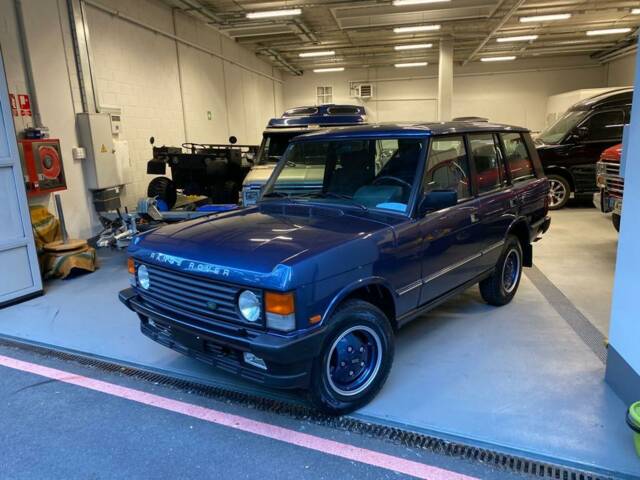
1991 | Land Rover Range Rover Classic 3.9
1991 Land Rover Range Rover Classic 3.9 V8 – Extensively Restored, 163,000 km, V8 Engine and Manual Gearbox
Current bid
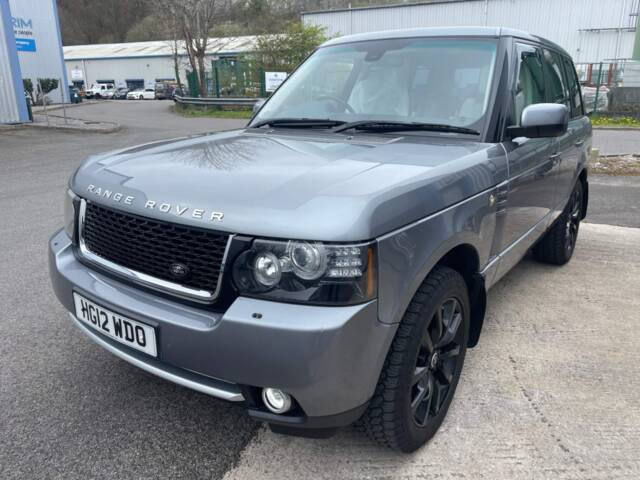
2012 | Land Rover Range Rover Westminster TDV8
2012 Range Rover Westminster 4.4 TDV8 (L322)

Auctions ending soon

Loading…
Loading…
Loading…
Loading…
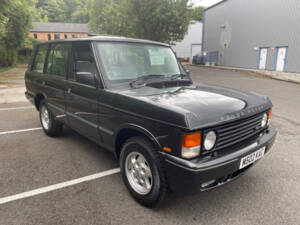
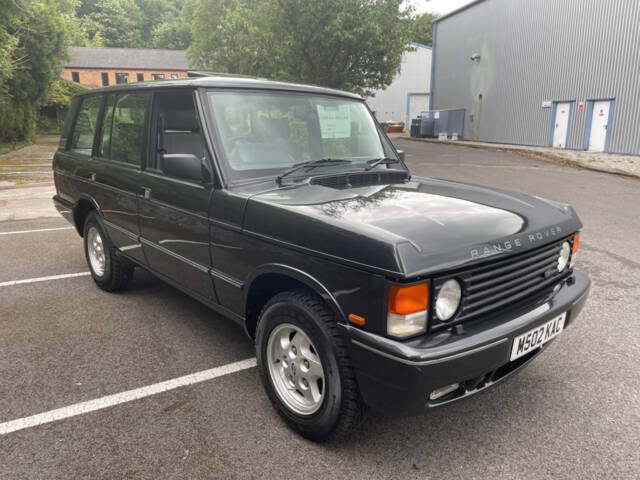
1995 | Land Rover Range Rover Vogue LSE
1995 Range Rover 4.2 LSE LWB
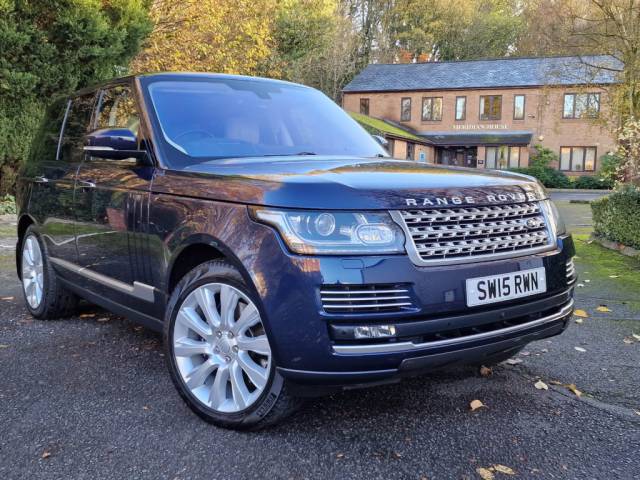
2016 | Land Rover Range Rover Autobiography SDV8
2016 Range Rover Autobiography 4.4 SDV8
Newsletter
The best Land Rover listings, straight to your inbox
Get hand-picked Land Rover listings, plus the best of cars, motorbikes, and auctions on Classic Trader — all in one place.
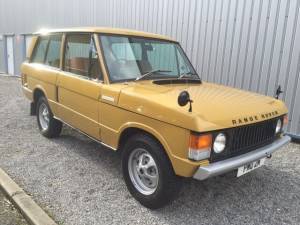
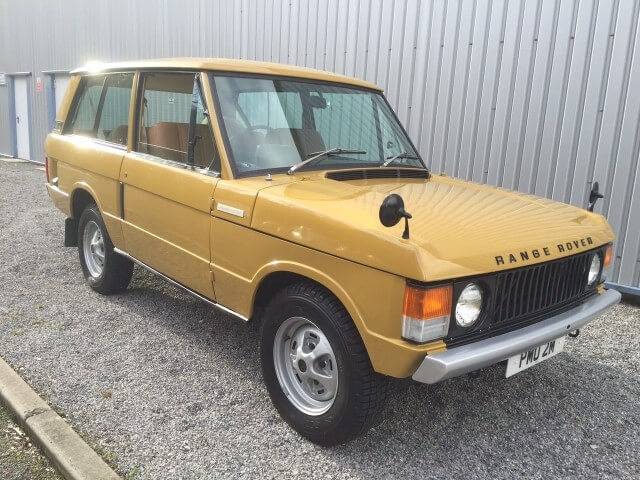
1973 | Land Rover Range Rover Classic 3.5
1973 Range Rover 2 door
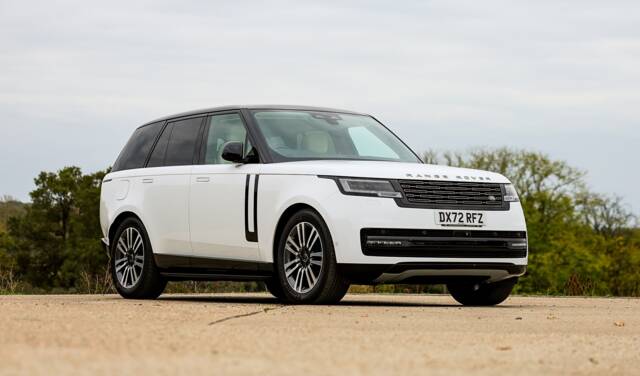
2022 | Land Rover Range Rover 3.0D HSE
2022 Range Rover SE D MGEV Auto
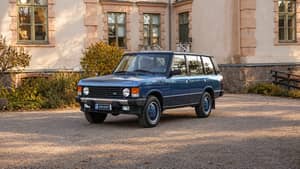
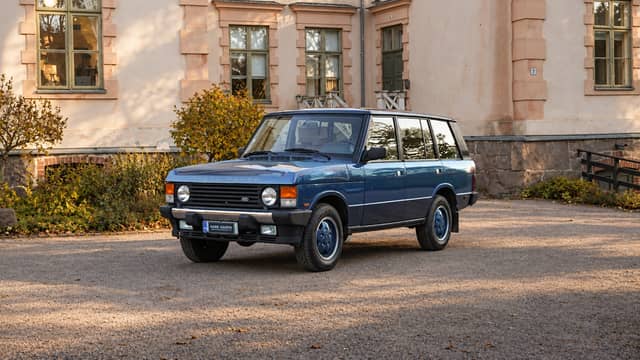
1994 | Land Rover Range Rover Classic Vogue LSEi
Rare Soft Dash LHD Vogue LSE

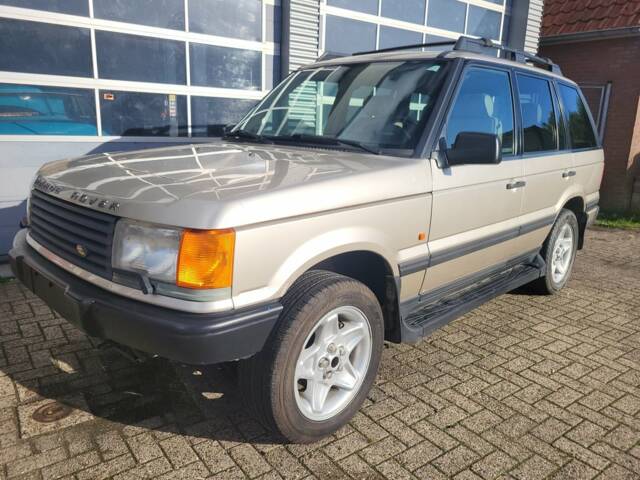
1998 | Land Rover Range Rover 4.6 HSE
Land Rover Range Rover 4.6 HSE | 1998 | Route 66 Auctions - For sale by auction. Estimate 3600 EUR

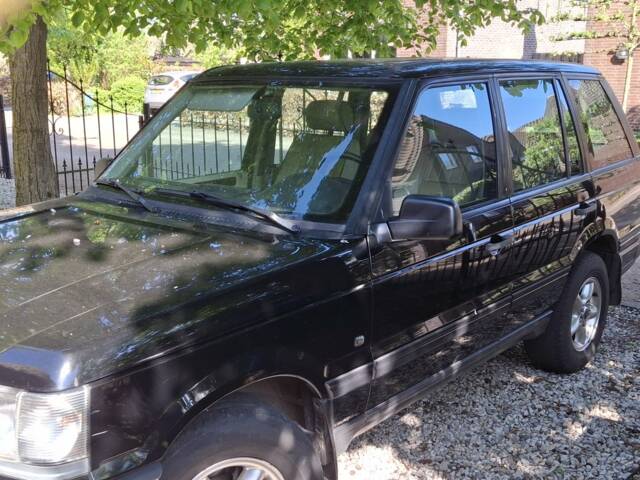
1999 | Land Rover Range Rover 4.6 HSE
Land Rover Range Rover P38 4.6 HSE | 1999 | Route 66 Auctions - For sale by auction. Estimate 4200 EUR
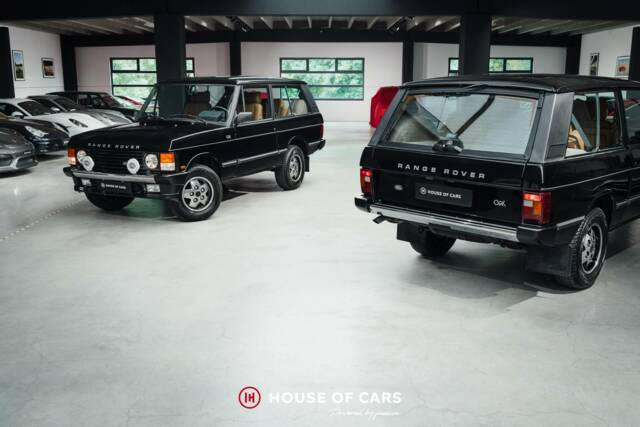
1991 | Land Rover Range Rover Classic CSK
Manual / 3-doors / Black over Tan

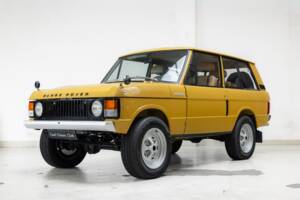
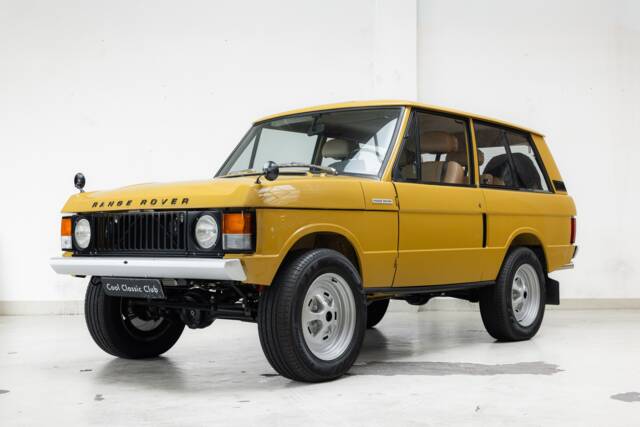
1972 | Land Rover Range Rover Classic 3.5
Classic - Suffix A - LT1 Corvette - Ultimate Sleep
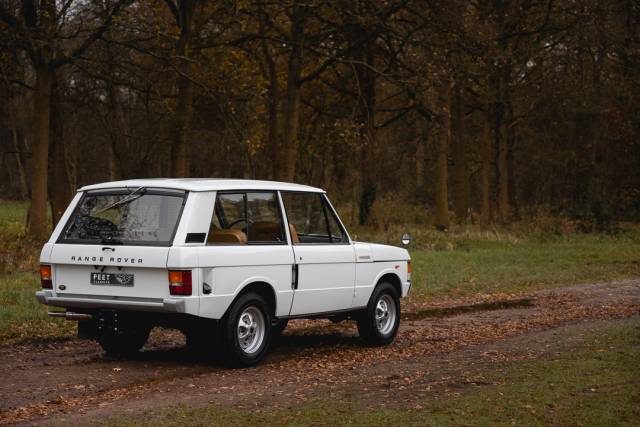
1973 | Land Rover Range Rover Classic 3.5
Land Rover Range Rover 'Suffix B'
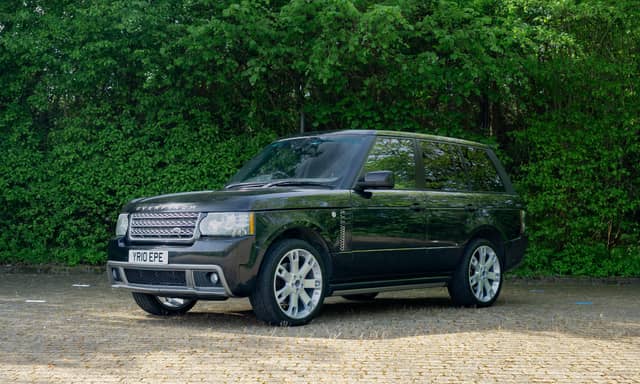
2010 | Land Rover Range Rover Vogue TDV8
2010 Range Rover Overfinch 3.6 TDV8
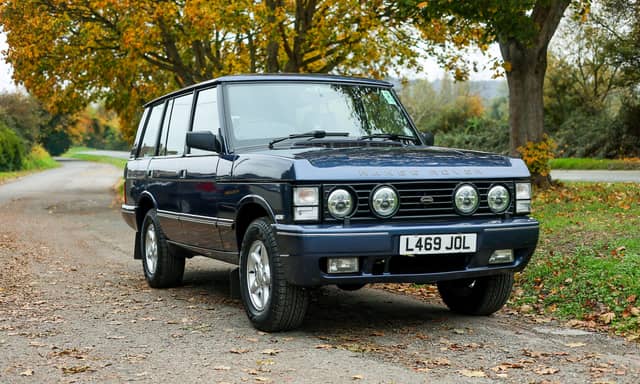
1994 | Land Rover Range Rover Vogue LSE
1994 Range Rover LSE
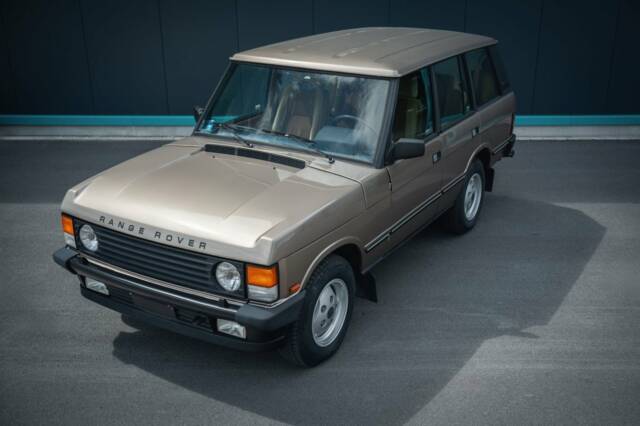
1987 | Land Rover Range Rover Classic EFI
Range Rover

Land Rover Range Rover Classic Cars: Prices & Market Values
History of the Land Rover Range Rover
British Leyland launched the Range Rover on 17 June 1970. Where the earlier Land Rover had established itself as a practical working vehicle, the Range Rover brought a more refined road-going character to a similarly capable four-wheel-drive design.
Its 3.5-litre V8, coil springs and permanent four-wheel drive set it apart from many contemporary off-roaders. The first generation remained in production until 1996 and became known as the Range Rover Classic. Range Rovers also competed in the Paris-Dakar Rally, winning in 1979 and 1981.
Range Rover generations
The Range Rover Classic, built from 1970 to 1996, began as a three-door model before gaining a five-door body. Fuel injection arrived in the mid-1980s; the V8 subsequently grew to 3.9 litres, while the 1992 LSE used a 4.2-litre engine and air suspension.
The P38A, introduced in 1994 and produced until 2002, offered V8 petrol and six-cylinder diesel engines. It gave way to the L322 in 2002, which replaced the separate chassis frame with a monocoque body. The L405 followed in 2012 with an aluminium body structure. The fifth generation has been available since 2022.
Range Rover highlights
The original Range Rover used a box-section ladder frame, two live axles and coil springs. Permanent four-wheel drive and disc brakes on all four wheels were standard from the outset. Its split tailgate combined an upper glass section with a lower metal section, adding practical access to the load area.
Later developments included electronic fuel injection, anti-lock brakes and electronic air suspension. The L405 brought aluminium construction and Terrain Response, a system designed to adapt the vehicle to different surfaces.
Range Rover technical data
Special Range Rover models
- In Vogue: an early upmarket Range Rover associated with a 1981 Vogue magazine photo shoot. The Vogue name continued on more luxurious versions.
- Monteverdi five-door: British Leyland commissioned the Swiss specialist to build a five-door Range Rover; 167 were produced before Land Rover made its own five-door version.
- CSK and 25th Anniversary: named special-edition Classics, with the CSK referencing Charles Spencer King.
- TACR2: a six-wheeled Range Rover-based firefighting vehicle used by the Royal Navy, RAF and fire brigades.
What to check when buying a Range Rover
The mechanical specification matters when assessing a Range Rover. On a Classic, inspect the ladder frame and live-axle suspension, and check the operation of the permanent four-wheel-drive system and disc brakes. Establish whether the V8 is carburetted or fuel-injected before assessing its running condition.
On an air-suspended Classic or P38A, check that the suspension operates correctly. Later generations have more electronic equipment, so test the fitted suspension, climate and other electrical functions.
Engines, transmission and driving
The Classic’s coil-sprung suspension and high driving position helped distinguish its road manners from those of earlier utility Land Rovers, while its permanent four-wheel drive supported off-road use. Manual and automatic gearboxes were offered during the Range Rover’s development.
The P38A was available with a 4.6-litre V8 petrol engine producing 218–224 PS, or a 2.5-litre six-cylinder diesel producing 136 PS. Later Range Rovers offered petrol, diesel and hybrid powertrains. Many versions have a towing capacity of up to 3.5 tonnes.
Range Rover design and interior
The Classic’s upright, boxy body and split tailgate give it a practical silhouette. Early cabins were deliberately simple, with vinyl seats and plastic dashboards; later cars gained carpeting, cloth or leather upholstery and wood trim. Classic colours included Bahama Gold, Tuscan Blue, Lincoln Green and Alpine White.
Equipment became increasingly elaborate, with air conditioning, sunroofs and upgraded audio systems joining the range. Later models offered features such as heated and cooled seats, panoramic roofs and long-wheelbase bodies with additional rear passenger space.
The Range Rover in brief
The Range Rover’s appeal lies in the contrast between its off-road engineering and road-going comfort. A three-door Classic offers the original V8 and ladder-frame formula; the P38A and later generations add progressively more electronics, equipment and structural changes.