- Car
- Land Rover
- Land Rover 107 (0 offers)
Land Rover 107 classic cars for sale
The Land Rover 107 is a member of the revered Series I family, known for its unmistakable practicality, challenging off-road capability and simple, sturdy design. Offered in various body styles, it established itself worldwide in civilian and military service and remains a sought-after vehicle for enthusiasts and collectors alike.
Search results
Currently, there are no matching listings for your search.
Create search alert
Let yourself be notified as soon as a listing is published that matches your search filters.
Create listing
Do you have a Land Rover 107 that you want to sell? Then create a listing now.
Create listingLand Rover 107 listing references from Classic Trader
Below you will find listings related to your search that are no longer available on Classic Trader. Use this information to gain insight into availability, value trends, and current pricing for a "Land Rover 107" to make a more informed purchasing decision.
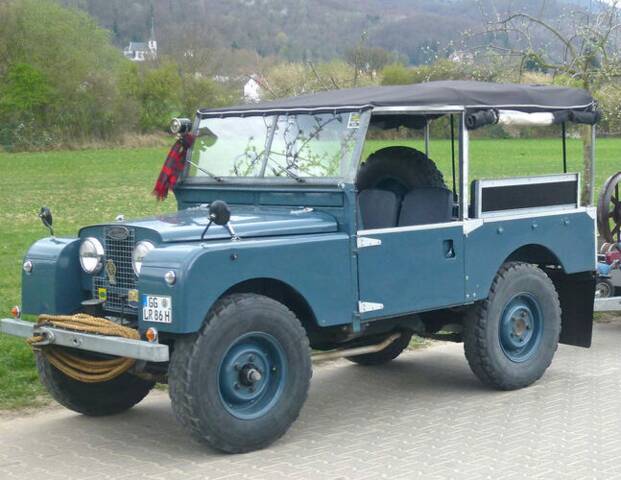
1955 | Land Rover 107
Land Rover Series 1 | 1955 | Route 66 Auctions - For sale by auction. Estimate 11500 EUR

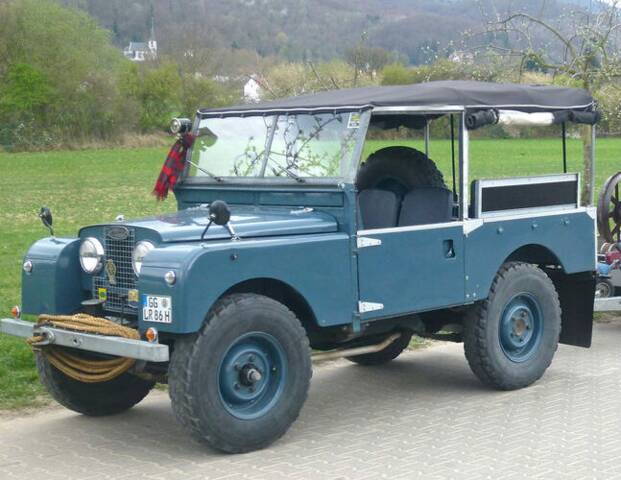
1955 | Land Rover 107
Land Rover Series 1 | 1955 | Route 66 Auctions - For sale by auction. Estimate 13500 EUR
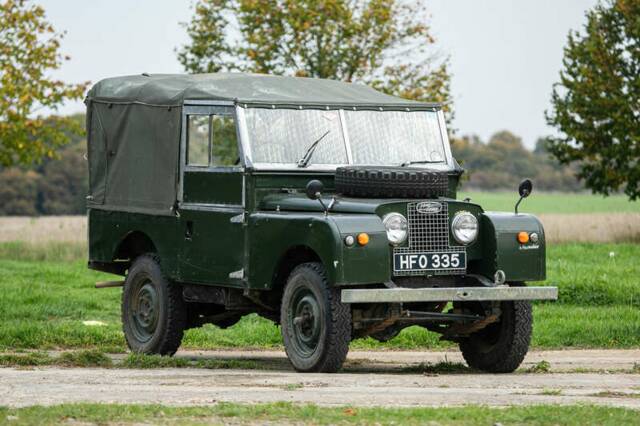
1954 | Land Rover 107
1954 Land Rover Series I 86" - Offered Directly From Harry Metcalfe

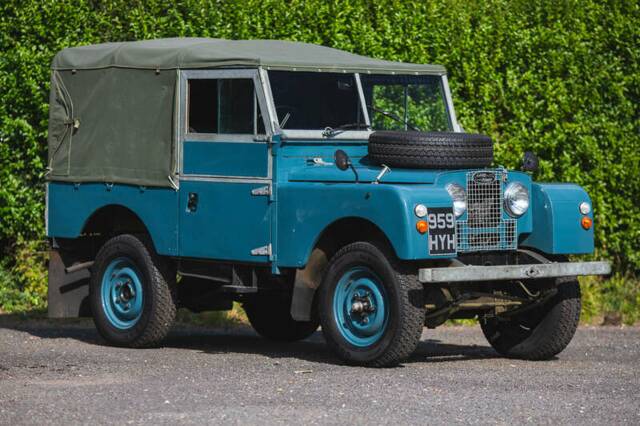
1956 | Land Rover 107
1956 Land Rover Series I 86" Tilt with Hardtop
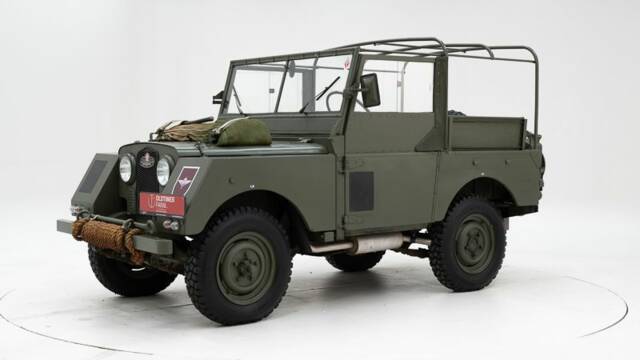
1955 | Land Rover 107
1955 Land Rover Minerva Series 1 '55

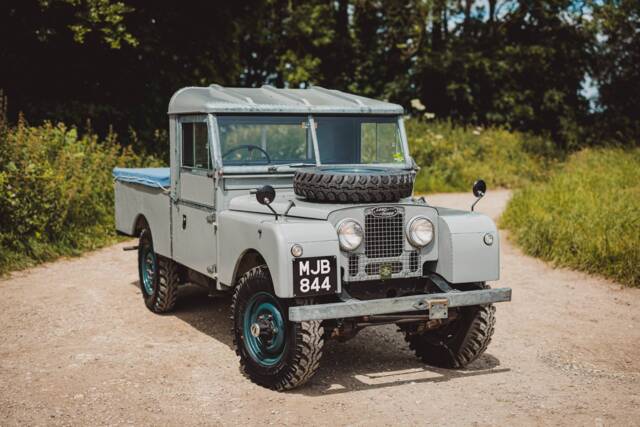
1956 | Land Rover 107
Rare 107" - Restored - Matching Numbers
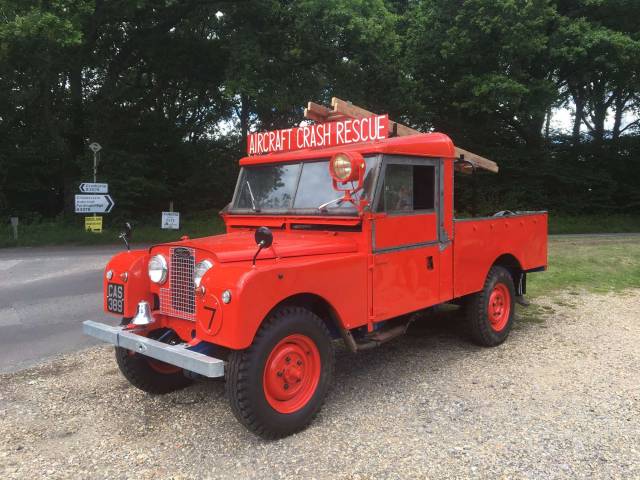
1955 | Land Rover 107
1955 Land Rover Series I 107" Aircraft Crash Rescue Vehicle ex-RAF
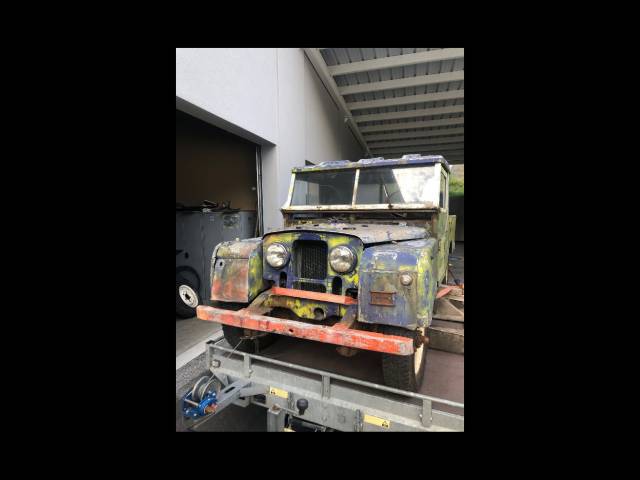
1955 | Land Rover 107
Restaurationsobjekt

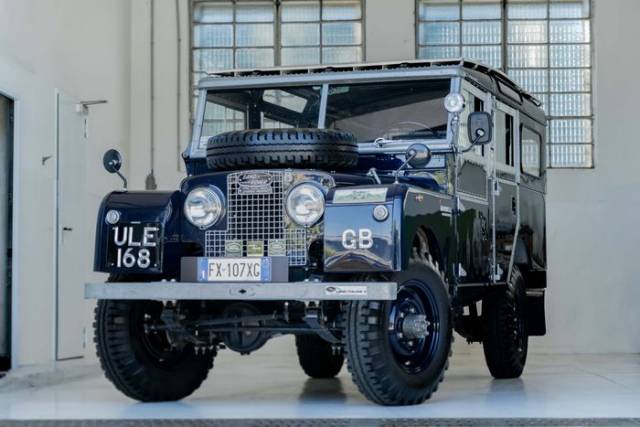
1957 | Land Rover 107
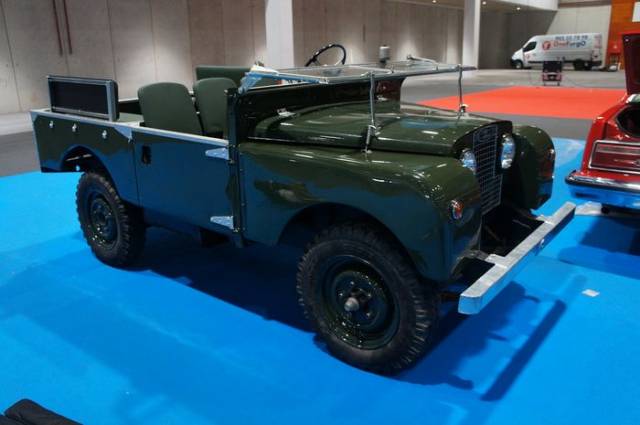
1954 | Land Rover 107
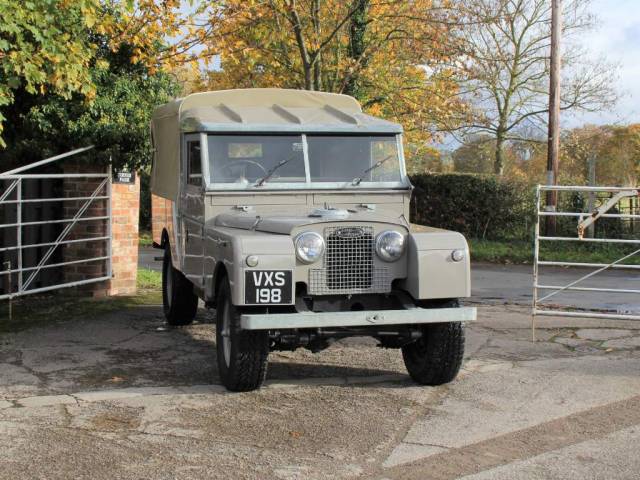
1955 | Land Rover 107
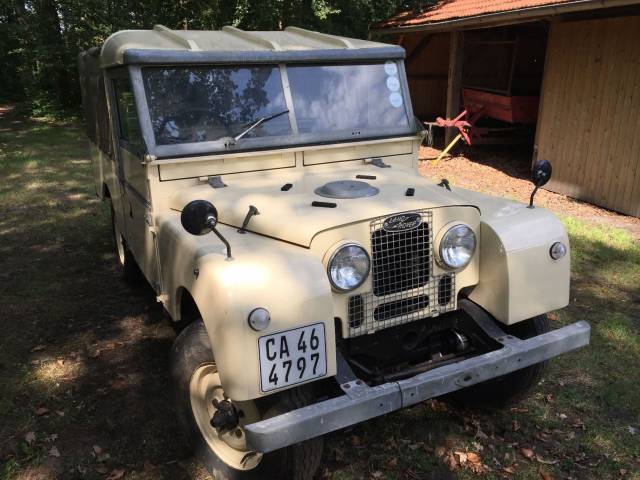
1955 | Land Rover 107
Barn Fund / Imported from South Africa

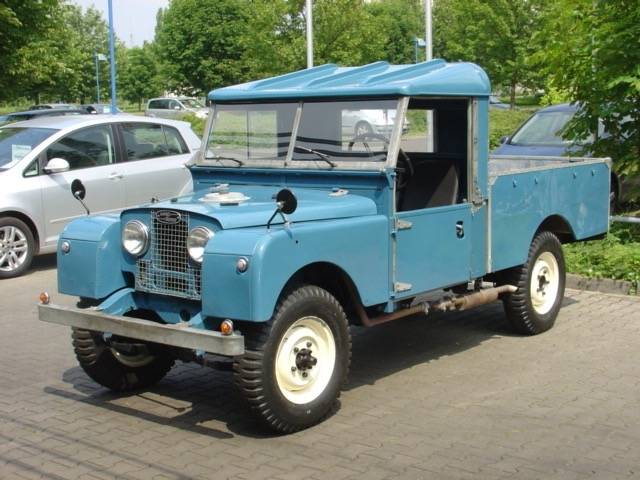
1955 | Land Rover 107
Sehr schönes Orginal-Fahrzeug Serie 1, restauriert, voll fahrfertig mit TÜV
Create search alert
Let yourself be notified as soon as a listing is published that matches your search filters.
Create listing
Do you have a Land Rover 107 that you want to sell? Then create a listing now.
Create listingLand Rover 107 Classic Cars: Prices & Market Values
History of the Land Rover 107
The Land Rover 107 is an integral part of the Series I range, which shaped the reputation of the British off-roader from 1949 until 1958. Initially conceived for post-war utility, these models quickly found a global audience thanks to their adaptability and robust nature. The 107-inch wheelbase variant marked an important milestone, extending the versatility of the original Land Rover and allowing for greater load-carrying capacity. Whether serving on remote farms, military bases or in expeditions, the 107 contributed significantly to Land Rover’s worldwide acceptance. A significant number of original models are still on the road today, a testament to their impressive durability and the enduring simplicity of their engineering.
Model History of the 107 Series
The Series I Land Rover started with the 80-inch variant and was gradually expanded to include 86, 88, 107 and 109-inch wheelbases. The 107 was introduced to cater for those requiring a more substantial load platform, primarily in pickup and station wagon form. Over production, the Series I transitioned from the original 1.6-litre petrol engine to a more powerful 2.0-litre petrol unit, while a self-developed diesel engine was made available from 1956. The straightforward mechanics and broad range of configurations cemented the 107 as a favourite among professionals and adventurers. Both right- and left-hand drive versions were offered to match regional requirements. The Series II, as the successor, built upon these strengths with technical and design updates.
Highlights and Unique Features of the Land Rover 107
The Land Rover 107 stands out for its remarkable off-road ability, featuring robust live axles front and rear and a simple ladder frame chassis of steel for durability, with aluminium body panels to resist corrosion. Its design allowed for a wide variety of applications: from open soft-tops for agricultural use to station wagons for family or military transport. The vehicles' minimalism ensures ease of maintenance and adaptability for conversions or restoration.
Technical Data of the Land Rover 107
Special Editions and Collectible Models
Within the 107 range, interest is particularly high in ex-military versions, fire trucks and special purpose conversions supplied to government organisations, which featured unique bodywork and equipment. Some rare factory-built Station Wagons with enhanced trim and seating capacity are also notable collectibles for their scarcity and features.
Weak Spots and Common Issues of the Land Rover 107
Series I Land Rovers like the 107, though mechanically simple, require vigilance regarding chassis integrity, especially corrosion in the steel frame. Aluminium bodywork resists rust but is prone to dents and electrolytic corrosion around steel fittings. Drivetrain and gearbox, though robust, may suffer wear with age, particularly in vehicles heavily used off-road or fitted with winches and other accessories. Suspension bushings and leaf springs should be inspected for fatigue. Original electrical systems often require modernisation or replacement during restoration.
Engine and Performance, Transmission and Handling
The Land Rover 107 offers solid performance for its era, prioritising ruggedness over outright speed. The 2.0-litre four-cylinder petrol and later diesel engines suit agricultural and off-road environments, delivering ample torque at low rpm. The four-speed manual transmission is complemented by selectable four-wheel drive and high/low range gearboxes, granting a mechanical advantage in rough terrain. The ride is utilitarian with leaf-sprung axles, but this suspension is essential to its all-terrain prowess. Power steering was not factory standard, requiring some muscle at low speeds but providing exceptional feedback. Braking is by drum brakes all round, demanding regular maintenance to uphold stopping efficiency. - 107 Station Wagon (more family and utility-oriented)
- 107 Pickup (favoured for heavy-duty reliability)
- 107 Military versions (valued for rugged modifications and historical context)
Interior, Comfort, Exterior and Design
The Land Rover 107’s design language is deeply functionalist: flat aluminium panels, exposed rivets, and simple, purposeful lines. Colours were typically military-inspired greens. The utilitarian theme continues inside with minimal trim, practical rubber mats, straightforward switchgear and, on Station Wagons, additional bench seating. Soft-tops leveraged weather-resistant canvas. Accessories were tailored to user needs: Power-takeoffs, winches, jerry-can holders, spare wheels mounted on bonnet or tailgate, and specially reinforced bumpers were all common period extras. Instrumentation is basic but durable, with later models seeing modest improvements in dashboard layout and seating.
Other Features and Peculiarities
A noteworthy feature is the adaptability of the chassis for various conversions. Unique bodies, mobile workshops and firefighting variants were factory- or dealer-supplied. The 107 was also popular for export, being available in both right- and left-hand-drive, broadening global appeal.
Summary of the Land Rover 107
The Land Rover 107 stands as a testament to British engineering dedicated to simplicity, durability and real-world versatility. Its agricultural roots, extensive military service and sheer mechanical honesty ensure every surviving example represents a distinctive piece of post-war automotive history. Thanks to widespread parts availability and an enduring enthusiast scene, restoration and upkeep remain practical, keeping many of these classic off-roaders in operation today.