- Car
- Land Rover
- Land Rover 88 (12 offers)
Land Rover 88 Classic Cars for Sale
The Land Rover 88 stands for robust engineering, unmistakable design, and versatility. Available as hardtop, softtop, or pick-up, this short-wheelbase four-wheel drive is an icon of post-war British automotive history—engineered primarily from aluminium, it remains highly valued for agricultural, military, and off-road use. From Series I to Series III, it’s a favourite among enthusiasts for its straightforward mechanics, easy maintenance, and rugged reliability.
Search results
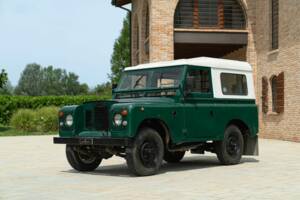
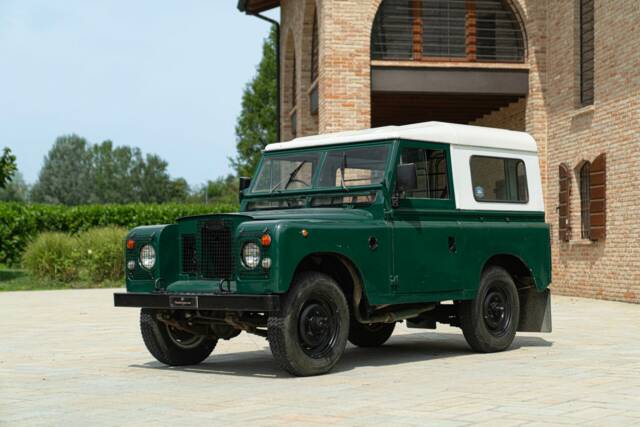
1977 | Land Rover 88 Lightweight
Land Rover 88 SERIE II A

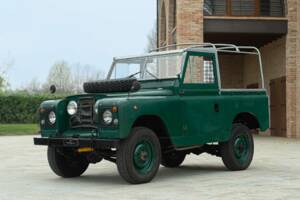
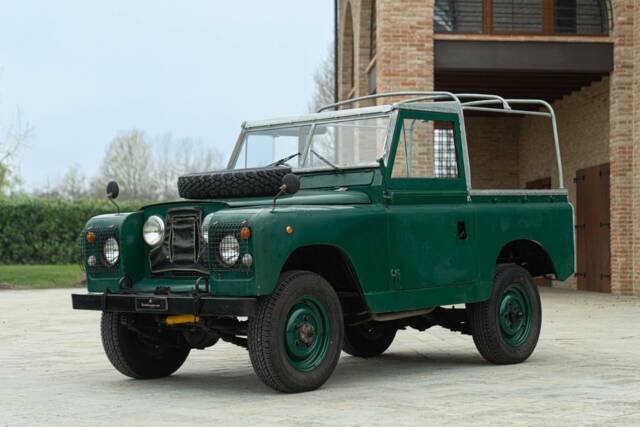
1978 | Land Rover 88
Land Rover 88 SERIE II
Auctions ending soon

Loading…
Loading…
Loading…
Loading…
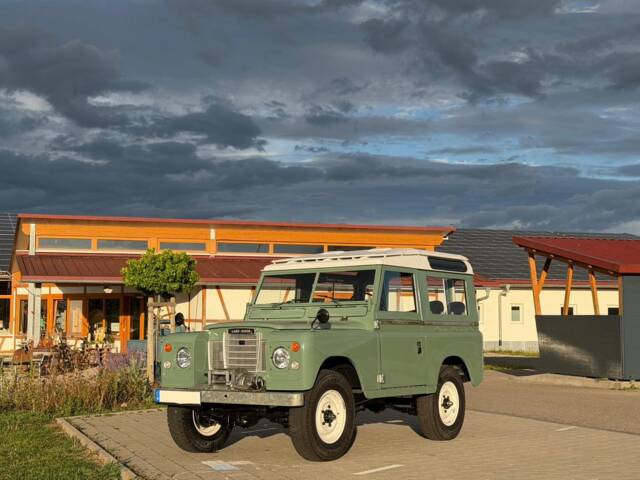
1977 | Land Rover 88
Land Rover 88 Series III Diesel – frame-off restored, galvanised frame, matching numbers, historic vehicle registration, new MOT

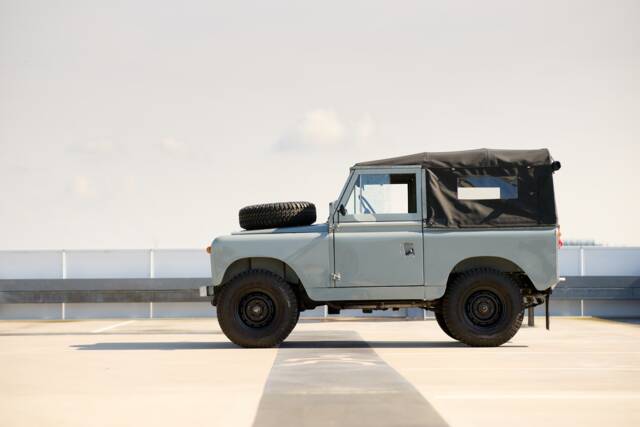
1963 | Land Rover 88
Land Rover Series IIa 88 – Soft Top 1963

Newsletter
The best Land Rover listings, straight to your inbox
Get hand-picked Land Rover listings, plus the best of cars, motorbikes, and auctions on Classic Trader — all in one place.

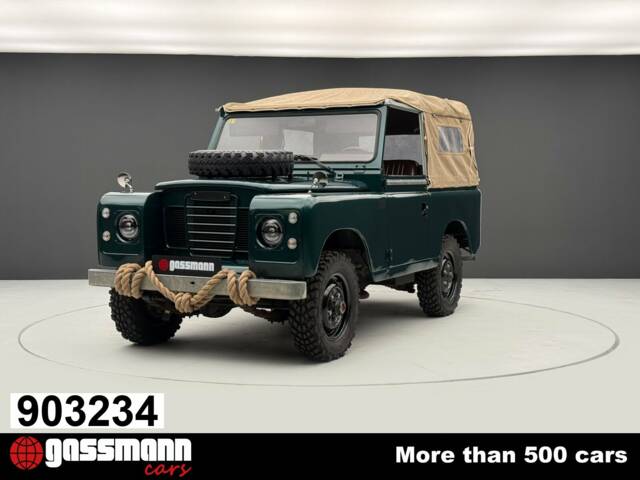
1987 | Land Rover 88
Defender Serie III 88 LB Santana
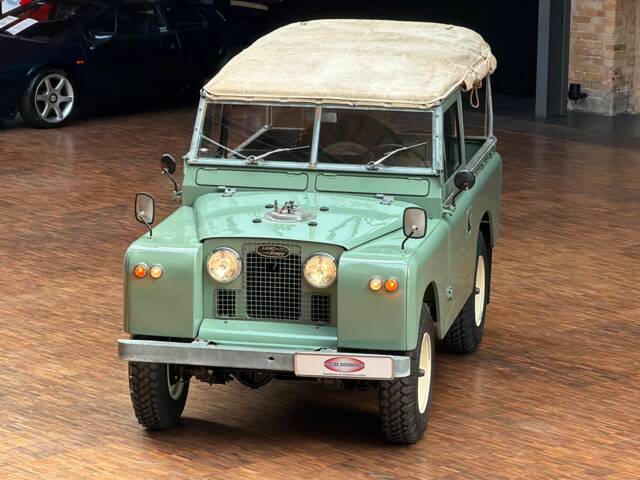
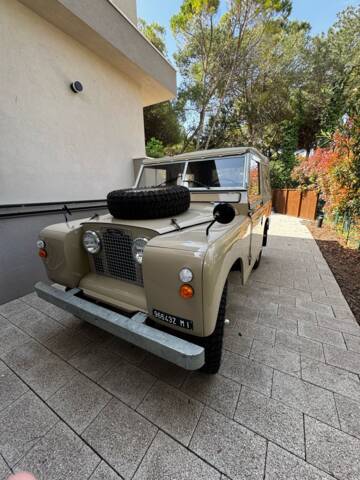
1980 | Land Rover 88
Amazing Land Rover
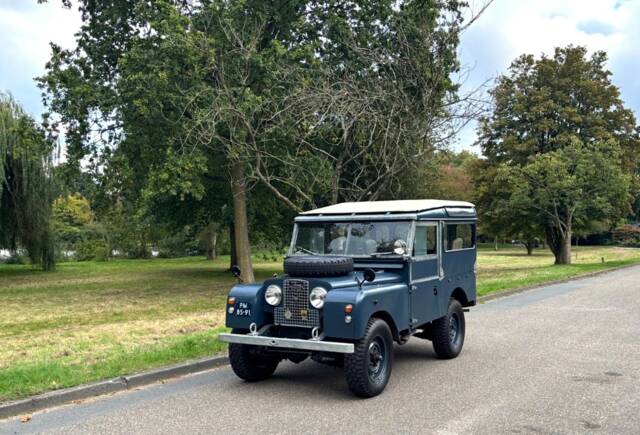
1958 | Land Rover 88
YOUR CLASSIC CAR-SOLD-VENDU-VERKAUFT
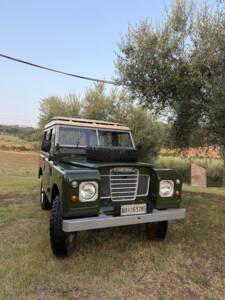
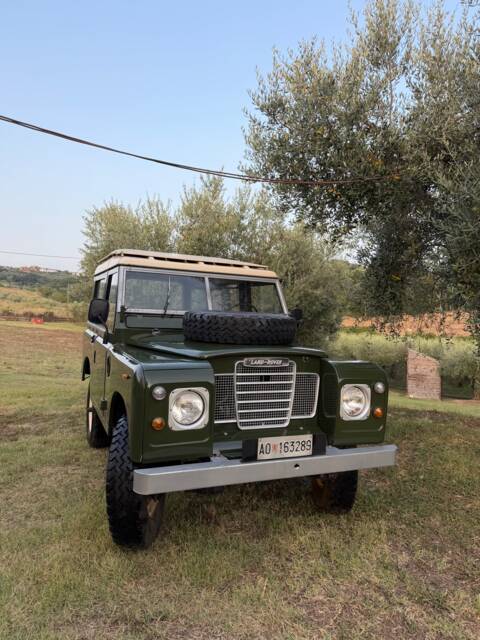
1972 | Land Rover 88
Land Rover Series III 88 Diesel – Telaio eccellente – Pronta all’uso
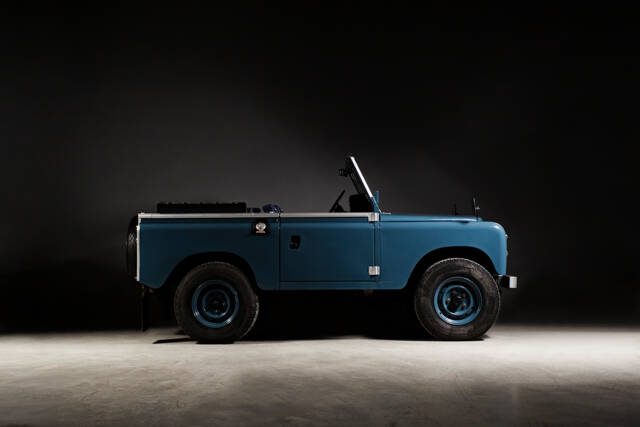
1980 | Land Rover 88
LAND ROVER SERIES III of 1980

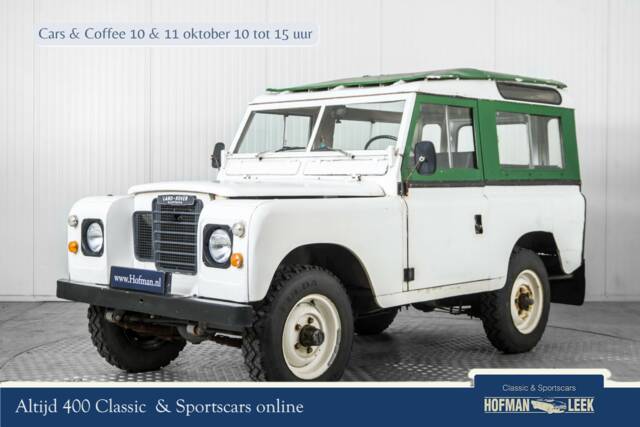
1977 | Land Rover 88
Land Rover 88 Defender serie III overdrive Santana
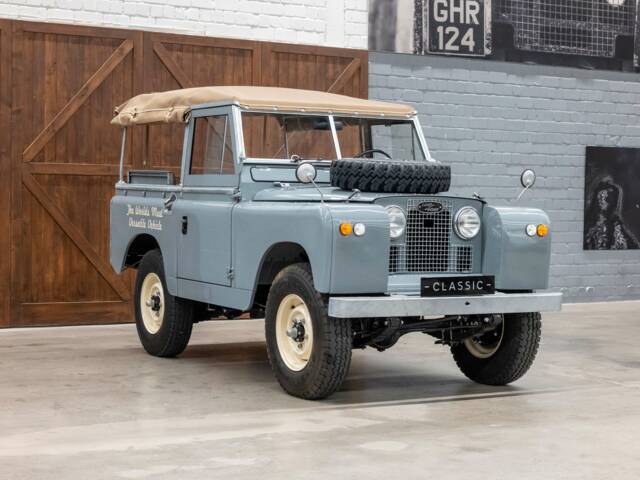
1969 | Land Rover 88
Serie 2a Soft TOP - Frame Off Restauriert - sehr guter Zustand
Land Rover 88 listing references from Classic Trader
Below you will find listings related to your search that are no longer available on Classic Trader. Use this information to gain insight into availability, value trends, and current pricing for a "Land Rover 88" to make a more informed purchasing decision.
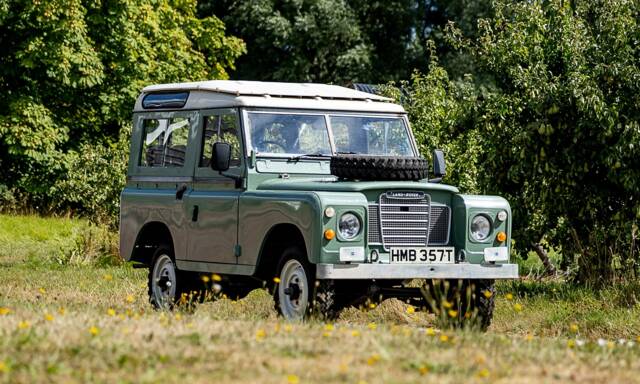
1978 | Land Rover 88
1978 Land Rover 88

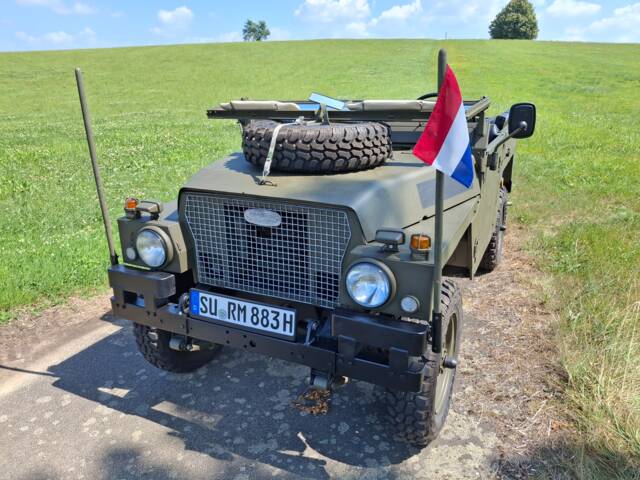
1978 | Land Rover 88 Lightweight
Zustand laut Gutachten: 1- , Nur 37.000 Km
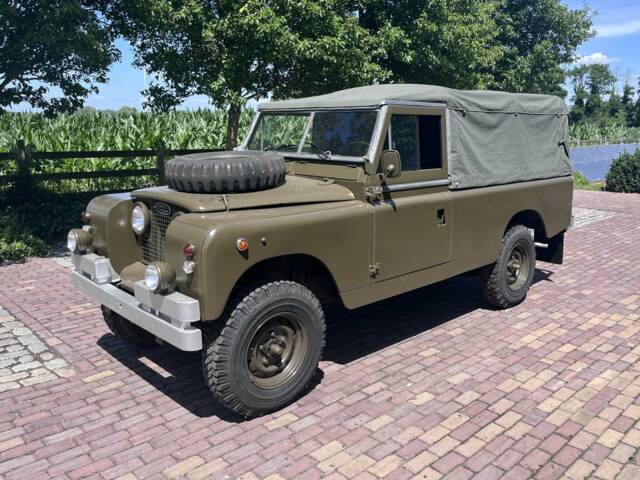
1969 | Land Rover 88
Land Rover 109 Series IIA | 1969 | Route 66 Auctions - For sale by auction. Estimate 8500 EUR
Land Rover 88 Classic Cars: Prices & Market Values
The market value of Land Rover 88 classic cars is primarily determined by the specific manufacturer code and variant, as well as technical condition, originality and mileage. Additional factors include rarity, history and documentation. A well-maintained, largely original vehicle with low, verifiable mileage and complete history including appraisals and documentation typically achieves significantly higher prices than a comparable vehicle with deferred maintenance, many modifications or unclear provenance.
Land Rover 88: Market Prices & Value Trends
Based on sales data from the Classic Trader marketplace, the Land Rover 88 market in Europe has remained broadly stable to slightly firmer over the period from early 2021 to mid-January 2026, with most asking prices clustering in the middle of the range despite occasional extremes. Across typical Series II/IIA and Series III examples (roughly 1957–1984), realistic market values most often sit at around €15,000–€35,000, with entry-level, project-grade vehicles sometimes appearing below this and well-restored or highly original trucks pushing beyond it. A handful of very high-price adverts (around €70,000–€85,000) appear in the dataset, but these should be treated as outliers rather than the norm. UK adverts show a comparable picture in £ terms, commonly around £15,000–£30,000 for usable classics. For today’s buyers, this points to a condition-led market: strong money follows documented restorations, desirable early years, and correct-spec details, while tired vehicles still trade at accessible levels, helping the overall segment to hold its value.
History of the Land Rover 88
With roots dating back to the late 1940s, the Land Rover 88 was conceived as a direct response to post-war Britain's need for capable utility vehicles. Built on the lessons of the Series I—which itself was assembled from surplus war materials—the 88 (referring to its 88-inch wheelbase) was introduced in 1958 alongside the extended 109. Early models featured aluminium bodywork to circumvent steel shortages and were propelled by petrol engines derived from Rover passenger cars. Over decades, the Land Rover evolved, becoming a global reference for practical, robust off-roaders, celebrated both in civilian life and the military.
Model Series Evolution and Successors
The original Series I Land Rover paved the way from 1948. The introduction of the Land Rover 88 Series II in 1958 marked a new era, initially with 2.0L petrol and later more powerful 2.25L petrol and diesel engines. Series II was followed by the Series IIA and then Series III (1971–1985), which introduced modern conveniences such as full synchromesh gearboxes and improved electrical systems. Each generation brought subtle but meaningful updates to driveability and equipment, while retaining the essential character. After Series III, the Land Rover Defender took up the legacy from 1983/84, continuing the short and long wheelbase traditions.
Key Features and Stats
The Land Rover 88's strengths are rooted in its straightforward ladder frame chassis and corrosion-resistant aluminium panels, which translate into remarkable longevity and adaptability. Its all-wheel-drive system, selectable or permanent depending on series, remains highly regarded for off-road prowess. The track record in extreme climates, and its modular design—with interchangeable roofs, doors, and bodywork—underscore its suitability for expeditions, agricultural duty, and restoration. Series III models make up over 61% of 88s on the market, with Series II A at almost 24%. Demand closely mirrors supply: 56% for Series III, 30% for Series II A. These figures confirm the continuing high interest in the later model variants, especially Series III, among buyers and collectors.
Technical Data
Special Editions and Collectible Models
A number of distinctive variants exist, including military 'Lightweight' (Airportable) models developed for airborne forces, recognised by removable panels and narrower track. The State II parade vehicle was custom-built to transport British royal family members. Civilian 'County', 'De Luxe', and 'Safari Roof' (with vented double skin) variants cater to different climates and markets, often with enhanced interior trim and comfort features. Spanish-built Santana models feature unique specification details and, at times, alternative engine options.
Weak Spots and Maintenance
Although the Land Rover 88 is famed for its straightforward repairability and exceptional parts supply worldwide, issues stem from age and use: steel chassis corrosion (especially where steel meets aluminium), worn leaf springs, and perished wiring or seals require attention. Gearbox components and differentials can show wear if poorly maintained. Models with original drum brakes benefit from careful upkeep, while military or heavily converted versions may present additional complexity. Regular greasing, frame inspection, and sourcing OEM or high-quality reproduction spares keep these classics running dependably.
Performance, Engine, and Handling
With top speeds around 100–110 km/h, and power outputs between 60–77 hp, the Land Rover 88 prioritises torque and tractability over outright speed. Four-speed manual transmissions, with or without overdrive, connect to selectable 4WD and a low-range transfer case. Early models have unsynchronised gears, making double-clutching essential, while Series III brought easier shifting. The leaf spring suspension imparts a characteristically firm ride: forgiving off-road but uncompromisingly rustic on tarmac. Handling and braking are functional rather than sporty, reflecting the vehicle’s agricultural origins.
Popular Model Variants:
- Series III 88: Best supply and demand, full synchromesh, updated dash, reliable 2.25L engines.
- Series II A: Sought for its mechanical ruggedness, earlier grill and switchgear.
- Lightweight/Airportable: Rare military derivative, very collectible. undefined
Design, Interior, Accessories
Aesthetically, the Land Rover 88 is defined by its utilitarian lines, flat aluminium panels, and signature 'barrel side' profile from Series II onwards. Colour palettes traditionally include Bronze Green, Marine Blue, Pastel Green, Limestone, and Sand. Interiors are thoroughly functional—vinyl seats, basic instrumentation, and, in some civilian and County models, improved headlining, door trims, and carpet. Accessories include tropical roofs, winches, external fuel tanks, power take-off drives, and a vast array of official and aftermarket expedition gear. Flank- or bonnet-mounted spare wheels, black plastic dashboards (Series III), and flap or hinged windows provide practical touches for varied environments.
Other Noteworthy Features
Early electrics sometimes had positive earth, and late-model engines (from 1980) gained stronger five-bearing crankshafts. In many markets, Series 88 vehicles qualify for historic registration and tax exemptions. Due to global popularity, CKD (completely knocked down) kits were shipped for local assembly worldwide. The model maintains a vibrant international club and event scene, with wide-ranging support for restoration, modifications, and off-road use.
Summary
The Land Rover 88 embodies rugged engineering, honest utility, and design aimed squarely at functionality. Later Series III models dominate supply and demand in the classic market, thanks to their improved comfort and usability. With excellent parts availability and club community support, the Land Rover 88 remains a highly practical and enthusiast-friendly classic. Countless configuration options, robust off-road performance, and a storied history ensure it continues to attract collectors and adventurers alike.