- Car
- Volkswagen
- Volkswagen Golf
- Volkswagen Typ 19E (10 offers)
Volkswagen Golf Typ 19E classic cars for sale
The Volkswagen Golf Typ 19E, better known as the Golf II, was built from 1983 to about 1992. Larger than the original Golf but faithful to its practical hatchback layout, it spans everything from simple carburetted petrol and diesel cars to the GTI 16V, G60, Syncro and raised Golf Country. Browse Volkswagen Golf II classic cars for sale here.
Search results
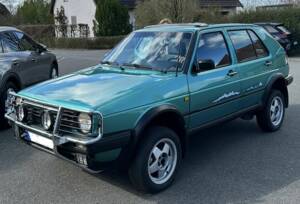
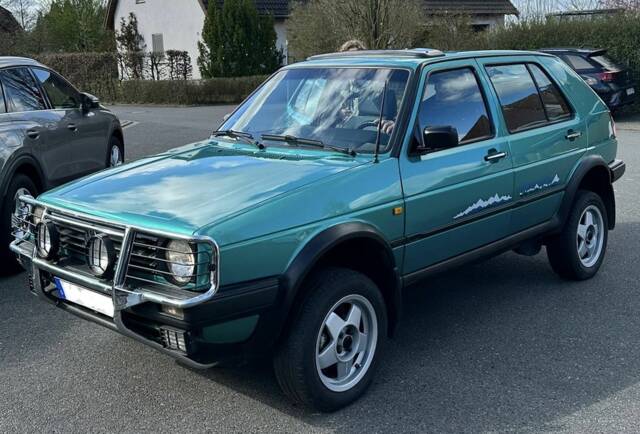
1991 | Volkswagen Golf Mk II Country Syncro 1.8
Volkswagen Golf Country | 1991 | Route 66 Auctions - For sale by auction. Estimate 8400 EUR


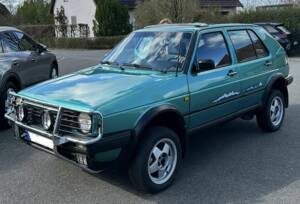
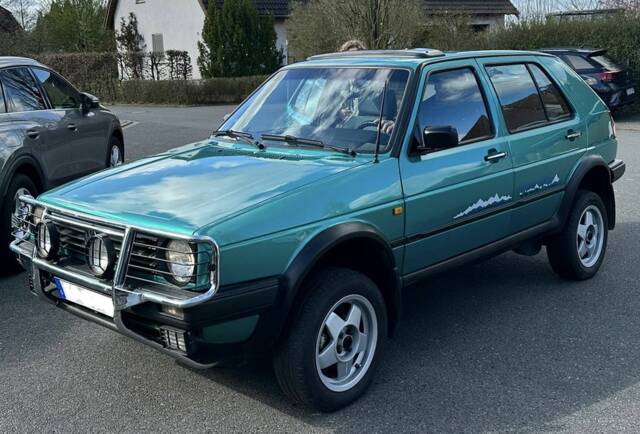
1991 | Volkswagen Golf Mk II Country Syncro 1.8
Volkswagen Golf Country | 1991 | Route 66 Auctions - For sale by auction. Estimate 8400 EUR
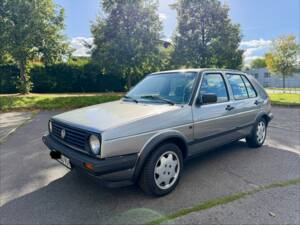
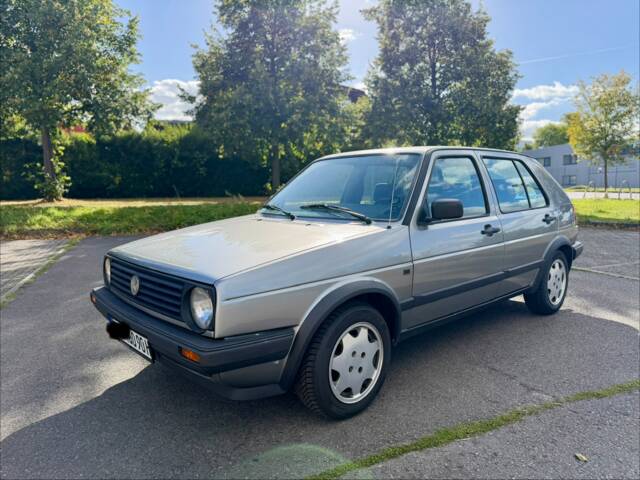
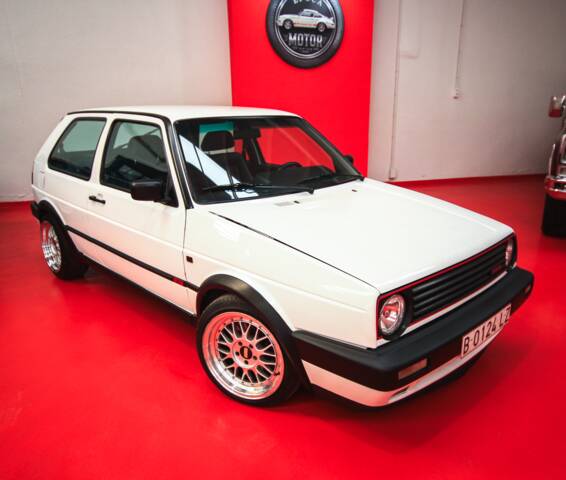
1990 | Volkswagen Golf Mk II 1.8
Top condition, family-owned since 1991

Newsletter
The best Volkswagen listings, straight to your inbox
Get hand-picked Volkswagen listings, plus the best of cars, motorbikes, and auctions on Classic Trader — all in one place.
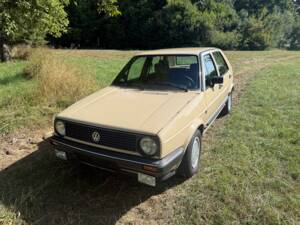
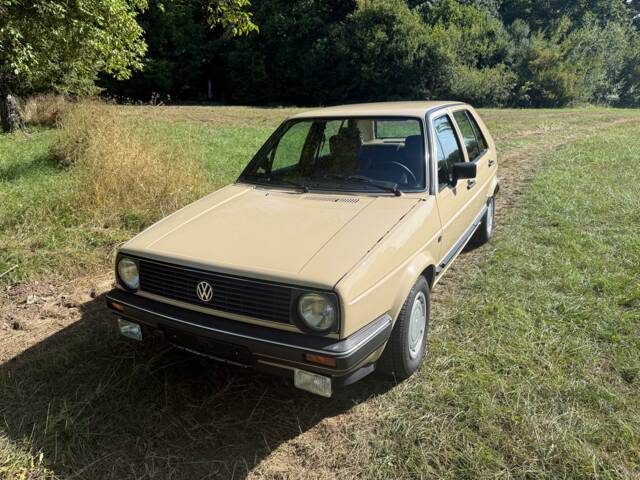
1987 | Volkswagen Golf Mk II 1.8
VW Golf 2 GL 1.8 GX Automatic – 1 Owner – only 24.162 km – Top condition
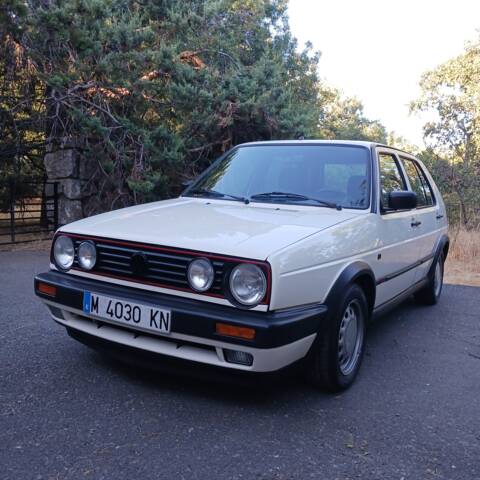
1989 | Volkswagen Golf Mk II GTi 1.8
One owner from new. Originally sold new in Spain in 1989.
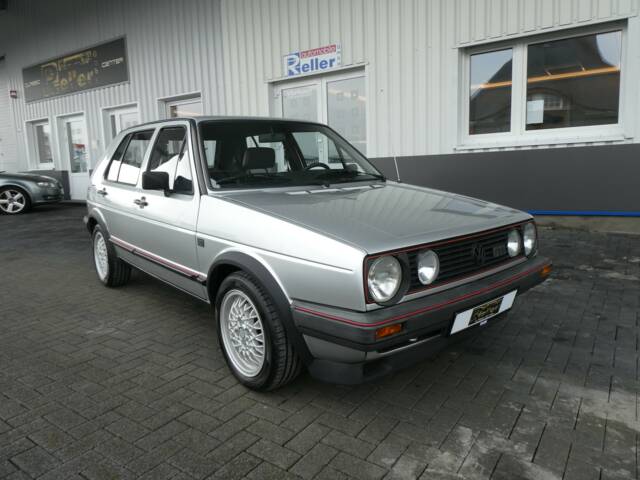
1988 | Volkswagen Golf Mk II GTi 1.8
Originalzustand
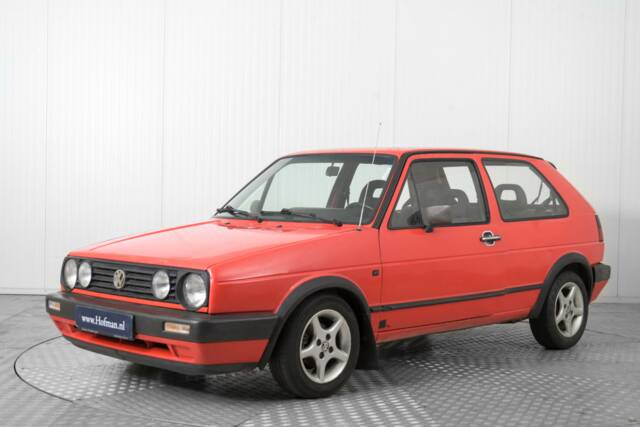
1986 | Volkswagen Golf Mk II GTD 1.6
Volkswagen Golf 1.6 GTD .
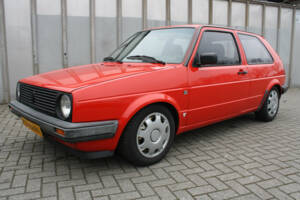
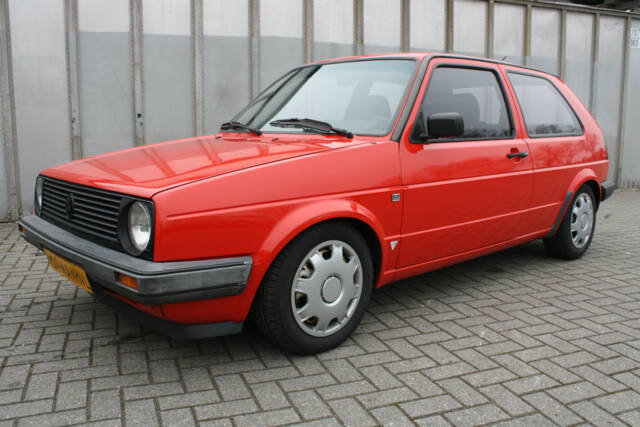
1984 | Volkswagen Golf Mk II GTD 1.6
Volkswagen Golf 1.6 TD
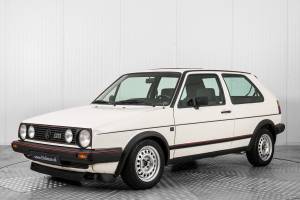
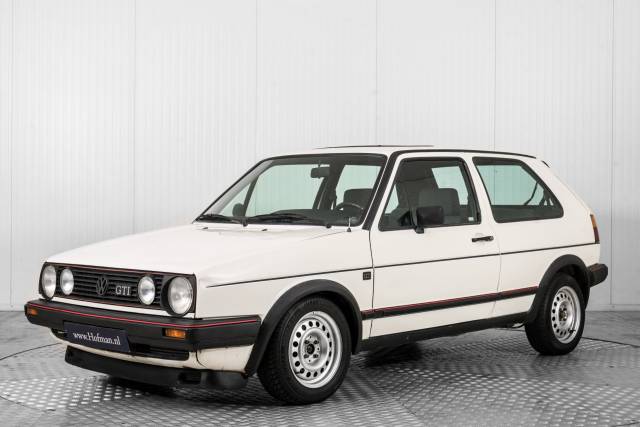
1987 | Volkswagen Golf Mk II GTi 1.8
Volkswagen Golf 1.8 GTI
Volkswagen Golf Typ 19E listing references from Classic Trader
Below you will find listings related to your search that are no longer available on Classic Trader. Use this information to gain insight into availability, value trends, and current pricing for a "Volkswagen Golf Typ 19E" to make a more informed purchasing decision.
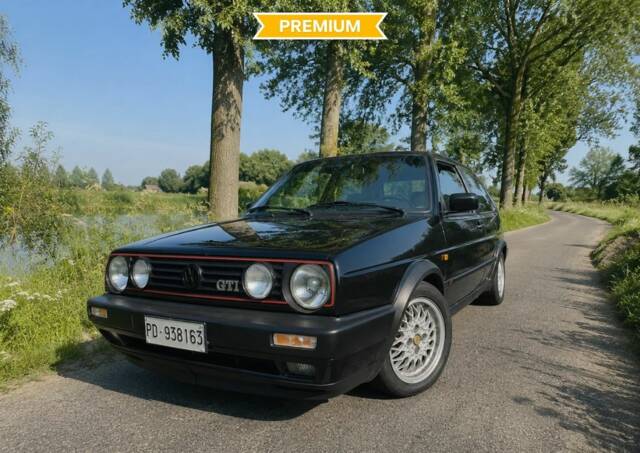
1988 | Volkswagen Golf Mk II GTi 1.8
Volkswagen Golf | 1988 | Route 66 Auctions - For sale by auction. Estimate 7800 EUR
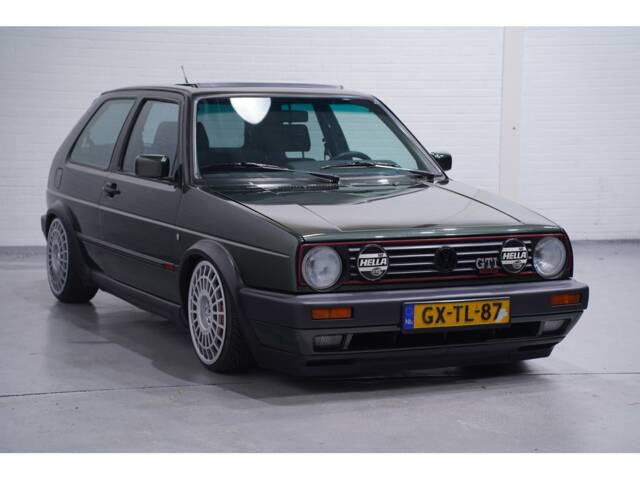
1989 | Volkswagen Golf Mk II GTi 16V 1.8
Volkswagen Golf GTI | 1989 | Route 66 Auctions - For sale by auction. Estimate 13800 EUR
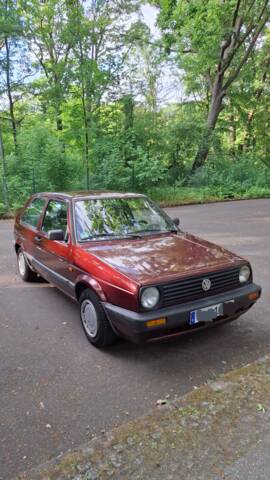
1991 | Volkswagen Golf Mk II 1.6
Sehr schönes Rentnerfahrzeug
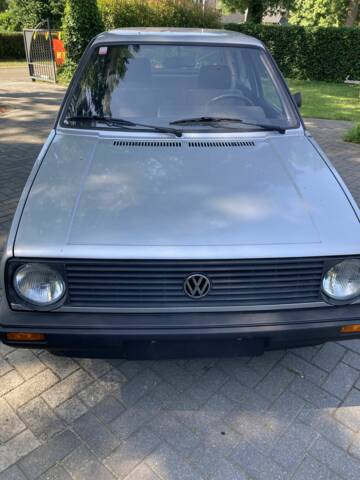
1984 | Volkswagen Golf Mk II 1.3
Volkswagen Golf | 1984 | Route 66 Auctions - For sale by auction. Estimate 3500 EUR
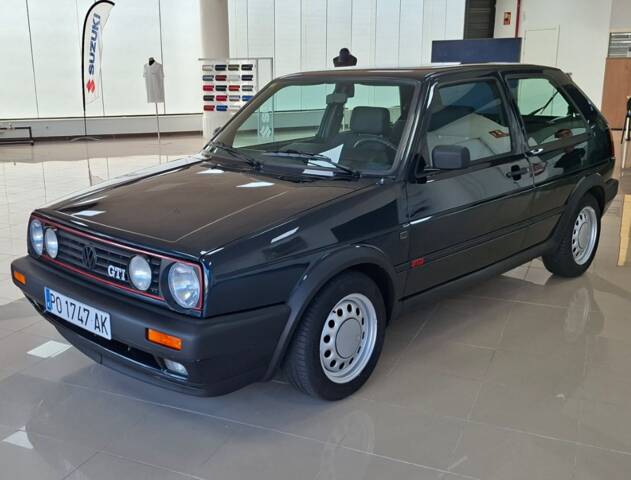
1990 | Volkswagen Golf Mk II GTi 1.8
Volkswagen Golf Typ 19E Classic Cars: Prices & Market Values
Volkswagen Golf Typ 19E: history
Volkswagen introduced the Golf Typ 19E in 1983 as the second-generation Golf. It retained the transverse-engine, front-wheel-drive hatchback formula of the first Golf, while growing in length and width. The result was a more spacious car without abandoning the compact three- or five-door body that defined the range.
Production continued until approximately 1992 and brought a broad mechanical spread: petrol engines from 1.0 to 1.8 litres, naturally aspirated and turbo-diesel variants, carburettors as well as fuel injection, and four- or five-speed manual gearboxes alongside optional automatics. Most Typ 19Es drive the front wheels, but Volkswagen also offered Syncro all-wheel drive on selected versions.
The Typ 19E was regularly revised through its production life with equipment updates, small facelifts and numerous editions. Its durable chassis, comparatively effective rust protection and straightforward mechanical layout explain why preserved Golf IIs remain on the road.
Model history
The Golf Typ 19E succeeded the original Golf I. Volkswagen preserved the first car’s hatchback concept but made the second generation larger and offered it with a much wider selection of engines and equipment.
Within the Typ 19E range, the standard petrol and diesel models sat beside sporting GT and GTI versions. The GTI was available in 8-valve and 16-valve form; the supercharged G60 added a G-Lader, while the Rallye Golf combined the G60 engine with a widened body and Syncro drivetrain. The Golf Country took the four-wheel-drive route in another direction, with additional ground clearance, exterior-mounted spare wheel and bullbars.
The Golf II was followed by the next Golf generation after its production run ended around 1992. Volkswagen did not build a Golf II Cabriolet: the Golf I Cabriolet continued alongside the Typ 19E.
Volkswagen Golf Typ 19E highlights
The Typ 19E range is unusually broad for a compact hatchback. Buyers can choose between modestly equipped daily-driver specification and technically distinctive derivatives such as the GTI 16V, G60, Syncro, Rallye Golf and Golf Country.
Key features include:
- Front-wheel drive as the norm, with Syncro all-wheel drive on selected models.
- Petrol, diesel and turbo-diesel engines, from 1.0 to 1.8 litres.
- G-Lader supercharging on the G60 and Rallye Golf.
- MacPherson-strut front suspension and a torsion-beam rear axle.
- A practical three- or five-door hatchback body, with a split-folding rear seat available on better-equipped cars.
- Period equipment options including MFA trip computer, fog lights, sunroof, ABS, power steering, central locking, electric windows and air conditioning.
Higher-spec GT and GTI cars could be identified by sport seats, alloy wheels and model-specific trim. Equipment varies significantly by market, year and individual car, so original specification and option codes are worth checking.
Volkswagen Golf Typ 19E technical data
Special editions and notable variants
The Golf Typ 19E range includes several editions and performance variants with distinct mechanical or visual specification:
- Golf GTI 8V and GTI 16V – fuel-injected sporting Golfs, with engine codes including PB, EV, PL and KR referenced across the range.
- Golf G60 – uses the G-Lader supercharger and came with upgraded braking and, on some cars, additional instruments.
- Rallye Golf – the Group A homologation model, combining Syncro all-wheel drive, a widened body and a supercharged G60 engine.
- Golf Country – raised Syncro derivative with off-road-inspired fittings including bullbars and an external spare wheel.
- Match, Madison and Chrome Edition – named equipment editions.
- 1 in 10 Million / Campaign – commemorative edition, recognisable by details including Rainbow upholstery.
Original wheels and trim matter when identifying these cars. Period items mentioned for the range include Le Castellet, BBS RA and Pirelli P-Slot alloy wheels, Recaro seats, leather steering wheels and tailored floor mats.
Weak spots and inspection points
The supplied information describes the Golf II chassis as durable and comparatively well protected against corrosion, but underbody preservation remains a central inspection point. Examine the condition of the underbody protection and establish whether corrosion prevention has been maintained rather than assuming every Typ 19E is rust-free.
Mechanical simplicity is one of the model’s practical strengths: many parts interchange between trims and engine variants, and the cars were designed around robust, relatively uncomplicated engineering. Even so, a buyer should verify the exact engine, gearbox, drivetrain and optional equipment fitted to the car. This is particularly important on GTI, G60, Rallye and Syncro cars, where original mechanical specification distinguishes the variants.
Check that period equipment listed in an advertisement is actually present and functioning: MFA computer, ABS, power steering, central locking, electric windows, sunroof and air conditioning were dependent on trim level or options rather than universal Golf II equipment.
Engines, transmission and driving characteristics
The everyday Golf II formula centres on front-wheel drive, a compact hatchback body and conventional suspension. Manual gearboxes dominate the range, in four- and five-speed form, while automatic cars are less typical. The MacPherson-strut front end and torsion-beam rear axle are consistent across the model’s practical layout.
Petrol buyers can encounter carburetted or injected engines from 1.0 to 1.8 litres. Diesel choices include naturally aspirated engines and turbo-diesels, including TD and GTD versions. The performance end of the range is defined by the injected GTI 8V and GTI 16V, then by the G60 with its G-Lader supercharger.
- GTI 8V – a fuel-injected GTI configuration within the Typ 19E range.
- GTI 16V – the 16-valve GTI alternative; engine codes referenced for GTI applications include PL and KR.
- G60 – distinguished by its G-Lader supercharger, with upgraded brakes and extra gauges on some examples.
- Rallye Golf – the widened, Syncro-equipped Group A homologation version with a supercharged G60 engine.
- Golf Country – a higher-riding Syncro with a clearly different brief, combining all-wheel drive with extra ground clearance and external spare-wheel mounting. undefined
Body, interior and equipment
The Golf Typ 19E keeps the upright hatchback proportions of the first-generation Golf but uses a larger, wider and longer body. It was offered as a three-door or five-door hatchback; there was no factory Golf II convertible.
Most cars were delivered in restrained specification with cloth seats, manual window winders and manual door locking. GT and GTI versions could add sport seats, alloy wheels, fog lights, MFA trip computer, split-folding rear seat, sunroof, ABS, power steering, electric windows, central locking and air conditioning, depending on market and year.
Interior trim ranged from grey and black cloth to model-specific patterns. The 1 in 10 Million edition used Rainbow upholstery, while GTI and Rallye cars could have Recaro sports seats. Documented exterior colours include Oak Green, Helious Blue, Monza Blue, Diamond Silver, Moonlightblue Perleffekt and Jade Green. Factory radio fitments varied by model and market, including Alpha, Beta and Blaupunkt units.
What to check in a Golf II listing
Golf II advertisements can describe cars by trim, engine, drivetrain or engine code, so terminology is worth decoding before viewing. A GTI badge alone does not identify whether a car is an 8-valve or 16-valve version; the engine code can provide that detail. Likewise, Syncro indicates all-wheel drive, while Country and Rallye refer to markedly different Syncro derivatives.
Right-hand-drive and left-hand-drive Golf IIs were produced for different markets. Confirm the steering side, gearbox type, original wheels, interior pattern and fitted options from the vehicle itself. Some cars have been fitted with period or later radios, audio equipment and wheels, so these items should not automatically be treated as factory specification.
Volkswagen Golf Typ 19E summary
The Volkswagen Golf Typ 19E is the 1983–approximately 1992 Golf II: a larger development of the original Golf, available as a three- or five-door hatchback with petrol, diesel or turbo-diesel power. Its range runs from straightforward carburetted models to injected GTIs, the G-Lader G60, Syncro four-wheel-drive cars, the Rallye Golf and the raised Golf Country.
For a Golf II classic car purchase, identify the exact engine and drivetrain, inspect underbody protection, and verify option and edition-specific details. The supplied market data shows Typ 19E cars account for 100% of both Volkswagen Golf listings and Golf listing views in this manufacturer-code dataset.