- Car
- Volkswagen
- Volkswagen Buggy (5 offers)
Volkswagen Buggy Classic Cars for Sale
The Volkswagen Buggy, derived from the Beetle chassis, stands for pure driving enjoyment, unique open design, and deep roots in car culture. This vehicle embodies the spirit of the 60s and 70s with its fibreglass body, short wheelbase, and air-cooled engine – a true original for enthusiasts seeking individuality and a direct connection with the road.
Search results
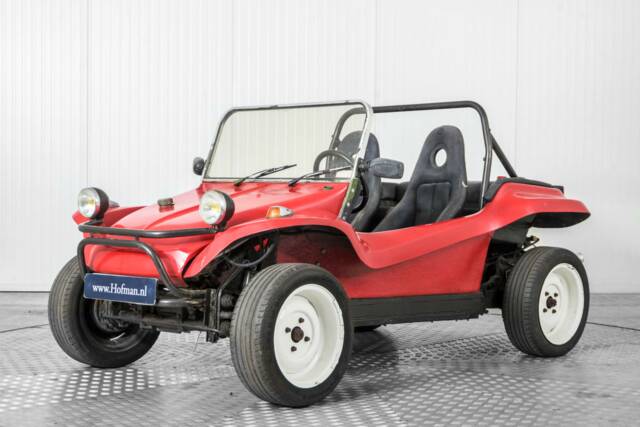
1964 | Volkswagen Ruska Buggy
Volkswagen Buggy Ruska Meyers Manx

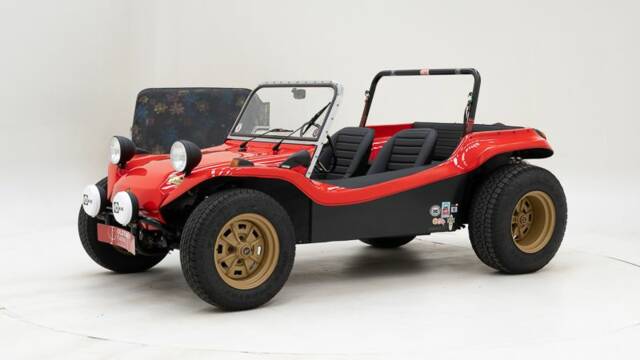
1965 | Volkswagen Buggy
1965 Volkswagen Buggy '65



1968 | Volkswagen Meyers Manx Buggy
Volkswagen Buggy Ruska Meyers Manx

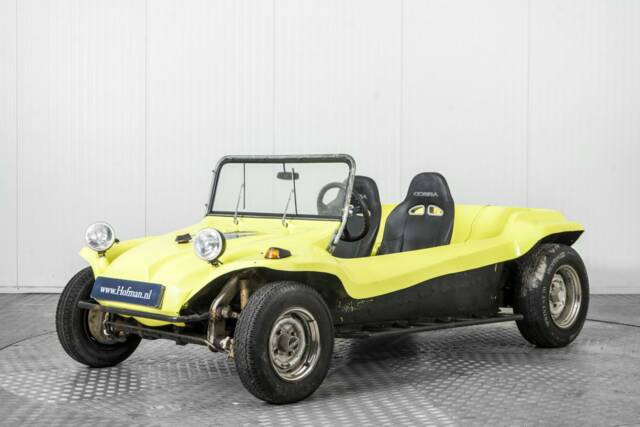
1968 | Volkswagen Buggy
Volkswagen Buggy
Newsletter
The best Volkswagen listings, straight to your inbox
Get hand-picked Volkswagen listings, plus the best of cars, motorbikes, and auctions on Classic Trader — all in one place.
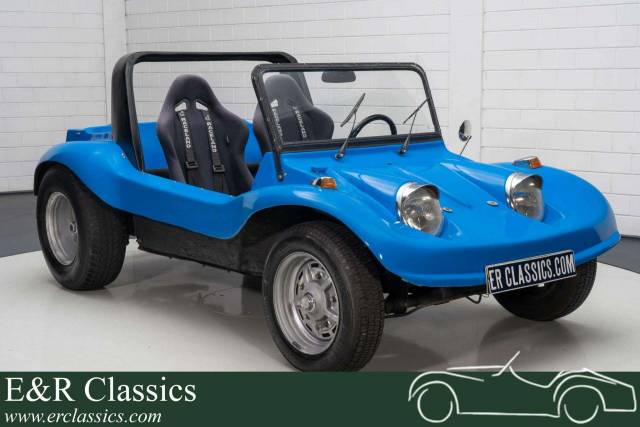
1980 | Volkswagen Buggy
Volkswagen Buggy Cabriolet
Volkswagen Buggy listing references from Classic Trader
Below you will find listings related to your search that are no longer available on Classic Trader. Use this information to gain insight into availability, value trends, and current pricing for a "Volkswagen Buggy" to make a more informed purchasing decision.
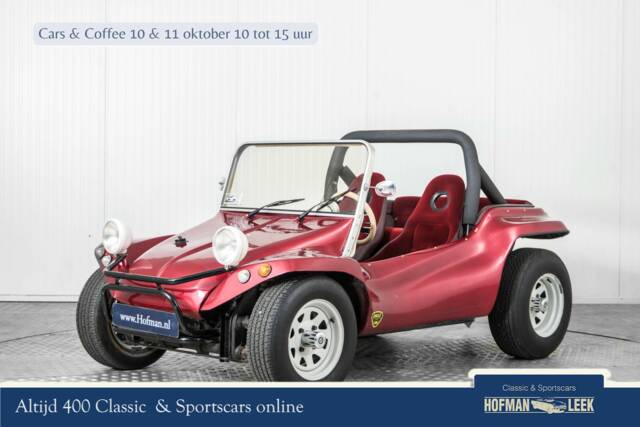
1969 | Volkswagen Buggy
Volkswagen Buggy
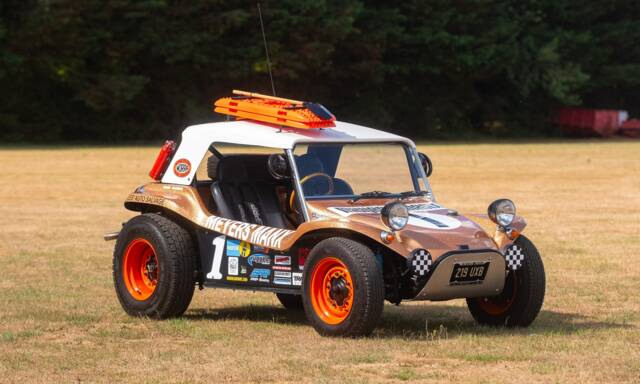
1958 | Volkswagen Meyers Manx Buggy
1958 Meyers Manx Replica 'Goldi2' Tribute

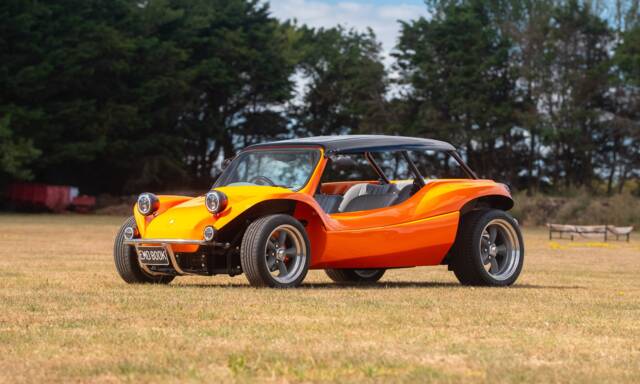
1971 | Volkswagen Meyers Manx Buggy
1971 Meyers Manx Manxter 2+2
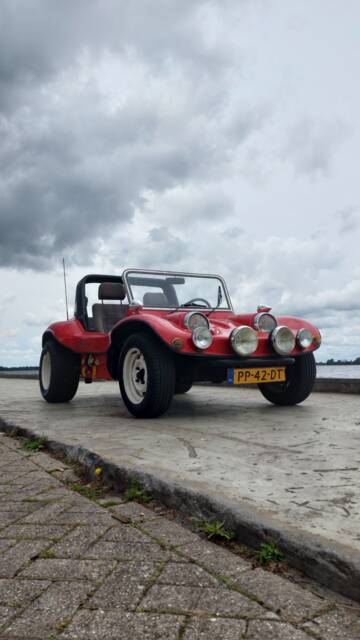
1972 | Volkswagen Ruska Buggy
Ruska super buggy
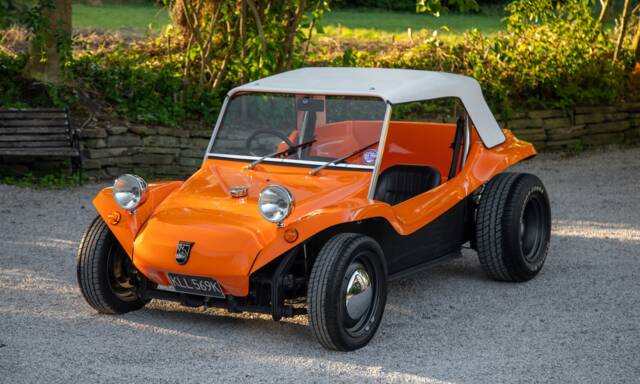
1972 | Volkswagen Meyers Manx Buggy
1972 Meyers Manx Beach Buggy
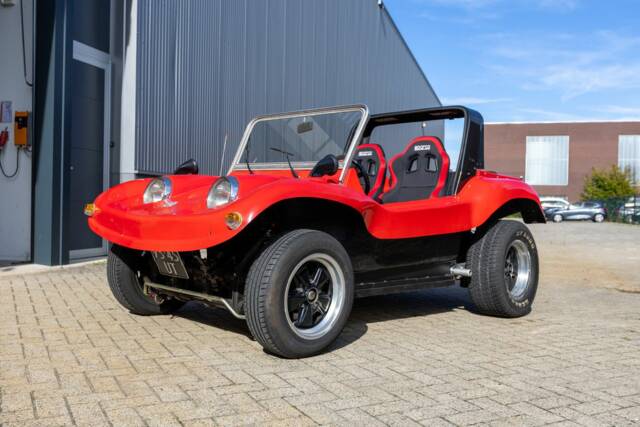
1965 | Volkswagen Ruska Buggy
Volkswagen Ruska Super Buggy | 1965 | Route 66 Auctions - For sale by auction. Estimate 8500 EUR
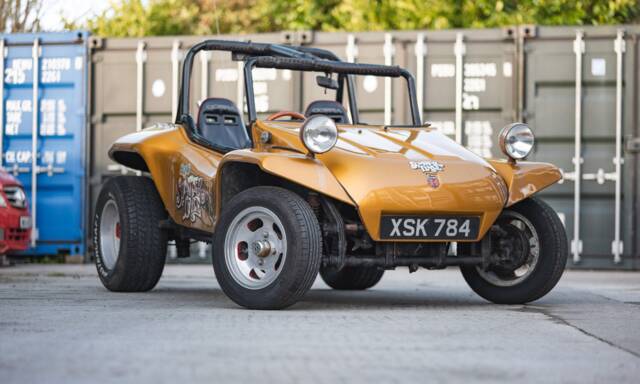
1963 | Volkswagen Hot Rod Sandman Buggy
1963 Volkswagen Volksrod Mk. VI Beach Buggy
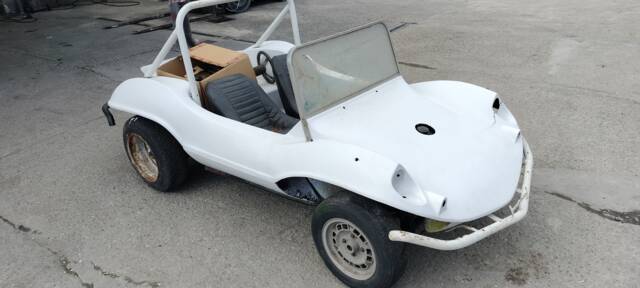
1974 | Volkswagen Buggy
carrozzeria HELVETIA MOMO

Volkswagen Buggy Classic Cars: Prices & Market Values
The market value of Volkswagen Buggy classic cars is primarily determined by the specific manufacturer code and variant, as well as technical condition, originality and mileage. Additional factors include rarity, history and documentation. A well-maintained, largely original vehicle with low, verifiable mileage and complete history including appraisals and documentation typically achieves significantly higher prices than a comparable vehicle with deferred maintenance, many modifications or unclear provenance.
Volkswagen Buggy: Market Prices & Value Trends
Based on sales data from the Classic Trader marketplace, Volkswagen Buggy values in Europe have been broadly stable with a slight softening at the lower end over the past five years (February 2021 to December 2025). Most advertised prices cluster in the mid-market, with many 1960s–1980s buggies (including Ruska, Karmann GF and similar VW-based builds) typically sitting around £7,000 to £17,000 depending on build quality, registration status, and how finished the car is. Recent Dutch and Italian adverts often appear at the more accessible end, while German and UK cars tend to be priced higher when presented as road-ready. A small number of top-end asks—such as well-specified 1970s examples and branded Meyers Manx variants—can stretch into the £25,000–£30,000+ bracket, and occasional very high prices exist, but these should be treated as outliers rather than the norm. Overall, demand appears supported by the model’s fun, usable classic appeal and the wide variety of period kit and replica builds.
History of the Volkswagen Buggy
The Volkswagen Buggy owes its existence to the creative spirit of the 1960s Californian scene. Bruce Meyers was the first to bolt a fibreglass body onto a shortened Beetle chassis in 1964, giving rise to the Meyers Manx – the archetype of the modern beach buggy. Quickly embraced by the sun-seeking youth, the Buggy's popularity boomed across California and soon found traction in Europe, inspiring a unique movement in automotive self-construction. Throughout the 1960s and 70s, it became a familiar sight at Baja races and on European roads, engineered by hobbyists and companies like Rudolf Kühn AG in Hamburg and Autozodiaco in Italy. The Buggy's core traits remained: extreme weight reduction, striking bodywork, and a direct, unfiltered driving experience. Production slowed in the late 1980s due to stricter road regulations and changing automotive trends.
Model History and Development
The original Meyers Manx, produced from 1964 to 1971, set the template later copied by numerous small manufacturers across the globe. Landmark kits included Germany’s HAZ-Buggy, the Italian Autozodiaco Deserter, and Belgian Apal models. Nearly all used classic Beetle underpinnings – especially the popular Type 11 chassis – with customisation possibilities spanning from bare-bones roadsters with no windscreen or doors to street-legal, TÜV-certified builds. Buggies came as two- or four-seaters, often lightweight and purpose-built for the beach, dunes, or racing. Their modularity led to high degrees of individualisation, from reinforced roll cages to tuned engines and showy finishes. The oil crisis of the early 1970s, tightening safety standards, and the shift away from convertible bodies contributed to the end of the original Buggy era in most markets by the late 1980s.
Highlights and Unique Features
The Buggy’s lightweight fibreglass shell and shortened Beetle chassis paired with a rear-mounted, air-cooled boxer engine result in a power-to-weight ratio that guarantees agile handling and robust traction. Oversized wheels and tyres, combined with minimal comfort concessions, create a raw and playful driving sensation, especially off-road. The open cockpit and minimalist cockpit – a hallmark of the kit car era – enable full exposure to the elements and direct feedback from the road. A rich aftermarket scene surrounds the Buggy: custom steering wheels, Empi short-shifter, chrome accents, modular roofs, and individual paint codes including metalflake finishes or pinstriping. Thanks to their simplified mechanics, Buggies can be restored with relative ease, and their design – often with wide fenders, exposed lamps, and chopped windscreens – is a statement against mainstream motoring.
Technical Data
Special Editions and Collectible Models
Key collectible variants include the original Meyers Manx (produced 1964–1971), highly sought-after due to its provenance and limited production numbers. European variants like the Dutch Ruska B1 (about 300 units) and Belgian Apal Dune Buggy (around 500 units) also attract interest for their rarity and specific features. Italian Buggies by Autozodiaco and unique German models by companies like JAS or HAZ further diversify the landscape, each bringing distinct adaptation of the core Buggy ethos. Racing and show versions, occasionally built for the Baja 1000 or similar events, occasionally resurface as prized collector items.
Weak Spots and Common Issues
As a vehicle built for simplicity, the Buggy avoids many issues found in water-cooled or more complex classics. Nevertheless, buyers should examine the integrity of the shortened chassis – improper welding or corrosion can compromise safety. Fibreglass bodywork, while resilient, may suffer from UV damage or cracking over time. Engineering quality depends heavily on builder competency; non-professional or hastily assembled kits may conceal faults in electrics, suspension setup, or braking systems. Mechanical parts are typically easy to source thanks to VW Beetle interchangeability, but check for modifications that may impact reliability or roadworthiness, particularly in brake lines or engine tuning.
Engine, Transmission and Driving Characteristics
With rear-mounted air-cooled engines and exceptionally low kerb weight, the Buggy delivers intense rear-axle traction and spontaneous acceleration despite moderate power figures. Typical outputs range from 34 to 65 PS, but the sensation is amplified by the uninsulated chassis and direct mechanical feedback. Standard manual transmissions with 4 gears favour robust, hands-on driving, while suspension setups can be tuned for off-road or street use. Large wheels and tyres ensure playful off-road behaviour and enable responsiveness even on sand or loose ground. Braking and handling characteristics vary by build quality and configuration, but overall, the Buggy is tuned for driving pleasure and quick response rather than comfort or high-speed stability. - Meyers Manx: The template and benchmark, originally produced 1964–1971 – iconic for its authenticity and craftsmanship.
- HAZ-Buggy: The first German-built Buggy, limited series.
- Ruska B1: Dutch interpretation, approx. 300 built.
- Apal Dune Buggy: Belgian variant, approx. 500 made.
- Autozodiaco Deserter: Italian design, influential in the local Buggy scene. All models share a reliance on VW’s boxer engines, compact wheelbase, and simple, repair-friendly mechanics.
Interior, Comfort, Exterior and Design
The design credo of the Buggy is pure function and extroverted flair. Open cockpits, chopped windshields, and pronounced fenders define the exterior, while interiors are kept deliberately minimal with basic dials, compact steering wheels (often wood-rimmed or with sporty grips), individualised gear levers, and untrimmed dash layouts. Bodywork comes in bold hues, glitter "metalflake" effects, or bright colours, sometimes with custom pinstriping. Weather protection is mostly limited to soft tops or hardtops, some removable. Many vehicles feature roll bars, offroad-ready bumpers, and optional auxiliary lights. Optional accessories such as Empi shifters, chrome wheels, custom exhausts, and leather bucket seats are frequent, enhancing the vehicle’s bespoke feel.
Other Features and Interesting Facts
Volkswagen Buggies enjoy broad community support with excellent access to spare parts and advice via worldwide VW clubs and specialist suppliers. The high degree of customisation and modular construction allow for easy upgrades or restoration. Many Buggies participate in car meets, offroad rallies, and special events, maintaining an active role in both historical and enthusiast circles. Registration varies; some Buggies require individual inspection for road approval, especially in countries with specific kit-car regulations. Buggies often feature in film and popular culture, further cementing their place in automotive lore.
Summary
The Volkswagen Buggy is a unique chapter in automotive history, offering unmatched freedom in design, driving pleasure, and personalisation. Built on the proven Beetle underpinnings and shaped by the creativity of generations, it stands out for its fibreglass construction, adaptable engineering, and joyful driving characteristics. The Buggy’s popularity – with more than two-thirds of Volkswagen classic car listings and over 80% of views focused on this format – reflects sustained enthusiasm among collectors. Whether as a restoration project, a collector’s item, or a sunny-day driver, the Buggy’s appeal endures through its rawness, mechanical honesty, and undeniable charisma.