- Car
- Volkswagen
- Volkswagen Polo (6 offers)
Volkswagen Polo classic cars for sale
The Volkswagen Polo has been shaping the small car segment since its debut in 1975, offering robust engineering, practical design, and a diverse range of models over several generations. Its appeal spans from reliable daily use to motorsport pedigree, making it a sought-after vehicle for enthusiasts and collectors alike.
Search results
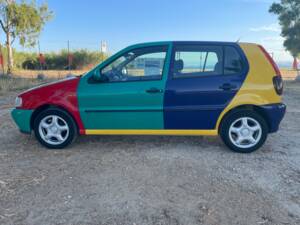
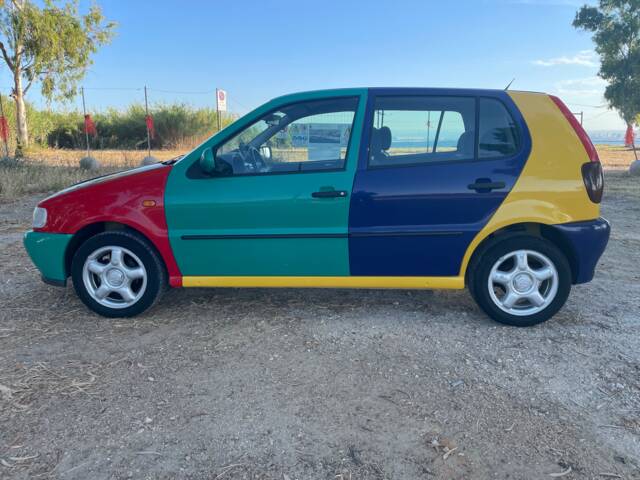
1996 | Volkswagen Polo III 1.6 Harlekin
VW Polo Harlekin 1996 1.6, original yellow body shell, documented restoration

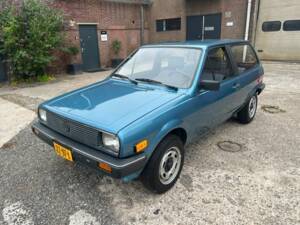
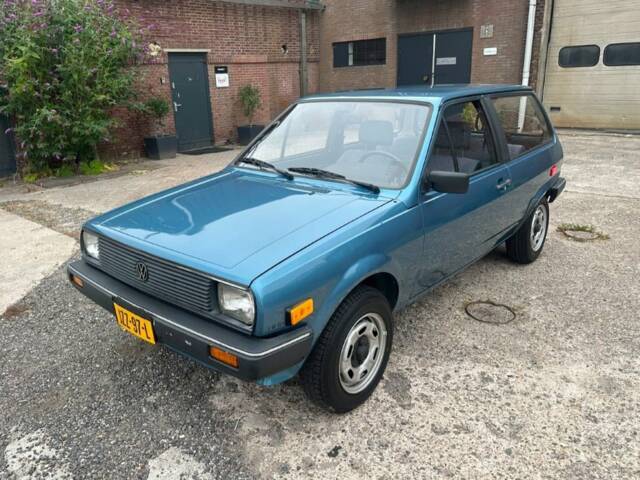
1981 | Volkswagen Polo II Steilheck 1.3
Volkswagen Polo 86C Steilheck USA Prototype | 1981 | Route 66 Auctions - For sale by auction. Estimate 6000 EUR

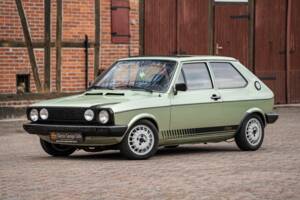
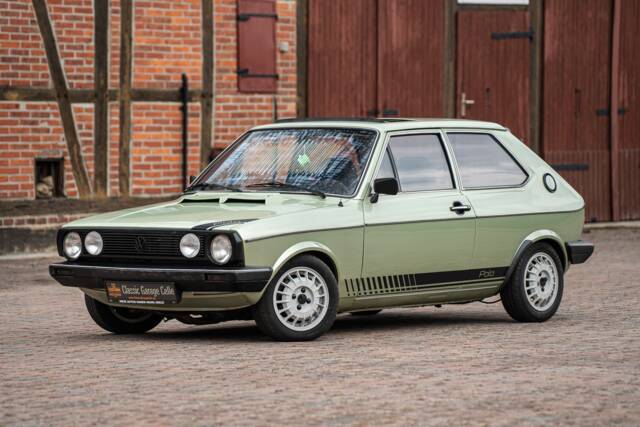
1980 | Volkswagen Polo I 1.1
Schiebedach, Inarissilber, dezent getunt, ungeschweißt

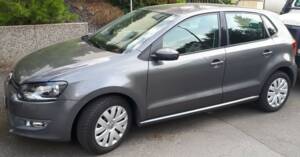
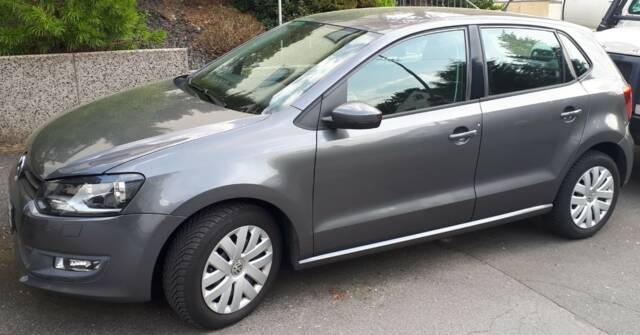
2009 | Volkswagen Polo IV 1.4
Liebhaberfahrzeug VW Polo
Newsletter
The best Volkswagen listings, straight to your inbox
Get hand-picked Volkswagen listings, plus the best of cars, motorbikes, and auctions on Classic Trader — all in one place.
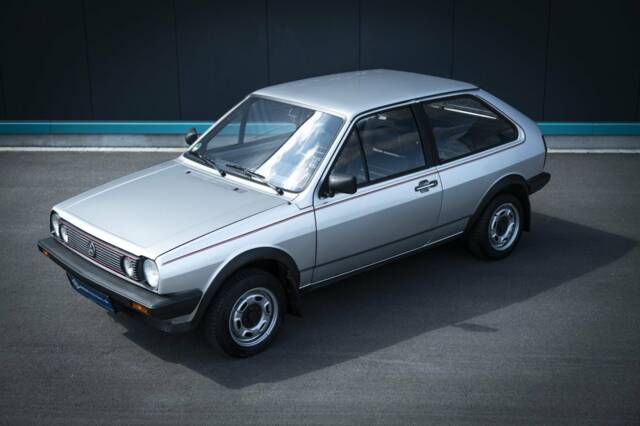
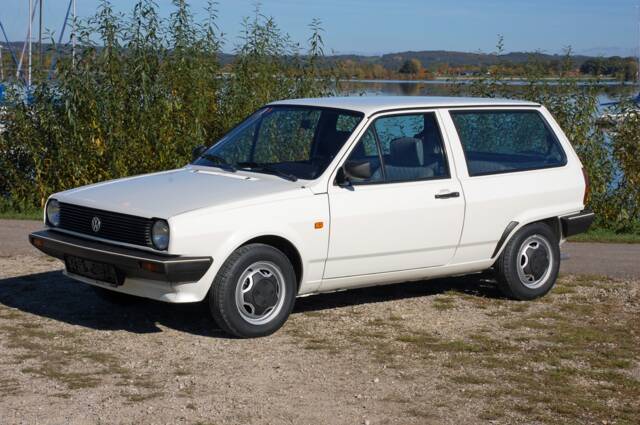
1989 | Volkswagen Polo II Hatchback 1.0
mit 5-Ganggetriebe
Volkswagen Polo listing references from Classic Trader
Below you will find listings related to your search that are no longer available on Classic Trader. Use this information to gain insight into availability, value trends, and current pricing for a "Volkswagen Polo" to make a more informed purchasing decision.
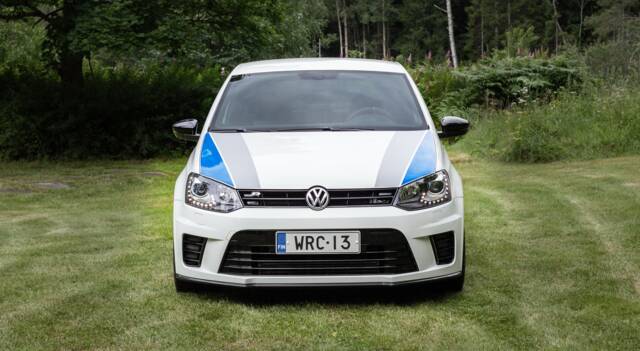
2013 | Volkswagen Polo R WRC Street
Rare Polo R WRC Street - only 16,000 km, completely original

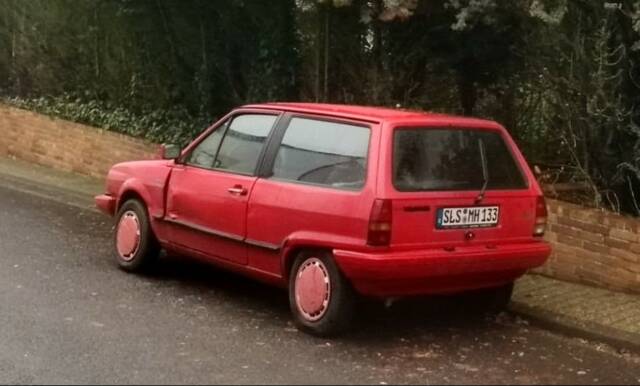
1984 | Volkswagen Polo II Hatchback 1.0
Für Bastler oder Instandsetzung. Oldtimer steht in Garage und muß vom Käufer abgeholt werden.
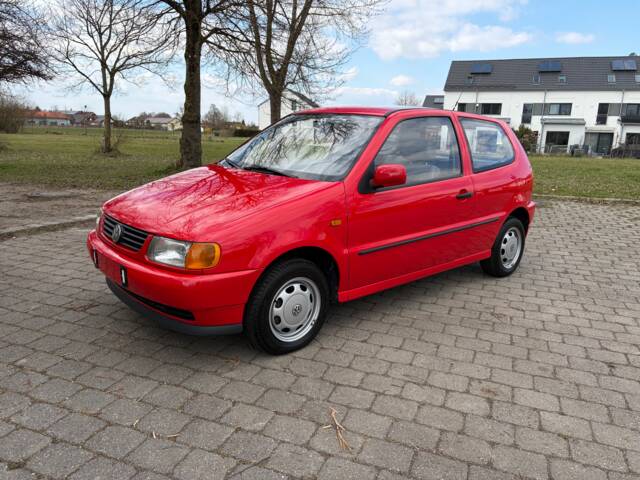
1998 | Volkswagen Polo III 1.0
1.Hand, 46.000 km, Service,TÜV neu
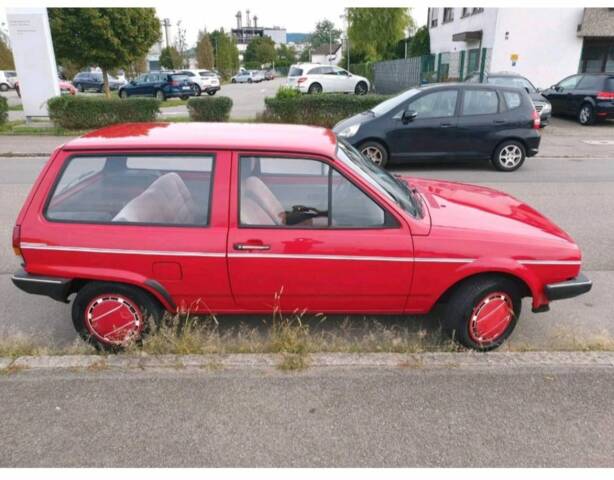
1986 | Volkswagen Polo II Hatchback 1.0
Gut gepflegter VW Polo 86C zu verkaufen
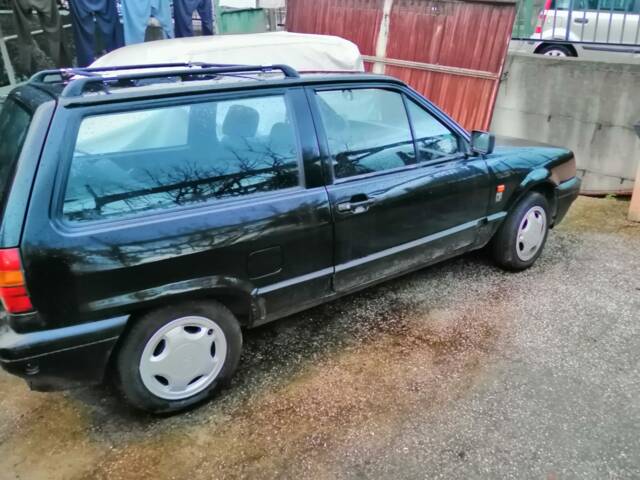
1994 | Volkswagen Polo II Coupe 1.0
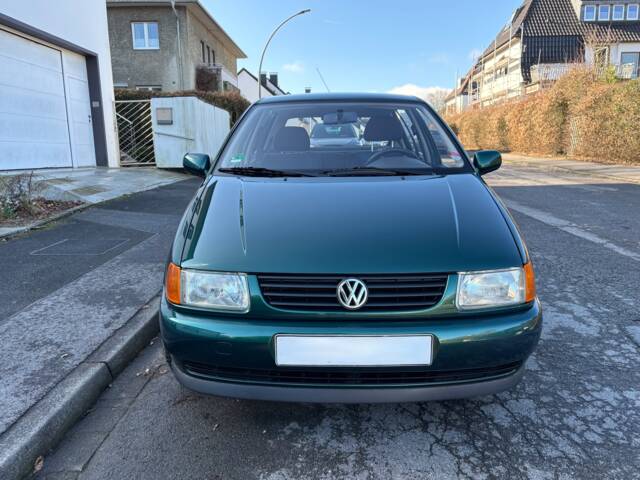
1996 | Volkswagen Polo III 1.4
Volkswagen Polo – Baujahr 1996 – Automatik – 1. Hand – nur 30.000 km – Sammlerzustand
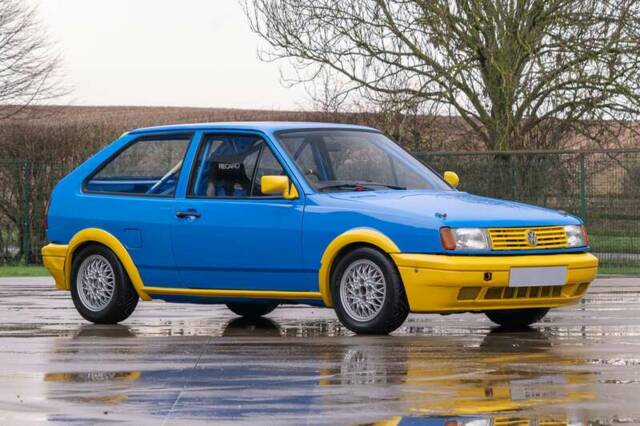
1991 | Volkswagen Polo II G40
1991 Volkswagen Polo Cup GT G40 Racer

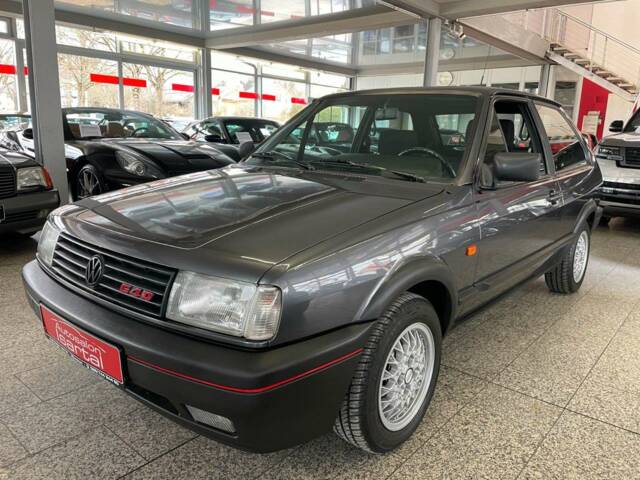
1992 | Volkswagen Polo II G40
Volkswagen Polo G40 - orig. 39tkm !! - 2. Hand. neuwertig !
Volkswagen Polo Classic Cars: Prices & Market Values
The market value of Volkswagen Polo classic cars is primarily determined by the specific manufacturer code and variant, as well as technical condition, originality and mileage. Additional factors include rarity, history and documentation. A well-maintained, largely original vehicle with low, verifiable mileage and complete history including appraisals and documentation typically achieves significantly higher prices than a comparable vehicle with deferred maintenance, many modifications or unclear provenance.
Volkswagen Polo: Market Prices & Value Trends
Based on sales data from the Classic Trader marketplace, the Volkswagen Polo classic market in Europe has shown a broadly firm to rising trend over the period from early 2021 to late 2025, with the clearest strength in sought-after performance and special models. Most mainstream Polo II/III examples from the 1980s–1990s (such as the Polo II Coupé 1.0/1.3 and Polo III 1.0/1.4) typically sit in a realistic band of around £1,200 to £6,000, depending heavily on condition, corrosion history and originality. German and Italian ads make up much of the sample, and they show a steady base of affordable cars alongside occasional, higher-quality offerings. At the top end, limited-run or enthusiast models skew higher: Polo II G40 sales cluster from roughly £7,000 up to around £20,000+, and the Polo R WRC Street appears in the mid-£20,000s to low-£30,000s. For buyers, this means standard cars remain accessible, while the best, rarest variants are increasingly treated as collectables.
History of the Volkswagen Polo
Launched in 1975, the Volkswagen Polo filled the gap below the Golf as a compact, efficient hatchback initially derived from the Audi 50. Volkswagen soon established the Polo as its own model, distinct for its angular lines, lightweight construction, and practical approach to urban transport. Naming it after the sport 'Polo', VW underlined its youthful and dynamic ambitions. Over the decades, the Polo expanded into several body styles, including hatchbacks, estates ('Wagons'), and even sedan variants (albeit rare), all while maintaining its reputation for solidity and straightforward usability. Motorsport involvement in events like the Wintershall VW Polo Cup further highlighted its technical potential.
Model Series History
The initial generation (Typ 86, 1975–1981) was marketed as a three-door hatchback and was fairly minimalistic, featuring engines from 0.9 to 1.3 litres. The Polo II (Typ 86C, 1981–1994) diversified with new body styles, such as the 'bread van' estate and coupe, and introduced more powerful petrol and diesel engines, as well as features like the Formel E for improved efficiency. By the 1990s, the third series (Typ 6N/6N2) brought a rounder design and more comfort, setting the stage for future iterations. Each subsequent generation built upon its predecessor with enhanced safety, performance, and equipment options, securing the Polo’s place in the B-segment throughout Europe.
Highlights and Demand
From the start, the Polo has stood out by offering clever use of space, reliable mechanicals, and adaptability, from city-oriented hatchbacks to commercial 'Stadtlieferwagen' variants. The second generation became especially noted for its easy servicing and modular body. Motorsport successes, like the introduction of the G40 engine with supercharger technology, highlight its potential for spirited driving. According to supply statistics, the Typ 86C model makes up over 60% of all Polos offered on the market. On the demand side, it draws nearly 88% of all Polo-related interest on the platform, underlining this era's significance among buyers.
Technical Data
Special Editions and Collectible Models
Noteworthy special editions include the fuel-efficient Formel E, the visually distinct 'Fox', luxury-oriented GL and GLX, and the high-performance Polo G40 featuring a supercharged engine and motorsport roots. The CityVan/Lieferwagen (delivery van) adaptations also offer unique utility, especially popular among urban trades and craftsmen.
Weak Spots and Common Issues
Information on specific weak spots is not available in the current dataset. However, typical considerations with classic Polos involve inspection of body corrosion (especially in early models), maintenance records for timing belts or chains (depending on engine), and electrical system checks for age-related deterioration. Due to its straightforward mechanics, most repairs are manageable with affordable parts availability.
Driving, Engine and Performance
Polos deliver agile handling and practical everyday performance, with front-wheel drive and low kerb weights lending responsive city driving dynamics. While early engines prioritised economy, later sporty variants like the G40 introduced forced induction and acceleration figures previously unseen in this class. Five-speed manuals improved motorway usability, while the estate variants gained popularity for their versatile cargo space. 1. Polo G40: 1.3L engine with G-Lader supercharger, 113 PS, 0–100 km/h in under 9 seconds 2. Polo Formel E: Fuel-saving setups with higher compression and stop-start 3. Second-generation 'bread van' estate: Notable for its space-efficient design and practicality.
Design, Interior, and Equipment
The Polo’s styling transitioned from sharply angular (Typ 86, 86C) to more rounded forms in the 1990s, with clean lines and functional details. Early interiors were stark, employing simple fabrics and materials; later cars added features like sport seats, colour-coded trims, premium upholstery, and optional metallic or special paintwork. Accessories range from factory sunroofs and alloy wheels to advanced security features and even climate control in later series. Special colour and upholstery codes, original radios, and VW-specific wheel designs round off the typical period-correct equipment list.
Other Noteworthy Features
Variations tailored for commercial use, such as Stadtlieferwagen/Lieferwagen conversions, highlight the Polo's utilitarian adaptability. A wide range of period accessories and dealer options—from mud flaps to roof racks and upgraded sound systems—remain available for enthusiasts seeking a fully period-correct restoration or personalisation.
Summary
The Volkswagen Polo stands as one of the formative compact cars in post-1970s European automotive history, offering a broad variety of practical, performance-oriented, and even commercial versions. Whether searching for a rare bread van, a sporty G40, or a well-preserved earlier Typ 86, Classic Trader enables enthusiasts to explore this segment-defining model and its numerous variants, each with character and proven engineering.