Renault Espace classic cars for sale
The Renault Espace changed Europe’s car landscape in 1984 by introducing the concept of a multi-purpose vehicle for families, combining modular space with everyday usability. For over three decades, its practical design and innovative approach have left a distinct mark on both the MPV and classic car market.
Search results
Currently, there are no matching listings for your search.
Create search alert
Let yourself be notified as soon as a listing is published that matches your search filters.
Create listing
Do you have a Renault Espace that you want to sell? Then create a listing now.
Create listingRenault Espace listing references from Classic Trader
Below you will find listings related to your search that are no longer available on Classic Trader. Use this information to gain insight into availability, value trends, and current pricing for a "Renault Espace" to make a more informed purchasing decision.
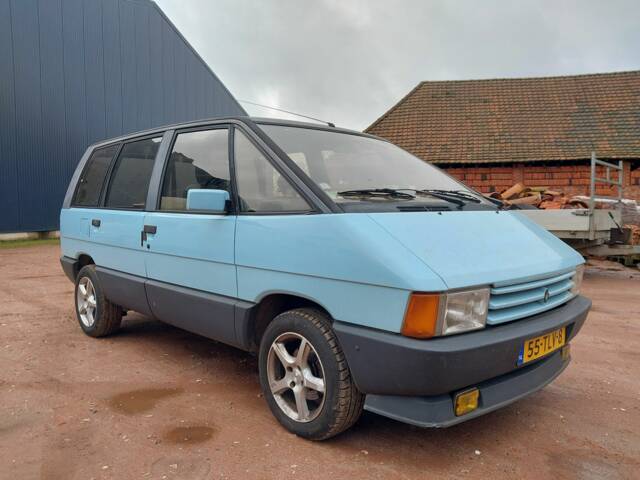
1986 | Renault Espace I 2.0
Renault Espace | 1986 | Route 66 Auctions - For sale by auction. Estimate 4500 EUR

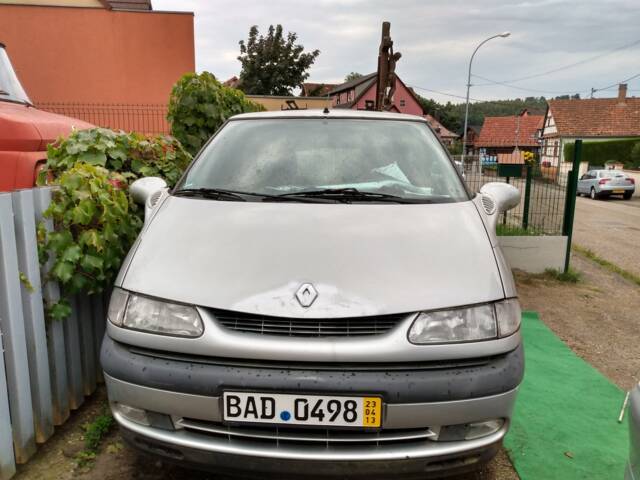
1997 | Renault Espace III 3.0 V6
Espace V6 Luxusmodell, Panoramadach, Drehsitz

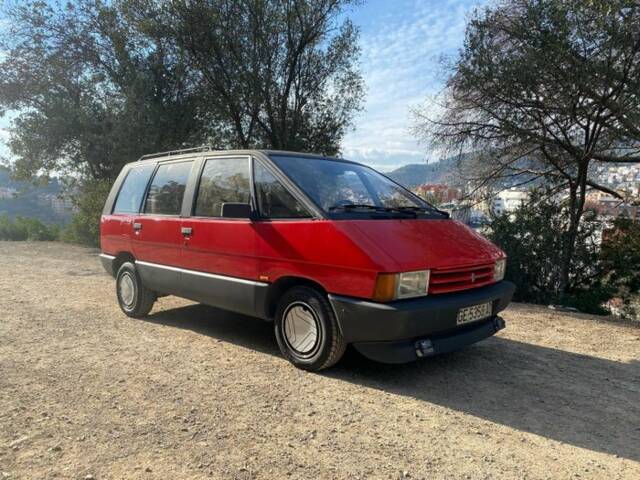
1987 | Renault Espace I 2.0
Renault - Espace 2.0 TSE - 1987
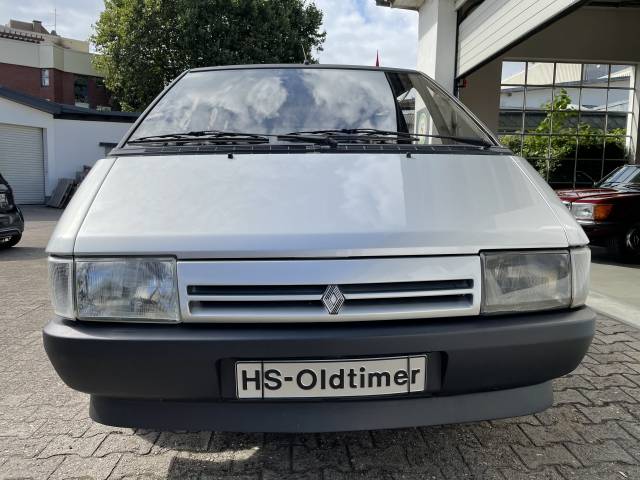
1990 | Renault Espace I 2.0
Renault Espace 2000 GTS mit wenig Kilometern im top Pflegezustand.
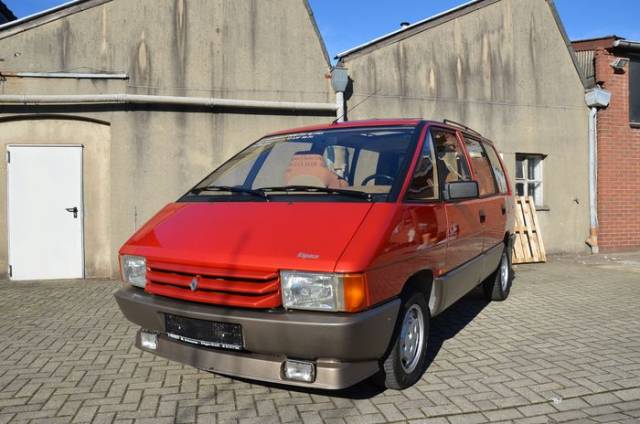
1985 | Renault Espace I 2,1 dT
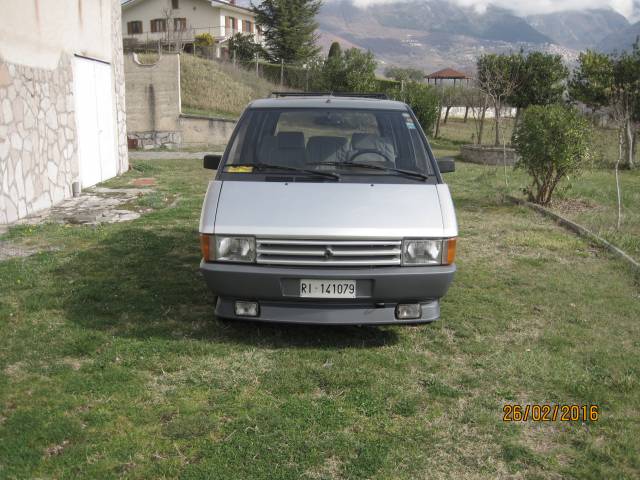
1985 | Renault Espace I 2.0
Mai incidentata e tenuta in garage 1° Serie

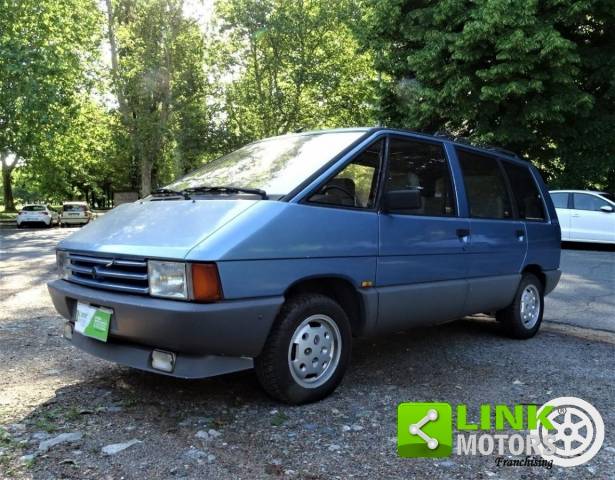
1986 | Renault Espace I 2.0
Renault Espace 2000 TSE
Create search alert
Let yourself be notified as soon as a listing is published that matches your search filters.
Create listing
Do you have a Renault Espace that you want to sell? Then create a listing now.
Create listingRenault Espace Classic Cars: Prices & Market Values
History of the Renault Espace
Introduced in 1984, the Renault Espace was a groundbreaking entry as Europe’s first MPV, designed to merge the comfort of a passenger car with the versatility of a van. Developed initially by Matra, the Espace partnership with Renault approached new standards for innovation, particularly with its lightweight plastic body panels and roomy, flexible interior. As families grew and lifestyles evolved, the Espace became synonymous with practicality and reinvention, remaining in production over multiple decades and shaping Renault’s reputation for pioneering family transport solutions.
Model history and series development
The Espace’s lineage spans over five generations. The earliest, known under manufacturer code Type JE, laid the foundation with its pronounced boxy silhouette and glass fibre-reinforced plastic panels. The subsequent Type J11 continued the evolutionary styling, focusing on safety, comfort, and modularity in seating arrangements. In recent years, Renault adapted the Espace into a mid-size crossover SUV, illustrating a continuous commitment to transform the MPV formula to suit shifting market demands. Each generation refined the concept: from utilitarian transporter to comfortable family classic tailored to modern expectations.
Highlights and unique features of the Espace series
The Renault Espace stands out for its configurable interior concept—each seat could be adjusted, rotated, or removed, an innovation that made it perfect for family and leisure requirements in the 1980s and 1990s. Its body construction with plastic panels, not just unique to Renault but rare in the automotive world, granted exceptional rust resistance. The Espace 2000 GTS, a notable special variant, blended lively performance with advanced trim. Auction platforms and collectors’ circles often spotlight the Espace for its distinct persona among classic MPVs.
Technical data
Special editions and collectible models
The Espace 2000 GTS stands out as a significant special model with upgraded engine performance and exclusive interior appointments. Other rare configurations include limited runs with unique trim, materials, or colour schemes, often produced as part of anniversary editions or to test market preferences in family transport. These variants combine the Espace’s base modularity with added luxury or technology for collectors seeking distinction.
Engine, performance, transmission, and handling
Early Espace models balanced comfortable touring ability with modest engine sizes—mostly four-cylinder units, with certain later series receiving V6 engines for improved long-distance capability. Gear changes were typically smooth, and the Espace’s advanced (for its time) suspension ensured acceptable handling despite tall body proportions. More modern variants introduced diesel efficiency and electronic driver aids for enhanced ride comfort. - Type JE: Early Espace with glass fibre construction, valued for originality.
- Type J11: Dominant in listings, offers broader engine selection and increased equipment options, making it a popular entry point for enthusiasts.
Interior, comfort, exterior, and design
The interior of the Renault Espace is defined by a modular seating system—individual rear seats could be removed or turned for sociable arrangements. High rooflines and large glass areas deliver a bright, airy cabin. Externally, early Espaces feature distinct wedge-shaped profiles and composite body panels, while later generations introduced sleeker lines and more vibrant colour choices. Some special editions boasted upgraded upholstery, alloy wheels, and exclusive exterior trims. The forward-thinking instrument cluster position and practical, wipe-clean surfaces resonate with family-focused design values.
Other notable features
The Espace was one of the few production vehicles of its period with plastic exterior panels, greatly reducing corrosion risk. It was frequently used as a showcase at motor shows for Renault’s safety and modularity innovations. Owners could specify a wide variety of factory accessories—from cargo solutions to entertainment systems—reflecting the Espace’s role as both utility vehicle and family transporter.
Summary
For over 30 years, the Renault Espace has stood for flexible family transport, technical ingenuity, and practical design. With robust supply of later Type J11 examples and collector attention paid to pioneering models, it remains a staple of classic car conversations for those seeking a blend of nostalgia and usefulness in a larger vehicle.