- Car
- Land Rover
- Land Rover Forward Control (1 offer)
Land Rover Forward Control classic cars for sale
The Land Rover Forward Control models stand out through their distinctive cab-over-engine layout, offering unique versatility and robust off-road performance. Designed primarily for demanding commercial and military use, these vehicles have become a rare sight on the market. Their rugged engineering, practical load space, and unmistakable silhouette make the Forward Control a specialist’s choice for collectors and enthusiasts seeking genuine utility.
Search results
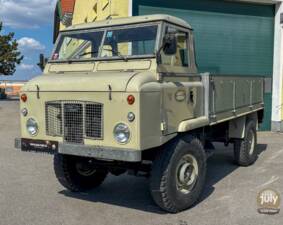
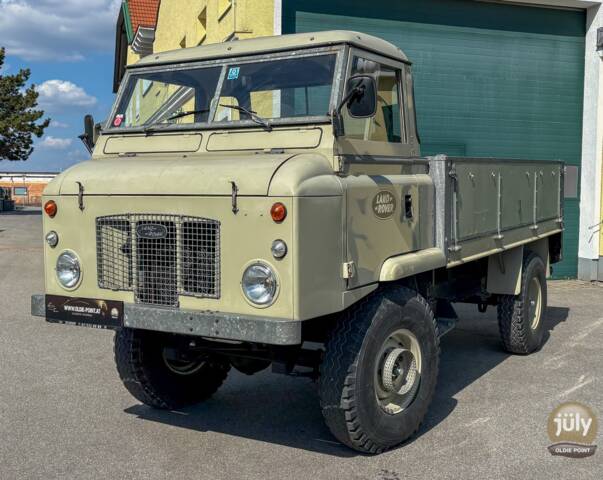
1968 | Land Rover Forward Control
Land Rover IIB 110 Forward Control | Sammlerfahrzeug | komplett restauriert

Land Rover Forward Control listing references from Classic Trader
Below you will find listings related to your search that are no longer available on Classic Trader. Use this information to gain insight into availability, value trends, and current pricing for a "Land Rover Forward Control" to make a more informed purchasing decision.
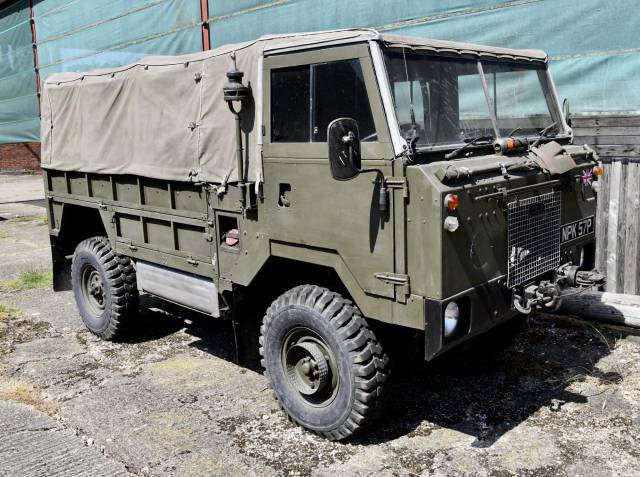
1995 | Land Rover Forward Control

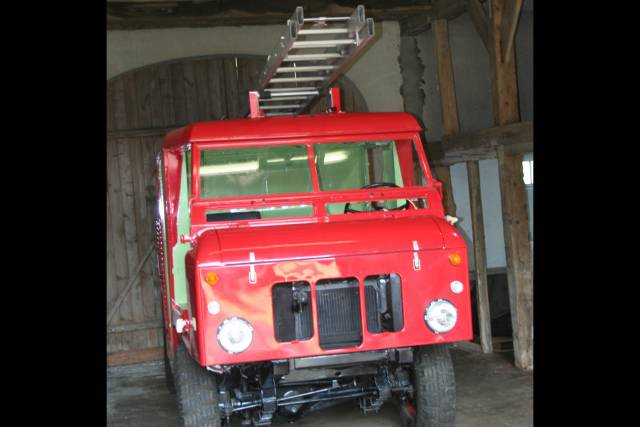
1972 | Land Rover Forward Control
Feuerwehr Army Fire Service

Land Rover Forward Control Classic Cars: Prices & Market Values
History of the Land Rover Forward Control
Introduced in the early 1960s, the Land Rover Forward Control series marked a strategic response to the need for greater payload capacity on the same wheelbase as conventional Series Land Rovers. By shifting the cab forward above the front axle, designers maximised cargo bed space without increasing vehicle length. Developed initially for military and utility customers, the Forward Control models—most notably the Series IIA Forward Control and the later Series IIB—were adapted for roles ranging from mobile workshops to fire tenders and expedition vehicles. Their production reflects Land Rover’s focus on multi-purpose, go-anywhere transport suited to the most challenging environments.
Model History
The Forward Control lineage began with the Series IIA Forward Control in 1962. Its robust 2.25-litre petrol and 2.6-litre six-cylinder engines, paired with hefty chassis modifications, enabled serious off-road and load-carrying tasks. In 1966, Land Rover refined the design to create the Serie IIB, improving axle articulation and increasing the track width for better stability. The Forward Control concept never saw a direct replacement, as subsequent Land Rover commercial vehicles shifted towards the cab design revived with the One-Ton and 101 Forward Control variants, though with significant technical changes.
Highlights of the Land Rover Forward Control
Distinguishing features of the Forward Control include its elevated driving position, which not only improved visibility in rugged terrain but also contributed to the vehicle’s unmistakable look. Rugged leaf spring suspension and permanent four-wheel drive (on certain models) underscored its capability. The large, flat load bed became a favourite for conversions, from emergency vehicles to specialist off-road campers, giving the Forward Control a reputation as a true workhorse in tough conditions.
Technical Data
Special Editions and Collectible Models
Among the Forward Control models, those outfitted for military use—such as radio trucks or field ambulances—are particularly sought after by collectors due to their unique fittings and history. Additionally, vehicles converted for fire or rescue services often feature rare equipment and period bodywork modifications, making them stand out within the remaining population.
Weak Spots and Common Issues
Potential buyers must attend to chassis corrosion, especially around mounting points where the cab meets the frame due to the exposed position. Wear on driveline components—particularly propshafts and universal joints—is relatively common due to the strenuous service these vehicles typically endured. The plug-and-play nature of cabs and load beds can mask improper earlier repairs; thorough inspection is essential.
Engine and Performance, Transmission and Handling
The Forward Control’s petrol engines deliver solid, if unhurried, performance, with low-end torque prioritised for hauling rather than outright speed. The Series IIB introduced improvements in axle articulation, directly benefitting off-road manners. Manual gearboxes with selectable four-wheel-drive ensured adaptability to terrain. On the road, steering effort is significant, especially when loaded, and unassisted brakes require a measured driving style. 1. Land Rover Series IIA Forward Control: 2.25-litre petrol engine, full-time four-wheel drive on certain models. 2. Land Rover Series IIB Forward Control: Wider axles and military options, frequently found in specialist service configurations such as fire tenders and ambulances.
Interior, Comfort, Exterior and Design
The cab-forward design sets the Forward Control apart visually, with its straight-edged body and minimalistic approach expressing pure utility. Interiors are sparse, favouring durability and ease of maintenance with hard-wearing vinyl or simple painted metal surfaces. Factory and aftermarket cargo bed variants abound, tailored for everything from livestock transporters to expedition rigs. Accessories such as winches, PTO-driven equipment, and additional stowage were frequently specified, reflecting the model’s professional-grade intent.
Other Noteworthy Features
Conversions for specialist roles—such as snowploughs or expedition vehicles—are well-documented. The Forward Control platform’s flexibility means surviving examples often diverge significantly from original specification, offering a broad spectrum of original and modified vehicles for today’s enthusiasts.
Summary
The Land Rover Forward Control occupies a niche within Land Rover history as a true utility model, purpose-built for challenging environments and demanding operators. Known for its forward-control cab, robust engineering, and myriad specialist roles, it appeals to those seeking capability and authenticity over comfort or style. Enthusiasts value both the Series IIA and IIB models for their practical strengths and adaptability, qualities that have secured their place in the classic commercial and off-road vehicle scene.