- Car
- Land Rover
- Land Rover 80 (4 offers)
Land Rover 80 classic cars for sale
The Land Rover 80 (Series I), produced from 1948 to 1953, is the original British 4x4, designed for rugged functionality and agricultural use. With its 80-inch wheelbase and lightweight aluminium body, it set the blueprint for utility off-roaders, combining a simple, robust chassis with innovative all-wheel-drive technology. Known for its simplicity and purpose-built features, the 80 has become a mainstay among collectors and off-road enthusiasts.
Search results
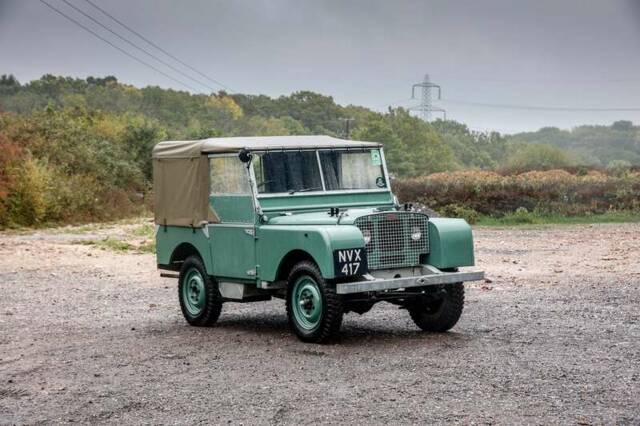
1948 | Land Rover 80
1948 Land Rover Series I 80-inch

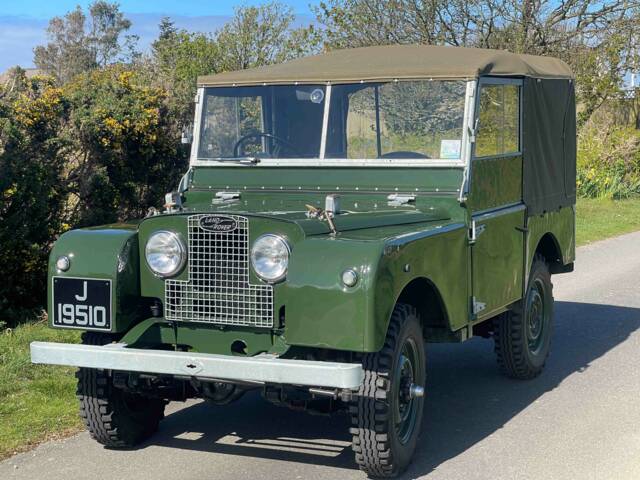
1952 | Land Rover 80
Complete nut and bolt restoration
Auctions ending soon

Loading…
Loading…
Loading…
Loading…
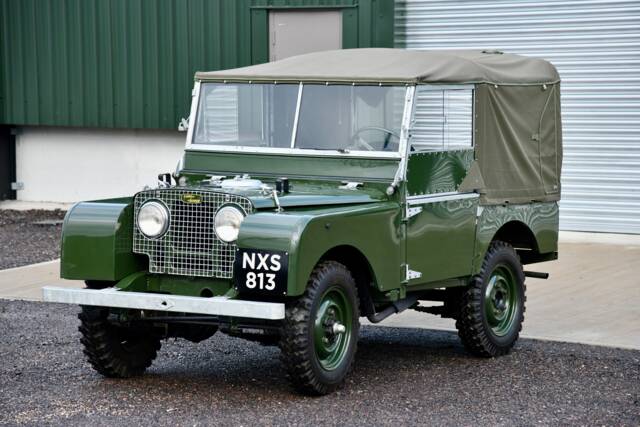
1953 | Land Rover 80
Land Rover Series One 80 Left Hand Drive
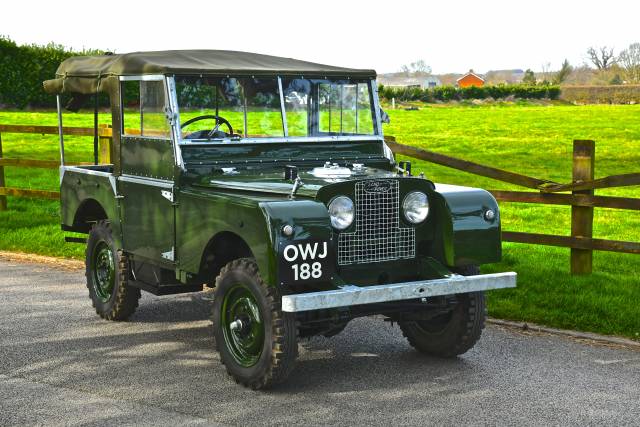
1953 | Land Rover 80
Land Rover Series One 80
Newsletter
The best Land Rover listings, straight to your inbox
Get hand-picked Land Rover listings, plus the best of cars, motorbikes, and auctions on Classic Trader — all in one place.
Land Rover 80 listing references from Classic Trader
Below you will find listings related to your search that are no longer available on Classic Trader. Use this information to gain insight into availability, value trends, and current pricing for a "Land Rover 80" to make a more informed purchasing decision.
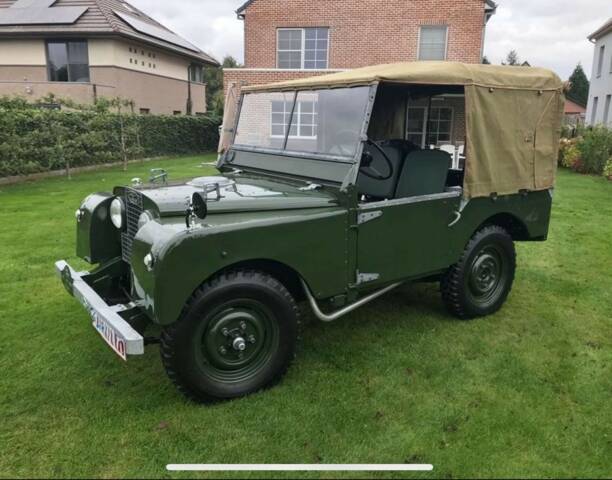
1952 | Land Rover 80
Land Rover Series I | 1952 | Route 66 Auctions - For sale by auction. Estimate 13500 EUR

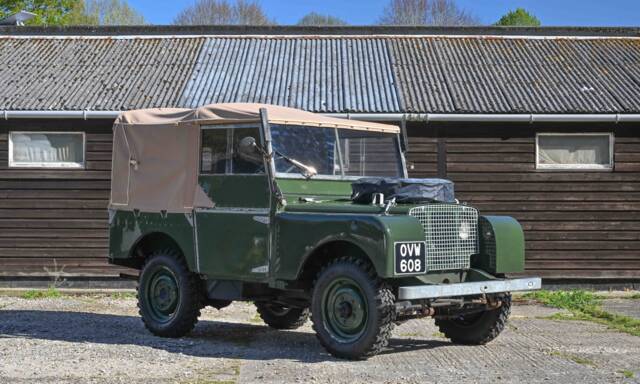
1949 | Land Rover 80
1949 Land Rover Series I
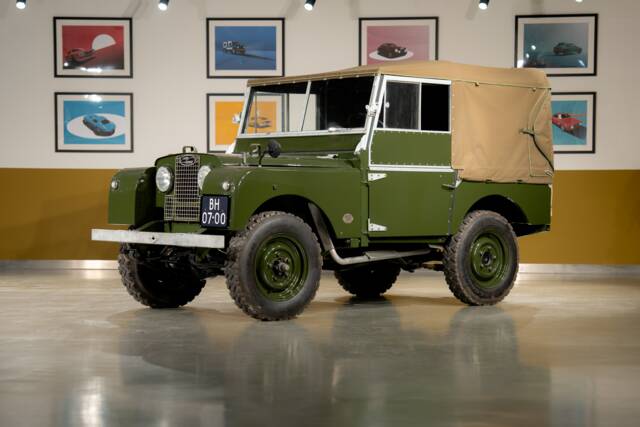
1951 | Land Rover 80
Land Rover Series 1 80-inch
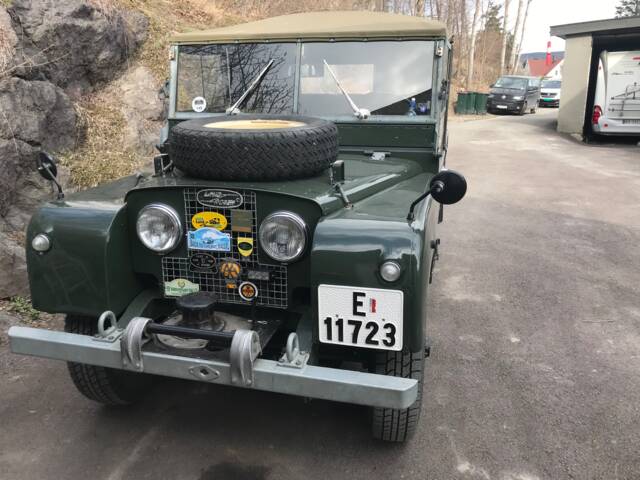
1952 | Land Rover 80
1952 Land Rover Series 1 in very good condition for sale
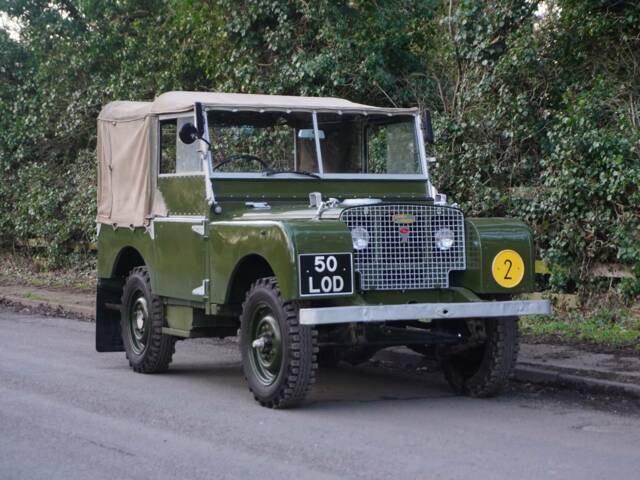
1949 | Land Rover 80
1949 Land Rover Series I 80 - Lights Behind the Grille
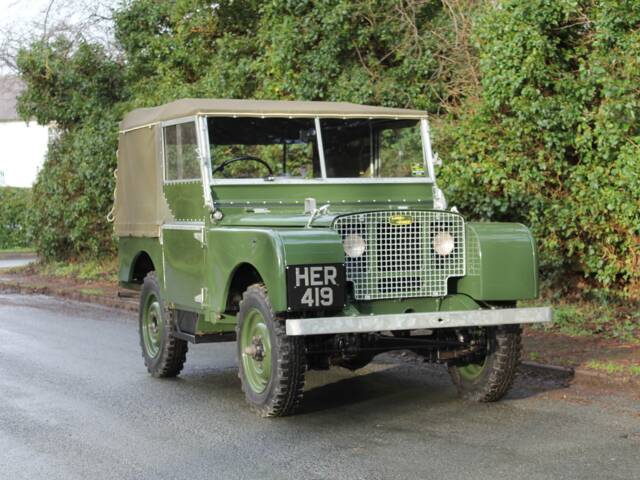
1949 | Land Rover 80
1949 Land Rover Series I 80 - Lights Behind the Grille
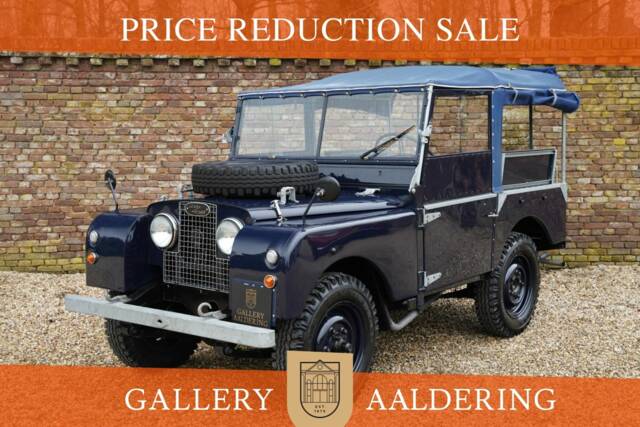
1951 | Land Rover 80
Land Rover 80 4x4 "Series One" PRICE REDUCTION! Extensive body-off restoration, Equipped with the two rear seats, Left hand drive version, Outstanding example of Land Rover’s Iconic Series I, Pre 1952 80” models are highly collectible
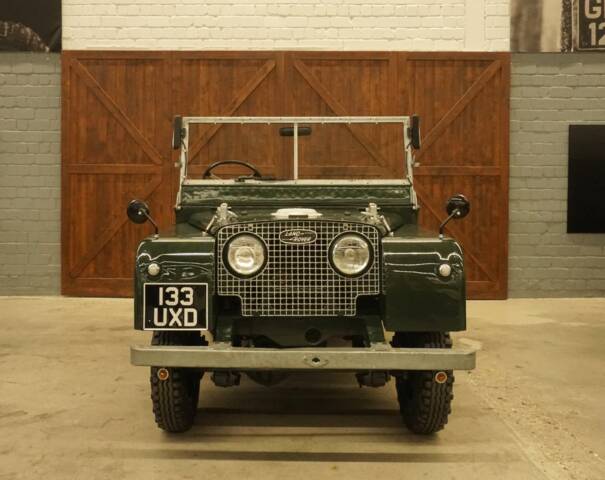
1951 | Land Rover 80
Land Rover Series I Soft Top

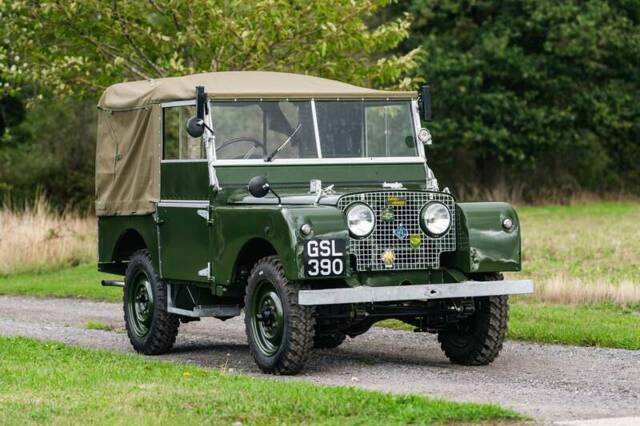
1951 | Land Rover 80
1951/2 Land Rover Series I 80"
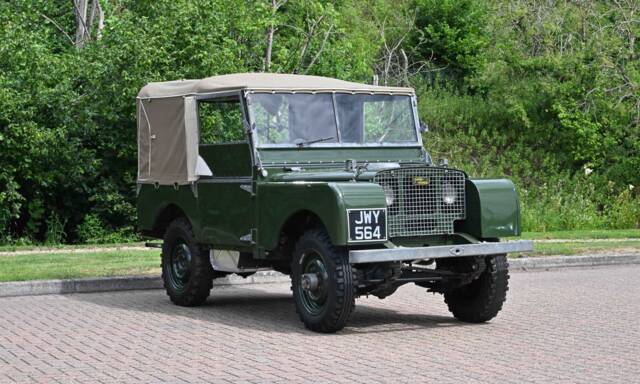
1950 | Land Rover 80
1950 Land Rover Series I 80"
Land Rover 80 Classic Cars: Prices & Market Values
The market value of Land Rover 80 classic cars is primarily determined by technical condition, originality and mileage, as well as rarity, history and documentation. A well-maintained, largely original vehicle with low, verifiable mileage and complete history including appraisals and documentation typically achieves significantly higher prices than a comparable vehicle with deferred maintenance, many modifications or unclear provenance.
Land Rover 80: Market Prices & Value Trends
Based on sales data from the Classic Trader marketplace, Land Rover 80 prices in the UK and wider Europe (Germany, the Netherlands, Belgium, Switzerland and Italy) from March 2021 to January 2026 show a generally firm to gently rising market, with strong peaks appearing more frequently in 2024–2026. Most transactions cluster in a realistic band of roughly £20,000 to £55,000, reflecting the mix of early 80-inch models from 1949–1954 and varying levels of restoration and originality. Cheaper entries around £5,000–£12,000 do appear, but they are likely project-grade or incomplete and should not be treated as representative; similarly, occasional six-figure prices (notably Swiss and some Dutch/UK entries) look like rare, specification-led outliers. For today’s buyer, this suggests a market where good, usable examples tend to sell in the mid-range, while concours restorations and highly original early cars command a clear premium. The model’s appeal is supported by its landmark status as an early Series I Land Rover, limited surviving supply, and ongoing demand for authentic, utilitarian post-war 4x4 classics.
History of the Land Rover 80
The Land Rover 80 emerged in 1948, engineered by Maurice Wilks for the Rover Company as a practical solution to post-war material shortfalls and agricultural demand. Drawing inspiration from the Jeep used during WWII, the vehicle was created with a simple, functional design for use in farming and industrial environments. Initial models were simply referred to as 'Land-Rover', with the 'Series I' and '80' monikers adopted retrospectively as the range expanded. Its launch at the 1948 Amsterdam Motor Show received significant attention, particularly for its aluminium bodywork – a direct product of steel shortages but also a key to its longevity. The 80 model continued until 1953, succeeded by versions with longer wheelbases and increased load capacities.
Model History of the Land Rover 80
The 80 was the first in the Land Rover Series I lineup, built on an 80-inch steel ladder chassis. Early versions were powered by a 1.6-litre petrol engine, soon replaced by a 2.0-litre unit for improved performance. Constant evolution saw alterations like relocation and resizing of the headlights and tweaks to the interior layout, always with utility front of mind. Body options included soft-top, hardtop, and pickup configurations, accommodating three to seven occupants depending on spec. The 80 was replaced in 1953 by the 86 and 107 models, which addressed payload and cabin space limitations.
Highlights of the Land Rover 80
The all-aluminium body and modular platform gave the Land Rover 80 exceptional rust resistance and flexible utility. Features such as multiple power take-off points, leaf spring suspension with live axles, and selectable four-wheel drive set new benchmarks in off-road applications. Design quirks like the "lights behind the grille" front end and robust, minimal interior, combined with removable canvas or hard tops, defined its recognisable character. Unique to the earliest 80s were small details such as ring-pull gearboxes, 'cat’s eye' lamps, and batch-specific instrument panels.
Technical Data
Special Editions and Collectible Models
The Belgian-built Minerva version, produced under licence from 1952, stands out due to its unique steel bodywork and restyled front end. Other rare factory versions include early 'lights behind the grille' variants and models with aluminium bulkheads. These distinctions, alongside left-hand-drive export and military-spec vehicles, are particularly sought after by dedicated Land Rover collectors.
Weak Spots and Common Issues
The Land Rover 80's simple engineering and robust construction make it straightforward to maintain, with an extensive network of parts suppliers available. Key areas to check include the state of the bulkhead (particularly steel versions, which are prone to corrosion), integrity of the chassis rails, brake system condition, and evidence of poorly executed historical repairs. Many vehicles have had professional or amateur restoration work, so originality and quality of past interventions can significantly affect value and usability. Electrical systems and instruments, as well as running gear, should always be checked for wear and correct operation.
Engine, Transmission, and Off-road Capabilities
Designed with agricultural and heavy-duty work in mind, the Land Rover 80 features a robust 4x4 drivetrain with lockable differentials and selectable low-range gearing, making it highly capable off-road. The engine delivers 50–52 hp and up to 136 Nm torque in later versions, which, combined with a four-speed manual box, delivers controlled progress over rough terrain. On tarmac, the 80 achieves a maximum speed of around 95 km/h and handles predictably, albeit without modern refinement. Steering requires effort, but provides feedback in true utilitarian fashion. Leaf-sprung suspension means a firm ride on roads and exceptional durability off it. • 1.6-litre early production (with 'lights behind the grille', rare features) • 2.0-litre later production (higher torque, tweaked gearbox) • Minerva (Belgian licensed build, unique coachwork)
Interior, Comfort, Exterior, and Design Features
The design emphasis lies strictly on functionality: flat aluminium panels, exposed rivets, and ruggedness throughout. Early Land Rover 80s showcase minimalist dashboards, basic instrument clusters, and waterproof green vinyl seats, typically arranged for three across the front or in benches for up to seven. The canvas top variant allows for open-air use; hardtops adapt the 80 to harsher climates. Accessories like the Capstan winch, power take-off attachments, and original Bronze Green finishes give individual vehicles a unique, period-correct flair. Original wheels, auxiliary fuel tanks, and heritage tools such as hand cranks and bottle jacks are common authentic features.
Other Notable Features
Land Rover produced export versions (including left-hand drive) and military-specialist variants, including rescue, forestry, and police adaptations. Collectors may encounter vehicles with heritage documentation, original registration plates, or dealer-installed accessories. The Series I platform formed the base for countless adaptations—from ambulances to expedition vehicles—reflecting the global footprint of the 80.
Summary
The Land Rover 80 stands as the archetype of all classic British 4x4s, embodying practical engineering, rugged charm, and genuine historical interest. Its combination of robust chassis, lightweight rust-resistant body, and mechanical originality positions it not merely as a vehicle, but as a cornerstone of utilitarian motoring culture. Within Classic Trader's listings, it dominates both in supply and demand, reinforcing its market position as the definitive classic Land Rover of the early Series I period.