- Car
- Mercedes (1 offer)
Buy Pre-1926 Mercedes Classic Cars
The first Mercedes cars from Daimler-Motoren-Gesellschaft brought low-built chassis, honeycomb cooling and race-bred speed to the Brass Era. Find an exceptionally rare pre-1926 DMG Mercedes on Classic Trader, from the 35 hp to the formidable 28/95.
Search results
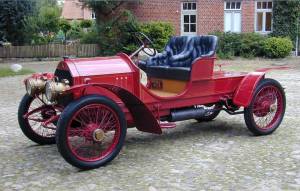
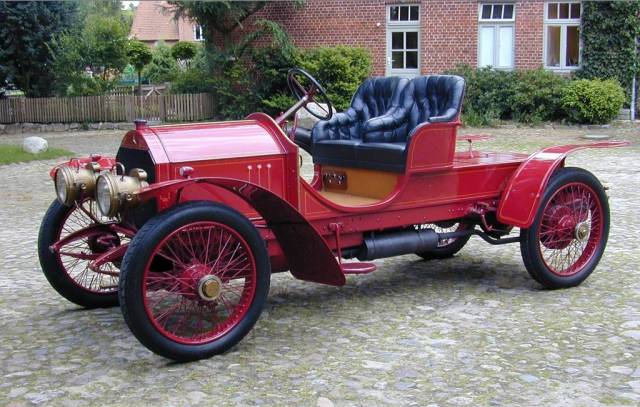
1909 | Mercedes 15/20 PS
A brass era speedster (runabout)

Mercedes listing references from Classic Trader
Below you will find listings related to your search that are no longer available on Classic Trader. Use this information to gain insight into availability, value trends, and current pricing for a "Mercedes" to make a more informed purchasing decision.
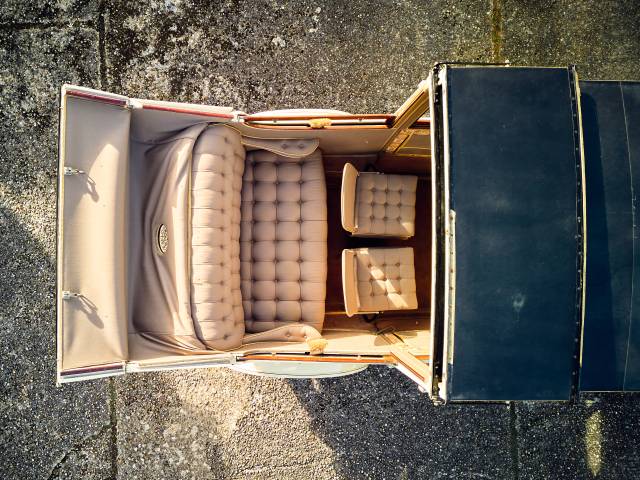
1910 | Mercedes 15/20 PS

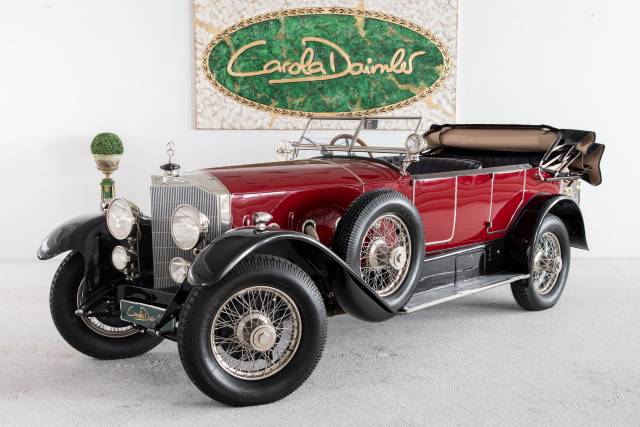
1924 | Mercedes 28/95 HP
MATCHING NUMBERS | MERCEDES-BENZ CERTIFICATE | FIRST-CLASS RESTORATION
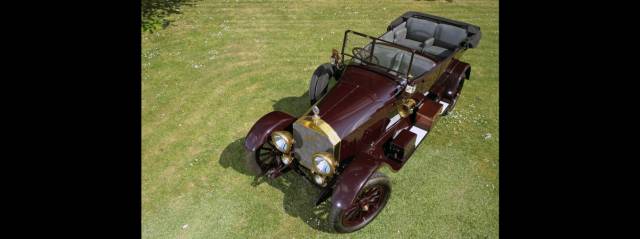
1915 | Mercedes 22/50 PS
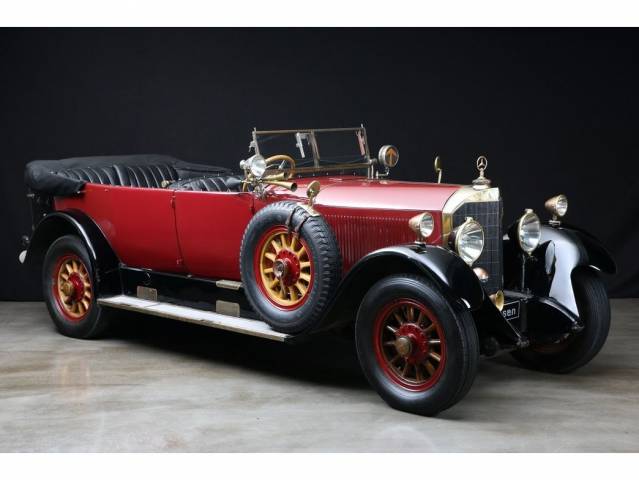
1925 | Mercedes 15/70/100 PS
1925 Mercedes-Benz 15/70/100 PS Offener Tourenwagen
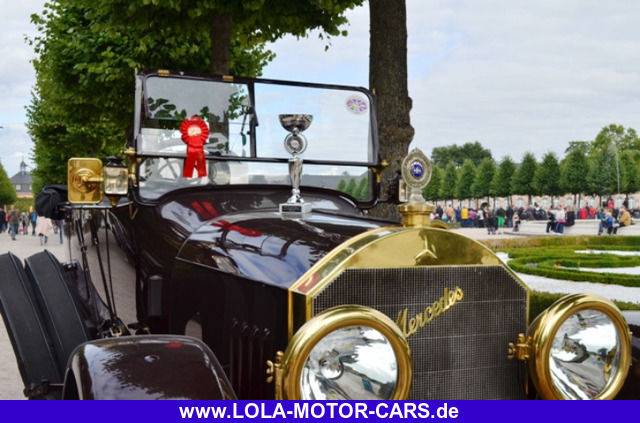
1915 | Mercedes 22/50 PS
| 22/50 hp | 1.Platz CONCOURS D'ELEGANCE SCHWETZ
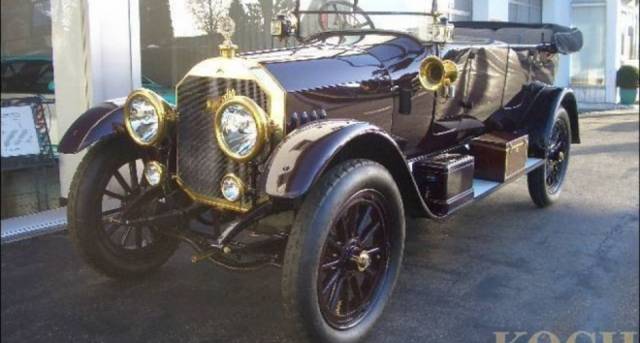
1915 | Mercedes 22/50 PS
22/50 Siebensitzer Open Tourer
History of the DMG Mercedes
The pre-1926 Mercedes was a Daimler-Motoren-Gesellschaft (DMG) product — a distinct pioneer marque in its own right, not the forerunner of a model range. A period chassis plate, commission record, engine number and body history are therefore central to identifying what is being offered.
The impetus came from Emil Jellinek, DMG’s energetic customer and distributor on the French Riviera. After campaigning Daimler cars under the name of his daughter, Mercédès, he placed a major order and pressed the Cannstatt engineers for a purpose-designed fast car rather than another motorised carriage. The April 1900 agreement called for an engine named Daimler-Mercedes. Wilhelm Maybach led the engineering response and Josef Brauner developed the new four-cylinder powerplant. The first car was completed on 22 November 1900 and delivered to Jellinek in Nice on 22 December.
That car, generally known as the Mercedes 35 hp, changed the geometry of the motorcar. Its pressed-steel frame was long and low, the engine sat low over the front axle, and the seating sat within the car rather than perched above it. Maybach’s honeycomb radiator supplied much greater cooling area in a compact form. A 5.9-litre four-cylinder, four-speed gearbox and chain final drive were not novel separately, but their integration made a machine that could be driven fast with confidence. At Nice week in March 1901, Wilhelm Werner’s 35 hp recorded 86 km/h in the La Turbie hill climb and won the 392-kilometre Nice–Salon–Aix–Sénas–Salon–Nice event. Contemporary observers quickly grasped that the old carriage-derived formula had been overtaken.
The 35 hp did not remain an isolated experiment. Smaller 12/16 hp and 8/11 hp models joined it during 1901, while the 1902 Mercedes-Simplex range made the large Mercedes a more usable luxury car. “Simplex” described a conscious aim: performance without the awkward operating ritual of earlier high-powered cars. The models still demand physical skill today—hand starting, manual lubrication attention, exposed mechanical controls and chain-drive maintenance—but their layout was a decisive step towards the recognisable front-engine touring automobile.
For the serious collector, the 1903 Mercedes-Simplex 60 hp is the emblem of this first era. Its 9,236 cc F-head four-cylinder produced 60 hp at 1,100 rpm. It combined a four-speed transaxle, dual chains and rear-wheel drive with a chassis capable of both formal touring bodywork and competition work. A 60 hp driven by Camille Jenatzy won the 1903 Gordon Bennett Cup after DMG’s intended race cars were lost in the Cannstatt factory fire. The 60 hp was not merely a racing special: wealthy owners could commission elegant coachwork, then enter speed trials with the same substantial machine.
DMG did not stand still after the Simplex. The 1906 75 hp introduced six-cylinder power to the upper range. The 1911 37/90 hp brought a sophisticated four-cylinder with three valves per cylinder, twin ignition and enclosed chain drive. Most important to a pre-war collector was the 28/95 hp, introduced in 1914. Its 7.3-litre overhead-cam straight-six used V-arranged overhead valves and drew on aero-engine thinking. War interrupted production after only a small first run; production resumed in 1920 and continued through 1924. The 28/95’s long production gap, varied coachwork and occasional later rebodying make individual provenance much more important than the catalogue model name.
By 1924, DMG’s 15/70/100 hp supercharged six had appeared. Cars completed in the 1924–25 DMG period belong to this page’s narrow subject, but they require unusually careful dating because production continued beyond the corporate change of 1926. For a buyer who wants an unambiguous pre-1926 DMG Mercedes, a 35 hp, Simplex, 37/90 or 28/95 with factory and ownership documentation is usually the clearer proposition.
Highlights of early Mercedes cars
What unites these very different early Mercedes cars is not a badge alone but an engineering philosophy: usable speed, mechanical cooling capacity and controlled weight distribution. The 35 hp brought the engine forward and low, a steel frame that was not simply adapted from a coach, and an efficient radiator with approximately 5,800 small square-section tubes. Its cooling-water capacity was only about nine litres, a remarkable reduction for the time. The result was a genuinely lower, more planted car at a time when many rivals were tall and nervous.
The Simplex models turned that architecture into a range. They preserved the long bonnet, front radiator, rear drive and generous wheelbase that give an early Mercedes its instantly purposeful stance. A large model should not be mistaken for a crude one: details such as the gate shift, mechanical ignition arrangements, clutch adjustment and chain tension were intended to make serious motoring repeatable. On an original car, the survival of the correct radiator, castings, carburettor, magneto, gearbox and chain cases has both historical and financial significance.
The 60 hp is the extreme expression of the Brass Era Mercedes. Its vast, slow-turning engine has torque rather than frantic revs; the huge chassis accepts stately touring, tonneau or sporting bodies. Only 102 were built in 1903–04 and Gooding records five original examples known to survive. That scarcity means a claimed 60 hp deserves specialist scrutiny before price discussions begin. A beautiful body does not prove a correct chassis, and a correct engine alone does not prove a continuous identity.
The later 28/95 represents another kind of sophistication. It uses an overhead camshaft and a six-cylinder engine of 7,274 cc, quoted at 90 hp at 1,800 rpm. Its torque, wheelbase and coachbuilt scale make it a compelling long-distance pre-war tourer when set up properly. Early examples and post-war resumed-production examples differ, while four-wheel brakes arrived late in the run. A buyer should ask exactly which specification is present rather than assuming every 28/95 has the same equipment.
Across the marque, the best cars retain the evidence that explains how they reached the present: original or factory-replacement engine identity, stamped chassis and commission numbers, copies of factory research, old registration books, period photographs, restoration invoices and correspondence with recognised marque historians. For these cars, records are not decorative paperwork. They establish whether a body is original to the chassis, whether a racing or tour history is supported, and whether an apparently modest car may conceal a very important specification.
Technical Data for representative DMG Mercedes
Specifications varied with chassis length, body and running changes. The following figures are practical identifiers for representative DMG-period collector models; verify the data plate and factory record for any individual car.
Figures in period literature may be in Pferdestärke, brake horsepower or nominal tax horsepower; do not treat the number in a model name as a modern, directly comparable output. The useful buying question is whether the engine is the correct type and configuration for that chassis, and whether its internal condition matches the car’s intended use. A 9-litre F-head engine or an overhead-cam six needs an owner who understands oil circulation, ignition timing, cooling flow and sympathetic warm-up—not one who expects modern servicing intervals.
Market Overview & Buying Tips
The market for pre-1926 DMG Mercedes is thin, global and highly selective. These are not cars that can be valued by a generic price guide or a single online advertisement. Originality, body identity, event eligibility and the quality of the documentary chain often move value more than cosmetic finish. A usable, well-documented smaller early Mercedes may be a more rewarding Australian acquisition than an impressive but uncertain flagship.
There is compelling current evidence at the top of the market. Gooding & Company sold the ex-Alfred Harmsworth 1903 Mercedes-Simplex 60 hp Roi des Belges at Amelia Island on 1 March 2024 for US$12,105,000 including buyer’s premium. Gooding described it as one of five original surviving 60 hp examples, with 121 years of single-family ownership, original engine, chassis and body, and recorded 1903 competition history. This was an extraordinary, reference-grade result rather than a general value for a Simplex: it rewards exceptional survival, provenance and historical importance together.
At a more attainable but still specialist level, condition, coachwork and correctness produce a broad spread. A 28/95 with the right six-cylinder engine, known body history and a carefully executed restoration can be a seven-figure international-car proposition; a reconstruction, incomplete project or car with uncertain identity carries a fundamentally different risk. A 1921 28/95 Sport with a recreation body was offered in Brussels in October 2024 with an estimate reported at US$335,000–555,000, illustrating why body authenticity must be separated from the underlying running gear. Do not convert either overseas figure mechanically into Australian value. Freight, insurance, taxes, currency movement, local compliance and the scarcity of a suitable buyer all affect the landed result.
Before buying, commission an inspection by a recognised veteran/pre-war specialist—not merely a general classic-car workshop. The inspection should include:
- Numbers and identity: photograph chassis, engine, gearbox and commission markings; obtain a written interpretation against factory archive material. Look for disturbed stamping, added plates and inconsistencies between period documents.
- Frame and running gear: inspect the pressed-steel frame, cross-members, spring hangers, axle housings, steering box and chain-drive parts for cracks, welding, distortion and hard-to-source wear. Check whether the wheelbase and radiator height agree with the claimed chassis specification.
- Engine integrity: establish the bore, cylinder construction, crankcase repairs, lubrication system, magneto, carburettor and cooling system. Compression alone is insufficient on a slow-speed veteran engine. Ask for cold-start video, oil-pressure evidence where applicable and a road demonstration after proper warm-up.
- Coachwork: identify the coachbuilder and determine whether the body is original, period replacement or modern recreation. Examine ash framing, aluminium or steel panels, door fit, bulkhead, scuttle, hood mechanism and corrosion concealed by paint. A well-made recreation can be enjoyable, but it must be represented and priced honestly.
- Brakes and road safety: understand exactly what the car has—rear drums, transmission brake, front brakes or a later alteration. Inspect cable/linkage pivots, drum condition, linings, tyre age and steering play. These systems demand anticipation, room and careful adjustment.
- History and restoration: request invoices, restoration photographs, event records, prior auction catalogues and export papers. Older restorations deserve a structural inspection even when their paint has aged attractively.
For Australian buyers, import planning should start before the car is shipped. An imported vehicle normally needs the appropriate Australian Government vehicle-import approval pathway in place before arrival; do not assume an overseas registration or auction invoice is enough. Engage a customs broker and a freight agent experienced with running veteran cars, open-body coachwork and timber-framed bodies. Their scope should cover crating or suitable container restraint, marine insurance, biosecurity cleaning, customs valuation, port handling and transport to the inspection or workshop. The final tax and duty outcome depends on origin, valuation, import classification and current concessions, so confirm it with Australian Border Force and a broker for the specific car rather than relying on a forum calculation.
Australia’s climate offers no automatic protection from deterioration. A car from a dry collection may still have swollen timber, stale fuel deposits, cracked tyres and fragile cooling joints after a sea voyage. Quarantine cleanliness is particularly important: underguards, chassis rails, wheels, upholstery and engine bays must be free of soil, plant matter and insect contamination. Budget for a post-arrival commissioning period with a specialist before attempting a long club run.
Club or historic registration is administered by the state or territory, not nationally. Eligibility, club endorsement, permitted use, logbook rules and modification standards differ. In Victoria, the Club Permit scheme operates through approved clubs; in New South Wales, historic-vehicle arrangements likewise depend on the applicable scheme and club requirements. Confirm the current rules with the registering authority and the chosen club before purchase, especially if the car has non-original brakes, lighting, bodywork or engine. A club permit can suit rallies, displays and maintenance runs; it is not a substitute for checking whether the intended use and insurance are permitted.
Parts support is a realistic ownership issue. Routine consumables can often be made or adapted, but correct castings, magneto components, radiator cores, chain sprockets, gearsets and coachwork fittings may require European or US specialists, long lead times and bespoke work. Join a veteran-car club early, keep an illustrated parts ledger and buy the correct spares when they appear. For an Australian owner, an experienced local machinist and a trusted freight consolidator can be as valuable as an immaculate paint finish.
The Driving Feel
A DMG Mercedes of this period asks the driver to participate. Before movement there is fuel, oil, ignition, compression relief, hand-cranking procedure and a sequence of controls to understand. Once warm, the character is less clumsy than a newcomer might expect. The 35 hp’s low-set engine and long stance give it a stability that explains its contemporary impact, although the driver remains exposed to weather, cambers and the considerable effort of unassisted steering.
The Simplex models have a wonderful sensation of mechanical scale. The engine sends out deliberate pulses; the long bonnet and exposed radiator make speed feel significant well before the numbers would impress a modern car. Chain drive has its own sound and maintenance demands. Gear changes should be made with sympathy, not hurried force, while brakes are planned far in advance. On a quiet country road at an unhurried pace, that discipline is the pleasure rather than a limitation.
The 60 hp feels grander still: immense torque, tall wheels and a chassis built to cover distance. It is a car for a driver who values mechanical conversation and who chooses routes with space, good surfaces and conservative traffic conditions. The 28/95 brings a more developed, elastic six-cylinder experience and, in the right condition, a serious touring ability. Neither should be treated as a modern traffic tool. Australian heat, steep descents and long distances make cooling, brakes and route planning essential.
Design and Coachwork
Early DMG Mercedes design is best understood as an escape from the carriage. The 35 hp’s defining form was functional: a low bonnet line, long wheelbase, wide stance and front-mounted honeycomb radiator. That radiator became a visual signature because it was also an engineering solution. The body did not sit as a separate carriage atop a mechanism; the major masses appeared gathered around a purpose-built chassis.
Coachbuilders then gave clients enormous freedom. Tonneaus, phaetons, touring bodies, limousines and sporting bodies could share related mechanical foundations while looking entirely different. A delicate Roi des Belges body carries a very different social message from a formal enclosed body, yet both can be historically appropriate. For this reason, a seller’s description should state the body’s maker, date, material and relationship to the chassis with precision. “Period style” is not the same thing as original coachwork.
The 28/95 illustrates the evolution from the bright, exposed Brass Era machine to a more mature grand tourer. Its long bonnet, bulkhead and rear passenger compartment gave coachbuilders a grand canvas, while the technical complexity underneath demanded careful restoration. In every case, elegant restoration should preserve the evidence: original hardware, correct lamps, instruments, hood bows, wings, radiator details and fabric or leather treatment matter. Over-restoration can erase the very clues that support a car’s story.
Competition and Provenance
Competition made the Mercedes name visible almost immediately. The 35 hp’s Nice successes proved the new layout, and the 60 hp’s 1903 Gordon Bennett victory demonstrated that a customer-based machine could be formidable against national teams. The ex-Harmsworth 60 hp’s fastest times at Nice Speed Week and the Castlewellan hill climb make its 2024 auction result especially intelligible: it is not valuable because it is merely old, but because its survival, body, use and ownership history line up unusually well.
For Australian collectors, provenance also creates opportunities for appropriate use. Pre-1905 cars may be eligible for certain overseas veteran events, subject to each organiser’s rules, while local veteran and pre-war tours offer a more practical setting. Never buy solely on a claimed event qualification. Obtain written confirmation from the organiser and make sure the vehicle’s dating, configuration and documentation meet the relevant rules.
Summary
A pre-1926 DMG Mercedes is an opportunity to own a formative motorcar rather than a generic old luxury car. The 35 hp explains the breakthrough in chassis layout; the Simplex brings the mature Brass Era; the 37/90 and 28/95 show DMG’s advance into high-performance, technically ambitious touring machinery. Each is rare enough that authenticity and history outweigh superficial condition.
Find the right DMG Mercedes on Classic Trader by beginning with the documents, then the chassis, engine and body—not the shine of the restoration. For an Australian buyer, add import approval, biosecurity preparation, specialist commissioning, state-based registration and an active club relationship to the purchase plan. With those foundations in place, a properly understood early Mercedes can be driven, maintained and passed on as a remarkably tangible piece of motoring history.