Bugatti Type 38 classic cars for sale
The Bugatti Type 38 stands out for its sophisticated 8-cylinder engineering, reflecting a significant chapter in the marque’s lineup of pioneering vehicles from the 1920s. With strong technological links to its predecessor, the Type 30, and continued innovations found in later models, the Type 38 offers enthusiasts an authentic glimpse into Bugatti’s evolution during the golden era of automotive craftsmanship.
Search results
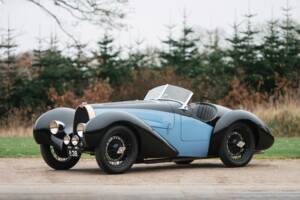
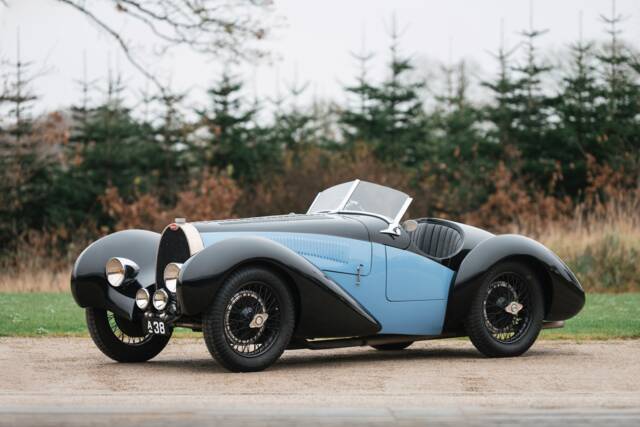
1927 | Bugatti Type 38 A
Supercharged inline-eight with unique French coach build Sports body.

Bugatti Type 38 Classic Cars: Prices & Market Values
History of the Bugatti Type 38
The Bugatti Type 38 was presented in 1926 as a successor to the Type 30 and as part of the early 8-cylinder model series established by the brand. It embodied a period marked by technical progression, integrating design cues and the robust engineering spirit that defined Bugatti during the 1920s. The series represented not only power enhancements but also a drive to elevate luxury and precision in touring cars. The Type 38's place within the Bugatti timeline is crucial, linking the technical achievements of the Type 30 with the refinements of the Type 40, Type 43, Type 44, and culminating in the Type 49.
Model History
The introduction of the Type 38 signified a phase of rapid development in Bugatti’s portfolio. Initially derived from the Type 30, it benefitted from ongoing modifications and set the foundation for future 8-cylinder Bugattis. Over the years, Bugatti continued to improve on the Type 38’s architecture, resulting in the launch of the Type 40 and the more performance-oriented Type 43 and Type 44. This evolutionary path underscored Bugatti’s commitment to both mechanical advancement and continuous refinement of driving experiences, with the Type 49 later serving as a capstone for the line.
Highlights of the Bugatti Type 38
The Bugatti Type 38 features an 8-cylinder engine design that became a blueprint for later models in the series. Its balanced blend of advanced mechanical solutions and luxury finishes distinguishes it among pre-war touring automobiles. The Type 38 also embodies Bugatti’s philosophy of integrating innovative engineering with a refined aesthetic, offering handcrafted elements unique to the era.
Technical Data
Special Editions and Collectible Models
Limited production numbers and the inherent nature of Bugatti’s bespoke manufacturing in this period mean that each Type 38 often features some level of individualisation, especially in terms of bodywork and luxurious appointments. Although no factory-recognized special edition has been specified, some surviving vehicles display unique coachbuilt bodies crafted by renowned ateliers, which significantly influence collectability and value.
Weak Spots and Common Issues
Due to the lack of specific data on typical weaknesses, caution is advised when assessing mechanical condition and authenticity of individual components. As with many early Bugatti models, correct maintenance of the complex 8-cylinder engine and original drivetrain is essential for reliable operation, and sourcing accurate parts can be challenging due to age and rarity.
Engine and Performance, Transmission and Handling
The Type 38’s inline-eight engine provided power well-suited to grand touring in its day, demonstrating Bugatti’s trademark blend of innovation and reliability. Handling benefited from a carefully tuned chassis and period braking solutions, though technological limitations of the era mean performance should be evaluated in context of 1920s road conditions. Among the early Bugatti 8-cylinders, the Type 38 stands out for its refined balance, while its relatives—the sporty Type 43 or luxury-oriented Type 44—served more specialised audiences. Each model’s engineering details and technical credentials underline their distinctive strengths within this family.
Interior, Comfort, Exterior and Design
Cabins of the Type 38 reflected the standards of luxury from the 1920s, often featuring hand-stitched leather, bespoke instrumentation, and wood trim. Externally, the vehicle’s proportion, grille, and signature Bugatti lines are illuminated by coachbuilt bodies, frequently commissioned to individual customer preferences. Unique paintwork, period-correct lighting elements, and decorative trim are frequently encountered. In some examples, special accessories such as fitted luggage, bespoke dashboards, and period-appropriate motoring accoutrements have survived, highlighting the personalisation options offered to Bugatti’s original clientele.
Other Noteworthy Features
The Type 38’s historical significance extends beyond automotive mechanics—examples are sometimes linked to period concours or motor shows, and restoration provenance can impact historical interest and valuation. Documentation and matching numbers are important factors for today’s collector.
Summary
The Bugatti Type 38 stands as a testament to the marque’s innovative engineering and bespoke craftsmanship during a critical period for the brand. The model bridged foundational advancements of the early 8-cylinder series and remains an attractive proposition for those seeking technical authenticity combined with the luxurious, artisanal spirit of the interwar years.