Bugatti Type 55 classic cars for sale
The Bugatti Type 55, introduced in 1932, occupies a singular place in automotive history as a fusion of Grand Prix technology and road-going exclusivity. With only 38 examples ever constructed, each car reflects the remarkable engineering of Jean Bugatti and the luxury craftsmanship of Molsheim. Powered by a supercharged straight-eight engine featuring dual overhead camshafts, the Type 55 achieved speeds up to 180 km/h, establishing itself among the top performers of its era.
Search results

Bugatti Type 55 listing references from Classic Trader
Below you will find listings related to your search that are no longer available on Classic Trader. Use this information to gain insight into availability, value trends, and current pricing for a "Bugatti Type 55" to make a more informed purchasing decision.
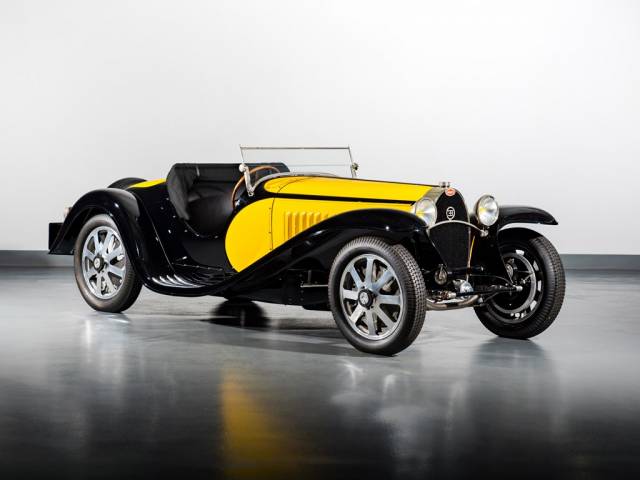
1932 | Bugatti Type 55
1932 Bugatti Type 55 Roadster in the style of Jean Bugatti
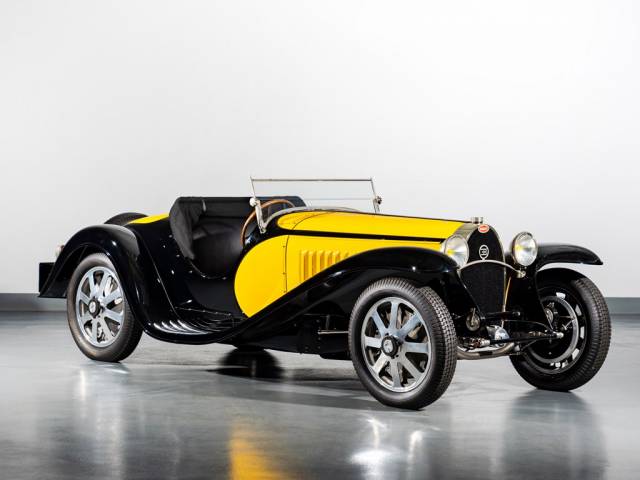
1932 | Bugatti Type 55
1932 Bugatti Type 55 Roadster in the style of Jean Bugatti
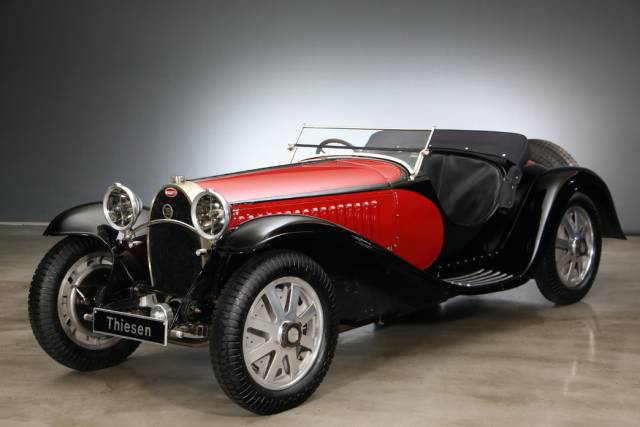
1931 | Bugatti Type 55
Typ 55 Roadster

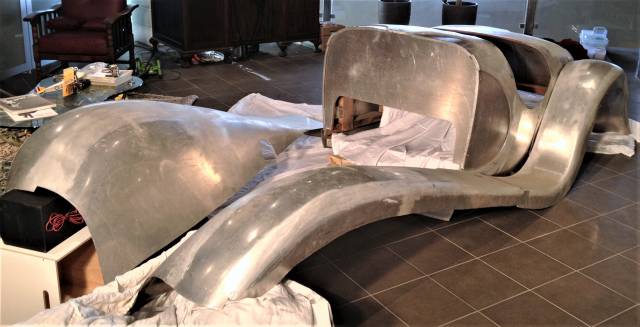
1934 | Bugatti Type 55
Coachwork in Aluminium
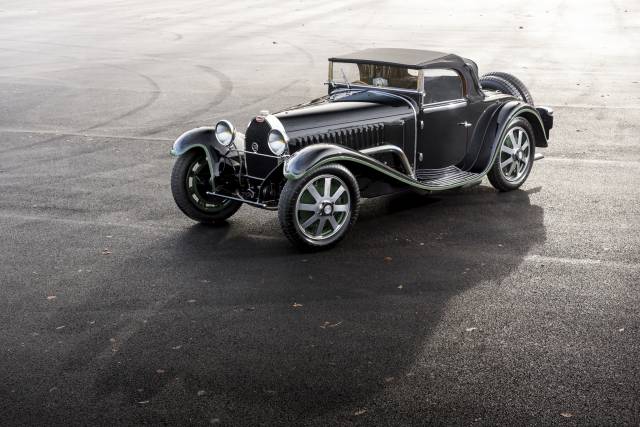
1932 | Bugatti Type 55
Bugatti Type 55 Classic Cars: Prices & Market Values
History of the Bugatti Type 55
The Bugatti Type 55 emerged between 1932 and 1935 as the road-legal counterpart to the Type 51 Grand Prix car. At the time, Bugatti was transitioning from its motorsport dominance of the 1920s, searching for a model bridging cutting-edge racing technology and luxury for distinguished clients. Jean Bugatti conceived the Type 55 using race-proven elements: the chassis from the heavy Type 54, a 2.3-litre supercharged inline-eight adapted from the Type 51, and a transmission derived from the Type 49. Born from the lessons of the Type 54’s limitations in competition, the Type 55 aimed to deliver dynamic street performance with refined styling suitable for both track and boulevard. Despite Bugatti’s hopes, the Type 55 saw limited motorsport success, yet found favour among connoisseurs valuing its craftsmanship and racing pedigree.
Model History
The Type 55 was produced as a direct successor to the underperforming Type 54 and as a road-going development of the successful Type 51. Production concluded in 1935 after only 38 cars were built, owing to lacklustre racing achievements and changing motorsport priorities. Its role as an exclusive, technically sophisticated grand sport model was later followed by the Type 57, which marked Bugatti's resurgence on and off the track.
Highlights of the Bugatti Type 55
Distinct for its synergy of racing origins and hand-built artistry, the Type 55 stands out with its DOHC supercharged eight-cylinder engine developing up to 180 PS and reaching 180 km/h. Its rare, coachbuilt bodywork—often a Jean Bugatti-designed roadster or coupé—exemplified period luxury and innovation. Each example was tailored to owner preferences, with collaborations from esteemed coachbuilders such as Vanvooren, Pritchard & Demollin, and others. Original unrestored cars, comprehensive documentation, and historic racing participation further enhance its allure for collectors.
Technical Data
Special Editions and Collectible Models
Of the 38 Type 55s built, nearly half received bodies designed by Jean Bugatti, distinguishable by their sweeping lines and sporting details. Several examples were further customised by independent coachbuilders, such as Vanvooren and Billeter & Cartier, including notable convertibles and unique interior specifications. The combination of low production volume and bespoke manufacture means nearly each Type 55 is a distinct collectors’ item.
Weak Spots and Common Issues
Available period documentation and accounts highlight the artisanal construction quality of the Type 55, but also point to mechanical complexities typical of pre-war high-performance models. The supercharged straight-eight requires expert attention to ensure the correct functioning of the Roots compressor, dual overhead camshafts, and the cable-actuated drum brakes. Ageing wiring, fuel lines and, if unrestored, worn gearbox components can present challenges. In-depth record-keeping and provenance are common among surviving examples, supporting robust restoration and maintenance efforts.
Engine and Performance, Transmission and Handling
At its core, the Type 55’s driving character is shaped by its roots in the Grand Prix Type 51, delivering authentic race dynamics with a short wheelbase and lightweight chassis. The supercharged eight-cylinder engine delivers up to 180 PS, lending the car responsive acceleration even by modern standards. Combined with a four-speed manual transmission and rigid rear axle, the handling is both lively and demanding, best experienced by skilled drivers. Early motorsport outings included debuts at events like the Mille Miglia and the 24 Hours of Le Mans, although reliability issues, including technical failures and a high-strung powertrain, limited competitive successes. Among the 38 built, the Jean Bugatti-bodied roadsters are particularly revered, along with the few cabriolets executed by Billeter & Cartier and custom commissions from Vanvooren and Pritchard & Demollin. Each features technical variety in body construction and powertrain setup, making them notable not only for rarity but also for their engineering distinctions.
Interior, Comfort, Exterior and Design
Type 55 construction epitomises artful 1930s elegance aligned with the sporting ethos. Jean Bugatti’s designs are known for their long, sweeping wings, alloy-spoked wheels, and compact cockpit layouts trimmed in the finest available leathers and materials of the time. Each car was produced either as a two-seat or—in some coachbuilt cases—a four-seat open tourer, tailored meticulously to individual clients’ desires. Contemporary features such as the distinctive Bugatti horseshoe grille, optional dashboard instrumentation, and subtle luxury touches reinforce the blend of competition and comfort. Special orders often included bespoke paint finishes and custom trim.
Other Relevant Features
A unique aspect of the Type 55 ownership experience is the degree of historical documentation—original invoices, build sheets, and early photography survive for select cars. Postwar history reveals frequent changes in ownership, reflecting the evolving tastes and requirements of collectors and the car’s use in both racing and concours settings. Surviving examples are often the subject of meticulous restorations and are a fixture in major automotive events, underscoring their technical significance and craftsmanship. The signature Bugatti logo, red with the iconic 'EB' monogram, completes the authenticity of each Type 55.
Summary
The Bugatti Type 55 blends the finest engineering from the marque's Grand Prix expertise with a level of luxury and individual specification seldom matched, even among pre-war classics. With only 38 produced and each car treated as a bespoke project, the Type 55 remains at the apex of Bugatti's heritage. Every detail—from the Jean Bugatti design to the supercharged eight-cylinder engine—resonates with the spirit of automotive artistry and innovation from the golden era of motoring.