- Car
- Singer (5 offers)
Buy Singer Classic Cars
Find Singer classic cars from Coventry’s sporting pre-war roadsters to refined Rootes-era saloons on Classic Trader. Assess provenance, bodywork and the valuable support of the Singer Owners’ Club before you buy.
Search results


1936 | Singer 9 Le Mans
Singer Nine Le Mans Four-Seater | 1936 | Route 66 Auctions - For sale by auction. Estimate 12000 EUR


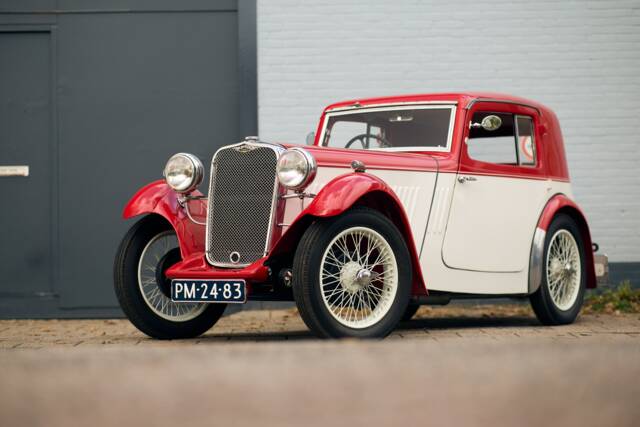
1932 | Singer 9 Le Mans
Nine Coupe
Auctions ending soon

Loading…
Loading…
Loading…
Loading…


1934 | Singer 9 Sports
Ready for immediate use | Belgian registration | Fully restored


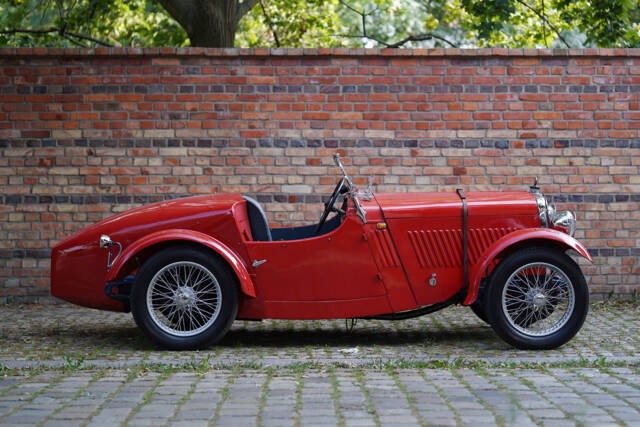
1933 | Singer 9 Sports
Pre-war racing car built to compete at Le Mans

Newsletter
The best Singer listings, straight to your inbox
Get hand-picked Singer listings, plus the best of cars, motorbikes, and auctions on Classic Trader — all in one place.

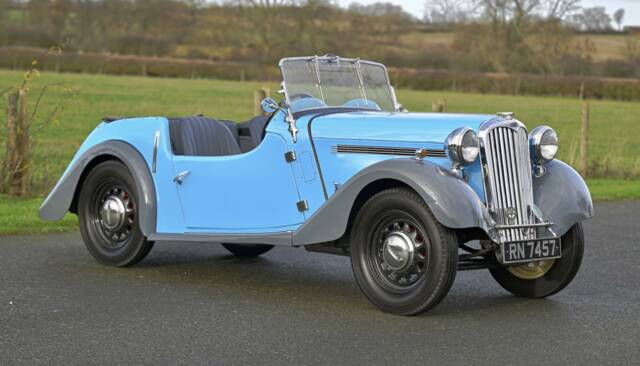

Singer listing references from Classic Trader
Below you will find listings related to your search that are no longer available on Classic Trader. Use this information to gain insight into availability, value trends, and current pricing for a "Singer" to make a more informed purchasing decision.
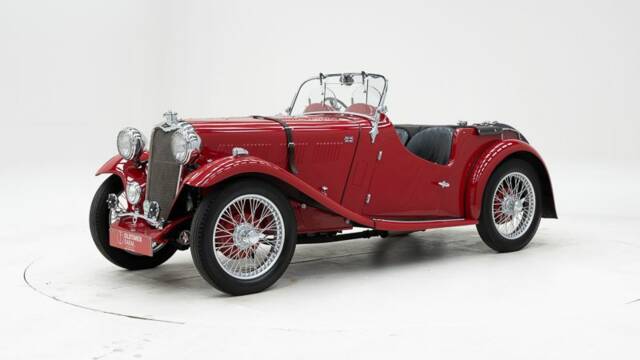
1935 | Singer 9 Le Mans
1935 Singer Nine Le Mans '35

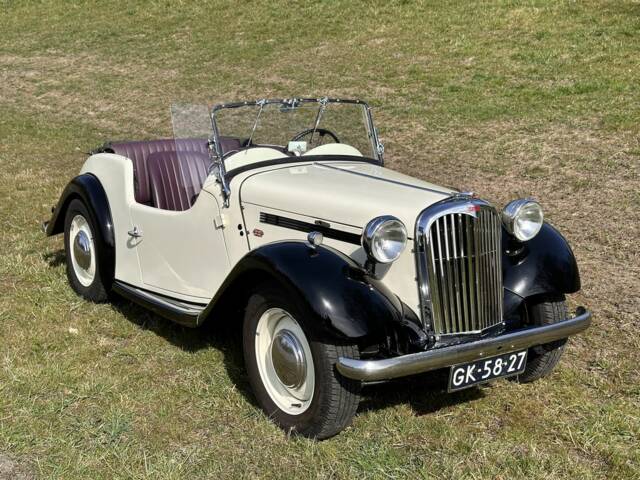
1955 | Singer SM Roadster
Singer 4AD Roadster | 1955 | Route 66 Auctions - For sale by auction. Estimate 16500 EUR

1933 | Singer 9 Sports
Nine ' Le Mans'
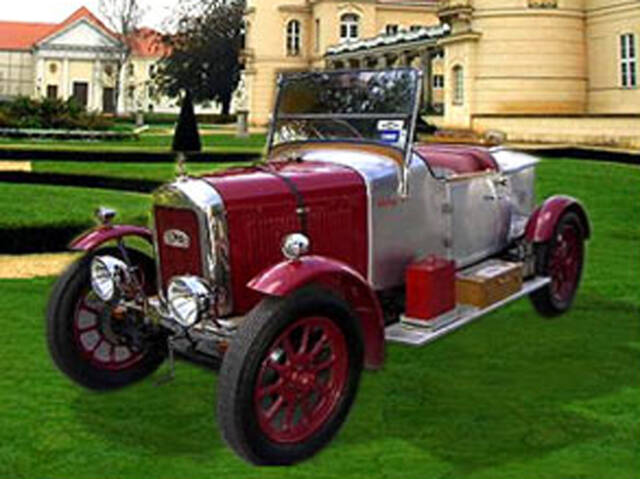
1926 | Singer Senior
Sportwagen BJ 1926
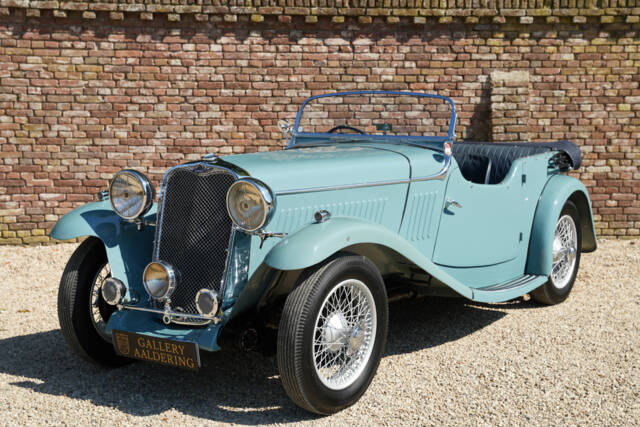
1934 | Singer 1 1/2 Sports Tourer
Singer 1½ Litre Tourer PRICE REDUCTION! Fully restored condition, Fitted with an original six-cylinder Le Mans engine, One of only 12 Built, Fascinating history supported by old pictures - registration documents and lots of paperwork,
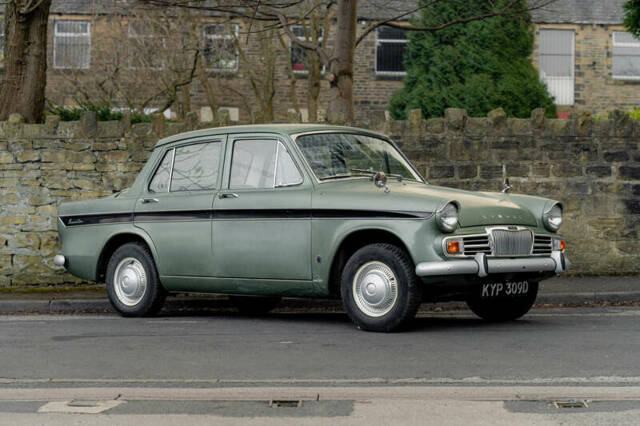
1966 | Singer Gazelle
1966 Singer Gazelle MK IV
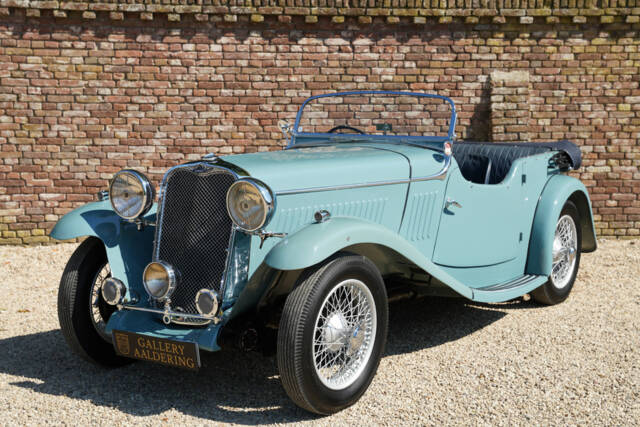
1934 | Singer 1 1/2 Sports Tourer
Singer 1½ Litre Tourer Fully restored condition, Fitted with an original six-cylinder Le Mans engine, One of only 12 Built, Fascinating history supported by old pictures - registration documents and lots of paperwork,

1933 | Singer 9 Sports
SINGER NINE SPORT FOUR SEATER 9

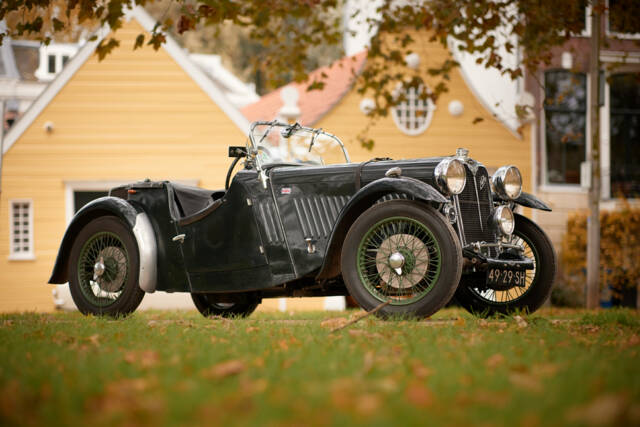
1933 | Singer 9 Le Mans
Singer Le Mans Two-Seater
Singer Motors: Coventry history and legacy
A Singer classic car belongs to one of Britain’s most varied, and now comparatively scarce, motor-manufacturing stories. The name in this category means Singer Motors of Coventry, the company that made cars from 1905 until 1970. It does not mean Singer Vehicle Design, the Californian business established in 2009 to restore and reimagine Porsche 911s. That distinction is more than a matter of wording: the cars, parts networks, histories and values are entirely separate.
George Singer had begun in Coventry with bicycles in 1874. His company, Singer & Co., moved through the same inventive Midlands environment that fostered many early British vehicle makers, and cars followed in 1905. From the beginning, Singer’s appeal was not simply scale. The company developed light, practical cars alongside technically ambitious small sporting machines, giving it an identity distinct from both the luxury marques and the most basic utility makers.
By 1930 Singer was, according to the Singer Owners’ Club, Britain’s third-largest car manufacturer. That is a striking measure of a marque whose surviving cars are now usually encountered through specialist dealers, club contacts and the occasional auction catalogue. The inter-war range included accessible Ten and Junior models, while the smaller overhead-camshaft cars gave the company a sporting reputation disproportionate to their modest capacities. Roadsters, tourers and saloons ensured that the badge could mean very different things to different first owners.
The 1930s were especially important. Singer’s overhead-camshaft fours placed an advanced-sounding feature in a class where many buyers still expected more conservative mechanical layouts. The sporting image was reinforced by Le Mans-associated versions and open cars, but the make should not be reduced to one model. The separate Singer Nine category is the right place for a model-specific search; on this make page, it is one representative of a broader Coventry catalogue.
After the Second World War, Singer tried to carry that character into a changed market. The 9 Roadster retained an appealingly traditional open-car formula, while the SM1500 offered a more substantial post-war proposition with a 1.5-litre overhead-camshaft engine, separate chassis and coil-spring independent front suspension. These cars sit at an interesting transition: recognisably old-school in atmosphere, yet not frozen in pre-war engineering.
Rootes acquired Singer in 1956. The later Gazelle, Vogue and Chamois were increasingly positioned as more upmarket sister cars within the Rootes group. They offer a different route into the marque, often with more enclosed comfort and greater familiarity for drivers used to 1960s British saloons. The final Chamois ended production in 1970, closing 65 years of Singer car manufacture. For a buyer today, that long timeline is the key to the make: a Singer can be a light pre-war sports car, a roadster, a post-war tourer or a Rootes-era saloon, not one uniform type of classic.
Why Singer classic cars stand apart
Singer’s strongest attraction is this breadth of character. A small Coventry roadster can deliver a mechanical, close-to-the-road experience with little between the driver and the engine. A later Rootes-derived saloon has a more relaxed purpose, yet still represents a badge with genuine pre-war history. Buyers who know the make often choose the period that suits their intended use rather than pursuing rarity alone.
For the earlier cars, the SOHC four-cylinder engine is central to the appeal. An overhead camshaft was not a cosmetic detail; it is part of the engineering personality of many 1930s and post-war Singers. A properly set-up engine can feel willing and responsive, especially in a light-bodied car. It also needs knowledgeable maintenance. Valve-gear noise, poor oil pressure, smoke or a reluctant cold start should be investigated as faults, not dismissed as inevitable traits of an elderly British car.
Coachwork is equally important. Singer offered open two- and four-seat cars, roadsters and closed saloons across several eras. Construction details vary, including combinations of steel panels and timber framing on some bodies. This means a bright paint finish alone tells little about a car’s prospects. Door fit, evidence of moisture around the hood area, weakened timber, corrosion beneath the body and the quality of prior metalwork matter far more than a recent cosmetic refresh.
The scale of the club network offsets some of the challenges of a low-volume marque. Founded in 1951, the Singer Owners’ Club maintains model registrars, technical knowledge, manuals and a supplier directory. It can supply factory production-card information for many 1930s cars and has access to some remanufactured parts. Associated clubs in the Netherlands, France, Germany and Australia broaden the practical network. This does not make every trim part easy to buy, but it gives a serious purchaser a far better starting point than an isolated advertisement does.
Britain is a natural market for Singer because many survivors are right-hand drive and because the marque’s history, specialist knowledge and club activity remain concentrated here. RHD is authentic for a large proportion of UK-market cars, particularly pre-war examples. It need not prevent enjoyable ownership, but it is worth assessing honestly. Try the driving position, sight line at junctions and steering weight on a real road, rather than deciding from photographs or a brief movement around a seller’s yard.
Technical character across the Singer range
The figures below place key Singer periods in context rather than claiming that every car has identical specification. Bodies, markets, carburation and surviving modifications can alter details. When buying, the chassis number, engine number and documentary record of the individual car take priority over a general table.
The table also explains why blanket advice can be misleading. A Ten is not an SM1500, and neither should be inspected as though it were a later Chamois. The early cars reward familiarity with pre-war controls and materials. The SM1500 merits close examination of chassis rails, suspension mountings and the structure around them. Rootes-era cars may benefit from mechanical kinship with other group products, but Singer-specific grilles, badges, interior fittings and brightwork can still be difficult to replace correctly.
Long ownership lives have introduced alterations. A replacement carburettor, later gearbox, changed axle ratio, upgraded brakes or a substituted engine is not automatically a reason to walk away. It is, however, a reason to ask better questions. Is the change declared? Was it done competently? Do the V5C, old registration records, invoices and club information support the car’s identity? On a sporting pre-war Singer, the relationship between engine number, chassis and available production information can materially affect both confidence and value.
Originality should therefore be judged proportionately. A usable car with period-sympathetic repairs and a clear history can be a more sensible ownership prospect than a supposedly untouched example with decayed structure and no paperwork. Conversely, a restoration that has lost the correct instruments, hood frame, lamps, handles and interior details may become expensive before it becomes convincing. The right technical choice is the car whose condition, evidence and intended use agree with one another.
Market overview and buying tips
The UK Singer market is specialist rather than high-volume. It has a useful advantage: sellers, restorers and owners can often be reached through a knowledgeable club community. Yet scarcity means that a buyer should be patient. The first available car may not be the best car, especially where an appealing roadster body conceals compromised timber, poor chassis repairs or an incomplete collection of hard-to-source fittings.
As a current market reference, Classic Trader displayed a 1939 Singer 9 Roadster at £13,500 in February 2026. This was an asking price, not evidence of a completed sale and not a universal figure for Singer cars. Body style, restoration standard, matching components, RHD or LHD configuration, condition of the engine and the strength of the history file can move an individual car well away from a single advertised number. Open sporting cars may command interest, but a beautifully documented saloon can be a wiser purchase than a superficially glamorous project.
Choose the Singer type according to how you will use it. A sound Rootes-era saloon can suit regular local outings and owners who prefer enclosed comfort. A roadster is for someone who values open-air motoring, hands-on mechanical familiarity and a slower, more deliberate journey. Very early cars and sporting variants suit collectors willing to invest time in research and sympathetic upkeep. None should be bought as a cheap substitute for a more common British classic: the marque’s individual engineering and limited parts supply demand a realistic reserve fund.
Before viewing, ask for photographs of the underside, chassis, inner wings, floor, door bottoms, windscreen surround and hood structure. Request restoration invoices, a list of loose spares, the V5C, previous MOT certificates where relevant, engine and chassis numbers, and a clear explanation of any non-original items. Factory-card or registrar information can help establish whether the date, body and mechanical specification appear plausible, but it cannot replace a physical inspection.
Corrosion and body structure are usually the largest financial risks. Check chassis rails and crossmembers, spring and axle mountings, body-to-frame points, sills, floorpans and the base of the screen. On timber-framed bodywork, doors that drop or shut badly, cracking paint at joints and damp smells beneath trim deserve careful attention. A magnet and a torch are useful preliminary tools; an inspection on a lift by a specialist is much better. Photographs showing timber replacement or structural welding before paint are valuable evidence.
At the engine, start from cold if possible. Watch oil pressure, exhaust smoke, cooling behaviour and the response to throttle. Ask when the engine was last rebuilt and whether invoices identify machining, bearings, pistons, valves or timing work. Examine the radiator, water pump, ignition system and fuel lines as closely as the engine itself. Long storage can affect all of them, and small parts failures can spoil the first season of ownership.
The road test should include clutch action, gearbox operation, steering, brake performance and driveline vibration. A non-synchromesh or partly synchromesh gearbox requires a period driving technique; it should not, however, jump out of gear or grind continuously under load. The car should track predictably, stop straight and feel structurally coherent. On later cars, verify the proper correlation of engine, trim, badging and model year instead of assuming that all Rootes-group components are interchangeable.
UK registration is generally more straightforward when an established car retains an intelligible identity. For a vehicle with a historic registration, confirm the V5C details and investigate any gap in the paper trail. DVLA procedures can become important if a car has been rebuilt extensively, carries altered identity details or needs an age-related registration. Do not treat a historic tax class, a number plate or a seller’s assurance as substitute proof; establish the chassis identity and paperwork before money changes hands. A pre-purchase inspection and, where helpful, a conversation with the relevant club registrar are modest costs compared with reconstructing an uncertain history.
The driving feel: from light sports car to saloon
An early Singer does not imitate modern performance, and that is precisely its charm. The driver works with the car: allowing the engine to warm, choosing gears in advance, respecting the braking distance and using momentum through a bend. In a light open car, mechanical sounds and airflow are part of the journey. A modest bhp figure looks unremarkable on paper but can feel lively when the car is narrow, light and travelling on a quiet British B-road.
The smaller overhead-camshaft models reward smooth use of revs and a measured gear change. Their pleasure is not motorway speed but the sense of a machine responding directly to inputs. A good roadster encourages an early start to a club meet, a coastal run or a route through the lanes, where the destination is secondary to the process of getting there. It is a social, visible form of motoring: owners tend to stop, talk and compare notes.
The SM1500 changes the emphasis. Its more developed chassis arrangement and larger engine make it feel like a step towards post-war touring, while still preserving the distinct rhythms of a classic British car. Gazelle and Vogue models take the story further towards comfort and everyday usability. The Chamois, at the end of the make’s life, presents an altogether later driving environment. That range is a genuine strength: Singer ownership can mean either a deliberately mechanical pre-war experience or a more contained 1960s saloon journey.
For UK roads, be realistic about RHD and the era of the car. RHD makes lane position and visibility natural on British roads, but overtaking in a slow classic still requires restraint. Pre-war brakes, cross-ply tyres and steering systems need to be in excellent order, not merely adequate for a short demonstration. A well-maintained Singer is happiest when driven within its design brief: country routes, rallies, local events and considerate touring rather than repeated high-speed motorway work.
Design and coachwork evolution
Singer never followed one fixed visual formula. Earlier cars have upright radiators, separate wings and the clear proportions of traditional British tourers. The best open versions look purposeful rather than extravagant: long bonnet, compact cockpit, slender wings and a simple hood. Their attraction comes from usable proportion and visible function, not ornament for its own sake.
Closed cars show the transition from formal pre-war shapes to smoother post-war forms. They deserve the same careful assessment as a roadster. Correct door furniture, instruments, seat frames, fabrics and hood mechanisms can be costly to locate. A complete, honest saloon with sound structural work can be a far more rewarding purchase than an incomplete open car assembled from unrelated parts.
Under Rootes, Singer adopted a more contemporary, occasionally more restrained appearance. Gazelle and Vogue models aimed to offer a little more distinction than their close group relatives through trim, grille treatment and equipment. That makes period brochures and club knowledge useful when inspecting an advertisement. Badges, hubcaps, dashboard details and brightwork often reveal whether a car has been restored with care or merely made to look complete from a distance.
Club knowledge, documentation and ownership
For Singer, documented knowledge is almost part of the vehicle. The Singer Owners’ Club can help a prospective owner understand model details, locate manuals and suppliers, and make contact with experienced people. Production cards and registrars can support an investigation into a 1930s car’s original specification. Use these resources before purchase, not only after a problem appears.
Plan practical ownership from the outset. Before longer trips, inspect lubrication, coolant, brake fluid, tyre age, wheel or spoke security, lights and fuel hoses. Discuss fuel compatibility and ethanol-resistant components with a specialist familiar with the particular engine and fuel system. If you do not maintain the car yourself, identify a garage comfortable with pre-war British machinery or Rootes-era cars before committing to purchase.
Parts availability is uneven. Service components and some mechanical items may be available through club contacts, specialists or Rootes connections. Body-specific brightwork, instruments, trim and rare coachwork pieces can require patient searching, careful restoration or remanufacture. Include a written inventory of all loose parts in the sale agreement. A car that is complete, documented and correctly assembled is commonly the better value, even when its initial price is higher.
Summary: choosing a Singer classic car
To buy a Singer classic car is to choose a distinct strand of Coventry motoring history: pre-war overhead-camshaft ingenuity, characterful roadsters, the thoughtful SM1500 and later Rootes-era saloons. It is not a purchase of a modern Porsche restoration; Singer Motors built the British cars covered here between 1905 and 1970.
The best example is rarely defined by badge appeal alone. Prioritise structural condition, documented chassis and engine identity, a credible restoration record, usable mechanical condition and a complete set of papers. With an honest assessment of RHD ownership, DVLA documentation and the support of the Singer Owners’ Club, the right Singer offers an unusually personal British classic for lanes, events and long-term stewardship.