Buy RUF Classic Cars
RUF combines the familiar silhouette of Stuttgart sports cars with the independent engineering, small-series craft and formidable pace of Pfaffenhausen. Find a documented RUF classic with the provenance, specification and specialist support to enjoy it properly on British roads.
Search results
Currently, there are no matching listings for your search.
Create search alert
Let yourself be notified as soon as a listing is published that matches your search filters.
RUF listing references from Classic Trader
Below you will find listings related to your search that are no longer available on Classic Trader. Use this information to gain insight into availability, value trends, and current pricing for a "RUF" to make a more informed purchasing decision.
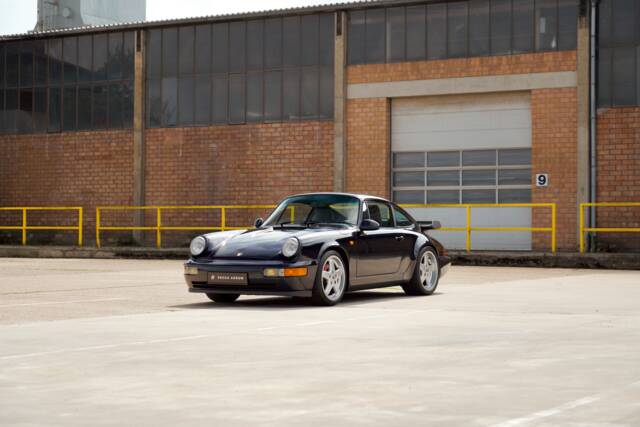
1991 | RUF RCT
Modified by RUF in period | Delivered new in Germany

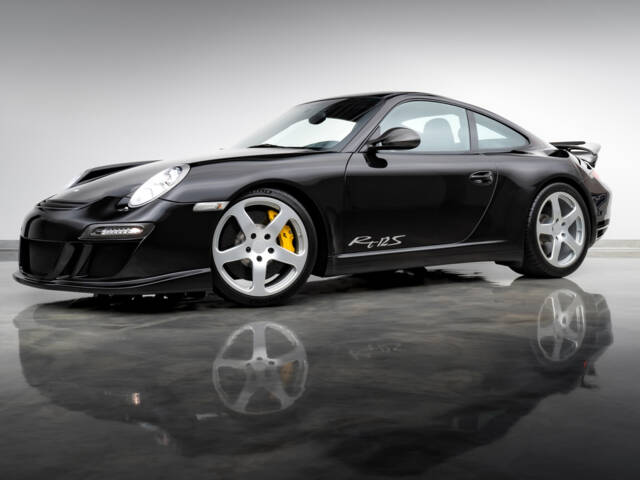
2011 | RUF Rt 12 S
2011 RUF Rt12 S

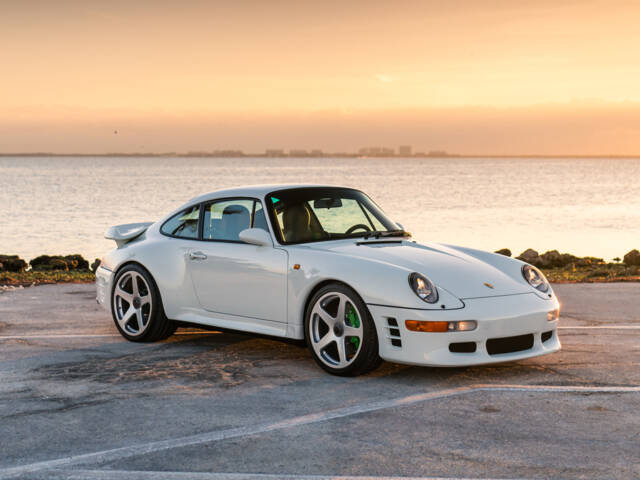
1998 | RUF Turbo R
1998 RUF Turbo R
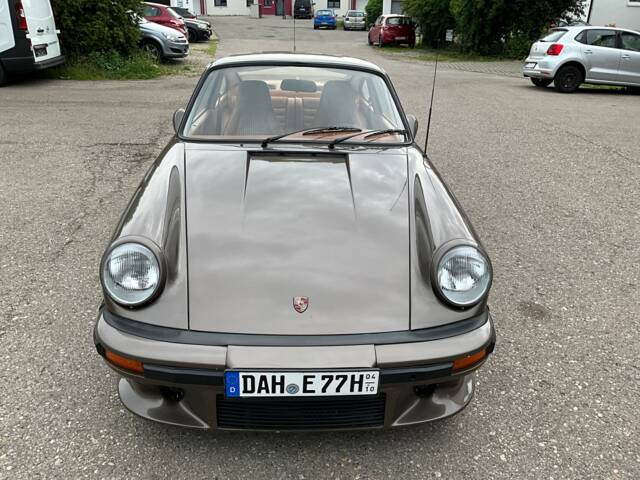
1978 | RUF SCR 3.2
Porsche 911 SC/R
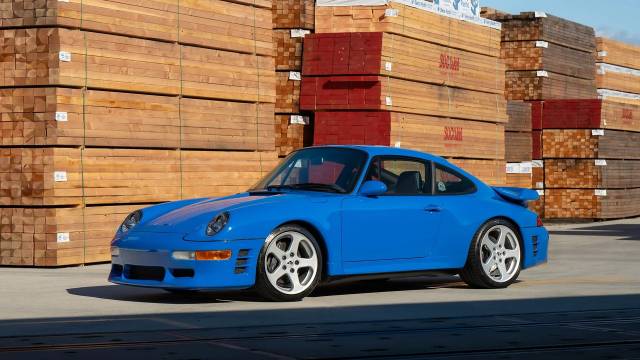
1998 | RUF BTR2
1998 RUF BTR
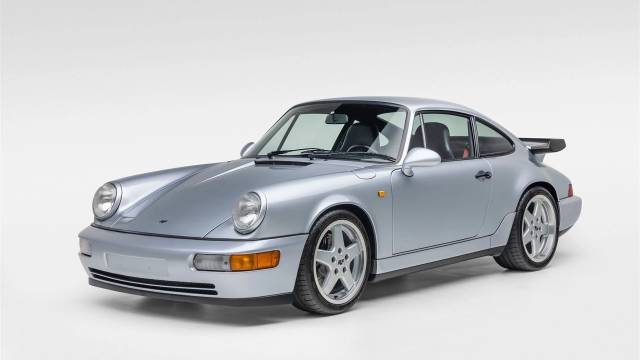
1994 | RUF RCT
1994 RUF RCT
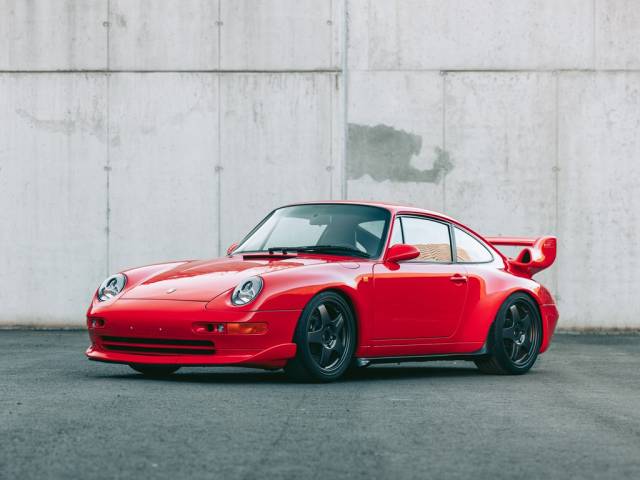
1995 | RUF Turbo R
1995 Porsche RUF Turbo R
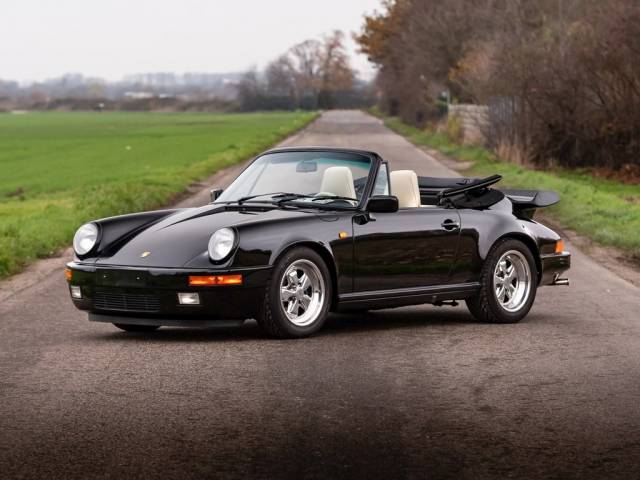
1987 | RUF BTR 3.4
1987 Porsche RUF BTR Cabriolet
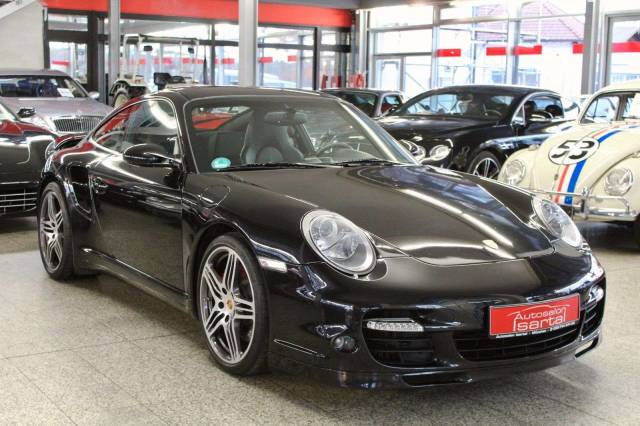
2006 | RUF 911 Turbo
Ruf 997 RUF Turbo -1. Hd. -CH-Fzg. -Bestzustand !
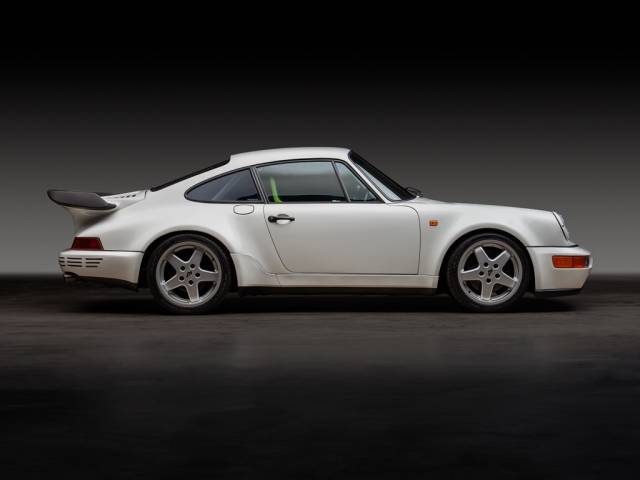
1990 | RUF CTR
1990 Porsche RUF CTR Carrera 4
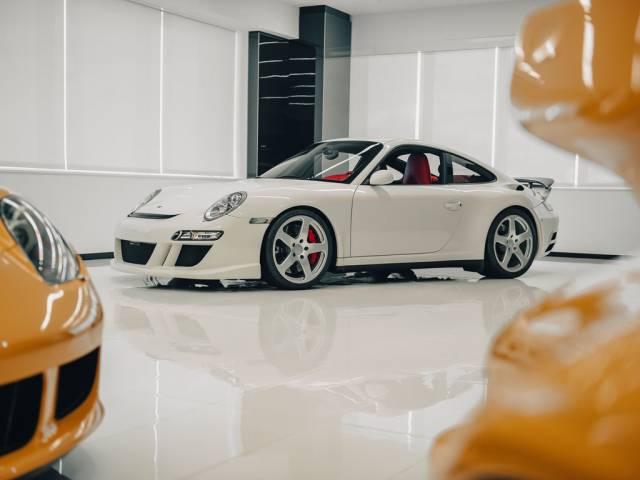
2007 | RUF Rt 12
2007 RUF Rt12
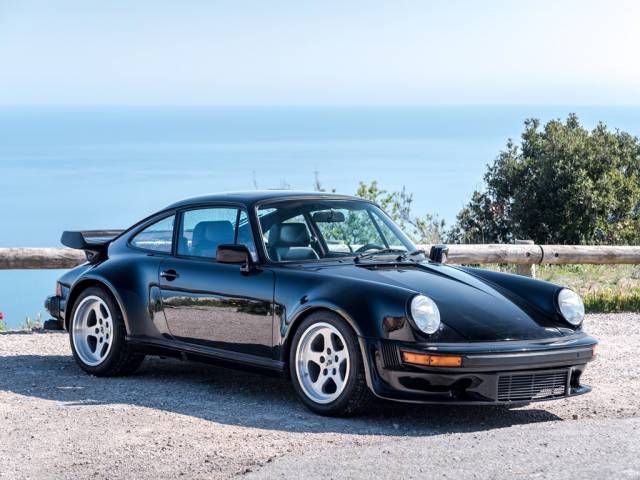
1985 | RUF BTR II 3.4
1985 RUF BTR II
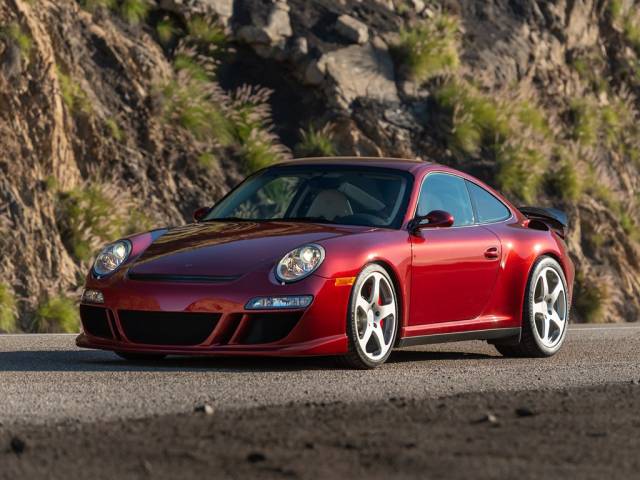
2009 | RUF Rt 12
2009 RUF Rt12
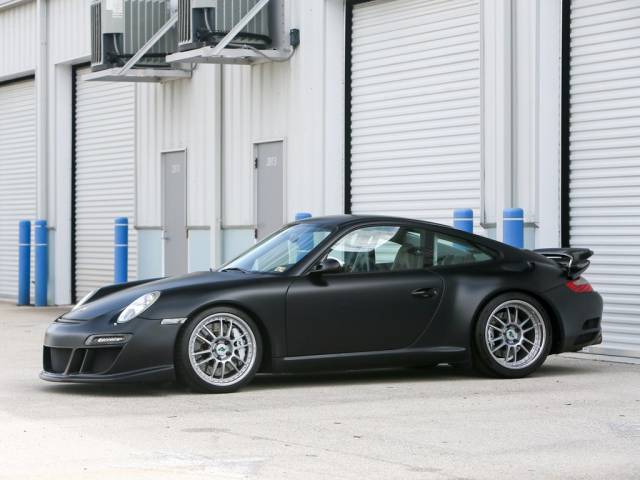
2006 | RUF Rt 12 S
2006 RUF Rt12 S
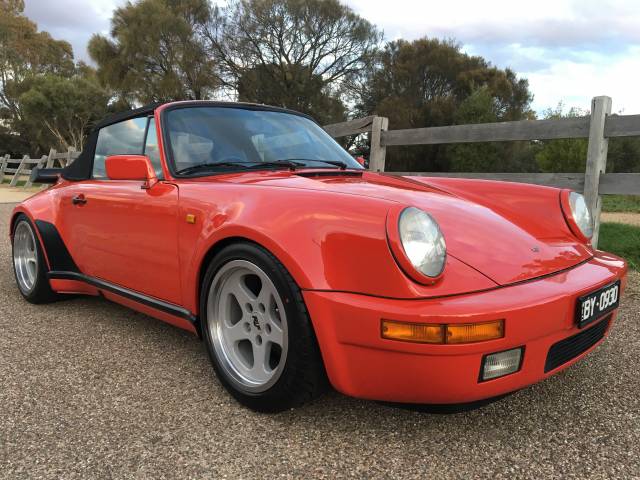
1988 | RUF BTR 3.4
1988 Porsche 930 Turbo Cabriolet RUF BTR 3.4 conversion egg
Create search alert
Let yourself be notified as soon as a listing is published that matches your search filters.
RUF history and heritage
RUF is a manufacturer, not merely a tuning badge. That distinction is the starting point for any buyer. Alois Ruf Sr opened a garage in Pfaffenhausen, Bavaria, in 1939. The business first survived by repairing and maintaining vehicles, and later gained a practical reputation for servicing Porsche cars. His son, Alois Ruf Jr, took over after his father’s death in 1974 and turned that specialist knowledge into something much more ambitious: complete, low-volume high-performance cars carrying their own RUF vehicle identification numbers.
The change was gradual but decisive. In the mid-1970s RUF built its first turbocharged conversions, then developed a reputation for extracting usable speed rather than simply fitting louder exhausts. The 1977 911-based Turbo 3.3 was an early signpost; the BTR, introduced in 1983, was the first complete RUF production car. It used an enlarged and turbocharged flat-six, its own chassis number and a level of development that covered cooling, gearing, suspension, brakes and aerodynamics. In 1987 Germany’s Federal Motor Transport Authority recognised RUF as an independent manufacturer. That is why an authentic RUF has to be assessed differently from a modified Porsche.
The car that carried the name far beyond specialist circles was the CTR of 1987. Built around a lightweight body shell, a 3.4-litre twin-turbo flat-six and a five-speed gearbox, it delivered 469PS and a claimed 211mph. At the Ehra-Lessien test facility it became the fastest production car tested by Road & Track, an achievement reinforced by the celebrated 1989 Nürburgring film in which Stefan Roser drove the bright yellow example with startling commitment. The colour supplied the informal nickname, but collectors should remember that the technical achievement—not paint alone—is what matters. RUF stated that 29 first-generation CTRs were built, alongside a small number of factory conversions.
RUF did not stand still after that headline. The BTR line remained a more civilised turbocharged road car; the naturally aspirated RCT brought adjustable engine management and a broader touring character in the early 1990s; and the Turbo R represented a carefully engineered evolution for buyers who wanted substantial power with fewer compromises than the CTR. The 1990s also produced the CTR2, a 993-era flagship whose 3.6-litre twin-turbo engine offered up to 580PS in Sport specification and whose bodywork could be specified in narrow or wide form. It was one of the period’s quickest road cars, but its purpose was still long-distance usability rather than a stripped-out racing imitation.
The company’s later cars broadened the story. The RGT pursued naturally aspirated, rear-wheel-drive involvement; the 3400S offered a compact mid-engined alternative; and the RT 12 transferred the marque’s high-speed discipline to a water-cooled generation. In 2007 the CTR3 was especially significant because it was conceived around a RUF-designed chassis structure rather than a reworked production bodyshell. Its mid-engined layout, bespoke carbonfibre panels and 700PS-plus output showed that the Pfaffenhausen firm could make an unmistakably RUF car without depending on a familiar silhouette.
For a classic-car buyer, this history creates several distinct eras rather than one generic RUF category. Air-cooled cars tend to appeal through mechanical texture, compact dimensions and the remarkable blend of familiar architecture with independent manufacture. Later cars add electronics, four-wheel drive or water cooling, higher outputs and more complex maintenance. The best choice is therefore not automatically the most powerful one. It is the car whose period, construction, driving character and documentary trail suit the owner.
What distinguishes a RUF classic
RUF’s most persuasive achievement is integration. A genuine car was engineered as a system. More power required suitable pistons, camshafts, turbochargers, intercooling, oil cooling, fuel delivery, exhaust flow and ignition calibration; it also required gear ratios capable of using that power, suspension geometry that kept the tyres working and brakes that could repeatedly manage the resulting speed. The company’s own five- and six-speed transmissions were often as important to the experience as the engine figures. A buyer should be wary of any advertisement that reduces the car to a single horsepower claim.
This is also a marque with a wide spectrum of appearance. A BTR can be subtly handsome: integrated bumpers, distinctive wheels, purposeful intakes and an interior that looks like a careful evolution of a 1980s sports car. A first-generation CTR is lighter and more purposeful, with aluminium panels, pared-back trim and aerodynamic details designed to lower drag rather than create theatre. A later CTR2 or RT 12 can look much more assertive, but even there the shape is tied to cooling, stability and tyre clearance. The common thread is functional engineering, not a universal visual recipe.
Authenticity needs unusually exact language. There are complete RUF-manufactured cars, documented RUF conversions, cars sold with individual RUF components, and ordinary Porsche-based cars wearing RUF-inspired wheels or badges. They are not interchangeable. An official RUF VIN, factory certificate, order paperwork, conversion invoice, correspondence with Pfaffenhausen, period service records and matching engine details each strengthen the case. The seller’s phrase “RUF specification” is not evidence by itself. Neither is a yellow paint finish, a speedometer marked to an optimistic number, or a set of period alloys.
The best cars have a clear, coherent file. It should explain where the car was delivered, whether it was built new by RUF or converted from a donor, the original colour and interior, exact engine specification, later upgrades, accident repairs and major rebuilds. Period magazines, photographs, old registration documents and export records can all help. Because many cars have been altered during decades of enthusiastic ownership, originality sometimes means retaining a documented period change rather than forcing the car back to a guessed factory configuration. The question is not whether every fastener is new; it is whether the car’s story is credible and its engineering has been maintained responsibly.
Technical data for notable RUF classics
Figures vary with market, customer specification, development stage and whether a car was supplied new or converted later. The table is a useful orientation, not a substitute for the factory record for the exact chassis. Production data is sparse outside the better-known flagship projects, so claimed totals should be verified before a rarity premium is paid.
Numbers should be read in their period context. The 469PS CTR was astonishing because it was substantially lighter than many contemporary supercars and because its tall fifth gear let the engine exploit its aerodynamic efficiency. The 580PS CTR2 Sport brought another step in output but also more chassis, brake and cooling complexity. An RGT makes a different argument: response, balance and a naturally aspirated engine can be at least as satisfying on a British B-road as an intimidating turbocharged peak figure.
Market overview and buying tips
The RUF market is international, thinly traded and highly sensitive to proof. A documented, correct car can attract buyers from several countries, while an uncertain one may sit because the cost of being wrong is considerable. Public auction results in 2024–26 have continued to show a broad hierarchy: early complete manufacturer cars and flagship CTR variants command seven-figure sums in dollars or euros when provenance, condition and specification align; documented BTR, RCT and Turbo R cars sit far below that summit but can still be serious six-figure purchases; component-equipped cars are valued primarily as the underlying Porsche. A recent sale is evidence of one chassis on one day, not a price list for the make.
Condition matters in particular ways. An apparently low-mileage car that has stood unused can require recommissioning of tyres, fuel lines, seals, brake hydraulics, turbo plumbing, air-conditioning and electrical systems before it is safe to enjoy. A higher-mileage example with invoices from a recognised air-cooled or RUF specialist may be the better ownership prospect. Commission an independent inspection before agreeing a price, preferably with a workshop experienced in the exact engine and transmission package. A general Porsche inspection is helpful; it is not necessarily enough to identify a non-standard RUF gearbox, altered engine management or the correct turbo specification.
On earlier cars, investigate the body shell before the powertrain. Check front suspension-pan and fuel-tank areas, inner wings, kidney bowls, sills, jacking points, screen surrounds, door shuts, floorpans and the front boot for corrosion or accident repair. Examine panel gaps, underseal texture and overspray critically. Lightweight aluminium CTR panels deserve careful assessment for correct fit and previous damage. A clean paint finish can conceal expensive structural work, while an honest older restoration with photographs and invoices can be reassuring.
The air-cooled engine needs a proper cold start. Observe oil pressure, smoke, idle stability, warm-up behaviour, boost delivery, leaks and crankcase breathing. Ask when the engine was last rebuilt, who supplied the parts and whether the work was measured and documented. Turbos, wastegates, intercoolers, hoses and heat exchangers should be inspected rather than admired from above. Oil leaks are common on older flat-sixes, but a seller’s “they all do that” should not end the discussion. Compression and leak-down figures are useful only when taken by a trusted workshop and understood alongside the engine’s service history.
Test the gearbox slowly as well as quickly. RUF transmissions are a central part of the car’s character and can be expensive to rebuild correctly. Check for synchromesh resistance, jumping out of gear, noisy bearings, clutch drag and limited-slip differential chatter. Verify gear ratios and casing numbers against documents where possible. Inspect brake discs, calipers, flexible hoses, suspension bushes, dampers, steering response and wheel bearings. Correct wheel size, offset, tyre load index and speed rating are safety issues, not cosmetic preferences; tyres may have deep tread yet be too old for a high-performance car.
For British buyers, right-hand drive deserves a deliberate decision. Many important RUFs are left-hand drive because they were supplied to continental Europe or Japan. LHD is not a defect and is often the authentic configuration, but it affects overtaking sightlines on two-lane roads, toll-booth convenience, insurer appetite and the future pool of domestic buyers. RHD cars may carry a premium, particularly when UK supplied or supported by a full UK history. Do not infer steering side from a UK registration: inspect the car, confirm its original destination and establish whether any conversion has been performed.
Importing a car to Great Britain requires more than arranging transport. HMRC requires notification within 14 days of arrival, and the process can involve an import declaration, VAT and duty, a Notification of Vehicle Arrivals (NOVA) declaration, vehicle approval where applicable, DVLA registration, taxation and insurance. The exact tax treatment depends on age, origin, status and import circumstances; take advice from a customs agent or import specialist before bidding, rather than treating an auction hammer price as the landed cost. Keep the foreign title, export declaration, bill of sale, shipping documents, customs entry, NOVA acknowledgement and all conversion evidence together.
An older qualifying vehicle may be eligible for the historic vehicle tax class in Great Britain, but eligibility and MOT exemption are separate questions from safe condition. A responsible owner should still use an annual inspection and retain the results. Review the MOT history for an already registered car, checking recurring corrosion, brake, suspension, tyre and emissions observations. The V5C should accurately record the make, engine capacity and relevant identity. Tell the insurer about performance, body, wheel, brake and suspension changes, and consider agreed-value cover supported by a specialist valuation and photographs.
Parts planning separates enjoyable ownership from a car waiting indefinitely in a workshop. Many service components shared with the donor platform are available from UK and European specialists. Bespoke gearbox parts, correct turbo components, period instruments, body panels, interior trim and original wheels may be scarce. Before buying, ask the inspecting specialist to list what is standard, what is RUF-specific and what has been substituted. Speak to RUF or an established independent about support for the exact chassis; do not assume a newer aftermarket part is equivalent merely because it fits.
The driving character
A RUF classic rewards a driver who understands that extraordinary performance need not be demonstrated on every journey. An early BTR has compact dimensions, clear visibility and a mechanical, boost-led character. Its steering and pedals feel from an era before electronic filtering, while the flat-six turns a familiar sports-car sound into a more urgent, purposeful experience. On British roads, the pleasure lies in accurate placement, the engine’s mid-range and a chassis that becomes more fluent as the driver settles into its rhythm.
The CTR is more intense. Its low mass and huge performance demand respect, particularly in damp weather or on old tyres. That does not make it an undriveable relic; a well-set-up example is celebrated for the clarity of its controls and the astonishing way it covers ground. It does mean that a first drive should be approached with warm oil, a knowledgeable owner or specialist nearby and no need to prove a top-speed claim. The famous Nürburgring footage is history, not an instruction for public roads.
Later turbo cars trade some rawness for breadth of ability. A Turbo R or CTR2 can settle into motorway work with the long-legged composure expected of a proper grand tourer, then deliver an extraordinary acceleration surge once boost arrives. An RGT feels more immediate and progressive, asking the driver to use revs and chassis balance rather than wait for turbo torque. Across them all, sympathetic regular use is better than long static storage: fluids circulate, seals remain exercised and minor faults are found before they become costly failures.
Design, cabin and brand identity
RUF design has always been most convincing when it looks inevitable. The shape begins with the compact, rear-engined profile familiar to generations of sports-car enthusiasts, but the details serve a different engineering brief. Deep front air intakes, smoother bumpers, carefully profiled mirrors, restrained spoilers and signature wheels help manage cooling and stability. The first CTR’s integrated bumpers and lightweight panels created a clean, almost understated appearance for a car with supercar performance. Later wide-body cars advertise their capacity more openly, yet still make sense as complete designs rather than accessory catalogues.
Cabins deserve patient inspection. A RUF steering wheel, instruments, seats, carpets, trim plaques or reworked console can contribute strongly to a car’s identity, especially when shown on the original order sheet. Wear to period leather is often more appealing than an undocumented retrim. Check that the speedometer, boost gauge, switches and warning lights work; correct-looking parts can be expensive to source, and poor wiring alterations can undermine both safety and value. In a make whose credibility depends on specificity, details matter.
Summary: buying a RUF
RUF classics range from discreet turbocharged road cars to some of the defining high-speed machines of their era. Their enduring appeal comes from independent manufacture, purposeful engineering and the rare ability to combine ferocious performance with genuine touring usefulness. Find a RUF with a clear identity, a deep documentary file and a sensible specialist maintenance plan; verify its RHD or import status for the UK; then let inspection and provenance, rather than a badge or a headline figure, determine the purchase.