- Car
- Singer (5 offers)
Buy Singer Classic Cars
Singer Motors combined Coventry engineering, lively pre-war four-cylinder cars and later Rootes-era comfort. Find a distinctive British Singer classic car on Classic Trader, from open roadsters to rare saloons, with condition and provenance at the centre of the decision.
Search results
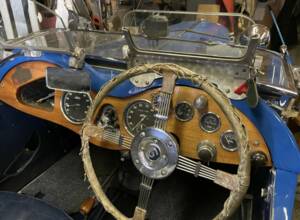
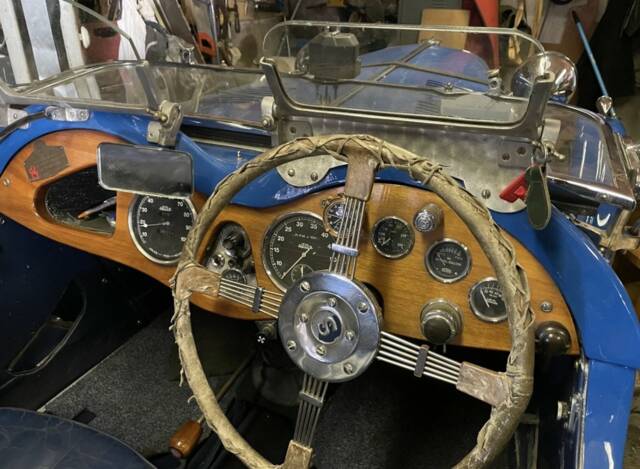
1936 | Singer 9 Le Mans
Singer Nine Le Mans Four-Seater | 1936 | Route 66 Auctions - For sale by auction. Estimate 12000 EUR



1932 | Singer 9 Le Mans
Nine Coupe
Auctions ending soon

Loading…
Loading…
Loading…
Loading…


1934 | Singer 9 Sports
Ready for immediate use | Belgian registration | Fully restored



1933 | Singer 9 Sports
Pre-war racing car built to compete at Le Mans

Newsletter
The best Singer listings, straight to your inbox
Get hand-picked Singer listings, plus the best of cars, motorbikes, and auctions on Classic Trader — all in one place.

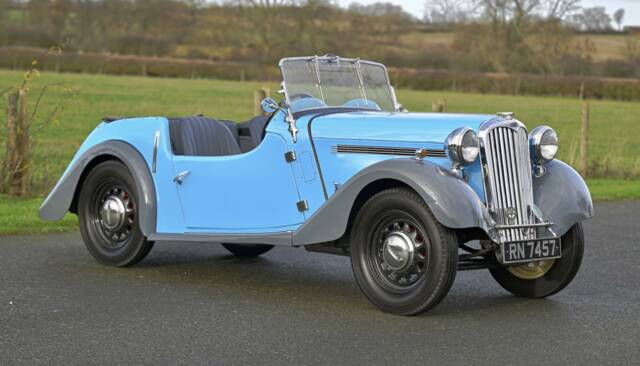

Singer listing references from Classic Trader
Below you will find listings related to your search that are no longer available on Classic Trader. Use this information to gain insight into availability, value trends, and current pricing for a "Singer" to make a more informed purchasing decision.

1935 | Singer 9 Le Mans
1935 Singer Nine Le Mans '35


1955 | Singer SM Roadster
Singer 4AD Roadster | 1955 | Route 66 Auctions - For sale by auction. Estimate 16500 EUR

1933 | Singer 9 Sports
Nine ' Le Mans'
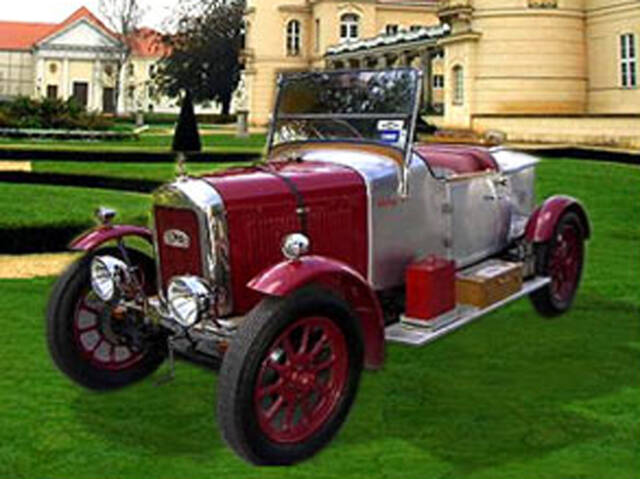
1926 | Singer Senior
Sportwagen BJ 1926
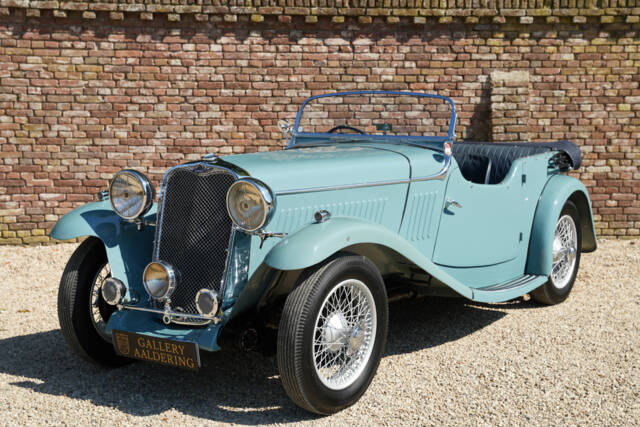
1934 | Singer 1 1/2 Sports Tourer
Singer 1½ Litre Tourer PRICE REDUCTION! Fully restored condition, Fitted with an original six-cylinder Le Mans engine, One of only 12 Built, Fascinating history supported by old pictures - registration documents and lots of paperwork,
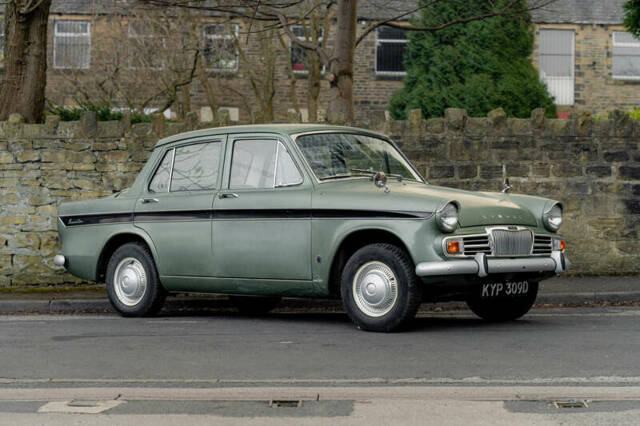
1966 | Singer Gazelle
1966 Singer Gazelle MK IV
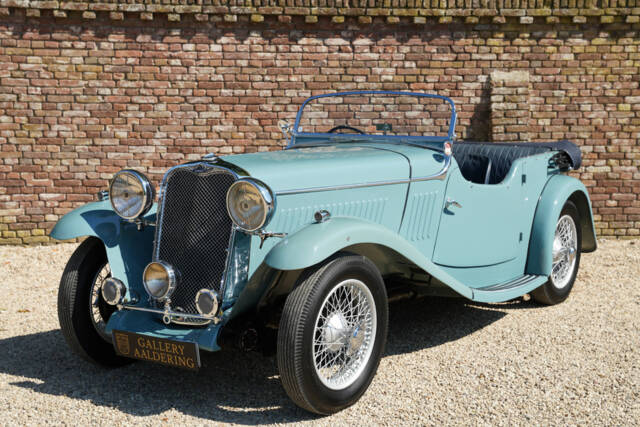
1934 | Singer 1 1/2 Sports Tourer
Singer 1½ Litre Tourer Fully restored condition, Fitted with an original six-cylinder Le Mans engine, One of only 12 Built, Fascinating history supported by old pictures - registration documents and lots of paperwork,

1933 | Singer 9 Sports
SINGER NINE SPORT FOUR SEATER 9


1933 | Singer 9 Le Mans
Singer Le Mans Two-Seater
Singer Motors: Coventry history and legacy
To buy a Singer classic car is to look beyond the familiar British badges and into a long, varied Coventry story. The name in this category is Singer Motors, the vehicle business that grew from George Singer’s bicycle company. Singer & Co. began making bicycles in Coventry in 1874, progressed through motorcycles and built its first cars in 1905. It was a proper British motor manufacturer, not a styling exercise attached to a better-known brand: at its inter-war height, the Singer Owners’ Club records it as Britain’s third-largest car maker around 1930.
That scale is useful context for an Australian buyer. Singer was not a tiny coachbuilt curiosity when new, although surviving cars are uncommon here today. Its cars ranged from modest family transport to keen small-capacity sporting machinery, then to more comfortable Rootes-group saloons. The badge therefore covers very different ownership experiences. A carefully kept pre-war tourer, a 9 Roadster and a later Vogue may share a name, but they should not be assessed or budgeted for in the same way.
The early 1930s brought practical models such as the Ten and Junior, cars that helped Singer reach buyers wanting a compact British car without abandoning a certain engineering character. The marque’s more sporting reputation was strengthened by overhead-camshaft fours. In the middle of the decade, the compact Nine and its sporting Le Mans variants gave Singer an engaging identity: modest displacement, low weight and a willingness to work rather than effortless high-speed performance. They are representative of the marque, but a Singer make page should not be mistaken for a substitute for a particular model’s history.
After the Second World War, Singer continued the open-car tradition with the 9 Roadster and moved towards more contemporary construction in the SM1500. Rootes acquired Singer in 1956. From then on, models such as the Gazelle, Vogue and finally the Chamois increasingly occupied a more upmarket, badge-engineered position alongside related Rootes products. Singer passenger-car production ended with the Chamois in 1970. This long run, from light Coventry cars to Rootes-era family saloons, is precisely why prospective owners should decide first what sort of classic motoring they want.
One distinction deserves to be made before looking at any advertisement. This page concerns the Coventry-built Singer Motors cars made from 1905 to 1970. It does not concern Singer Vehicle Design, the California business established in 2009 to restore and reimagine Porsche 911s. The names create confusion in online searches, insurance conversations and sometimes marketplace listings. A chassis number, period registration papers and a sensible description of the car’s model and year should settle the matter quickly.
What makes a Singer special
Singer’s attraction lies in breadth rather than one universally recognised hero model. Pre-war cars can deliver the directness of a light British tourer; sports-oriented versions add an appealing overhead-cam engine character; post-war cars offer open-air motoring or a more developed chassis; and the Rootes cars suit owners who prefer a usable saloon with period detail. This range lets a collector choose the right Singer for Sunday club runs, occasional longer touring or a more involved restoration project.
For many enthusiasts, the technical signature is the SOHC four-cylinder engine fitted to notable 1930s and post-war models. An overhead camshaft was a meaningful engineering feature in a small British car of this period, not simply a line in a sales brochure. In a properly maintained engine it contributes to a responsive, eager feel. It is also a reason to treat a vague claim of “running nicely” with care. Camshaft drive, lubrication, valve adjustment and cooling need evidence of knowledgeable maintenance; an engine that is noisy, smoky or short of oil pressure is not redeemed by the romance of its layout.
Body style matters just as much. Singer produced open two- and four-seat cars, saloons and sportier special bodies. Many early examples mix timber framing, steel panels and body-specific fittings. A shiny repaint can conceal old water ingress, poor timber repairs or corrosion where the body meets the chassis. On an open car, the fit of doors, windscreen frame, hood bows and side screens tells a more useful story than polished paint alone. On a saloon, inspect the roof structure, door bottoms, floor edges and the condition of interior woodwork and instruments.
The small but committed support network is another positive. Founded in 1951, the Singer Owners’ Club maintains model knowledge, technical advice, manuals and supplier contacts. It can provide factory production-card information for many 1930s cars, while associated clubs operate in countries including Australia. That support does not make every scarce casting or trim piece easy to obtain. It does make a documented car with an engaged previous owner substantially less daunting than an anonymous import with no history.
Technical data across the key Singer eras
The figures below are an orientation, not a replacement for the specifications of an individual car. Singer changed details across production runs, body styles and export markets. A car may also have had nearly a century of repairs, replacement engines and sympathetic upgrades. Confirm its identity against the chassis plate, engine number, period literature and, where possible, club or factory-card records before treating any specification as definitive.
The 9 Roadster is a useful illustration of why specifications need context. Its 36 bhp sounds slight beside modern traffic, but in a narrow, open, relatively light classic it creates a very different experience from a modern power figure. It rewards mechanical sympathy, anticipation and steady momentum. It is not a car to buy on the assumption of effortless freeway speeds between Australian capitals. It is a car for a deliberate back-road run, a local rally or the unhurried arrival at a club event.
The SM1500 marks a different ambition. Its separate chassis and coil-spring independent front suspension distinguish it from the earlier lightweight cars. Check the frame carefully, including suspension pick-up points, crossmembers and repairs that may be hidden by underseal. The Rootes-era cars can benefit from a wider family of related components, but a buyer should not assume every badge, grille, trim piece or interior fitting interchanges. Singer-specific brightwork and correct instruments can take more time to locate than ordinary service parts.
Modifications require judgment rather than automatic rejection. Period-style electrical improvements, a safer fuel hose or a discreet brake upgrade may make a car more practical in Australian use. A substituted engine, incorrect carburettors, a non-original axle ratio or an undocumented chassis alteration affects originality, value and potentially registration. The more sporting pre-war cars deserve especially careful matching of engine and chassis numbers. Ask what was changed, why it was changed, who completed the work and whether the original parts accompany the car.
Market overview and buying tips
The Australian Singer market is small and international. Cars may have been delivered locally when new, imported years ago from Britain, or offered overseas and bought sight-unseen. A substantial proportion of likely candidates are right-hand drive, which is an advantage on Australian roads and avoids the usability compromise often faced when importing a left-hand-drive European classic. RHD alone is not evidence of Australian delivery, correct specification or sound condition; it is simply the expected configuration for many British Singers.
As a current market reference, Classic Trader displayed a 1939 Singer 9 Roadster at £13,500 in February 2026. This was an asking price, not a recorded sale and not a value for every Singer. A sound, correctly restored open car with a traceable history may sit in a very different position from a tired saloon, an incomplete project or a car with unverified identity. Body style, structural condition, originality, restoration quality and documentation matter more than a single advertised figure. Convert overseas prices only after allowing for currency movement, freight, insurance, taxes and the work required on arrival.
For an enthusiast entering the marque, a well-kept Rootes-era saloon can be the more approachable choice. It may offer better weather protection, more room for passengers and components with broader Rootes connections. An open roadster appeals to the owner prepared for older controls, occasional parts research and close mechanical involvement. Early sporting variants are better suited to buyers who value period specification and can accept the patience required for specialist work. The right purchase is the most complete, well-documented example that suits the intended use, not necessarily the rarest badge or the lowest advertised price.
An overseas purchase should be costed as an import project from the outset. Freight from the United Kingdom or Europe to Australia, marine insurance, port handling, customs work and local transport can materially change the budget. Obtain the vehicle’s identity documents, purchase chain, chassis and engine numbers, export paperwork and a detailed set of photographs before it is loaded. Confirm the applicable import approval pathway and all charges with the relevant Australian authorities or a specialist broker before committing funds; requirements and charges can change and differ with the vehicle’s status and entry arrangements.
Biosecurity preparation is non-negotiable. Australia’s inspection regime is unforgiving of soil, leaf matter, insect nests, animal material and accumulated grime in wheel arches, chassis rails, cabin cavities and under the spare wheel. An otherwise attractive old British car can incur delays, cleaning costs or further treatment if it arrives dirty. Request a thorough pre-shipment clean, including the underbody, engine bay, luggage compartment and any loose parts. Keep photographs and cleaning invoices, but expect the car to be inspected on arrival. Timber-framed bodywork also deserves careful discussion with a knowledgeable importer, both for its condition and for any biosecurity concerns.
Registration is administered by the states and territories, not by one uniform national historic-vehicle scheme. Before importing or buying an unregistered Singer, speak with the authority in the state where the car will live. The evidence expected for identity, roadworthiness, modifications, engineering approval and historic or club registration varies. Some schemes restrict everyday use or require club affiliation; a conditional historic-registration arrangement should not be assumed to allow interstate touring, commuting or unrestricted club use. If the car is already registered, examine the paperwork rather than assuming a transfer will be straightforward after a major change of state.
The physical inspection remains the best investment. Start with the chassis and body structure. Look beyond obvious rust in guards and sills to chassis rails, crossmembers, spring and axle mounts, floor sections, door posts, windscreen surrounds and body attachment points. On timber-framed bodies, uneven door gaps, cracked paint around joints, soft timber, damp carpet and a hood that will not sit correctly all warrant deeper investigation. Inspection on a hoist by someone accustomed to pre-war British cars is preferable to a driveway appraisal.
Then assess the mechanical condition when cold. Check for oil pressure, smoke, excessive valve-train noise, cooling-system leaks and stable temperature once warm. Ask for invoices that identify work rather than accepting a claim of a “rebuilt motor”. During the drive, note clutch engagement, gearbox operation, steering play, brake balance, vibration and the car’s ability to track straight. Non-synchromesh or partly synchromesh gearboxes require a learned technique, but jumping out of gear or persistent grinding under normal use is a condition issue, not an unavoidable historic-car trait. For a Rootes-era Singer, establish that engine, trim and model year sensibly correspond.
The Singer driving feel
Singer driving is active rather than isolated. In an early car, the driver manages pedals, engine speed, braking distance and road position with far more attention than in a modern vehicle. That engagement is the point. The steering communicates surface changes, the engine is always audible and the car asks its driver to preserve momentum rather than flatten every journey with power.
The small SOHC cars make their case through lightness and response. Thirty-one or 35 bhp will not transform a motorway merge, yet on a quiet country road a healthy Singer can feel alert and eager. There is pleasure in selecting the right gear early, letting the engine pull cleanly and looking through a corner rather than arriving at it too quickly. Australian back roads, when conditions and weather permit, suit that measured rhythm better than a long, hot high-speed interstate run.
An open 9 Roadster brings wind, mechanical sound and the visible motion of a traditional suspension into the experience. It is a social car: ideal for a morning drive to a show, a short touring stage or a relaxed club outing. It needs a realistic view of heat, rain, luggage and braking performance. A sound hood, side screens, cooling system and weather seals are practical ownership features, not cosmetic extras.
The SM1500 and later Rootes models move the emphasis towards comfort and touring. They remain period British cars with their own controls and servicing needs, but their broader cabins and more developed suspension can make longer day trips less demanding. The contrast is one of the marque’s strengths. Singer ownership can mean a brisk pre-war roadster, a dignified saloon or a compact Rootes car; it is worth driving more than one type before deciding which expression of the badge fits your plans.
Design, coachwork and period detail
There is no single Singer silhouette. Early cars use the upright radiator, narrow mudguards and clear mechanical proportions expected of British touring cars of their era. Sporting open bodies generally place a long bonnet ahead of a set-back cockpit, with modest wings and a compact hood. Their appeal comes from proportion and purpose rather than ornament. A restored example should look light and coherent, not over-finished with modern fittings that clash with the period.
Saloons reveal the transition from upright pre-war forms to smoother post-war coachwork. They are easy to overlook beside an open sports car, yet a complete saloon with correct timber, upholstery, switches and instruments can be a more satisfying and financially sensible classic. Interior restoration is often underestimated: correct handles, gauges, seat frames, fabrics and wood trim may be hard to source even when engine parts can be repaired or remade.
The Rootes years introduced cleaner lines and a more obvious relationship to other group products. Gazelle and Vogue models were positioned with a measure of extra equipment and refinement rather than as anonymous basic transport. Study period brochures and photographs before accepting an advertised restoration as correct. The grille, lettering, wheel trims, dashboard, switches and brightwork can reveal whether a car is an honest survivor, a careful restoration or a mixture of convenient parts.
Club knowledge, records and Australian ownership
For a low-volume marque, documentation is part of the car’s value. The Singer Owners’ Club’s registrars, manuals and supplier information can help assess a chassis number, production period and plausible specification. A production card or club record is supporting evidence, not a substitute for a structural inspection, but it can expose a mismatch before it becomes an expensive surprise. Australian club contacts may also help a new owner find local experience, workshop recommendations and cars that are not publicly advertised.
Plan maintenance before the purchase, especially if the car will cover more than occasional display mileage. Check lubrication, cooling, brake fluid, tyres, wheel fasteners or spokes where applicable, lights and fuel lines before longer trips. Ethanol-resistant fuel hose, a clean tank and a sensible spare-parts kit are prudent measures for older fuel systems. If you will not do the work yourself, identify a workshop familiar with pre-war British or Rootes mechanicals before the car needs urgent attention.
Parts availability is uneven. Consumables and some mechanical items may be found through specialist suppliers, club networks or Rootes connections. Unique coachwork fittings, correct badging, instruments and timber-related components may demand time, money and patient searching. For that reason, a complete car with photographs, invoices and an inventory of loose parts is usually the better prospect than a cheap dismantled project. Include all spare parts in the purchase agreement and match them to the vehicle before funds change hands.
Summary: choosing a Singer in Australia
A Singer Motors classic car offers a genuinely individual route into British motoring history: Coventry bicycles gave way to cars, light SOHC sporting machines and, eventually, Rootes-era saloons. The best choice depends on whether you want the open, mechanical intimacy of a roadster, the usability of a saloon or the research challenge of an early sporting car.
When you buy a Singer classic car, choose verified substance over a tempting first impression. Confirm the car is a Coventry Singer Motors product, inspect its chassis, body structure and engine condition, and seek club-backed documentation where available. For an overseas car, budget properly for freight, biosecurity cleaning and the registration requirements of your Australian state or territory. With those foundations in place, a Singer can be a rewarding, uncommon classic for Australian roads and an owner who values its particular story.