SEAT 850 classic cars for sale
The SEAT 850 is a Spanish-built supermini with authentic character, produced from 1966 to 1974. Renowned for its compact format and ease of restoration, the 850 is often found with regular MOT (ITV) and in good running condition, especially in Spain. This model is popular among classic car enthusiasts interested in functional, charming vehicles with a distinct 1960s-70s flair.
Search results
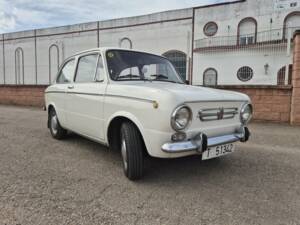
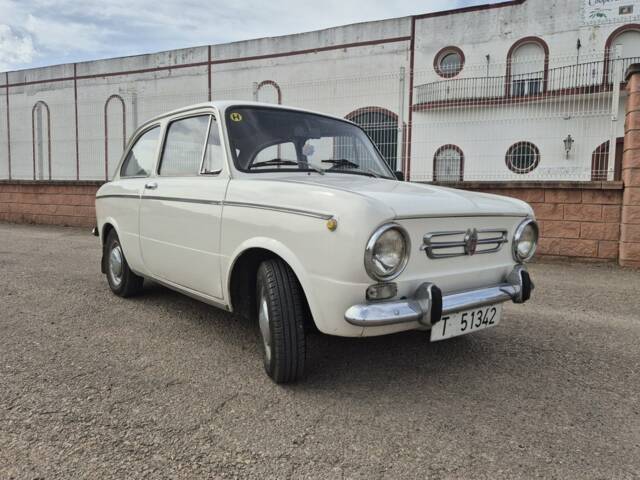
1966 | SEAT 850
Seat 850 | 1966 | Route 66 Auctions - For sale by auction. Estimate 3600 EUR

SEAT 850 listing references from Classic Trader
Below you will find listings related to your search that are no longer available on Classic Trader. Use this information to gain insight into availability, value trends, and current pricing for a "SEAT 850" to make a more informed purchasing decision.
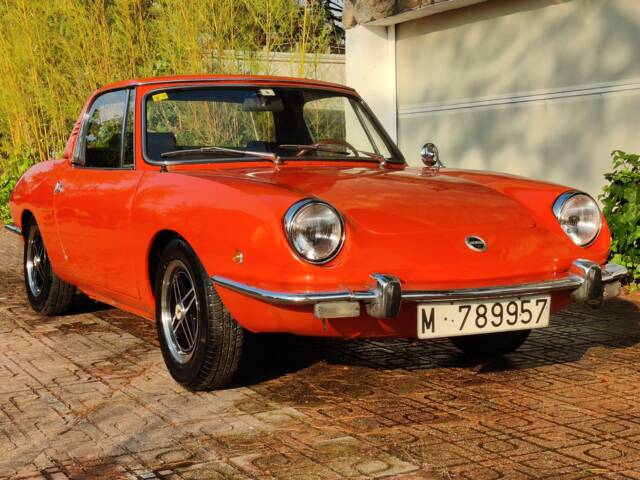
1969 | SEAT 850 Sport Spider
One Owner

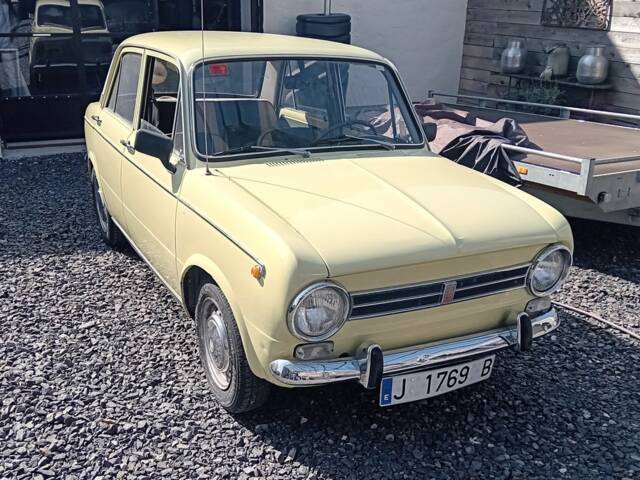
1974 | SEAT 850 Speciale
Seat 850 Especial | 1974 | Route 66 Auctions - For sale by auction. Estimate 3500 EUR
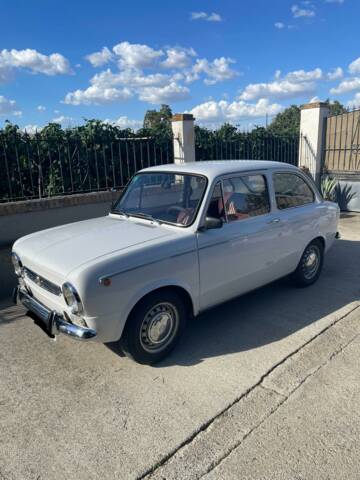
1971 | SEAT 850 Speciale
Seat 850 Especial en buen estado / Seat 850 Especial in good conditio
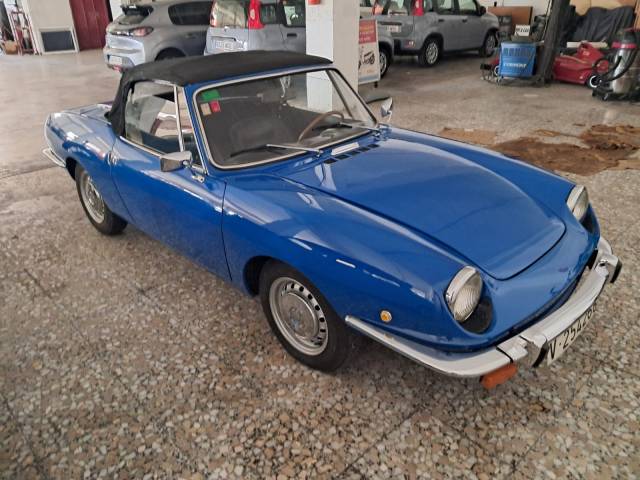
1970 | SEAT 850 Sport Spider
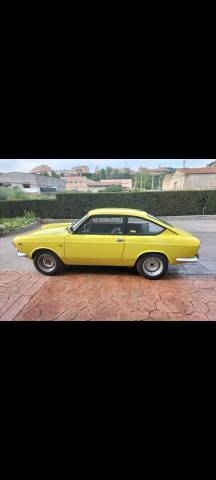
1970 | SEAT 850 Sport Coupe
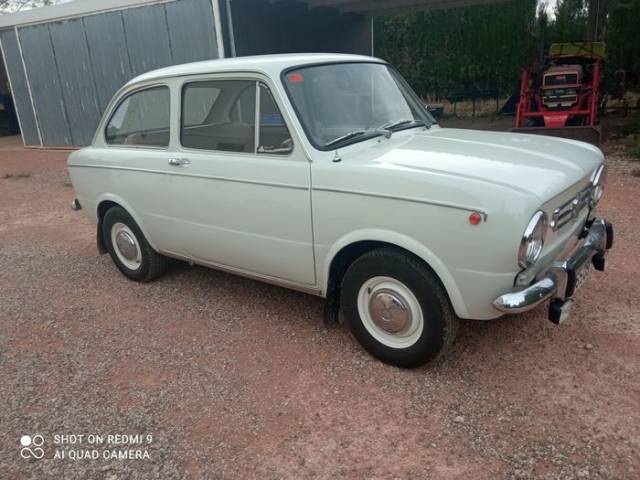
1970 | SEAT 850 Sport Coupe
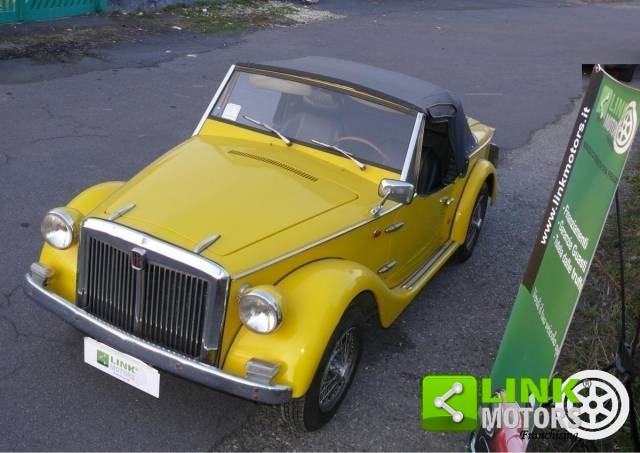
1974 | SEAT 850 Speciale
Seat Orsa 850 Special Spring

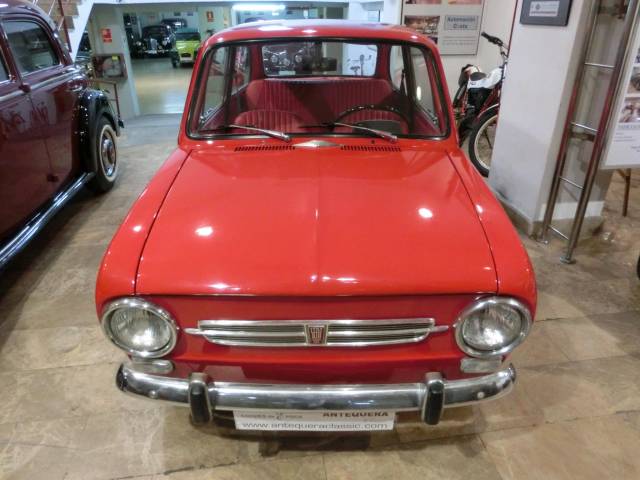
1974 | SEAT 850
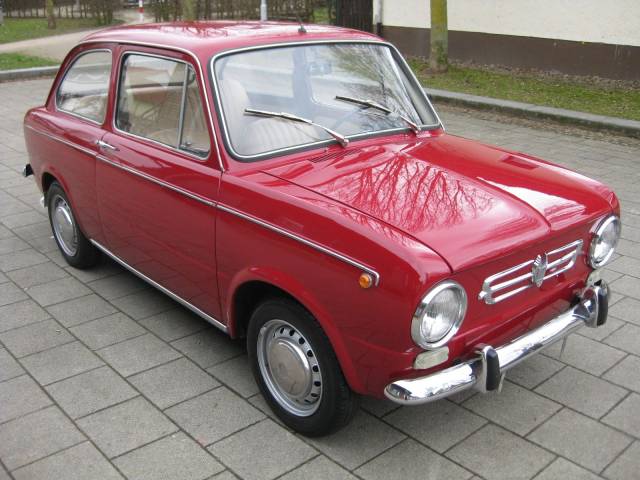
1971 | SEAT 850 Speciale
850 Espeziale "Jahreswagenzustand"

SEAT 850 Classic Cars: Prices & Market Values
History of the SEAT 850
SEAT launched the 850 in April 1966, directly based on the Fiat 850 but produced exclusively in Spain. The model quickly gained popularity due to its practical size and suitability for Spanish roads during the late 1960s and early 1970s. Known locally as the “ocho y medio”, the car was an affordable and reliable choice for families and urban drivers. Production continued until 1974, marking almost a decade of strong presence in the SEAT line-up and forming a significant chapter in the Spanish automotive landscape.
Model History
The SEAT 850 followed in the footsteps of the Fiat 850, but with adaptations for the Spanish market. While it mirrored the Italian design, SEAT produced the model exclusively for Spain, where import restrictions made local production key. The 850’s lifespan lasted until 1974. Afterwards, it was succeeded in the SEAT range by models like the SEAT 127, signalling a shift toward more modern superminis.
Highlights of the SEAT 850
Distinctive for its compact body and rear-engine layout, the SEAT 850’s charm lies in its simple mechanics and period-correct features, such as the functional heater and classic dashboard instruments. Its metalwork is straightforward to restore and the car is typically offered in well-maintained, running order. In Spain, the model was a mainstay of city traffic, often changing hands between only a few owners over its lifetime.
Technical Data of the SEAT 850
Special Editions and Collectible Models
No widely documented limited or commemorative series specific to the SEAT 850 have appeared in major records. However, the model’s suitability for restoration and its survivor rate in Spain result in occasional well-preserved or particularly original examples, often fetching special attention.
Weak Spots and Common Issues
Common areas to inspect include age-related cosmetic defects, particularly given the car’s age; check sills, wheel arches, and around the front bonnet for signs of rust or previous poor repairs. The small front side windows and simple mechanical systems mean fewer electrical faults, but regular ITV (MOT) tests are required in Spain to ensure roadworthiness. The 850’s straightforward mechanics make it accessible for DIY restoration, with parts often shared with its Fiat counterpart.
Engine, Performance, Transmission and Handling
The SEAT 850 features a rear-mounted engine, typically offering competent city performance and a surprisingly lively drive considering its era and segment. The car is equipped with a manual transmission and light steering, making it both practical and fun for urban journeys. On faster roads, its small engine must work harder, but the overall driving feel remains engaging due to its light weight and well-balanced chassis. Of the different body styles and trims, the standard sedan is most common in the classic car market, with original Spanish-market examples being particularly appealing because of their history and often better preservation.
Interior, Comfort, Exterior and Design
With its compact body and functional interior, the SEAT 850 captures 1960s practicality. The dashboard includes a tachometer and clear fuel gauge, while seating is typically trimmed in durable materials suitable for daily use. The exterior sports simple, elegant lines, and many survivors retain their original colours or have been sympathetically restored. Accessories such as period-correct heaters and hubcaps are often found on well-maintained cars. As a result, the model delivers a nostalgic experience for drivers who appreciate authentic Spanish automotive heritage.
Further Aspects
Test drives of the SEAT 850 are usually possible under safe conditions, often in the company of the owner. Cars are commonly available through both private sellers and auction platforms, making it accessible to both local Spanish buyers and those in other regions seeking an authentic Spanish classic.
Summary
The SEAT 850 holds a unique place among Spanish classics, thanks to its straightforward technology, attractive design, and strong presence in the local market. With high availability and a focused enthusiast base, this model stands out as a practical entry into classic car ownership or restoration within the Spanish context.