- Car
- SEAT (16 offers)
Buy SEAT Classic Cars
SEAT classics are still a left-field buy in Australia, which is exactly why they appeal: a 600 for charm, an 850 Sport Spider for rarity, a 124/1430 for twin-cam bite, a Bocanegra for design, or an early Ibiza System Porsche for accessible 1980s character. For Australian buyers willing to import smartly, they offer real history without the entry prices of better-known Italian or German names.
Search results
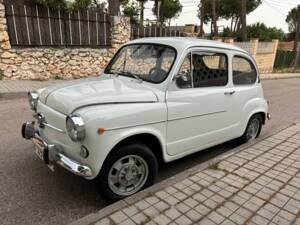
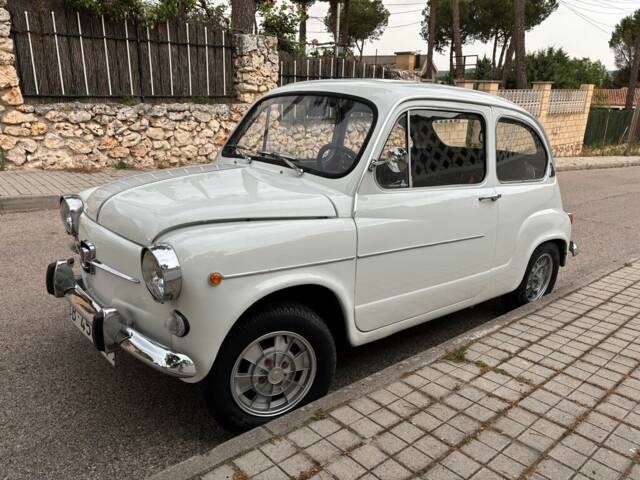
1973 | SEAT 600 L
Seat 600L | 1973 | Route 66 Auctions - For sale by auction. Estimate 3600 EUR

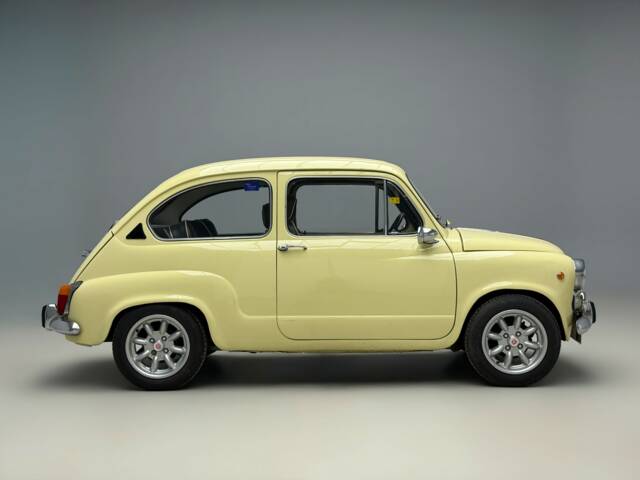
1973 | SEAT 600 E
SEAT 600 L

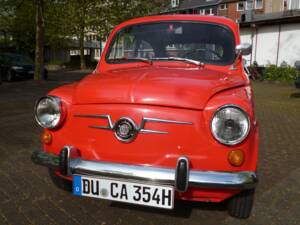
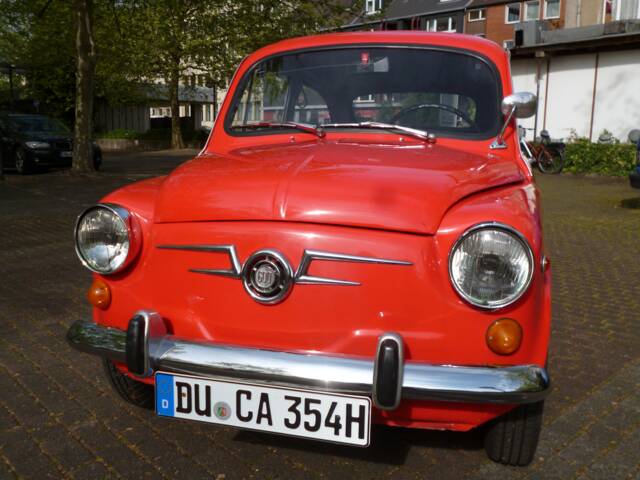
1972 | SEAT 600 D
I am for sale to enthusiasts

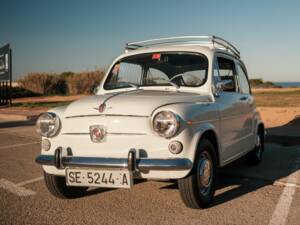
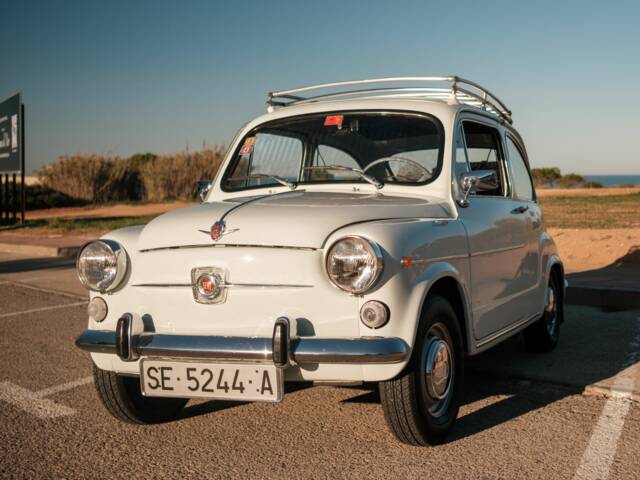
1972 | SEAT 600 E
SEAT 600 E | 1972 | Route 66 Auctions - For sale by auction. Estimate 4800 EUR
Newsletter
The best SEAT listings, straight to your inbox
Get hand-picked SEAT listings, plus the best of cars, motorbikes, and auctions on Classic Trader — all in one place.
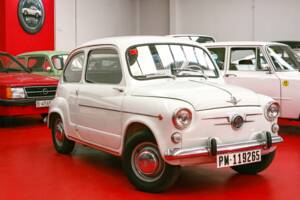
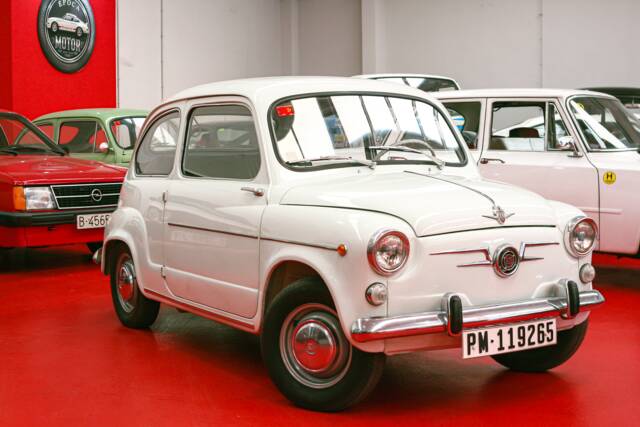
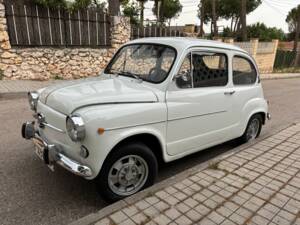
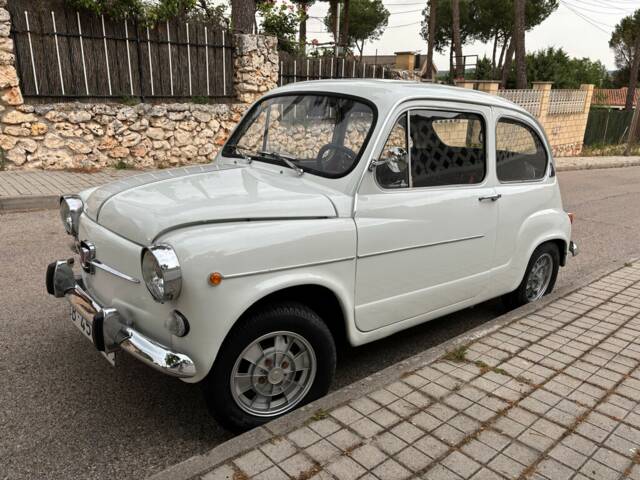
1973 | SEAT 600 L
Seat 600L | 1973 | Route 66 Auctions - For sale by auction. Estimate 3600 EUR
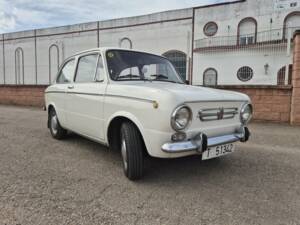
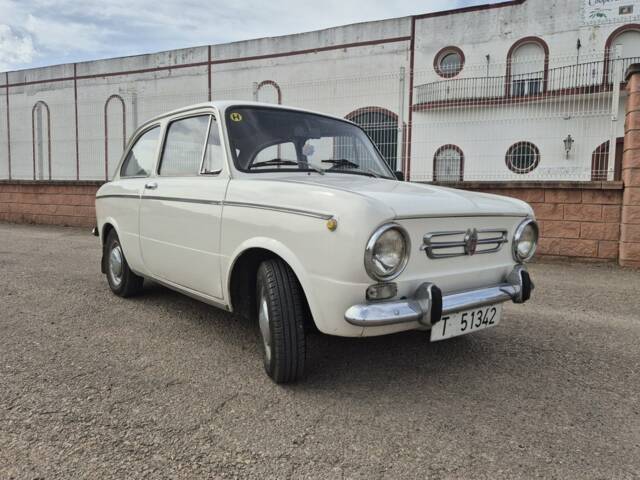
1966 | SEAT 850
Seat 850 | 1966 | Route 66 Auctions - For sale by auction. Estimate 3600 EUR
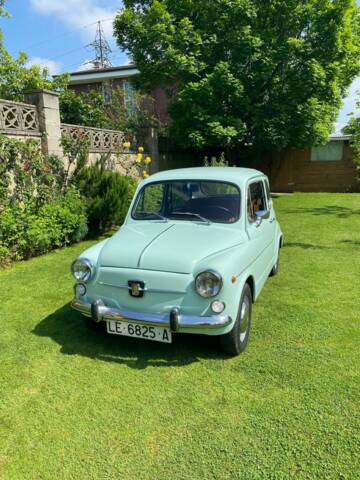
1972 | SEAT 600 L
SEAT 600 L Especial
VAT is reclaimable
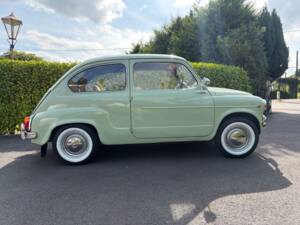
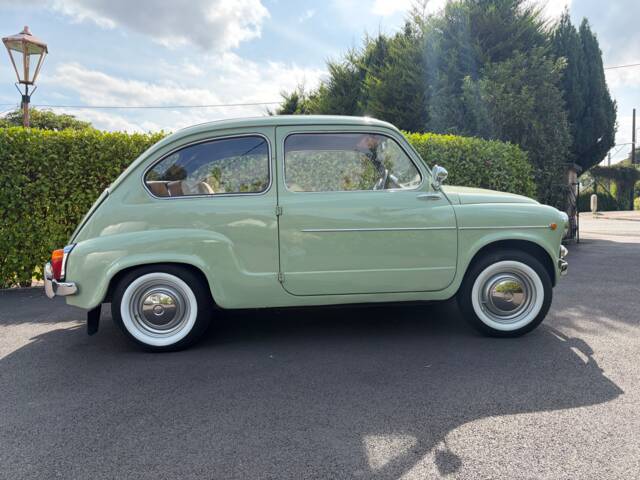
1966 | SEAT 600 D
Refurbished, Excellent Condition

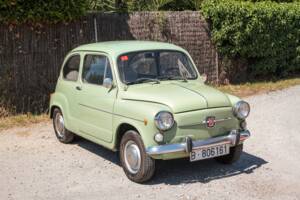
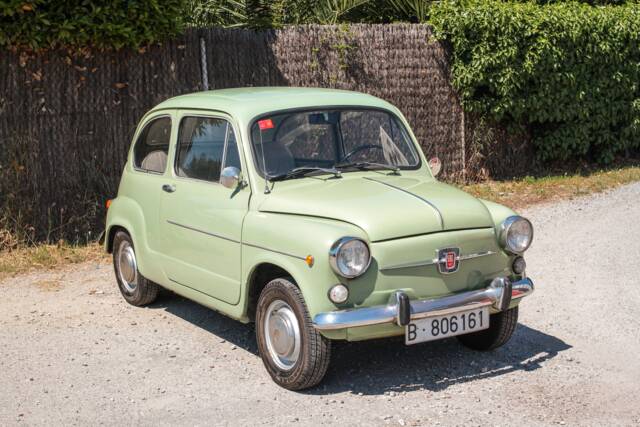
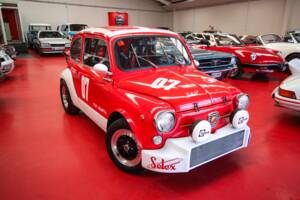
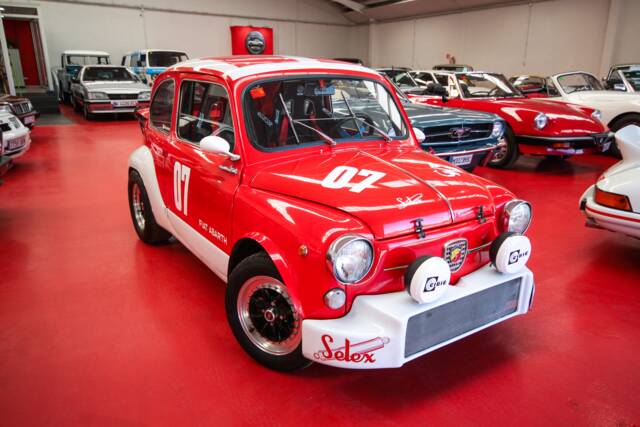
1968 | SEAT 600 D
SEAT 600 ABARTH

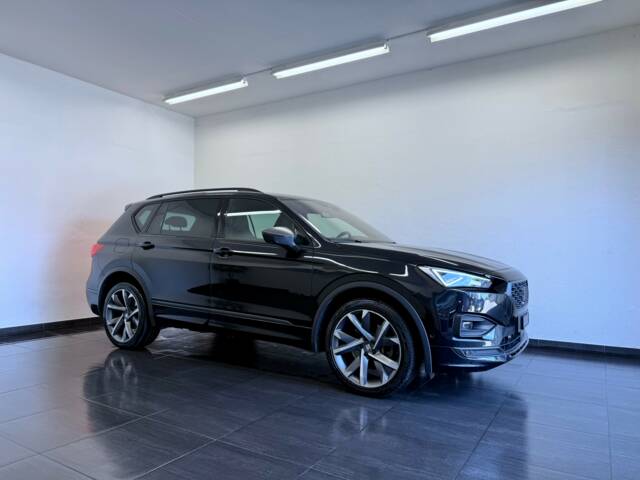
2020 | SEAT Tarraco 2.0 TSI 4Drive
SEAT Tarraco 2.0TSI 4Drive DSG FR

2008 | SEAT Altea XL 1.4 TSI
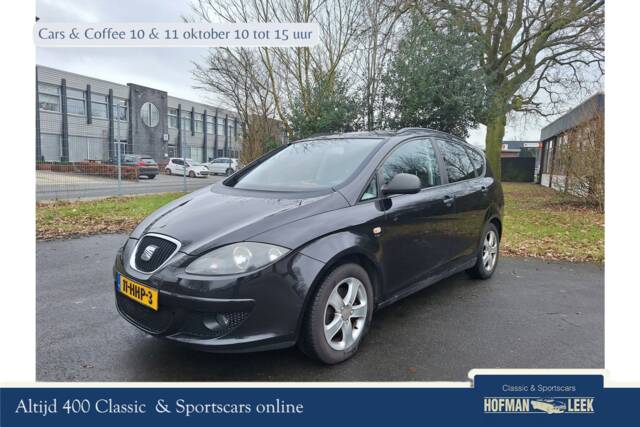
SEAT Altea XL 1.4 TSI Active Style

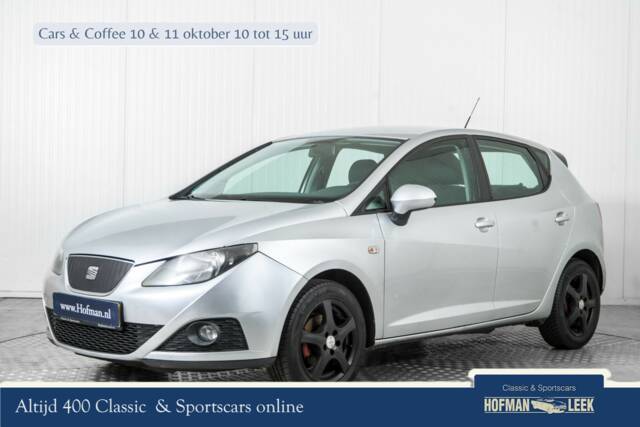
2012 | SEAT Ibiza 1.2 TDI
SEAT Ibiza 1.2 TDI COPA Ecomotive
History & Heritage
For Australian enthusiasts, SEAT sits in an unusual place. It is a recognisable marque because the modern Ibiza, Leon and Cupra story travelled globally, yet its earlier classics were never a normal local sight. In collector terms that matters. A classic SEAT in Australia is almost always an imported choice, not a nostalgic domestic default. You buy one because you understand what it represents.
The story starts in post-war Spain. SEAT was founded in 1950 and, in its early decades, built cars under Fiat licence. That gives the marque a split personality which is highly attractive today: part Italian engineering logic, part specifically Spanish social history. The cars may share roots with Fiat, but they lived different lives, under different economic conditions, on different roads, and with a distinctly Spanish cultural weight.
No model explains that better than the SEAT 600. Built from 1957 to 1973, with around 783,745 cars produced across the range, it became the car of Spanish mass mobility. In Australia, where local enthusiasts often frame post-war classics through Holden, Ford, BMC or Volkswagen, the 600 offers a parallel chapter from southern Europe: tiny size, rear engine, four seats in theory, and enormous historical significance in practice. A good 600 is not just a cute city car. It is the automotive symbol of Spain’s social and economic lift-off.
SEAT then broadened. The 850 Sport Spider, launched in 1969, brought glamour to the brand and remains the only production convertible SEAT ever built. Just 1,746 were made. That number alone explains why Australians should treat any genuine Spider seriously. It is not a novelty derivative; it is one of the rarest collector-grade cars in the brand’s history.
From there the marque matured into sporting saloons and coupés. The 124 and 1430 families moved SEAT into larger, faster and more serious territory. The 1430 Especial 1600 FU from 1973 turned the conservative saloon formula into a real performance car, and the later FL 90 became the last and wildest twin-cam 124 evolution, with only 829 built. These are the cars that make knowledgeable buyers stop calling SEAT a budget brand and start talking about rally homologation, Lampredi twin-cams and period competition credibility.
The next turning point was the 1200 Sport “Bocanegra”, launched at the end of 1975. This was the first SEAT designed in-house with the Martorell technical centre in operation, and its black polyurethane nose gave it one of the great nicknames in 1970s European car culture. SEAT Históricos records 19,332 total 1200/1430 Sport cars built. For collectors, the Bocanegra matters because it marks the moment when SEAT stopped being merely a licence builder and started speaking with its own design voice.
Finally came the first-generation Ibiza, unveiled in 1984. Styled by Giorgetto Giugiaro, industrialised with Karmann input and powered by engines marketed with System Porsche branding, it reset the whole company. SEAT Históricos lists 1,284,648 Ibiza Mk1s built. In Australian terms, that puts the early Ibiza in a sweet spot: still unusual, still affordable, and modern enough to use more often than a 600 or 850.
At make level, five models define the collector case for SEAT in Australia: 600, 850 Sport Spider, 124/1430 FU-FL, 1200 Sport Bocanegra, and Ibiza Mk1 System Porsche. Together they show a brand that moved from licensed practicality to genuine design and motorsport identity.
Highlights of Classic SEATs
Classic SEATs stay interesting because they do not follow one single buyer script. They are not all cheap Fiats in disguise, not all obscure Spanish curios, and not all entry-level collector cars. The strongest examples have a very specific appeal.
The 600 is the emotional anchor. It is tiny, cheerful and historically heavy in a way few budget classics can match. In Australia it works for buyers who want a conversation piece that is more culturally layered than a generic microcar. It is also one of the easiest SEATs to understand mechanically, though not always the easiest to restore properly because bodywork quality matters more than its small size suggests.
The 850 Sport Spider is the romantic one. Bertone styling, rear-engine layout, compact proportions and genuine rarity make it the most elegant pre-VW SEAT. Australian buyers used to MGs, Triumphs and Alfa Spiders may find the SEAT smaller and less powerful, but that misses the point. The Spider’s appeal lies in scarcity, Mediterranean design and the fact that almost nobody at a local cars-and-coffee will have brought one.
Then come the serious driver’s cars: 124 Sport Coupé, 1430 FU, and 124 FL 90. These give SEAT a different reputation entirely. Twin-cam engines, rear-wheel drive, close links to period rallying and genuinely strong performance put them into the same conversation as more famous Italian sports saloons and coupés. In Australia they suit buyers who want a usable European classic with more mechanical sophistication than the badge might suggest.
The Bocanegra is the connoisseur pick. Its appeal is not just rarity. It is about form. The black nose, low roofline, delicate dimensions and unmistakably 1970s interior give it real presence. The market still undervalues it compared with the design interest it carries, which is why informed buyers keep circling back to it.
The Ibiza Mk1 is the rational entry point. The earliest 1.2 GL, 1.5 GLX and later SXi versions carry the famous System Porsche association, Giugiaro’s clean geometric lines and a package that works well on modern roads. For Australians who want a classic they can actually drive to events without elaborate planning, an early Ibiza often makes more sense than a rarer 1960s SEAT.
Across the brand, several themes repeat:
- Mechanical simplicity often exceeds body simplicity. Engines and running gear can be manageable; trim and panels can be painful.
- Originality matters more than badge prestige. A complete, correct SEAT is usually worth more than a modified one, because the market is thin and knowledgeable.
- European supply chains still rule. Mechanical bits may cross over with Fiat or later VW-era knowledge, but rare SEAT trim nearly always means Spain or specialist European sellers.
- Australia rewards completeness. Because every missing part becomes an international hunt, the cheapest project is often the most expensive buy.
Technical Data of Key SEAT Classics
The table below focuses on the core collector models most relevant to make-level SEAT buying.
For buyers, the numbers tell a useful story. Early SEATs use the rear-engine, rear-drive formula familiar from the Fiat 600 and 850 families. The sporting middle period moves to front-engine, rear-drive with twin-cam performance in the 124/1430 range. Then the Bocanegra and Ibiza bring SEAT into the front-wheel-drive, transverse-engine era that would define the modern brand.
That progression is one reason make-level SEAT collecting is so rewarding. Within a single marque, you can choose between microcar charm, rare open-top motoring, rally-bred saloon performance, avant-garde 1970s coupé design and practical 1980s hot-hatch energy.
Market Overview & Buying Tips in Australia
Australia is not a natural historic market for classic SEATs. That sounds like a weakness, but for buyers it can be an advantage. The local market is thin, so you are not fighting constant hype. The trade-off is that you must think in landed cost, not just purchase price.
The most important federal rule is helpful: Australia’s older vehicle pathway covers cars 25 years and older, so every significant SEAT here qualifies for import. But import approval is only the first step. Registration is controlled by the states and territories, and that is where left-hand-drive reality matters. In Victoria, a 30-year-old LHD car can qualify for full registration if compliant, while 25-to-30-year-old LHD imports can access the Club Permit Scheme instead. South Australia also allows 25-year-old LHD cars on conditional registration. Other states differ, so Australians shopping for a SEAT should check registration policy before buying the car, not after it is on the water.
That issue shapes the whole brand in Australia. Most interesting SEAT classics will arrive from Spain or mainland Europe in LHD. For the 600, 850, 1430, Bocanegra and many Ibizas, that is normal. If you are uncomfortable with LHD, your options narrow sharply and your costs rise. In most cases, a right-hand-drive conversion makes little financial or historical sense. Club reg or conditional use is often the smarter path.
Current price evidence, 2024–2026
The numbers below are real recent market references, then interpreted for Australian buyers.
For the SEAT 600, recent prices remain broad. A 1965 SEAT 600D sold on Bring a Trailer in November 2024 for US$7,100, and the same car sold again in February 2026 for US$6,950. That is roughly A$10,500–A$11,000 before freight, GST, port charges and registration work. At the lower end, a 1966 600D made £1,460 at Anglia Car Auctions in January 2026, showing how much poor presentation or mediocre condition can drag values down. At the stronger end, Classic Trader’s current SEAT 600 references in 2026 include a 1968 600 D at €9,500 and a 1972 600 D at €19,950, which converts to roughly A$16,000 to A$34,000 before landed costs.
For the 850 Sport Spider, scarcity is the story. Classic Trader’s SEAT 850 references showed a 1969 Sport Spider at A$17,844 in 2026, while a Barcelona-market 1971 Spider was advertised at €12,000 in April 2026. In real Australian budgeting terms, that means a usable Spider now starts around the high teens in Australian dollars, and a better, well-documented one quickly moves into the A$20,000-plus zone before shipping.
For the 124/1430 family, the market is firmer because performance buyers understand the twin-cam credentials. A comparable Fiat 124 Sport Coupé 1800 sold on Evoke Classics in August 2025 for £9,053, and a 1972 Fiat 124 Sport Coupé sold on Bring a Trailer in February 2026 for US$18,000. A genuine SEAT 124 Sport Coupé 1800 listed in Spain in May 2026 at £23,705 shows how much a correct SEAT-badged car can ask when rarity, restoration and location align. For Australians, that translates to a practical expectation of roughly A$18,000 to A$30,000 for honest driver-level twin-cam cars, with the best SEAT-specific examples pushing well above that.
For the Bocanegra, prices still look modest relative to significance. A restored 1979 SEAT Sport 1200 Bocanegra was advertised by Garaje Clásico on 29 December 2024 for €9,800, while another Spanish sale ad for a 1976 Bocanegra sat at €5,900. That spread is normal. On these cars, completeness matters more than entry price. In Australia, once you add freight, taxes, quarantine and the cost of sourcing missing trim from Spain, a cheap but incomplete Bocanegra is a false economy.
For the Ibiza Mk1, the market is still relatively accessible. In 2026, Car & Classic showed a 1988 Ibiza System Porsche at €6,500. Broader 2026 price guides put ordinary older Ibizas at a median around £2,850, but the collector interest sits with the better GLX, SXi and early, honest System Porsche cars. In Australia, an early Ibiza can still be a sub-A$15,000 landed proposition if you buy carefully.
Import, freight and compliance costs
Budgeting is where Australian SEAT buying becomes real. Recent shipping guidance for Europe-to-Australia puts sea freight broadly around A$2,000 to A$5,000, with quarantine and biosecurity commonly adding A$300 to A$500+, and customs, clearance, port and broker costs often adding more again. If compliance work, tyres, lighting changes or engineering sign-off are needed, it is easy to add another A$1,000 to A$5,000. That means even a cheap European buy can land here as a materially more expensive car.
For most buyers, the sensible rule is simple: add A$4,000 to A$10,000 to the offshore purchase price before assuming the car is useable in Australia.
What Australians should inspect first
1. Rust before romance. SEATs came from climates that can be dry, but many also lived near the coast. Look hard at sills, floors, wheel arches, screen surrounds, battery trays, strut tops, suspension pick-up points and spare-wheel wells. If corrosion has reached structural areas, a cheap project loses its logic quickly.
2. Heat damage is real. Australian summers are harder on trim than many Spanish garages ever were. Cracked dashboards, brittle switchgear, shrunk vinyl, hardened window rubbers and cooked seat foam are common once a car arrives and starts living outside. On an Ibiza or Bocanegra, sun damage can cost more than engine work.
3. Buy completeness. On a 600, missing trim can be annoying. On an 850 Spider, missing hood hardware, Bertone-specific details or correct lights can be a major delay. On a Bocanegra, the black nose pieces, interior details and correct wheels are central to the car’s identity. On a 1430 FU/FL, gauges, seats and period-specific running gear matter.
4. Confirm the engine and gearbox you think you are buying. This is vital on 124/1430 cars. The market values the right twin-cam engines, five-speed boxes and correct specification. A car with later swapped-in mechanicals may still drive well, but it is a different collector proposition.
5. Plan parts from Europe. Mechanical parts are often easier than feared thanks to Fiat kinship and active Spanish specialists. Body panels, trim, badges, interior plastics and model-specific brightwork are the real issue. Before buying, make a short list of missing items and try sourcing them. That test tells you more than any seller description.
Driving Feel Across the Range
Classic SEATs feel more varied than many buyers expect.
The 600 is all about pace and texture, not speed. You sit upright, close to the wheel, with the little rear engine buzzing behind you and very little between you and the road. On Australian back streets, club runs and short coastal drives, it feels alive in a way modern small cars never do. You stop planning fast journeys and start enjoying small ones.
The 850 Sport Spider adds glamour and delicacy. It is still compact, still light, still modestly powered, but the open body changes the whole experience. The steering is direct, the car feels narrow and eager, and the pleasure comes from momentum, not muscle. In Australia’s climate that can be a major plus: early-morning runs, mild winter use and local events suit it beautifully.
The 124/1430 cars deliver the biggest surprise. A good twin-cam SEAT feels serious. The engine has a crisp, metallic response, the rear-drive balance is honest, and the car carries enough performance to feel genuinely fast in period-classic terms. These are the SEATs for buyers who want more than novelty. They are engaging because they ask something of the driver and give something back.
The Bocanegra is less about raw pace than character. The seating position, glass area and sharp styling make the whole car feel special before the engine even wakes up. On the move it feels light, compact and very 1970s in the best sense: simple controls, little weight, no wasted bulk.
The Ibiza Mk1 is the easiest car to live with. It still has analogue tactility, but by 1980s standards the ergonomics, visibility and performance are much more modern. For Australians covering longer distances between events, that matters. A tidy Ibiza can be driven regularly without turning every outing into an expedition.
Design & Coachwork
Design is where SEAT’s collector case becomes stronger than its badge value might suggest.
The early cars carry the disciplined logic of post-war Italian small-car design. The 600 is an exercise in useful minimalism: tiny footprint, rounded forms, friendly face, every millimetre working hard. The 850 Sport Spider, by contrast, takes that small-car package and filters it through Bertone elegance. It is the most overtly stylish early SEAT and still looks improbably delicate beside bulkier British roadsters.
The sporting saloons and coupés of the 1970s add a more mature visual language. The 124 and 1430 cars look restrained until you notice the details: stance, wheel choice, twin headlamps, badging and the purposeful understatement that makes old homologation-era saloons so appealing. They do not shout. They signal to people who know.
The Bocanegra is different again. Designed by Aldo Sessano and built with Inducar involvement, it is the car that announces SEAT’s independence in visual form. The black foam nose is not just a gimmick. It makes the whole front end memorable, and because the rest of the body is so clean, the contrast works. Even now, it looks more intentional than many larger, more famous 1970s coupés.
The Ibiza Mk1 then translates SEAT’s new confidence into a mainstream hatchback. Giugiaro’s lines are disciplined and geometric, with that crisp 1980s surfacing that still ages well. In collector terms, the early Ibiza has one huge advantage: it looks like an important car in the brand’s history, because it was.
For Australians, design matters because visual distinctiveness can justify the hassle of importing something obscure. A classic SEAT makes sense when it offers something you cannot get more easily from an MG, Fiat, Alfa or Volkswagen already here. The 850 Spider, Bocanegra and early Ibiza do exactly that.
Motorsport, culture and ownership realities
SEAT’s competition history matters, especially in the 124/1430 era. The factory-backed SEAT Competición programme gave the brand real rally credibility, and the 124/1430 twin-cam cars won national titles and achieved notable international results. The later FL 90 exists because of that arc. Even if you never intend to rally one in Australia, that heritage supports values and makes the best cars more than simple mechanical cousins of Fiat models.
There is also a cultural layer Australian buyers should respect. The 600 is not merely a small classic from Spain; it is the Spanish family car. The Ibiza is not merely an early supermini; it is the car that announced SEAT’s future beyond Fiat. That context is why serious collectors chase the right examples.
Ownership in Australia comes with practical truths:
- Use clubs. They are often the fastest route to registration advice, LHD reality checks and parts contacts.
- Buy from specialists or meticulous private sellers. Thin-market brands punish vague histories.
- Expect European lead times. Parts arrive when they arrive.
- Store them carefully. Rust, heat and UV are the enemies here.
- Do not over-restore blindly. On a lower-value SEAT, restoration costs can outrun market value very quickly.
The smartest Australian SEAT buyers are usually the ones who accept the brand’s economics. These are not always flip-and-profit classics. They are best bought for knowledge, taste and enjoyment, with value growth as a bonus rather than the only plan.
Summary: Which SEAT suits which Australian buyer?
If you want the purest slice of Spanish motoring history, buy a 600. If you want rarity, open-air charm and one of the most unusual small European spiders on the local scene, buy an 850 Sport Spider. If your priority is genuine driving depth, a 124 Sport Coupé, 1430 FU or FL 90 is the strongest enthusiast choice. If design matters most, the Bocanegra is the insider’s car. If you want the easiest classic SEAT to use in Australia, the early Ibiza System Porsche is the pragmatic answer.
The key is to buy with Australian reality in mind: LHD acceptance, landed cost, club-registration options, rust inspection, heat protection and parts sourced from Europe. Do that well and classic SEAT ownership here can be much smarter than the badge’s modest image suggests.
For buyers prepared to search carefully, a classic SEAT still offers something rare in today’s collector market: real history, real personality and still-reasonable entry money. That combination is why the marque deserves a serious look on Classic Trader.