- Motorcycle
- Lohner
- Lohner L 125 (0 offers)
Lohner L 125 classic cars for sale
The Lohner L 125 stands out as a fascinating piece of automotive history, merging traditional craftsmanship with early motorisation. On this page you'll find market options for the Lohner L 125 alongside in-depth insights into its background, features, and technical details.
Search results
Currently, there are no matching listings for your search.
Create search alert
Let yourself be notified as soon as a listing is published that matches your search filters.
Create listing
Do you have a Lohner L 125 that you want to sell? Then create a listing now.
Create listingLohner L 125 listing references from Classic Trader
Below you will find listings related to your search that are no longer available on Classic Trader. Use this information to gain insight into availability, value trends, and current pricing for a "Lohner L 125" to make a more informed purchasing decision.
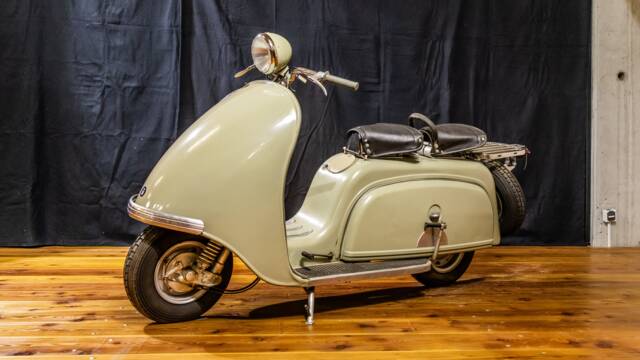
1958 | Lohner L 125
Charming collector's piece from the golden age of the scooter era

Create search alert
Let yourself be notified as soon as a listing is published that matches your search filters.
Create listing
Do you have a Lohner L 125 that you want to sell? Then create a listing now.
Create listingLohner L 125 Classic Motorbikes: Prices & Market Values
History of the Lohner L 125
Lohner, one of Vienna’s oldest vehicle manufacturers, has earned a reputation as a trailblazer in early automotive history, especially for its adaptive transition from coaches to self-propelled vehicles in the late 19th and early 20th centuries. The L 125 is an example of this innovation, offering motorised mobility at a time when most vehicles were either horse-drawn or experimental. Characterised by robust engineering and often bespoke bodies, Lohner models were associated with urban sophistication and technical advancement.
Model history of the Lohner L 125
The Lohner L 125 did not have a direct predecessor, as it was developed during the period when motor vehicles first appeared as viable alternatives to horse-drawn carriages. Following the L 125, the company continued to refine its automotive lineup, eventually focusing on electric propulsion and hybrid vehicles—a direction that would earn Lohner an important place in automotive development.
Highlights of the Lohner L 125
Distinctive for its role in automotive transition, the L 125 featured advanced engineering for its era, often integrating innovations tailored for city use. These included unique chassis solutions and, in many cases, provisions for electric auxiliary drives as was typical of early Lohner vehicles. The coachwork, always manufactured to high standards, reflected the tastes of the European elite.
Technical Data of the Lohner L 125
Special Editions and Collectible Models
While no mass-produced special editions were documented for the L 125, each unit could be considered unique due to the bespoke manufacturing process. Some individual cars may have been fitted with high-end coachwork, rare interior packages, or early electric drive components as ordered by influential clientele.
Weak Spots and Common Issues
Due to the advanced age and early technology used in the L 125, sourcing original parts and maintaining running condition can be challenging. Mechanical wear, outdated materials, and the scarcity of specialists familiar with pre-war technology are practical concerns for owners and restorers.
Engine, Performance, Transmission and Handling
Performance characteristics of the Lohner L 125 vary based on the original drive system, but most cars were built for city transport rather than speed or long-distance travel. Suspension and transmission solutions were often tailored for rough cobblestone surfaces, providing a surprisingly smooth ride by period standards. Driving a preserved L 125 today demands understanding of its mechanical layouts and gentle use, preserving the finely tuned historic mechanisms. The small production numbers mean each L 125 must be regarded as an individual example rather than part of a standardised model family, increasing the significance of original technical features and documented provenance.
Interior, Comfort, Exterior and Design
Coachbuilders delivered each Lohner L 125 to customer specifications, resulting in a wide range of body styles and design elements. Notable features included premium upholstery, custom dashboard layouts, and sometimes luxurious wood finishes. Exteriors were typically elegant yet functional, embodying both the spirit of a transitional era and the client's individual aesthetic. Special accessories such as integrated lantern mounts or early wiper systems occasionally featured, as did custom colour schemes tailored to private buyers.
Other relevant features
The Lohner L 125 is occasionally referenced in discussions about the evolution of hybrid drive systems due to its manufacturer's pioneering role. While most remaining examples reside in museums or significant private collections, every surviving L 125 serves as a rolling testament to Vienna's historic role in automotive innovation.
Summary
The Lohner L 125 is a rare artifact of automotive history, representing one of the earliest steps from horse-drawn carriages to powered transport in Central Europe. With bespoke engineering, unique design, and significant cultural impact, the L 125 appeals mainly to historians, collectors with an interest in pre-war technology, and those seeking a piece of early motoring heritage.