- Automobile
- Chevrolet
- Chevrolet Cavalier (1 offerta)
Chevrolet Cavalier classic cars for sale
The Chevrolet Cavalier, introduced as a compact and front-wheel-drive model in 1981, replaced the Chevrolet Monza and quickly became a staple in its segment. Spanning three main generations in North America until 2005, and later revived for markets like China and Mexico, the Cavalier captures the evolution of practical, affordable, and mechanically straightforward compacts from the Chevrolet brand.
Risultati della ricerca
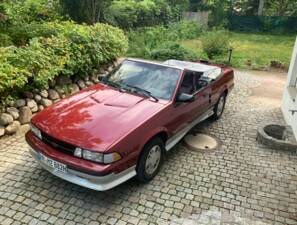
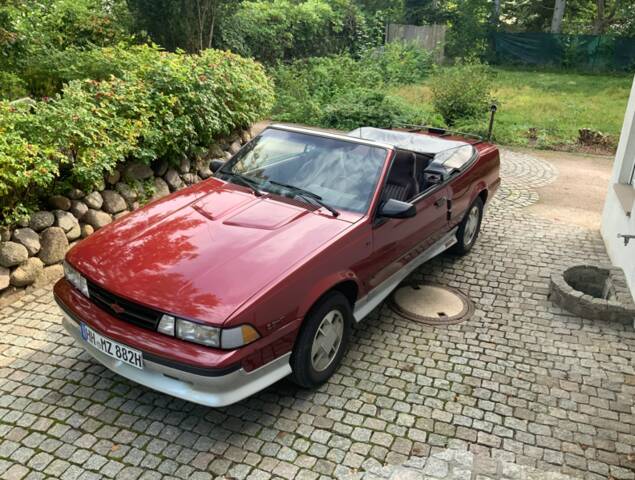
1988 | Chevrolet Cavalier 2.8 Z24
Chevrolet Cavalier 2.8 Z24 Cabrio, Baujahr 1988 – Fahrspaß pur für Liebhaber offener Klassiker
Chevrolet Cavalier Classic Cars: Prices & Market Values
History of the Chevrolet Cavalier
Launched in 1981 for the 1982 model year, the Chevrolet Cavalier replaced the rear-wheel-drive Monza, ushering in a new era of compact, front-wheel-drive transportation for Chevrolet. Riding on GM’s J-platform, the Cavalier was designed to compete directly with the influx of imported compacts as well as respond to changing tastes and economic pressures. Over three generations, spanning 1982 to 2005, the Cavalier became a fixture on North American roads. Its reputation for affordable running costs and straightforward engineering made it a preferred option for a wide range of drivers. After its discontinuation in North America, the Cavalier name lived on as a rebadged and updated compact produced by SAIC-GM for China and, later, Mexico, further demonstrating its global adaptability.
Model History of the Chevrolet Cavalier
The first-generation Cavalier (1982–1987) marked Chevrolet’s initial move to front-wheel drive compacts. Key body styles included coupe, sedan, hatchback, wagon, and a convertible. The second generation (1988–1994) introduced more aerodynamic styling and updated mechanicals. The third generation (1995–2005) focused on modernising the look and further improving efficiency, with a simplified range primarily consisting of coupes, sedans, and convertibles. After 2005, the Cavalier badge returned for select export markets—first in China (2016–2021), then Mexico from 2019—based on local GM platforms.
Highlights of the Chevrolet Cavalier
Throughout its production, the Chevrolet Cavalier became recognised for its accessible price, mechanical simplicity, and a wide choice of body styles in the US market. As a J-platform derivative, it shared many components with other GM compacts, making parts interchangeability a cost-saving advantage for enthusiasts. In China and Mexico, the Cavalier adapts modern design conventions while remaining focused on practical transport. In terms of availability and popularity on Classic Trader, supply and demand statistics for the Cavalier show niche but steady interest relative to other Chevrolet models, especially those from the same compact car segment.
Technical Data for the Chevrolet Cavalier
Special Editions and Collectible Models
The Cavalier line featured performance trims like the Z24, which stood out due to sportier suspension, distinctive bodywork, and upgraded engine options such as the 2.8L and later 3.1L V6. Convertible variants from the mid-to-late 1980s are notable, as are limited anniversary packages, especially those featuring unique paint or interiors. While not marketed primarily as collectibles, these editions often garner extra attention among enthusiasts.
Weak Spots and Common Issues
While no specific issues are listed, Cavalier models are generally straightforward to maintain thanks to parts commonality with other GM J-platform vehicles. Body corrosion, ageing interiors, and wear on the suspension are typical areas for classic compacts of this era. As with any vehicle from the 1980s and 1990s, vigilance for electrical issues and cooling problems is advised, especially on high-mileage examples.
Engine, Performance, Transmission and Handling
The Chevrolet Cavalier offered a range of four-cylinder engines (most commonly 2.0–2.4 litres) and, in later years and select trims, optional V6 powerplants. With lightweight construction and front-wheel drive, the Cavalier provided neutral, predictable handling, especially in urban environments. Z24 models, with their stiffer suspension and improved engines, provide sharper responses, while convertibles add open-top driving pleasure. Transmissions ranged from five-speed manuals to three- and four-speed automatics, focusing on ease of use rather than outright performance. - Cavalier Z24 (noted for its V6 power and sportier set-up)
- Convertible body styles (rarer and now desirable for open-air motoring)
- Later-model sedans with low mileage, which often represent the most original condition examples.
Interior, Comfort, Exterior and Design
The Cavalier’s aesthetic evolved considerably. Early generations displayed angular 1980s lines, simple dashboard layouts, and durable but basic materials. By the 1990s, interiors became more ergonomic with improved plastics and more supportive seating. Special packages brought bolder colour options and sporty body kits, especially on the Z24. Convertibles feature reinforced chassis and unique rear decks. Equipment levels ranged widely, with sunroofs, digital clocks, upgraded stereo systems, alloy wheels, and distinctive decal packages available, particularly on higher trims.
Other Noteworthy Features
Some Cavaliers notably served as basis for badge-engineered siblings under various GM divisions (e.g., Pontiac Sunbird) and remain popular with US compact collectors for their interchangeability and accessible mechanical approach. Additionally, later export variants in China and Mexico have begun to attract collector curiosity for their blend of retro nameplate and contemporary specification.
Summary
The Chevrolet Cavalier offers a broad spectrum of classic compact car ownership: easy parts supply, simple mechanicals, and a varied history spanning continents. From sporty Z24 editions to reliable sedans, the Cavalier’s role as a practical, approachable classic is evident from its steady presence in enthusiast circles, making it a noteworthy consideration for anyone seeking a GM compact of its era.