Chevrolet Step Van classic car for sale
The Chevrolet Step Van is a US-built panel van with striking aluminium bodywork and robust mechanics. With a history as a delivery vehicle in California, today it's particularly sought-after for conversion to food trucks—thanks to its rust-resistant alloy body, variety of powerful engines, and unique roll-up rear doors.
Search results
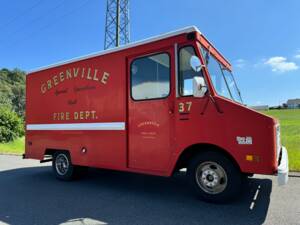
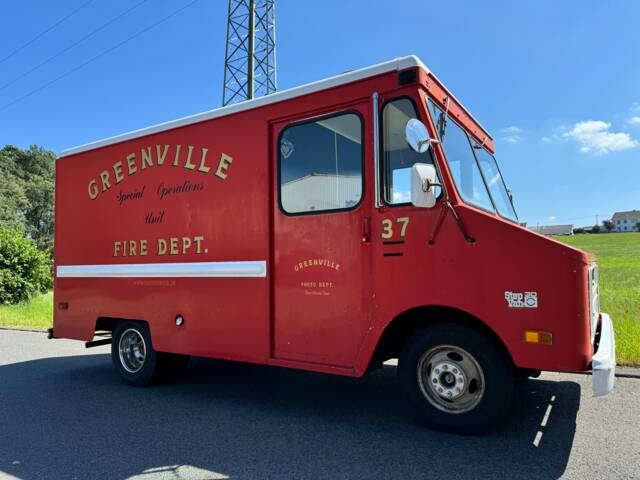
1978 | Chevrolet Step Van P20
P30 Step Van Shorty 7,4l Big Block V8 Fire Photo Foot Truck TÜV & H

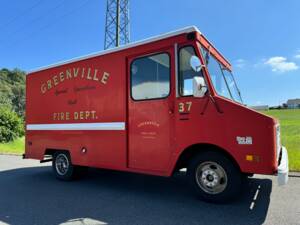
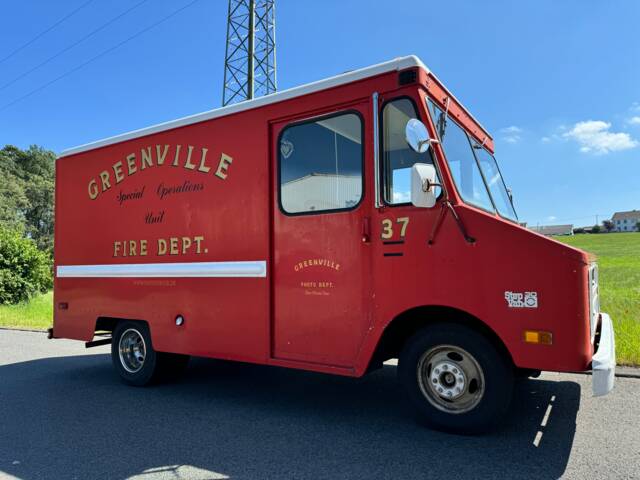
1978 | Chevrolet Step Van P20
P30 Step Van Shorty 7,4l Big Block V8 Fire Photo Foot Truck
Auctions ending soon

Loading…
Loading…
Loading…
Loading…
Chevrolet Step Van listing references from Classic Trader
Below you will find listings related to your search that are no longer available on Classic Trader. Use this information to gain insight into availability, value trends, and current pricing for a "Chevrolet Step Van" to make a more informed purchasing decision.
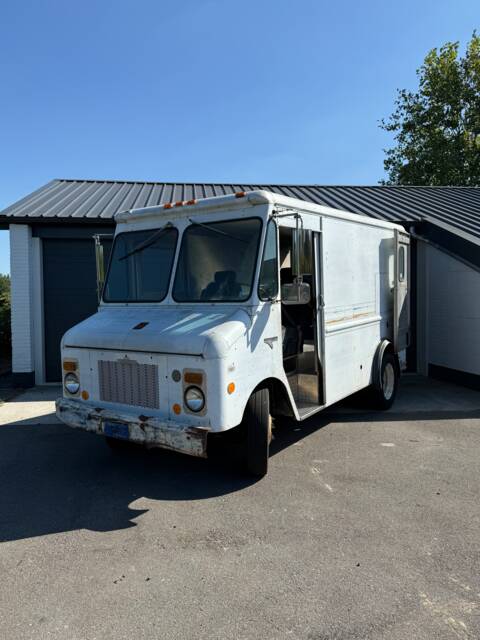
1979 | Chevrolet Step Van P30
Chevrolet Stepvan p30 Grumman Kurbmaster

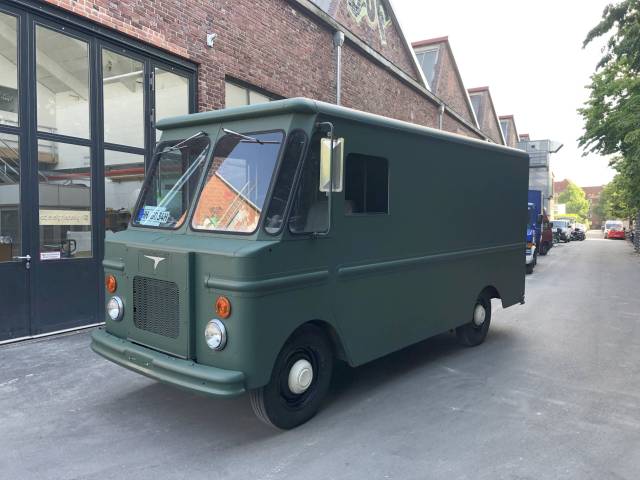
1966 | Chevrolet Step Van P30
Grumman Olson Kurbvan
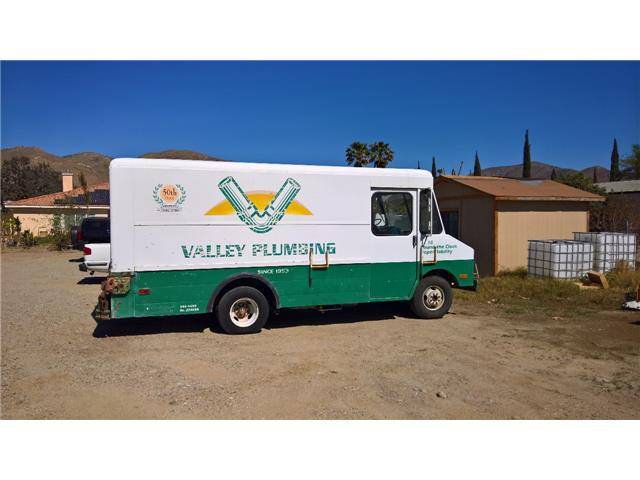
1983 | Chevrolet Step Van P20
Chevrolet Sonstige
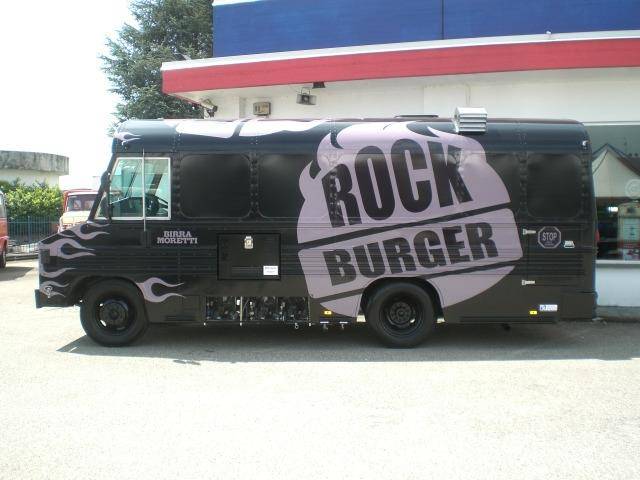
1994 | Chevrolet Step Van P30
BLUE-BIRD P30 FOOD TRUCK 6.5 V8 D


1978 | Chevrolet Step Van P20
Chevrolet Chevrolet 5,7 V8 Step van P30
Chevrolet Step Van Classic Cars: Prices & Market Values
History of the Chevrolet Step Van
The Chevrolet Step Van was first introduced in the early 1950s as a practical panel van designed for efficiency and versatility. Primarily used as a delivery vehicle in California and across the USA, it established itself as a mainstay for tradespeople and companies needing reliable cargo space. Its light-alloy construction set a benchmark for utility vans, minimising corrosion problems and allowing for a longer lifespan even in demanding working environments. Through the decades, Chevrolet tailored the Step Van to the needs of small businesses, with constant updates to design, engines, and ergonomic details.
Model Lineage of the Step Van
The Step Van evolved over several generations, each adapting to changing market needs and new technologies. Early models featured straight-six engines and progressed to offer V8 options, including the potent 5.7-litre V8 and the 292 cubic inch inline-six. No direct predecessor matched its mix of alloy body and adaptability; successors and descendants include other panel van solutions from General Motors, reflecting a shift toward more modern shapes and drive technologies.
Highlights and Features of the Chevrolet Step Van
Distinct for its aluminium or alloy bodywork, the Step Van stands out for being virtually rust-proof—a key advantage for long-term use and restoration projects. The robust seven-bar grille gives the front exceptional presence, while practical features like the roll-up wooden rear door and optional wooden load floor enabled versatile use. Adjustable rear suspension and the option of automatic gearbox ensured comfort and practicality for various delivery or trade demands. Because adaptations to food trucks require no structural body changes, the Step Van is extremely popular with enthusiasts seeking originality and utility.
Technical Data for Chevrolet Step Van
Special Editions and Collectible Versions
Certain Step Vans are distinguished by unique features such as the '7-teeth' grille front and special paint colours like red. These rare specifications—in combination with wooden cargo floors, headrest-fitted seats, or unique rear roll-up doors—make specific examples desirable for collectors, even within such a utilitarian model line.
Weak Spots and Maintenance Considerations
Step Vans built with aluminium bodywork are nearly immune to classic rust issues, making them superior to many steel-bodied contemporaries. Key points of attention are drivetrain components, especially in older V8 and inline-six engines, which require periodic checks for oil leaks and cooling performance. In vehicles with wooden load compartments, moisture protection remains important. Rolling rear doors and adjustable rear suspension need regular service for smooth operation.
Engine, Performance, Transmission and Handling
Powered by robust engines—such as the 292 Cui inline-six or the well-known 5.7-litre V8—the Step Van provides both reliability and sufficient power for heavy utilitarian use. Models equipped with automatic gearboxes are easy to handle in urban environments, notably when manoeuvring for delivery stops. Adjustable rear suspension ensures stable cargo transport. The Step Van’s handling is best described as purposeful and predictable, prioritising load capacity and practicality over sportiness. • Chevrolet Step Van 292 Inline-6: Reliable workhorse with appropriate torque and longevity. • Chevrolet Step Van 5.7 V8: Extra power for heavier conversions or fully equipped food truck builds.
Interior, Comfort, Exterior and Design
The Step Van’s functional design is most visible through its distinctive and massive front end, especially in examples featuring the seven-bar ('teeth') grille. The use of aluminium panels makes this van exceptional in terms of durability and weight. Interiors are typically fitted with two seats, sometimes with headrests, and minimalist but robust controls. Cargo areas may feature wooden flooring for resilience and aesthetics. Colour options include rare period hues like red, and the roll-up rear wooden door is both practical and a visual highlight. The adjustable rear axle suspension matches versatility with ride comfort.
Other Notable Features
The Step Van’s rare presence on European roads, its compatibility with food truck conversions without body modifications, and the modularity of its load space have boosted its profile in recent years among classic commercial vehicle aficionados.
Summary
The Chevrolet Step Van bridges the gap between classic American utility vehicles and modern conversion projects. Its rustproof aluminium construction, powerful engines, and modular features have made it a rare but highly appreciated choice—especially for bespoke projects or fans of classic commercial vehicles in Europe and beyond.