Chevrolet Master Classic Cars for Sale
The Chevrolet Master stands as a hallmark of late 1930s American automotive engineering, recognised for its robust straight-six engine, luxurious wood-accented interiors, and distinctive pre-war styling. Whether as a sedan, coupé, or the exclusive Woody Wagon, the Master delivers authentic classic car charm with historic practicalities. Explore our inventory and discover the pinnacle of Chevrolet’s craftsmanship from this era.
Search results
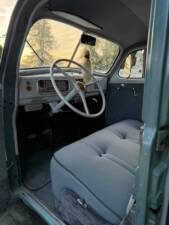
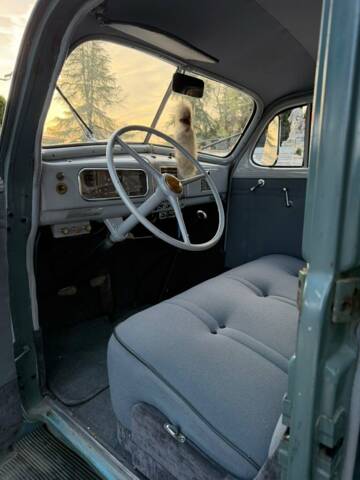
1937 | Chevrolet Master Deluxe
Chevrolet Master Deluxe | 1937 | Route 66 Auctions - For sale by auction. Estimate 12000 EUR

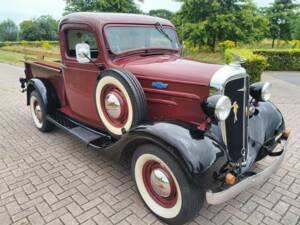
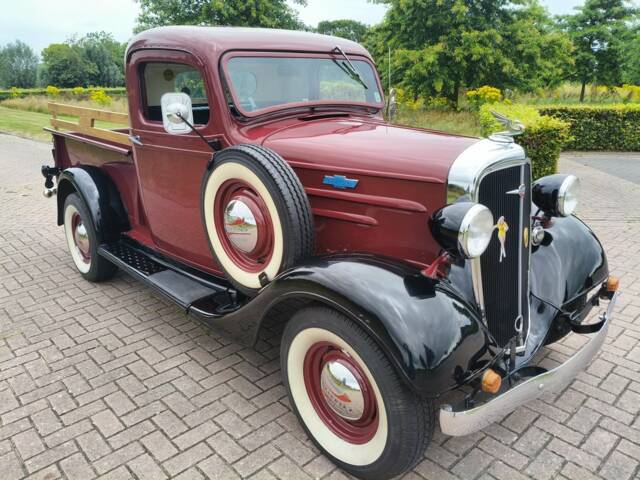
1936 | Chevrolet Master 1/2 Ton
Chevrolet Model FB Half-Ton Pickup | 1936 | Route 66 Auctions - For sale by auction. Estimate 19800 EUR
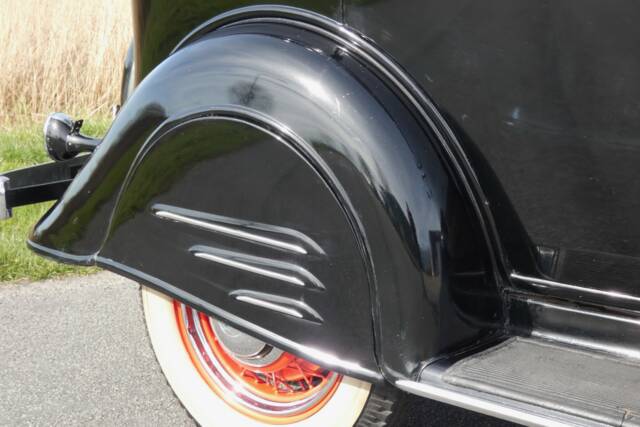
1934 | Chevrolet Master DA
Super original car, beautiful lines with the closed rear fenders.
Chevrolet Master listing references from Classic Trader
Below you will find listings related to your search that are no longer available on Classic Trader. Use this information to gain insight into availability, value trends, and current pricing for a "Chevrolet Master" to make a more informed purchasing decision.
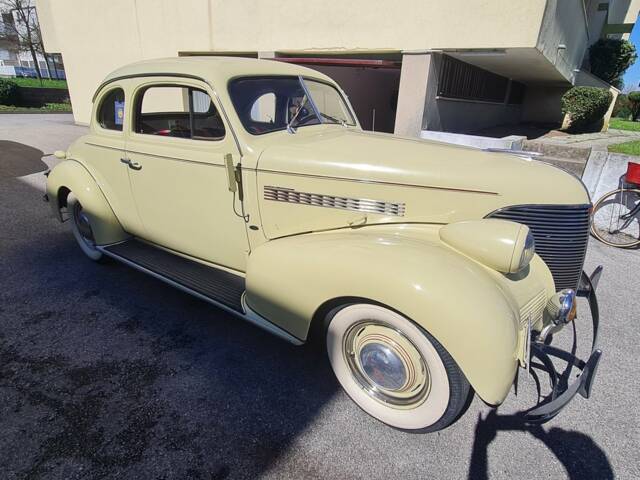
1939 | Chevrolet Master Deluxe
Chevrolet Master Deluxe Business Coupe | 1939 | Route 66 Auctions - For sale by auction. Estimate 14400 EUR
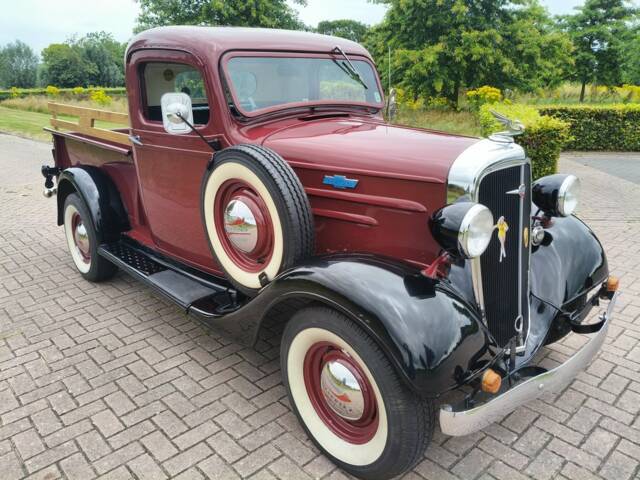
1936 | Chevrolet Master 1/2 Ton
Chevrolet Model FB Half-Ton Pickup | 1936 | Route 66 Auctions - For sale by auction. Estimate 21000 EUR
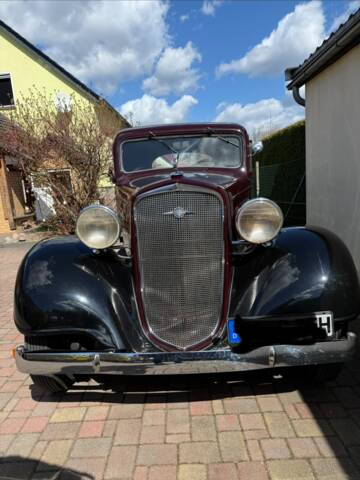
1934 | Chevrolet Master DA

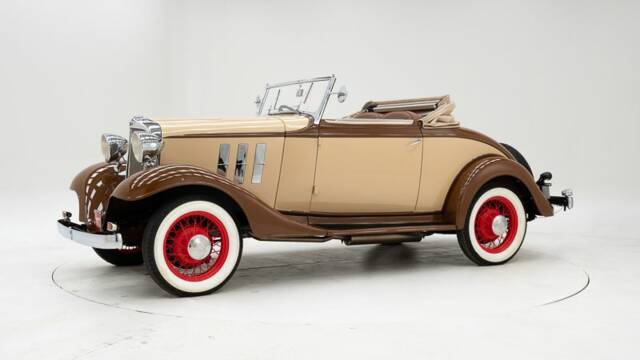
1933 | Chevrolet Master
1933 Chevrolet Master Six Cabriolet '33

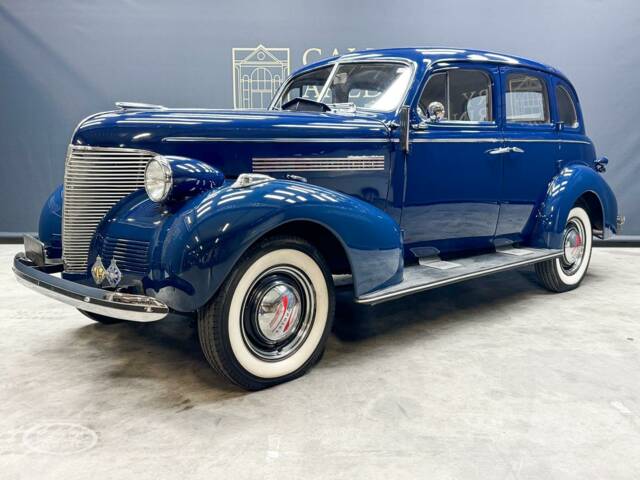
1939 | Chevrolet Master
Chevrolet Master Deluxe Trade-in-car Restored condition, Very well documented, Offered with original booklets and brochure from 1939, Extensive history (from estate of large art collector), Until recently actively used,
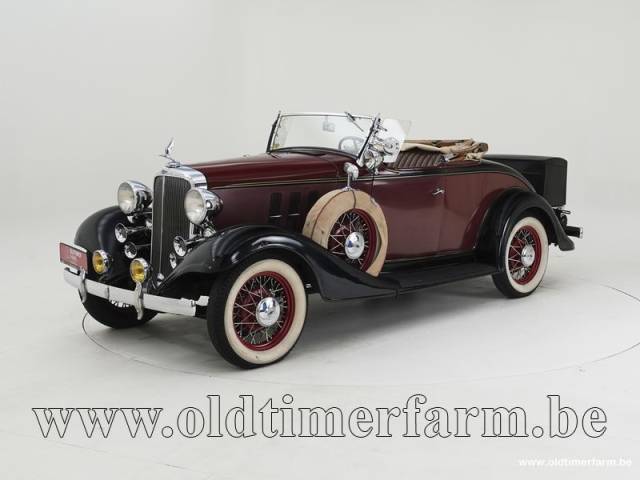
1933 | Chevrolet Master
1933 Chevrolet Master '33
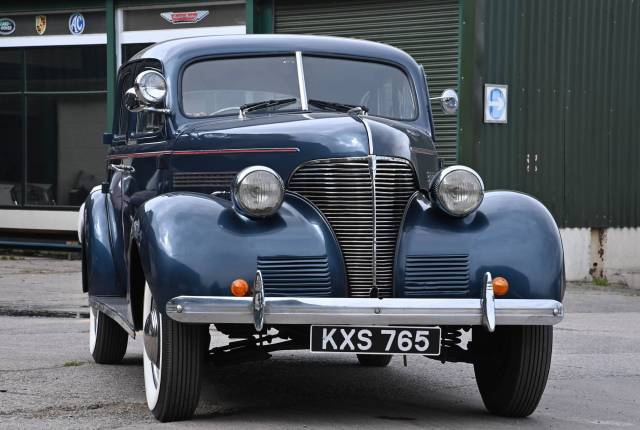
1939 | Chevrolet Master
RHD - Rarer Sport Sedan Example

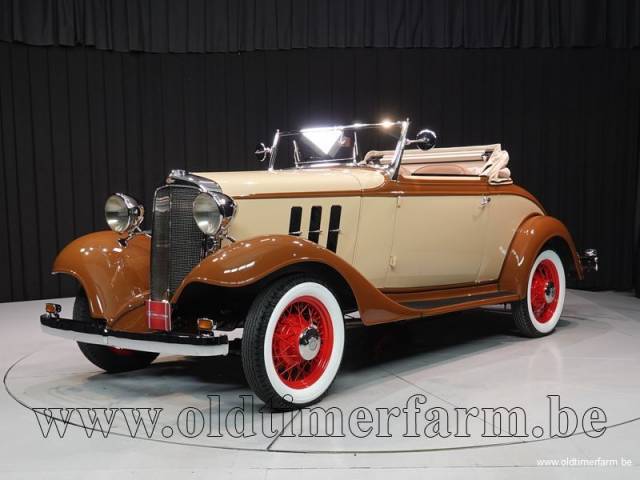
1933 | Chevrolet Master
1933 Chevrolet Master Six '33
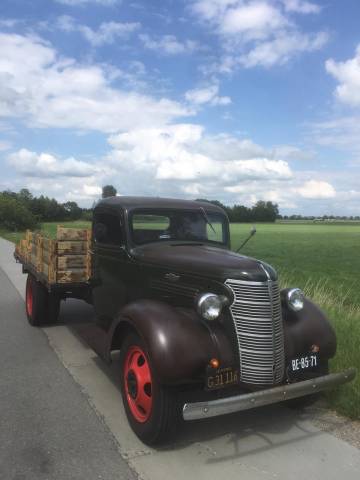
1938 | Chevrolet Master 1/2 Ton
6 cylinder engine The thrift carrier for the nation, goed rijdende truck .
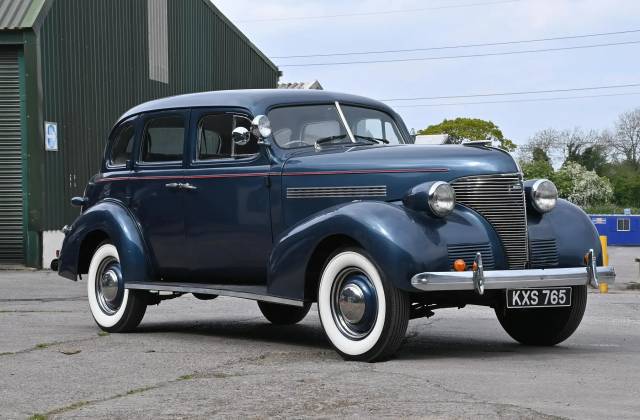
1939 | Chevrolet Master
Rare Pre-War - American Cruiser
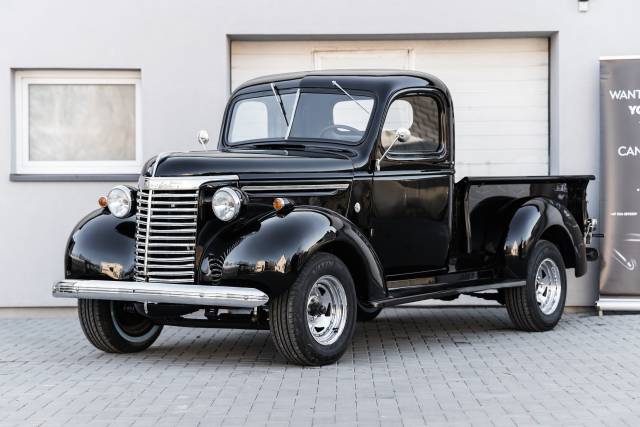
1940 | Chevrolet Master 1/2 Ton
Chevrolet 1/2 Pickup Master perfekt Zustand
Chevrolet Master Classic Cars: Prices & Market Values
History of the Chevrolet Master
Manufactured from 1933 to 1942, the Chevrolet Master succeeded the Master Eagle in Chevrolet’s model line-up. Initially introduced during a period of transformation in the industry, the Master represented a shift toward more sophisticated design, showcasing the influence of GM’s Art and Color Section under Harley Earl. The Master was positioned as the premium Chevrolet model of its era, with the Standard Mercury offering a lower-priced alternative. By 1940, a further upmarket derivative, the Special Deluxe, joined the line-up. The Master’s body saw significant advances, such as a concealed radiator behind a stylised grille, expressing a unified GM identity across brands.
Model Series Development and Variants
The Chevrolet Master evolved over several series codes, including Serie CA, GA, JB, and the General 'Master' designation. Its immediate predecessor was the Master Eagle, and its direct successors were the more luxurious Special Deluxe models post-1940. Throughout its production, the Master was available in various body styles such as saloon (sedan), coupé, and the rare Master Wagon with a woody body. The model’s position in the Chevrolet hierarchy reflected shifts in consumer tastes and technological advancement during the pre-war period. Notable variants include the Master Deluxe 85 Coupé, MC Sedan, and the extremely limited Woody Wagon—of which only 989 were sold in 1939.
Special Features and Market Highlights
Among pre-war classics, the Chevrolet Master stands out for its balance of luxury and practicality. Its straight-six engine was renowned for longevity and low maintenance, while its available Woody Wagon boasted a wood ash brown exterior, brown vinyl roof, and detailed leatherette and timber-accented cabin. The dashboard—finished in body colour—housed clearly arranged, highly legible instrumentation, and certain extras like a pioneering cabin blower pre-dated full climate control systems. These features contributed to the Master’s reputation for usability, refinement, and period comfort.
Technical Specifications
Special Editions and Collectors’ Models
The most coveted edition of the Chevrolet Master is undoubtedly the Master Wagon (Woody), produced in extremely low numbers—just 989 units in 1939. Its handcrafted wooden coachwork and exclusive features such as wood interior trim, leatherette seating, and bespoke paintwork elevate it to collector status. Additionally, Master Deluxe Coupé and MC Sedan models, while more widely available, are celebrated for their authenticity and role in period motorsport and rallies.
Weak Spots and Known Issues
Owners and prospective buyers should pay particular attention to the wooden bodywork, especially on the Woody Wagon versions. Timber bodies are notorious for susceptibility to rot, require regular care, and are more challenging and expensive to restore compared to steel-bodied cars. Vinyl-covered roofs can also degrade with age. Mechanically, the Master is regarded as robust and straightforward to maintain, especially given the durable straight-six engine and conventional drivetrain design.
Engine, Transmission, and Driving Characteristics
The Chevrolet Master delivers reliable performance for its era, powered by a tried-and-tested straight-six engine that pairs well with a 3-speed manual gearbox. Many examples were equipped with a column shift and Vacuum Assist, enhancing ease of driving. Hydraulically assisted brakes provided a substantial improvement in stopping power compared to mechanical systems of the early 1930s. The Master’s suspension, featuring independent front wheels, enabled comfortable driving even at the higher speeds typical in pre-war America. Many surviving examples are still used in vintage rallies and classic outings, a testament to their road manners and dependable construction. - Master Wagon (Woody, 1939): Distinctive for its timber body, brown vinyl roof, and very limited production.
- Master Deluxe 85 Coupé: Known for elevated trim and performance.
- MC Sedan: Well-regarded among classic car fans for its authentic specification and regular rally appearances.
Exterior, Interior, and Comfort Features
Design-wise, the Chevrolet Master is rooted in the Art Deco-influenced approach of GM’s Art and Color Section. All versions exhibited streamlined, classic pre-war silhouettes, but special accolades go to the Master Wagon’s unique wood ash brown paint and authentic 'Woody' styling. Interior appointments included dark brown leatherette benches, ornate wooden trim on doors and headlining, and painted metalwork that matched the body colour. The dashboard design prioritised clarity and utility, with an easy-to-read instrument cluster and period-typical switchgear. Optional comforts included an early cabin blower system—a rarity for the period. Additionally, original accessories like owner manuals, brochures, and service guides are often included with well-preserved examples, crucial for purist collectors.
Other Noteworthy Facts
The Chevrolet Master was marketed as an attainable yet refined car for the American middle class, famously positioned as the 'American Dream' car of its day. While mass market, certain versions—especially the Woody—were expensive relative to contemporary incomes (approx. $883 in 1939). Many surviving vehicles come with comprehensive documentation, making them attractive to history-oriented buyers.
Summary
Chevrolet Master models epitomise the engineering and stylistic advances of the late 1930s in American car production. Powerful, durable straight-six engines, distinctive design, and a variety of luxury touches—especially in wagon variants—define their appeal. Whether you value craftsmanship, technical innovation, or period-correct design, the Master offers a unique experience among pre-war American saloons and estate cars.