Chevrolet Chevelle Classic Cars for Sale
Produced between 1964 and 1977, the Chevrolet Chevelle series stands as one of the best-known mid-size American coupés and muscle cars. With a broad range of body types, distinctive V8 engines, and sporty or luxury trims such as Malibu and SS, the Chevelle represents American engineering and performance culture at its core. Its popularity on both US and international markets, involvement in motorsport like NASCAR, and cult film status make the Chevelle a top choice for enthusiasts seeking both robust mechanics and authentic style.
Search results
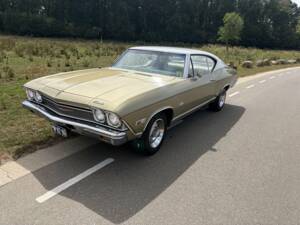
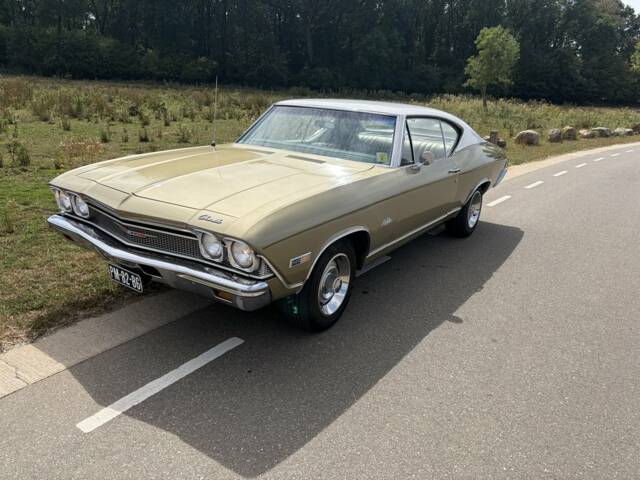
1968 | Chevrolet Chevelle SS 396
Chevrolet Chevelle Malibu | 1968 | Route 66 Auctions - For sale by auction. Estimate 24000 EUR

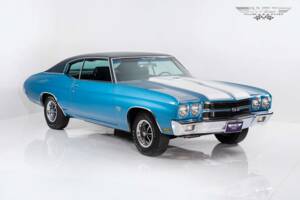
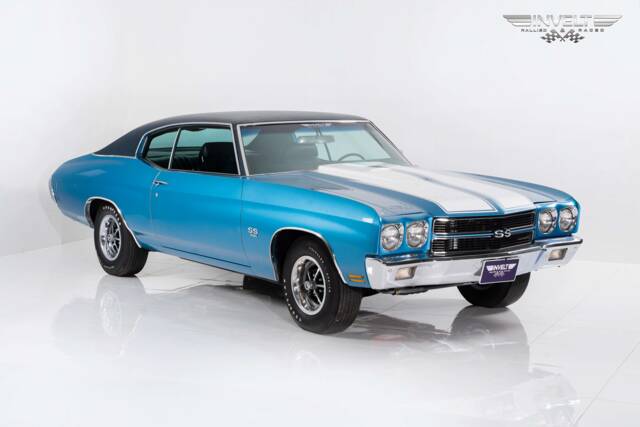

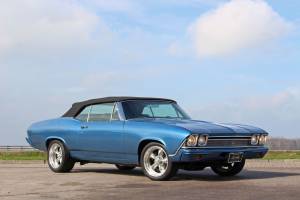
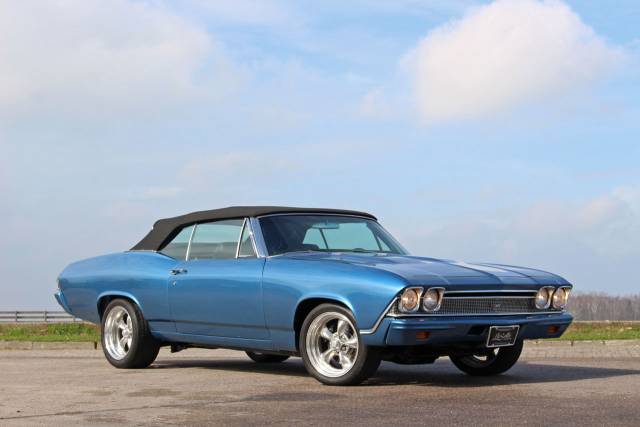
1968 | Chevrolet Chevelle Malibu Convertible
Restomod - 350 V8, automatic, disc brakes
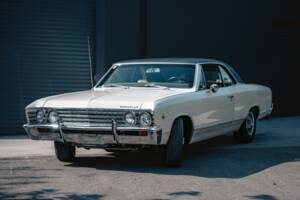
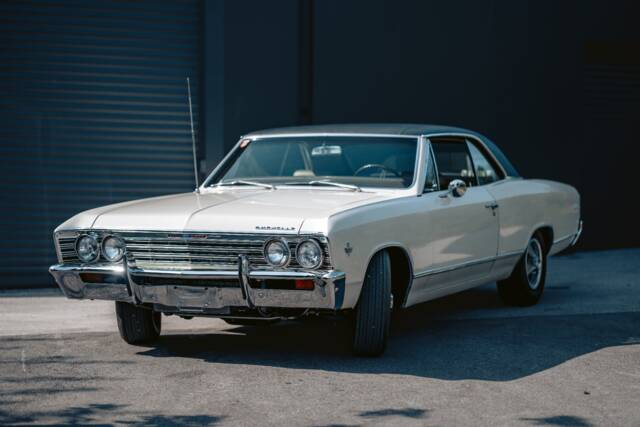
1967 | Chevrolet Chevelle Malibu Hardtop Coupe
1967 Chevrolet Malibu Hardtop Coupé – 327 cui V8, automatic, condition 2–3 according to appraisal
VAT is reclaimable

Newsletter
The best Chevrolet listings, straight to your inbox
Get hand-picked Chevrolet listings, plus the best of cars, motorbikes, and auctions on Classic Trader — all in one place.
Chevrolet Chevelle listing references from Classic Trader
Below you will find listings related to your search that are no longer available on Classic Trader. Use this information to gain insight into availability, value trends, and current pricing for a "Chevrolet Chevelle" to make a more informed purchasing decision.
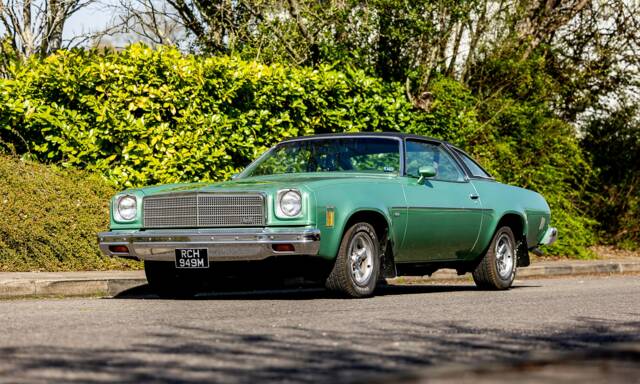
1974 | Chevrolet Chevelle Malibu Coupe
1974 Chevrolet Chevelle Malibu

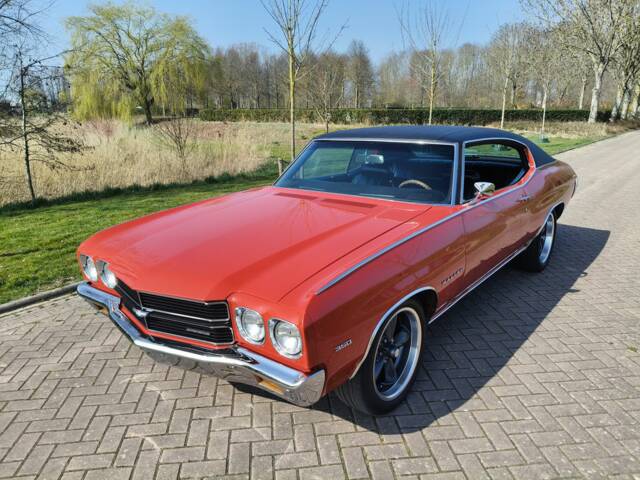
1970 | Chevrolet Chevelle SS 350
Chevrolet Chevelle 350 Coupe | 1970 | Route 66 Auctions - For sale by auction. Estimate 26500 EUR
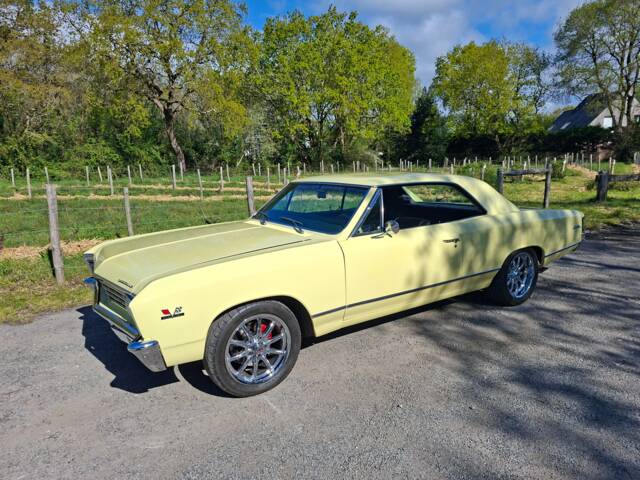
1967 | Chevrolet Chevelle Malibu Coupe
Chevrolet Chevelle Malibu restaurée et fiabilisée

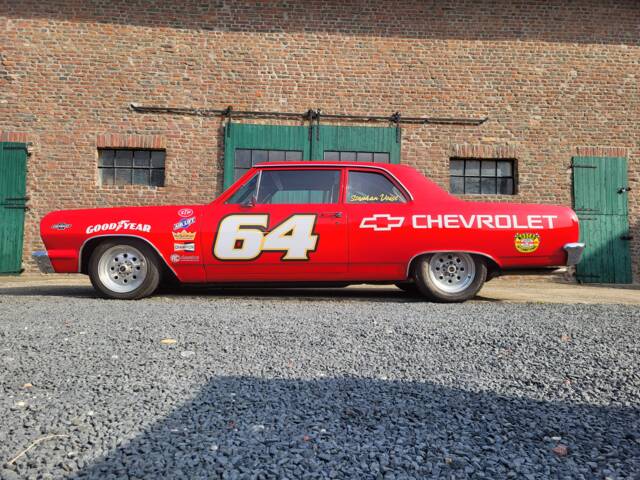
1964 | Chevrolet Chevelle Malibu
Chevrolet Chevelle 427 Big Block Malibu Pro Street Custom

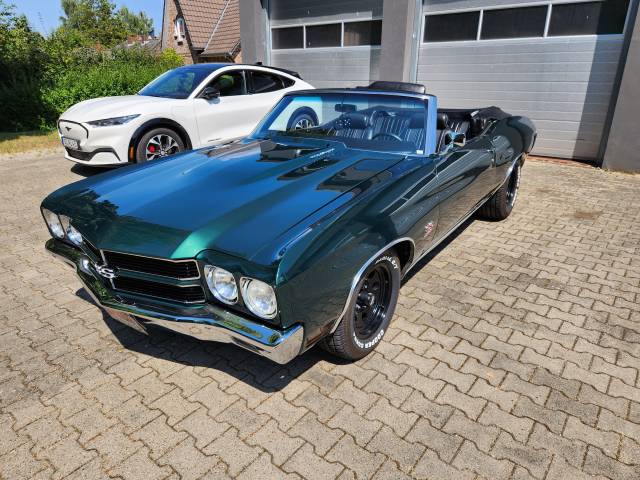
1970 | Chevrolet Chevelle SS 454
1970 Chevrolet Chevelle SS Convertible
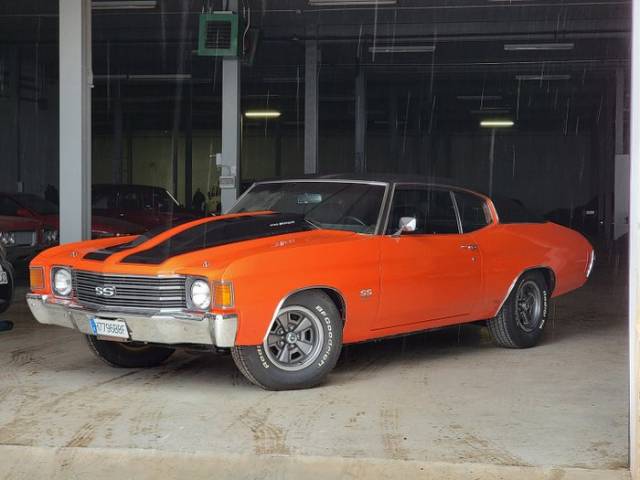
1972 | Chevrolet Chevelle SS 454
Chevrolet - Chevelle SS - 1972
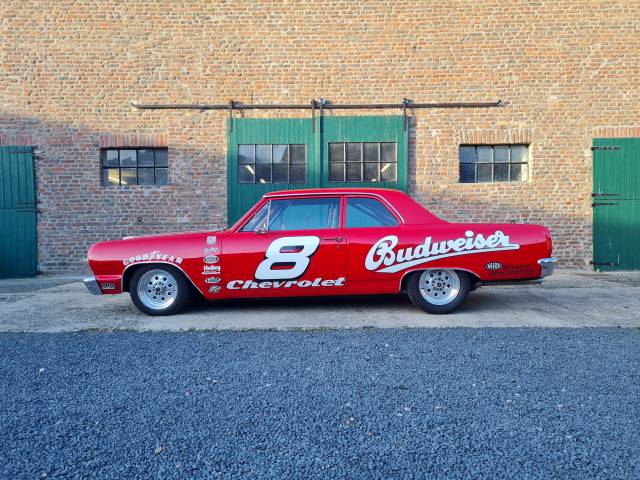
1964 | Chevrolet Chevelle Malibu
Chevrolet Chevelle 427 Big Block Malibu Pro Street Hot Rod
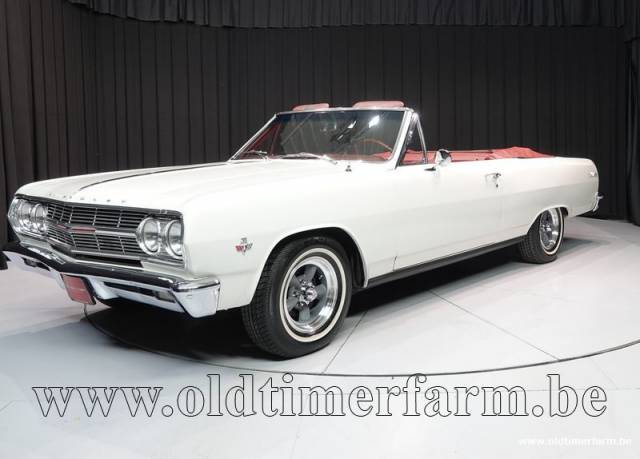
1965 | Chevrolet Chevelle Malibu Convertible
1965 Chevrolet Chevelle Malibu SS '65

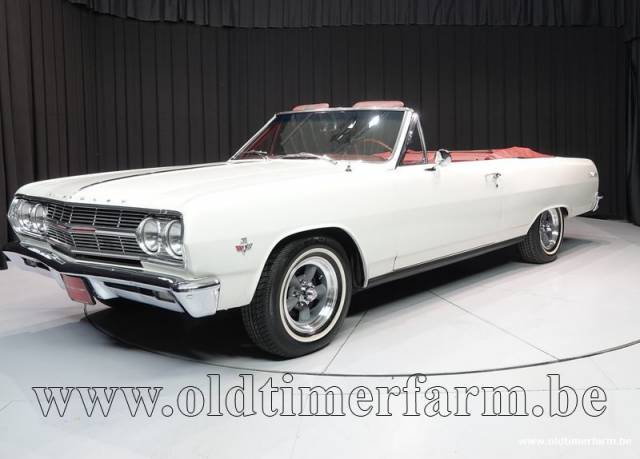
1965 | Chevrolet Chevelle Malibu Convertible
1965 Chevrolet Chevelle Malibu SS '65
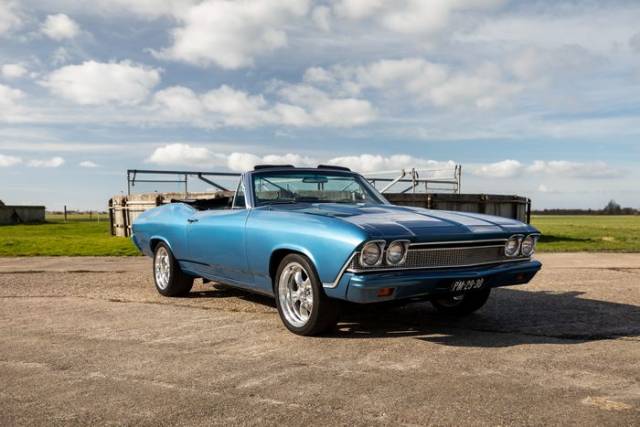
1968 | Chevrolet Chevelle Malibu Convertible
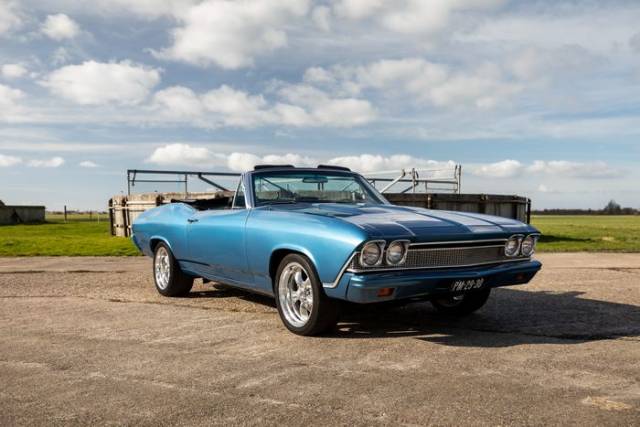
1968 | Chevrolet Chevelle Malibu Convertible
Chevrolet Chevelle Classic Cars: Prices & Market Values
The market value of Chevrolet Chevelle classic cars is primarily determined by the specific manufacturer code and variant, as well as technical condition, originality and mileage. Additional factors include rarity, history and documentation. A well-maintained, largely original vehicle with low, verifiable mileage and complete history including appraisals and documentation typically achieves significantly higher prices than a comparable vehicle with deferred maintenance, many modifications or unclear provenance.
Chevrolet Chevelle: Market Prices & Value Trends
Based on Classic Trader marketplace sales data from February 2021 to December 2025, the Chevrolet Chevelle market in Europe appears broadly stable with a mild upward tilt at the top end, while mainstream cars remain condition-led. Most recent examples cluster in the mid-range, with late-2024 to 2025 asking prices for desirable 1964–1972 cars typically sitting around €30,000 to €70,000. Within that band, non-SS Chevelle Malibu models and coupes often trade nearer the lower-to-mid €30k–€50k area, whereas big-block and more performance-focused variants such as the SS 396 and SS 454 more commonly sit in the €55k–€90k bracket when presented to a strong standard. Regional signals point to solid demand in Germany and the Netherlands, with Swiss-priced cars broadly in line once currency differences are considered. The spread is wide because year, originality, drivetrain specification and restoration quality matter greatly; cheaper late-era cars and high-priced outliers should not be taken as the norm. Overall, the Chevelle’s continued appeal is underpinned by 1960s–early-1970s muscle-car provenance and strong enthusiast recognition.
History of the Chevrolet Chevelle
The Chevrolet Chevelle debuted in 1964, developed to counter the Ford Fairlane’s segment presence. Built on the GM A-body platform, it quickly became a benchmark in Chevrolet’s line-up. Across three generations up to 1977, the Chevelle was offered as a coupe, saloon, convertible, and estate. The car earned fame thanks to its blend of utility and high output V8 options, including the famed Super Sport (SS) muscle models. Over time, the Chevelle adapted to changing market demands, always retaining its focus on driver engagement and mechanical simplicity.
Model History and Generational Development
The first generation Chevelle (1964–1967) featured compact dimensions, clean lines, and a choice of six-cylinder and potent V8s. The Malibu trim targeted those seeking comfort, while base and 300 models provided affordable entry. From 1966, a significant facelift modernised the look, and the SS trim established the Chevelle’s muscle car credentials. A total of around 1.49 million examples emerged in this era.
The 1968–1972 second generation brought a shorter wheelbase, sculpted contours, and further mechanical improvements. This period included the five-door 'Nomad Wagon', and output peaked with engines like the 7.4-litre LS6. Directly after, the third generation (1973–1977) introduced the Colonnade body style, retired hardtops, and updated safety features. The Laguna variant rose to prominence in NASCAR. Production concluded in 1977, without a direct successor, having firmly cemented Chevelle’s status among classic American cars.
Highlights of the Chevrolet Chevelle
The Chevelle’s reputation is rooted in its tough chassis, rear-wheel-drive power delivery, and robust engine choices. The model is especially known for its Big Block V8 engines like the 427 and the 454, with outputs that made them fully competitive in the American muscle car landscape. Models such as the SS, Malibu, and Laguna are frequently featured in cine classics and often restored with period-accurate or upgraded features. Chevelles often feature manual four-speed or durable Turbo-Hydramatic automatics, air conditioning, power steering, and optional disc brakes—many of which are still found or newly fitted in today’s collector market.
Technical Data
Special Editions and Collector Models
Among Chevelles, the SS (Super Sport) package stands out as a symbol for high-performance aspirations: V8 powertrains, improved handling, and distinctive styling set these cars apart. The 1965 Z16 SS396 is a prize among collectors—just 200 were built. Another standout is the Laguna, a motorsports-oriented version dominant in mid-1970s NASCAR—immortalised by Cale Yarborough’s championship campaigns. 'Malibu' versions combined sport with luxury and are notable for their tasteful trims. Many Chevelles today are sought after with their original 'matching numbers' components, especially when boasting high-output engines or rare factory options.
Weak Spots and Common Issues
No common weaknesses specific to the Chevelle model series have been documented in the supplied data. However, due to their age and common use in high-performance or race settings, buyers should carefully check for structural rust, authenticity of mechanical components, condition of braking and suspension systems, and previous restoration quality. Parts for maintenance or restoration are widely available due to an active global aftermarket.
Engine, Transmission and Handling
Chevelles earn their reputation for engaging, straightforward driving dynamics and accessible performance. Muscle-oriented variants like the SS or models fitted with the big block 454 engine achieve substantial straight-line acceleration, thanks to their powerful V8s and rear-wheel drive. Four-speed manual and TH-400 automatics are common and valued among enthusiasts for their durability. Modified or restored cars may boast sports suspensions, uprated brakes, and modernised steering for enhanced handling. The Chevelle’s adaptability has also made it popular for motorsport, especially the Laguna’s role in NASCAR from 1973-1977, bringing advanced chassis preparation and body aerodynamics to the series. - SS396: High-output muscle specification, known for 6.5L and later 7.4L V8s
- Malibu: Comfort-focused but still available with notable V8 power
- Laguna: Race-oriented, especially in 1970s NASCAR
- 1st Generation: Valued for clean styling and simplicity
- Restomod: Many Chevelles have been updated with modern performance, safety, and comfort components
Interior, Comfort, Exterior and Design
The Chevelle design evolved from the reserved straight lines of the early '60s to the pronounced coke-bottle shapes and aggressive stance of the late '60s and early '70s. Notable features include 'Rallye Wheels', distinctive striping (often racing-style), and the availability of cabriolet versions with electric hoods. Interiors ranged from basic to luxe, with common features such as bucket seats, console shifter, leather or vinyl upholstery, and period accessories like air-conditioning or period radios. Popular colours include red with black stripes and blue metallic, matched with interiors from standard black to stylish contrasting hues. Accessories—factory and aftermarket—are common: Hurst or B&M shifters, Flowmaster exhausts, Edelbrock carburettors, and more.
Other Noteworthy Facts
The Chevelle found fame in cinema, appearing in productions such as Fast & Furious and Pulp Fiction (where Tarantino’s own Malibu was featured). Many cars are imported to Europe and registered as historic vehicles. The Chevelle community is vibrant, with a massive market for both restored originals and modernised restomods. Matching-numbers examples and period-correct modifications are especially desirable among collectors.
Summary
The Chevrolet Chevelle encapsulates a key period of American automotive history—bridging practical family cars with uncompromised muscle car performance. Its variety of bodystyles, legendary V8 engines, and strong presence in motorsport, cinema, and enthusiast circles make it a highly respected model today. On Classic Trader, the Chevelle dominates both supply and demand for Chevrolet classics, reflecting its strong desirability among classic car buyers.