Apal Buggy classic cars for sale
The Apal Buggy is a rare sight among classic buggies, originating from Belgium and typically built on Volkswagen Beetle chassis. Its combination of lightweight plastic bodywork, air-cooled VW boxer engine, and distinct styling makes it a favourite for those seeking a genuine road-ready buggy—not just a kit car. Famed for its straightforward handling and solid road manners, it’s as much at home in a concours as it is on the street.
Search results
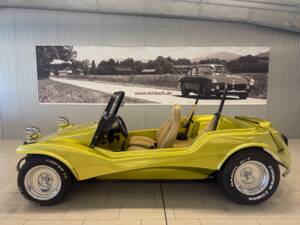
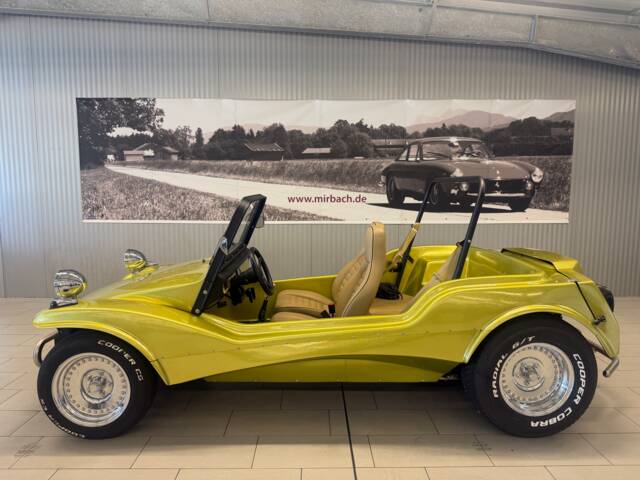
1974 | Apal Buggy
Buggy L

Apal Buggy listing references from Classic Trader
Below you will find listings related to your search that are no longer available on Classic Trader. Use this information to gain insight into availability, value trends, and current pricing for a "Apal Buggy" to make a more informed purchasing decision.
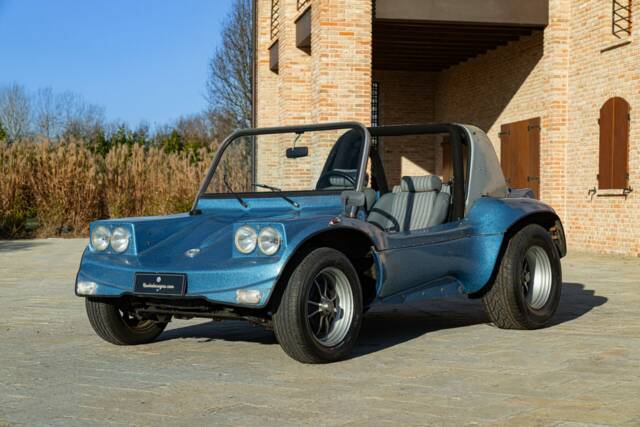
1974 | Apal Buggy
Apal APAL DUNE BUGGY

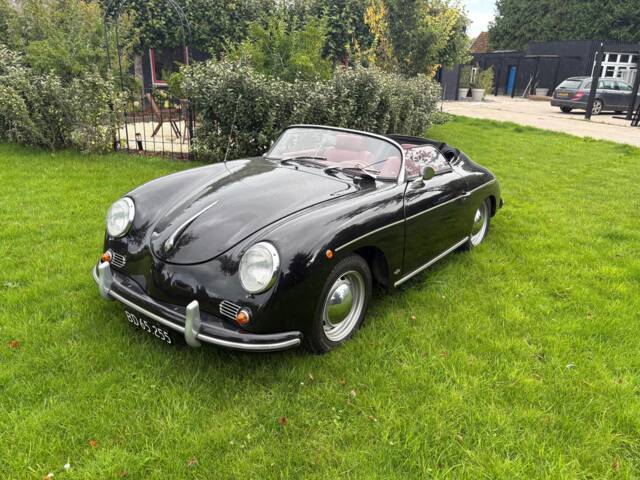
1974 | Apal Buggy
Apal Cabriolet | 1974 | Route 66 Auctions - For sale by auction. Estimate 26500 EUR

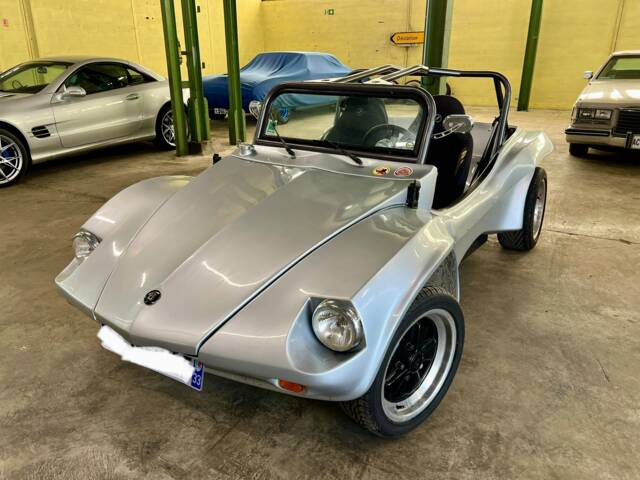
1974 | Apal Buggy
Buugy APAL JET

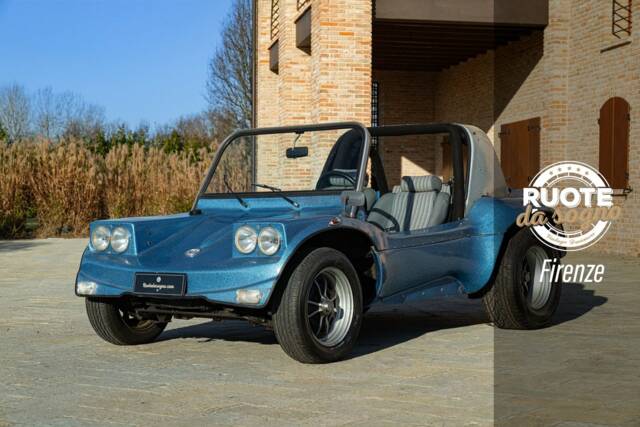
1974 | Apal Buggy
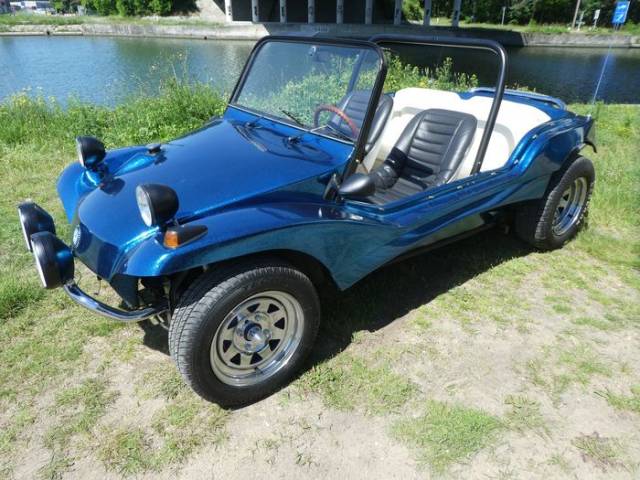
1972 | Apal Buggy
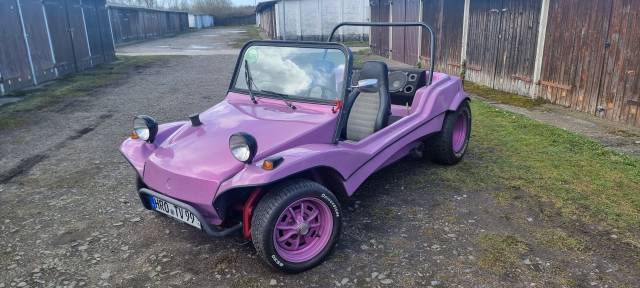
1976 | Apal Buggy
Apal L in Exhibition/Collectors State - 1976
Apal Buggy Classic Cars: Prices & Market Values
History of the Apal Buggy
Apal, a Belgian car manufacturer, started producing the Buggy series in the late 1960s, taking inspiration from the American Manx. Rather than a mass-produced off-road vehicle, the Apal Buggy was often registered as a production car, not as a DIY kit, thanks to its official certificate of conformity. The model quickly established itself as a unique European take on the buggy concept, showing up in exhibitions like Autostadt Wolfsburg and being used occasionally as a stand-in for the renowned Manx. Apal’s focus was always on combining distinctive styling with proven Volkswagen engineering, resulting in a buggy made more for road use and car shows than for sand or rough terrain.
Model History
The Apal Buggy series is most commonly based on the Volkswagen Beetle (Typ 11) platform, especially models from the mid-1970s. Unlike many contemporaries, the Apal was available as a complete production car, and not just as a kit. Over the years, minor evolutions included options for vinyl soft-tops and doors, custom paintwork, and dealer-installed Mangels wheels. Successor or predecessor models in the strictest sense do not exist, though the Apal often filled the niche between DIY kit buggies and professionally built vehicles.
Highlights
A standout factor of the Apal Buggy is its lightweight plastic body paired with the reliable, air-cooled VW Boxer engine. This combination ensures excellent road handling, simplicity in maintenance, and a distinct aesthetic with special paint finishes frequently seen. The interiors are typically minimalistic and clean, while soft-tops or vinyl doors can be equipped depending on the car. Mangels wheels are a common sight.
Technical Data
Special Editions and Collectible Models
A select number of Apal Buggys have been presented in concours d'état due to meticulous restorations or rare original features such as factory Mangels wheels, exhibition histories, or unique paintwork. However, special series designation (like limited editions) does not prominently exist in the Apal Buggy history.
Weak Spots and Common Issues
No documented factory-related weak spots are available. However, as with any plastic-bodied car from the period, prospective buyers should inspect for stress cracks, damaged mountings where the body meets the chassis, and verify the quality of prior restorations. Mechanical concerns are typically VW-centric and easily manageable thanks to the widespread availability of parts.
Engine and Performance, Transmission and Handling
Performance is closely tied to the Volkswagen mechanics underneath. The air-cooled engine, often 1.2 to 1.6 litres, delivers dependable torque. Light weight translates into agile handling, with the Apal Buggy known for solid road manners, relatively sharp steering, and straightforward maintenance. The car was not built for off-road abuse but excels on tarmac.
Popular models frequently feature the 1600cc engine, Mangels wheels for improved stance, and upgraded interiors, making them especially attractive for road-focused enthusiasts. undefined
Interior, Comfort, Exterior and Design
The Apal Buggy makes a visual statement with its striking plastic bodywork—usually finished in vivid colours or freshly applied specialist paint. The design prioritises simplicity, both in the cockpit and outside, with minimalistic yet purposeful interiors. Options like soft-top roofs, vinyl doors, and high-polish Mangels alloy wheels add personality. The clean dashboard layout and the focus on easy-to-clean surfaces cement its status as a road-going buggy custom-tailored for visibility and presence as much as for driving pleasure.
Other Features
The Apal Buggy’s homologation as a production vehicle (rather than just a kit car) is a key differentiator, adding value in many European markets. The existence of a certificate of conformity often simplifies registration. Some cars come equipped with exhibition documentation, reflecting their display at renowned collections or events.
Summary
The Apal Buggy stands apart as a rare, European take on the classic dune buggy, combining show-ready looks, robust VW mechanicals, and legal production registration. Ease of maintenance, distinctive styling, and a purely road-oriented character make it an appealing proposition for collectors and enthusiasts alike.