SIATA 208 Classic Car for Sale
The SIATA 208 stands out with a unique history: derived from Fiat’s special Tipo 104 V8 engine project, the model combines advanced Italian engineering, handcrafted bodies by legendary carrozzerie, and is especially admired for its rarity and technical finesse.
Search results
Currently, there are no matching listings for your search.
Create search alert
Let yourself be notified as soon as a listing is published that matches your search filters.
Create listing
Do you have a SIATA 208 that you want to sell? Then create a listing now.
Create listingSIATA 208 listing references from Classic Trader
Below you will find listings related to your search that are no longer available on Classic Trader. Use this information to gain insight into availability, value trends, and current pricing for a "SIATA 208" to make a more informed purchasing decision.
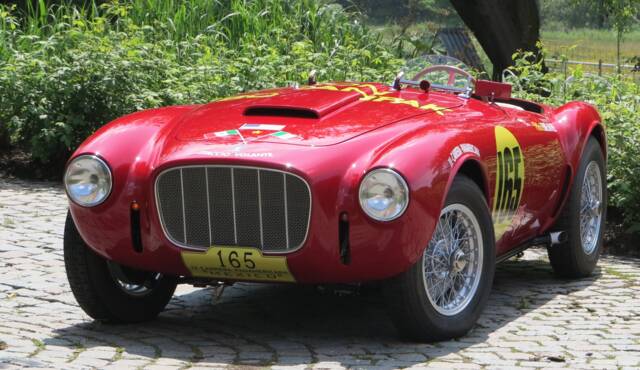
1953 | SIATA 208 S
One-off Competition specifications

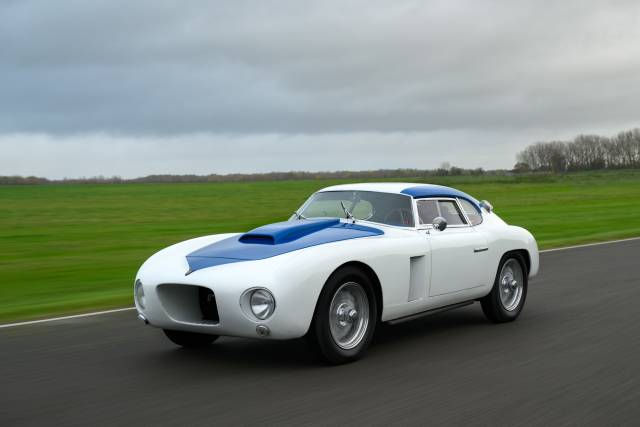
1954 | SIATA 208 CS

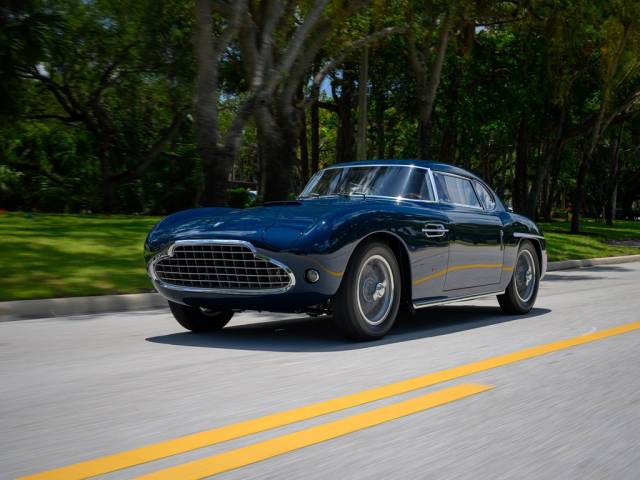
1953 | SIATA 208 CS
1953 Siata 208 CS by Balbo
Create search alert
Let yourself be notified as soon as a listing is published that matches your search filters.
Create listing
Do you have a SIATA 208 that you want to sell? Then create a listing now.
Create listingSIATA 208 Classic Cars: Prices & Market Values
History of the SIATA 208
Founded in 1926 by Giorgio Ambrosini, Societá Italiana Auto Trasformazioni Accessori (SIATA) gained an early reputation in Italy’s automotive scene by focusing on performance upgrades for Fiat vehicles. Using their expertise, SIATA developed advanced components like overhead valve conversions, multi-speed gearboxes, superchargers, and multiple carburettor setups.
By the late 1940s, with increased financial support from Fiat, SIATA began assembling small series cars on their own chassis with in-house bodywork. The SIATA 208’s rise was marked by a crucial collaboration starting in 1950: Fiat assigned them the task of further engineering the newly developed 2-litre V8 ‘Otto Vu’ (Tipo 104) motor—a groundbreaking, all-aluminium, short-stroke engine. With approximately 85 engines returned to SIATA from Fiat’s 8V programme, SIATA produced the exclusive 208 CS, with hand-finished bodies crafted by renowned workshops.
Model History of the SIATA 208 Series
The SIATA 208, particularly in its 208 CS form, evolved directly from the Fiat 8V project. While its predecessor models were small sports cars based around modified Fiat mechanicals, the 208 signalled an upmarket shift, featuring the advanced Tipo 104 V8. The SIATA 208 CS was available as a Spider and as a Berlinetta, both based on tubular chassis with independent suspension all around. Key bodywork was done by coachbuilders like Bertone, Vignale, and especially Balbo—the latter’s Berlinetta is particularly notable, as only nine examples were produced, six of which still exist today. No direct successor carried forward the ambitious spirit of the 208; its place in SIATA’s portfolio remains unique.
Highlights of the SIATA 208
• Engineered from surplus Fiat ‘Ottovù’ 2.0-litre V8 engines. • All-aluminium, 70-degree V8, high-revving and compact with wedge-shaped combustion chambers. • Weber twin-downdraught carburettors provided lively throttle response. • Tubular chassis and fully independent suspension set-up with coil springs and telescopic dampers at each wheel—very progressive for its era. • Handcrafted bodies by top Italian carrozzerie: Bertone, Balbo, Vignale, and others. Stretching boundaries with design cues also seen on Ferraris of the period. • Rarity: only around nine Balbo Berlinettas built, six of which still survive. • Borrani wire wheels with centre lock and Pirelli Cinturato HS tyres: performance and period-correct appearance. • Qualifies for historic events like the Mille Miglia and international concours.
Technical data for the SIATA 208
Special Editions and Collectible Models
The rarest SIATA 208 edition is the Balbo Berlinetta. With just nine cars built, and only six surviving, the Balbo-bodied Berlinetta stands apart due to its distinctly sculpted shape and attention to handmade detail—qualities reflecting the prestige of Balbo’s workshop and SIATA’s ethos of exclusivity. Other notable bodywork variations came from Bertone and Vignale, each bringing unique Italian design cues to the 208’s silhouette.
Weak Spots and Common Issues
Due to extremely limited numbers and advanced age, finding replacement parts—especially for engine internals, custom bodywork, and period-correct suspension elements—can be challenging. The all-aluminium construction and twin-carburettor arrangement require attentive maintenance and specialist knowledge. Preservation of the handbuilt chassis and original trim calls for expertise in classic Italian automotive restoration.
Engine and Performance, Transmission and Handling
The SIATA 208 CS delivers a lively driving experience, thanks to a rev-happy 2.0-litre V8, short-stroke and engineered for responsiveness rather than brute power. The light tubular chassis—paired with sophisticated all-independent suspension—results in agile handling, surpassing most period sports cars in predictability and comfort. The four-speed manual offers engaging gear shifts. Borrani wire wheels and Pirelli Cinturato HS tyres were factory standard, contributing to its quick reactions and secure road holding. The SIATA 208 stands out as one of the few true Gran Turismo cars of its time tailored for both competitive events and enjoyable road driving. • SIATA 208 CS Balbo Berlinetta: Noted for its rarity (nine produced), distinct styling, and balanced performance. • Bertone and Vignale variants: Each with specific body designs and bespoke details unique to their creators.
Interior, Comfort, Exterior and Design
Each SIATA 208 features highly individual craftsmanship. Interiors boast fine Italian materials, typically bespoke to client requests, and a minimalist, functional instrument layout. Exteriors vary: Balbo Berlinetta models are distinguished by sweeping lines and pronounced rear quarters, while Bertone and Vignale interpretations showcase unique front grille treatments and body panels. Period-accurate equipment includes Borrani wheels and exclusive paint schemes. Bespoke accessories and trim, sometimes inspired by high-end contemporaries like Ferrari, reinforce the SIATA 208’s individuality. Thoughtful details—such as central knock-off fixings on wheels and elegantly integrated lighting—underscore the model’s attention to style and function.
Other Relevant Features
The SIATA 208’s eligibility for prestigious events like Mille Miglia reflects both historic pedigree and mechanical integrity. Its participation in international concours events further underlines the exclusivity and collectability associated with individually numbered examples. The car’s mix of advanced engineering and coachbuilt artistry creates a unique ownership experience for enthusiasts and collectors alike.
Summary
The SIATA 208 is a showcase of Italian engineering prowess, coachbuilt artistry, and sporting ambition. Powered by a sophisticated aluminium V8 and shaped by some of Italy’s best-known carrozzeria, it remains the singular focus of SIATA’s classic car landscape, combining mechanical innovation with unique styling and rarity. Its exclusivity, event eligibility, and distinctive technical architecture make it a benchmark for appreciation among seasoned collectors seeking the essence of post-war boutique sports cars.