- Car
- REO (0 offers)
Buy a REO prewar classic
REO cars carry the practical ingenuity of Ransom E. Olds, from early brass-era touring cars to the graceful Flying Cloud and substantial Royale. Find an uncommon American prewar REO with its history, coachwork and mechanical condition properly understood before you buy.
Search results
Currently, there are no matching listings for your search.
Create search alert
Let yourself be notified as soon as a listing is published that matches your search filters.
REO listing references from Classic Trader
Below you will find listings related to your search that are no longer available on Classic Trader. Use this information to gain insight into availability, value trends, and current pricing for a "REO" to make a more informed purchasing decision.
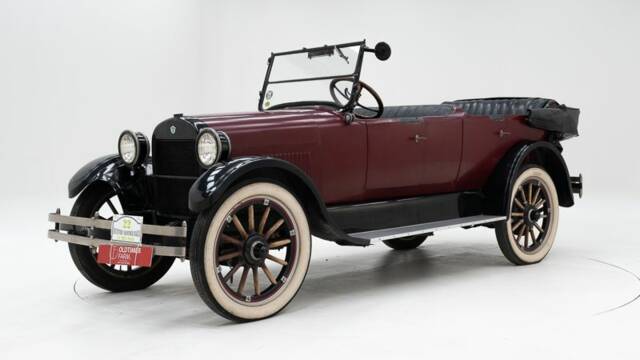
1922 | REO T-6
1922 REO 6C open tourer '22

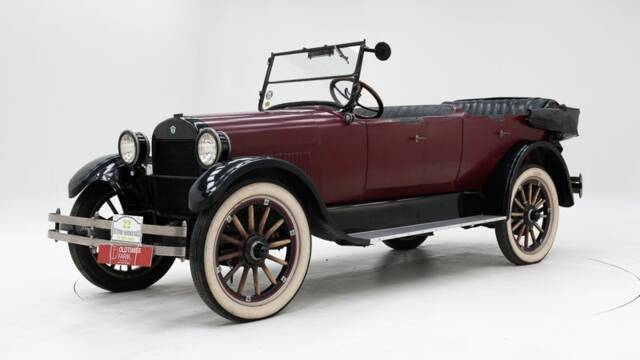
1922 | REO T-6
1922 REO 6C open tourer '22
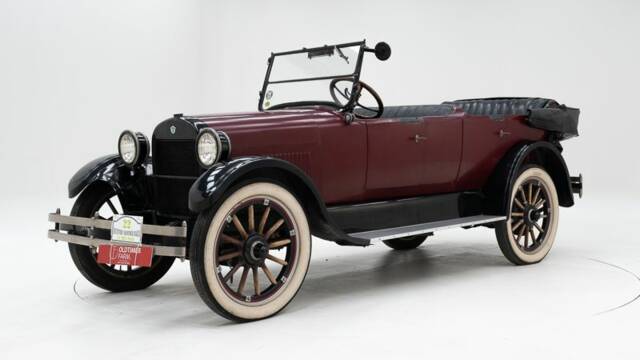
1922 | REO T-6
1922 REO 6C open tourer '22
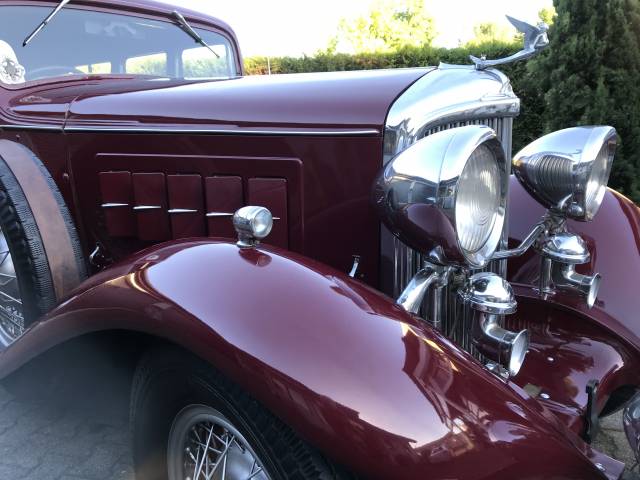
1934 | REO Royale 8-35
Royal Straight Eight One off 7 Pers. Royale Long-Version-Speed Wagon orig.Fzg.

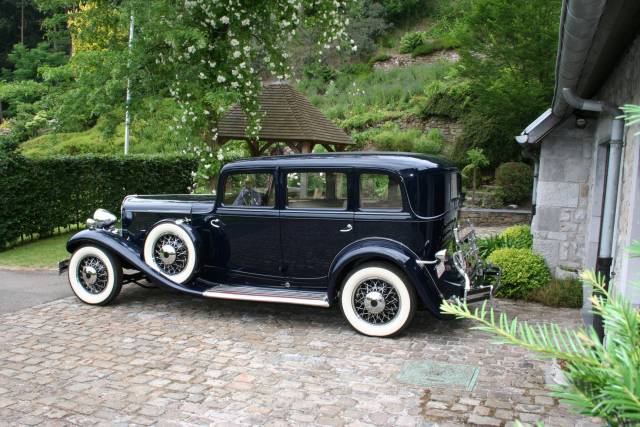
1931 | REO Royale 8-35
FULLY PROFESSIONALLY RETORED REO ROYALE SEDAN 8-35
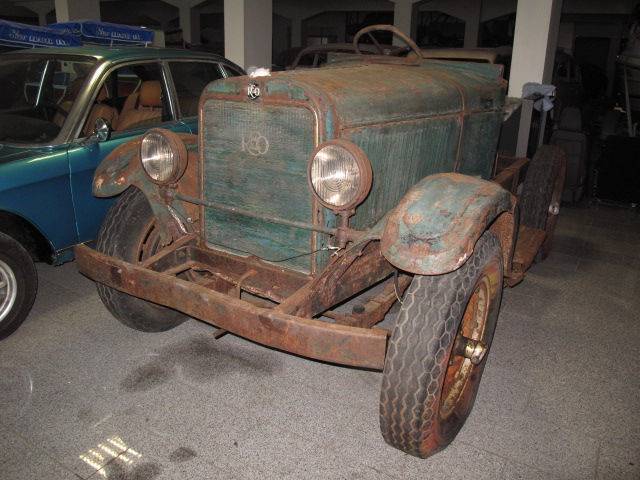
1925 | REO T-6
Andere REO "Speed Wagon" Vorkrieg

1929 | REO Flying Cloud Master
Andere REO Flying Cloud Master
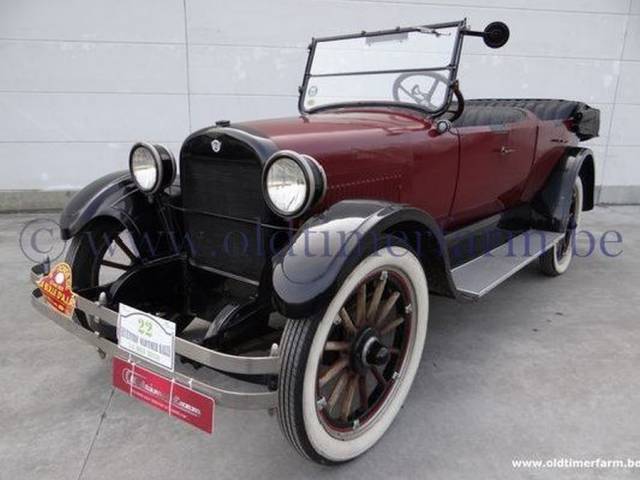
1922 | REO T-6
Restored in 1955
Create search alert
Let yourself be notified as soon as a listing is published that matches your search filters.
REO history: an independent American marque
REO is pronounced “Ree-oh”, rather than as separate initials, and its name is inseparable from Ransom E. Olds. Olds had already helped establish Oldsmobile when, after leaving that enterprise, he and other investors incorporated the R. E. Olds Company in Lansing, Michigan, on 16 August 1904. A threatened legal action from Olds Motor Works required a quick name change: it became REO Car Company in September 1904 and REO Motor Car Company in 1906. The letters preserved the founder’s name while creating a fresh marque.
The first production cars arrived in 1905. They were small, purposeful American automobiles of the brass era: high wheels, open bodies, exposed mechanical detail and simple single-cylinder power. Their attraction now is not sheer rarity alone. An early REO represents a direct connection to an inventor-entrepreneur who had helped prove that the motor car could be made in useful numbers rather than only for wealthy experimenters. Surviving examples are specialist acquisitions, usually dependent on club knowledge, careful conservation and an owner comfortable with veteran-car operation.
REO did not remain solely a car maker. The separate REO Motor Truck Company was formed in 1910, its products later becoming known as Speed Wagons; the truck and car businesses were combined in 1916. Michigan State University’s REO archive records that trucks first outsold cars in 1919 and continued to do so through 1936. That commercial strength matters to a car buyer: the passenger-car line was part of a broader industrial business, but it never had the scale, dealer coverage or present-day parts ecosystem of Ford, Chevrolet or Chrysler.
During the 1910s and early 1920s REO built increasingly mature four- and six-cylinder touring cars, roadsters, sedans and coupes. The make occupied a respectable middle-to-upper segment. A Model J or later six-cylinder REO can suit the enthusiast who wants a relaxed prewar tourer rather than a tiny veteran, provided its period drivetrain has been rebuilt by someone who understands splash lubrication, ignition timing and low-compression engines.
The 1920s brought ambition and a more distinctive identity. The Flying Cloud, announced in January 1927, gave REO a poetic name in an era when most cars were known by dry model codes. It also brought a modern technical talking point: hydraulic internal-expanding brakes supplied under the Lockheed system. Its 115-inch wheelbase created a balanced platform for open and closed coachwork. A Flying Cloud is the REO most likely to interest a buyer looking for an elegant late-twenties American car with real road usability, rather than a museum-only pioneer.
REO tried to cover more price points late in the decade, with cars including the Junior and a range of Flying Cloud derivatives. The policy proved costly just as the Depression transformed the market. The Royale 8, introduced for 1931, was the prestige expression of the marque: a large straight-eight automobile aimed at buyers who wanted refinement and presence without moving to the very largest luxury names. It is a compelling survivor, but also the point at which a purchase must be based on condition and restoration evidence rather than the romance of a grand badge.
Passenger-car sales declined badly in the 1930s. The final REO passenger cars were 1936 Flying Clouds; on 3 September 1936 the company suspended automobile production. The business continued around trucks and was later reorganised as REO Motors, but that is a separate story from the prewar cars offered to collectors. A 1937 car described as REO deserves particularly close checking of its identification and provenance: it is not evidence that REO continued normal passenger-car production after 1936.
For Australian enthusiasts, this chronology is important. REO is not an Australian-delivered mainstream marque with a broad local support network. A car offered here will normally be an imported left-hand-drive American prewar vehicle, or a long-established import whose Australian history needs to be documented car by car. That rarity can be rewarding, but it calls for patience and proper due diligence.
Highlights of REO ownership
The strongest appeal of a REO is individuality with genuine industrial history. Ransom Olds was not a retrospective marketing figure; he was one of the formative figures in American motoring. The cars consequently have a story that can be explained at a rally without pretending every model was a competition legend. Their appeal is quieter: an independent Michigan maker, engineering that moved with its period, and bodywork that traces the change from upright brass-era touring car to streamlined thirties sedan.
Several characteristics separate a good REO from a generic prewar purchase:
- A long production span: 1905 to 1936 passenger cars offer very different ownership experiences. Do not assume an early single-cylinder REO, a 1920s six and a Royale eight share parts, driving manner or restoration needs.
- Mechanical interest: early engines, period gearboxes and chassis are rewarding for hands-on owners, while the Flying Cloud’s hydraulic brakes signal REO’s willingness to adopt newer systems.
- Coachwork variety: touring cars and roadsters bring open-air theatre; sedans, coupes and late thirties bodies offer more weather protection and often a more practical cabin.
- Low-volume appeal: the badge attracts informed collectors. It rarely has the instant recognition of an equivalent Ford or Buick, which can leave condition and completeness more influential than fame.
- Truck-era legacy: REO’s later commercial identity means marque research must distinguish passenger-car evidence from truck information. A Speed Wagon reference does not automatically establish a part as correct for a Flying Cloud.
The most sensible make-level comparison is between the ownership roles of representative cars. An early Type A-era car is a veteran event machine. A 1910s or 1920s tourer is a slower but more flexible club car. A Flying Cloud is often the best compromise of period charm and usable road manners. A Royale 8 is the choice for a buyer wanting scale, eight-cylinder smoothness and a serious restoration commitment. A final 1935–36 Flying Cloud offers the most developed passenger-car expression of REO, but its scarcity means originality must be examined closely.
Avoid treating the badge as a shortcut to value. Some REOs survive as carefully preserved family cars; others have spent decades incomplete, stored outdoors or assembled from donor parts. A rare car with a missing engine, unknown chassis number and improvised coachwork is not automatically a bargain. Conversely, a modest six-cylinder sedan with continuous history, correct instruments, complete brightwork and detailed invoices can be a much more satisfying entry to the make.
Technical data across key REO cars
Specifications changed frequently, especially in the early years, and body style could alter weight and equipment. The following is a collector’s orientation rather than a substitute for a factory parts book or chassis-specific data card. Verify engine and chassis numbers against period documentation before committing to a particular car.
The deliberately cautious entries are useful buying information. Many auction catalogues repeat a capacity, horsepower figure or wheelbase from a similar car, sometimes without identifying the precise model year. Do not order pistons, bearings, brake cylinders or ignition parts from a generic “REO Flying Cloud” description. Establish the engine casting, chassis plate, body number and correct factory series first. In the Australian market that work should be completed before overseas freight is paid, not after the car arrives.
On prewar cars, an apparently minor specification difference can be expensive. A rebored engine may need non-standard pistons; a replacement rear axle can change ratio and cruising character; mixed brake components can make an otherwise attractive Flying Cloud unsuitable for regular use. Ask for close photographs of cast marks, gearbox and axle tags, frame stamping, firewall plate, instruments and carburettor. Compare them with marque-club references and period literature.
REO market overview and buying tips
REO prices are driven more by condition, completeness, coachwork and documentation than by a simple annual price guide. The small supply means public sales are useful reference points, not a formula. Recent results illustrate the spread. Mathewsons sold a 1936 Flying Cloud for £10,000 in 2024/25. Bring a Trailer recorded US$17,000 for a 1929 Flying Cloud. At the other end of the risk scale, Cottone sold a non-running 1937 REO for US$3,600. These are hammer or sale results in their own markets and circumstances; they are not Australian on-road prices, and they do not include every cost a local buyer will face.
The variation makes sense. A running, presentable late Flying Cloud can be a relatively accessible entry to an unusual American make, while a non-runner may be cheap only because the restoration problem is large. A Royale 8, a handsome open body or a car with exceptional provenance may sit outside those examples entirely. Currency movements, condition, auction fees and whether a vehicle is complete all change the equation.
For a vehicle already in Australia, start with identity and legal status. Confirm the VIN or chassis identifier used on its registration records matches the frame and the import paperwork. Prewar American cars may have short serial numbers rather than a modern 17-character VIN, so an honest, consistent paper trail matters. Historic or concessional registration is administered by each state and territory, with requirements that differ by jurisdiction and can include club membership, vehicle-age rules, inspections and restrictions on use. Check the applicable authority and club scheme before assuming a REO can be used for commuting, interstate trips or commercial activity.
For an overseas car, make an import budget before bidding. International transport, marine insurance, port and handling charges, customs treatment, biosecurity inspection, cleaning, storage delays, engineering or compliance questions, and state registration are all separate items. Australia’s biosecurity process is particularly relevant to an old underbody, wheel arches, timber-framed body sections and stored cars with debris in cavities. Request recent underside photographs and have the seller disclose soil, plant matter, nests and fluid leaks. A low purchase price can be erased by cleaning, detention and repair work.
Most REOs will be left-hand drive. That is authentic for an American-built car, but it changes the everyday experience on Australian roads. Evaluate sight lines when overtaking, wiper sweep, headlamp aim and the ease of using a manual gearbox from the left seat. Do not convert a car simply to chase convenience unless the work is well engineered, thoroughly recorded and its effect on originality is understood. Any modification must suit the relevant state registration rules and should be discussed with an appropriate historic-vehicle club or engineer where necessary.
The inspection priorities below apply across the marque, with emphasis changing by age:
- Chassis and body structure: inspect frame rails, crossmembers, spring mounts, running-board supports, floor edges and body mounts. Look for rust hidden by fresh black paint, poor welding and timber rot in coachbuilt body structures.
- Identity and originality: photograph chassis and engine numbers before a deposit. Check whether the engine, gearbox, axles, firewall, instruments, wheels and lamps are period-correct. “Correct type” is not the same as original to the car, but either can be acceptable if represented accurately.
- Engine health: cold-start it where possible. Watch for smoke, low oil pressure, water leaks, overheating and crankcase blow-by. For a car that has been idle, budget for fuel-system cleaning, cooling-system work, tyres, brake overhaul and all fluids even if it starts.
- Transmission and final drive: on a road test, listen for gear noise, test clutch take-up, assess steering free play and note driveline vibration. Early gearboxes reward deliberate shifts; grinding, jumping out of gear or severe axle noise is not merely “period character”.
- Brakes and steering: inspect every hydraulic component on a Flying Cloud and confirm it stops straight. On earlier mechanical-brake cars, assess cable, rod, drum and linkage condition. A REO should be driven within the limits of its era, but its brakes must be safe and balanced.
- Cooling, electrics and fuel: inspect radiator core, hoses, ignition wiring, generator output, battery restraint and fuel lines. Old rubber and cloth-covered wiring are fire risks when neglected.
- Documentation: seek ownership history, restoration photographs, invoices, registration history and correspondence with a REO or veteran-car club. They establish more than monetary value; they tell you whether future maintenance has a workable starting point.
Parts require a realistic plan. Consumables can sometimes be matched through specialists, machine shops or the wider American prewar community; unique trim, castings, lamps, badges, instruments and body hardware can take years to locate. Before purchase, identify the missing parts and ask whether the vendor has spares, patterns or contact details for prior restorers. A complete but cosmetically tired REO is usually a safer Australian proposition than a glamorous car needing irreplaceable hardware shipped from abroad.
The REO driving feel
No single description fits three decades of REO. In a very early open car, motoring is physical and deliberate: wind, mechanical sound and the movement of tall wheels make a modest journey feel like an event. The driver works with the machine, anticipating grades and traffic rather than relying on surplus performance. It is best enjoyed on sympathetic roads, in veteran events and at a pace that lets the car’s engineering speak.
The later touring cars feel more settled. A six-cylinder REO on a quiet country road has the appeal of a proper prewar tourer: upright seating, a large steering wheel, a view over the bonnet and an unhurried rhythm. It rewards planning. Leave room to brake, use the engine and gearbox smoothly, and accept that modern traffic sets a different tempo.
A healthy Flying Cloud is the most persuasive all-rounder for many owners. Its name promises lightness, while the long wheelbase and hydraulic braking give it a more modern confidence than an earlier car. It is still not a modern highway machine. Tyre condition, cooling capacity, brake adjustment and steering geometry determine whether a drive is charming or exhausting. A Royale 8 adds a more substantial, smoother character: less nimble, more stately, and most satisfying when its straight-eight is warm and the chassis has been correctly sorted.
In Australia, use should be planned around distance, heat and road conditions. Carrying basic tools, water, suitable fire safety equipment and a recovery plan is sensible, especially on a first long trip. A properly prepared REO can make a memorable club run; a recently imported unknown should be recommissioned gradually rather than sent immediately onto a long summer journey.
Design and coachwork evolution
REO’s design evolution is unusually clear because the passenger-car era covers so much of automotive change. The first cars show the exposed, carriage-derived character of the brass era. Their appeal lies in functional detail: radiator, lamps, mudguards, timber and hardware remain visibly part of the story. A survivor should not be over-restored until every original feature has been recorded.
By the 1920s, REO had adopted the longer bonnets, lower proportions and more integrated bodies expected of American touring cars. The Flying Cloud then added a memorable identity. Its styling is associated with Fabio Segardi, and its name helped make the car feel like a designed product rather than simply a numbered chassis. The low, long visual line of a good Flying Cloud works especially well in open touring and handsome closed bodies.
The Royale 8 moved toward luxury presence: a long hood, greater mass and details intended to stand beside more expensive American cars. Its character is not about flamboyance alone. The attraction is an independent manufacturer attempting a serious eight-cylinder car in a difficult economic period. Late Flying Clouds show the transition to the smoother, more integrated forms of the mid-thirties, while retaining a distinctly prewar uprightness.
When judging presentation, favour evidence over shine. Check panel gaps, door fit, hood alignment, timber condition, roof insert or fabric work where fitted, and the consistency of chrome, paint and interior materials. Incorrect upholstery can be corrected; rotten structural timber, distorted steel, missing windows or fabricated trim can consume a restoration budget very quickly.
Why REO matters beyond the badge
REO’s continuing significance rests partly on its archive. Michigan State University holds extensive company records spanning 1904–1976, including business records, blueprints, sales material and product information. The Library of Congress’s Historic American Engineering Record documentation of the Lansing works gives further context to the industrial place where these vehicles were made. Such sources are valuable when a seller’s story needs checking, although an archive record is not a substitute for inspecting a particular vehicle.
The marque also has a place in American commercial history. Its passenger cars ended in 1936, while the company’s truck business continued and eventually fed into the Diamond REO name. That split explains why public information can sometimes blur a car with a truck, or extend dates in a way that is misleading to a passenger-car buyer. Keep the scope precise: a prewar REO car is a product of the 1905–1936 passenger-car period.
For an Australian collection, a REO makes the most sense beside other prewar American or veteran machinery, not as an anonymous alternative to a common modern classic. It offers a strong conversation piece, a founder-led history and a genuine challenge in research and maintenance. The best owners embrace all three.
Summary: choosing a REO
Buy a REO for its prewar character, not for easy parts supply or effortless modern-road performance. Early cars suit veteran specialists; 1910s and 1920s tourers reward patient club motoring; the Flying Cloud offers the most rounded late-twenties experience; and the Royale 8 delivers rare straight-eight grandeur for a buyer prepared to maintain it properly.
The right car is complete, honestly described and supported by numbers, photographs and history. Treat the recent £10,000, US$17,000 and US$3,600 sale results as context rather than valuation rules. For an Australian buyer, allow for left-hand-drive operation, freight and biosecurity if importing, and the historic-registration requirements of the relevant state or territory. With that preparation, a carefully chosen REO can be one of the most distinctive American classics on the road.