- Car
- Mercedes-Benz
- Mercedes-Benz 24/100/140 PS Typ 630 (0 offers)
Mercedes-Benz 24/100/140 PS Typ 630 Classic Cars for Sale
The Mercedes-Benz 24/100/140 PS Typ 630 stands at the intersection of imposing engineering and historic motoring significance, representing one of the pinnacles of luxury and innovation from the interwar period. With very limited vehicles on the market, this model embodies exclusivity and mechanical excellence.
Search results
Currently, there are no matching listings for your search.
Create search alert
Let yourself be notified as soon as a listing is published that matches your search filters.
Create listing
Do you have a Mercedes-Benz 24/100/140 PS Typ 630 that you want to sell? Then create a listing now.
Create listingMercedes-Benz 24/100/140 PS Typ 630 listing references from Classic Trader
Below you will find listings related to your search that are no longer available on Classic Trader. Use this information to gain insight into availability, value trends, and current pricing for a "Mercedes-Benz 24/100/140 PS Typ 630" to make a more informed purchasing decision.
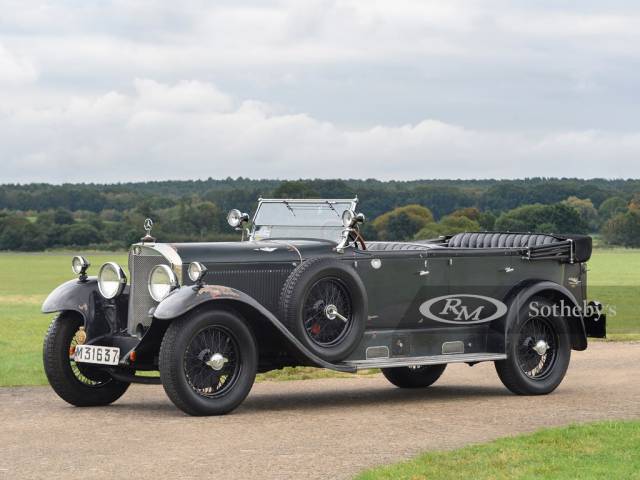
1928 | Mercedes-Benz 24/100/140 HP Type 630 Model K
1928 Mercedes-Benz 630 K Tourer

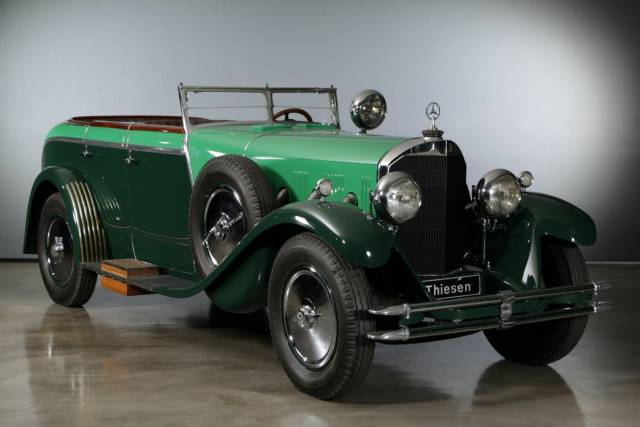
1928 | Mercedes-Benz 24/100/140 PS Typ 630
-

Create search alert
Let yourself be notified as soon as a listing is published that matches your search filters.
Create listing
Do you have a Mercedes-Benz 24/100/140 PS Typ 630 that you want to sell? Then create a listing now.
Create listingMercedes-Benz 24/100/140 PS Typ 630 Classic Cars: Prices & Market Values
History of the Mercedes-Benz 24/100/140 PS Typ 630
The Mercedes-Benz 24/100/140 PS Typ 630 emerged during the rapid technological development of the 1920s, a time when engineering and automotive luxury advanced in lockstep. Conceived as a top-tier luxury vehicle, the Typ 630 was equipped with a supercharged engine, catering to customers seeking both stately presence and performance. It served as a flagship in the Mercedes model range, its legacy intertwined with the rise of automotive grand touring and early motorsport innovation.
Model History
The lineage of the Typ 630 traces back to the pre-merger era of Daimler and Benz, when top-class vehicles such as the Mercedes 28/95 had already set benchmarks for luxury motoring. The 24/100/140 PS succeeded the Mercedes-Knight models and was later succeeded by even grander models like the Mercedes-Benz 770 'Großer Mercedes', continuing the brand’s legacy of producing some of the most advanced and opulent cars of the era.
Highlights of the Mercedes-Benz 24/100/140 PS Typ 630
The Typ 630 is distinctive for its use of a mechanically-driven supercharger (Kompressor), which boosted engine output and set new standards for performance among luxury cars of its time. It carried advanced features for the era, from refined chassis design to luxury interiors. With a 1.000 supply share and an identical 1.000 demand share among classic Mercedes-Benz models listed on Classic Trader, it stands alone in its class both in exclusivity and interest.
Technical Data
Special Editions and Collectible Models
While factory special editions were rare, several bespoke-bodied Typ 630s were produced by leading European coachbuilders, each reflecting the customer's prestige and individual taste. Particularly, models bodied by Sindelfingen or offered with elaborate cabriolet and landaulet configurations are notable for their craftsmanship and historical value.
Weak Spots and Common Issues
Given the advanced engineering of the Typ 630, particular attention is required for the supercharger system and associated lubrication. Regular inspection of the carburettor, fuel lines, and compression system is necessary to maintain reliable function. As with all vehicles of this era, thorough checking for corrosion in chassis and coach-built bodies is essential, particularly if the car has been exposed to damp or improper storage.
Engine, Performance, Transmission, and Handling
Engaged via a side-mounted lever, the supercharger of the Typ 630 enables the six-cylinder engine to deliver up to 140 PS, remarkable for a vehicle of this class during the 1920s. Acceleration is swift for its size, made possible by the roots-type blower. The four-speed manual transmission and large drum brake system reflect quality engineering, though handling demands respect due to the car’s considerable dimensions and vintage chassis geometry. Notable examples include bespoke cabriolets and those specified with luxury interiors, often distinguished by their state-of-the-art features for contemporary motoring. The technical configuration of the supercharged engine continues to impress enthusiasts today, offering a unique experience unmatched by non-Kompressor contemporaries.
Interior, Comfort, Exterior, and Design
The bodywork of the Typ 630 exhibited hallmarks of 1920s opulence: long bonnets, upright radiators adorned with the three-pointed star, and spacious, meticulously detailed cabins. Interiors often featured high-grade leather, real wood veneers, and advanced instrumentation for the era. Select models received custom one-off upholstery, paint, or decorative metal inlays, typically crafted by renowned design ateliers such as Sindelfingen or Erdmann & Rossi.
Other Features
Among preserved examples, period-correct accessories such as fitted luggage sets, original Bosch lighting equipment, and factory toolkits are highly valued. Optional elaborate spare wheel mounts or signal horns are sought-after by purist collectors.
Summary
A Mercedes-Benz 24/100/140 PS Typ 630 offers an experience grounded in engineering brilliance and classic luxury, standing out as a technical milestone of its time. Rare on the market, it appeals to connoisseurs searching for authenticity and uniqueness in the world of historic automobiles.