Highlights
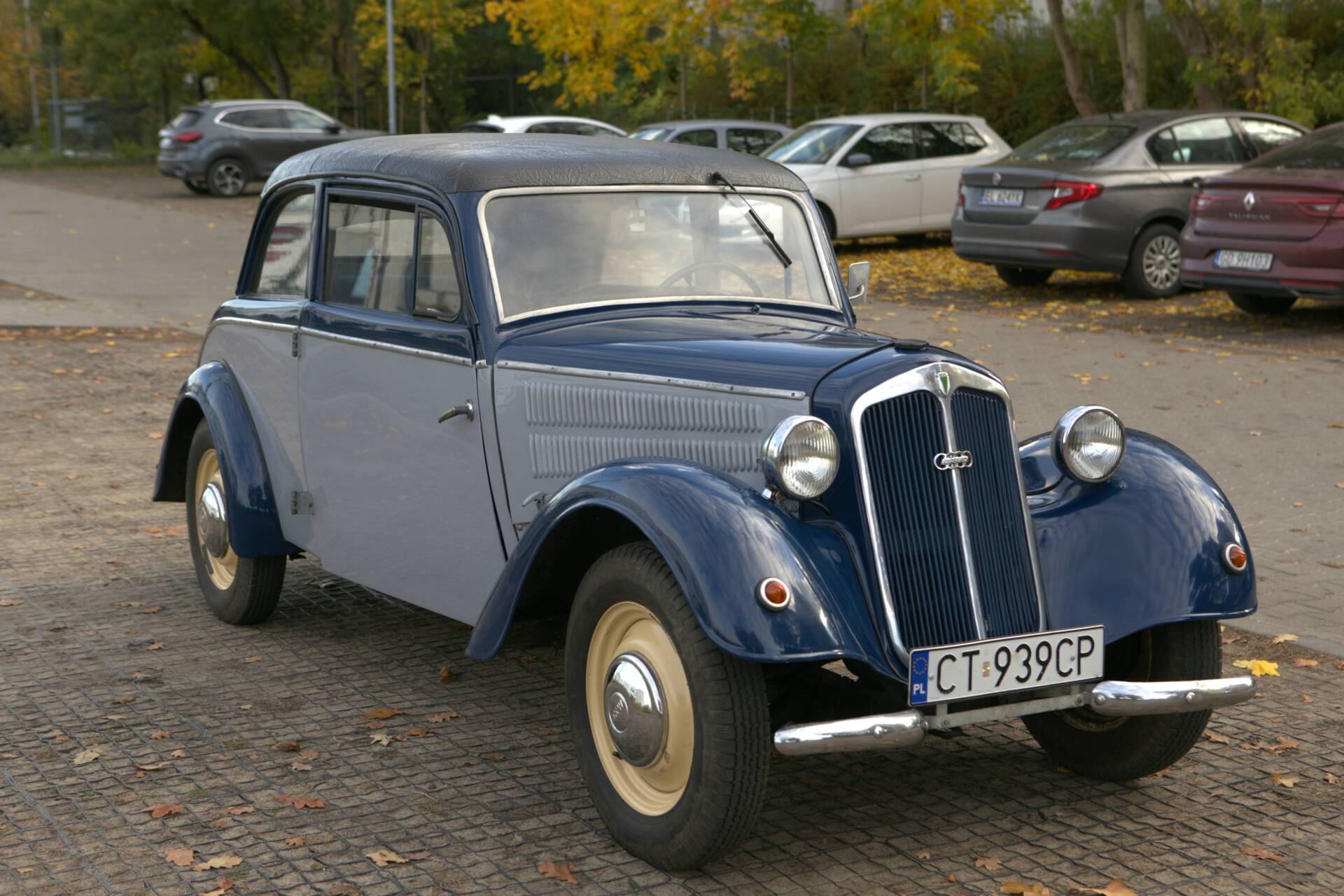
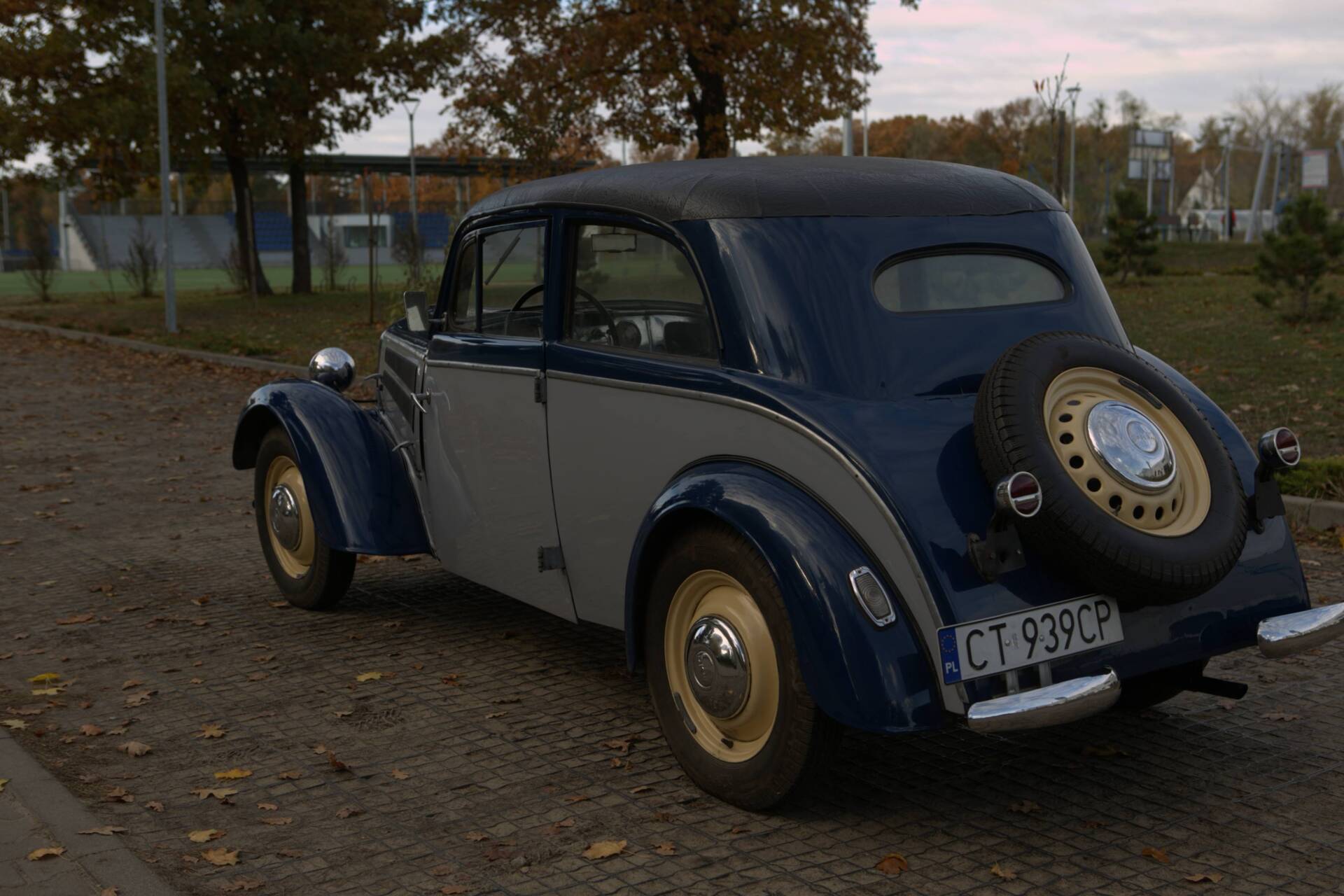
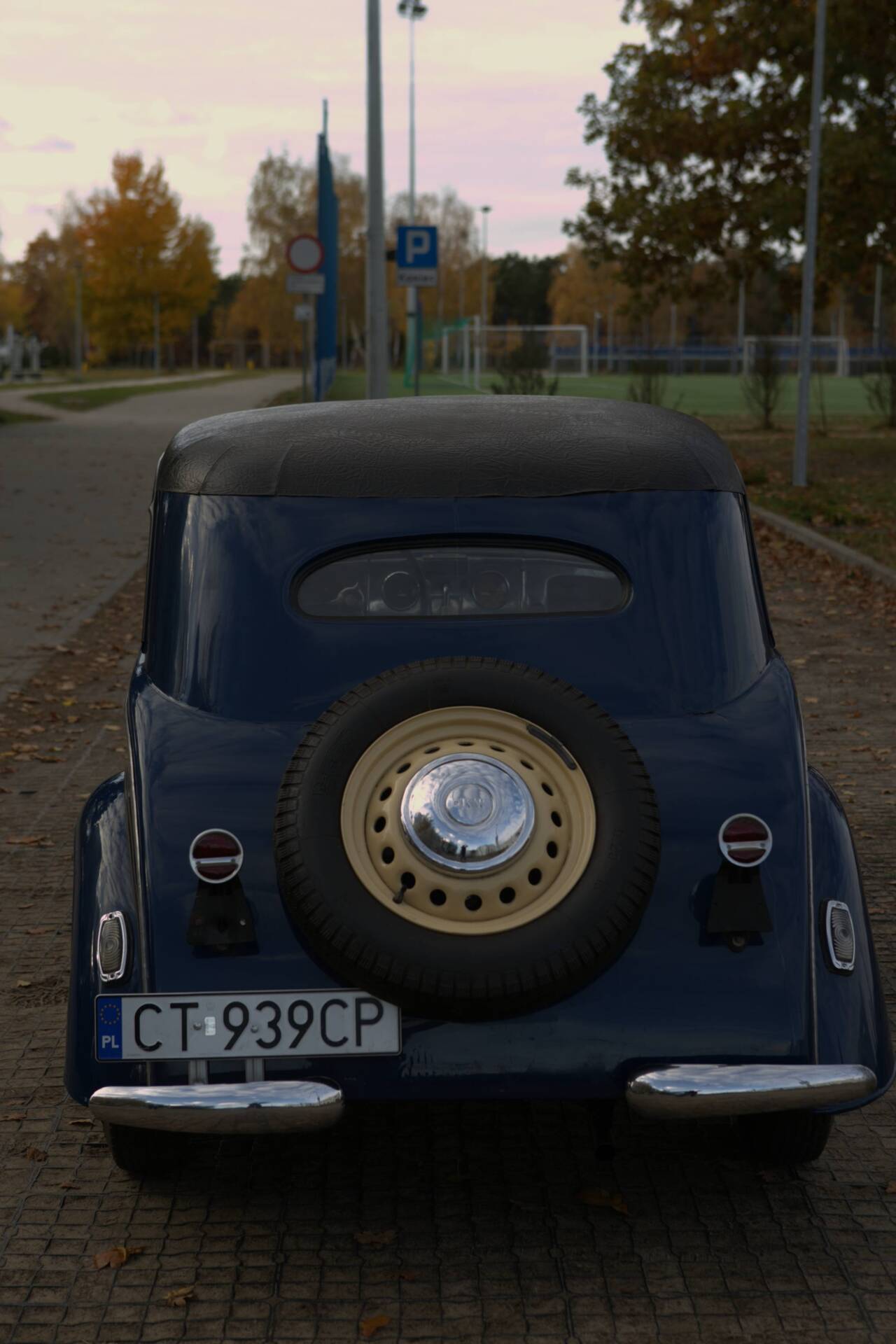
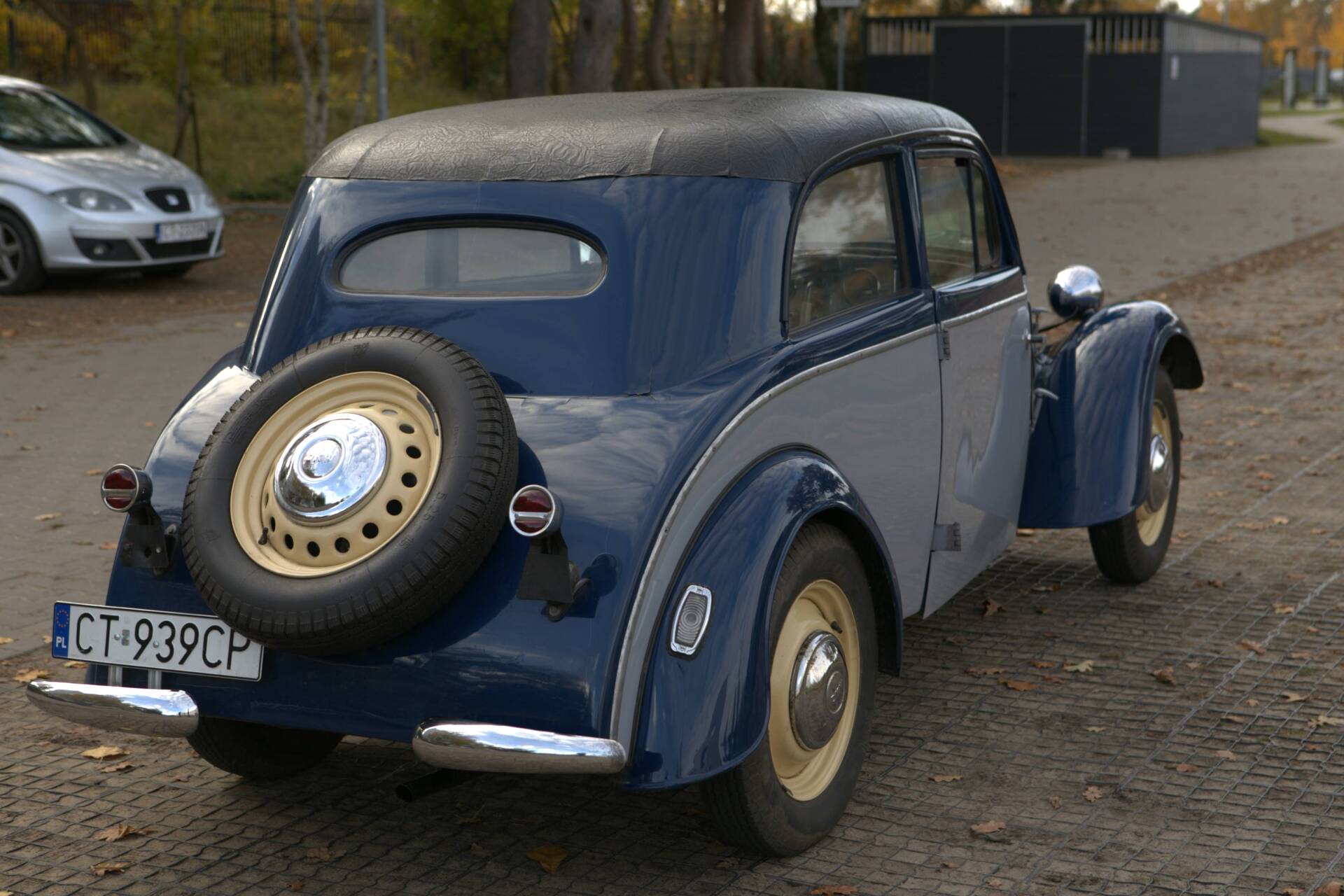
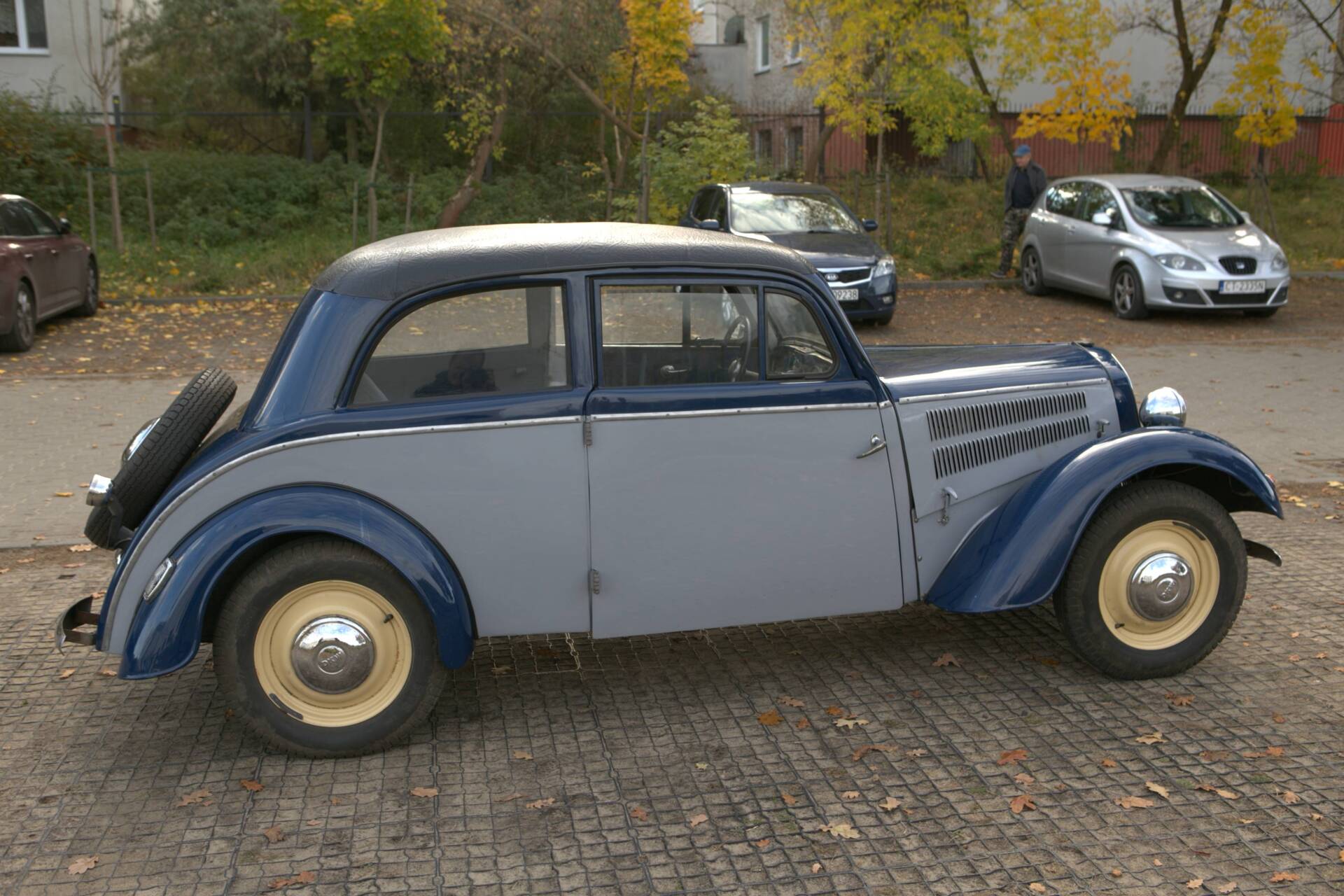
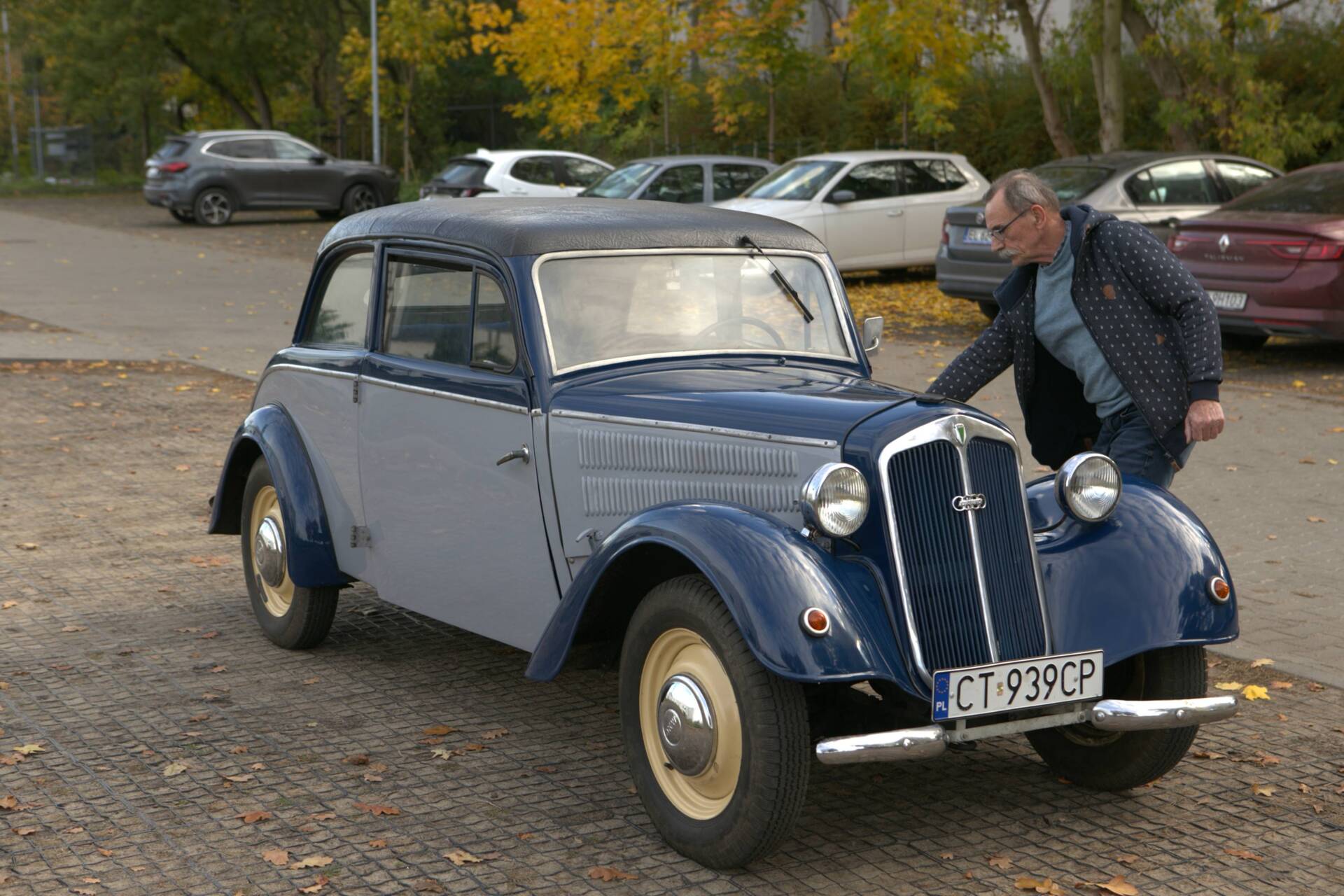
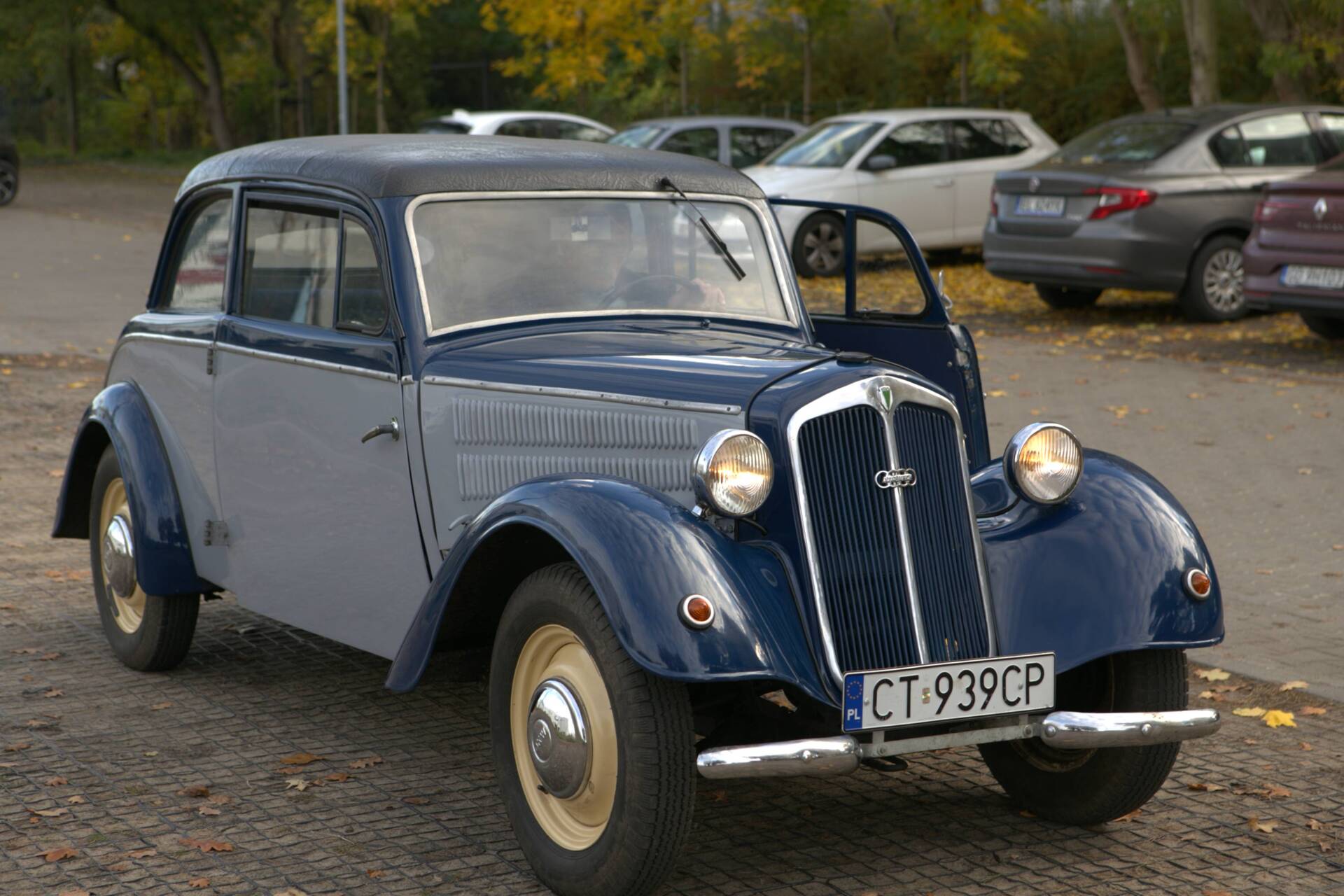
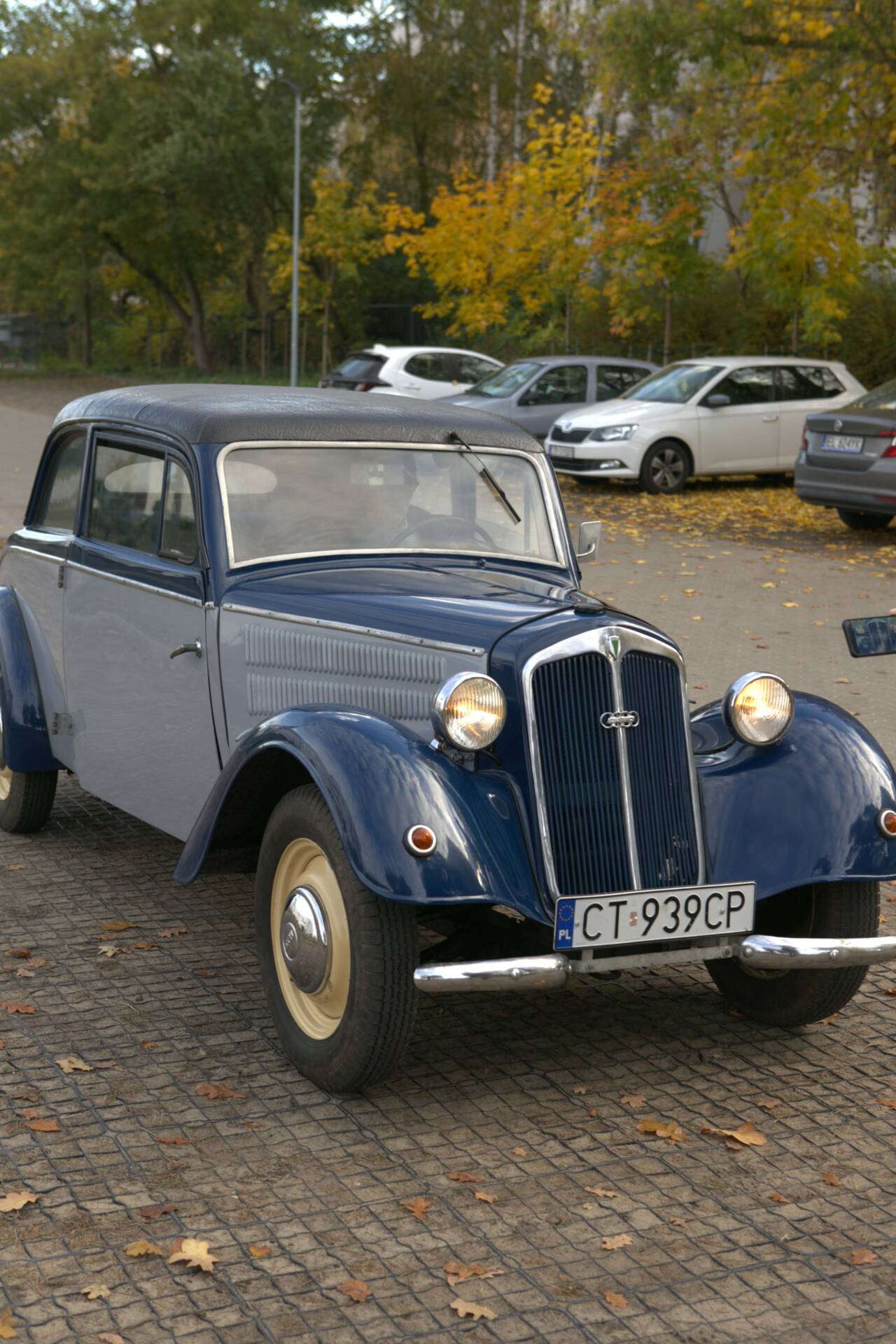
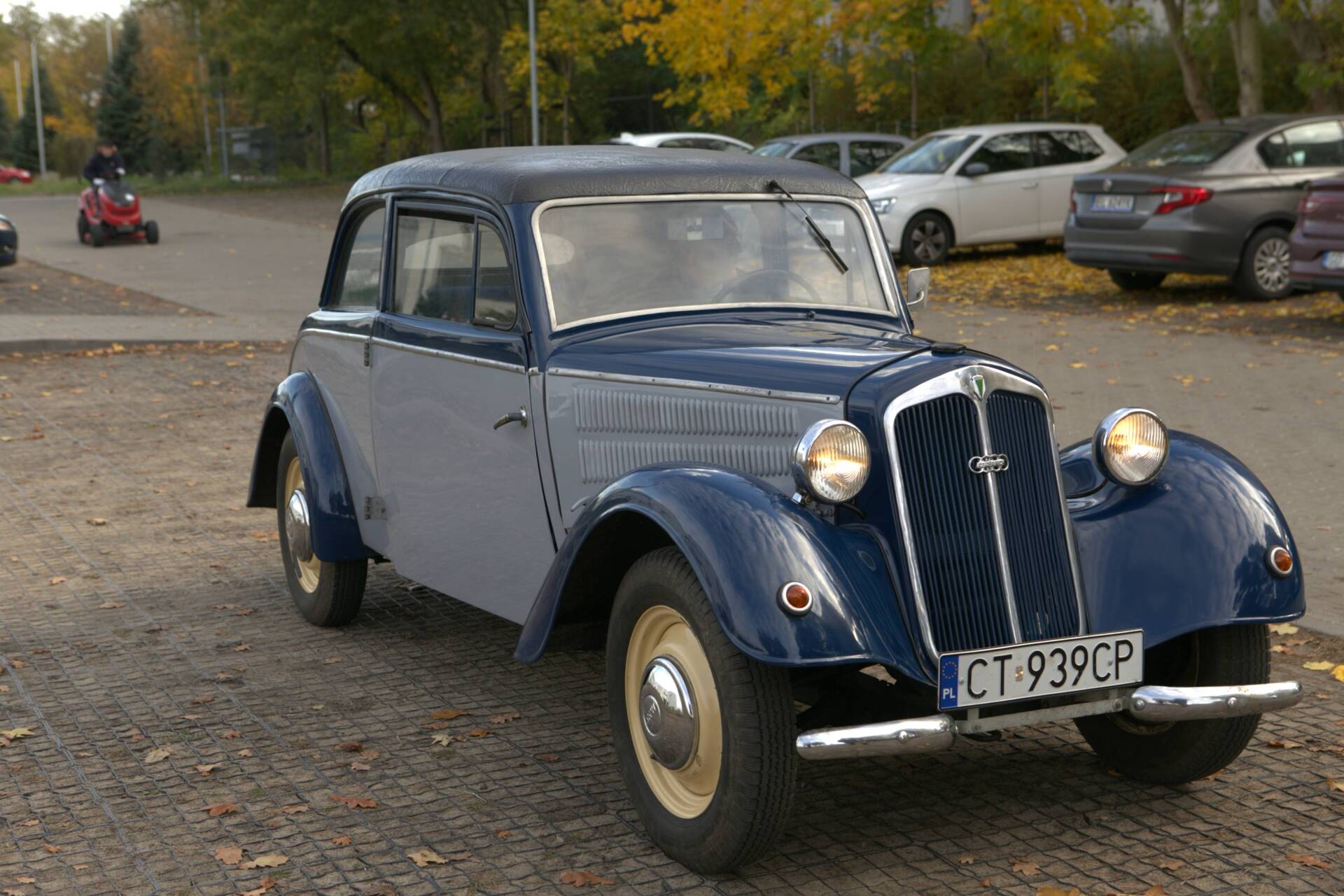
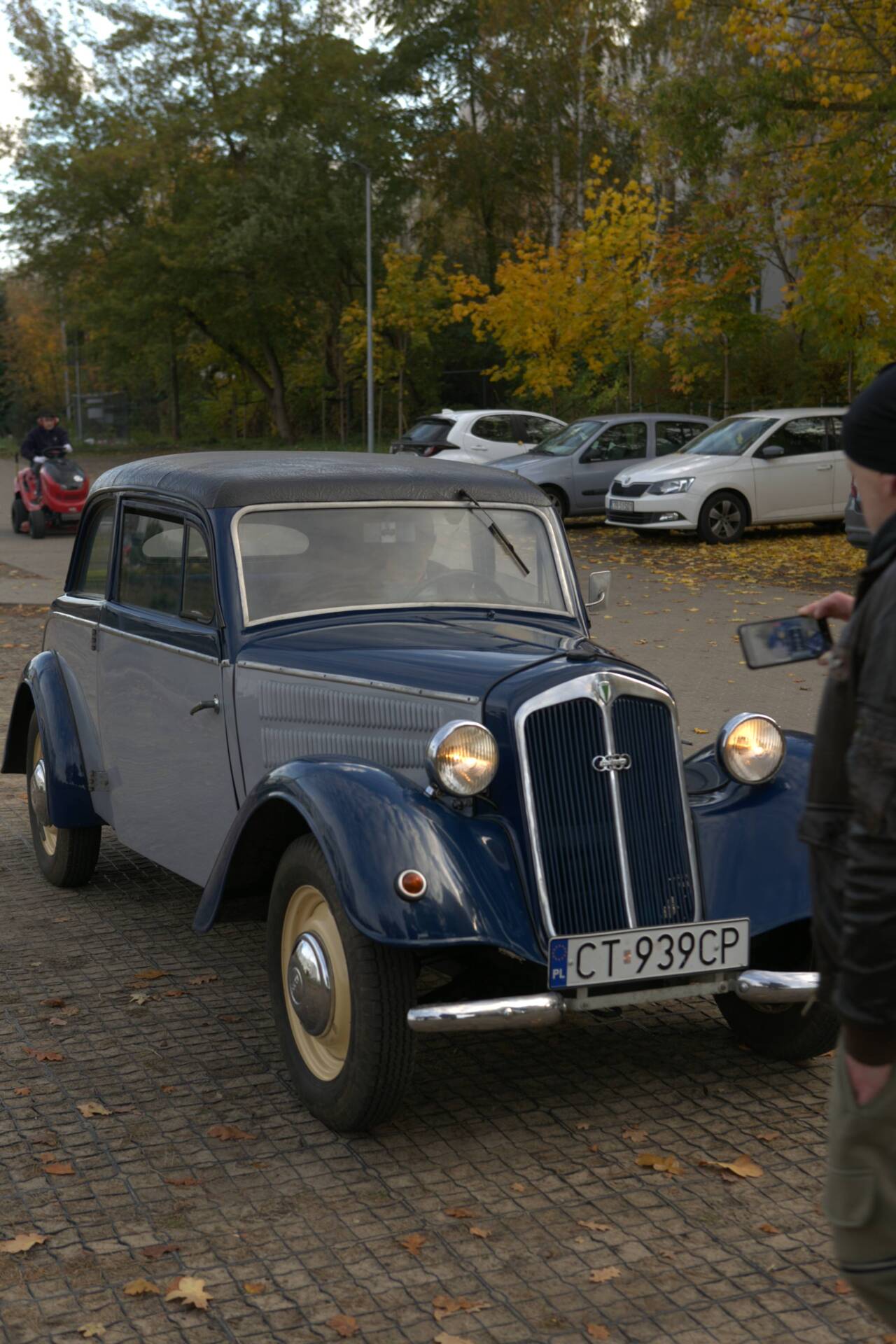
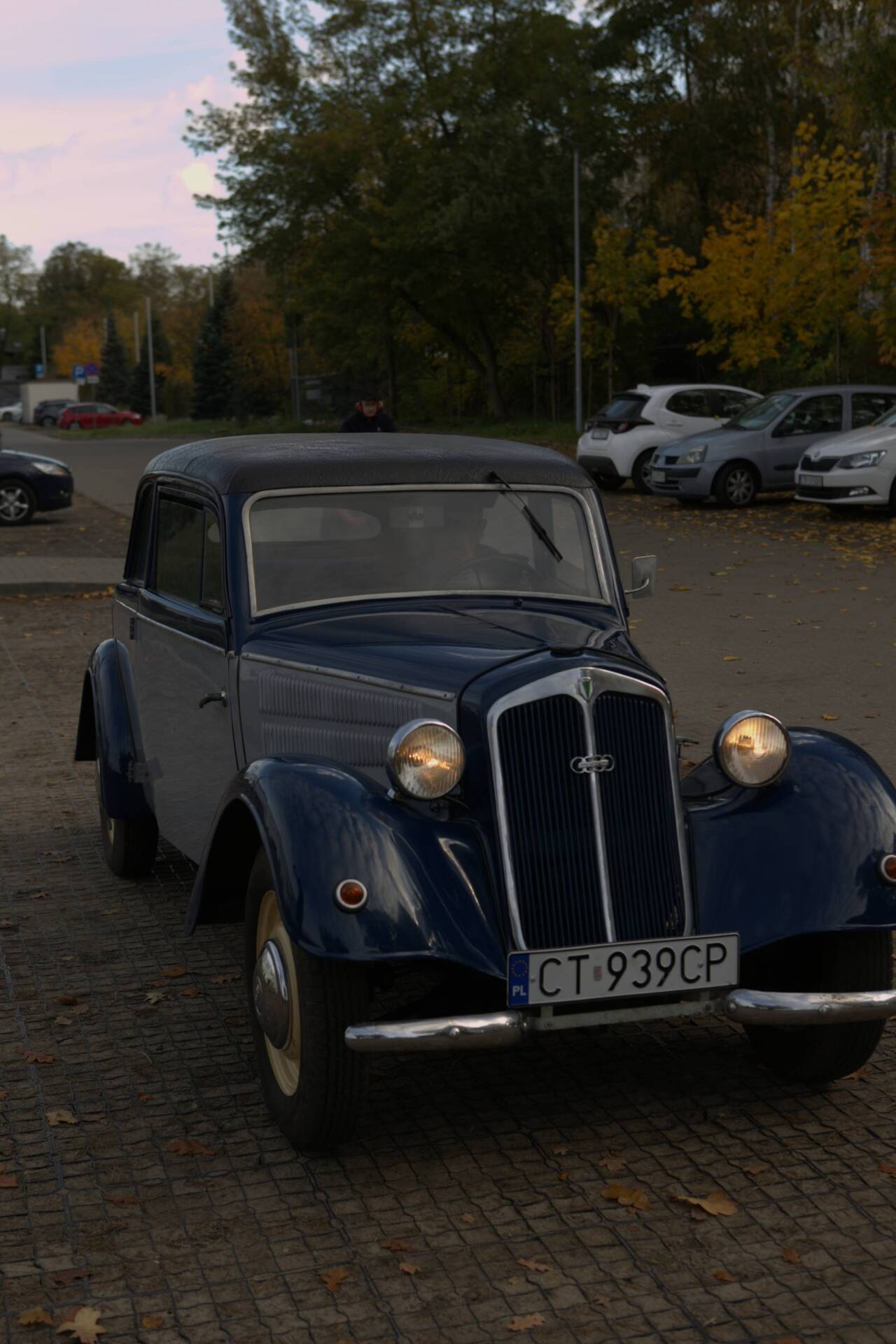
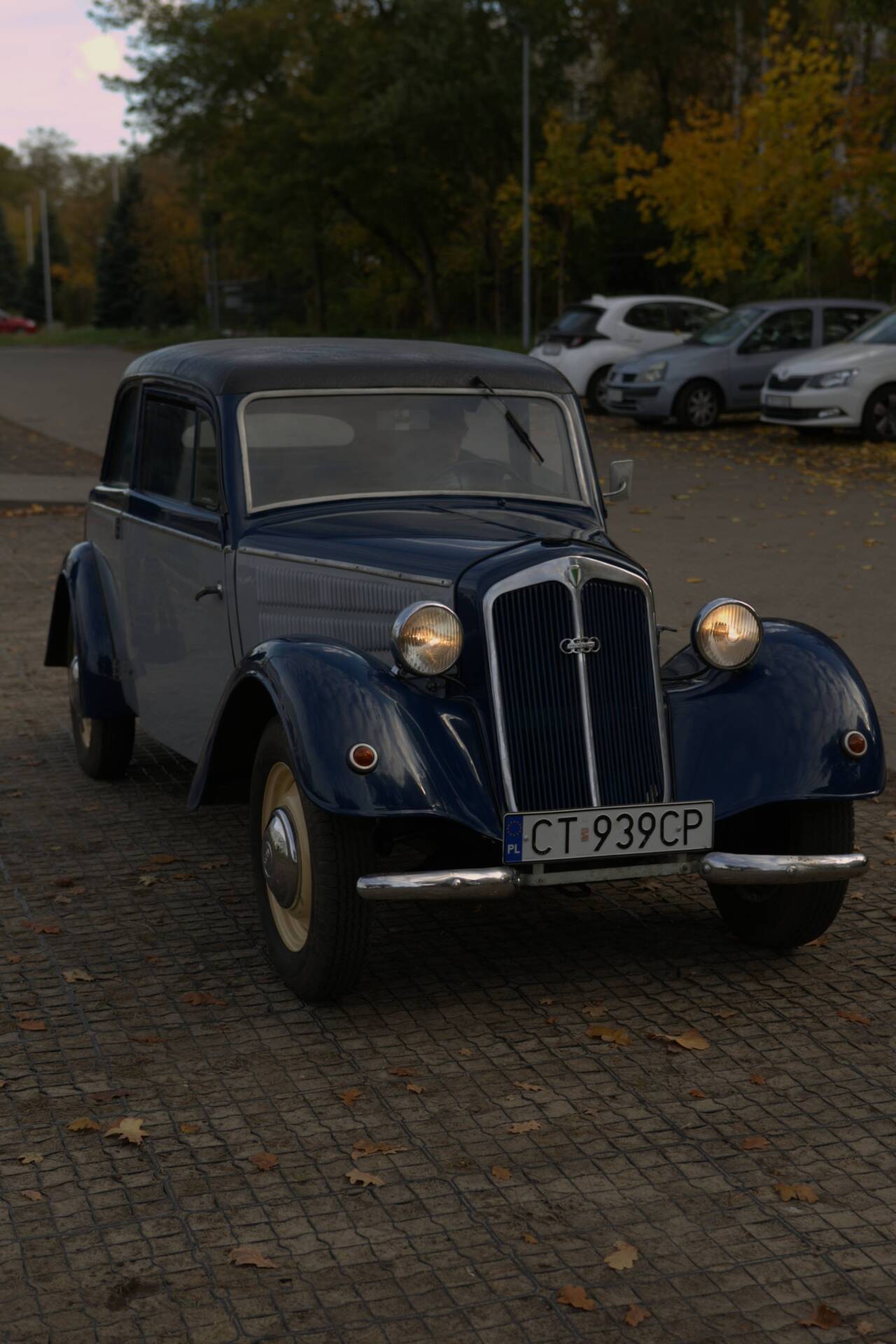
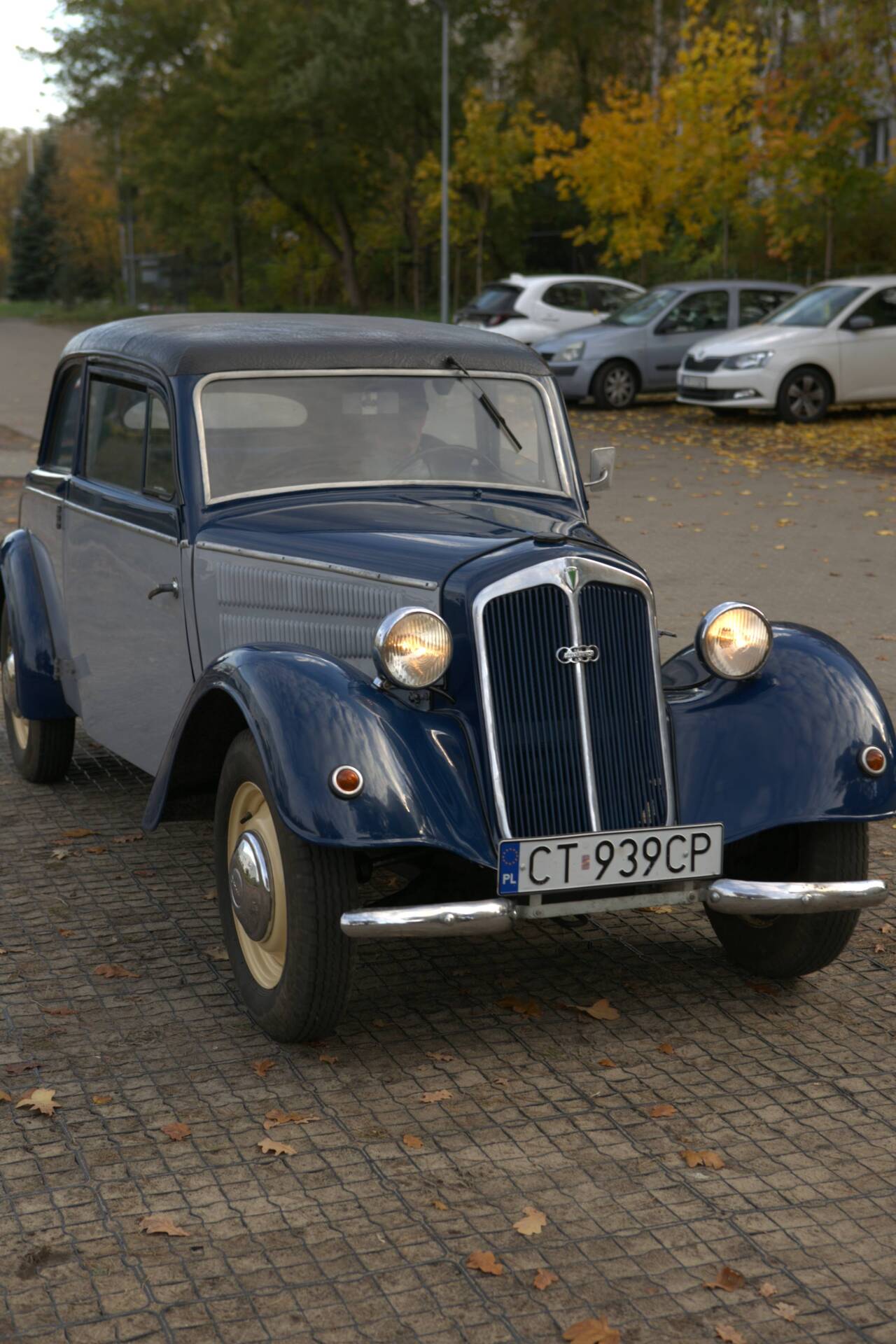
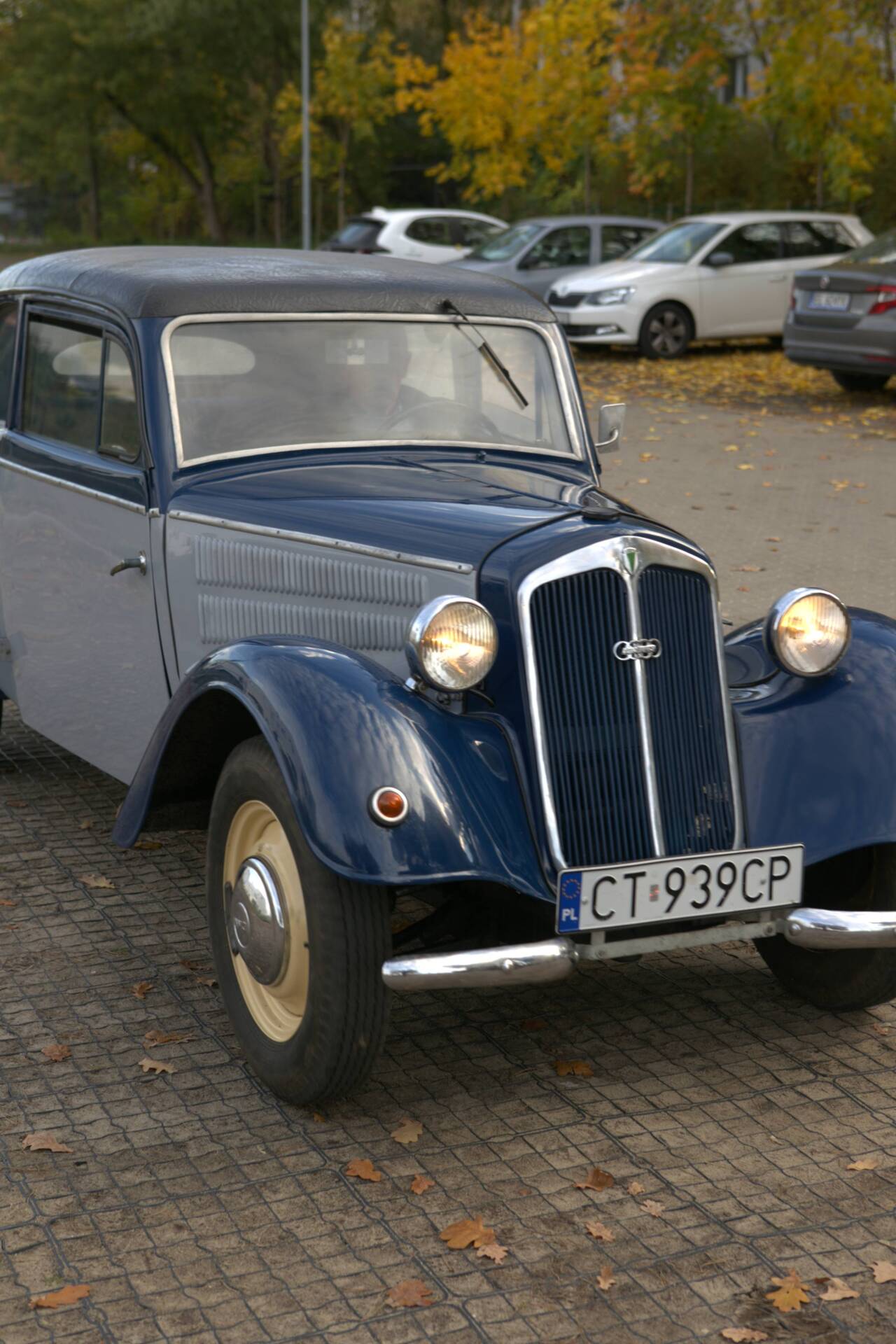
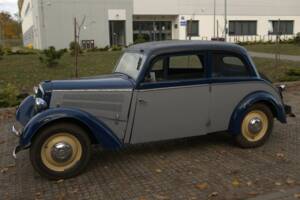
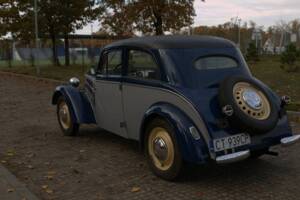
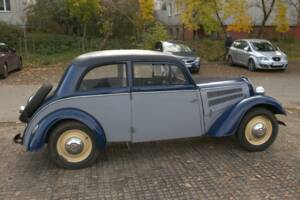
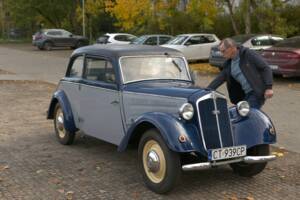
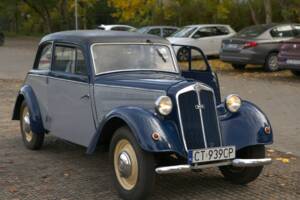
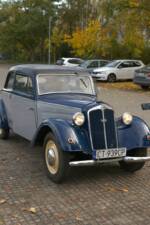
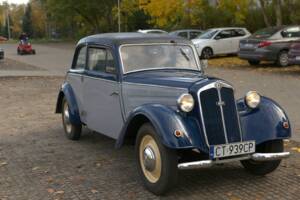
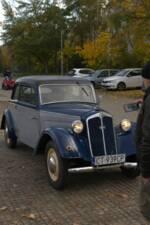
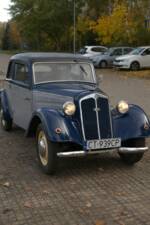
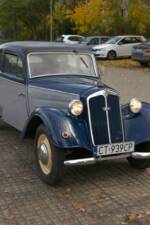
This 1939 DKW F 8 600 Reichsklasse comes from the final development phase of DKW's front-wheel-drive cars before the Second World War. With its 589 cc two-cylinder two-stroke engine, 18 hp and front-wheel drive, it represents a remarkably advanced design for the small-car segment of its time. Finished in blue, the car features open coachwork with a wooden body structure and blue cloth upholstery. The DKW is registered, roadworthy and in preserved condition; according to the seller, the engine has been overhauled and the car is now in its third ownership.
Model History
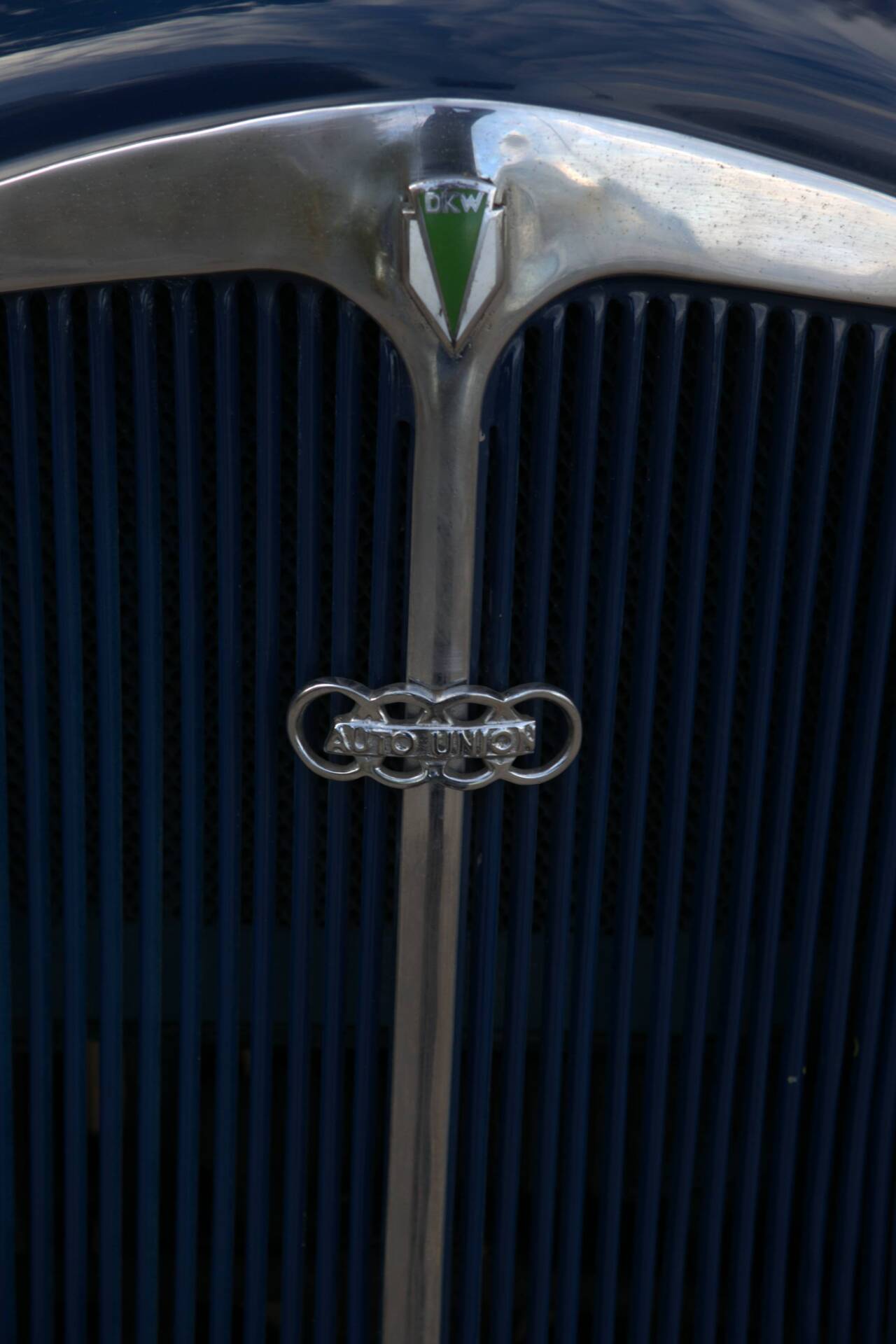
During the 1930s, DKW was among Germany's leading manufacturers of small, affordable automobiles. Since 1932, the marque had formed part of Auto Union, alongside Audi, Horch and Wanderer. While other manufacturers continued to rely predominantly on rear-wheel drive, DKW had already introduced a series-production small car with front-wheel drive in 1931, the F 1. This layout became one of the marque's defining technical features.
Introduced in 1939, the F 8 represented the final pre-war development of this successful front-wheel-drive range. It succeeded the F 7 and retained its fundamental engineering concept, combining economical manufacture with a comparatively straightforward mechanical design. The F 8 was offered in several versions, including the Reichsklasse and the more powerful Meisterklasse. Production of the Reichsklasse ended in 1940 as a consequence of the war.
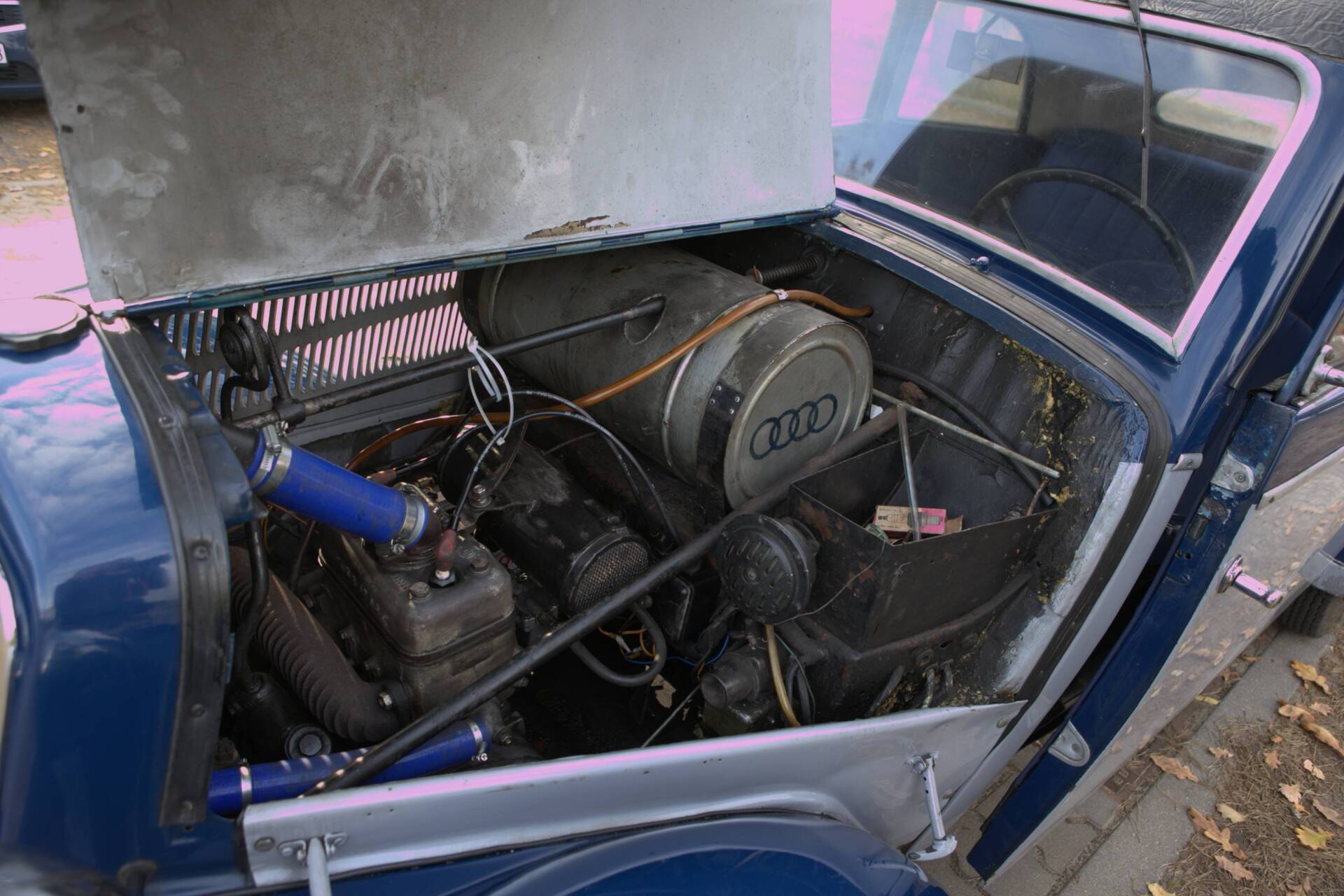
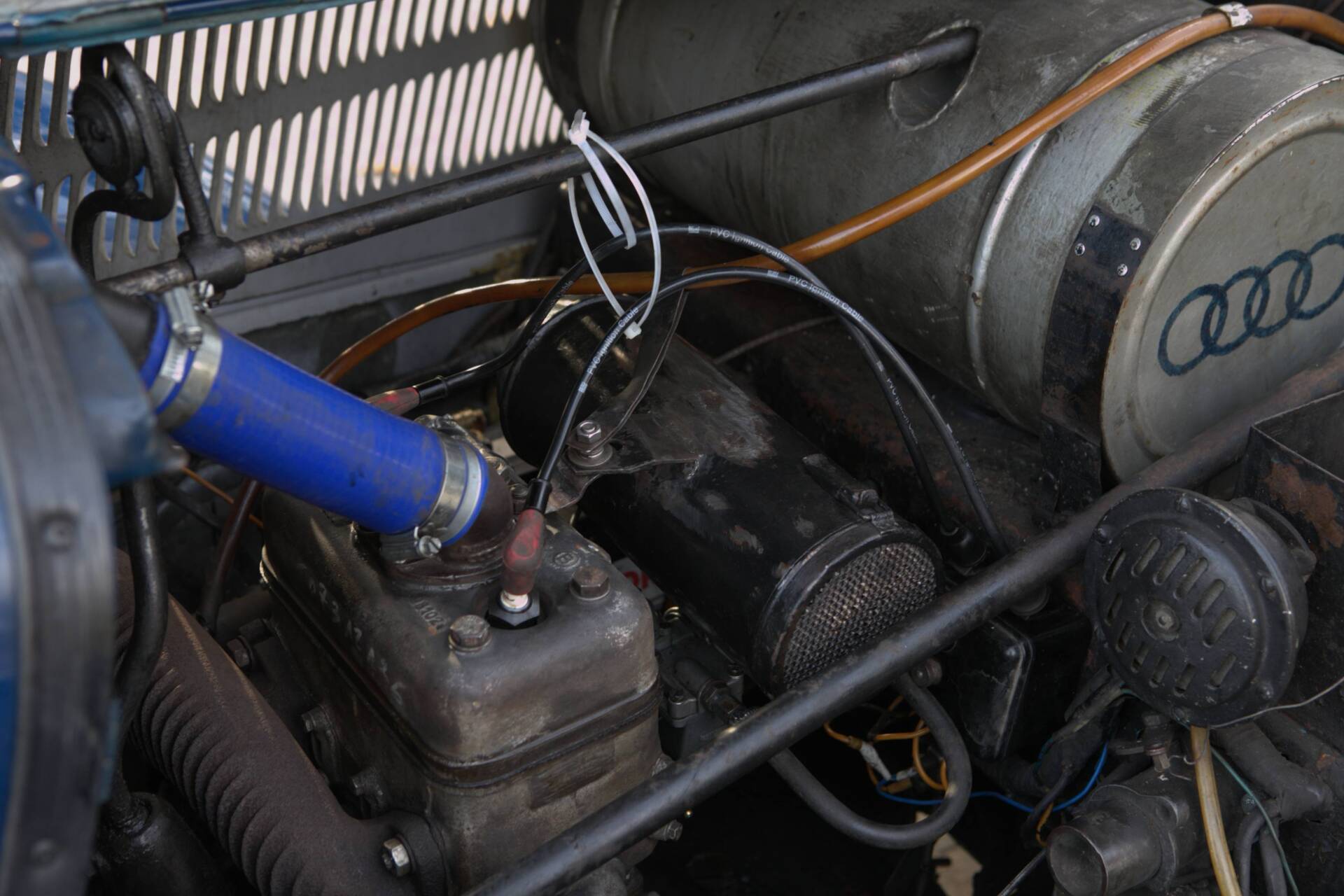
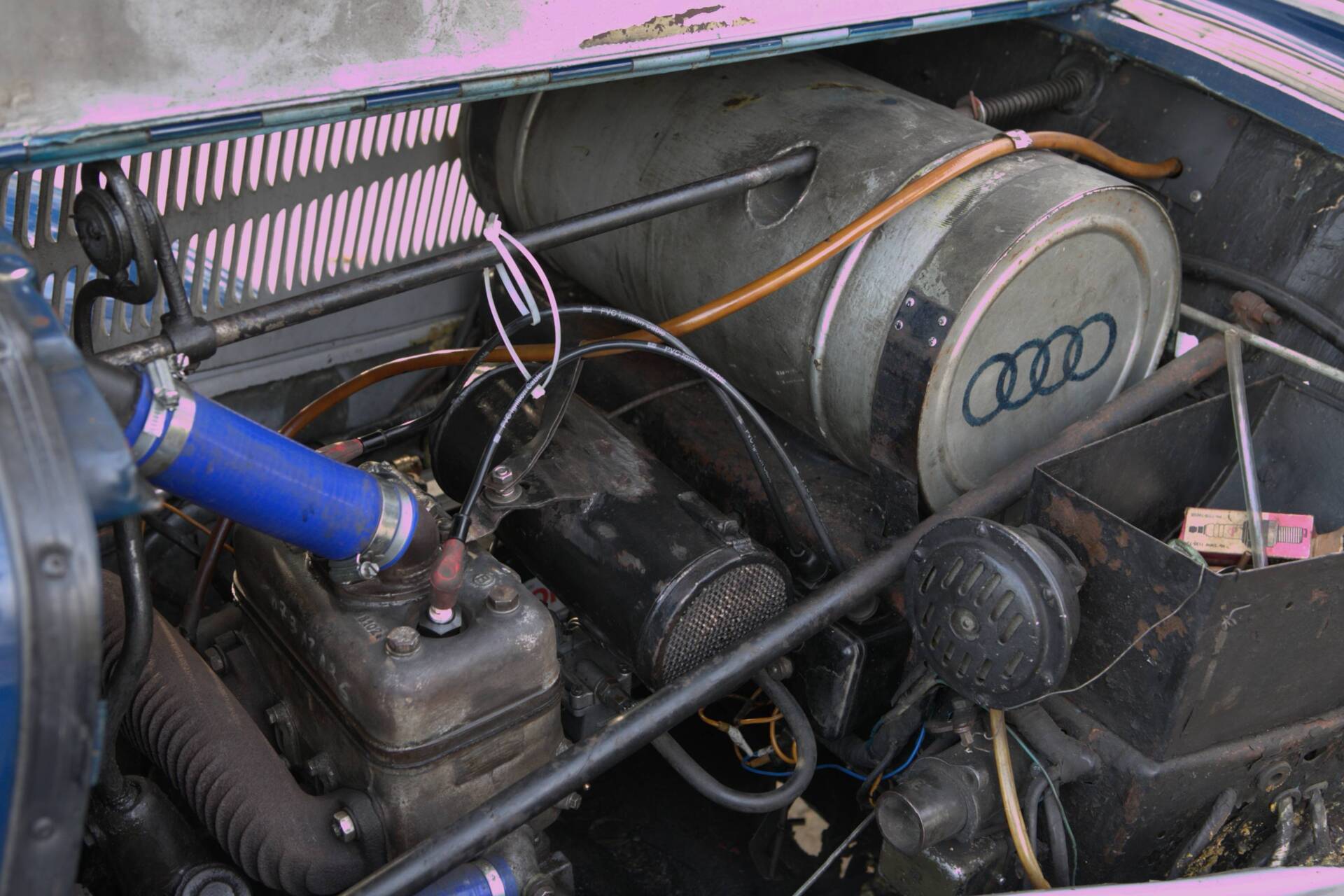
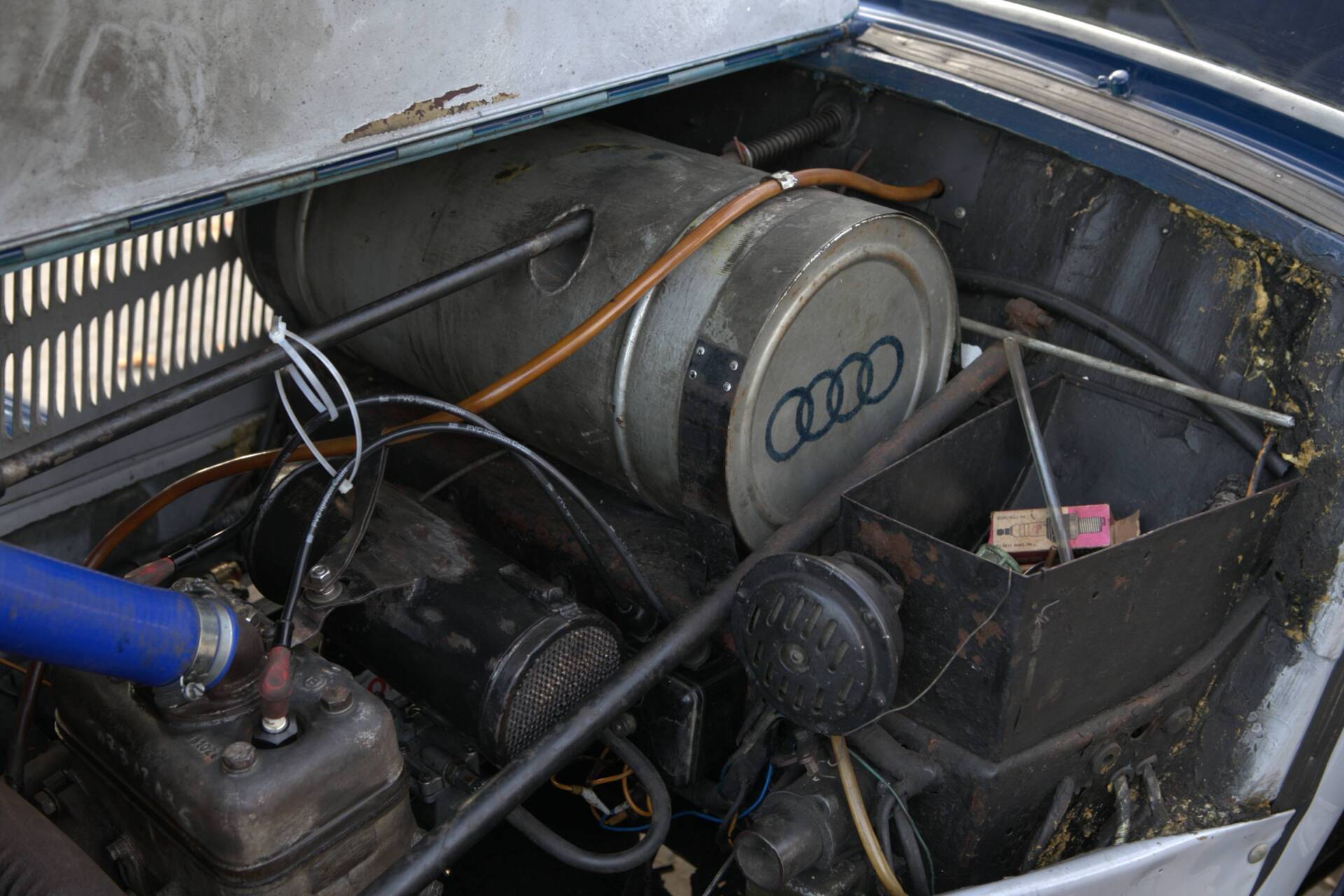
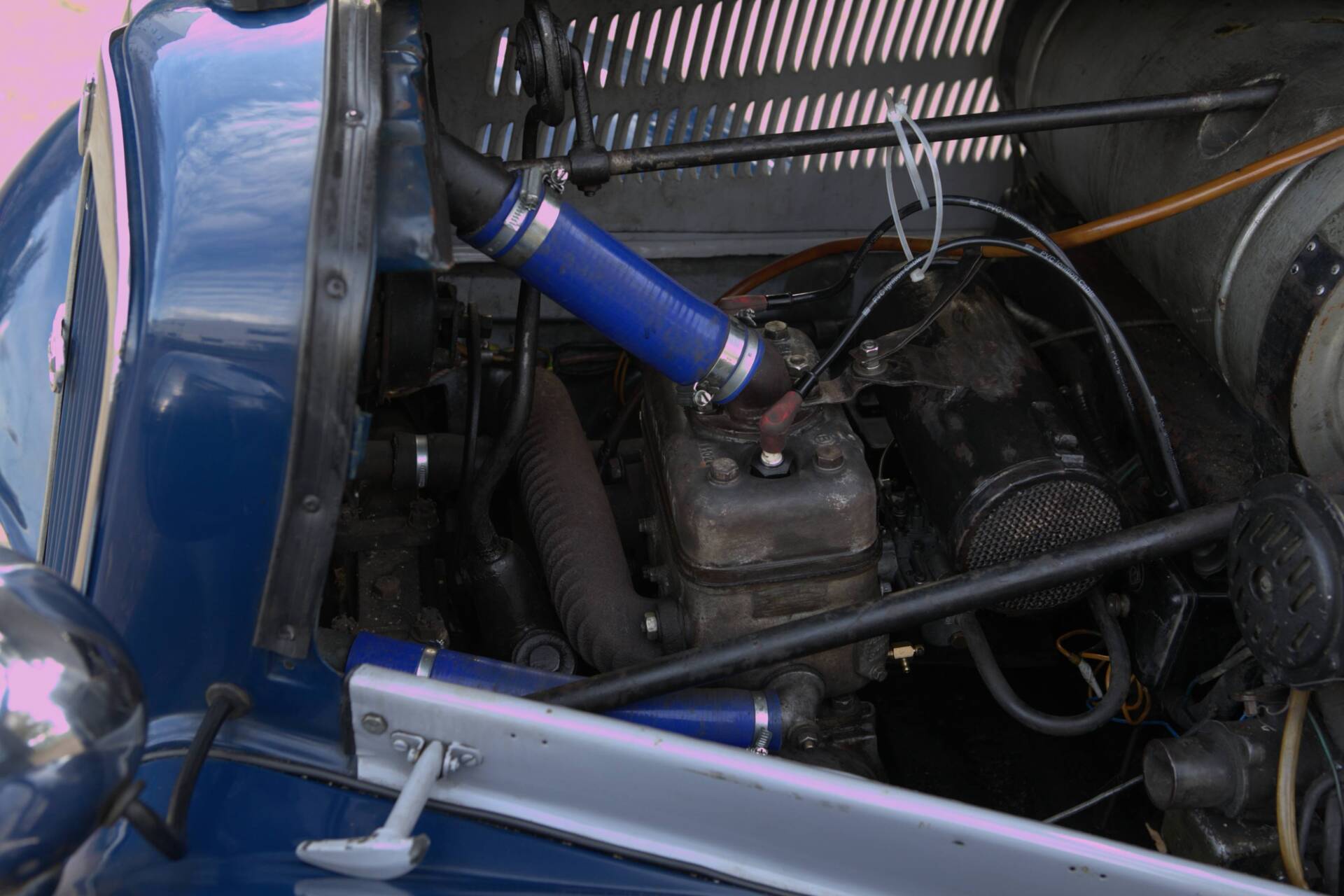
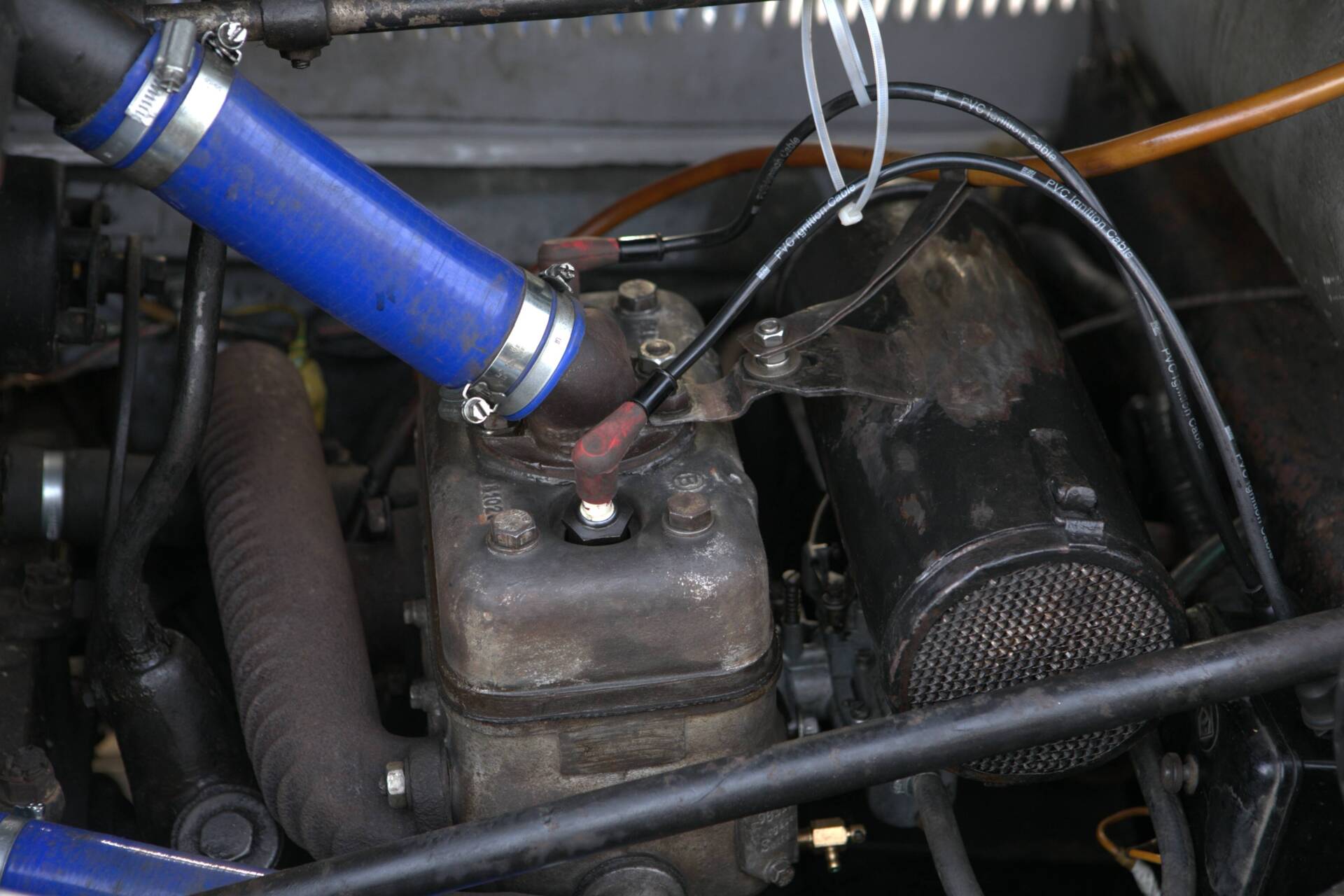
The Reichsklasse was equipped with a water-cooled, 589 cc two-cylinder two-stroke engine producing 18 hp. Power was transmitted to the front wheels. Eliminating the conventional propeller shaft required for rear-wheel drive was a central element of the DKW concept. The compact drivetrain allowed efficient use of space and reflected the company's aim of producing a technically distinctive automobile for a broad customer base.
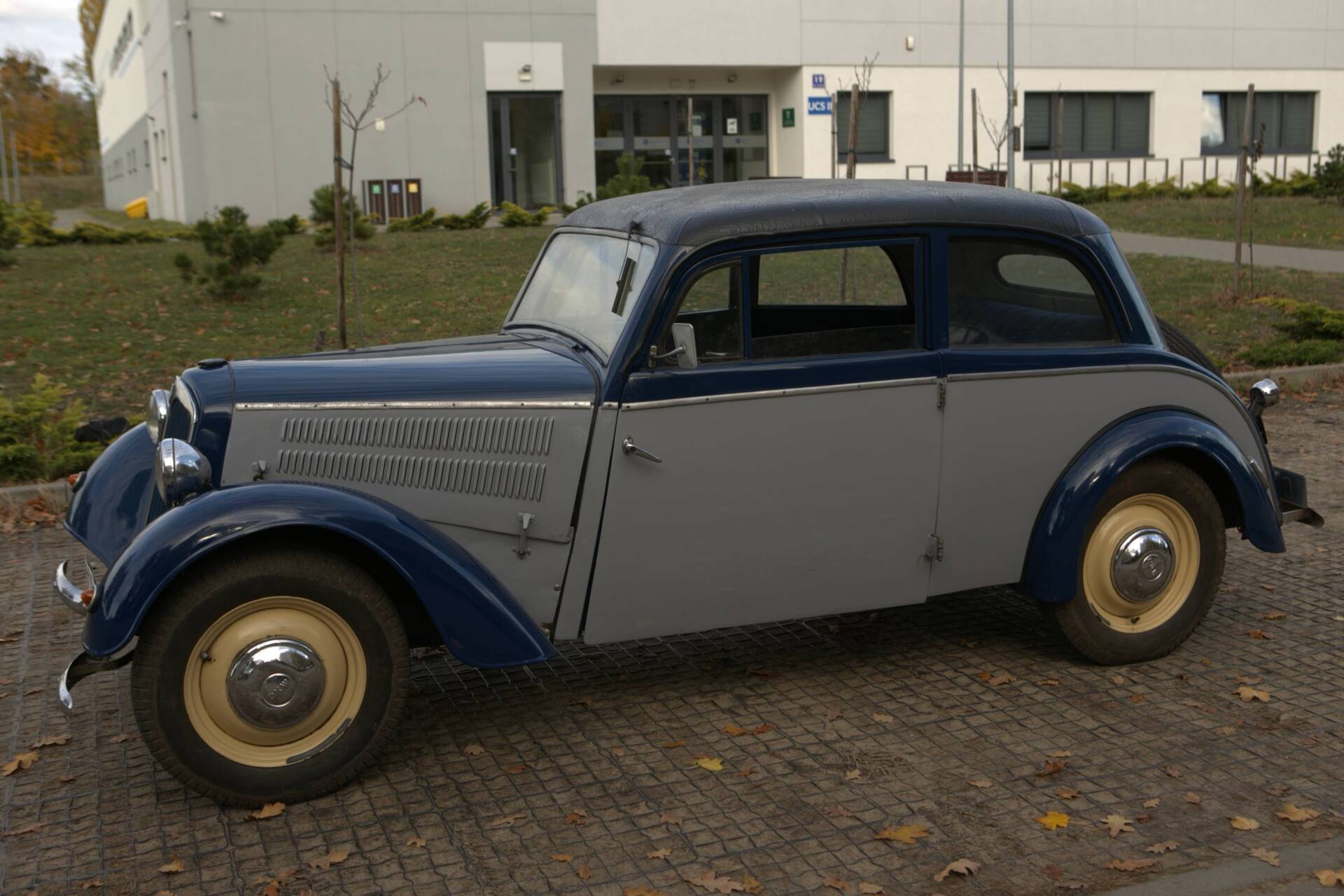
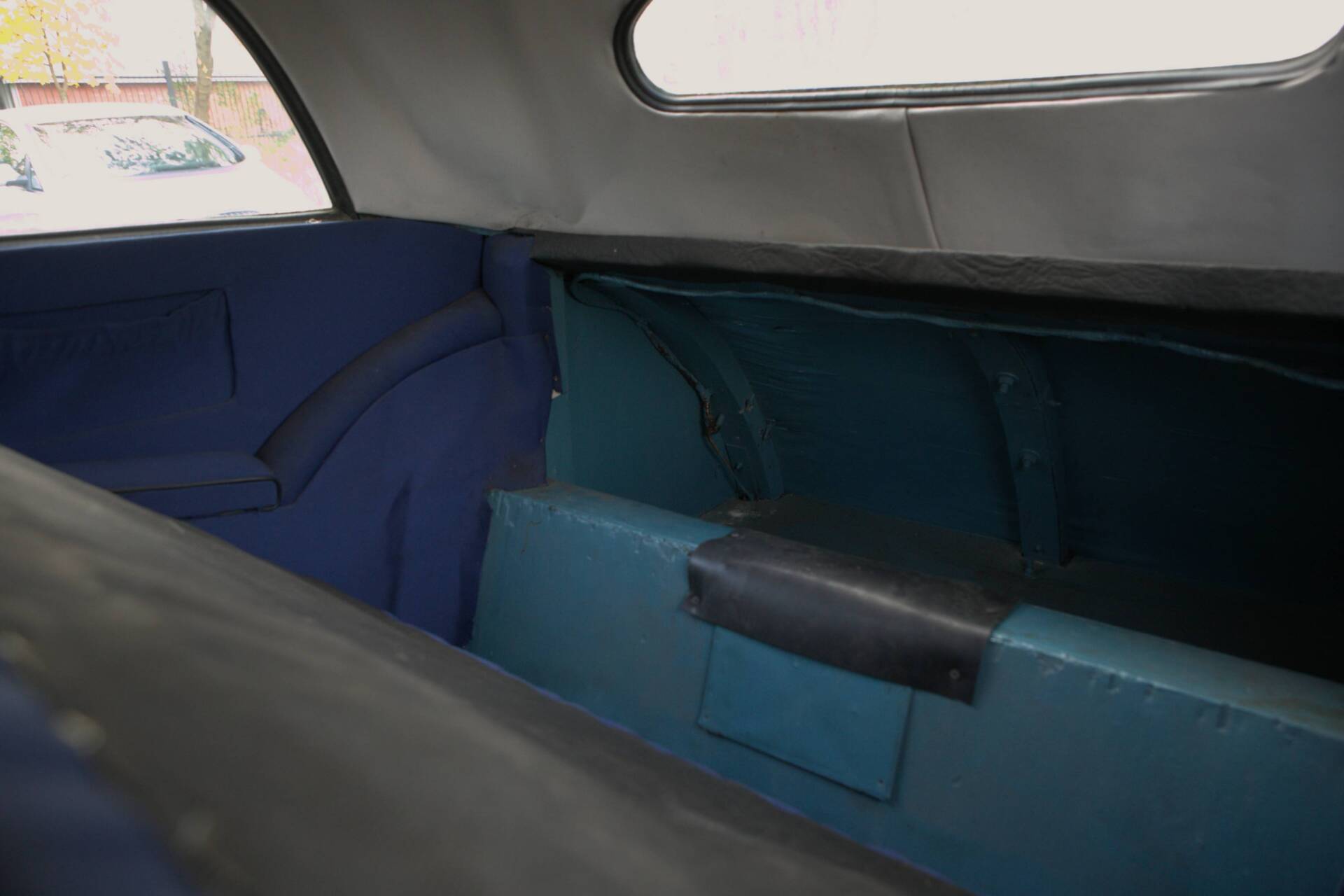
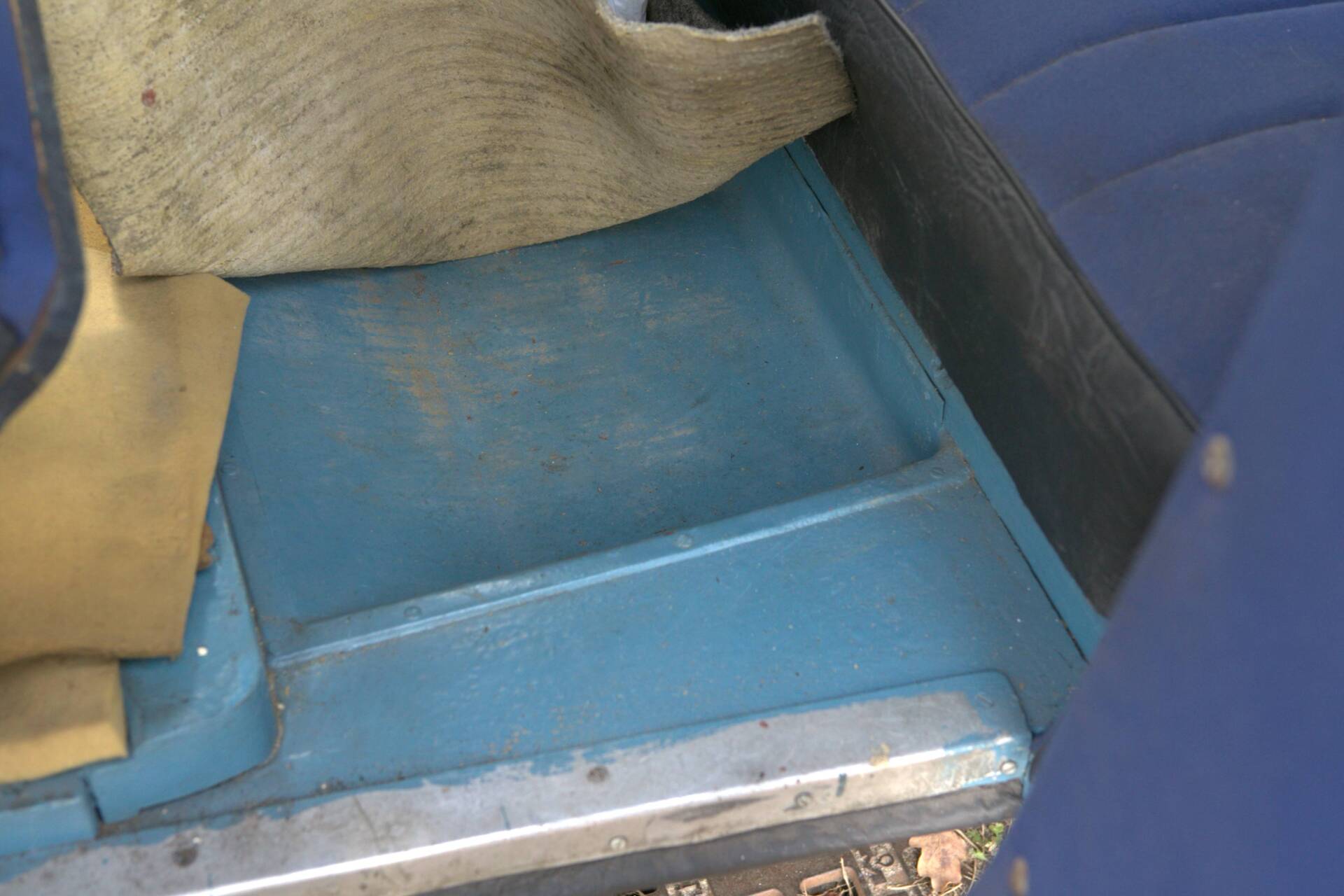
Another distinguishing feature was DKW's traditional coachwork construction, which incorporated wood as a structural element of the body. This method had already been widely used on earlier models and clearly distinguishes the front-wheel-drive DKWs from later small cars with unitary steel bodies. Today, preservation of the wooden body structure is an important consideration when assessing vehicles of this generation.
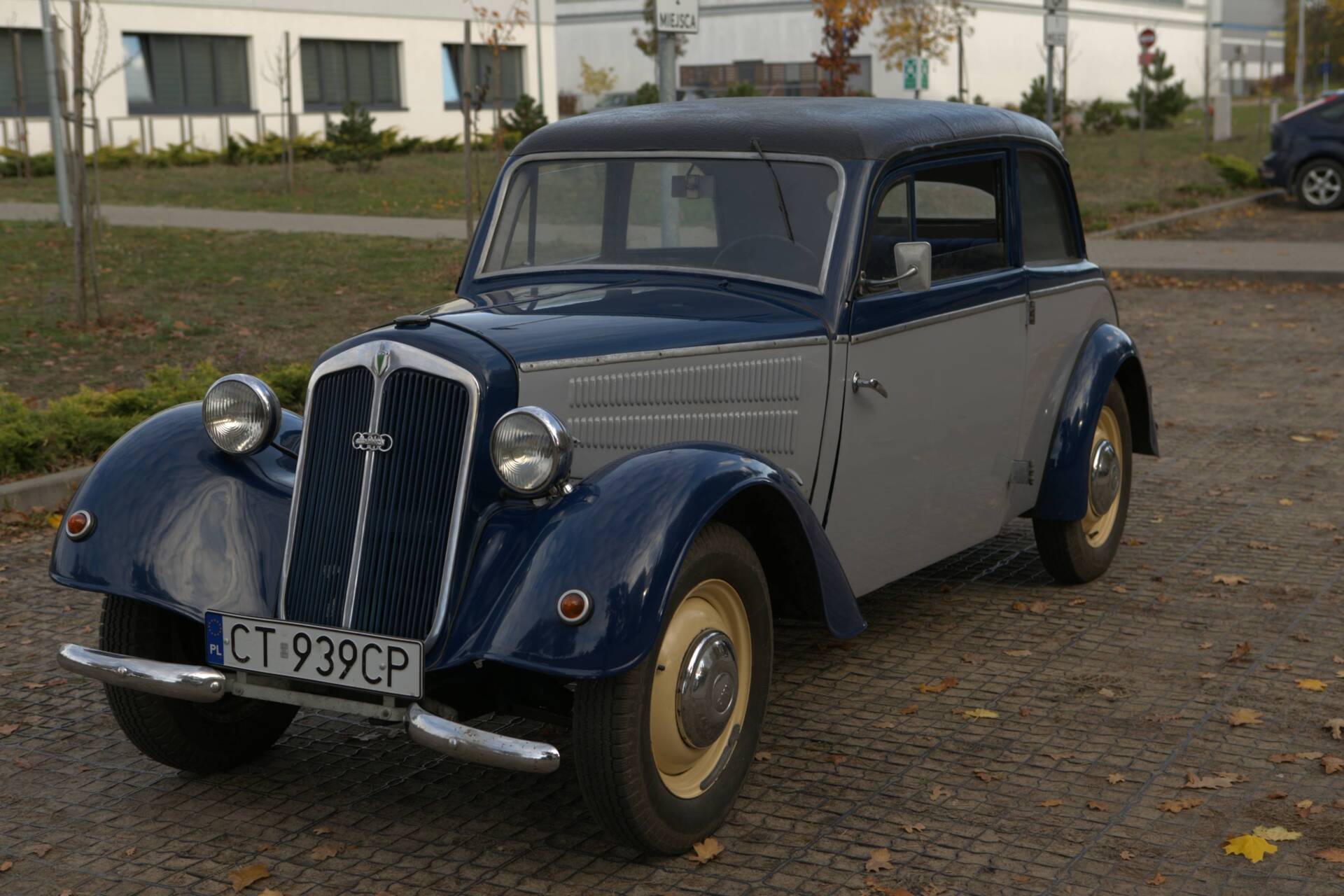
In terms of design, the F 8 is a typical representative of its period. The body styles of the late 1930s combined compact dimensions with separate wings and a traditional front-end treatment. The open versions added a body style to the range that is of particular interest among pre-war DKW automobiles today.
This Vehicle
Exterior
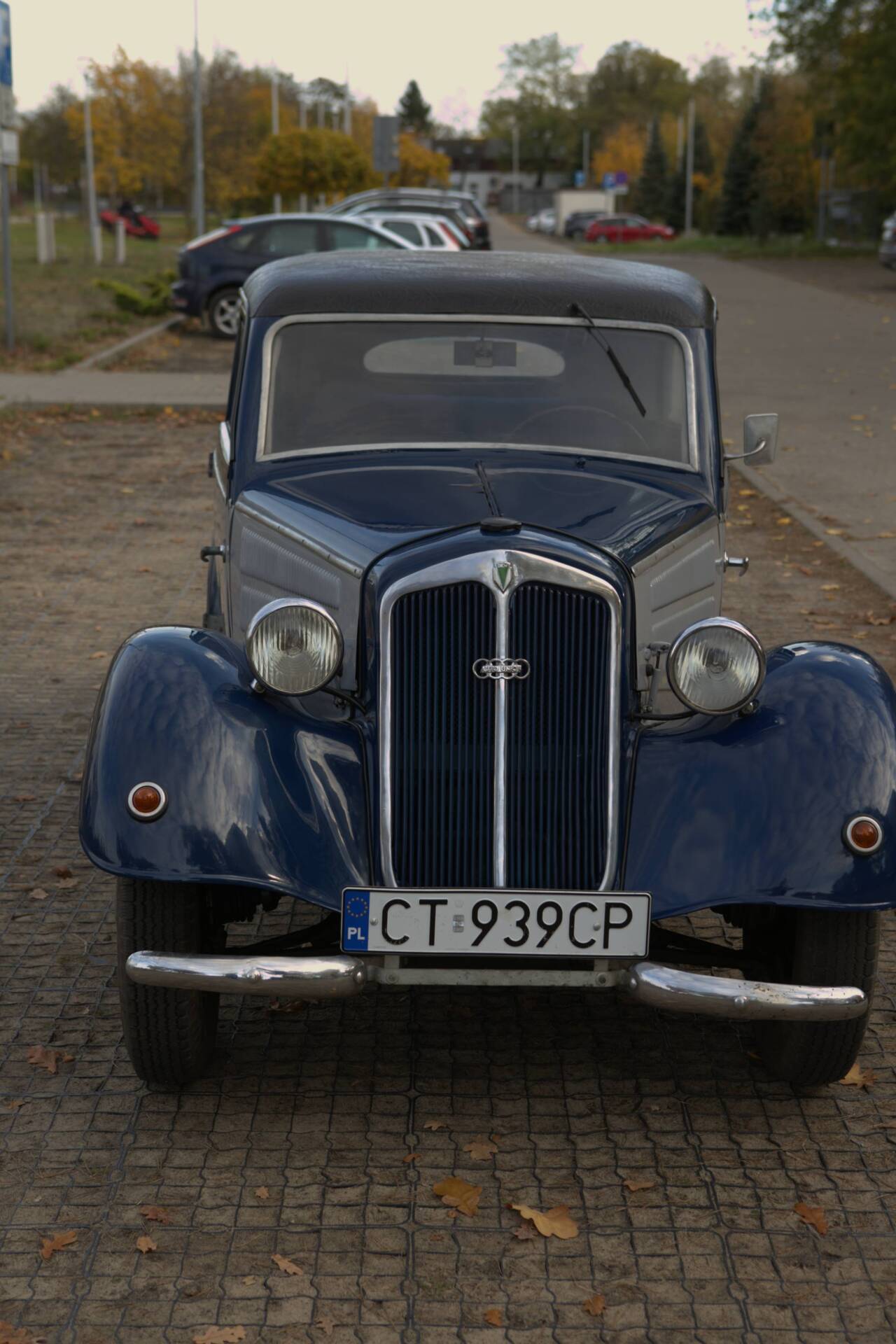
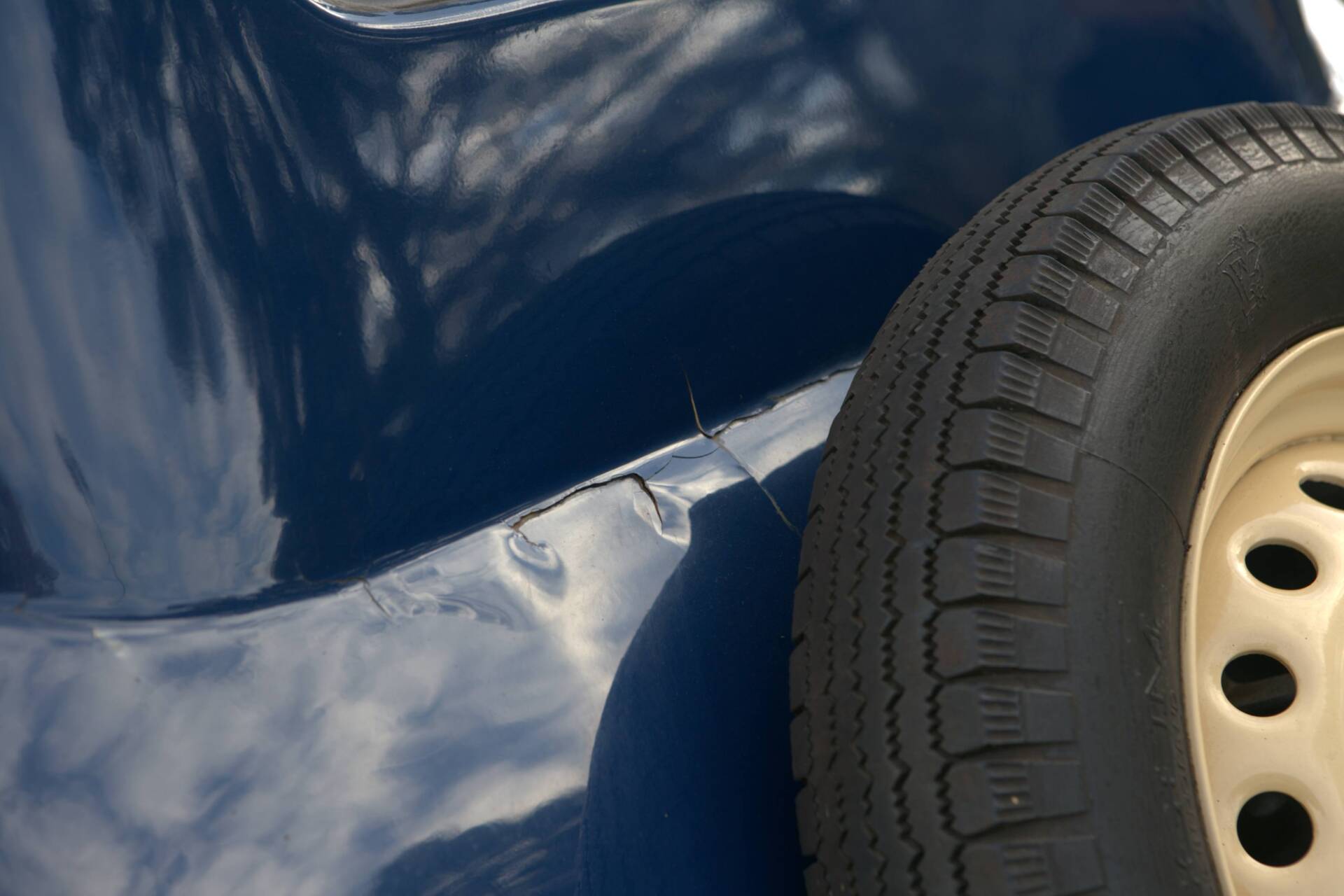
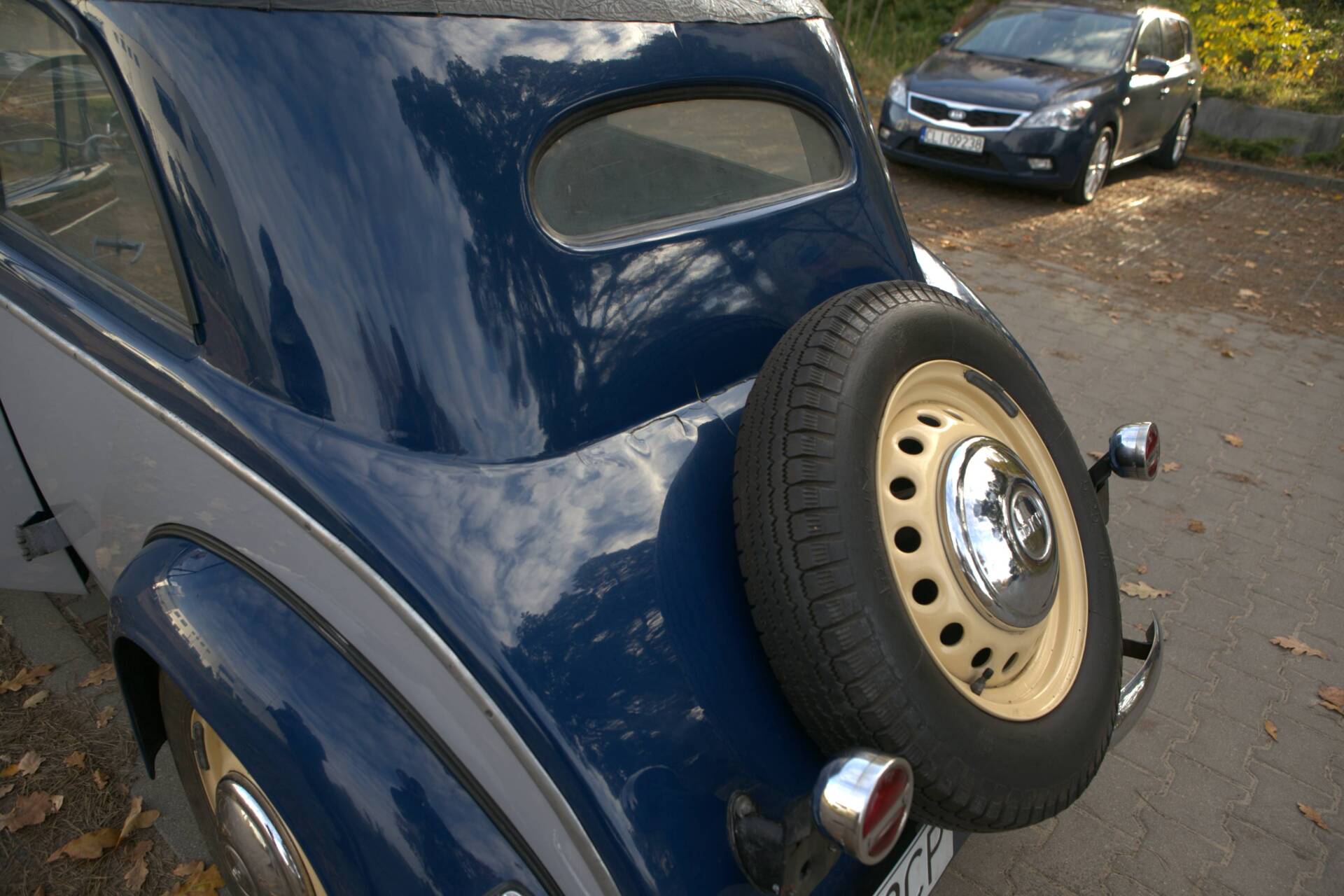
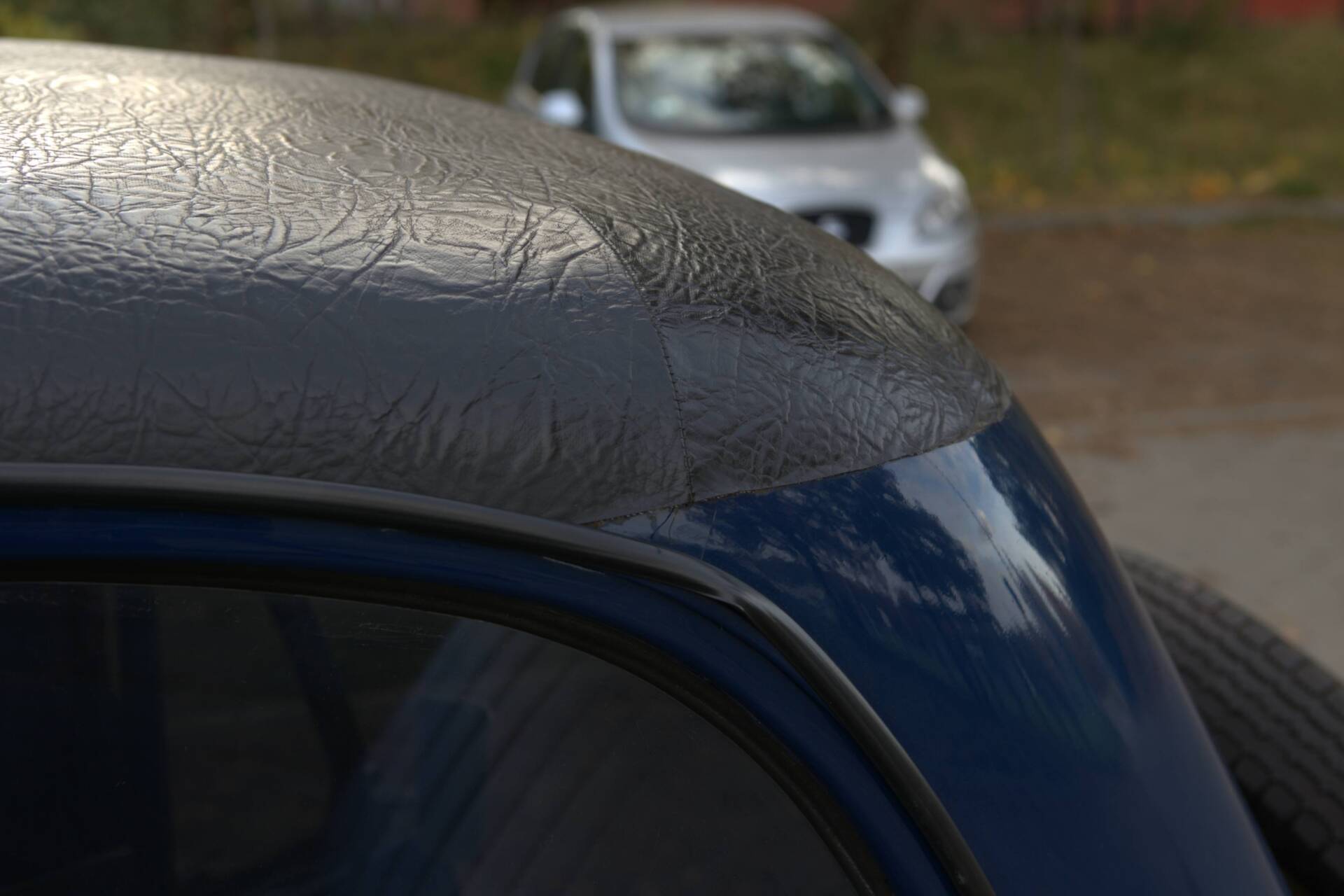
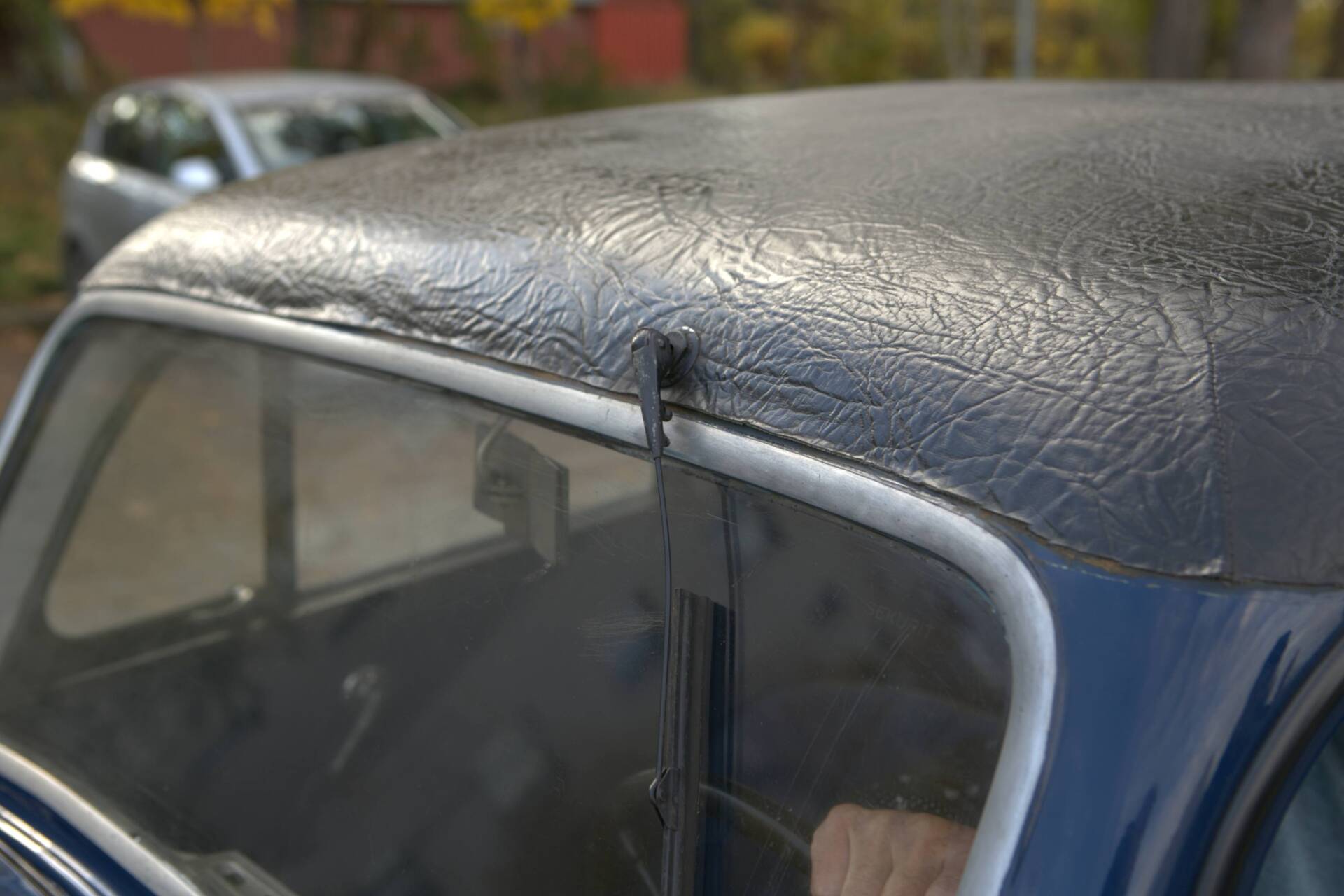
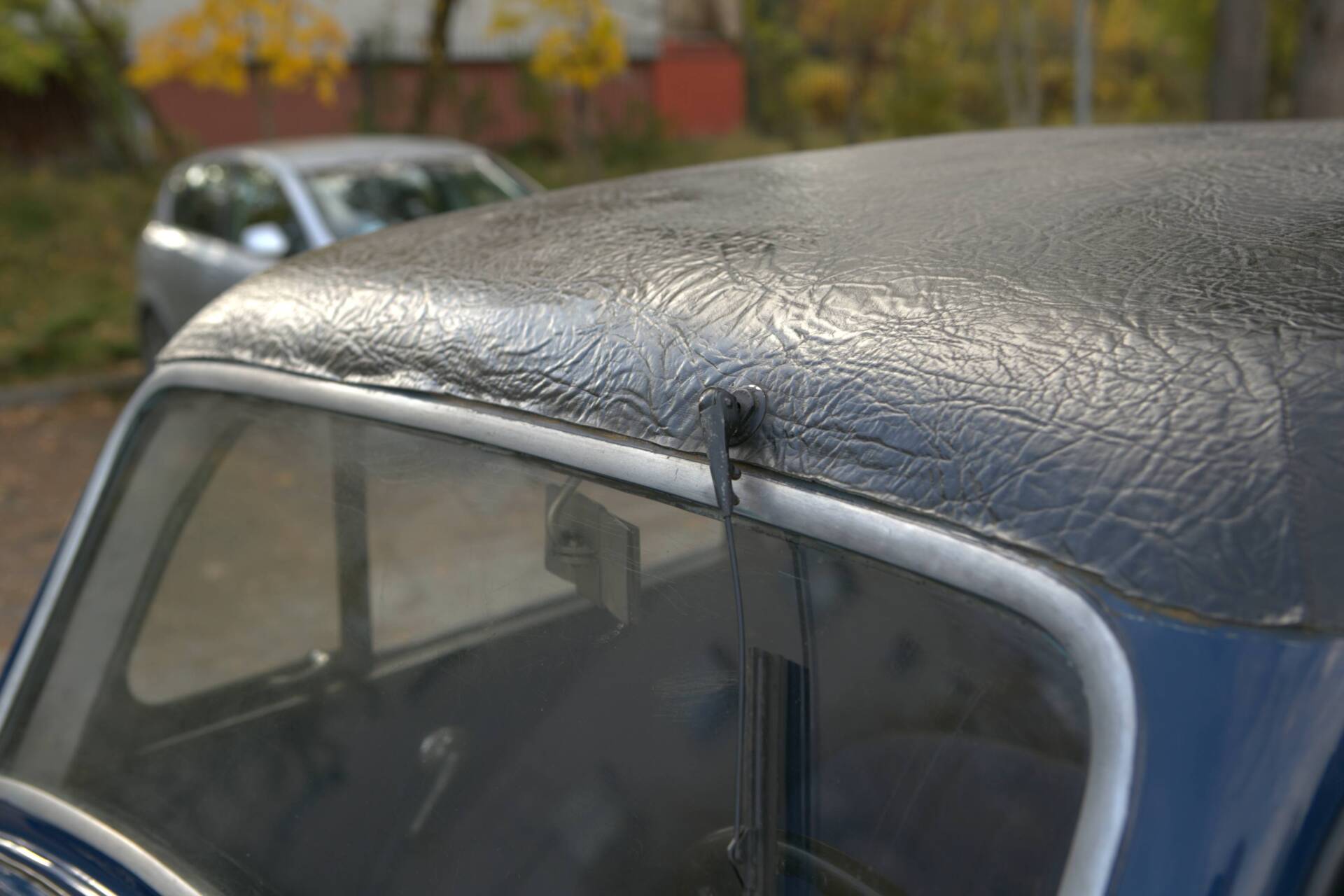
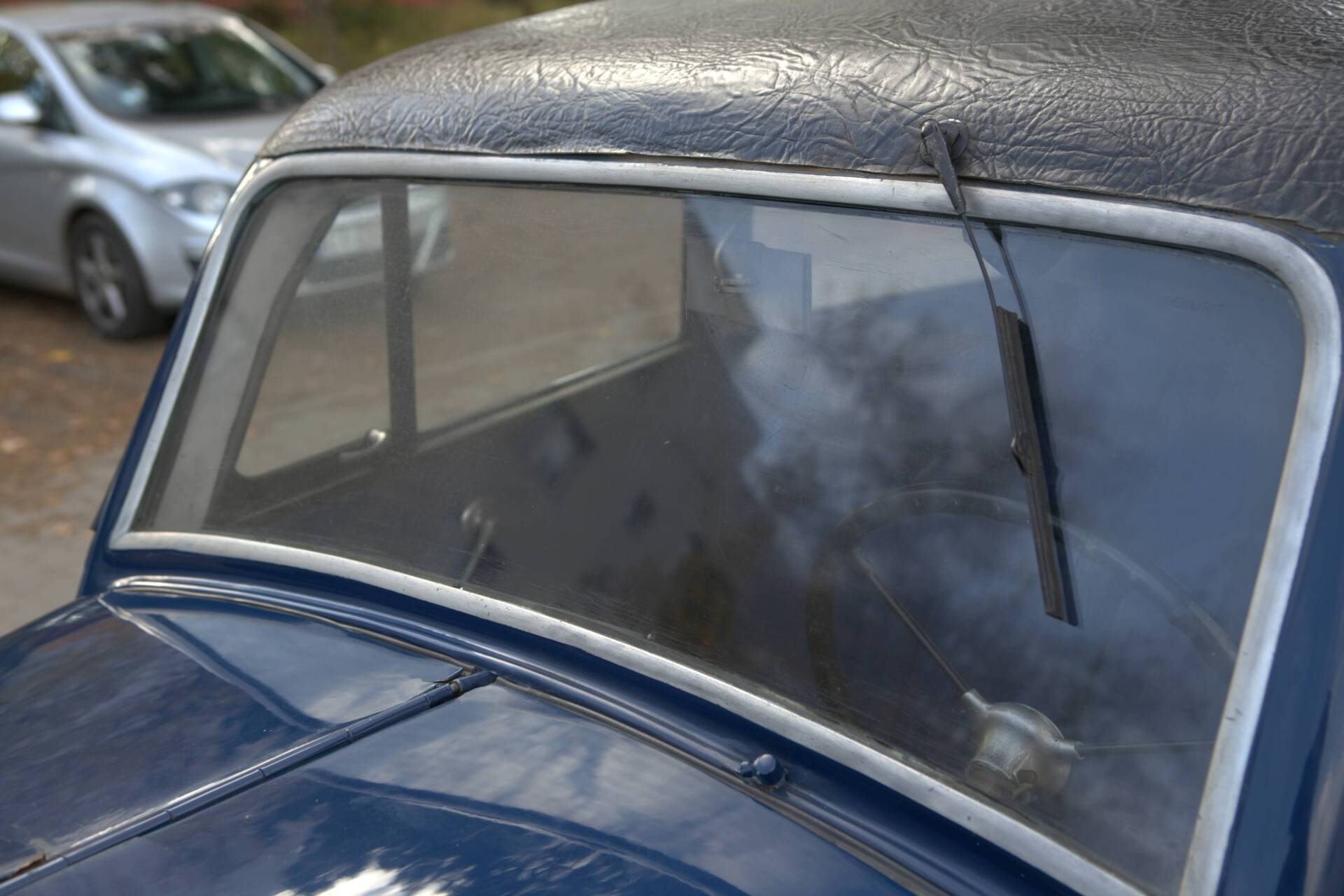
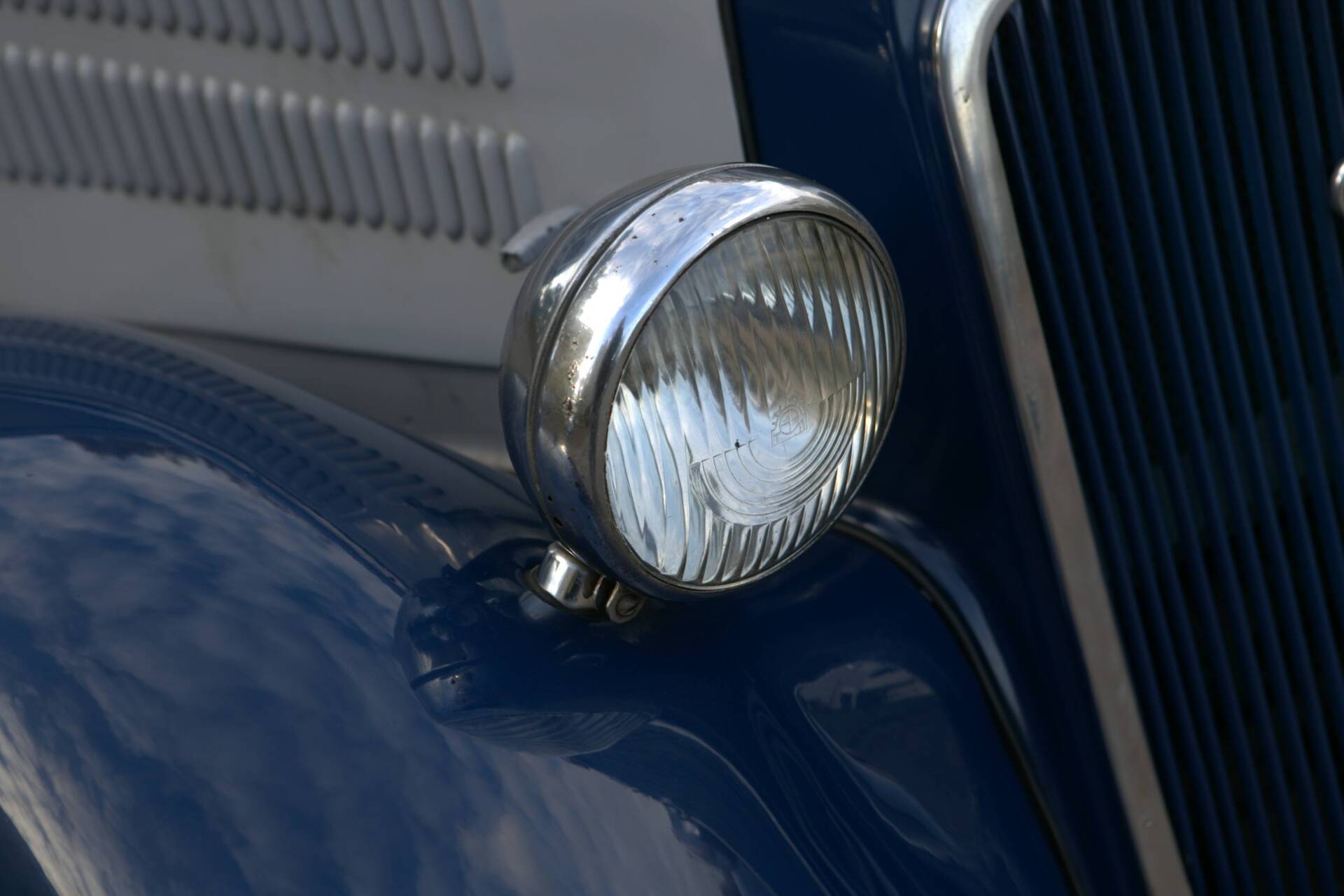
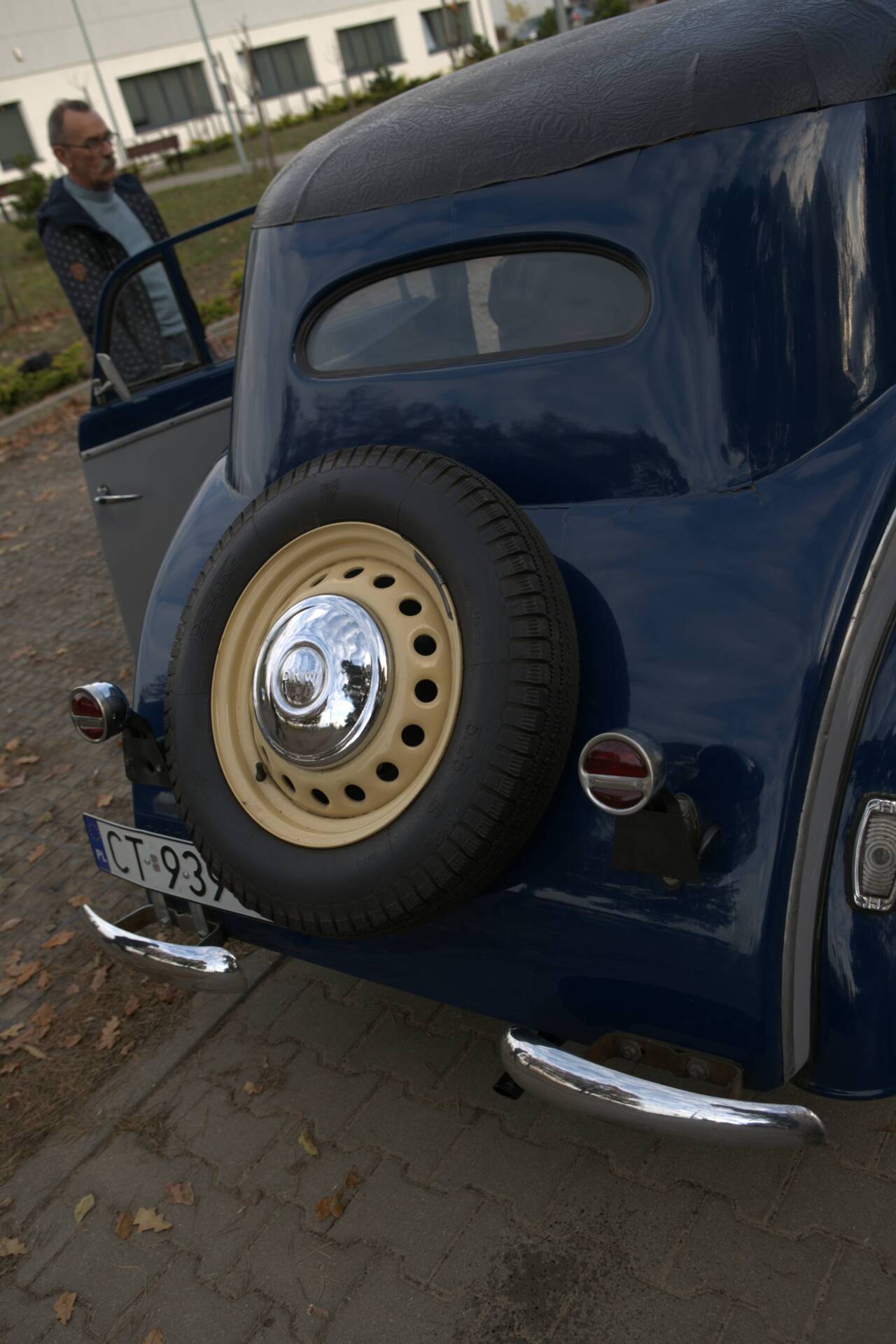
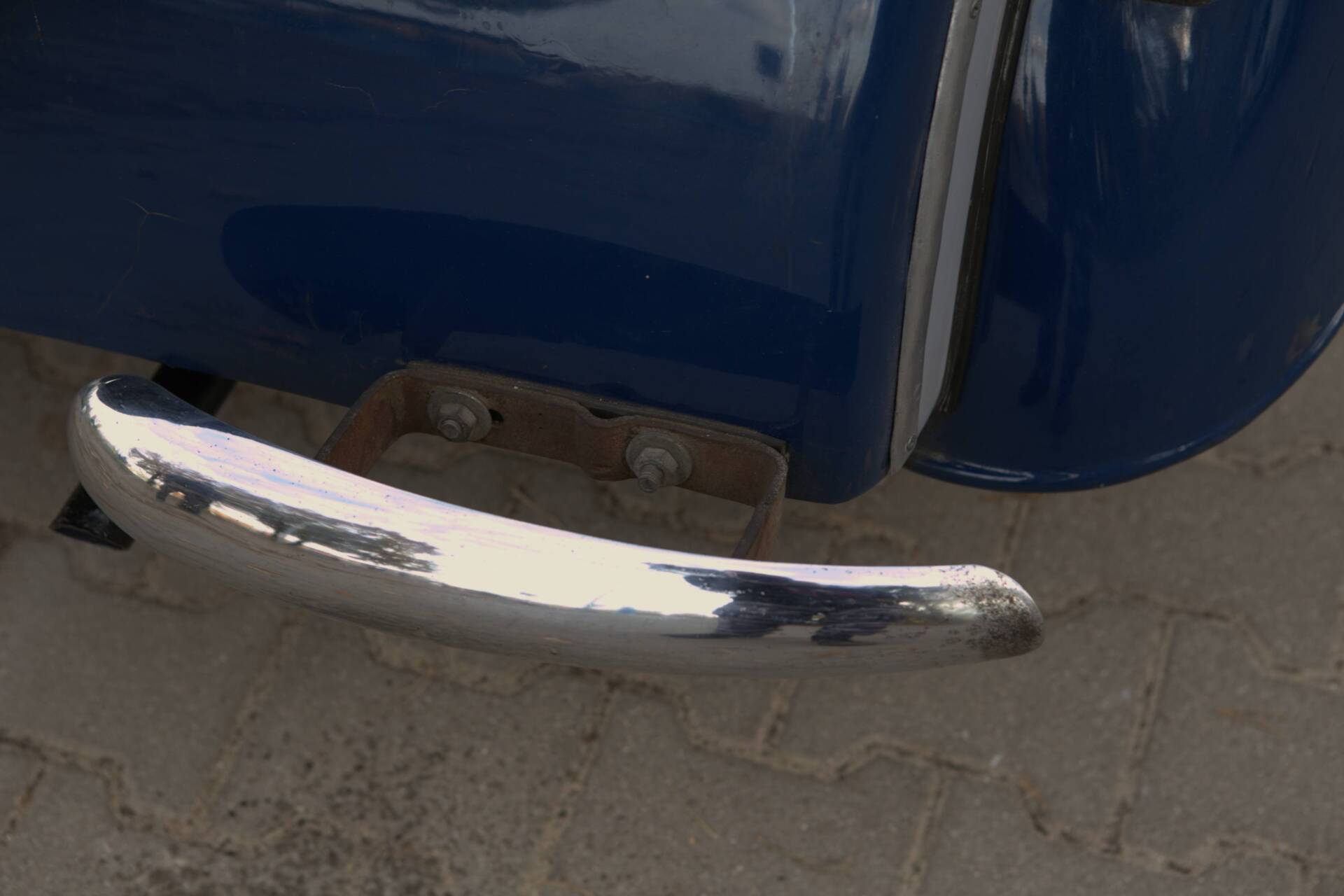
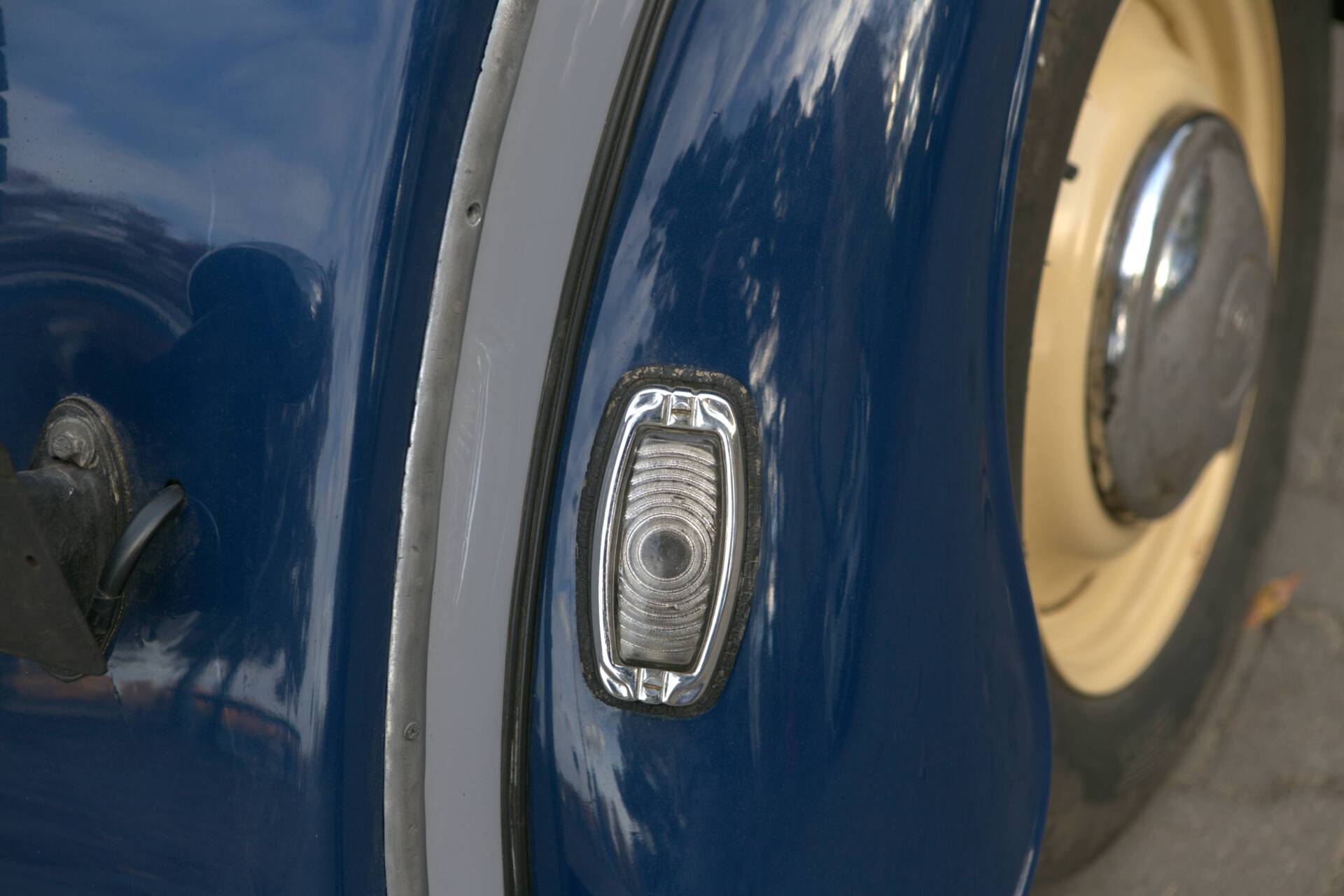
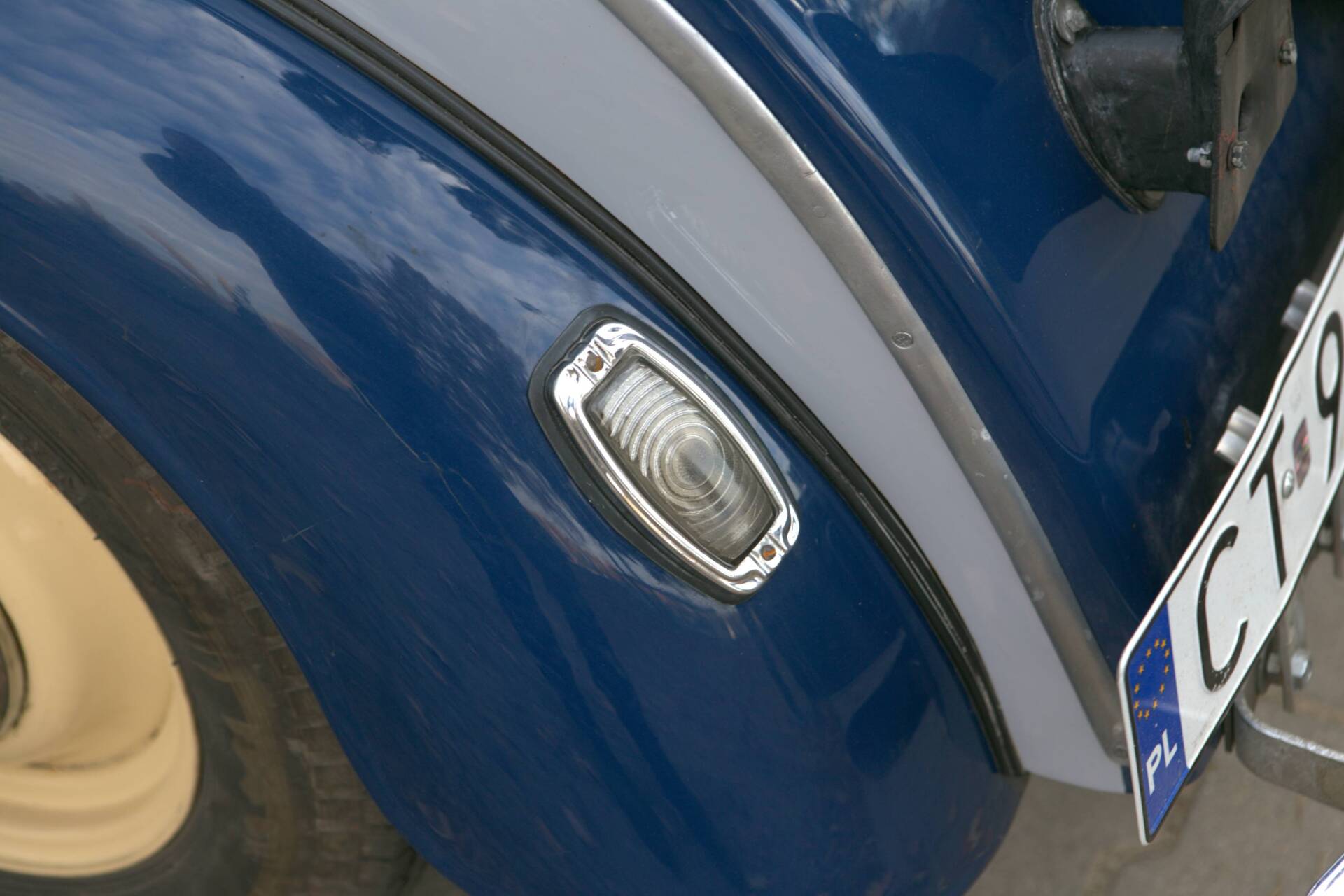
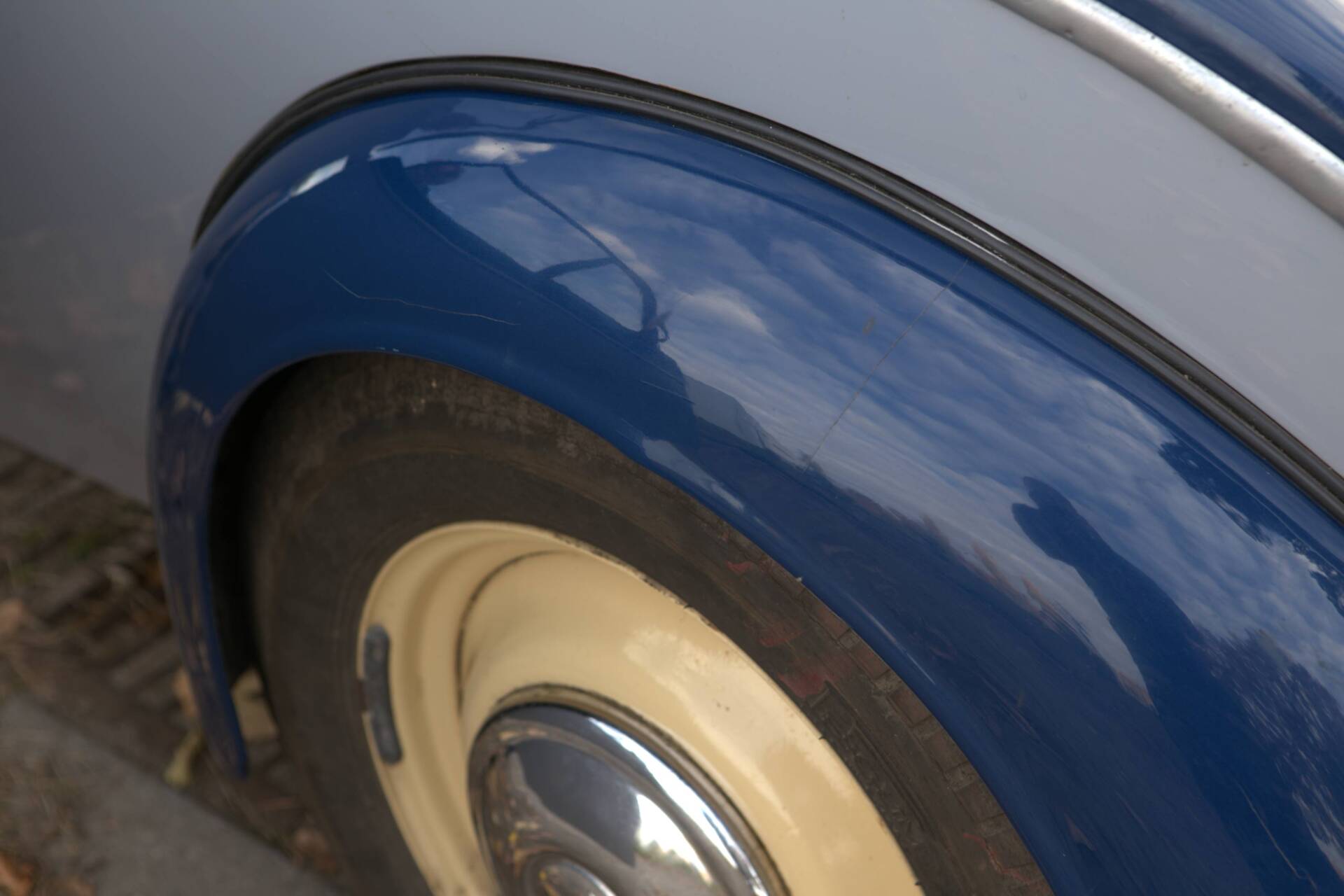
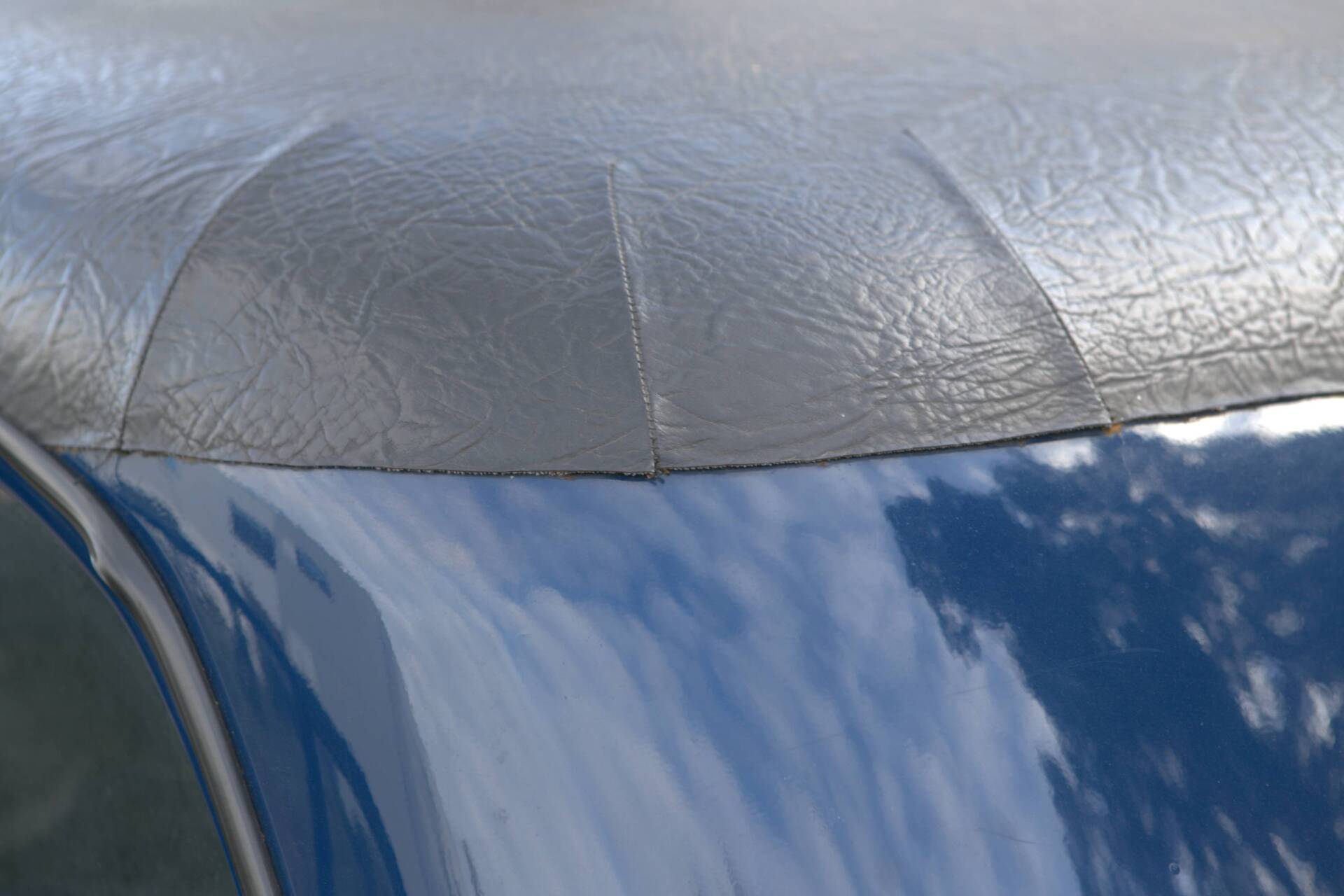
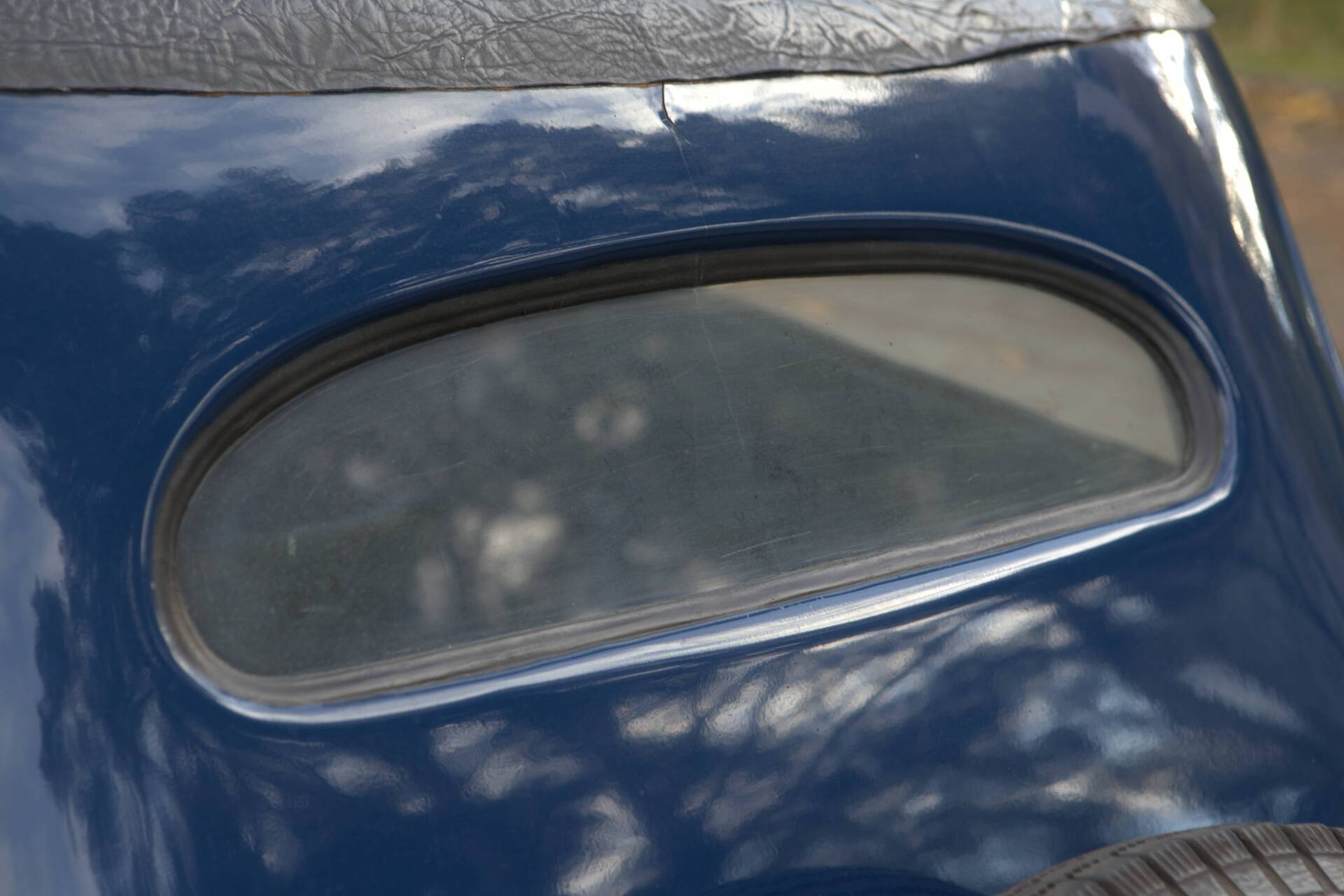
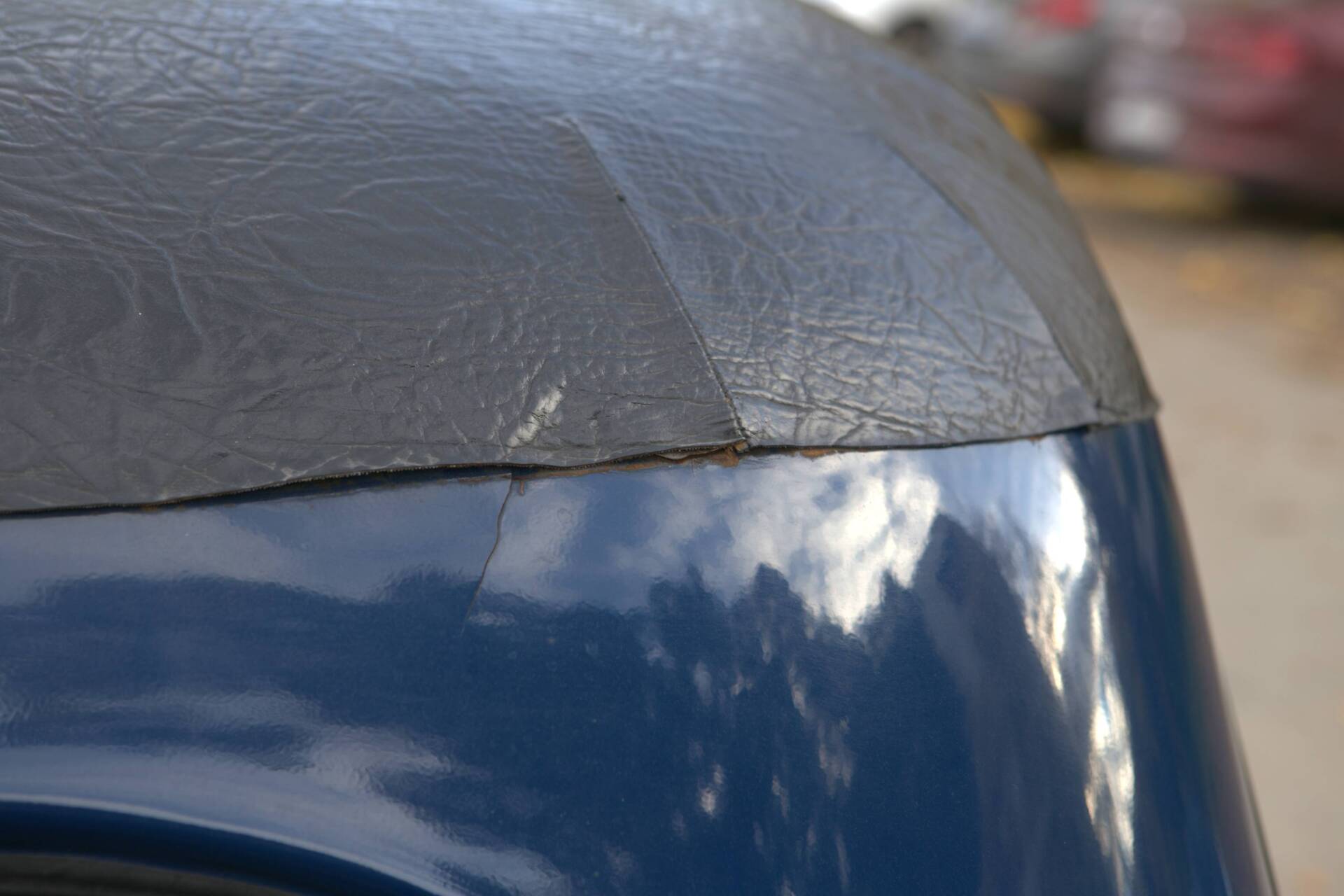
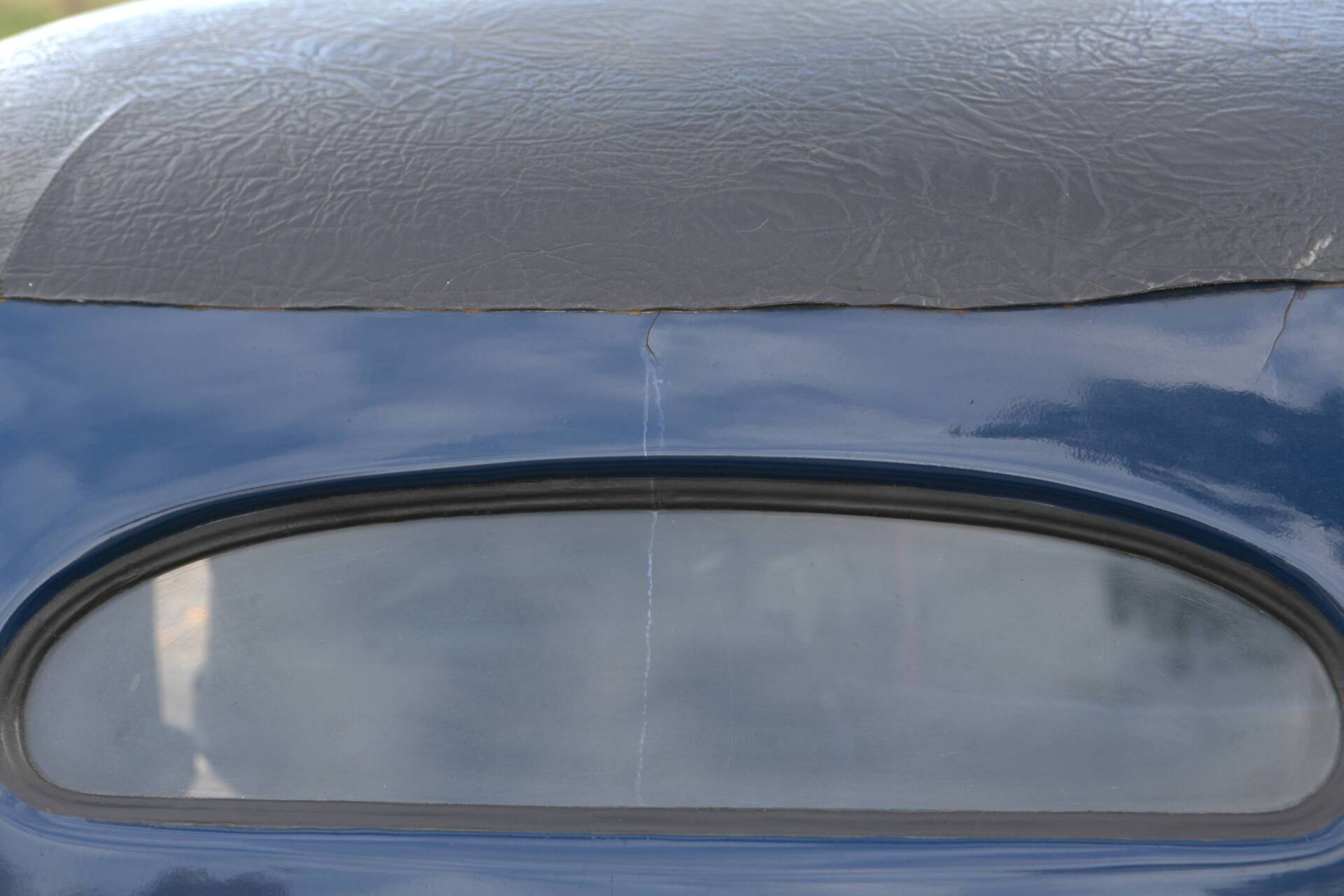
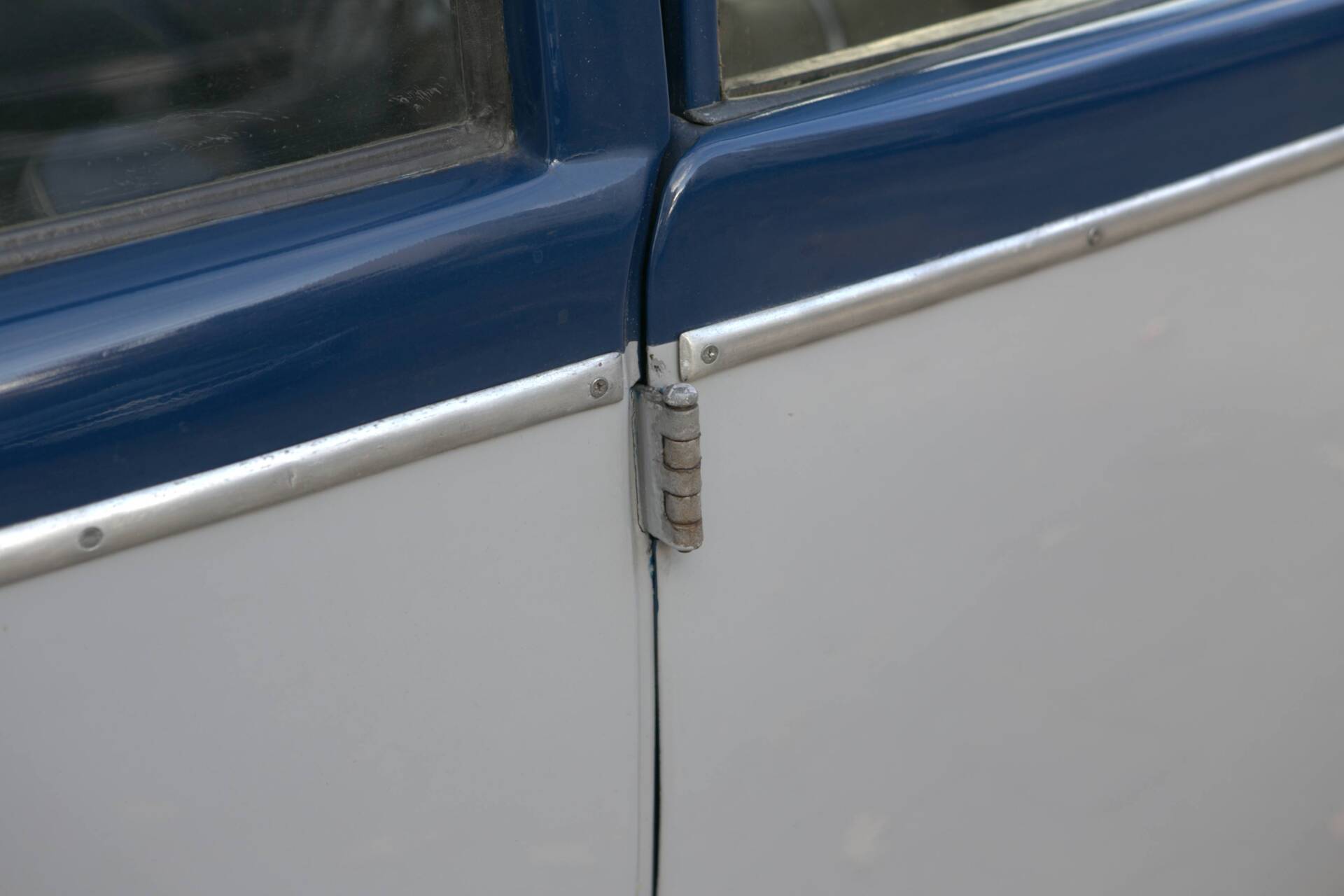
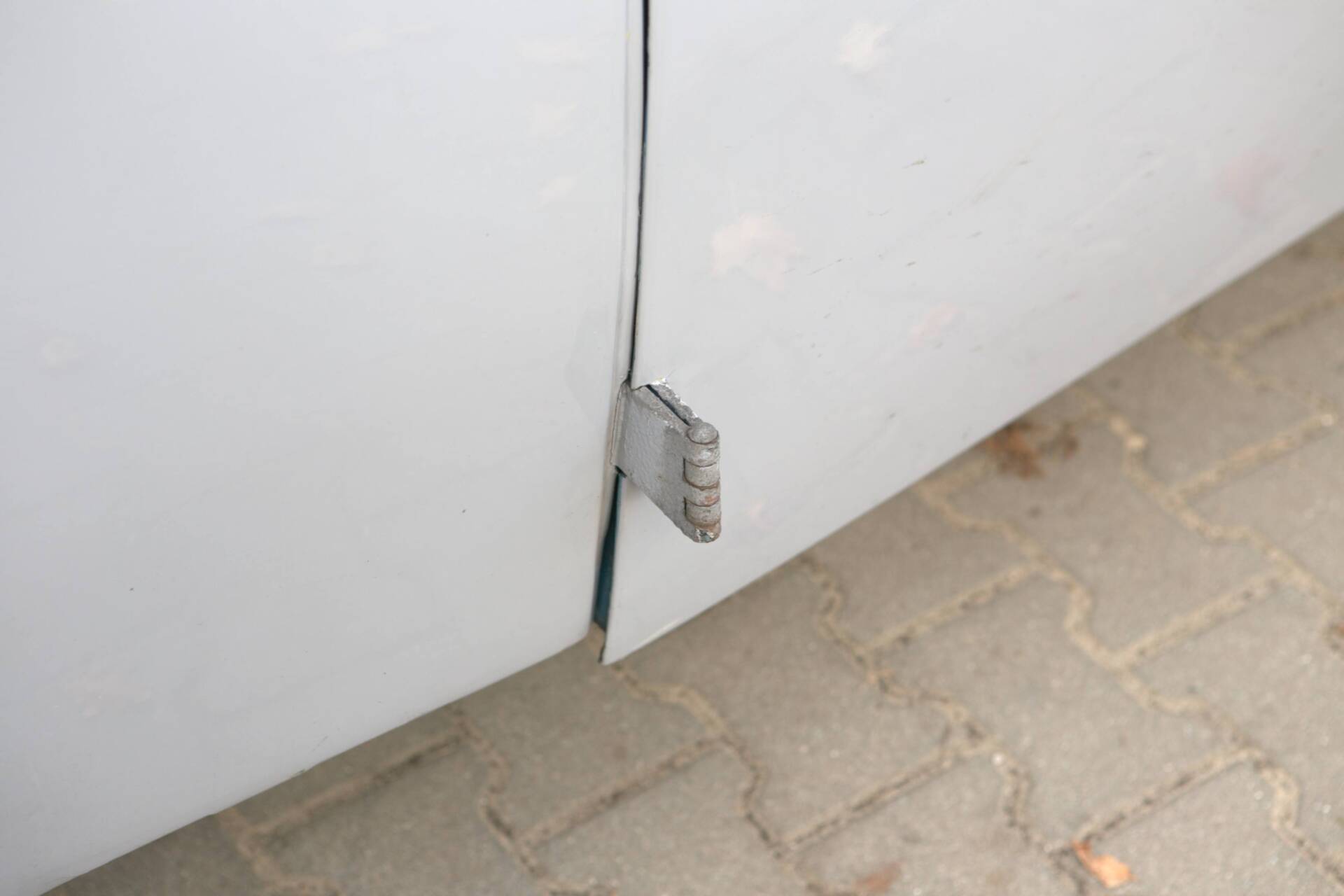
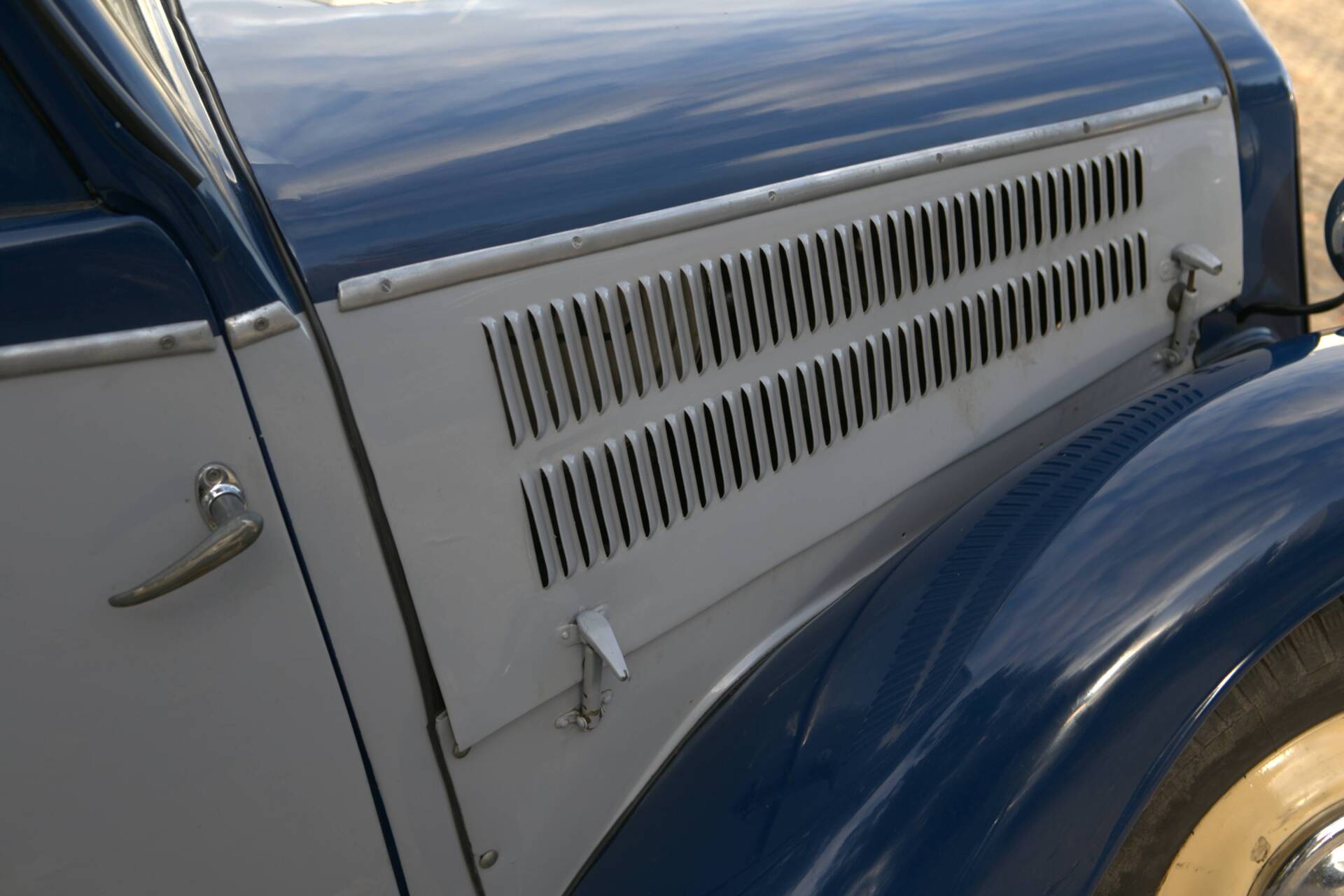
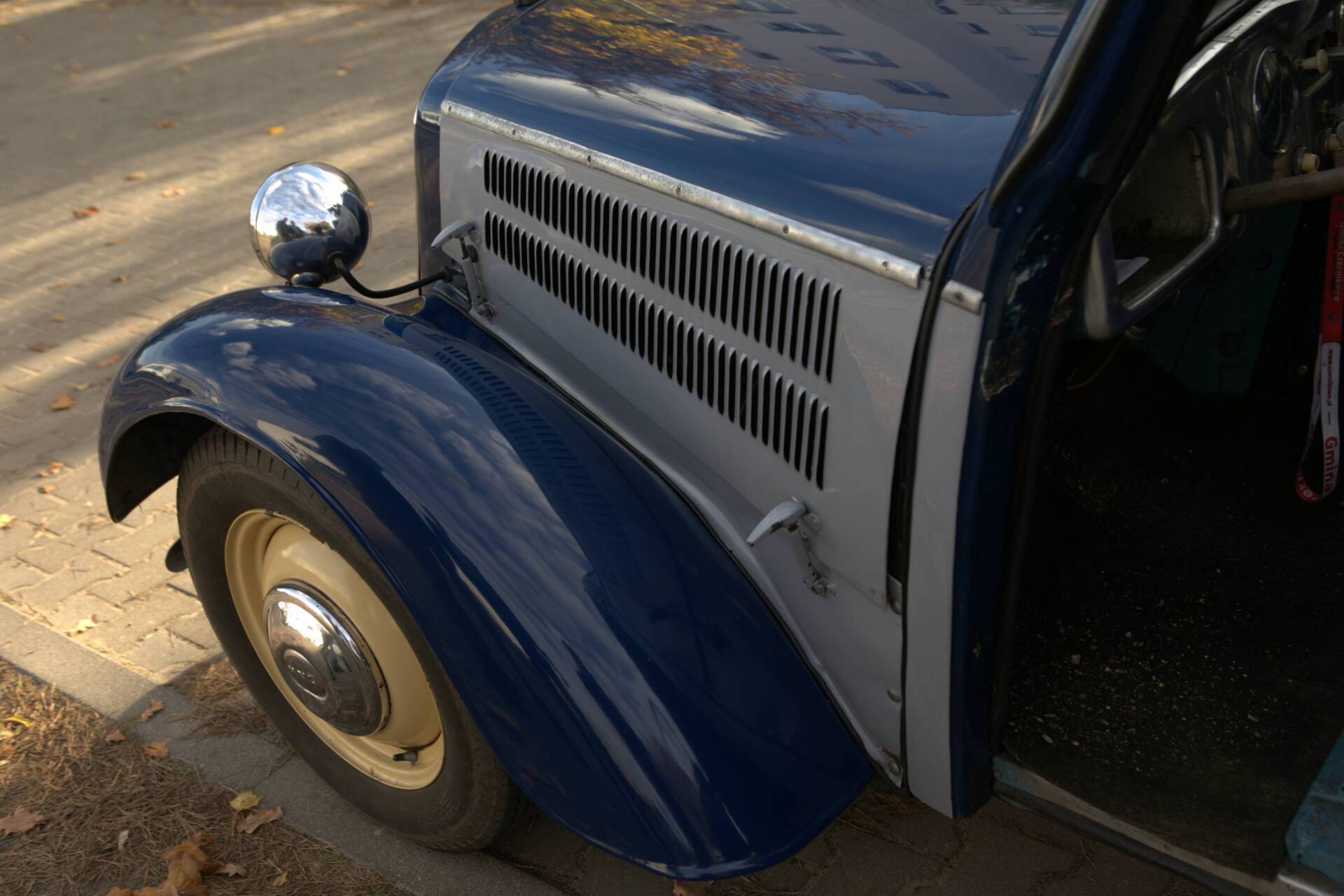
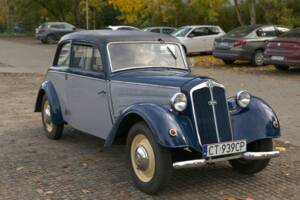
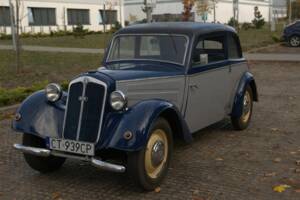
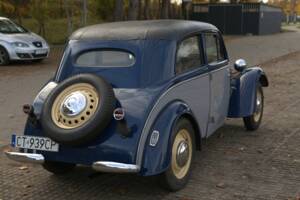
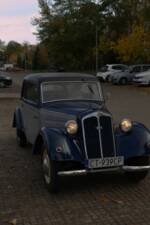
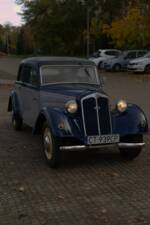
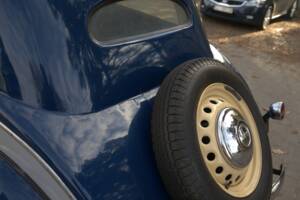
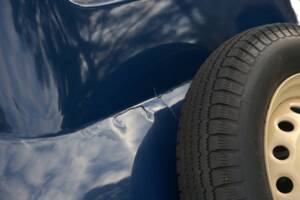
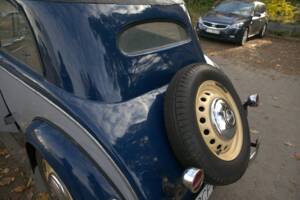
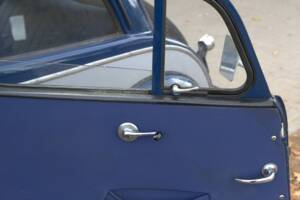
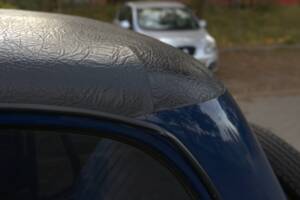
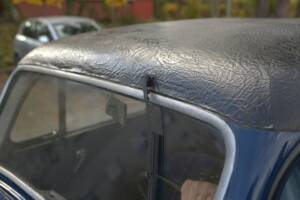
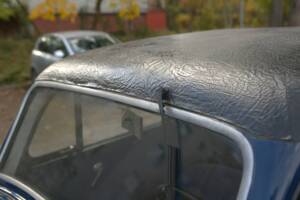
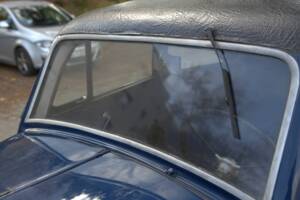
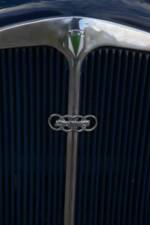
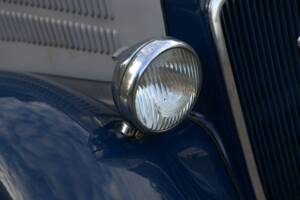
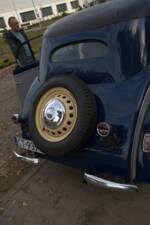
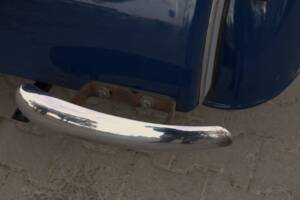
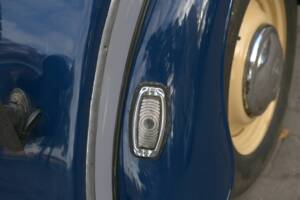
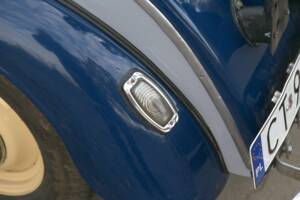
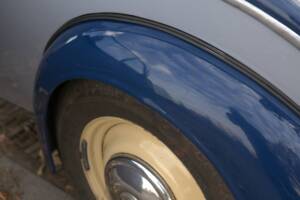
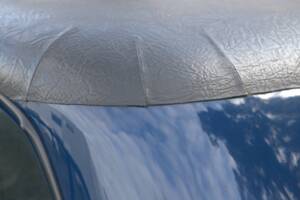
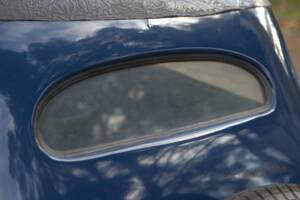
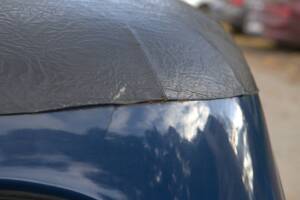
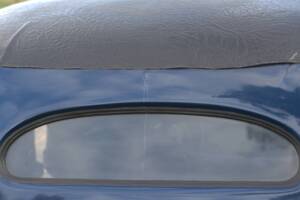
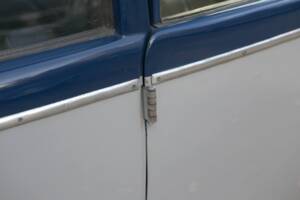
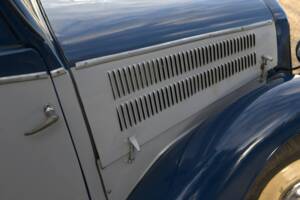
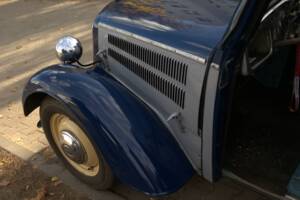
Built in 1939, this DKW is finished in blue. Its open body incorporates a wooden structure which, according to the seller, is in very good condition. The combination of traditional pre-war styling and DKW's characteristic wooden construction forms an important part of this example's visual and technical appeal.
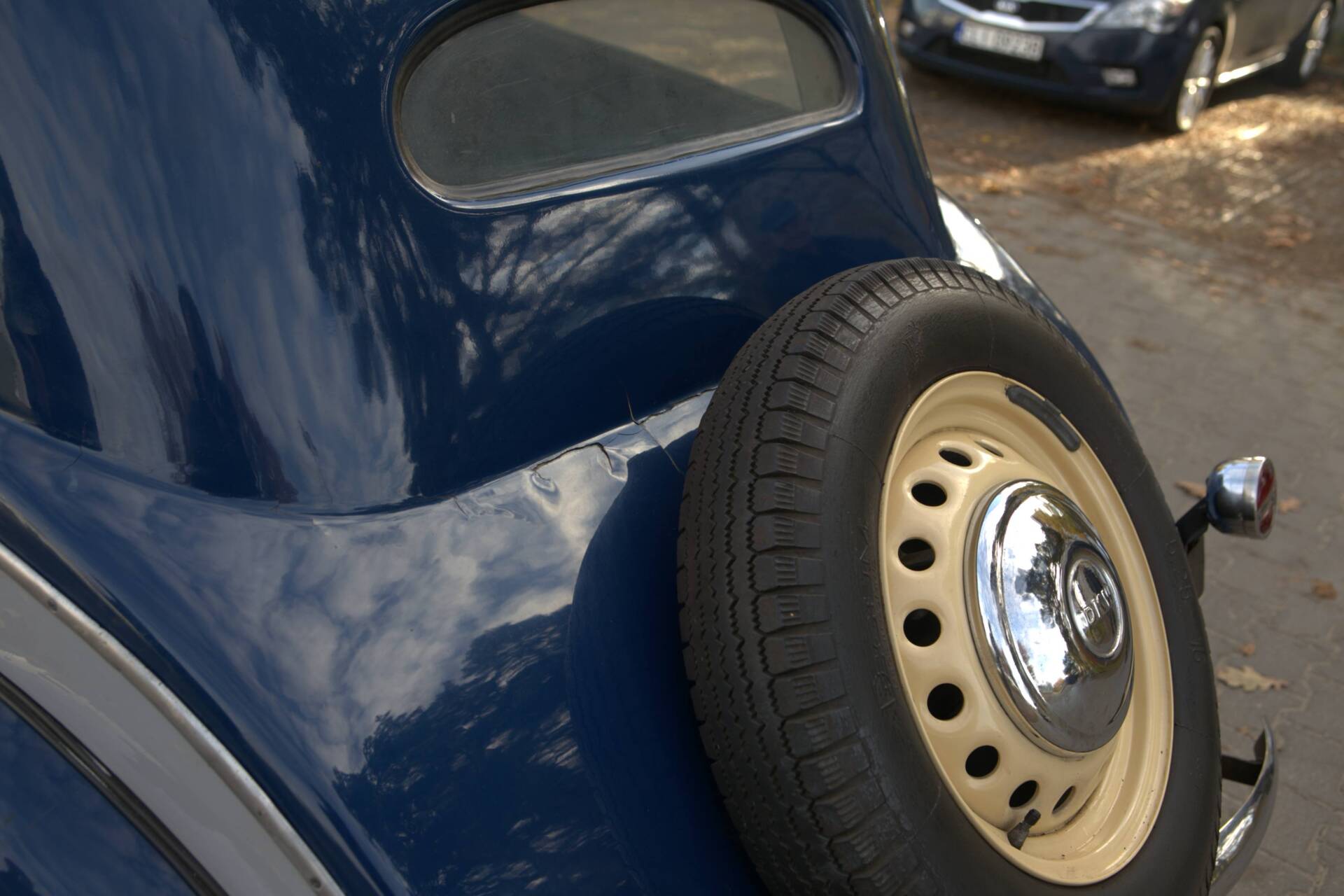
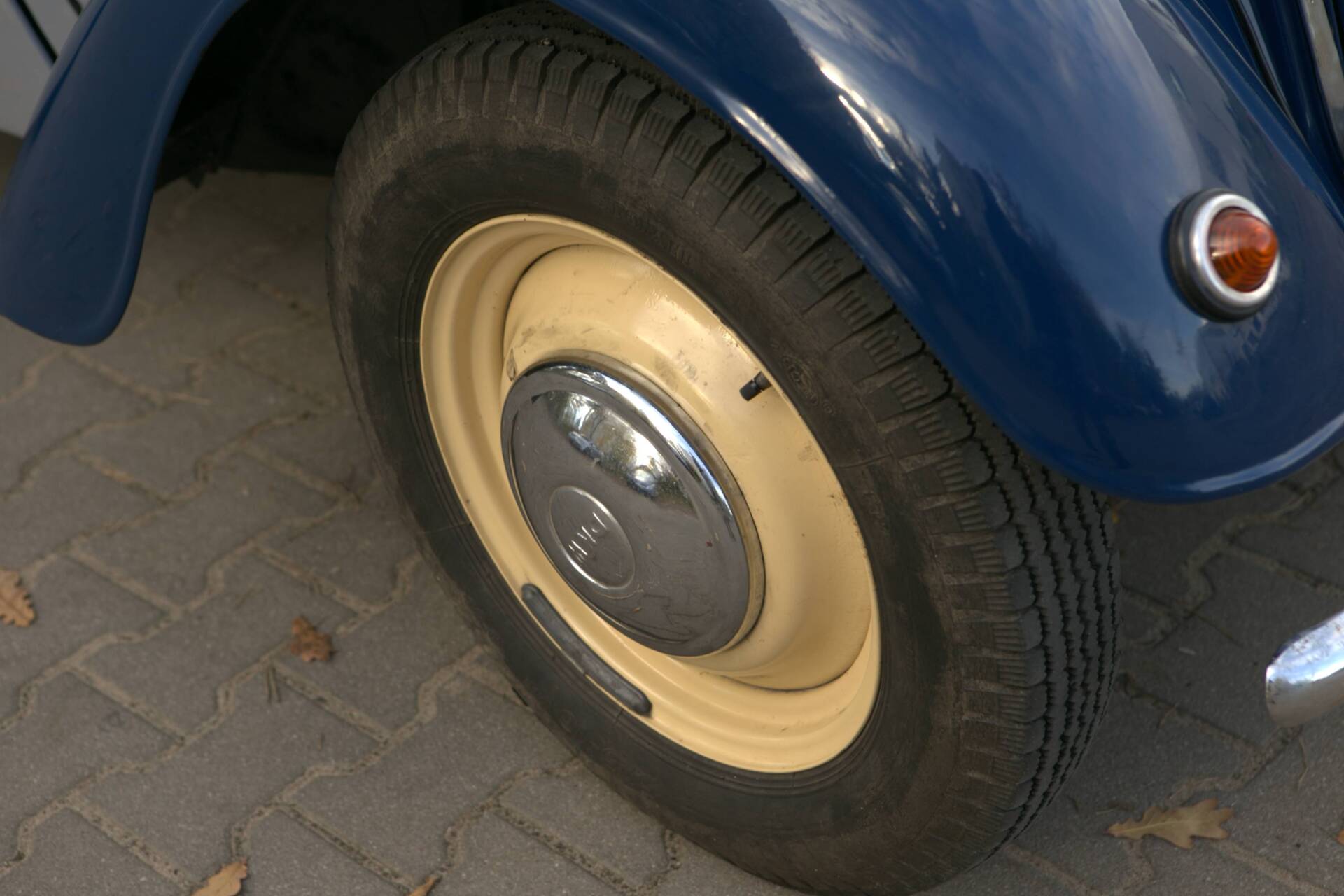
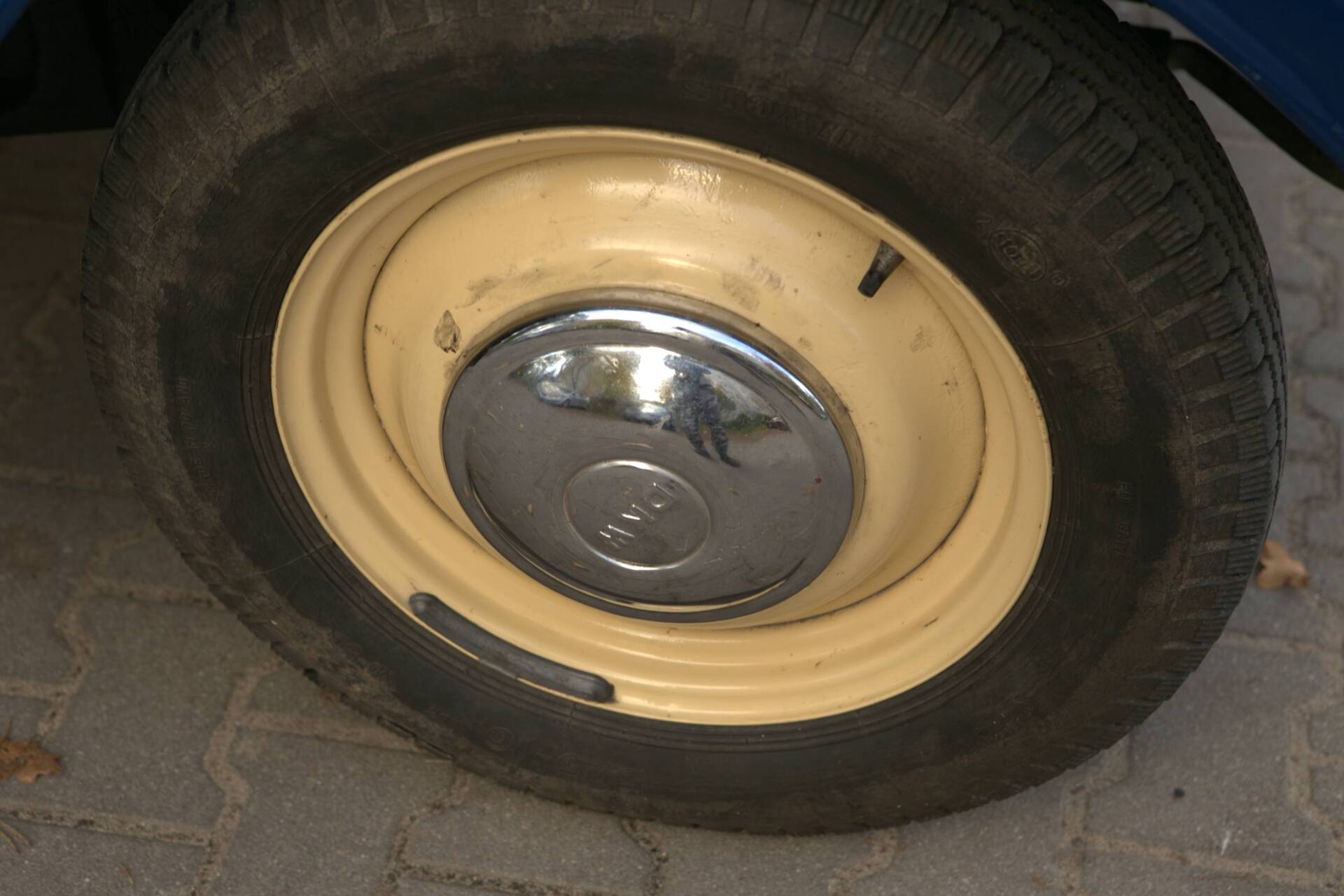
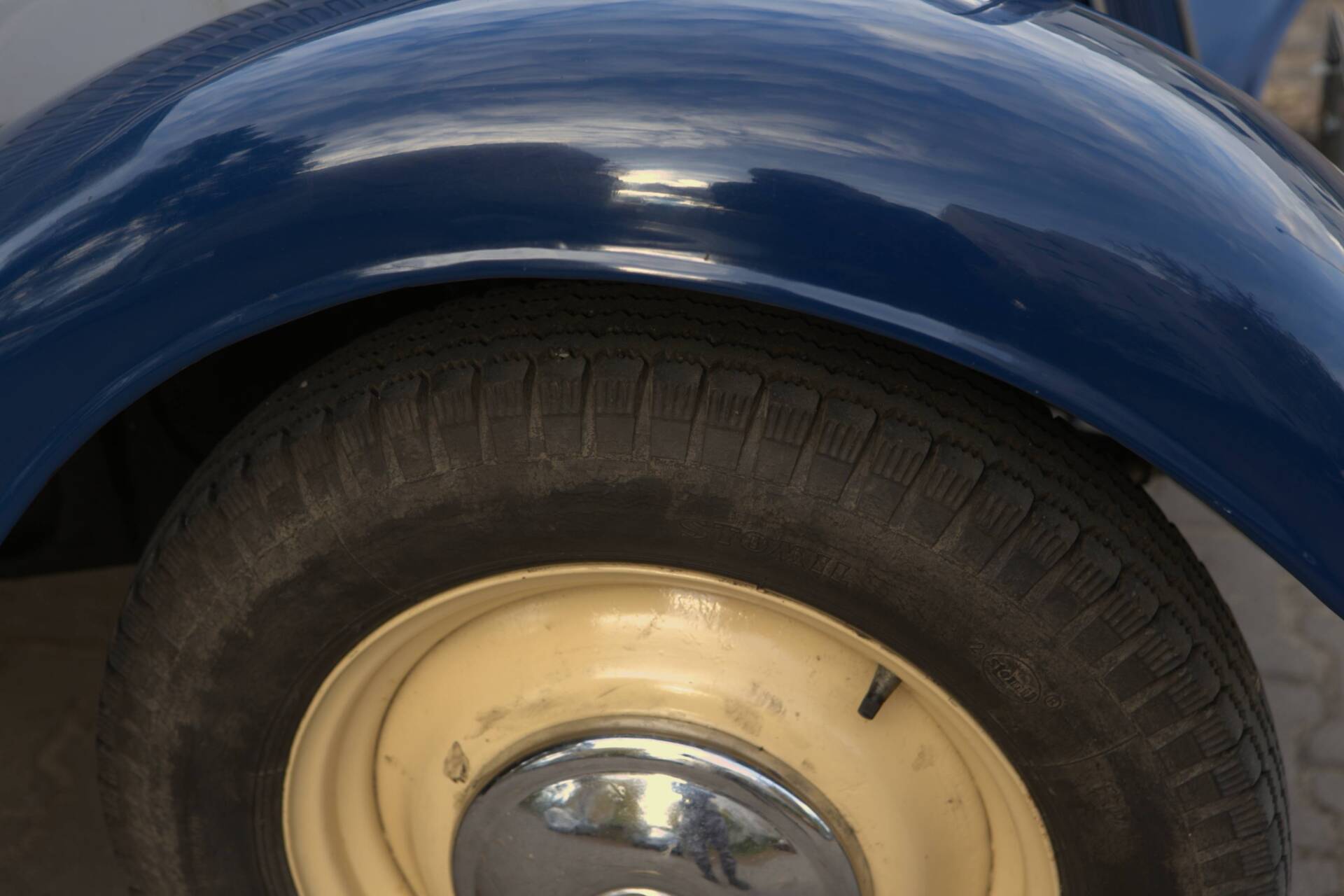
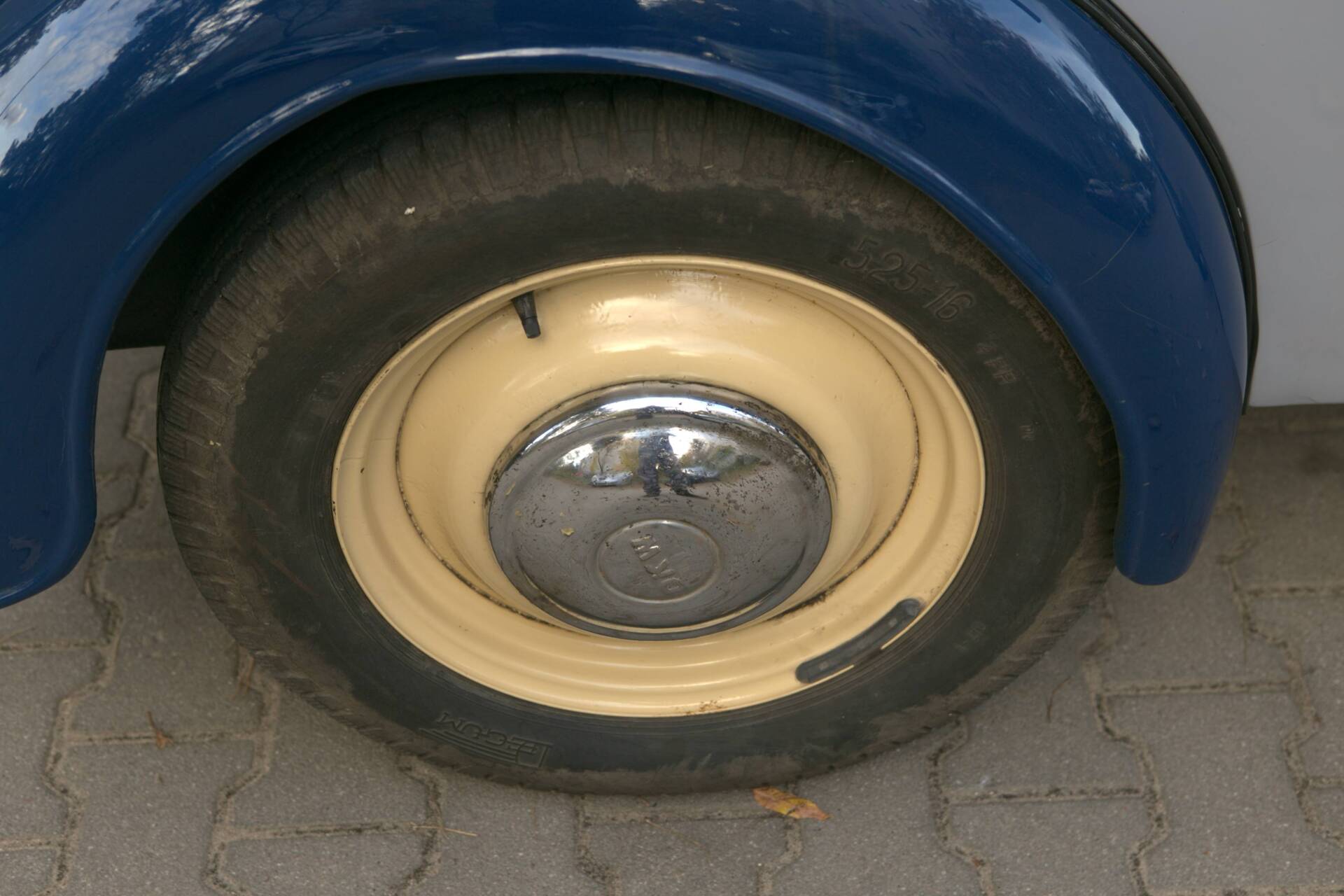
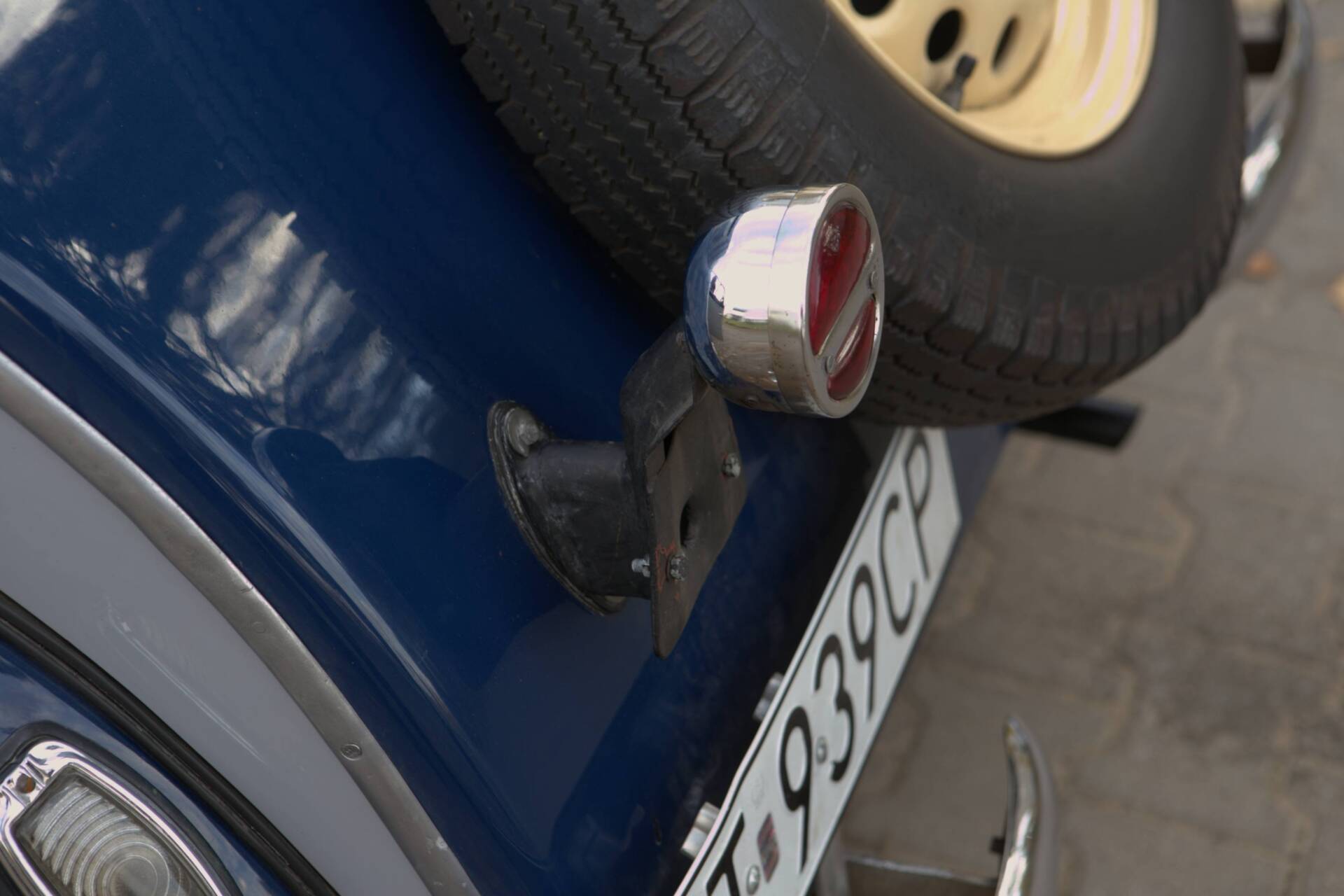
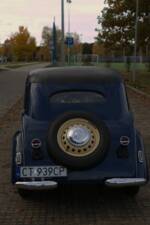
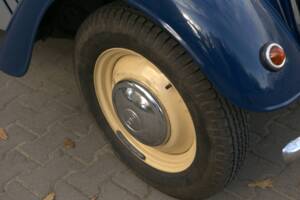
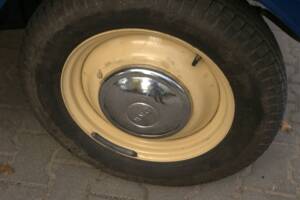
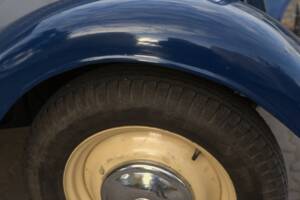
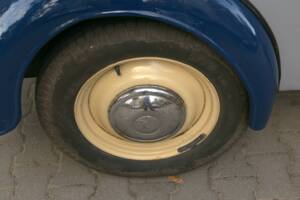
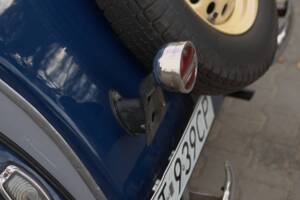
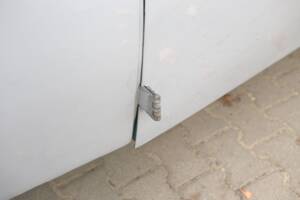
The car has been kept under cover in a garage. A functional spare wheel is included. Preservation of the body structure is particularly significant because the wooden framework forms an essential part of the coachwork on vehicles of this generation.
Interior
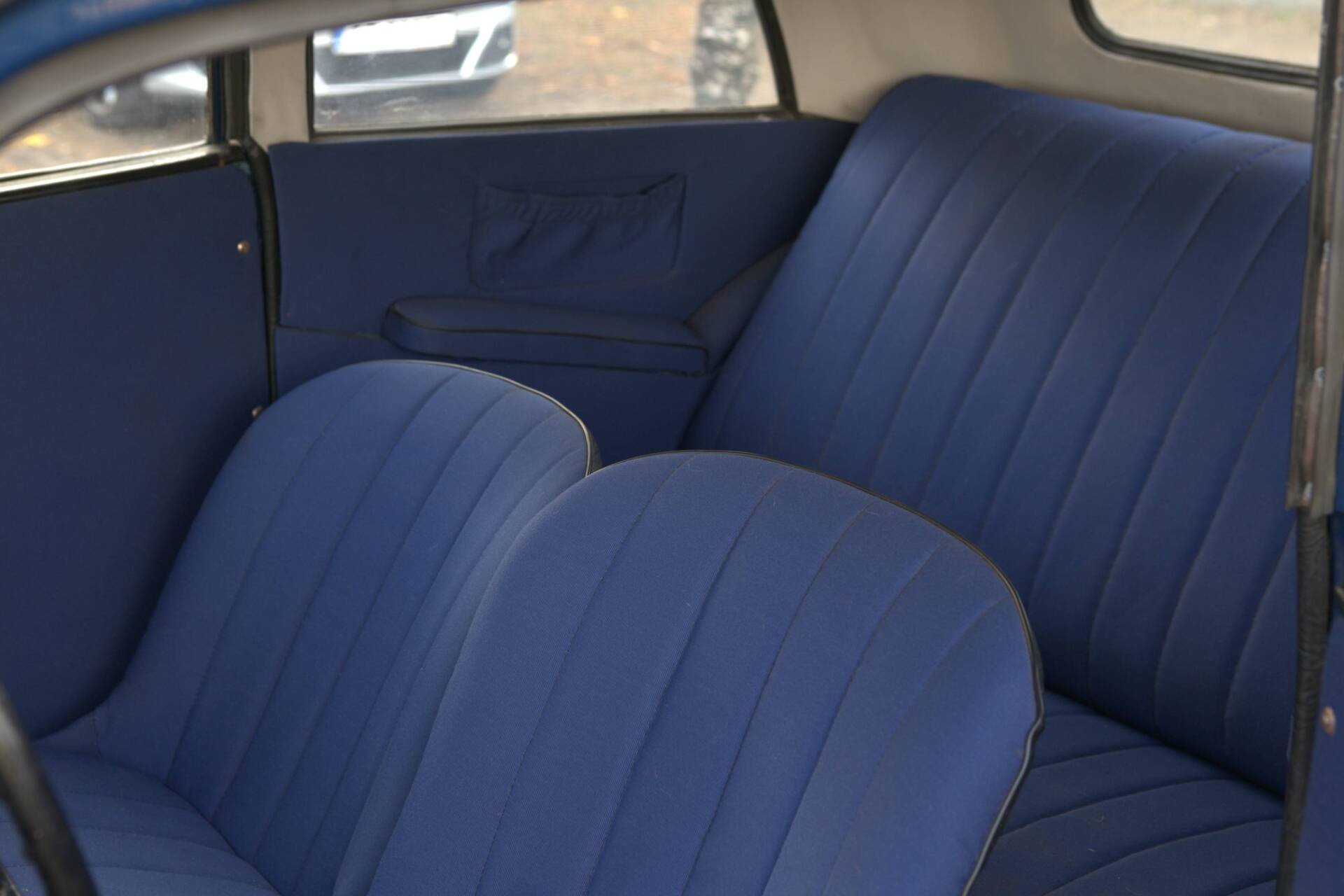
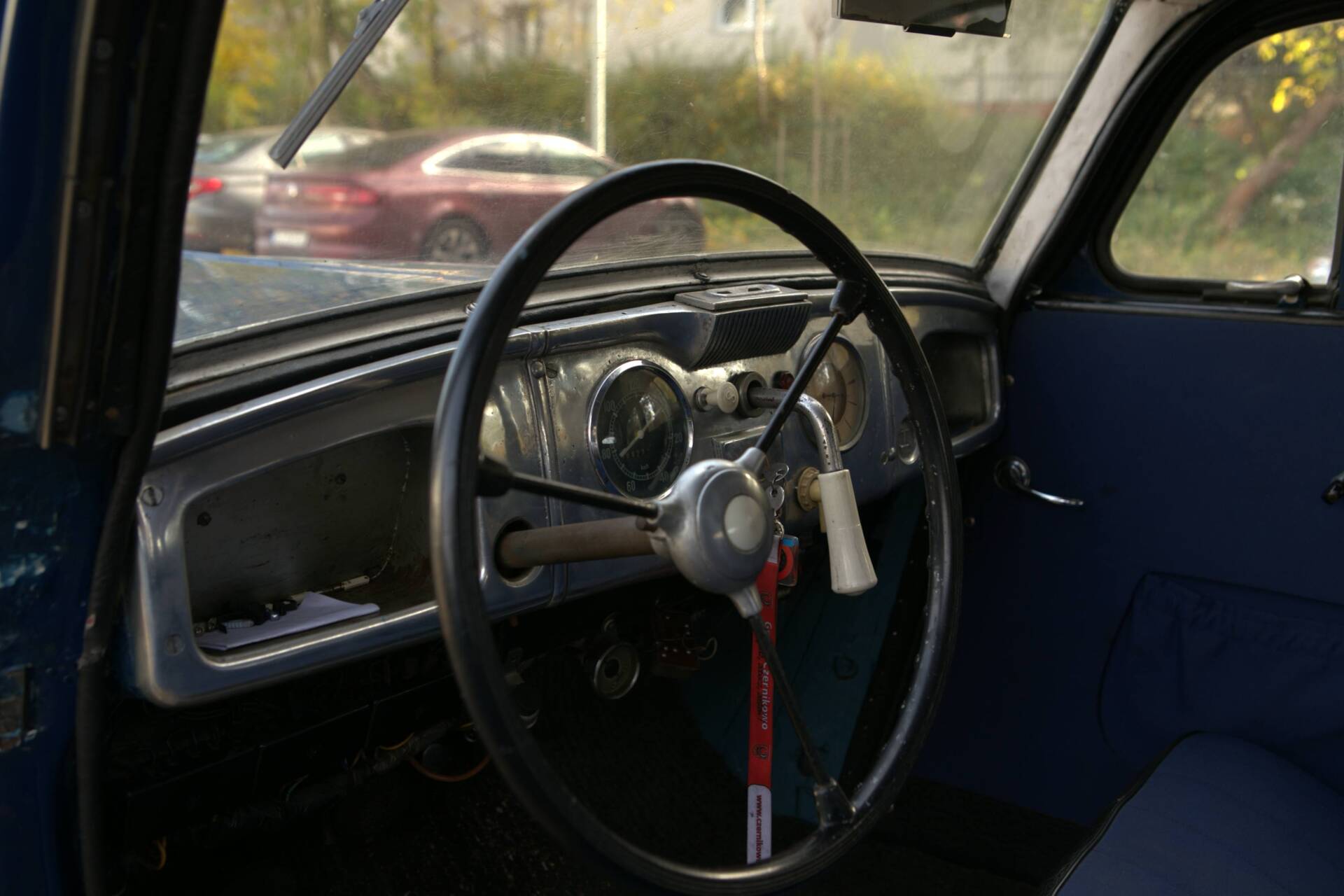
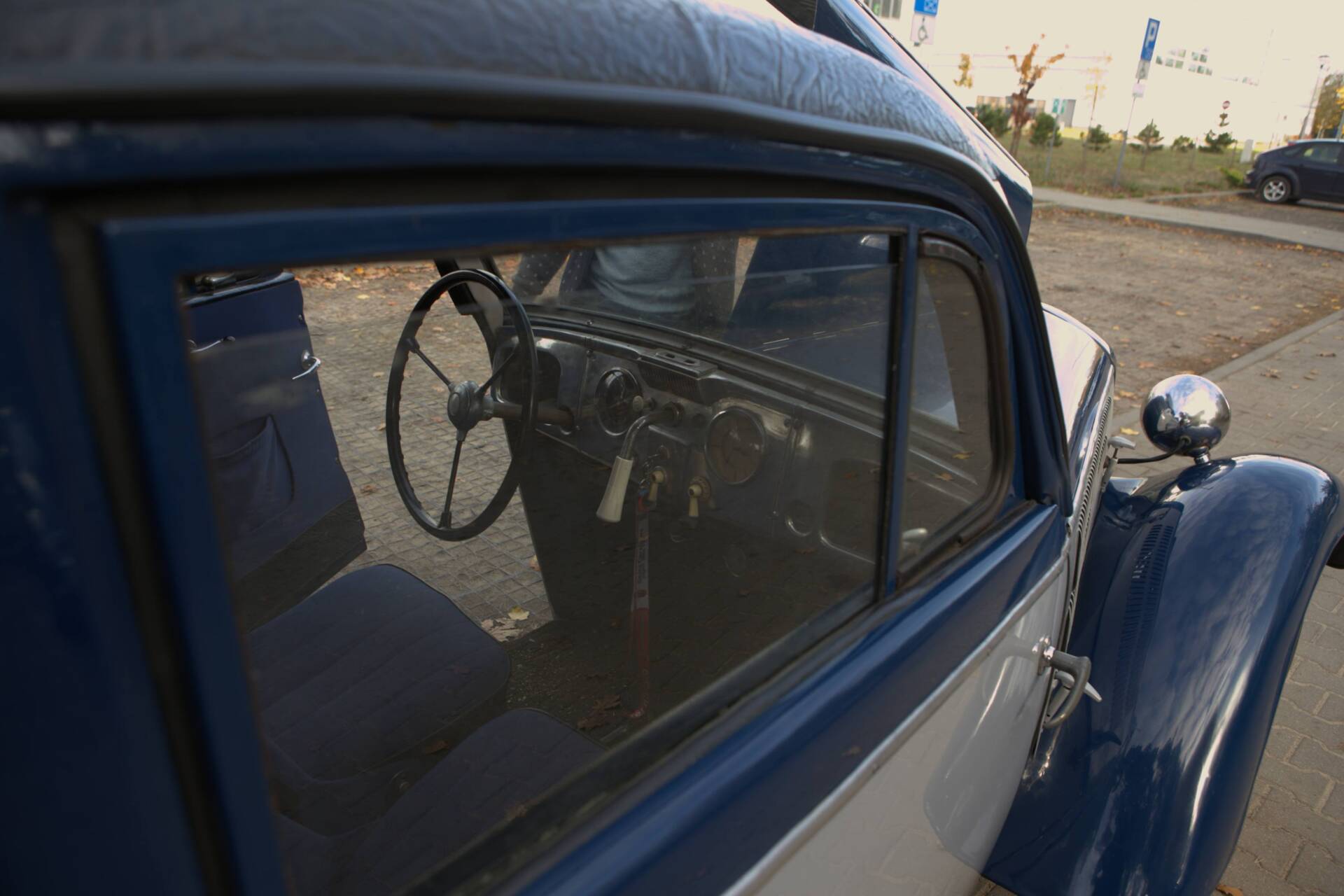
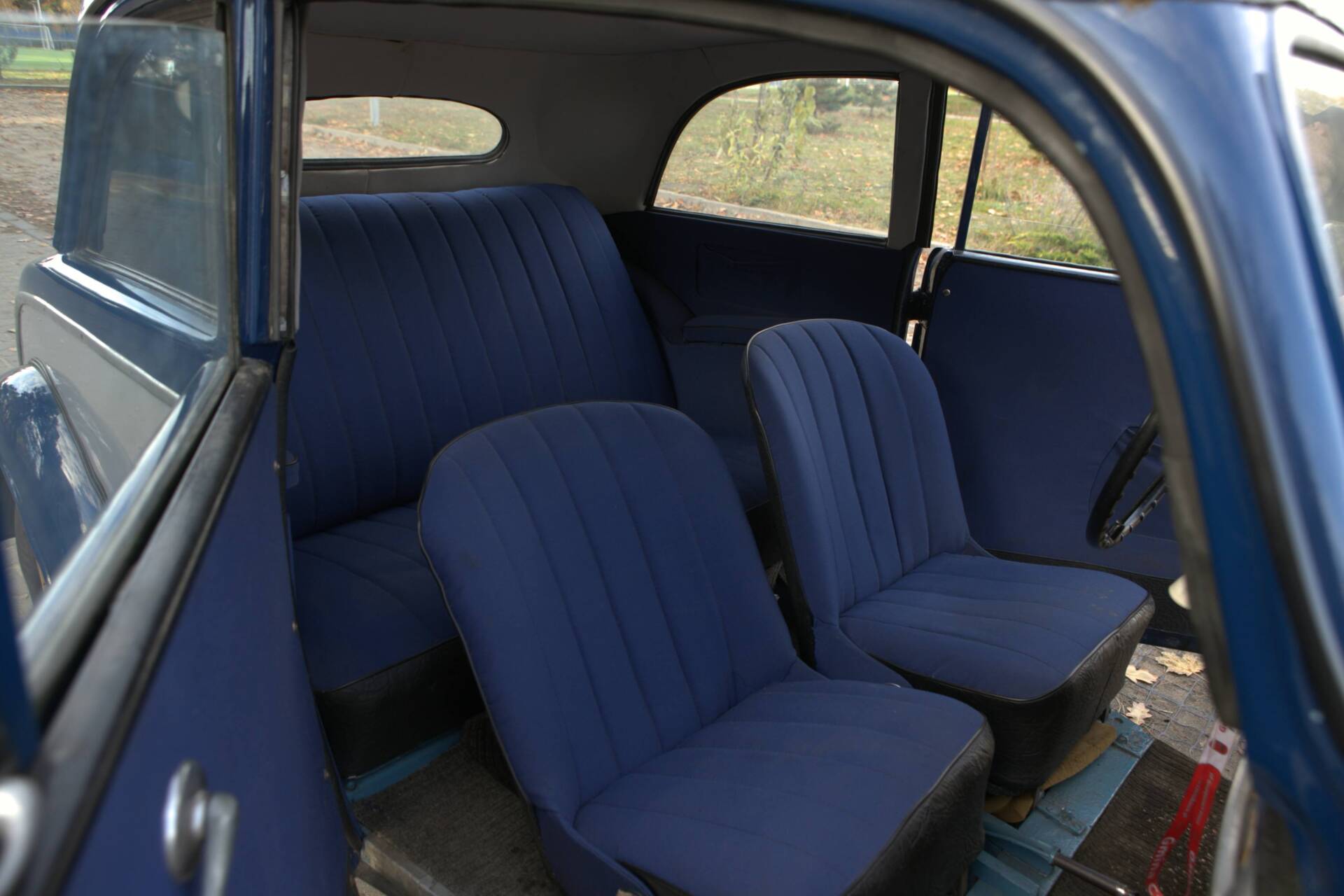
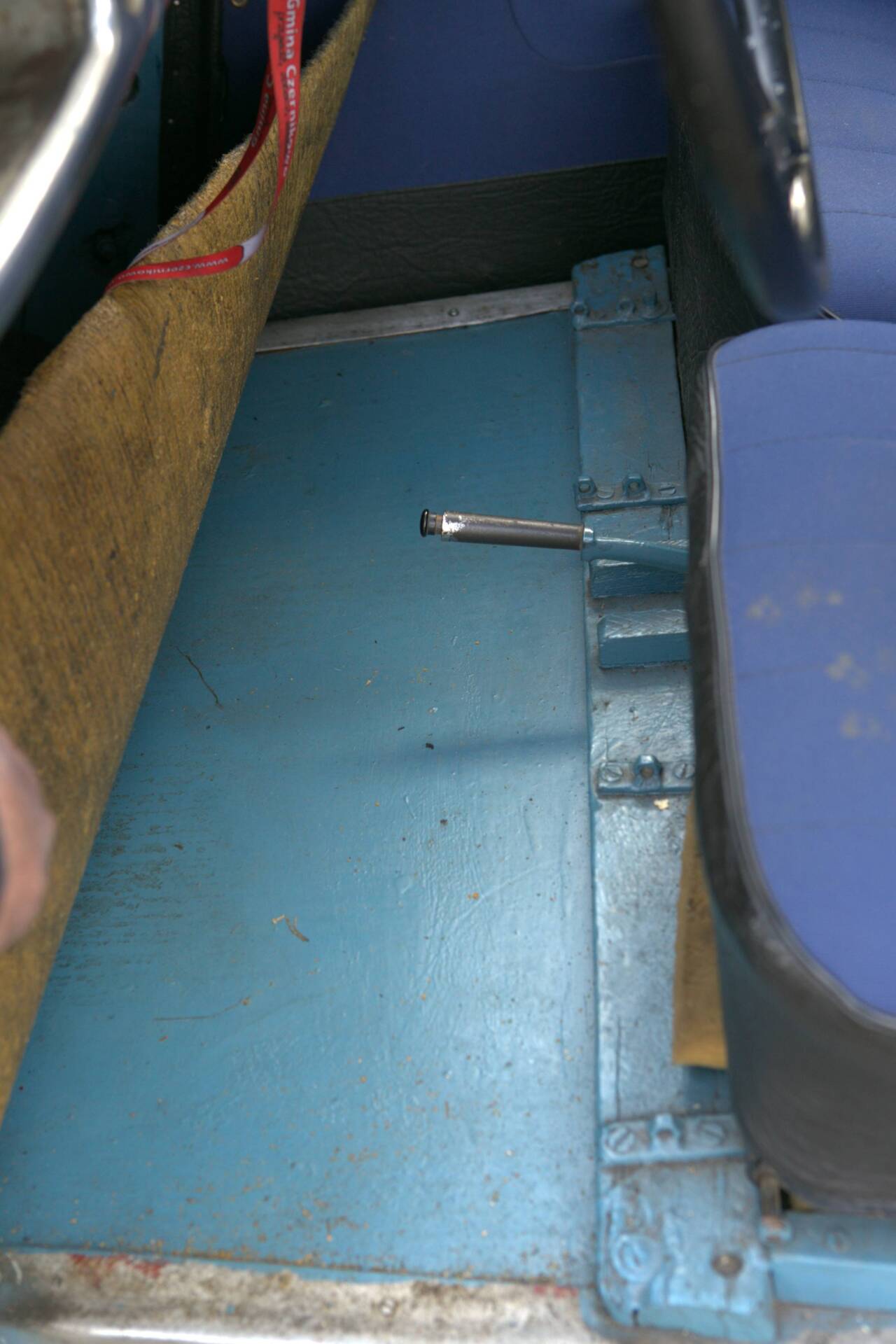
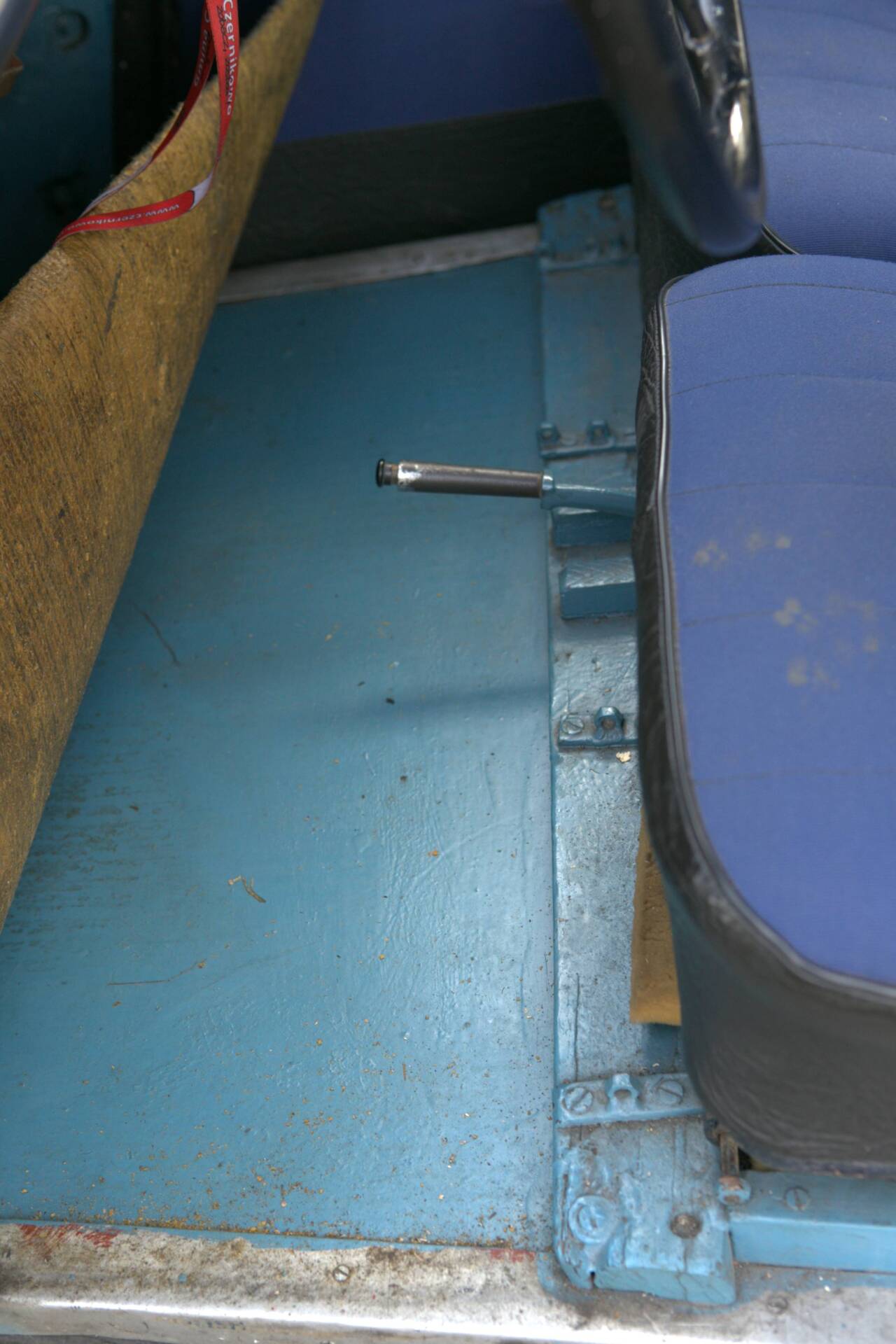
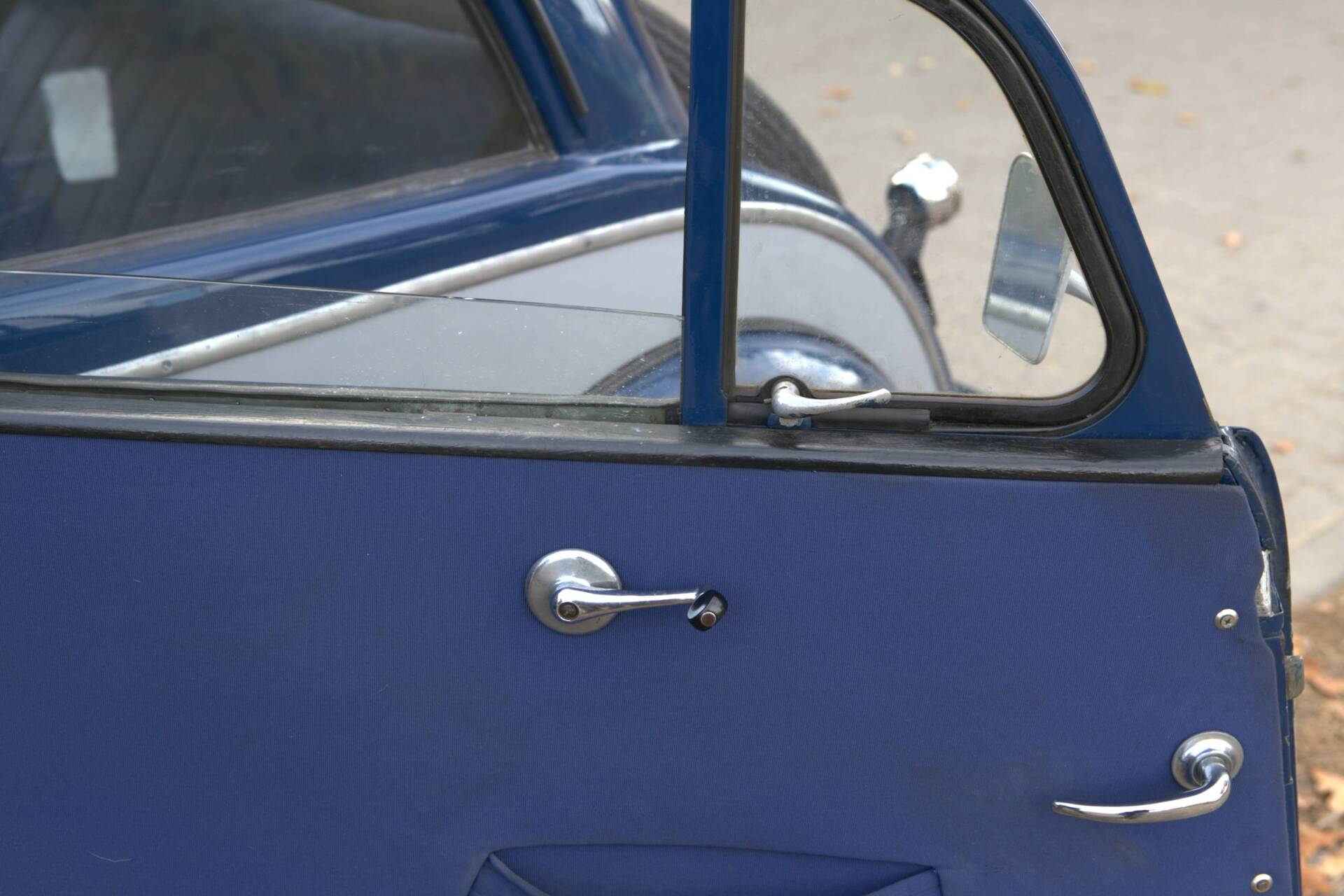
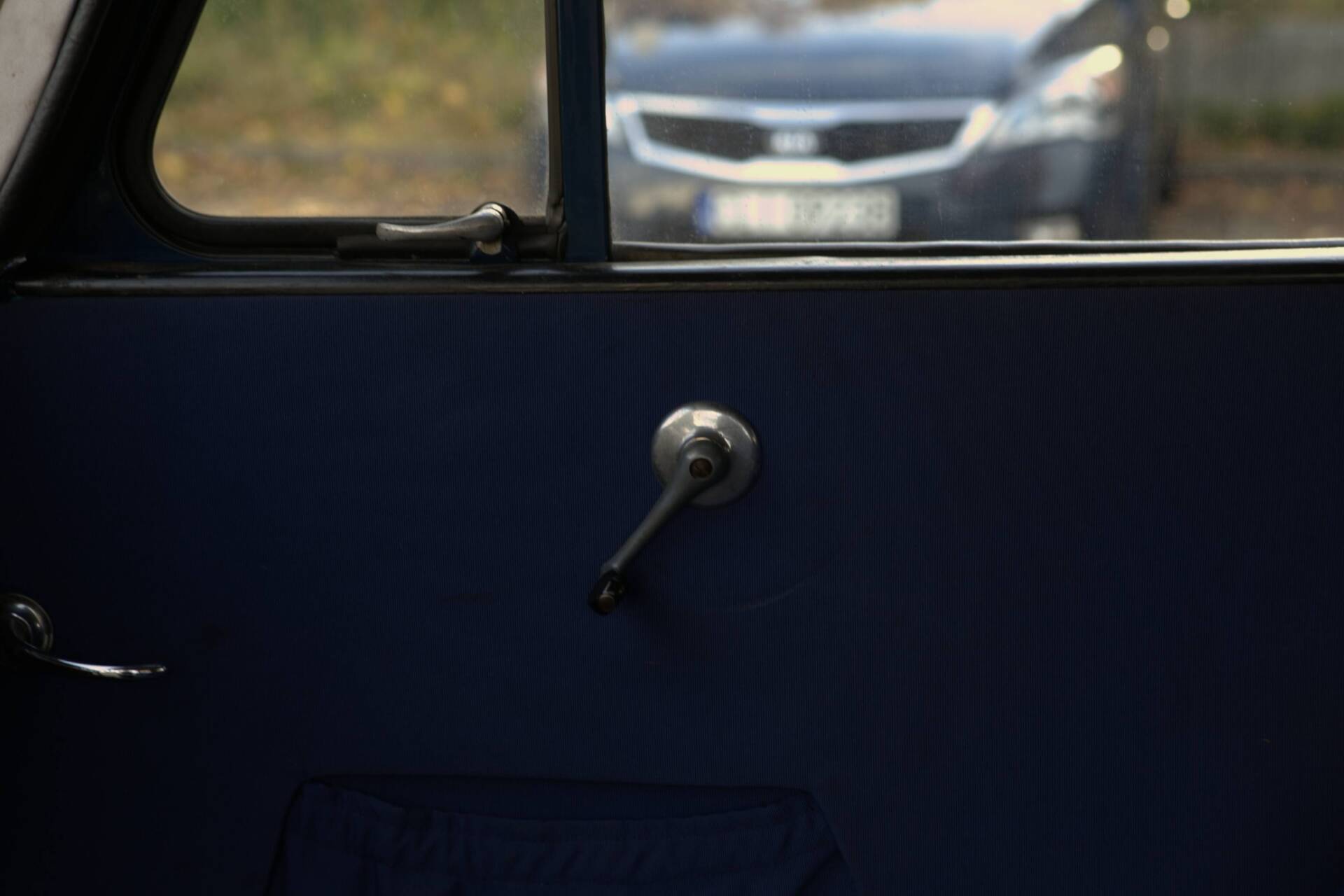
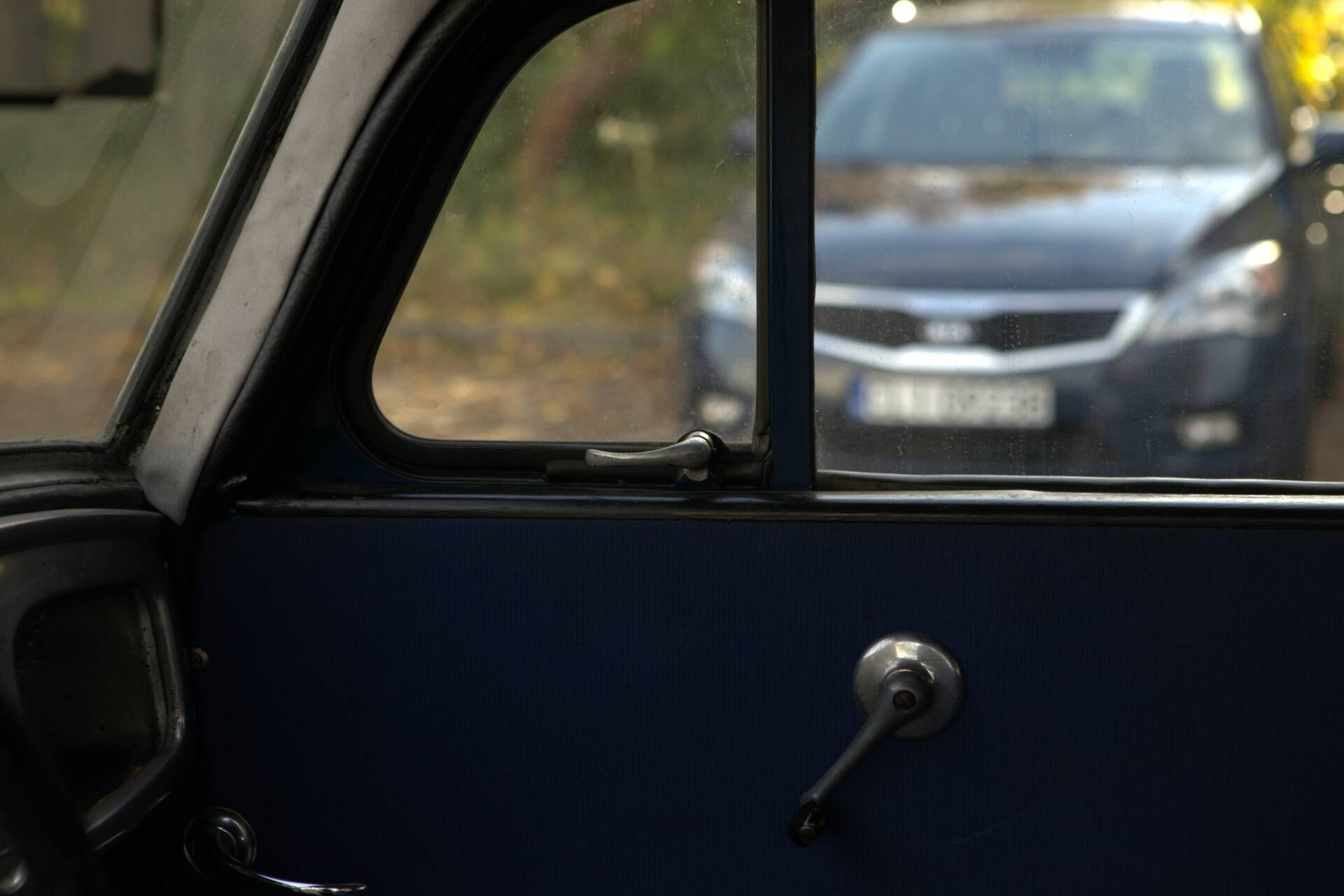
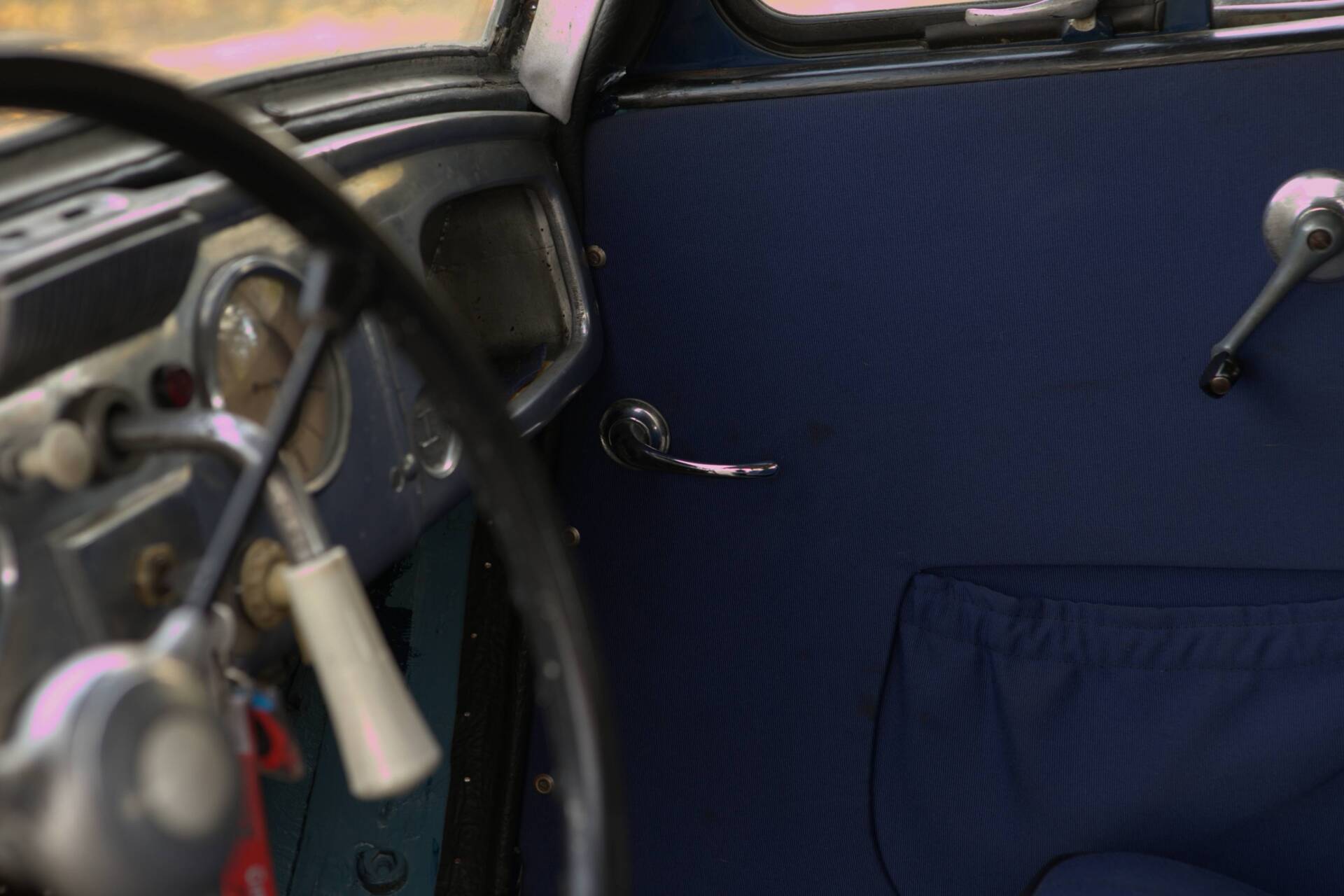
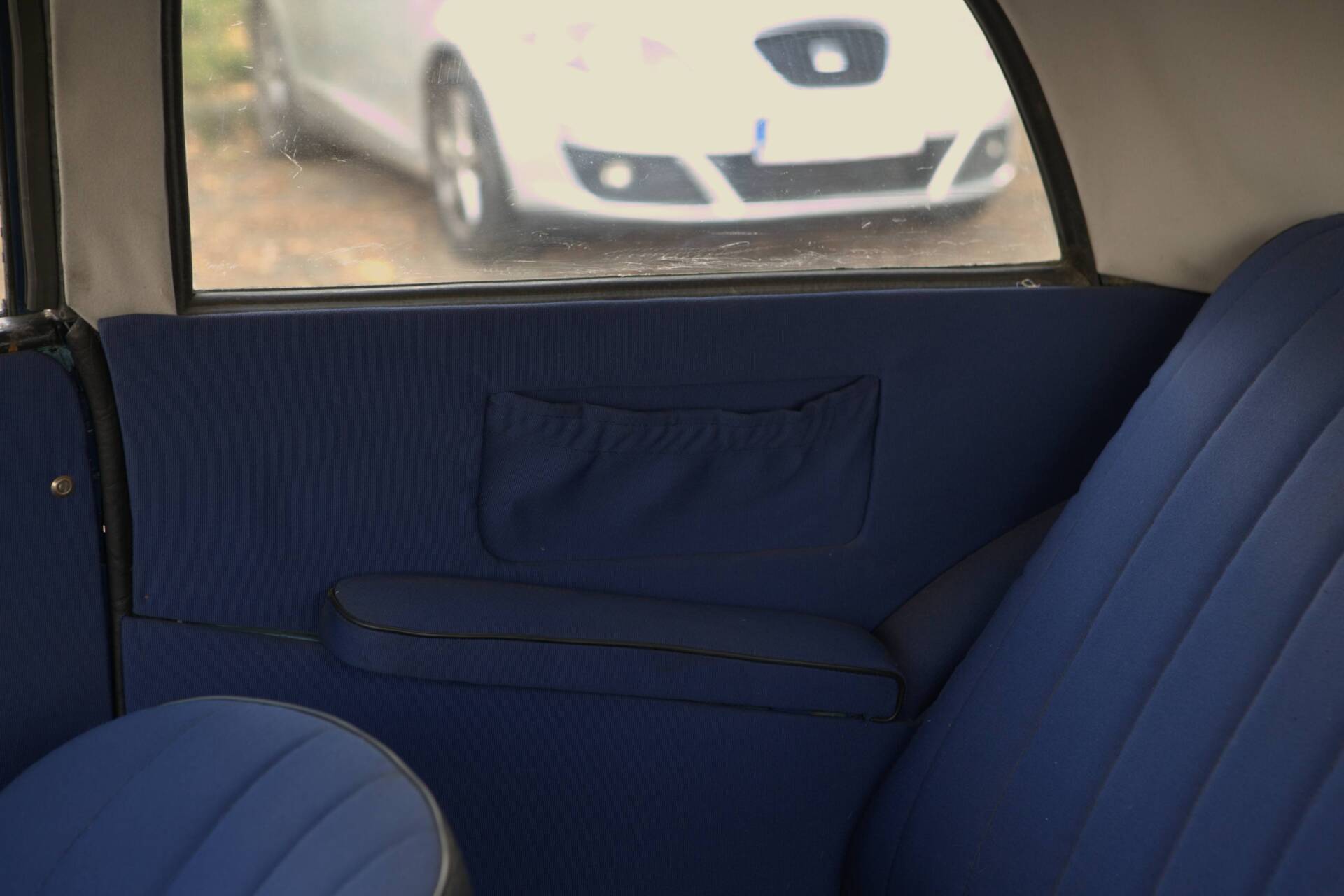
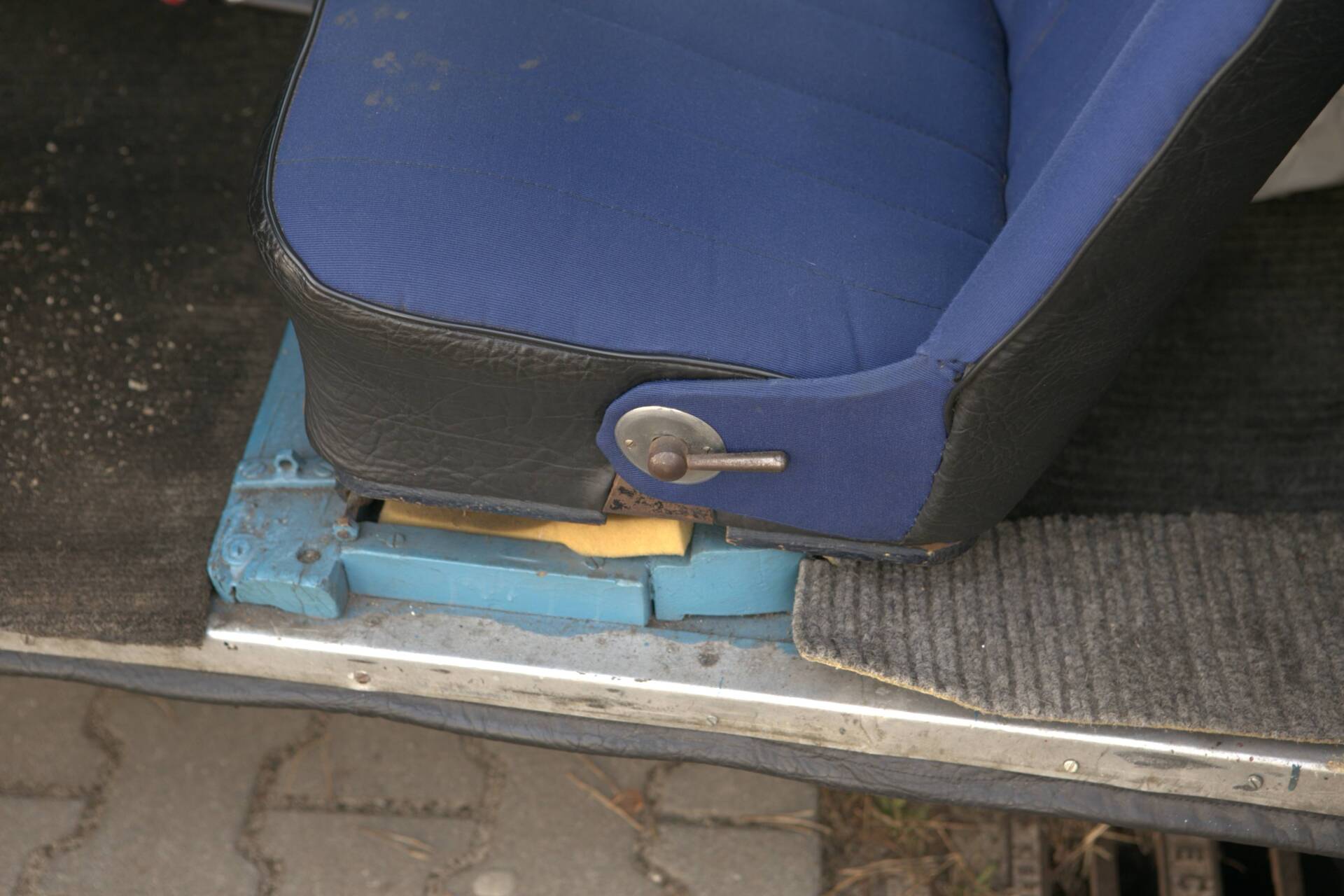
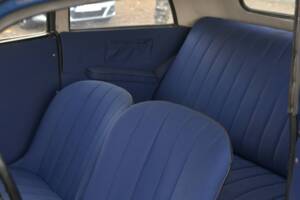
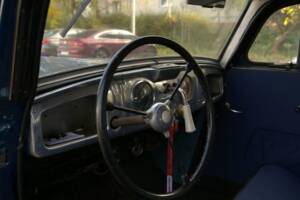
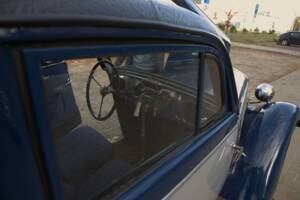
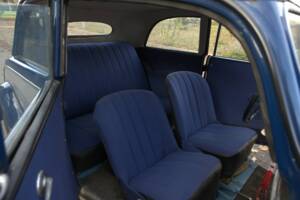
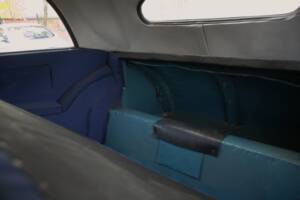
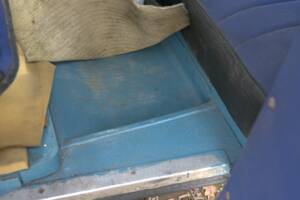
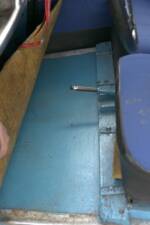
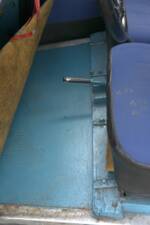
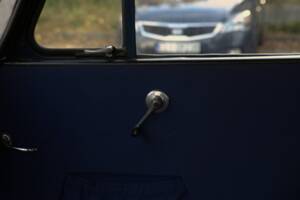
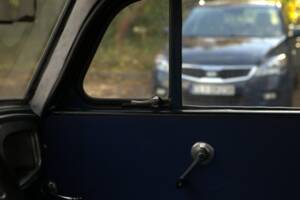
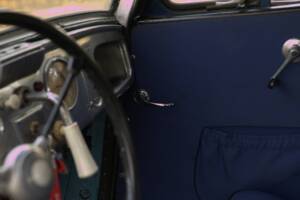
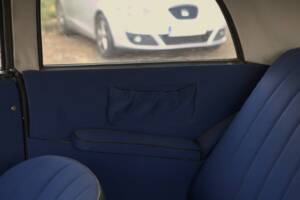
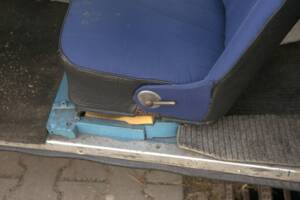
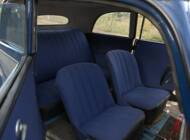
The interior is trimmed in blue cloth, matching the exterior colour. This combination creates a cohesive appearance. The left-hand-drive configuration is consistent with the usual arrangement for continental European road traffic.
Mechanical
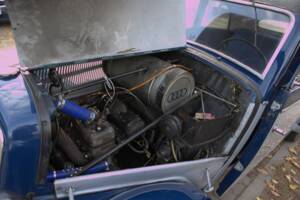
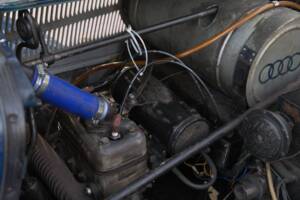
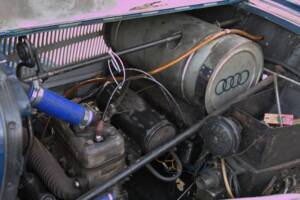
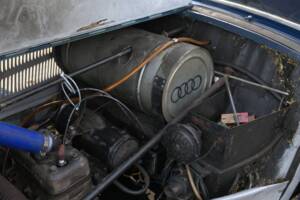
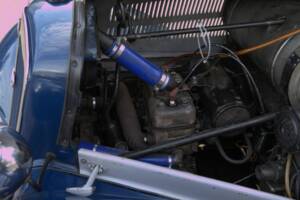
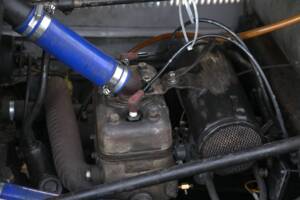
Power comes from a 589 cc two-cylinder two-stroke engine producing 18 hp, equivalent to 13 kW. Drive is transmitted to the front wheels through a manual gearbox. The car therefore retains the characteristic mechanical configuration of the DKW Reichsklasse. Its electrical system operates at 6 volts.
The odometer reading is 64,000 kilometres. The DKW is operational and roadworthy. According to the seller, the engine has been overhauled. With its modest engine output and low vehicle weight of approximately 700 kilograms, the F 8 represents a form of motoring in which mechanical simplicity and direct driver involvement take precedence.
History
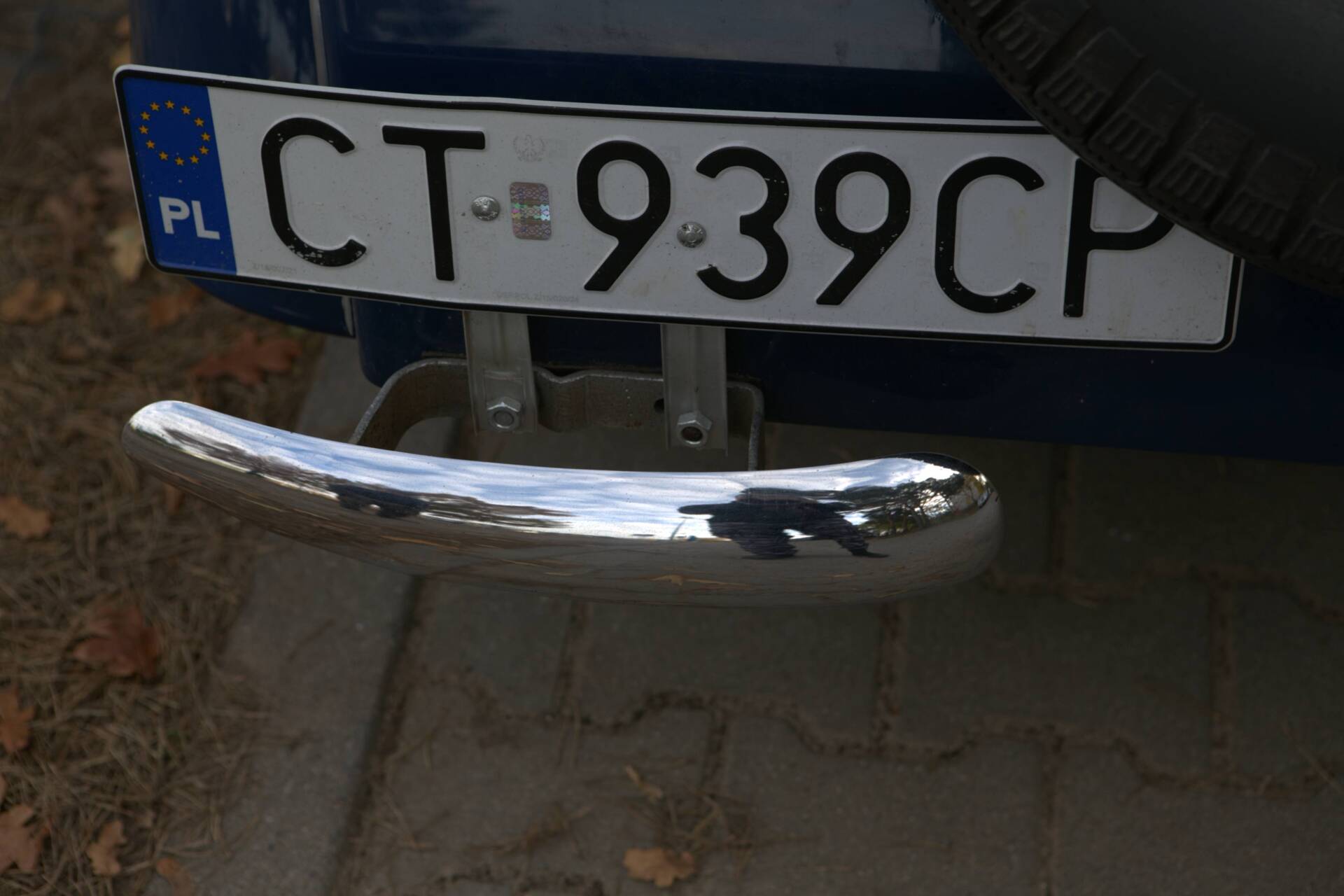
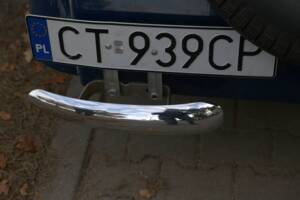
According to the seller, the DKW is in its third ownership and has been preserved over the years. It is currently located in Toruń, Poland. The car has regular Polish registration with standard white number plates and is registered for road use.
Conclusion
This 1939 DKW F 8 600 Reichsklasse combines the distinctive engineering of DKW's early front-wheel-drive automobiles with open wooden coachwork. Its preserved condition, blue colour combination, roadworthiness and regular registration make it an interesting representative of German pre-war motoring history. For collectors, its particular appeal lies in the combination of two-stroke engineering, front-wheel drive and traditional coachbuilding. A DKW of this generation offers a direct connection to a period of development that played a significant role in the history of the German small car.