MG Q-Type Classic Cars for Sale
The MG Q-Type, built in 1934, stands as one of the purest expressions of British pre-war motorsport engineering. With just eight (possibly nine) crafted, enthusiasts appreciate its unique blend of K3 chassis architecture, narrow build, Zoller supercharger, and sporting two-seater aluminium bodywork.
Search results
Currently, there are no matching listings for your search.
Create search alert
Let yourself be notified as soon as a listing is published that matches your search filters.
Create listing
Do you have a MG Q-Type that you want to sell? Then create a listing now.
Create listingMG Q-Type listing references from Classic Trader
Below you will find listings related to your search that are no longer available on Classic Trader. Use this information to gain insight into availability, value trends, and current pricing for a "MG Q-Type" to make a more informed purchasing decision.
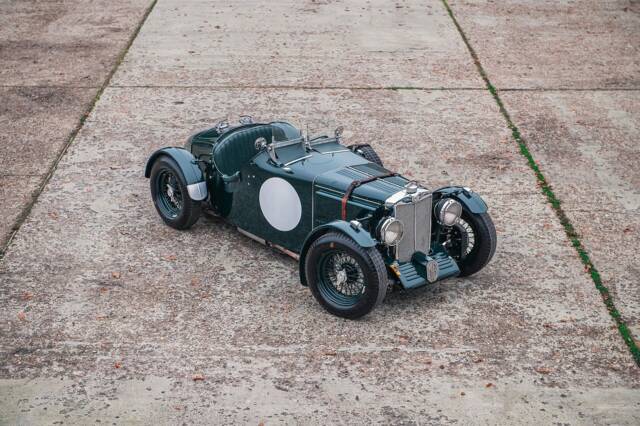
1936 | MG Q-Type
Early race history | 1200cc supercharged engine | Synchronized gearbox

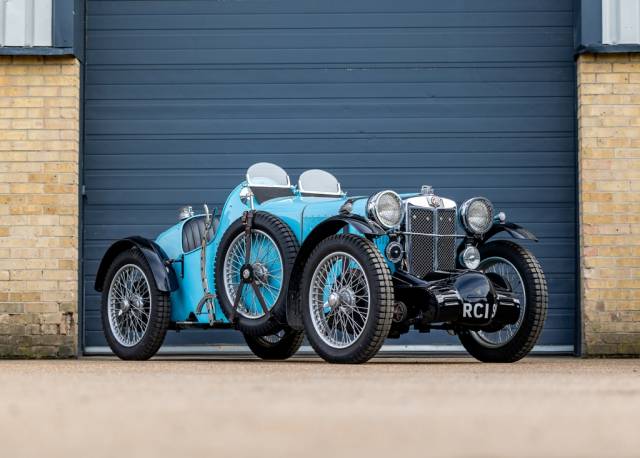
1929 | MG Q-Type
MG PA to Q-Type Specification

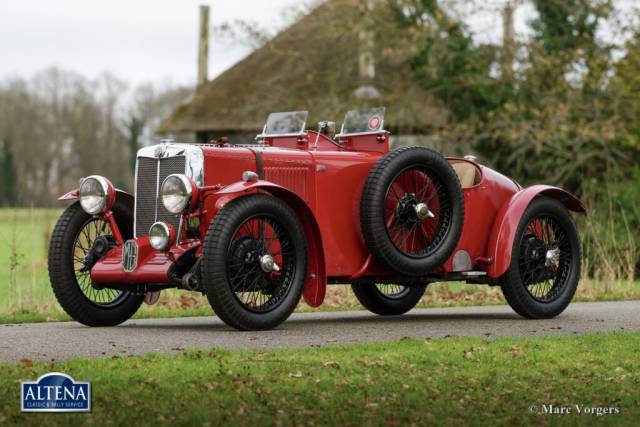
1937 | MG Q-Type

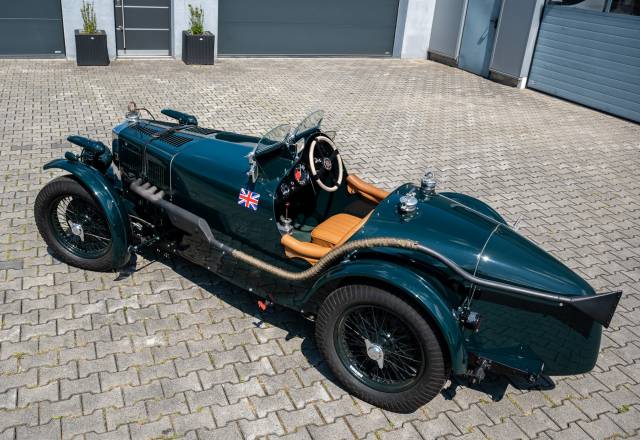
1934 | MG Q-Type
Completely rebuilt MG Q -Type Special based on an MG PA

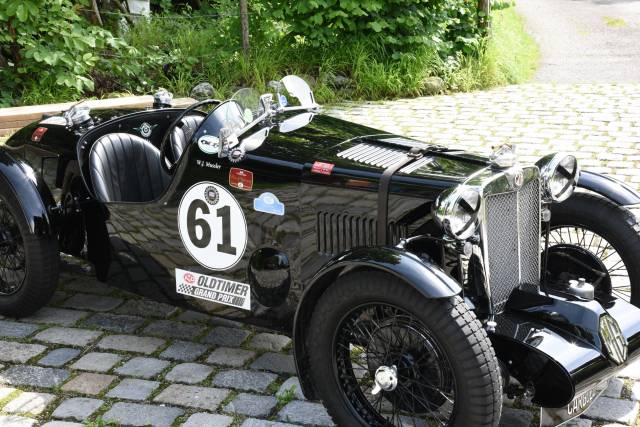
1937 | MG Q-Type
Starker und Zuverlässiger Rennwagen
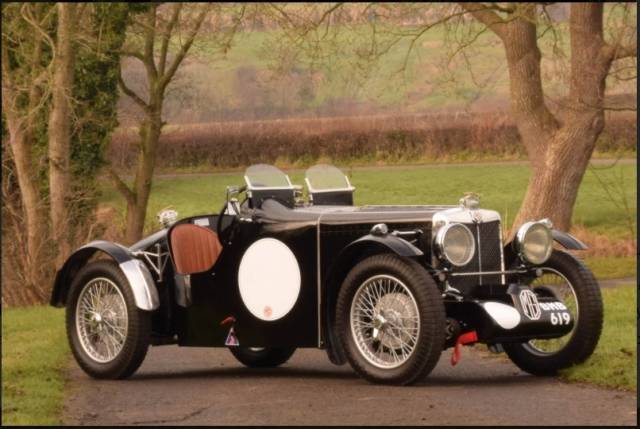
1934 | MG Q-Type
MG PA Chassis/Q type body.
Create search alert
Let yourself be notified as soon as a listing is published that matches your search filters.
Create listing
Do you have a MG Q-Type that you want to sell? Then create a listing now.
Create listingMG Q-Type Classic Cars: Prices & Market Values
History of the MG Q-Type
Unveiled in 1934, the MG Q-Type emerged as MG's answer to specialist racing demands. MG built this rare machine on a chassis derived from the legendary K3, narrowing the frame and employing axles from the N-Type for improved track width and handling. Rather than focus on mass production, MG targeted privateer racers and small competition teams, offering cutting-edge performance for its era. Available for a manufacturer's price between £550 and £650, only eight or nine Q-Types were ever constructed—a fact that cements the MG Q-Type's niche within the world of vintage competition cars. Its lightweight aluminium body (approximately 787 kg) and open two-seater configuration were tailored specifically for hill climbs and sprints, echoing the spirit of 1930s club racing.
Model History
The Q-Type was inspired in both philosophy and hardware by its immediate predecessor, the K3 Magnette, with key updates to chassis width and axle geometry reflecting lessons from competitive racing. The successor to the Q-Type in the traditional MG sports-racing lineage was the R-Type, which introduced independent suspension and broke away from the solid-axle formula, moving further towards modern racing paradigms.
Highlights of the MG Q-Type
- Unique supercharged 746 cc engine producing 113 bhp (or 146 bhp in the sprint variant).
- Open two-seater, lightweight aluminium racer with K3 chassis logic but a narrower footprint.
- Among the highest specific outputs (nearly 200 bhp per litre) of its generation due to the Zoller supercharger, outclassing many period competitors for engine efficiency.
- A total production of only eight or nine cars makes it a mainstay at historical racing events and sought-after by specialist collectors.
- The sprint version’s record-breaking specific output set new engineering benchmarks.
- Built for hill climbs and short-distance sprints, making it suited to highly dynamic, challenging race formats.
Technical Data
Special Editions and Collectible Models
Of the extremely limited production run, both standard and sprint versions are considered highly significant. The sprint variant, reaching up to 146 bhp, was developed specifically for short-distance high-performance events, achieving a global record for output per litre in its time. No later factory special editions are documented, making every surviving original Q-Type uniquely notable.
Weak Spots and Common Issues
The rigid axle chassis, adapted from the K3, was often noted as a limiting factor in harnessing the Q-Type's substantial engine output. This occasionally led to handling challenges under hard acceleration. The Zoller supercharger and high-revving engine require precise maintenance and specialist mechanical knowledge, with original parts scarce due to the extremely low build numbers. Period brake design (12'' drums) demands regular inspection and careful setup, especially for cars used in historic racing events.
Engine and Performance, Transmission and Handling
The Q-Type's 746 cc supercharged engine marked a pinnacle in period MG performance engineering, producing up to 146 bhp in sprint specification—an unmatched figure for a sub-750 cc motor in the 1930s. With power channeled to the rear axle via a manual gearbox and robust N-Type axles, and with only approximately 787 kg to move, the Q-Type exhibited agile handling and impressive sprint acceleration. That said, its rigid frame and rear axle limited traction, particularly on uneven racing surfaces, heightening the challenge for skilled drivers in historic competition. - MG Q-Type racing specification (113 bhp)
- MG Q-Type sprint specification (146 bhp) Both celebrated for their extraordinary engine efficiency and stand-out performance relative to engine size.
Interior, Comfort, Exterior and Design
The Q-Type embodies 1930s British competition car aesthetics: a pointed, slanted tail, exposed external side exhausts, and an aluminium open two-seater cockpit, built for driver focus and minimal weight. Sparse interiors were typical, following the form-follows-function principle—just enough for rigorous track usage. The factory produced each Q-Type with unique bodywork but followed the signature MG style of the period: slim proportions, metallic finish, and race-bred ergonomics. Special accessories included period-appropriate competition dials, lightweight switches, and the occasional custom paintwork for individual customers.
Other Noteworthy Features
The MG Q-Type’s exclusivity stems not only from its production numbers but also from its advanced supercharging system for the era and the adaptability of its running gear for historic motorsport disciplines—particularly hill climbs and sprints. Owners often enhanced performance further with bespoke tuning and concours-standard restoration, reflecting both technical ambition and collector pride.
Summary
The MG Q-Type commands respect in pre-war British motorsport history, blending K3 heritage with mechanical ingenuity—most notably the Zoller supercharger and world-beating engine output. With just eight (possibly nine) cars built, its role in motorsport, its rarity, and its technical features ensure continued regard among serious collectors, historic racers, and engineering enthusiasts.