MG S-Type classic cars for sale
The MG S-Type stands as one of the most distinctive pre-war MG saloons. Produced between 1936 and 1939, it harmonised a robust straight-six, traditional British luxury, and lively touring capability. With fewer than 2,800 vehicles ever made, original S-Types are sought after by enthusiasts for their craftsmanship and thoroughbred MG driving experience.
Search results
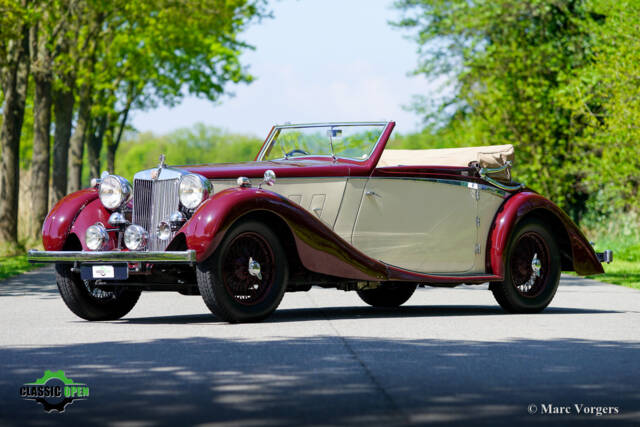

MG S-Type listing references from Classic Trader
Below you will find listings related to your search that are no longer available on Classic Trader. Use this information to gain insight into availability, value trends, and current pricing for a "MG S-Type" to make a more informed purchasing decision.
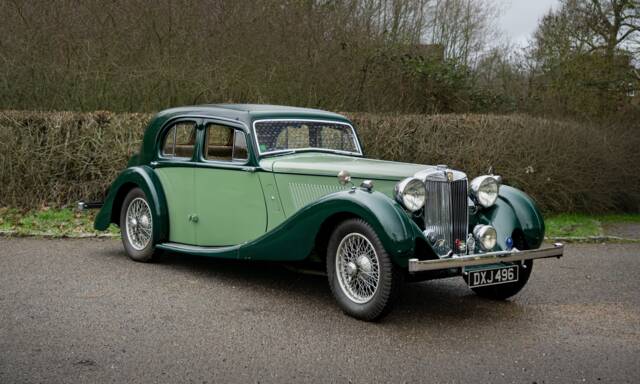
1937 | MG SA
1937 MG SA

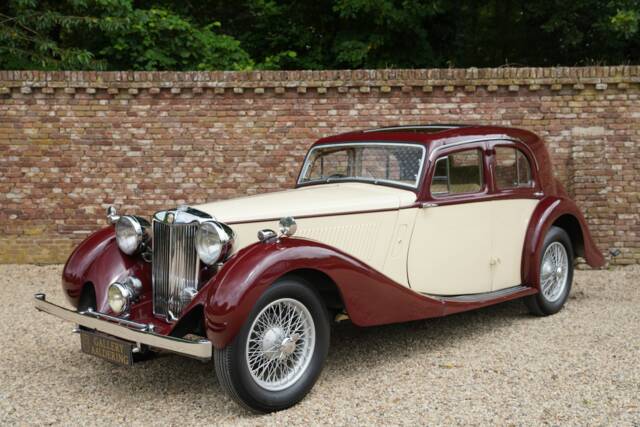
1937 | MG SA
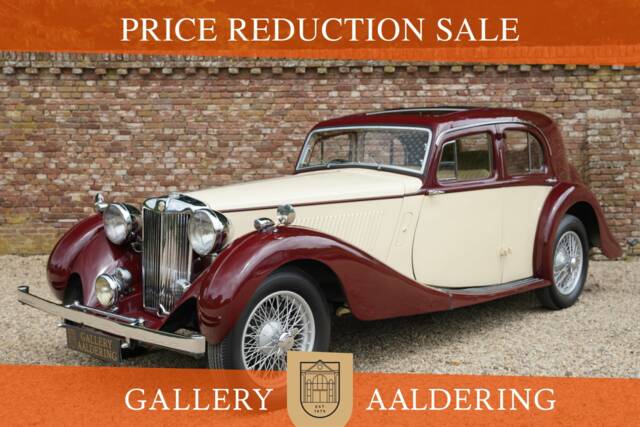
MG SA Sport Saloon "Former Bart Holland restoration" Fully restored in the 1990s by Bart Holland, Finished in Burgundy over "Cream Cracker" colorscheme, Equipped with the 2288cc engine, In well-kept condition and fine driving, Documented with fine records such as original manual and photo reports, From the era of “Streamline” and “Performance” evolution,
1937 | MG SA
MG SA Sport Saloon "Former Bart Holland restoration" PRICE REDUCTION! Fully restored in the 1990s by Bart Holland, Finished in Burgundy over "Cream Cracker" colorscheme, Equipped with the 2288cc engine, In well-kept condition and fine driving, Documented with fine records such as original manual and photo reports, From the era of “Streamline” and “Performance” evolution,
1936 | MG SA
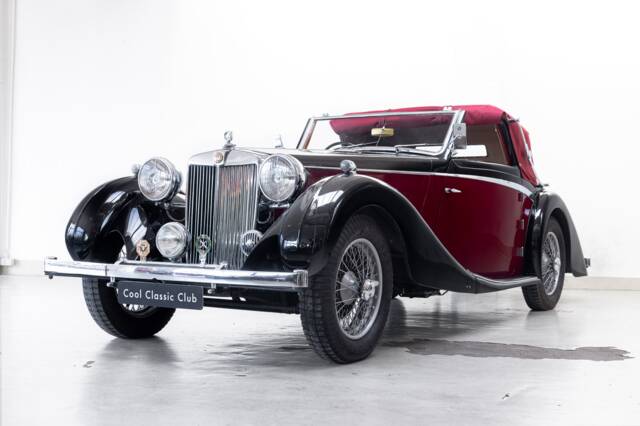
- Cabriolet by Keller / Reinbolt & Christe -
1937 | MG SA
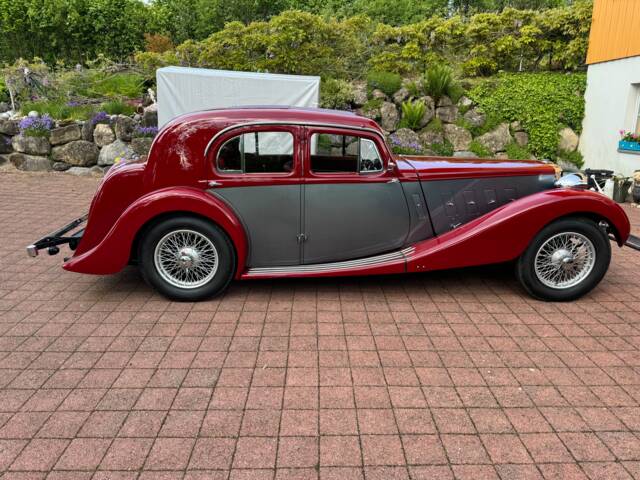
Super schönes Auto und sehr rar

1937 | MG SA
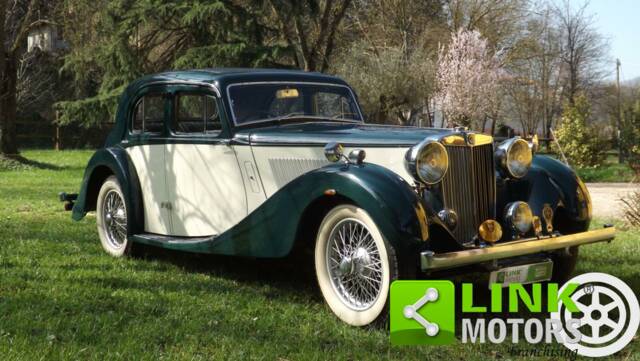
1937 | MG SA
MG SA Saloon anno 1937 veicolo interamente restaurato

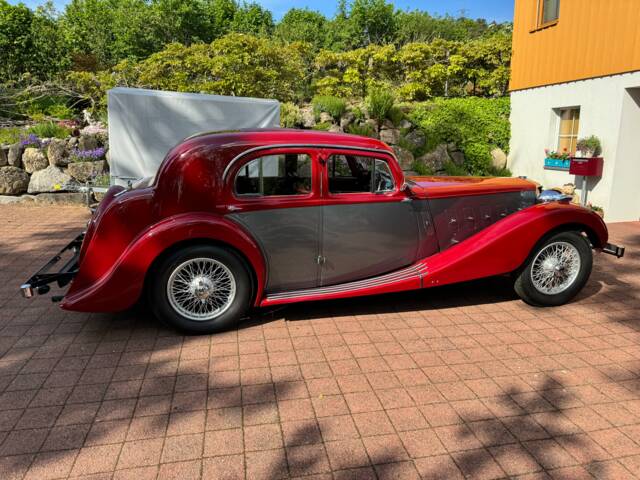
1937 | MG SA
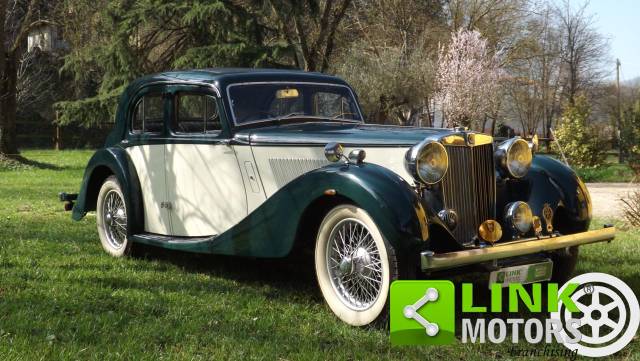
1937 | MG SA
MG SA Saloon anno 1937 veicolo interamente restaurato
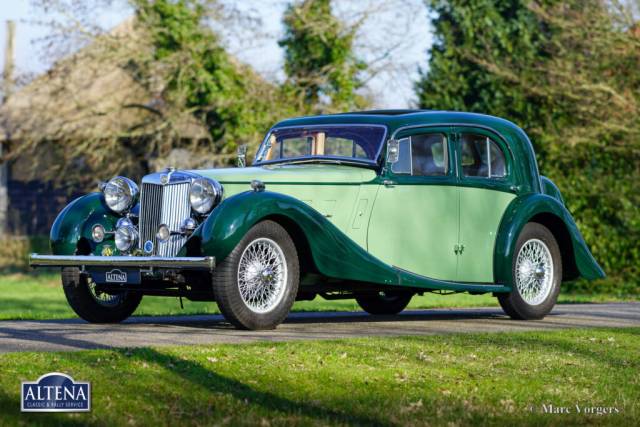
1937 | MG SA
Restoration by a British specialist
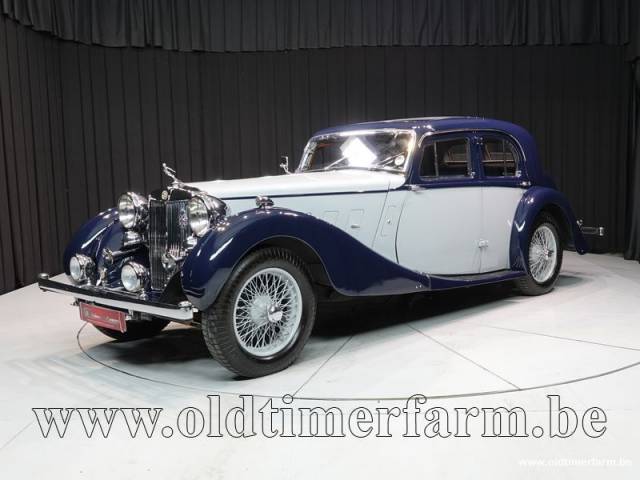
1936 | MG SA
1936 MG SA '36

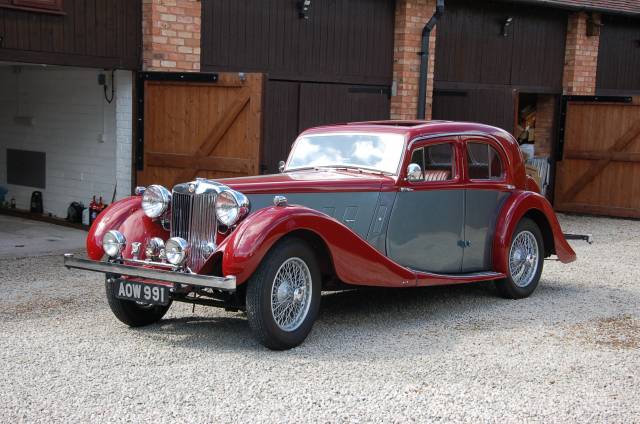
1937 | MG SA
MG SA 1937 STUNNING
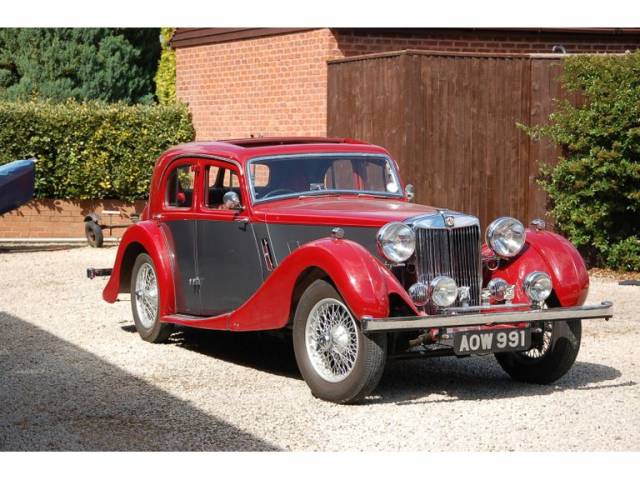
1937 | MG SA
MG S-Type Classic Cars: Prices & Market Values
History of the MG S-Type
The MG S-Type, also referred to as the MG SA, marked MG's re-entry into large saloon cars after their acquisition by Morris Motors. Introduced in 1936 following the short-lived MG KN, the S-Type was tuned to compete with high-class British marques of the day, directly targeting rivals from SS Cars (later known as Jaguar) and Bentley. The model development started in 1935, based on the Wolseley Super Six but reworked to project classic elegance and sporting capability. Production ramped up in 1936, with cars leaving the factory as four-door saloons, later joined by Drophead Coupé and open Tourer bodies. The S-Type was discontinued in 1939 with the outbreak of WWII, yielding a total run of just 2,739 cars. Although a direct successor was planned (the MG WA), the war halted all such projects.
Model History
The S-Type’s predecessor, the MG KN, was built in small numbers and set the tone for sporting yet refined MG saloons. With the S-Type, MG entered the upper mid-size market, marrying the technological base of the Wolseley Super Six with MG’s motorsport legacy. The rebranding from '2 litre' to 'SA' and finally 'S-Type' reflected market positioning shifts. No direct successor was produced due to wartime disruption, making the S-Type a unique chapter in MG’s timeline.
Highlights of the MG S-Type
The S-Type blends sporting intent and British luxury. Featuring a powerful 6-cylinder inline engine (up to 2,322 cm³ and 79 hp), four-speed synchromesh gearbox, and large hydraulic brakes, it excelled as a grand tourer. Distinctive period design includes a classic MG grille, wire wheels, and a hand-crafted leather interior with a wooden dashboard. Practical features like the Jackall jacking system and spacious four-door body were advanced for its era.
Technical Data
Special Editions and Collectible Models
The S-Type was offered in several distinct body styles: the four-door saloon (bodied by Morris), a Tickford Drophead Coupé introduced in 1936, and a four-door Tourer from 1938. Limited numbers and body variants, especially the Drophead Coupé, are particularly desirable today due to their rarity and craftsmanship.
Weak Spots and Common Issues
Contemporary sources note the durability of the S-Type’s straight-six and robust chassis, but surviving examples often present challenges such as wood frame rot (ash construction), worn leather upholstery, and corrosion in steel panels. Mechanical parts like the SU carburettors and hydraulic brakes require regular attention; complete, original documentation is valuable for maintenance. Due to the low production run, sourcing some specific components can be a lengthy process.
Engine, Performance, Transmission and Handling
The S-Type’s 2.3-litre inline-six delivers up to 79 hp, granting the heavy saloon lively acceleration for its day. With a sturdy manual four-speed transmission and a smooth powerband, the car is noted for its relaxed long-distance cruising. Hydraulic brakes and precise steering give confidence despite the car’s size. Suspension is compliant thanks to robust leaf springs, resulting in a composed, comfortable ride without losing engagement for keen drivers. Notable variations include the Drophead Coupé, prized for its open-top motoring, and the Tourer, well-suited for continental touring with extra cabin space and versatility.
Interior, Comfort, Exterior and Design
A hallmark of the S-Type is its period-correct, streamlined saloon body with wire wheels and prominent MG grille. Inside, full leather seating, a classic wooden dashboard, and carefully finished chrome details create a refined environment. Optional accessories included a Philco radio, distinctive at the time, and high-quality carpeting. Many examples also feature special paint colours and matching leather tones, tailored to owners’ preferences. The S-Type’s design encapsulates late 1930s British luxury, marrying handwork with functionality.
Other features
Every S-Type originally came with extensive documentation and a detailed user manual from the factory, aiding in maintenance and authenticity checks. The Jackall hydraulic jacking system, fitted as standard, simplifies wheel changes and underbody access. These practical touches boosted the S-Type’s usability for owners then and now.
Summary
The MG S-Type stands as a distinctive British saloon, combining sophisticated engineering with pre-war luxury. Its rare blend of sporting motor, elegant design, and meticulous detailing continues to attract discerning collectors. With only 2,739 cars built and production ended abruptly by WWII, S-Types remain a testament to MG’s ambition and 1930s craftsmanship.