MG P-Type classic cars for sale
The MG P-Type, built from 1934 to 1936, reflects British pre-war sports car engineering with light weight, classic rear-wheel drive and advanced technical solutions for its era. With the PA and the even more powerful PB, this series defines the sporting character and innovative streak of MG in the 1930s.
Search results
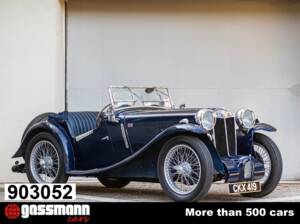
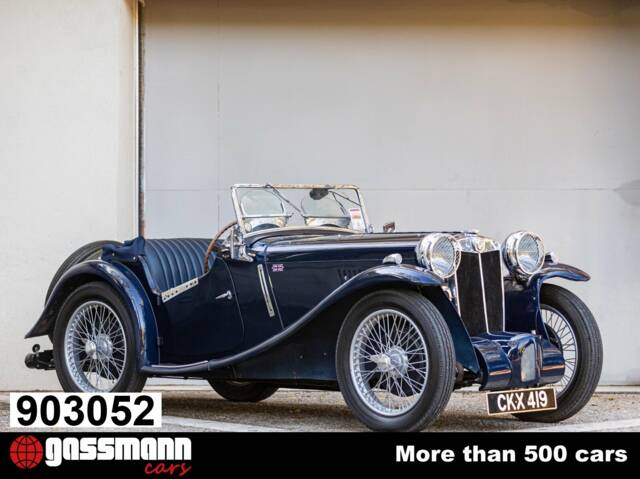
1936 | MG PA
Midget PA Supercharged Tourer - RHD

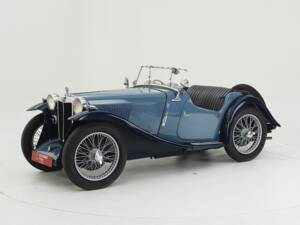
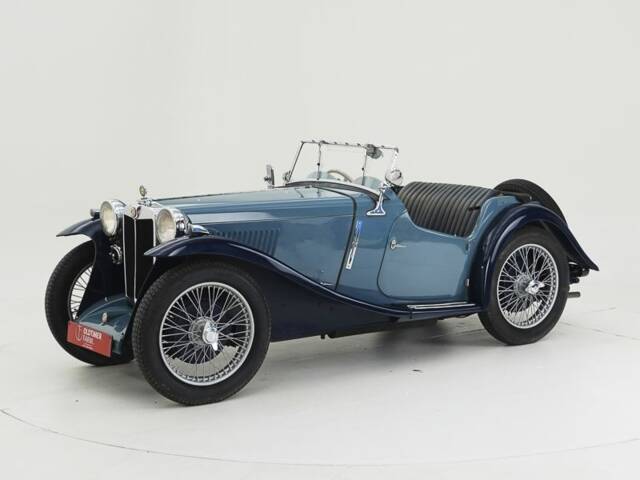
1935 | MG PA
1935 MG PA '35

Auctions ending soon

Loading…
Loading…
Loading…
Loading…
MG P-Type listing references from Classic Trader
Below you will find listings related to your search that are no longer available on Classic Trader. Use this information to gain insight into availability, value trends, and current pricing for a "MG P-Type" to make a more informed purchasing decision.
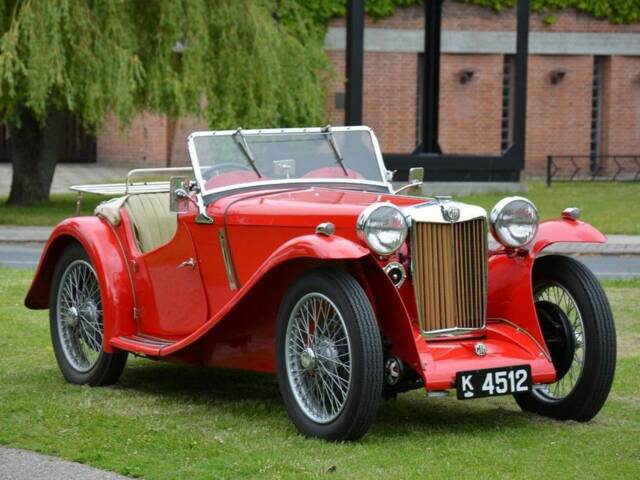
1935 | MG PA
MG PA Midget | 1935 | Route 66 Auctions - For sale by auction. Estimate 14500 EUR

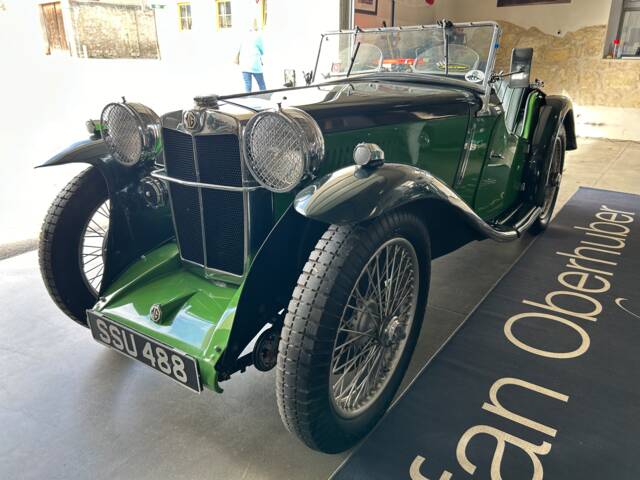
1934 | MG PA
From a small British car collection

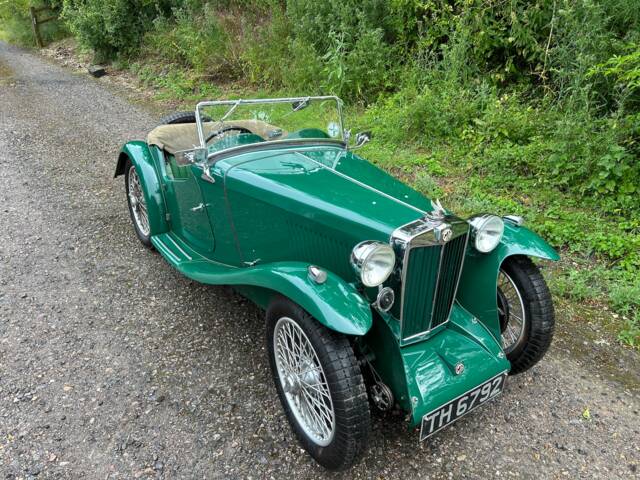
1936 | MG PB
MG PB Midget

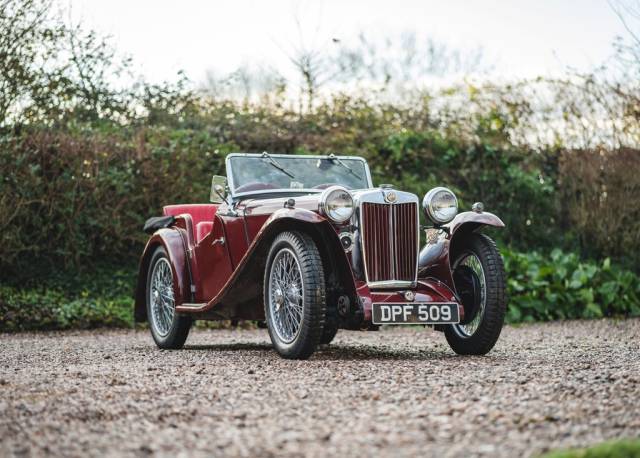
1936 | MG PB
MG PB
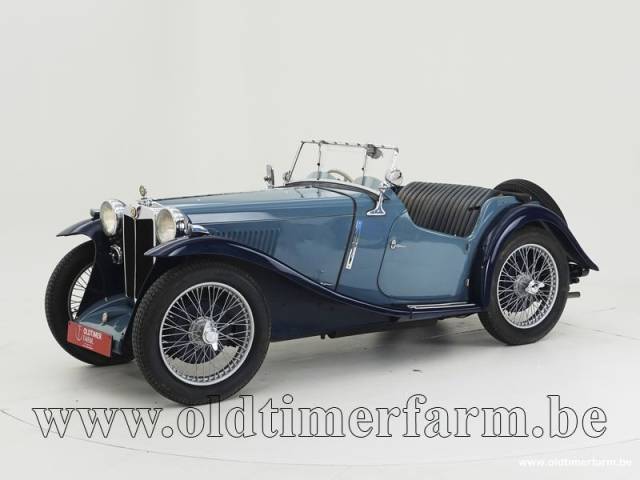
1935 | MG PA
1935 MG PA '35
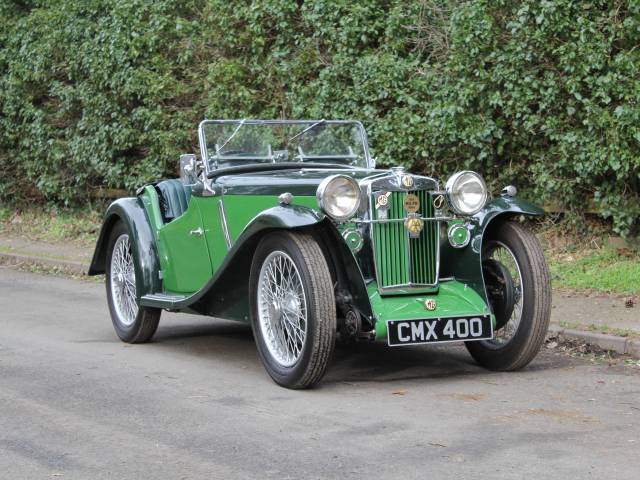
1935 | MG PB
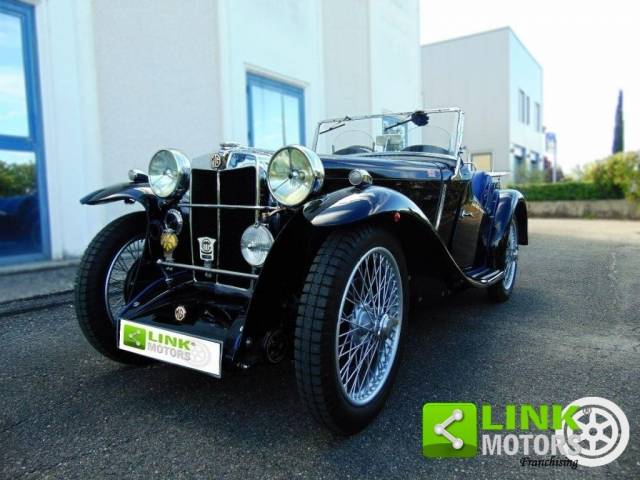
1935 | MG PA
MG Midget PA Roadster, restauro completo, TRIPLE M

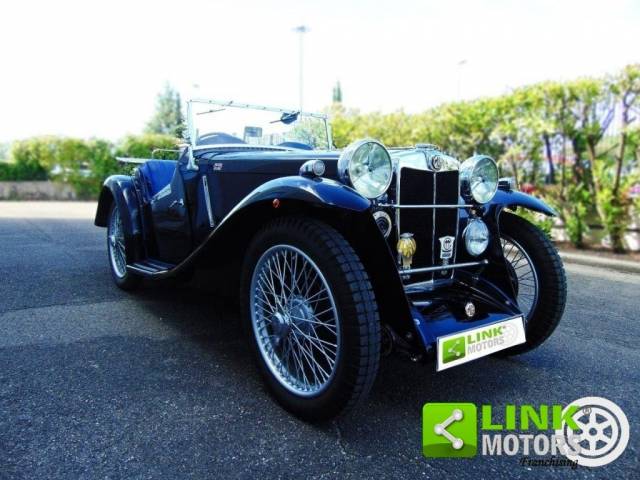
1935 | MG PA
MG PA-Roadster, restauro completo, matching number
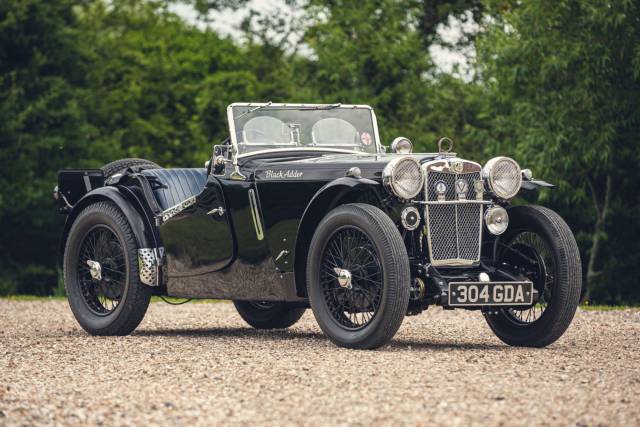
1934 | MG PA
1934 MG PA/B Type Supercharged 'Black Adder' Special
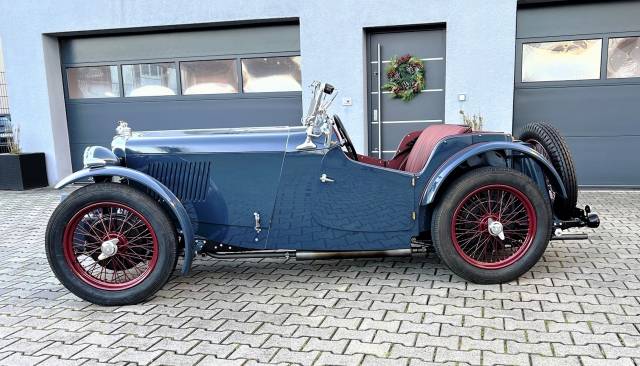
1934 | MG PA
Very well restored MG PA with performance enhancing Volumex supercharger
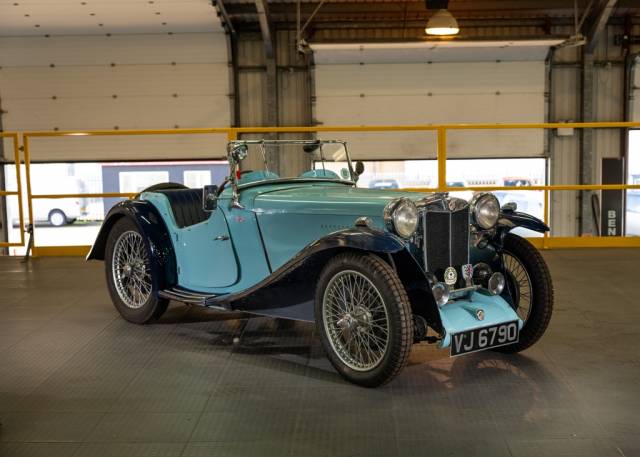
1934 | MG PA
MG PA
MG P-Type Classic Cars: Prices & Market Values
History of the MG P-Type
The MG P-Type succeeded the J-Type in 1934. It was developed to improve driving performance and reliability using a reinforced chassis and a refined engine design. Production comprised mostly open two-seaters, a few four-seaters, and rare Airline Coupés. MG adopted the crossflow cylinder head and three-bearing crankshaft for the P-Type, creating a robust and comparatively lively sports car. The P-Type's popularity on the racetrack and at club events made it an immediate classic of its generation.
Model history
The P-Type series introduced the PA as its initial model, with 847 cc and 26.5 kW (36 hp), followed by the PB in 1935, which used a larger 939 cc engine with a power output of 31.6 kW. Both variants shared the same wheelbase and body dimensions. Around 2,000 PAs were produced, of which most were open two-seaters, complemented by about 498 four-seaters (Tourer). The PB, in production until 1936, distinguished itself with increased engine displacement. MG did not assign separate names for two- and four-seater variants in the P-Type, as was the custom with previous MG models.
Highlights of the MG P-Type
MG P-Type models were supplied mainly as open two-seaters, but also as four-seater Tourers and stylish Airline Coupés. The P-Type included an overhead camshaft engine, two SU carburettors, and an unsynchronised 4-speed gearbox for direct driver feedback. Noted for their double colour schemes (such as Oxford & Cambridge Blue), carefully matched leather interiors in red or green, and the prominent MG octagon badge, these cars balance authentic 1930s motorsport spirit with durability for road use.
Technical data
Special Editions and Collectible Models
The MG P-Type Airline Coupé is among the rarest variants, offering a streamlined coupé design. Some PA two-seaters were also professionally converted into Airline Coupés after the initial build, increasing their desirability among enthusiasts. The four-seater Tourer, built in limited numbers, is sought after for its unusual layout compared to the two-seater standard.
Weak Spots and Common Issues
The P-Type is praised for straightforward mechanics and the availability of spare parts. The non-synchronous gearbox requires precise shifting technique. Owners should check for wear in the rear axle and possible oil leaks from the engine and gearbox. Chassis corrosion, particularly in restored cars, and fatigued leaf springs deserve attention. Many examples have been preserved or faithfully restored, but originality of components and careful restoration quality remain crucial.
Engine, Transmission and Handling
The P-Type's lightweight build and rigid chassis, in combination with short wheelbase and direct rear-wheel drive, deliver an engaging and responsive driving experience. The PA's 847 cc engine produces 36 hp, allowing up to 120 km/h (74 mph). The PB's larger 939 cc engine grants noticeable improvement in torque and power delivery for its era. The 4-speed gearbox is direct but requires sympathetic handling due to its lack of synchronisation. - MG P-Type PA (847 cc, ca. 2,000 produced)
- MG P-Type PB (939 cc, produced 1935–1936)
Interior, Comfort, Exterior and Design
The P-Type's design stands out for authentic pre-war roadster lines, double-tone paintwork (Oxford & Cambridge Blue and others), and its octagon-shaped MG badge at the grille and instrument panel. Interiors use quality leather (often in red or green) and wooden dashboards with Jaeger gauges — a detail connecting the driver to the 1930s sports car world. Optional weather gear included a foldable hood, side screens, and tonneau cover. Four-seater Tourer versions typically came in green, while two-seaters were more often red. Most P-Types retained right-hand drive as standard for the British market.
Other relevant features
P-Type models avoided electronic accessories entirely, relying on purely mechanical systems. They often appear at historic racing events and classic gatherings. Manuals, workshop guides, and detailed spare part catalogues are widely available in the collector scene.
Summary
The MG P-Type series, spanning from 1934 to 1936, represents British sporting tradition at its finest: lightweight, mechanically advanced and with a focus on pure driving. With simple but robust engineering, outstanding parts availability, and distinct period design, the P-Type — especially in PA and PB form — is a reference point for 1930s sports cars and a frequent sight at historic events and rallies.