MG T-Type classic car buying (Oldtimer kaufen)
The MG T-Type range, produced between 1936 and 1955, represents pure British roadster DNA: lightweight design, robust four-cylinder engines, and an unmistakable open-air driving experience, all paired with mechanical simplicity that makes any drive engaging. Whether it’s a TA, TB, TC, TD, or the final TF, every T-Type delivers its own distinct character and charm.
Search results
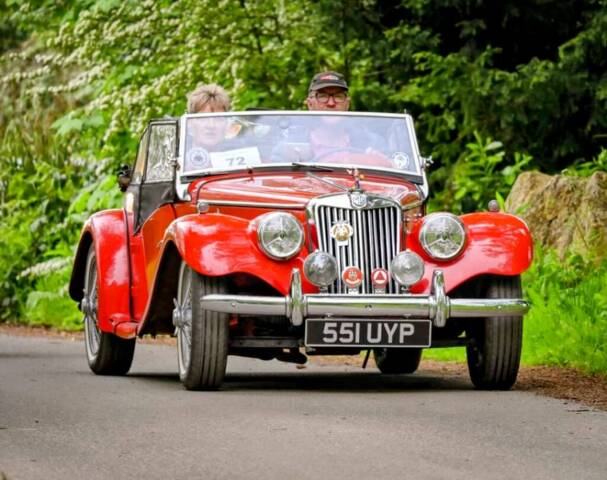
1954 | MG TF
MG TF Midget | 1954 | Route 66 Auctions - For sale by auction. Estimate 10200 EUR

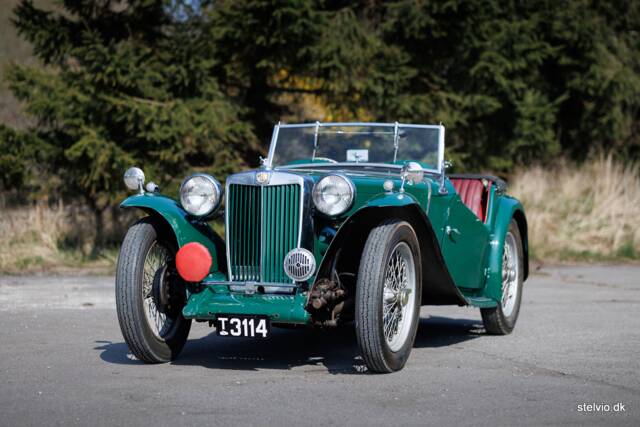
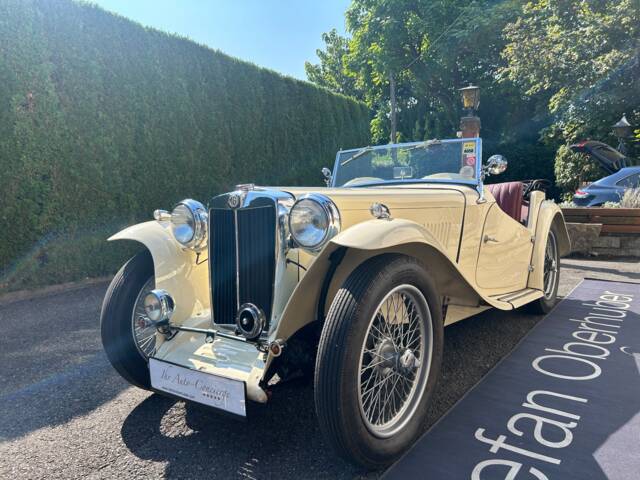
1948 | MG TC
Original and with Scandinavian race Ace history

Auctions ending soon

Loading…
Loading…
Loading…
Loading…
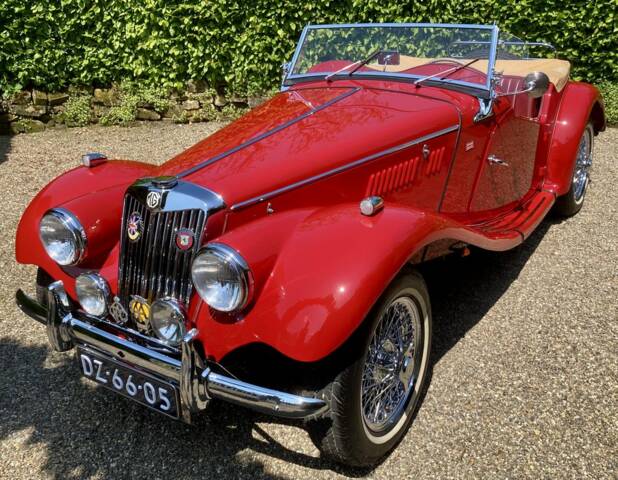
1955 | MG TF
MG TF 1250 | 1955 | Route 66 Auctions - For sale by auction. Estimate 19800 EUR
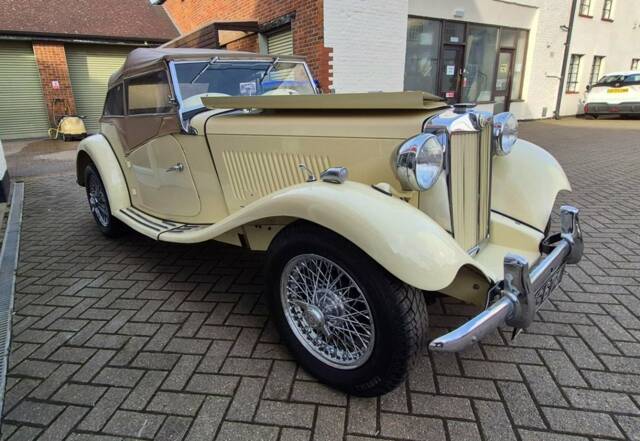
1900 | MG TD
MG TD | 1951 | Route 66 Auctions - For sale by auction. Estimate 13200 EUR
Newsletter
The best MG listings, straight to your inbox
Get hand-picked MG listings, plus the best of cars, motorbikes, and auctions on Classic Trader — all in one place.

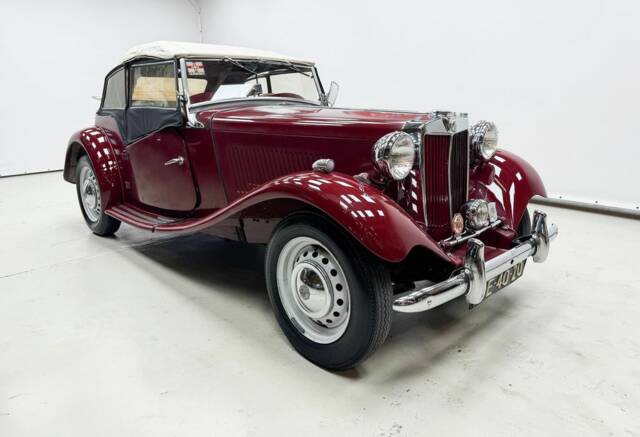
1953 | MG TD
MG TD Midget | 1953 | Route 66 Auctions - For sale by auction. Estimate 10200 EUR
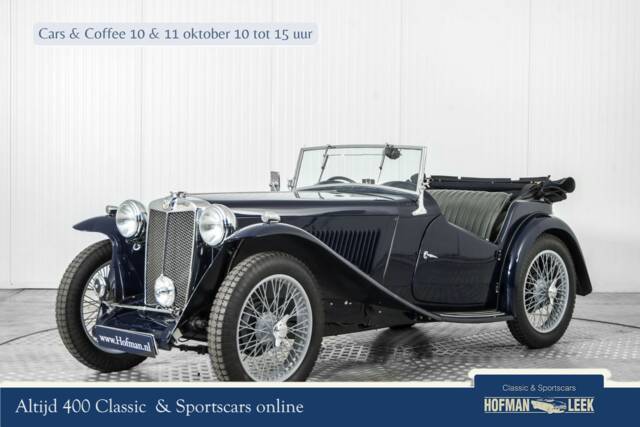
1938 | MG TA
MG TA
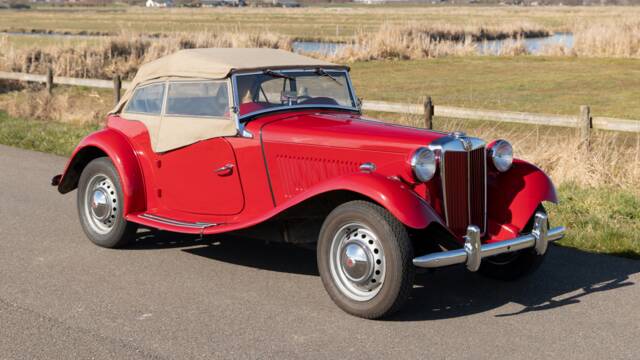
1952 | MG TD
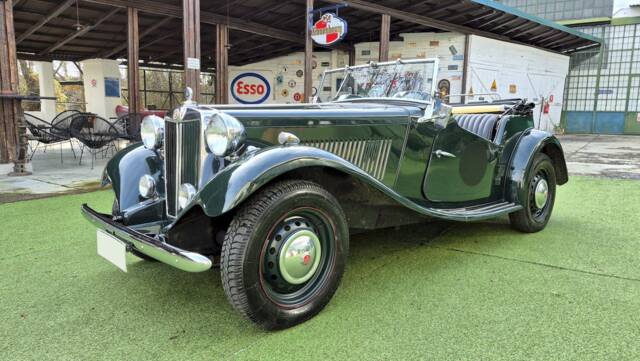
An honest and original classic ready for summer.
1953 | MG TD
SUMMER PRICE 2026 @ CITY MOTORS

1953 | MG TD
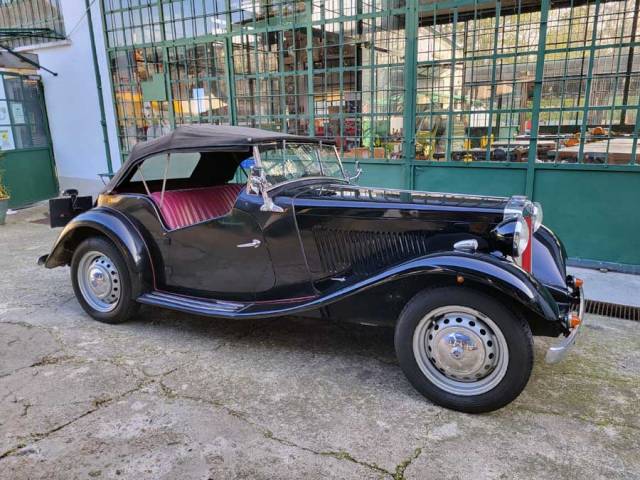
MG TD – 1953
1939 | MG TA
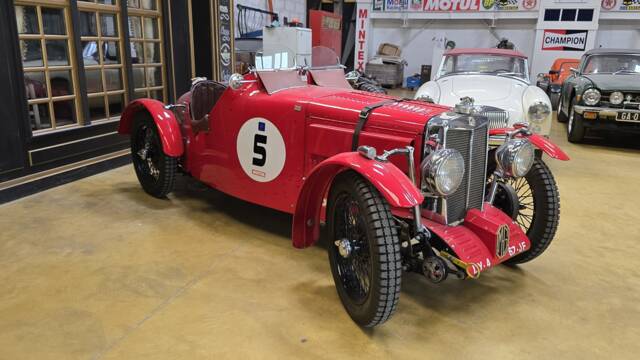
MG TA Type Q

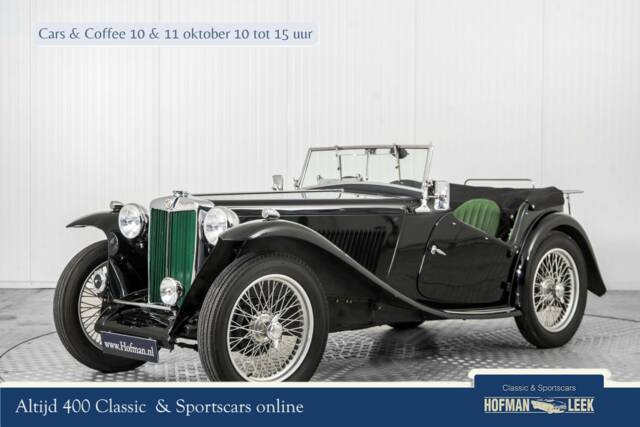
1947 | MG TC
MG TC 1400cc met vijf versnellingsbak

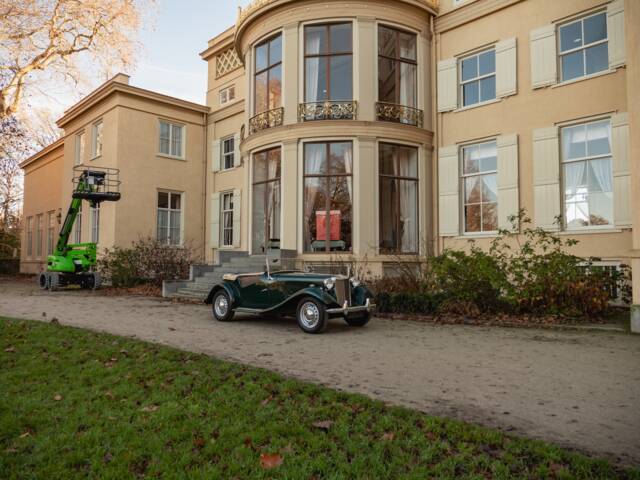
1950 | MG TD
A car with a remarkable story
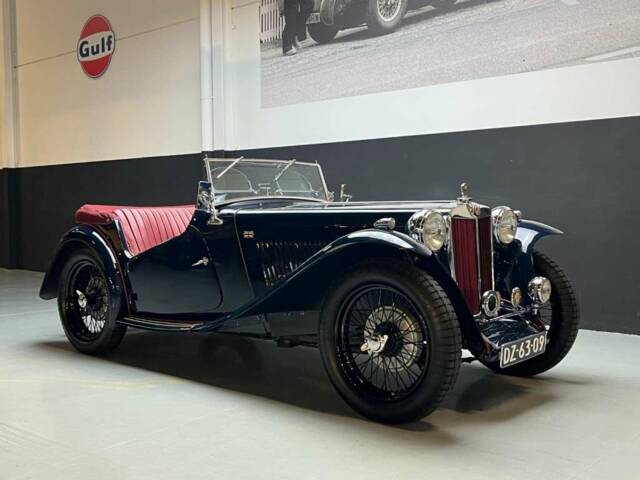
1949 | MG TC
MG Sonstige
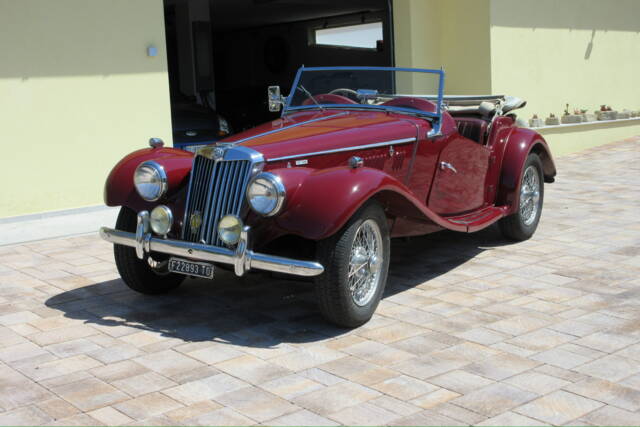
1954 | MG TF 1500
Matching Numbers Complete restoration ASI Mille Miglia eligible
MG T-Type Classic Cars: Prices & Market Values
The market value of MG T-Type classic cars is primarily determined by technical condition, originality and mileage, as well as rarity, history and documentation. A well-maintained, largely original vehicle with low, verifiable mileage and complete history including appraisals and documentation typically achieves significantly higher prices than a comparable vehicle with deferred maintenance, many modifications or unclear provenance.
MG T-Type: Market Prices & Value Trends
Based on sales data from the Classic Trader marketplace, the MG T‑Type market (TA/TB/TC/TD/TF, largely 1936–1955) has been broadly stable to slightly firmer over the period covered (January 2021 to December 2025), with strong pricing for well-presented, correctly specified cars and softer figures for projects. Across Europe, most asking prices for the volume models sit in a realistic band of roughly €20,000–€40,000, with MG TDs commonly clustering in the high-€20k to mid-€30k range and TF/TF 1500 cars frequently advertised around €25,000–€45,000 depending on condition and originality. MG TC examples tend to command a premium versus TD, often appearing from about €30,000 up to the mid-€40,000s, while earlier TA/TB cars show wider spread and occasional higher numbers that should be treated cautiously. For today’s buyers, this points to a mature, liquidity-driven market where provenance, restoration quality and correct parts matter most; enduring demand is underpinned by usability, club support and the model’s iconic pre/post‑war British roadster appeal.
History of MG T-Type – From Morris Garages to T-Series
MG introduced the T-Type series in 1936 as a new line of two-seater sports cars, succeeding the PB. Originating under the Morris Garages legacy, the TA combined a lightweight steel body on an ash wood frame and adopted the MPJG engine from Wolseley. Through the turbulent years spanning World War II and after, the T-Type evolved—its models seeing continuous improvement and increased export, particularly to the United States. Production persisted until 1955, firmly establishing the T-Type as the quintessential MG open-top roadster of its era.
Model History – From TA to TF
The initial MG TA (1936–1939) featured a 1292cc overhead valve engine. In 1939, the short-lived TB with the tuned 1250cc XPAG engine introduced improved performance. After the war, the TC (1945–1949) was visually close to the TB, but featured a more modern interior and marked the beginning of MG's export success in the US market. The TD (1950–1953) offered rack and pinion steering and independent front suspension (sourced from the MG Y-Type chassis), paired with a 1250cc engine and wider body; over 23,000 of the 30,000 cars built went to America. Final evolution came with the TF (1953–1955): starting with a 1250cc engine, later models (TF 1500) got a 1466cc upgrade, faired-in headlights, and a sloping grille. MG produced nearly 10,000 TFs before the launch of the MGA succeeded the line.
Highlights and Standout Features of the MG T-Type
Each T-Type variant brought technical refinements and stylistic updates. Hallmarks across the line are body-on-frame construction, open two-seat layout, minimalist instrumentation, and practical touches like detachable side screens and a traditional soft top. The TD introduced the first rack-and-pinion steering and left-hand drive option for US buyers. The TF modernised exterior design with faired headlamps and a sleeker radiator surround. Finish options like British Racing Green or classic red/black reflect typical British sportscar style.
Technical Data – Core Specs at a Glance
Special Editions and Motorsport Variants
The TD Mk II (Competition) from 1950 stands out with higher compression (8.1:1), 57 PS, twin fuel pumps, unique Andrex dampers, and altered final drive ratio—aimed at more spirited drivers and with a limited run. Only 1,700 of these were built. The TB, with just 379 cars produced, is prized for its rarity. Several chassis have supported motorsport upgrades over the years, with racing and historic rallying being part of T-Type lore.
Weak Spots and Maintenance Insights
Despite robust engineering, the T-Type does reveal age-related challenges. Wood-steel frame combinations in early models demand clear inspection for rot—especially at mounting points, sills, and the rear tub. Watch for rear axle and gearbox wear, especially with original four-speed units and unsynchronised first gear. Electrical systems follow period British conventions, with sometimes inconsistent reliability—upgrades and good maintenance can address most weak spots. Spares are widely accessible due to enthusiastic club support, making restoration and regular upkeep manageable for the hands-on owner.
Engine Performance, Transmission and Handling
All T-Type models deliver lively four-cylinder power with a rear-wheel drive setup and precise, direct handling—especially from the TD onwards (rack-and-pinion steering, independent front suspension). The TA and TB used a live front axle and leaf springs, while later models switched to a more modern suspension layout. Gear change action is mechanical and precise, with post-war models incorporating improvements for smoother operation. On-road, the T-Type is agile and direct, though cockpit space can be tight for tall drivers. - MG TD: 30,000 built, 23,000 exported to USA, features improved handling and left-hand drive.
- MG TF 1500: 1,700 built, 63 PS, most powerful and refined.
- MG TB: only 379 made, ensuring exclusivity.
Exterior and Interior Design, Accessories and Options
Every T-Type combines a sharp, upright grille, separate rounded wings, wire (TA/TC) or steel wheels (TD/TF), and an open, minimalist cockpit with deep cut-out doors. Interiors typically offer separated or bench seat arrangements (TD) with basic Smiths instrumentation—octagon dials in the TF. Most cars came with folding soft tops and removable side screens. Colour choices range widely: British Racing Green, red, beige, or black, all period-correct. Accessories include tonneau covers, luggage racks, and period-accurate fog lamps. The TF’s integrated headlights and sculpted grille granted a more modern appearance within the classic roadster idiom.
Other Features and Details
Practicality is secondary to the driving experience, with limited interior space and minimal weather protection. Fuel tank capacity sits at around 54–57 litres, with most cars running a 12-volt electrical system. Many T-Types are supported by a strong network of clubs and expert suppliers, keeping them accessible to enthusiasts. Instrumentation is purpose-driven, with a focus on essentials like oil pressure and rev counter; full fuel gauges and temperature indicators were never standard.
Summary of the MG T-Type Series
From 1936 to 1955, the MG T-Type established itself as the definitive open two-seater British sports car. Across five evolving models, the series brought affordable performance and focused engineering to both British and international drivers. With vibrant club support, broad parts availability, and period-correct colourways and accessories, the T-Type remains a centrepiece of any classic MG lineup and continues to be cherished for its mechanical honesty and timeless style.