MG J-Type Classic Cars for Sale
The MG J-Type, produced between 1932 and 1934, is renowned among pre-war British sports cars for its purist driving experience, artisanal construction, and distinctive character. With its lightweight chassis, direct handling, and elegant lines, the J-Type embodies the spirit of the 1930s Gentleman-Racer. Drivers value its mechanical simplicity, pronounced road presence, and the combination of British roadster flair with real racing pedigree.
Search results
Currently, there are no matching listings for your search.
Create search alert
Let yourself be notified as soon as a listing is published that matches your search filters.
Create listing
Do you have a MG J-Type that you want to sell? Then create a listing now.
Create listingMG J-Type listing references from Classic Trader
Below you will find listings related to your search that are no longer available on Classic Trader. Use this information to gain insight into availability, value trends, and current pricing for a "MG J-Type" to make a more informed purchasing decision.
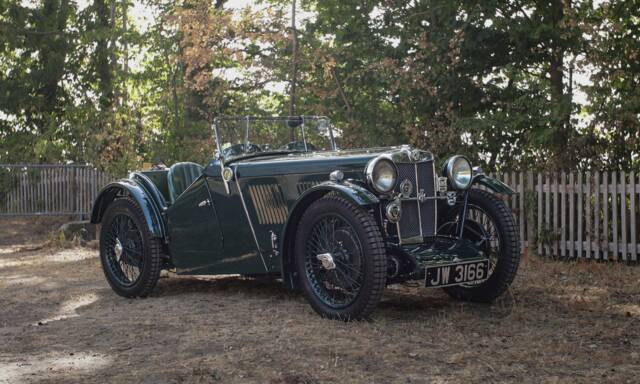
1933 | MG J2 Midget
1933 MG J2

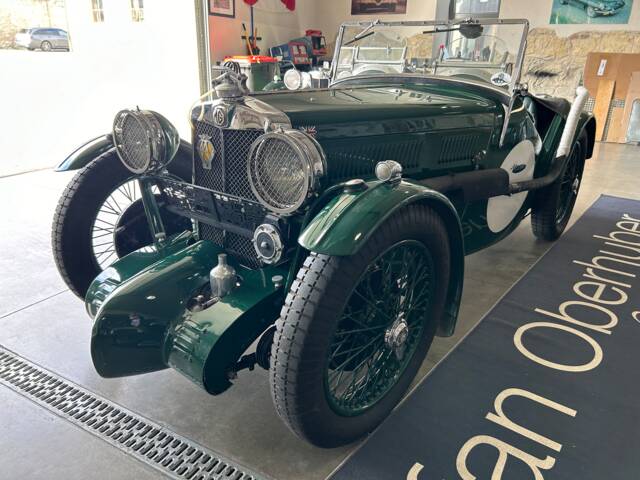
1933 | MG J4 Supercharged
Well known recreation

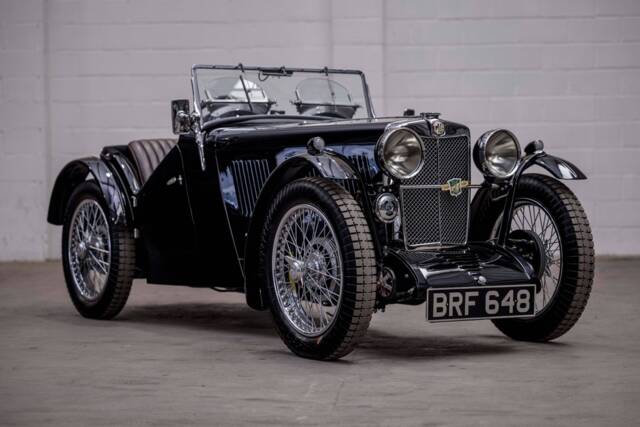
1933 | MG J2 Midget
Amelia Island Concours Winner - Restored
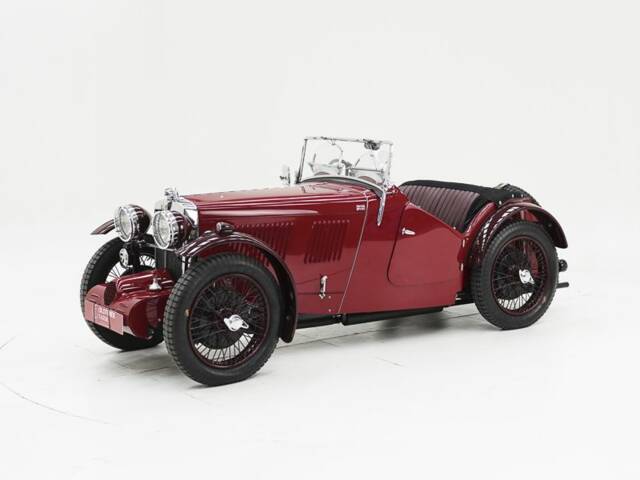
1933 | MG J3 supercharged
1933 MG J2 supercharged '33

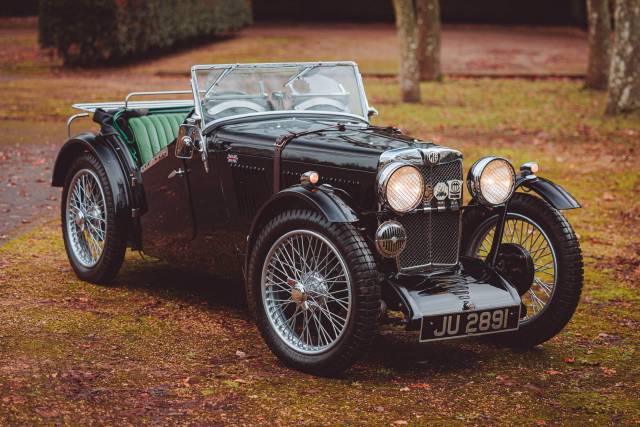
1933 | MG J2 Midget
Huge History File - Delightful
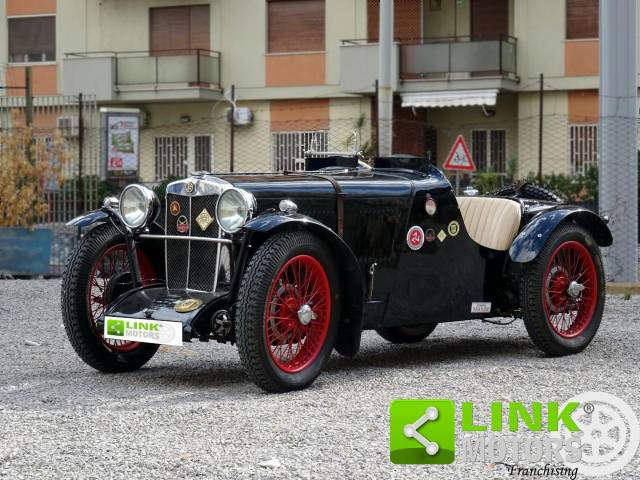
1933 | MG J1 Midget
MG J-Type 2 MIDJET (1933) Iscritta Registro MG

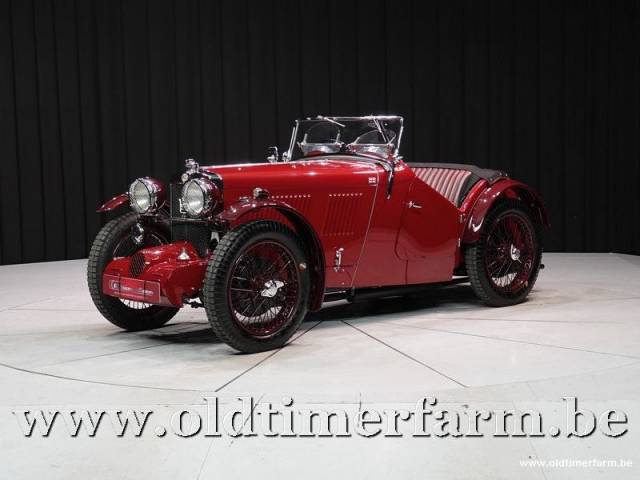
1933 | MG J2 Midget
1933 MG J2 supercharged '33
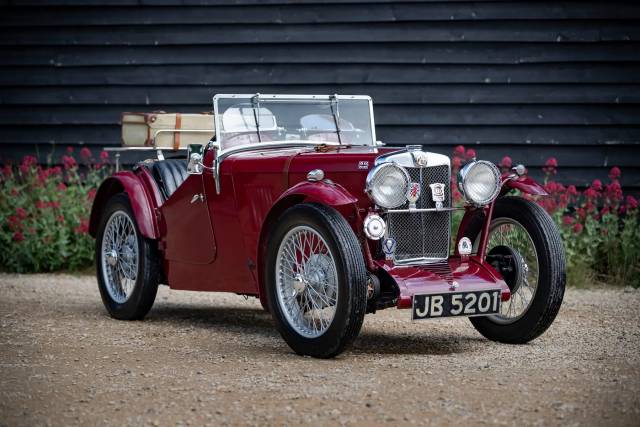
1932 | MG J2 Midget
Fabulous Example From 40 Years Ownership
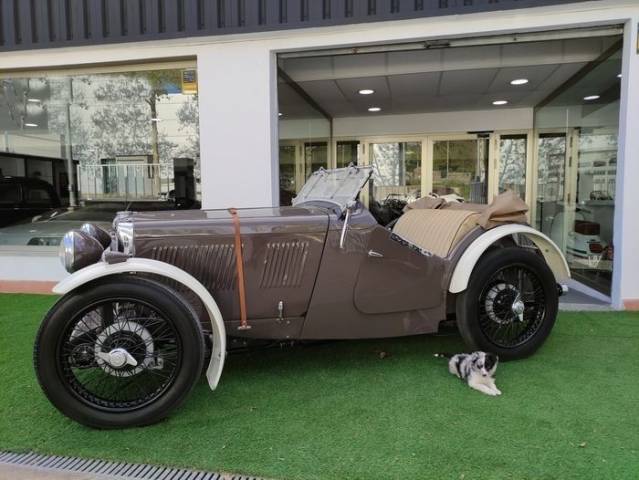
1932 | MG J2 Midget

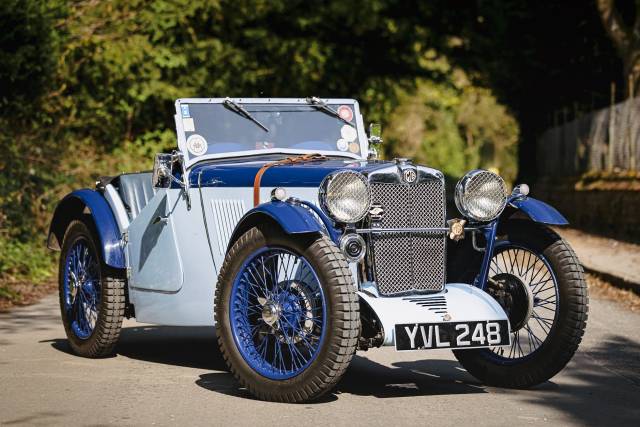
1932 | MG J2 Midget
For sale by auction on The Market - See themarket.co.uk
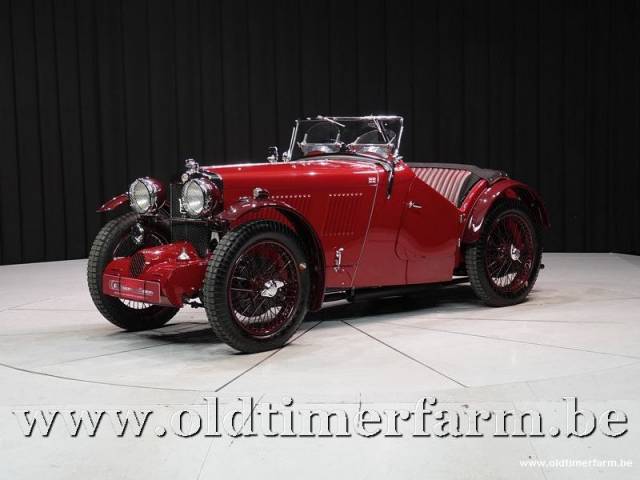
1933 | MG J2 Midget
1933 MG J2 supercharged '33
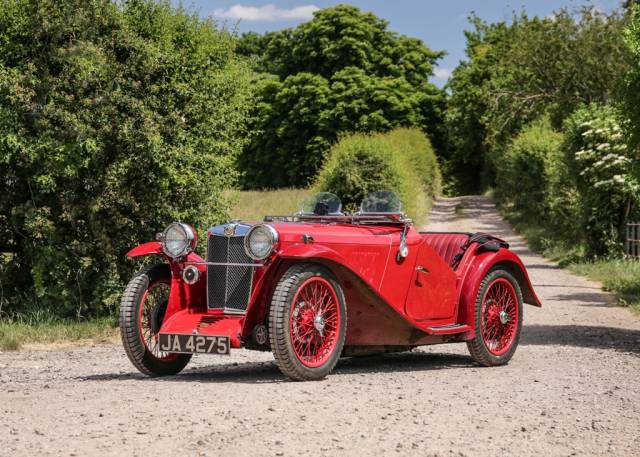
1934 | MG J2 Midget
MG J2
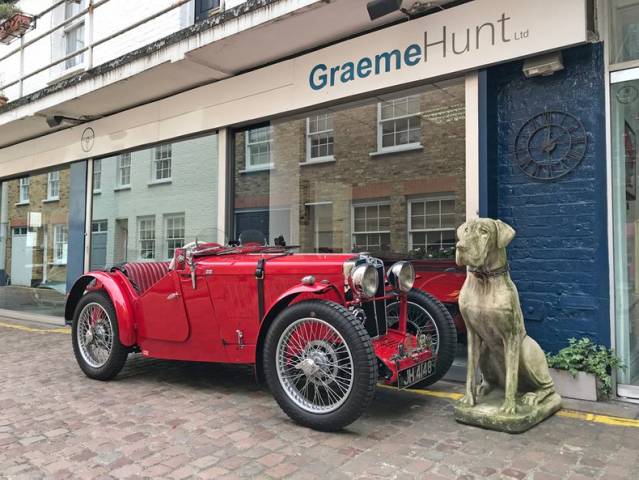
1933 | MG J2 Midget
1933 MG J2
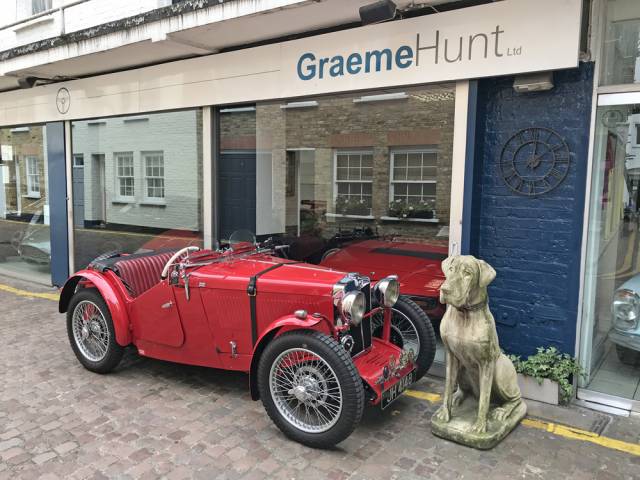
1933 | MG J2 Midget
1933 MG J2 Midget - Restored Condition with freshly rebuilt engine
Create search alert
Let yourself be notified as soon as a listing is published that matches your search filters.
Create listing
Do you have a MG J-Type that you want to sell? Then create a listing now.
Create listingMG J-Type Classic Cars: Prices & Market Values
History and Introduction of the MG J-Type
The MG J-Type emerged in September 1932 as an evolution of MG’s previous small sports models. Succeeding the D-Type and C-Type, the J-Type modernised the concept with a crossflow cylinder head on its 847cc overhead-cam engine and a newly revised chassis. The star-axle suspension with semi-elliptic leaf springs and the 4-speed manual gearbox defined a driving package that offered reliable rear-wheel-drive engagement. While primarily sold as a lightweight two-seater roadster, certain versions featured salonette bodies with cut-down doors, attesting to the flexibility and appeal of the J-Type. Production continued until 1934, cementing its place in British motoring as a quintessential 1930s sports car.
Model History of the MG J-Type Series
The J-Type line began with the four-seater MG J1, 380 units of which combined usability with sporting style. It was quickly succeeded by the J2, the best-selling member of the series, with 2,083 two-seater examples built. Later, the J3 and J4 models took the J-Type into professional and amateur motorsports. The J3, limited to just 22 units, featured supercharging and larger brakes for enhanced race performance, with reduced engine displacement for event eligibility. Even rarer, the J4 (only 9 built), roared onward as a true factory race machine, with minimal weight and competitive ambitions. Each version contributed to the reputation of MG as a manufacturer focused on sporty, hands-on driving enjoyment.
Highlights of the MG J-Type Series
Each MG J-Type stands out for its commitment to the unfiltered driving experience with mechanical, non-assisted steering and a manual four-speed transmission—design elements heavily influenced by motorsport. The spoked wheels, rich leather interior, and removable fabric roof echo the pre-war sporting tradition. The J2, with its 847cc engine and twin SU carburettors, is renowned for its combination of agility and top speeds surpassing 100 km/h. The extremely limited J3 and J4 versions, benefitting from supercharging, heightened their competitive profile for track events.
The share of J-Type models among MG classics offered and viewed on our marketplace stands at 100%. This makes the J-Type not only pivotal in MG’s early history but also a focal point for present-day classic car interest.
Technical Data
Special Editions and Collectible Models
Among the J-Type family, the J3 and especially the J4 stand out: the J3 was supercharged with only 22 built, making it a sought-after rarity for vintage racing. The J4, with only 9 originals produced, boasted even lower weight and bespoke race tuning, marking it as the most exclusive J-Type variant. Replica J4s can offer higher power outputs and preselector gearboxes, catering to historic motorsport enthusiasts.
Engine, Performance, Transmission, and Handling
The J-Type prioritises an undiluted, mechanical driving feel. The 847cc four-cylinder powers the rear wheels through a robust four-speed manual—race-bred models with preselector boxes offer even more dynamic shifting. Drivers are rewarded with crisp steering devoid of power assistance, lightweight directness from the chassis, and lively handling shaped by a star-axle and semi-elliptic leaf spring suspension. While not built for straight-line performance by modern standards, the J-Type provides immersion through light weight, responsive handling, and a spirited engine note, especially in supercharged competition versions. - MG J1: four-seater, 455 kg, 847cc, 380 units
- MG J2: two-seater, 492 kg, 847cc, 2,083 units, 104 km/h
- MG J3: supercharged, 22 units, enlarged brakes, lower capacity
- MG J4: supercharged, 9 units, ultra-lightweight, track-focused
Interior, Comfort, Exterior and Design
The J-Type’s design is unmistakably 1930s British sporting: flowing, free-standing mudguards, swept down doors, low stance, and detailed wire-spoke wheels frame a compact, purposeful body. The cabin matches an extrovert chromed grille and signature bonnet straps with hand-trimmed leather seats and classic instrument clusters. Folding fabric roofs and tonneau covers were common, reflecting a sporting pragmatism. Salonette variants featured closed bodies with deeper door cutouts for a unique style. Original colour palettes tended towards elegant, understated shades typical for the period, while the emphasis on lightweight materials, handcrafted assembly, and mechanical honesty underscored the car’s competition heritage.
Summary
MG J-Type models stand as flagbearers of authentic British pre-war sports motoring, offering a rare mix of grace, athleticism, and mechanical simplicity. The J-Type’s undiluted approach to the driving experience, coupled with its historic motorsport pedigree and exceptional rarity among special editions, places it at the heart of British automotive heritage.