MG RV8 classic cars for sale
The MG RV8 combines the unmistakable lines of the classic MGB with a modernised body and the punch of a 3.9-litre V8, offering a truly distinctive British open-top driving experience. With fewer than 2,000 ever built and the majority exported to Japan, finding an RV8 in the UK or Europe is a rare opportunity for connoisseurs who appreciate both nostalgia and well-engineered mechanicals.
Search results
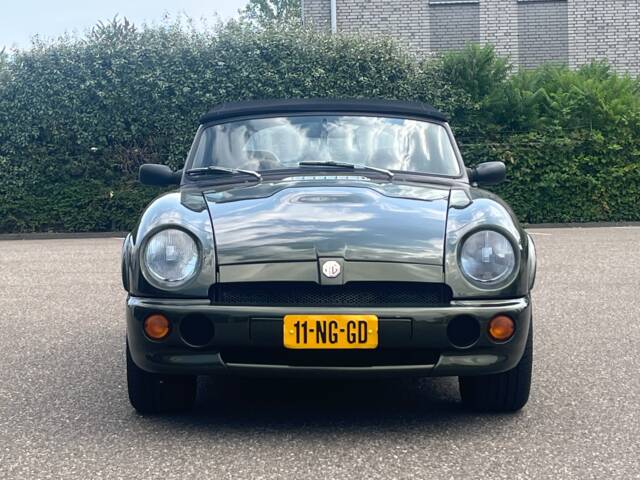
1994 | MG RV8
Airconditioning. 33100 km.



1994 | MG RV8
Red Pearlescent

Auctions ending soon

Loading…
Loading…
Loading…
Loading…
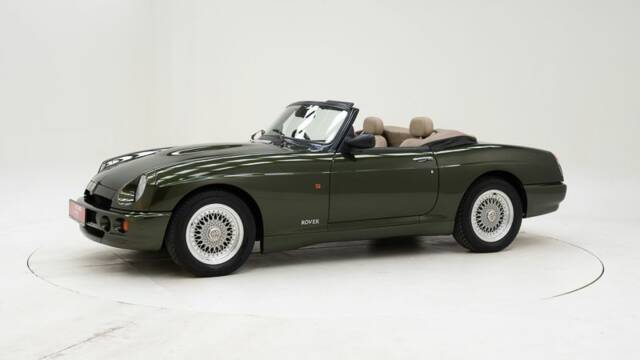
1995 | MG RV8
1995 MG RV8 '95

1993 | MG RV8
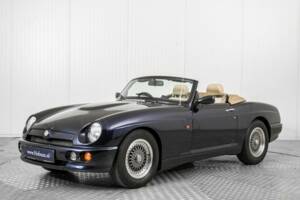
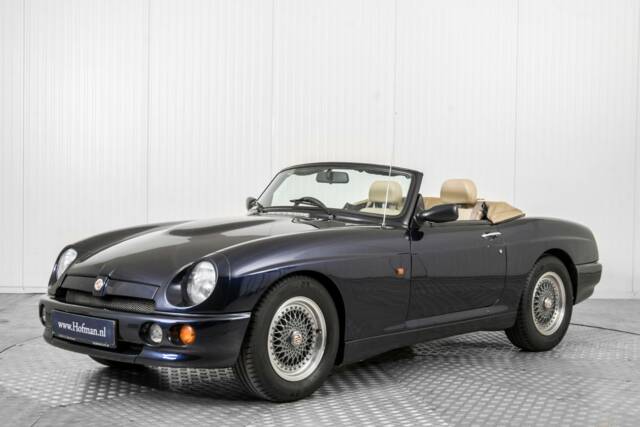
MG RV8 4.0 V8 Oxford Blue
Newsletter
The best MG listings, straight to your inbox
Get hand-picked MG listings, plus the best of cars, motorbikes, and auctions on Classic Trader — all in one place.
1995 | MG RV8
MG RV8 4.0 V8 RHD
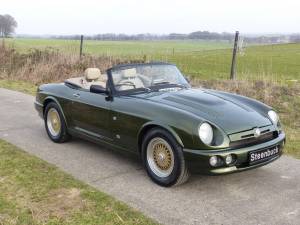
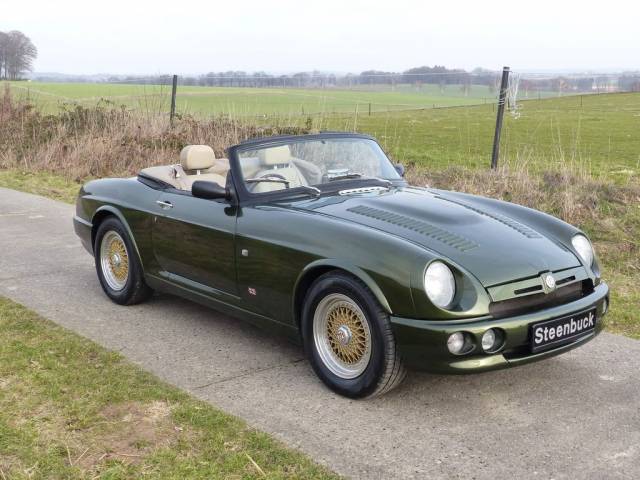
1994 | MG RV8
Beautiful, rare and lots of power

MG RV8 listing references from Classic Trader
Below you will find listings related to your search that are no longer available on Classic Trader. Use this information to gain insight into availability, value trends, and current pricing for a "MG RV8" to make a more informed purchasing decision.
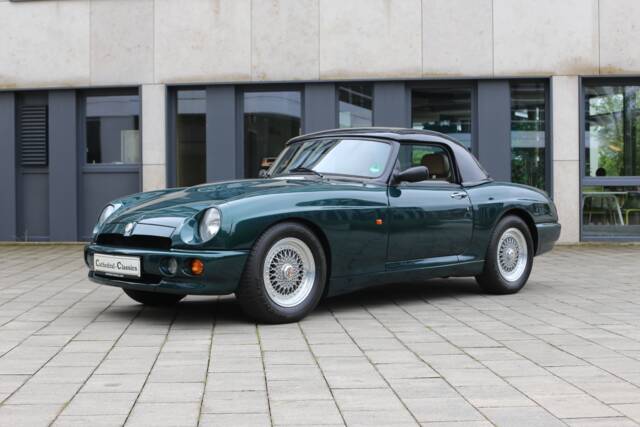
1995 | MG RV8
MG RV8 – The final Iteration – an original German supplied example.
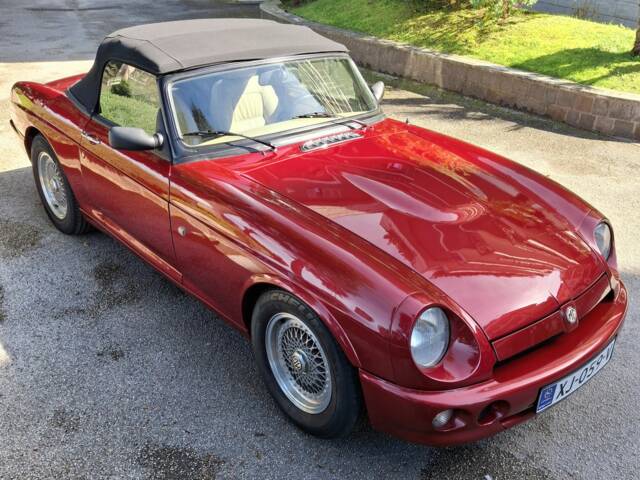
1994 | MG RV8
MG RV8 | 1994 | Route 66 Auctions - For sale by auction. Estimate 32500 EUR
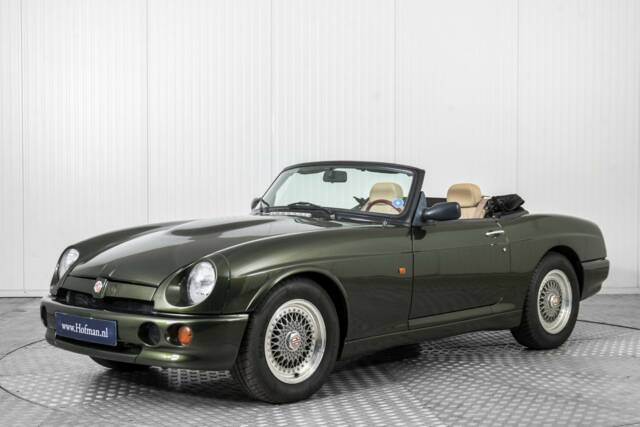
1994 | MG RV8
MG RV8 4.0 V8 LHD
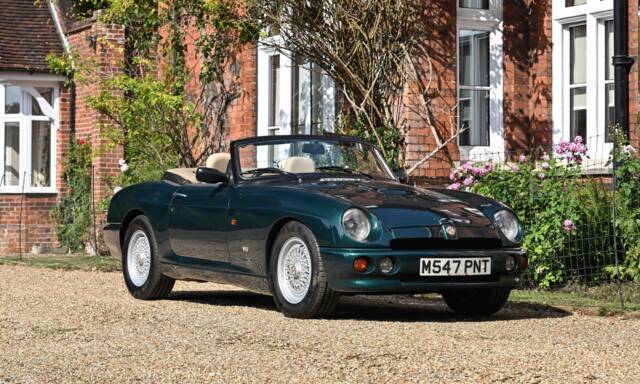
1995 | MG RV8
1995 MG RV8

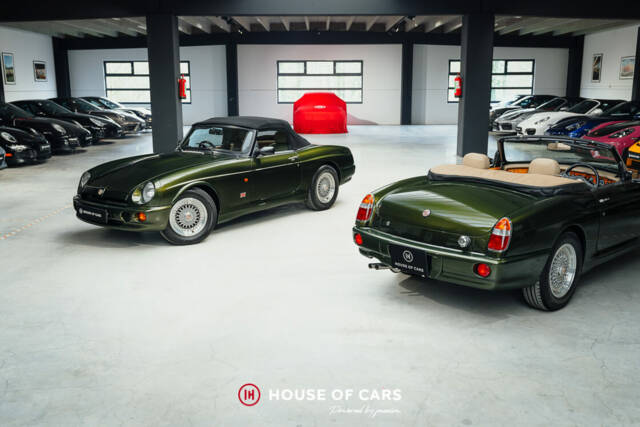
1994 | MG RV8
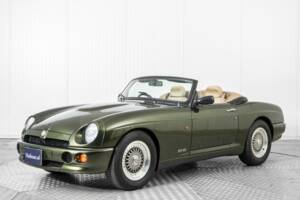
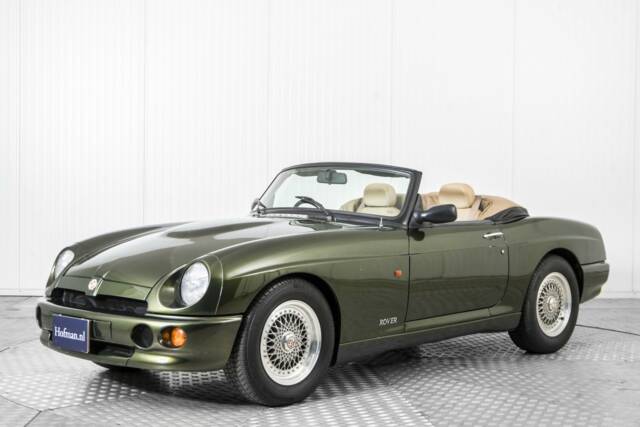
1 of 324ex* - Woodcote Green - Collector
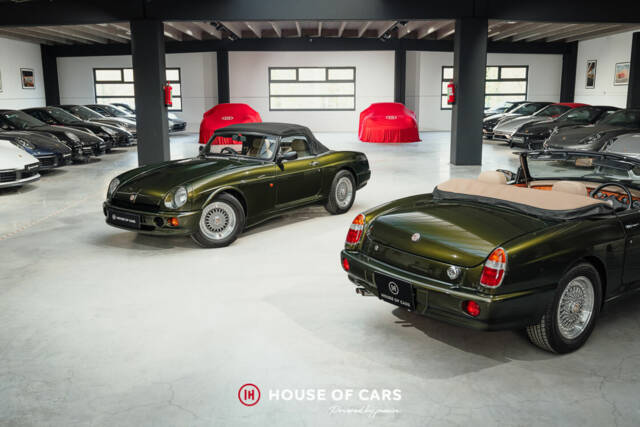
1995 | MG RV8
1 of 1.269 ex* - Low Mileage - Collector
MG RV8 Classic Cars: Prices & Market Values
History of the MG RV8
The MG RV8 was conceived in the early 1990s as a reinterpretation of MG's famous MGB Roadster, which had defined British sports cars through the 1960s and 1970s. Developed by Rover Special Projects, the RV8 was an intentional blend of retro styling and modern technology, created to mark the 30th anniversary of the original MGB. Launched at the 1992 British International Motor Show, it arrived at a time when the popularity of classic British roadsters was resurging, especially as Japanese competitors like the Mazda MX-5 had reignited the segment. In total, around 1,983 units were produced between 1992 and 1995, with the vast majority – over 75% – sent to the Japanese market, making surviving RV8s in the UK and Europe especially sought after. Assembly involved hand-built craftsmanship at Rover's Longbridge plant, using updated MGB underpinnings and newly designed body panels. The RV8 didn’t only revive a famous badge, it paved the way for future MG sports cars such as the MG F.
Model History
The MG RV8 sits at the crossroads between two eras: it pays direct tribute to the original MGB, launched in 1962 as Britain’s first mass-market monocoque sports car, while serving as a precursor to the more contemporary MG F of the mid-1990s. Sharing foundational architecture with the MGB—including the shell, doors, and rear suspension—the RV8 resurrected many core engineering traits while adding a refined V8 drivetrain and luxury appointments. The model series was produced exclusively as a two-seat roadster, all in right-hand drive, with no official left-hand drive cars and only minor variations in equipment by region. Its production marks the closing chapter of classic, rear-wheel drive MG roadsters built with traditional craftsmanship before MG shifted toward more modern sporting platforms.
Highlights and Unique Features
The MG RV8 offers a unique blend in the sports car market: retro character and muscular V8 performance. Its aluminium 3.9-litre Rover V8 produces around 190 PS and 318 Nm of torque, paired to a five-speed manual gearbox. Classic design elements include a muscular, widened body shell based on a rejuvenated MGB tub, with pronounced wheel arches and deep chrome accents. The plush interior is finished with Burr Elm veneer and Connolly leather. Most RV8s were finished in Woodcote Green Metallic, but a handful were produced in black or red, which are especially rare. Exclusive features like an optional air conditioning, electric windows, alloy wheels, and comprehensive original accessories such as bespoke carpets, covers, and toolkits, add to its allure.
Technical Data
Special Editions and Collectible Versions
The MG RV8’s production was limited to fewer than 2,000 units, making every car de facto a limited edition. Especially notable are the handful of RV8s finished in black (fewer than 20 worldwide) and those with rare factory accessories or unique paint codes, such as the optional pearl-effect finish. All original RV8s were delivered as right-hand drive, adding to their exclusivity outside the UK and Japan. No factory left-hand drive versions were produced.
Weak Spots and Common Issues
Although the RV8 benefits from robust engineering, certain aspects should be considered:
- Rear drum brakes and leaf-spring live axle are inherited from the MGB, offering classic charm but outdated by modern standards.
- Availability of left-hand drive parts is minimal, as all cars were right-hand drive from the factory.
- Leather and wood interiors, especially light-coloured Connolly leather, require regular cleaning and conditioning to avoid ageing and staining.
- Japanese-imported cars tend to be better preserved but may need compliance updates for European standards.
- Early cars used the LT77 gearbox, while later cars had the improved R380; buyers may prefer the latter for smoother shifting.
- Regular servicing of the V8, attention to cooling system, and checks for oil leaks are important for reliability.
- As with any low-volume, hand-built car, thorough documentation and provenance are valuable for preserving originality and value.
Engine, Performance and Handling
With a 3.9-litre V8 under the bonnet, the MG RV8 produces robust acceleration—0–100 km/h in under six seconds and a top speed of up to 230 km/h. The classic rear-wheel drive layout and limited slip differential provide engaging dynamics, though the ride and handling reflect the car’s roots in the 1960s, with a somewhat firm and less sophisticated leaf-spring rear axle. Front ventilated discs with 4-piston calipers offer solid stopping power, but rear drum brakes can feel dated. Despite these quirks, the RV8 is appreciated for its strong V8 character, sonorous exhaust note, and the timeless sensation of open-top motoring. - RV8 (all examples are highly coveted, especially those finished in unique colours like black or red and later-production cars with the R380 transmission)
Design: Interior, Comfort, Exterior
The RV8’s appearance is an homage to the original MGB but bolder and more muscular. The tub is based on the Heritage MGB shell but heavily reworked with flared arches, wider stance, and deep-set chrome. Distinctive features include the large octagonal MG badging, chromed bumpers and door mirrors, and colourways such as Woodcote Green Metallic. Inside, Connolly leather and Burr Elm veneer create a rich environment; the most common layout is stone beige leather with walnut trim, along with original Moto-Lita steering wheel in some cars. The cockpit features clear analogue VDO instruments, electric windows, and optional air conditioning. Factory accessories include bespoke carpets, wind deflectors, and tenneau covers, as well as original toolkit in a canvas roll.
Other Relevant Features
All RV8s have unique chassis numbers starting SARRAWBMBMG and many retain original Heritage Certificates and full historical documentation. Japanese imports are often in notably rust-free condition, raising the average standard of RV8s available today. The initial price positioned the car higher than some contemporary Jaguars, reinforcing its exclusivity. Extras like original brochures, maintenance manuals, factory wind stops, and custom car covers are particularly valued by collectors.
Summary
The MG RV8 delivers classic British sports car aesthetics paired with the exhilarating performance of a V8. It is a rare sight even among classic MGs, with the vast majority built for—and originally sent to—the Japanese market. Every detail, from its authentic RWD layout and muscular stance to its luxuriously appointed interior, sets the RV8 apart as a unique celebration of MG heritage and 1990s engineering. Today, it stands as one of the rarest, most charismatic ways to enjoy traditional open-top motoring with modern reliability.