MG F-Type Classic Cars for Sale
The MG F-Type, produced only between 1931 and 1932, represents one of MG's early six-cylinder models and is known by the 12/70 designation. Its short production period and distinctive engineering make the F-Type a unique find for dedicated pre-war British sports car enthusiasts.
Search results
Currently, there are no matching listings for your search.
Create search alert
Let yourself be notified as soon as a listing is published that matches your search filters.
Create listing
Do you have a MG F-Type that you want to sell? Then create a listing now.
Create listingMG F-Type listing references from Classic Trader
Below you will find listings related to your search that are no longer available on Classic Trader. Use this information to gain insight into availability, value trends, and current pricing for a "MG F-Type" to make a more informed purchasing decision.
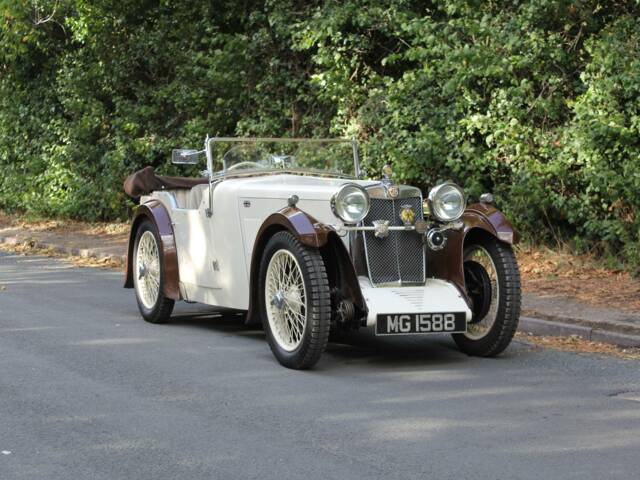
1932 | MG F1 Magna
1932 MG Magna F1

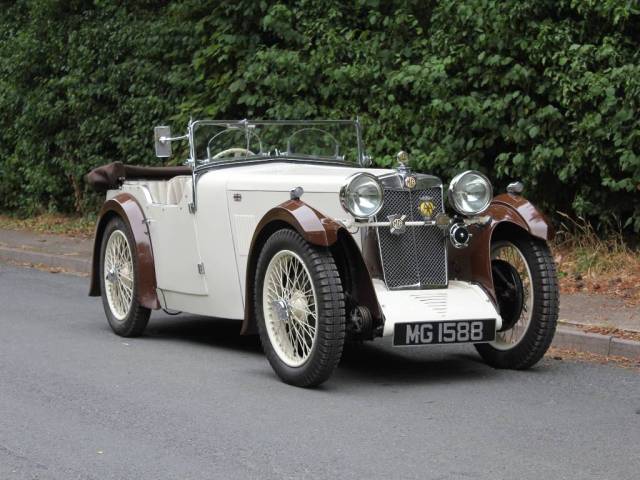
1932 | MG F1 Magna
1932 MG Magna F1 Magna
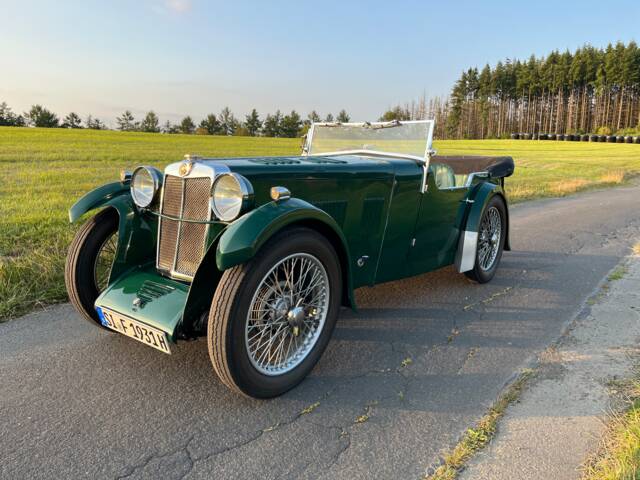
1931 | MG F1 Magna
1931 MG F1 Magna 4 seater

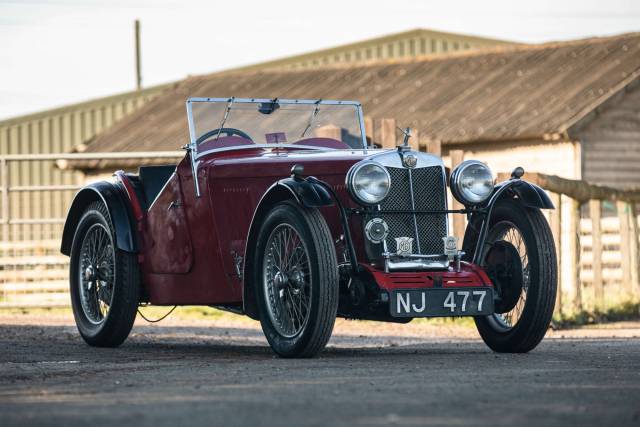
1932 | MG F2 Magna
1932 MG F2-Magna
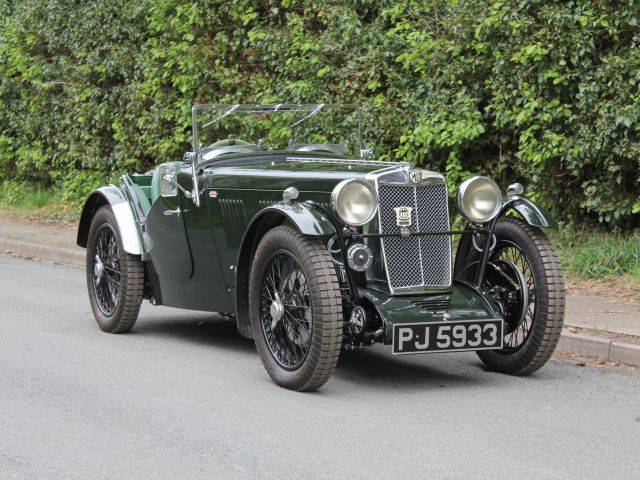
1932 | MG F1 Magna
1932 MG F Type Magna
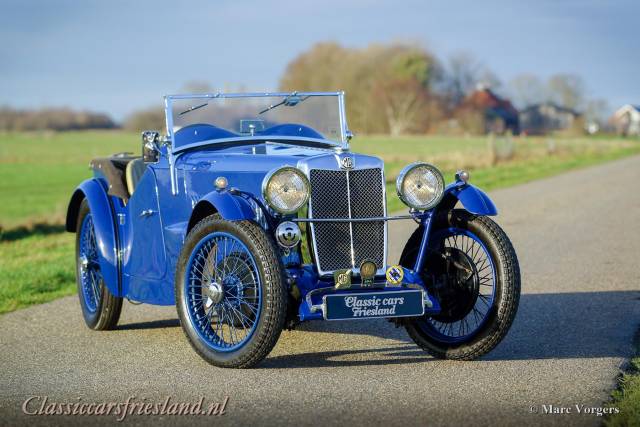
1932 | MG F1 Magna

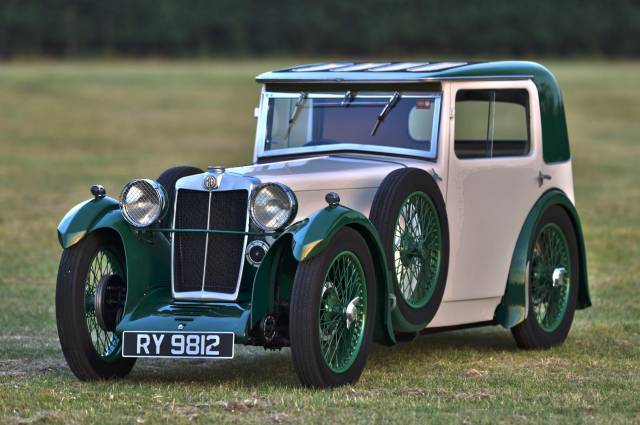
1932 | MG F1 Magna
MG F type Magna Salonette
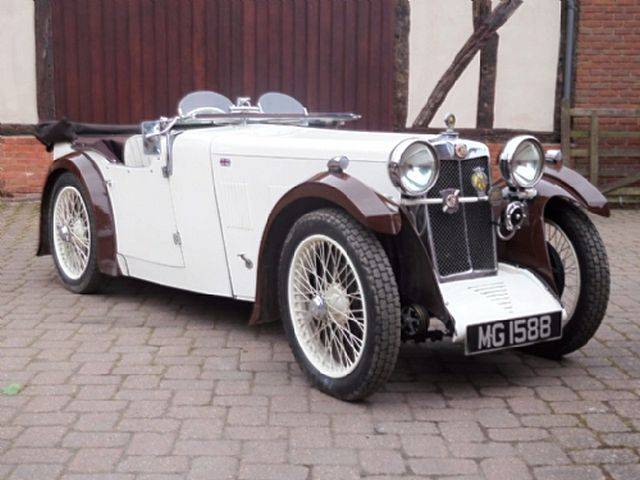
1932 | MG F3 Magna
The F Magna is one of the most reliable and practical early MGs.
Create search alert
Let yourself be notified as soon as a listing is published that matches your search filters.
Create listing
Do you have a MG F-Type that you want to sell? Then create a listing now.
Create listingMG F-Type Classic Cars: Prices & Market Values
History of the MG F-Type
MG introduced the F-Type in October 1931, entering the competitive landscape of early 1930s British sports cars. The F-Type was part of MG’s evolution from four-cylinder to six-cylinder engines, striving for increased refinement and performance. Its reputation grew among sports car drivers seeking a combination of style and speed. Production lasted until 1932, after which MG continued to develop its range of small-displacement, performance-oriented cars—focusing on further evolving bodywork and mechanical sophistication.
Model History of the MG F-Type
The F-Type was designed as a successor to smaller, four-cylinder MG models, taking inspiration from the successful Magna and Midget series but with an emphasis on six-cylinder smoothness. Although its production run was brief, ceasing in 1932, the F-Type helped set the stage for subsequent MG models that refined six-cylinder technology and chassis dynamics. Its role in connecting MG’s early sports car development with later pre-war models is significant.
Highlights of the MG F-Type
One of the main distinguishing factors of the MG F-Type is its six-cylinder engine—uncommon in its era for small British sports cars. This gave it a refined character compared to contemporaries. The F-Type, also called the 12/70, stands out for its combination of engineering ambition and period-specific styling cues, such as wire wheels and open two-seater bodies.
Technical Data
Special Editions and Collectible Models
Due to its short production span and limited total units, each MG F-Type is already considered a collectible within the scope of early pre-war MGs. However, there is no widely documented special edition beyond possible bodies commissioned by specific coachbuilders during the customisation-friendly era.
Weak Spots and Common Issues
When dealing with a car produced between 1931 and 1932, buyers should pay close attention to the condition of the engine's internals, the period electrical system, and the integrity of suspension components. Sourcing original parts can be challenging; mechanical wear, corrosion, and poorly executed restorations are common issues to assess in detail.
Engine and Performance, Transmission and Handling
The MG F-Type's six-cylinder engine was a hallmark for MG, offering smooth power delivery uncommon among its four-cylinder siblings. Period reviews highlight its brisk acceleration for the early 1930s, while its chassis and suspension set-up balanced firmness for handling with enough compliance for rougher British roads. The gearbox typically provides a mechanical, hands-on driving experience, rewarding attentive driving. Most F-Types were open two-seaters, but coachbuilt variants may exist; individually, cars with known period racing history or unique bodywork are especially valuable to collectors.
Interior, Comfort, Exterior and Design
The MG F-Type displays classic early-1930s British sports car design: wire wheels, flowing fenders, and a minimalist cockpit with basic instrumentation. Interiors often feature leather seats and simple dashboards, while exterior details celebrate period craftsmanship. Options for special coachwork or bespoke paint finishes existed for buyers at the time.
Other Features
Each surviving MG F-Type reflects not just its original specification, but potentially decades of ownership history, modifications, and restoration philosophies. Provenance and documentation greatly impact the car’s value and appeal.
Summary
The MG F-Type stands as a significant chapter in the early history of MG, combining six-cylinder refinement with unmistakable pre-war British sports car character. With all classic MG interest in this category focused exclusively on the F-Type, it remains a key model for marque specialists and collectors seeking authenticity, rarity, and a tangible link to the golden age of British motoring.