Ford Transit classic van for sale
The Ford Transit is a defining figure in European commercial vehicle history, offering unmatched versatility across decades and a vast range of model variants for trade, camper conversions, or collectors. From robust box vans to original crew buses or plush Clubmobils, the Ford Transit’s variety and reliability shaped countless enterprises and journeys throughout the continent.
Search results
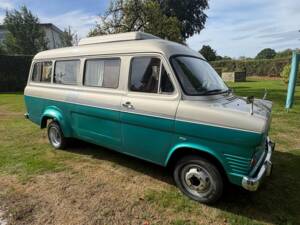
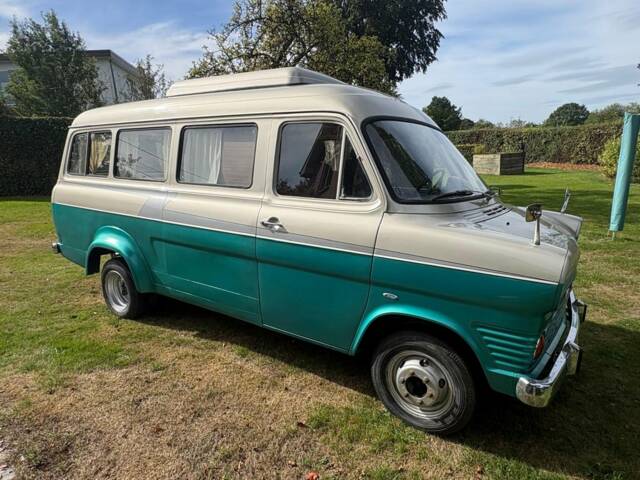
1969 | Ford Transit
Ford Transit | 1969 | Route 66 Auctions - For sale by auction. Estimate 5400 EUR

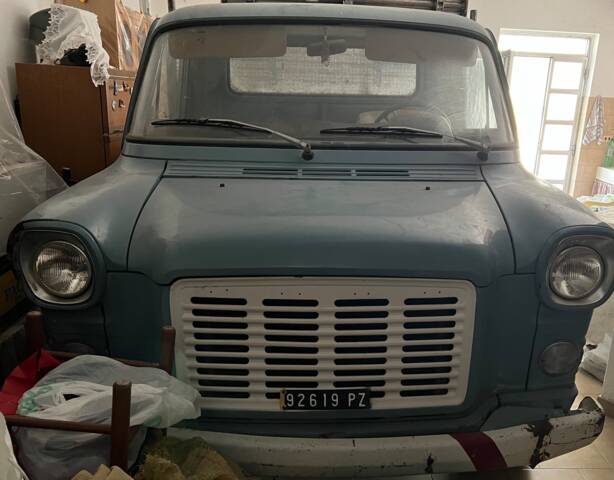
1975 | Ford Transit
First-generation Ford Transit 100 (Mk1)

Auctions ending soon

Loading…
Loading…
Loading…
Loading…
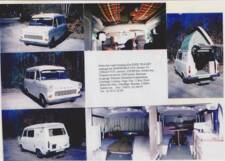
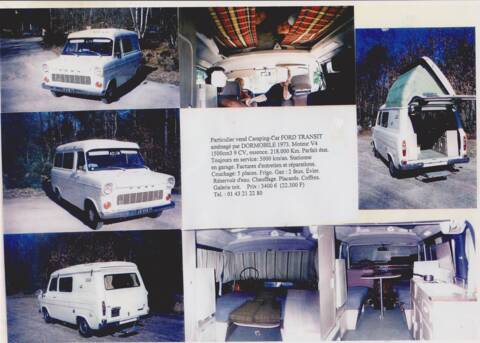
1973 | Ford Transit FT 1500
Motorhome

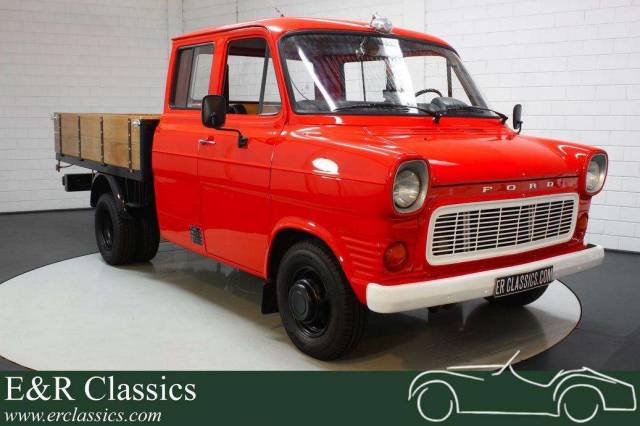
1977 | Ford Transit
Ford Transit MK1 Pick-up | In 2021 gerestaureerd | 1977
Newsletter
The best Ford listings, straight to your inbox
Get hand-picked Ford listings, plus the best of cars, motorbikes, and auctions on Classic Trader — all in one place.
Ford Transit listing references from Classic Trader
Below you will find listings related to your search that are no longer available on Classic Trader. Use this information to gain insight into availability, value trends, and current pricing for a "Ford Transit" to make a more informed purchasing decision.
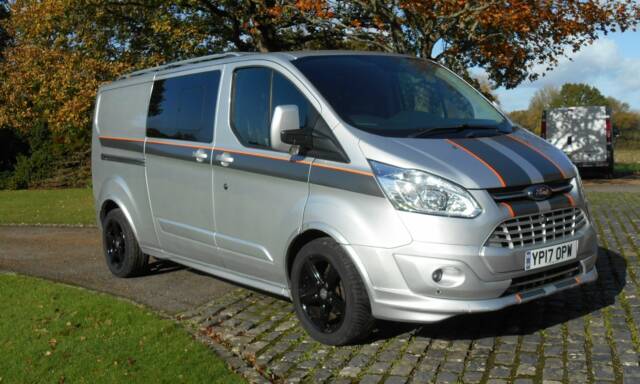
2017 | Ford Transit 2.0 TDCI
2017 Ford Transit Custom Crew Cab 2.0 TDCI

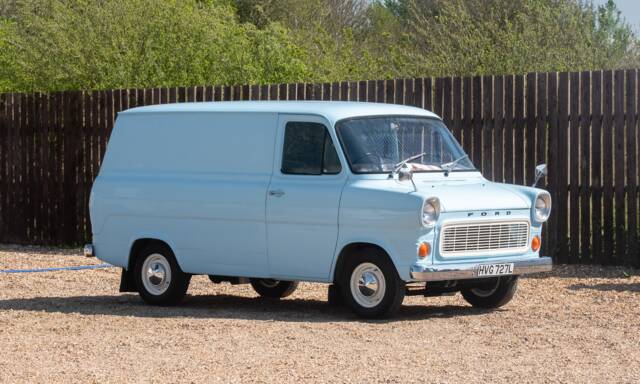
1972 | Ford Transit
1972 Ford Transit Mk. I
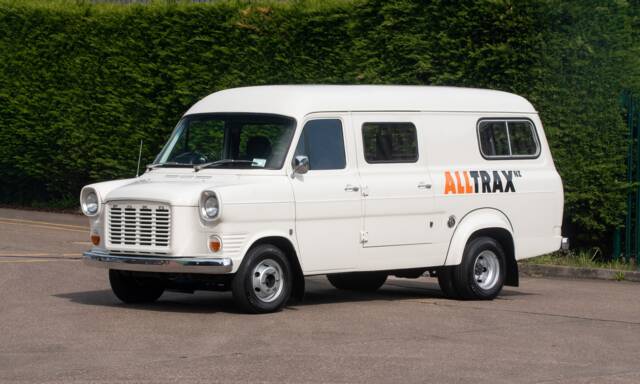
1975 | Ford Transit
1975 Ford Mk. I Transit LWB
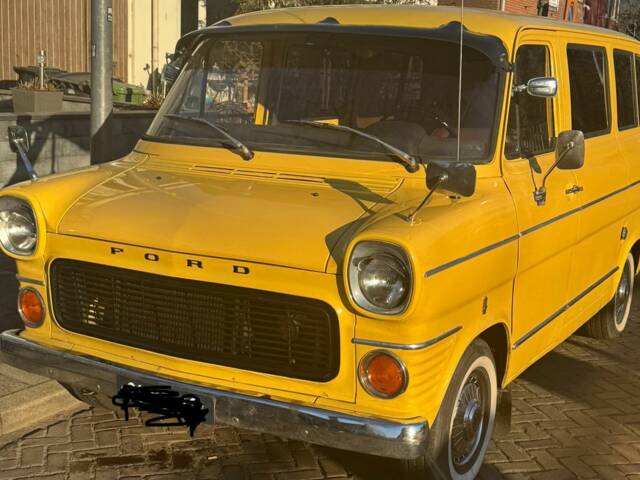
1976 | Ford Transit
Ford Transit Bus | 1976 | Route 66 Auctions - For sale by auction. Estimate 7500 EUR
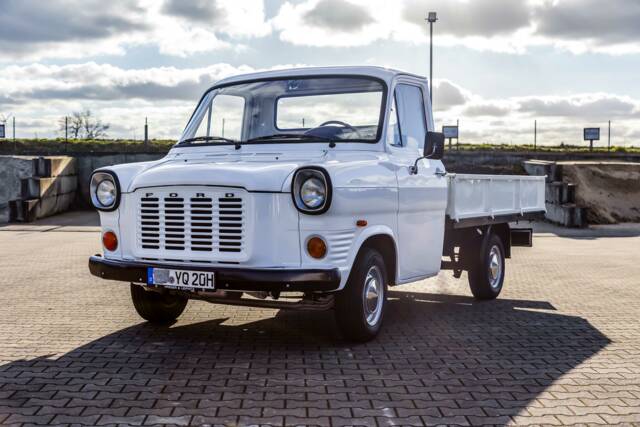
1975 | Ford Transit
Seltene Transit Pritsche mit Wertgutachten und umfassender Restaurierung

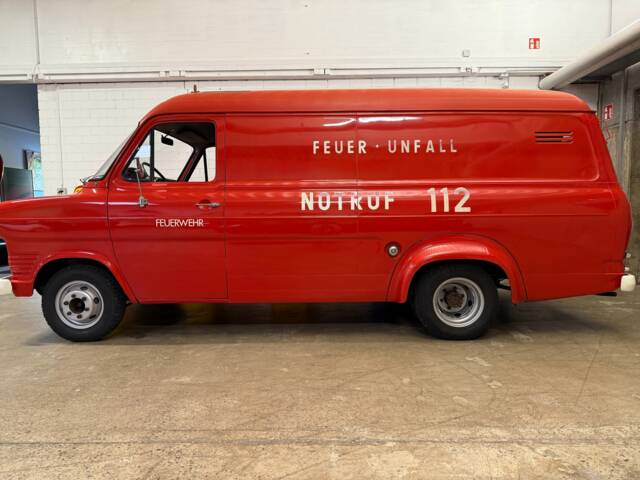
1977 | Ford Transit
Ford Transit MK1 Feuerwehr
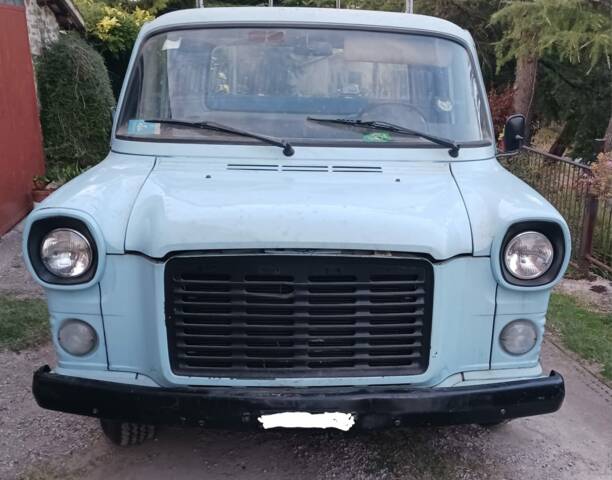
1976 | Ford Transit
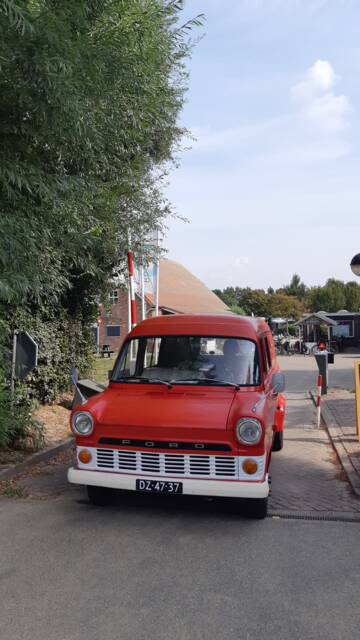
1968 | Ford Transit
Camper, V4 , 1.700 cc, 65 pk
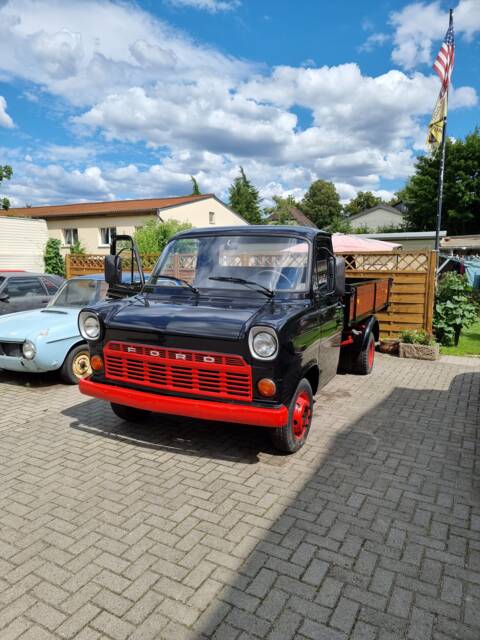
1970 | Ford Transit
Pritsche mit Kurbel
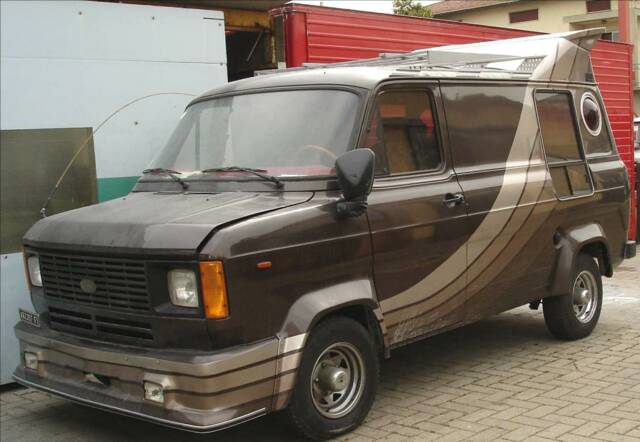
1980 | Ford Transit
FORD Transit Iscritto al registro storico
Ford Transit Classic Cars: Prices & Market Values
The market value of Ford Transit classic cars is primarily determined by the specific manufacturer code and variant, as well as technical condition, originality and mileage. Additional factors include rarity, history and documentation. A well-maintained, largely original vehicle with low, verifiable mileage and complete history including appraisals and documentation typically achieves significantly higher prices than a comparable vehicle with deferred maintenance, many modifications or unclear provenance.
Ford Transit: Market Prices & Value Trends
Based on Classic Trader marketplace sales data from February 2021 to December 2025, classic Ford Transit values in Europe look broadly stable overall, but with a clear split between everyday vans and the most desirable early examples and conversions. Most recorded prices cluster in the mid-market, with realistic asking levels typically around £6,000 to £15,000, covering many 1970s–mid-1980s Transits (often 62–78 hp) in usable, presentable condition. At the lower end, a small number of Italian and continental ads sit around £2,500–£5,500, usually reflecting restoration needs or simpler specifications, while the top end is shaped by rarer, higher-spec or particularly well-presented vehicles such as certain 1977 models and Westfalia/Camper variants, which can reach £20,000+. Recent 2025 observations include both budget and solid mid-range pricing, suggesting demand remains consistent rather than overheating. Collectability is supported by nostalgia, increasing scarcity of unmodified survivors, and the growing appeal of period commercial vehicles as lifestyle classics.
History of the Ford Transit
Launched in 1965, the Ford Transit was Ford’s ambitious response to Europe’s growing need for multi-purpose commercial vehicles. Drawing from the German FK 1000/1250 and developed in England, the Transit broke new ground with its modularity and adaptability. Production hubs sprang up not only in England, but also in Germany (Cologne), the Netherlands, Belgium, and later Turkey, reliably meeting regional demand. Over four platform generations—with major technical and visual updates—the Transit remained central to commerce, rescue services, and camper enthusiasts alike. Its consistently strong reputation is underscored by over 8 million units sold by 2015, making it one of the world's most widely used vans.
Model Series Evolution
The first official Ford Transit (1965–1978) set the tone with boxy practicality and adaptability—available as panel van, pickup, chassis cab, or minibus. This was followed by a revised second series (1978–1985) with updated styling and improved technology, and greater comfort in variants like the Clubmobil. The 1983 facelift included new grille, bumpers, and revised taillights. Diesel power joined the line-up in 1984 with a 2.5-litre direct-injection four-cylinder, reducing fuel consumption substantially. The Mk3 (1986-2000) modernised the shape with a sloped bonnet and windscreen alignment, maintaining variety with chassis cab, pickup, and panel van offerings and a mix of petrol and diesel engines. The current seventh generation has been in production since 2014, evolving in style, technology, and efficiency.
Special Characteristics and Market Data
The Transit stands out for its exceptional flexibility. Customers chose from multiple wheelbases, body types, and a range of petrol and diesel engines designed to suit specific trades and uses. Original features from the 1970s include trademark straight lines, expansive windows, and signature grilles. Common configurations range from sturdy vinyl bench seating to bespoke camper interiors. Standard features often included rev counters, fuel and temperature gauges, basic but functional dashboards, and robust mechanical construction. The supply statistics show that the most available variant is the Series II `'71 (27.6% supply share), with demand likewise highest for this model (38.7% of views), followed by the Mk I and Series III models, each commanding notable attention from enthusiasts and buyers alike.
Technical Data
Special Editions and Collector Models
A notable special edition is the Transit Clubmobil, introduced in the early 1980s with emphasis on driver comfort and upgraded interiors, such as swivelling seats and plush carpeting. Many fire brigade (red) and construction service (white) models with original livery exist—sometimes highly preserved or carefully restored. Factory campers and RV conversions, particularly those using reputable German or British conversion outfits, are prized for their originality and period accessories.
Weak Spots and Maintenance Tips
Wear-related issues often include main brake cylinders, lines, wheel bearings, and dampers. Regular checks and timely replacement of consumables—spark plugs, ignition leads, carburettor components, clutch and fuel pump—are essential for reliable driving. Corrosion at the sills, arches, and load floor is common, especially on working vehicles exposed to the elements. Ensuring originality and a well-documented restoration history substantially influences value and usability, while original spare part provision remains solid thanks to the model’s popularity.
Engines, Transmission, and Driving Characteristics
Transit driving is dominated by functional, relaxed ergonomics—with long gear shifts, direct non-assisted steering, and a ride tuned for durability over comfort. Early models typically cruise at 80–100km/h, with top speeds reaching 120 km/h for the most powerful engines. Chassis and suspension setups prioritise robust load handling, with heavy-duty tyres (such as 185 R14 C), double rear wheels where fitted, and a simple but effective beam axle design delivering a no-nonsense, work-ready driving experience. Popular choices include:
- Series II `'71: Most in-demand and abundant, known for robust construction and ease of modification
- Mk I: Valued for classic styling and conversion potential
- Series III `'78: Well balanced in power and load capacity, with significant production numbers and enthusiast following
Interior, Exterior and Design Features
Defining characteristics include the large, almost flat front with distinct grillwork, boxy cargo area, and practical details like fold-down pickup sides and roof racks. Interiors from the 1970s focused on no-frills functionality: hard-wearing synthetic seats, minimalistic dashboards, and straightforward controls. Fire brigade and construction models are often found in red and white, but period Ford colours like Bermuda Blue, black/cream, and others add variety. Accessories and upgrades—extra batteries, solar panels, radios (modern or period), fold-down seating, lockable storage—are common, especially on camper and RV conversions. Finishing touches such as curtain rails, vintage roof racks, and coded towing equipment remain popular among collectors.
Additional Noteworthy Features
The flexibility for conversion is a hallmark—many Transits have seen second (or third) lives as campers or promo vehicles, featuring sleeping setups, kitchen modules, and off-grid enhancements. Features such as H registration (as a classic vehicle), lockable luggage spaces in early models, and aftermarket upgrades like rear-view cameras or solar setups, further enhance long-term usability.
Summary
With an extensive history, wide range of variants, and proven robust construction, the Ford Transit remains a benchmark for practical, adaptable classic commercial vehicles. Whether as an unrestored fire truck, original works van, or converted camper, the Transit’s ongoing popularity is backed by supply and demand figures. Easy maintenance and solid parts supply ensure continued appeal among enthusiasts and professionals seeking a truly practical classic.