Jaguar XK Classic Cars for Sale
The Jaguar XK series is a benchmark for British sports cars, spanning the classic XK120, XK140, XK150 (built 1948–1961) as well as the modern XK8 and XKR (1996–2014). Distinguished by their inline-six engines, graceful bodywork, and racing pedigree—including world speed records and multiple Le Mans victories—these models are valued not just for their performance but also for their craftsmanship and design. Explore our thorough inventory of Jaguar XK classics, from aluminium-bodied originals to the sophisticated grand tourers of the 21st century.
Search results
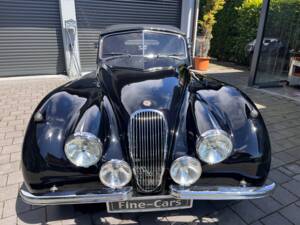
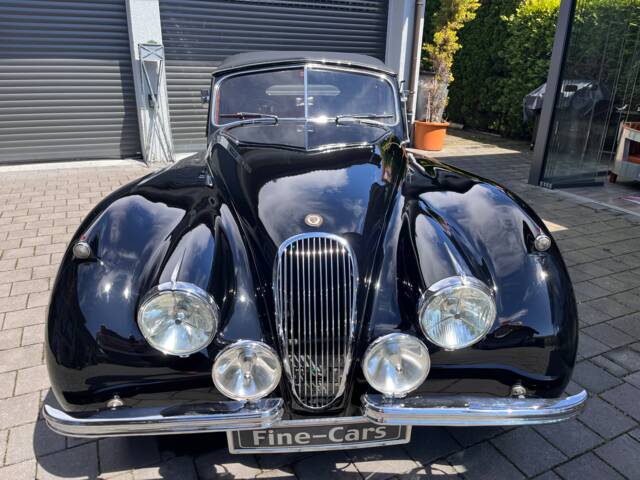
1954 | Jaguar XK 120 DHC
Jaguar XK 120 SE Drophead Cabriolet "Traum-Zustand"

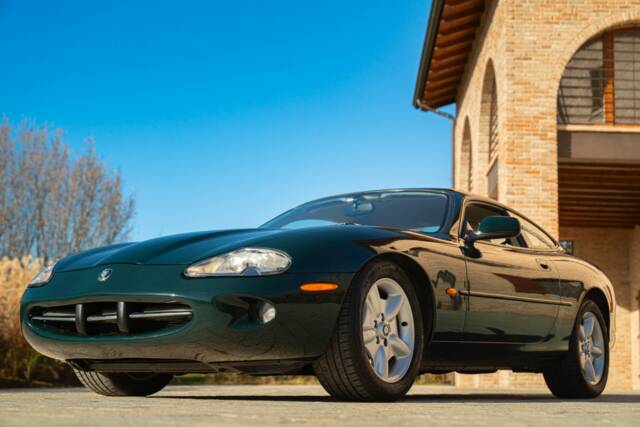
1998 | Jaguar XK8 4.0
Jaguar XK8 COUPE GENTLEMEN SPEC

Auctions ending soon

Loading…
Loading…
Loading…
Loading…
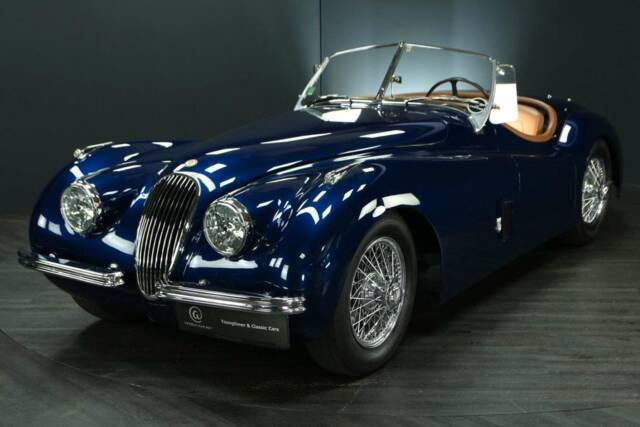
1952 | Jaguar XK 120 OTS
Jaguar XK
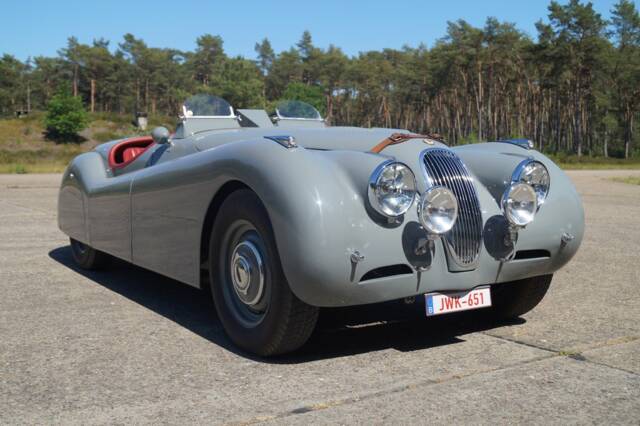
1950 | Jaguar XK 120 OTS
Jaguar XK120 OTS | 1950 | Route 66 Auctions - For sale by auction. Estimate 54000 EUR

Newsletter
The best Jaguar listings, straight to your inbox
Get hand-picked Jaguar listings, plus the best of cars, motorbikes, and auctions on Classic Trader — all in one place.

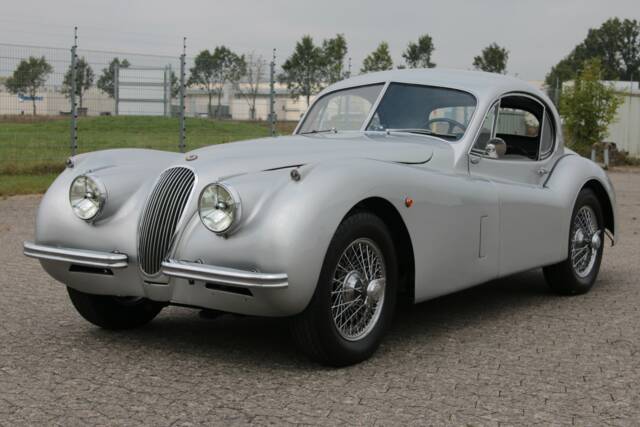
1951 | Jaguar XK 120 FHC
Nut and Bolt Restoration

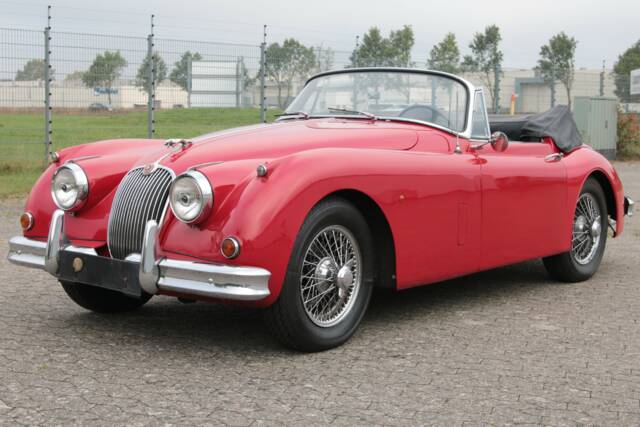
1958 | Jaguar XK 150 SE DHC
3 owners from new
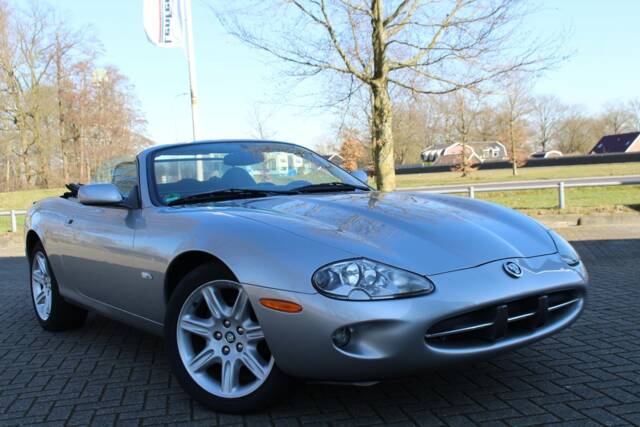
1999 | Jaguar XK8 4.0
Jaguar XK8 4.0 Cabriolet | 1999 | Route 66 Auctions - For sale by auction. Estimate 9600 EUR
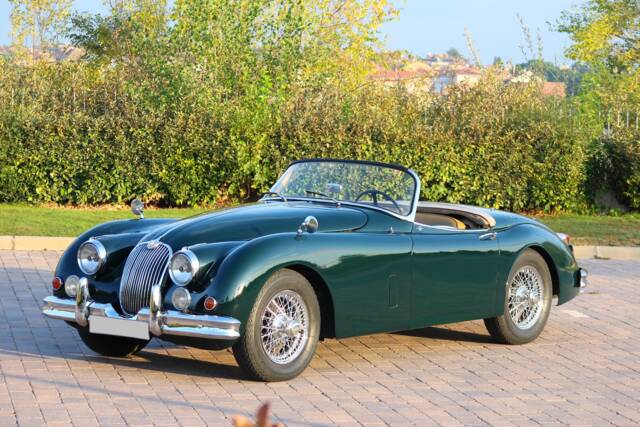
1959 | Jaguar XK 150 3.4 S OTS
Desariable original XK150 S & matching numbers.

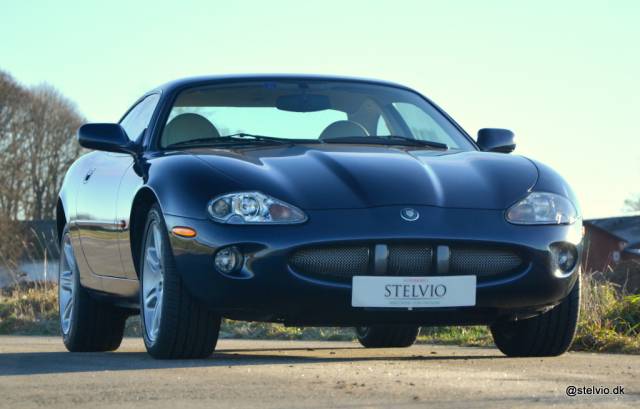
2000 | Jaguar XK8 4.0
LHD JAGUAR XK8 COUPE - PERFECT AND ORIGINAL
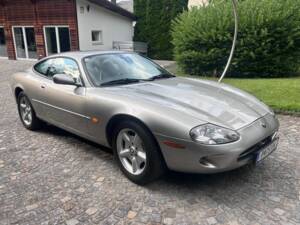
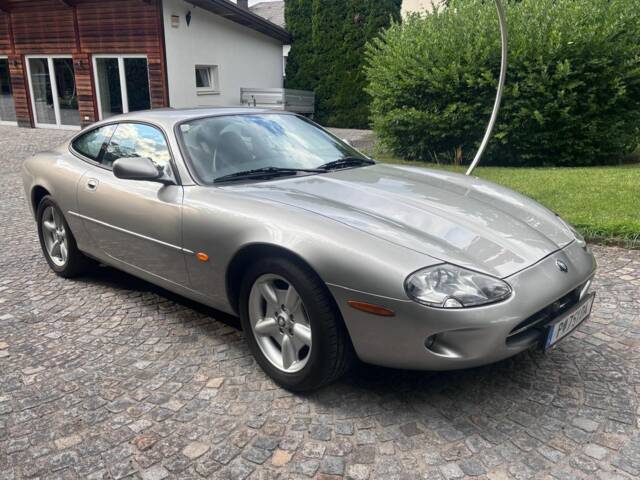
1998 | Jaguar XK8 4.0
Jaguar XK8 Coupe | 1998 | Route 66 Auctions - For sale by auction. Estimate 7200 EUR

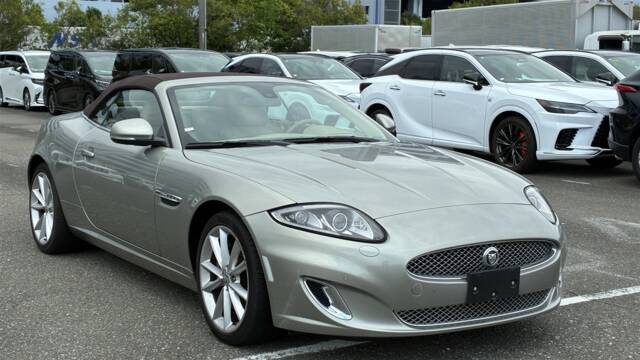
2013 | Jaguar XK
low mileage
VAT is reclaimable
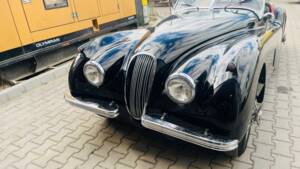
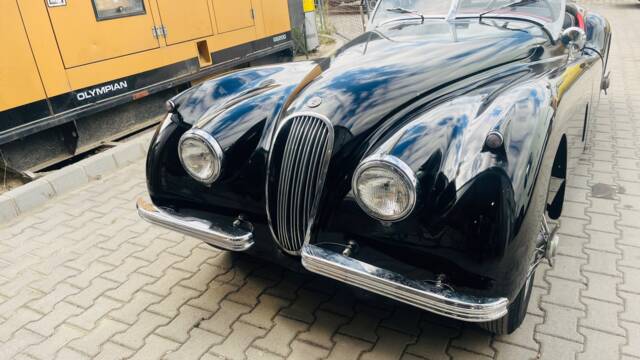
1954 | Jaguar XK 120 OTS
Jaguar XK120 Roadster

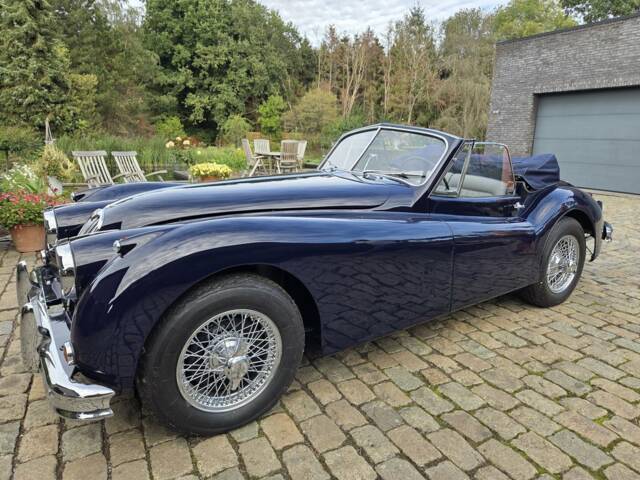
1957 | Jaguar XK 140 DHC
Jaguar XK140 Drophead Coupé | 1957 | Route 66 Auctions - For sale by auction. Estimate 36000 EUR
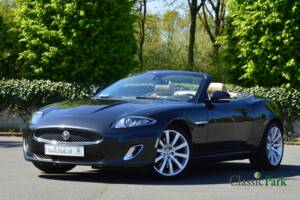
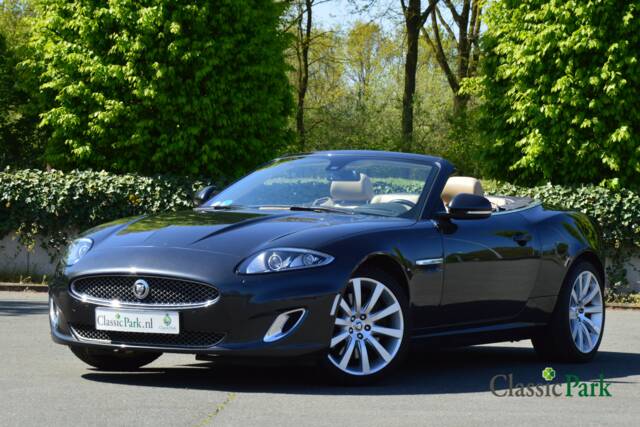
2012 | Jaguar XK
Jaguar XK 5.0 V8 Convertible Portfolio
Jaguar XK Classic Cars: Prices & Market Values
The market value of Jaguar XK classic cars is primarily determined by the specific manufacturer code and variant, as well as technical condition, originality and mileage. Additional factors include rarity, history and documentation. A well-maintained, largely original vehicle with low, verifiable mileage and complete history including appraisals and documentation typically achieves significantly higher prices than a comparable vehicle with deferred maintenance, many modifications or unclear provenance.
Jaguar XK: Market Prices & Value Trends
Based on sales data from the Classic Trader marketplace, the Jaguar XK category shows a broadly stable-to-firm market over the period from early 2021 to mid-January 2026, with values mainly driven by model generation and originality rather than short-term swings. The dataset spans everything from modern XK8/XKR coupés and convertibles (late 1990s to 2000s) through to the highly collectible XK 120/140/150 models of the 1950s and early 1960s, so overall pricing is naturally wide. Excluding clear outliers and rare “halo” cars (such as alloy-bodied XK 120s or unusually high-priced UK offers), realistic mainstream asking levels sit roughly around €15,000–€40,000 for XK8/XKR models, and about €80,000–€170,000 for most well-presented XK 120/140/150 examples, depending on body style (OTS/DHC/FHC), restoration quality and provenance. In Europe, German and Dutch adverts dominate the supply, suggesting good choice but also strong competition for the best cars; continued interest is supported by timeless styling, limited surviving numbers, and rising costs of correct restoration, which helps underpin prices for genuine, well-documented examples.
History of the Jaguar XK Series
Jaguar introduced the XK120 at the 1948 London Motor Show, marking the brand's return to sports cars since the SS100. The '120' reflected the car's top speed—120 mph—making it the fastest production vehicle globally at the time. The XK series extended through three classic generations (XK120, XK140, XK150) until 1961, with each achieving recognition for technical advancements and racing accomplishments. These classics are remembered for their victories at events like Le Mans and numerous European rallies. In 1996, Jaguar revitalised the XK legacy with the introduction of the XK8, eventually leading to the advanced X150 series (2006–2014), establishing their place among modern luxury grand tourers.
Model History
The XK story started with the XK120 (1948–1954), offered initially as an open two-seater with an aluminium body, later available as a coupé and drophead coupé. The XK140 replaced it in 1954, introducing more comfort, improved suspension, brakes, and a roomier interior—available in left- or right-hand drive for various markets. The XK150 followed in 1957, showcasing significant styling, chassis, and interior updates, including disc brakes on all four wheels and a one-piece windscreen. Power options also increased over time, with 3.8L engines in later XK150s. The XK production lineage continued with the XK8/XKR (X100, 1996–2006) and XK/XKR (X150, 2006–2014), moving to V8 engines and aluminium chassis for contemporary performance and comfort. Each generation reflects key technological and design phases in Jaguar’s history.
Highlights of the Jaguar XK Series
Distinctive features include the XK120’s status in 1949 as the world’s fastest production car and the XK150’s pioneering use of four-wheel disc brakes. Across generations, XK models consistently merged luxury with advanced engineering. Options like the Special Equipment/C-Type heads (raising power significantly), and the choice of wire or pressed steel wheels, enhanced performance and exclusivity. Interior finishes ranged from luxurious walnut and leather dashboards in early models to full-leather trims in later versions.
Technical Data
Special Editions and Collectible Models
Sought-after versions include the aluminium-bodied XK120 roadsters (only ~240 units), the XK140 SE and S versions (with higher-performance cylinder heads), and the XK150 3.8S, of which only about 888 OTS and 69 DHC were produced. Matching numbers and Heritage Certificates are highly valued, and period extras—like wire wheels, overdrive gearboxes, and rally instruments—further increase collectability.
Weak Spots and Common Issues
Buyers should check for rust in body and chassis, especially in steel-bodied cars. Gearboxes (Moss units) can be problematic, mainly due to unsynchronised first gear and worn synchro rings. Electrical upgrades and cooling system improvements are common. Restorations should focus on authenticity, especially for Heritage-certified cars, and ‘matching numbers’ boost long-term value.
Engine and Performance, Transmission and Handling
Jaguar XK models offer a blend of smooth straight-six performance, rear-wheel drive dynamics, and progressive driver comfort. Early XK120s could reach 120 mph, while later XK150 3.8S models delivered up to 265 hp. From the XK140 onwards, handling benefited from improved steering geometry and shock absorbers. XK150s added disc brakes for greater stopping power. Modern XK8/XKR variants use V8 engines and add sports suspension, advanced braking systems, and notably higher outputs (294–510 hp), making them capable long-distance grand tourers. - XK120 OTS (Open Two Seater) – world’s fastest car at launch
- XK150 3.8S – top power, one of the rarest XK models
- XK8/XKR (X100) – introduction of V8 and modern features
- XK (X150) – aluminium chassis, daily usability
Interior, Comfort, Exterior and Design
Classic XK interiors feature leather upholstery, wooden dashboards (mainly walnut root veneer in early cars, moving to all-leather in the XK150), iconic Smiths or Jaeger gauges, and details like adjustable steering columns. Exteriors are renowned for their long bonnets and sweeping lines, with period-correct wire wheels and colour selections from British Racing Green to Carmen Red. Special equipment included overdrives, rally extras, and chrome-plated accessories. From XK140 onwards, small rear seats increased practicality. Aluminium bodies (early XK120) and recognisable bonnet louvres or grille emblems differentiated variants.
Other Features
Jaguar XK models are eligible for events like the Mille Miglia and other major historic rallies—an important criterion for collectors. Original documentation, tools, and accessories remain significant for value and provenance. Modern XK models offer amenities such as navigation, automated climate control, and heated seats, highlighting the shift from pure sport to luxury touring.
Summary
The Jaguar XK family bridges thoroughbred British sports car tradition and post-war motoring innovation. Whether it’s an early aluminium XK120, a rare XK150S, or an XKR with supercharged V8 power, every XK demonstrates Jaguar’s pursuit of engineering prowess and distinctive style, reflected in high demand and broad collector interest.