Veritas Nürburgring Classic Cars for Sale
The Veritas Nürburgring is a rare representative of postwar German automotive engineering, renowned among enthusiasts for its technical sophistication and racing DNA. With a heritage deeply rooted at the legendary Nürburgring circuit, this model series underlines Veritas’ ambition to bring motorsport engineering to the road. Discover exclusive Veritas Nürburgring listings and find out why these cars capture the attention of serious collectors.
Search results
Currently, there are no matching listings for your search.
Create search alert
Let yourself be notified as soon as a listing is published that matches your search filters.
Create listing
Do you have a Veritas Nürburgring that you want to sell? Then create a listing now.
Create listingVeritas Nürburgring listing references from Classic Trader
Below you will find listings related to your search that are no longer available on Classic Trader. Use this information to gain insight into availability, value trends, and current pricing for a "Veritas Nürburgring" to make a more informed purchasing decision.
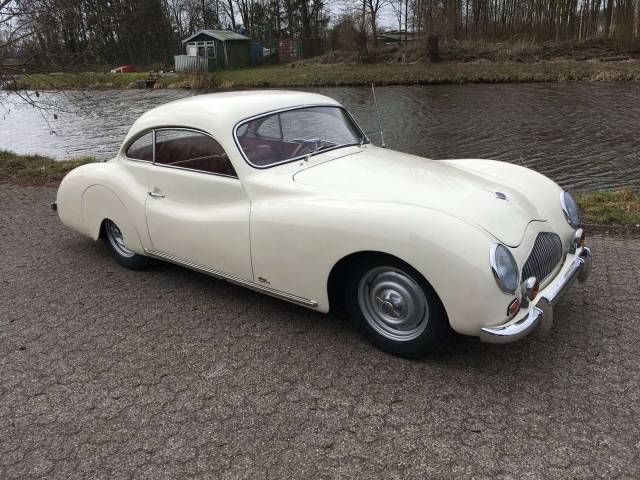
1952 | Veritas Nürburgring Coupé

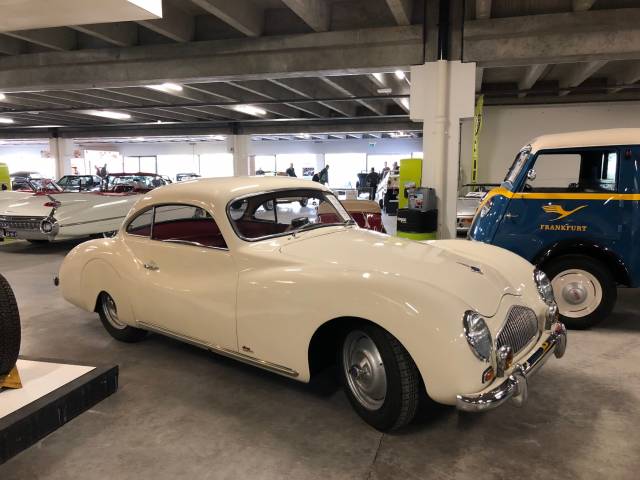
1952 | Veritas Nürburgring Coupé
Te koop in de Classic Car Pop Up Store in het Metropole te Druten
Create search alert
Let yourself be notified as soon as a listing is published that matches your search filters.
Create listing
Do you have a Veritas Nürburgring that you want to sell? Then create a listing now.
Create listingVeritas Nürburgring Classic Cars: Prices & Market Values
History of the Veritas Nürburgring
Emerging during the rebirth of German motorsport in the late 1940s, the Veritas Nürburgring model series traces its roots to the achievements of former BMW engineers and racing personalities. Veritas quickly became synonymous with high-performance sports cars inspired by the challenging curves and straights of the Nürburgring. These vehicles were tailored for road and competitive use, exploiting lightweight construction, advanced suspension technology, and precision German engineering. The company’s dedication to motorsport technology in road vehicles defined its reputation among early postwar marques.
Model History
The Nürburgring series marked Veritas’ ambition to bridge racing and road performance. Building upon the technical base of the earlier Veritas RS and Meteor, Nürburgring models featured further refinements in chassis balance and power delivery. Small series production and a focus on bespoke construction meant every Veritas Nürburgring had minor deviations according to customer preferences. Successors were limited, as Veritas' production peaked in the early 1950s before the company's eventual decline. No direct successors maintained the same motorsport focus after Veritas ceased operations.
Highlights and Noteworthy Facts
The Veritas Nürburgring stands out for several reasons. With genuine motorsport DNA, these cars are not merely styled to resemble racers—they share construction principles from competition vehicles, including lightweight frames, minimal bodywork, and a focus on pure driving response. Every chassis is a rare piece, as production numbers were at boutique levels in the early years.
From our supply statistics, 100% of Veritas listings are Nürburgring models, underlining its unmatched focus within the Veritas brand. Demand statistics reflect the same pattern: every single view on Veritas listings centres on Nürburgring models, confirming this series as the flagship and (currently) only recognised Veritas offering in the market.
Technical Data
Special Editions and Unique Models
Veritas was known for building to order, resulting in no large-scale special editions but rather a series of individualised cars. Unique features often depended on the customer’s intended use—racing or touring—each influencing bodywork, equipment, and mechanical setup.
Weak Spots and Common Issues
Due to the bespoke nature and limited production of the Veritas Nürburgring, parts availability is very restricted. Engine and chassis components, often shared with contemporary BMWs, can sometimes be sourced, but unique Veritas-specific items require expert restoration skills or fabrication. Regular inspection for frame corrosion and ensuring authenticity of components are key points to look out for.
Engine, Transmission, and Driving Characteristics
The Veritas Nürburgring delivers a raw, mechanical driving experience reminiscent of early postwar sports racing cars. Engineered for track and spirited road use, these cars provide direct steering and lively responses, aided by minimalist weight and advanced suspension for the era. The straight-six engines, typically BMW-derived, offer robust performance for their displacement, paired with a manual gearbox for total driver control. The most notable configuration features the BMW 328 engine, contributing to its competitive performance at period events and historic rallies. These examples are especially sought after for both performance and authenticity.
Interior, Comfort, Exterior, and Design
Each Veritas Nürburgring displays an uncompromising, functional design shaped by motorsport needs. The exterior features exposed wheels, cycle fenders, and streamlined aluminium panels assembled with an eye for minimal weight. Interiors offer little concession to comfort—expect bucket seats, sparse trim, and utilitarian gauges. Variations in body and finish reflect the individual commission for each car. Special colours or materials would have depended fully on the requirements of the original buyer or racing team.
Other Noteworthy Features
Given the rarity of the Veritas Nürburgring, historical documentation and provenance are especially significant. Many surviving examples have extensive racing history or period modifications, adding to their individual character.
Summary
The Veritas Nürburgring is an artefact of pioneering German sports car construction, blending road and racing technology in each hand-built specimen. Its concentration as the only Veritas model traded today underscores its standing among collectors who value authenticity, motorsport history, and bespoke craftsmanship. Availability is scarce, making due diligence, expertise, and appreciation for its originality essential for prospective buyers.