- Car
- Pilgrim (1 offer)
Buy Pilgrim Classic Cars
Pilgrim classic cars bring British kit-car ingenuity to everything from open touring to muscular V8 roadsters. Find a carefully documented Pilgrim in Australia or assess an import with its build quality, identity and registration pathway firmly in view.
Search results


1981 | Pilgrim Sumo
AC Cobra Pilgrim replica 2.9 v6

Pilgrim listing references from Classic Trader
Below you will find listings related to your search that are no longer available on Classic Trader. Use this information to gain insight into availability, value trends, and current pricing for a "Pilgrim" to make a more informed purchasing decision.
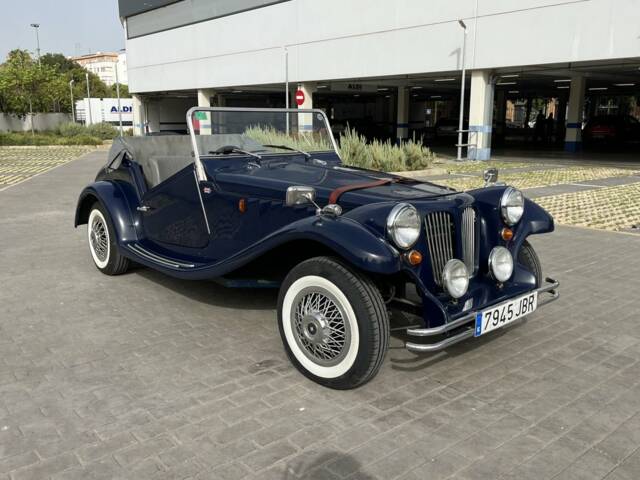
1975 | Pilgrim Bulldog
Morris Marina cabriolet | 1975 | Route 66 Auctions - For sale by auction. Estimate 10500 EUR

1971 | Pilgrim Sumo
Traumschöne Cobra


1990 | Pilgrim Sumo
Pilgrim Sumo | 1990 | Route 66 Auctions - For sale by auction. Estimate 20500 EUR

1991 | Pilgrim Sumo
Overig Pilgrim Sumo | Body-off gerestaureerd | Hard top |
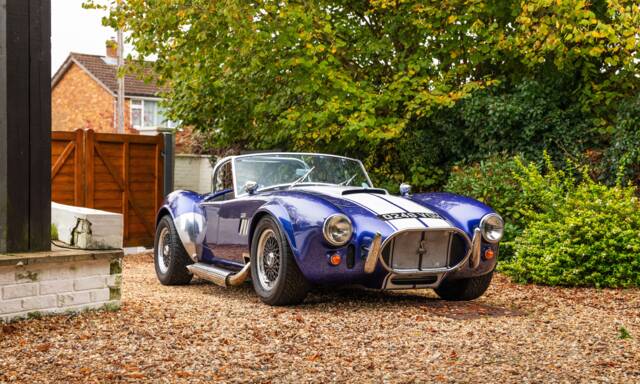
1997 | Pilgrim Sumo
1997 AC Cobra by Pilgrim *WITHDRAWN*


1991 | Pilgrim Sumo
Pilgrim Sumo Roadster | 1991 - For sale by auction. Estimate 89950 EUR

1991 | Pilgrim Sumo
Overig Pilgrim Sumo | Body-off gerestaureerd | Hard top |
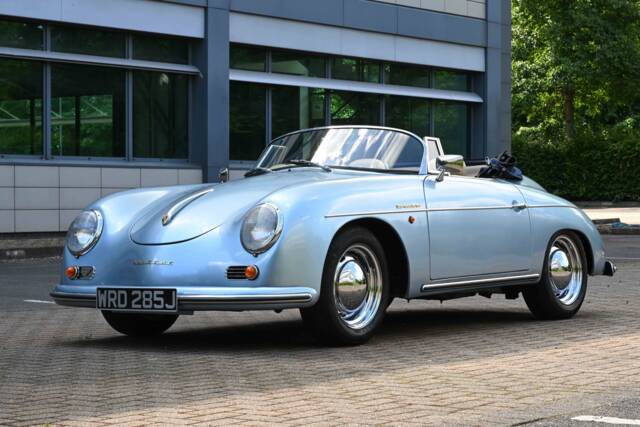
1971 | Pilgrim Sumo
Desirable Recreation of the Stuttgart Legend
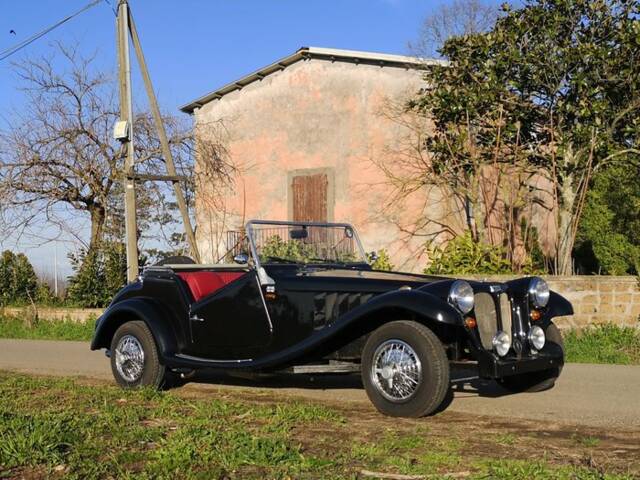
1989 | Pilgrim Bulldog
Pilgrim - Bulldog - 1989

1990 | Pilgrim Sumo

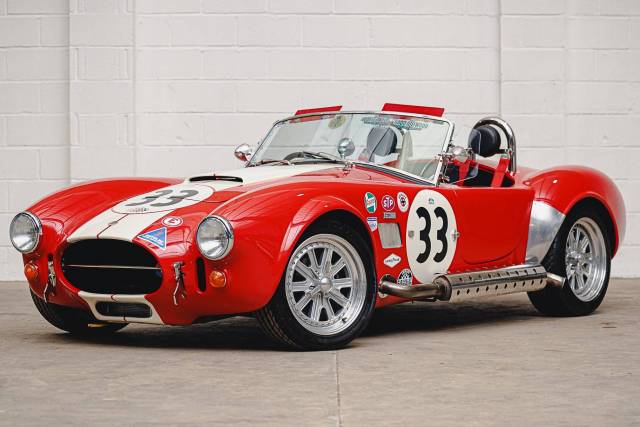
2011 | Pilgrim Sumo
5L V8 Track-Day-Focussed Legend – RHD!
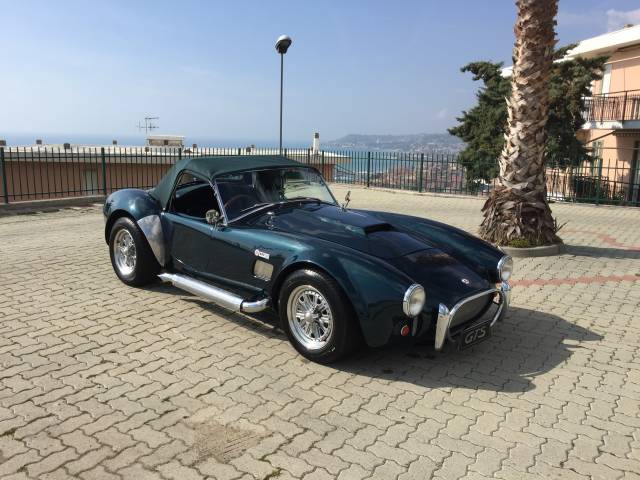
1978 | Pilgrim Sumo
Pilgrim Sumo II Shelby Cobra 427

1977 | Pilgrim Sumo
A Very Tempting Replica!
Pilgrim history and heritage
Pilgrim Cars belongs to the inventive, pragmatic corner of British specialist-car history. The company was incorporated in 1985 by Den Tanner and Bill Harling at Small Dole in West Sussex, at a time when keen home constructors could still build a distinctive sports car around accessible donor mechanicals. Rather than following one narrow formula, Pilgrim offered a broad catalogue: the Bulldog, Hawthorn, Family Tourer, Haldane, Jeepster, Martini, Minotaur, Speedster and, most enduringly, the Sumo. That breadth is important to anyone looking to buy a Pilgrim classic car. The badge identifies a maker, but it does not guarantee a common chassis, engine, body style or level of finish.
The early appeal was straightforward. A complete new sports-car manufacturer was beyond the reach of most enthusiasts, while scrapyards and Ford dealers supplied familiar engines, gearboxes, suspension pieces and steering assemblies. Pilgrim could provide a body and a package of purpose-made components; an owner could select and refurbish a donor, then decide how much work to undertake personally. This gave the cars a British home-built character, but it also created substantial variation. One Pilgrim may be a carefully engineered, professionally assembled example with years of invoices; another may be an unfinished project whose attractive paintwork conceals unresolved work beneath.
The Hawthorn reflects the lighter, traditionally styled end of the range: an open two-seater with the look of a pre-war or immediate post-war British special, usually chosen for relaxed club runs rather than outright speed. The Speedster and Minotaur continued Pilgrim’s interest in evocative sports-car forms, while the chunky Bulldog, practical Family Tourer, off-road-inspired Jeepster, compact Martini and Haldane show how wide the company’s ambitions were. These are all useful reminders that a Pilgrim collection can be more varied than a line of superficially similar replica roadsters.
The marque’s best-known long-running car is the Sumo, introduced in 1987. Pilgrim’s period construction material describes early cars using Ford Cortina components. Later Mk II examples gained a stronger chassis and could use a Granada-based independent rear suspension arrangement. Mk III construction combined a steel backbone, ladder and space-frame concept with sheet-steel floors and bulkheads. Ford Sierra and Mk3 Granada donor parts became normal foundations, while engines ranged from Ford four- and six-cylinder units to Rover V8s, Ford Windsors and Chevrolet small-block V8s. It is a key part of Pilgrim history, but a make-level buyer should remember that the specific build is more meaningful than the Mk number alone.
Production totals are not sufficiently settled to use as a shortcut to rarity. A period Pilgrim manual referred to about 3,500 kits at the time it was written, while the Cobra Replica Club has estimated more than 12,000 Sumos. Those figures may describe different dates or scopes. Neither tells a buyer whether a particular Australian car was built well, approved correctly or maintained intelligently. Provenance comes first.
Pilgrim highlights and distinctive features
Pilgrim’s enduring attraction is choice. A buyer can seek slow-paced vintage character, a simple summer roadster, a family-oriented novelty or a high-torque V8 experience without leaving the marque. The cars were shaped by a kit-car culture that valued adaptable design and serviceable mechanicals over rigid factory specification. Familiar Ford, Rover and Chevrolet-based parts can be a practical advantage in Australia, but only once the exact donor identity has been established.
The strongest examples combine three things: a convincing build record, sensible component selection and a car that has been developed through use rather than merely completed. A file containing kit invoices, donor details, engineering reports, photographs of the build and workshop receipts gives a prospective owner a far clearer picture than a claimed model year. It can also make future registration, insurance and resale much less fraught.
Other Pilgrim qualities worth seeking include:
- Low mass and direct controls. Even a modest Ford-powered two-seater can feel alive because it has less weight and fewer layers between driver and road.
- Individual specification. Trim, paint, wheels, brakes, engine tune and weather equipment often reveal whether the builder made coherent decisions or simply assembled available parts.
- Maintainable donor engineering. A correctly identified Ford, Rover or Chevrolet drivetrain is easier to source parts for than an unknown hybrid installation.
- Club knowledge. UK clubs and specialists hold valuable experience on chassis variants, period parts and build methods; that network matters when a car arrives in Australia with thin paperwork.
- Potential for a complete history. The construction record can be more revealing than a conventional service book, particularly for cars assembled across several years.
There is a corresponding compromise. Pilgrims do not benefit from the uniformity of a mass-produced classic. Panel fit, wiring routing, brake-pipe support, cooling capacity, steering geometry and weather sealing may range from excellent to alarming. A buyer is buying the work of named or unknown people as much as the Pilgrim design. That is not a reason to avoid the marque; it is a reason to inspect with more care and to value evidence over shiny presentation.
Pilgrim technical data
There is no single technical specification for every Pilgrim. The table below is an orientation for the principal collector types, not a substitute for the chassis file and current engineering details of an individual car.
Numbers quoted in advertisements require context. A Rover 3.5-litre V8 in a well-sorted, light Pilgrim gives a very different result from the same nominal engine in a heavy build with an old carburettor tune, tired cooling system and unsuitable final drive. Likewise, wheelbase, kerb weight and acceleration figures should be taken from the car’s engineering documentation or a credible weighbridge and test record, not copied from a generic listing. The sound approach is to verify the engine number, capacity, induction system, gearbox, differential and braking specification against receipts and registration records.
Market overview and buying tips
The Pilgrim market is a market for individual cars, not a tidy price ladder. Recent sales demonstrate the spread. Hagerty records a 2011 Sumo sold for US$35,571 on 7 February 2024 and a 1995 example for US$26,862 on 18 July 2025. In Britain, Collecting Cars sold a 1993 3.5-litre Rover V8 Mk II for £16,080 on 7 August 2025. Iconic Auctioneers sold a 2021 Sumo 3 with a 210 bhp Cosworth V6 for £18,000 on 9 November 2025, while Pilgrim V8 recorded a 2022 3.5 V8 Mk III sold at £35,950 in 2025. These are real transactions for particular vehicles, not a valuation formula and not a conversion into Australian dollars.
For an Australian buyer, the local purchase price is only part of the cost. A UK-sourced car may have right-hand drive, which is naturally convenient on Australian roads, but RHD does not settle import or registration eligibility. Budget independently for inland UK collection, sea freight, marine insurance, port charges, customs processing, cleaning, quarantine inspection, possible re-cleaning and transport from the Australian port. A cheaply bought project can become expensive before it reaches a workshop.
Australian biosecurity deserves early attention. Imported vehicles must satisfy the relevant Department of Agriculture, Fisheries and Forestry biosecurity process. Underbody cavities, wheel arches, tyres, carpets, engine bays and the boot should be genuinely clean before shipment. Soil, seeds, organic material and insect contamination can cause a hold, treatment or re-cleaning cost at the border. Ask the exporter for detailed underside and interior photographs taken immediately before packing, and retain cleaning invoices. A car that has spent years in a damp British shed needs particularly close attention to hidden debris and corrosion at the same time.
Before signing for an imported Pilgrim, establish the Commonwealth import pathway and then speak to the registration authority in the state or territory where the car will live. Requirements are not interchangeable. Victoria, New South Wales, Queensland, Western Australia, South Australia, Tasmania, the ACT and the Northern Territory each administer registration and roadworthiness differently. Historic or club registration concessions, if available, may impose restrictions on use. An engineer’s certificate accepted in one jurisdiction is not an automatic promise of registration in another.
The central question is vehicle identity. Confirm the chassis/VIN number on the frame, registration document, import documents and every engineering or inspection paper. Establish the kit’s build date separately from the donor’s date of manufacture; a registration record referring to a 1970s Ford engine does not make the completed Pilgrim a 1970s vehicle. For a UK car, inspect the V5C and any IVA or earlier SVA evidence. The current UK DVLA INF318 guidance is useful background for understanding how rebuilt vehicles are evidenced there, but it does not replace Australian approval or state registration advice.
Examine these points before committing:
- Chassis and structure: inspect every accessible steel tube, box section, floor, bulkhead joint and suspension mount for corrosion, poor repairs, cracking and evidence of galvanising. Fresh underseal is not proof of sound metal.
- GRP bodywork: check around hinges, windscreen mounts, wheel arches, door apertures and mounting points for star cracks, uneven repairs and stress damage. Fibreglass can hide previous impact repairs surprisingly well.
- Build standard: look beneath carpets and behind the dash. Securely clipped looms, grommets, proper fuel-line routing, labelled fuses and repeatable fasteners suggest disciplined assembly. Unsupported wiring and improvised joins deserve caution.
- Donor components: identify the source and age of brakes, steering rack, hubs, dampers, differential and gearbox. Check that consumables can still be obtained in Australia or readily shipped from Britain.
- Cooling and fuel systems: V8 cars need enough radiator capacity, correct fan operation, tidy hose routing and protection from vapour or heat soak. Look for fuel smells, perished hoses and evidence of overheating.
- Geometry and tyres: an apparently straight car can have bump steer, incorrect camber or mismatched tyres. A specialist road test and alignment report are worthwhile.
- Documentation and originality: ask for build photographs, kit invoices, engine receipts, service work, approval papers and a clear explanation of modifications. Originality in a kit car means honest period-correct construction and a traceable evolution, not necessarily factory-uniform trim.
For a finished car, pay for an inspection by someone comfortable with both fibreglass-bodied specials and the relevant donor marque. For a project, price every missing item, engineering requirement and compliance question before assuming the purchase is economical. A complete-looking body shell without an established identity or registration route may be worth far less than a running, less glamorous car with a comprehensive file.
The Pilgrim driving experience
Driving a Pilgrim is unusually dependent on its builder, but the best cars share an appealing sense of mechanical closeness. In a Hawthorn or similar light open car, the experience is about airflow, visible wings, exposed details and the need to work with the machine rather than merely operate it. Modest power is enough when the seating position is low and the road is a winding country route.
A properly sorted V8 roadster is a different proposition. The wheelbase, suspension set-up, tyre choice and differential ratio decide whether it feels composed or nervous, while the engine provides the soundtrack. A Rover V8 installation often offers tractable torque and a recognisable burble; Ford Windsor and Chevrolet small-block versions can bring more force, more heat and greater need for intelligent chassis tuning. None should be judged from a short, dry-weather drive alone. Check cold starting, idle quality, steering at parking speed, brake balance, ride over sharp edges and cooling in slow traffic.
Australian conditions add practical questions. An open car needs weather gear that actually seals against a sudden downpour, sun protection that is usable rather than decorative, and a cooling system proven in warm traffic. Longer distances between regional workshops make a dependable electrical system and accessible service parts more valuable. The satisfying Pilgrim is not necessarily the most powerful one; it is the one whose steering, brakes, engine temperature and paperwork allow its owner to use it confidently.
Design and coachwork
Pilgrim did not pursue a single corporate silhouette. Its design philosophy was to offer recognisable, enthusiast-friendly forms that could be realised through kit construction and adapted to different mechanical packages. The Hawthorn’s upright, vintage-inspired bodywork and the more muscular roadster proportions of the Sumo sit at opposite ends of the range. In between are practical and playful shapes that reflect the kit-car scene’s willingness to prioritise enjoyment over formal brand hierarchy.
That diversity means design assessment should be detailed. On a traditional tourer, inspect the relationship of wings, bonnet, scuttle, screen and doors: poor alignment often reveals rushed fitting. On a GRP-bodied sports car, look along the flanks in angled light for ripples and filler, then inspect the underside where body mounts meet the chassis. Period-correct wheels and lamps can enhance a car’s character, but safety, legality and structural integrity matter more than a catalogue-perfect appearance.
An excellent Pilgrim looks coherent because its builder made related choices. The paint, trim, dashboard, seats, wheels, engine bay and hood should tell the same story. A car with a clean engine installation, purposeful instruments and carefully fitted weather equipment can be more persuasive than a highly chromed car with an untidy chassis underneath.
Ownership, clubs and provenance
Pilgrim ownership is helped by a culture of shared knowledge. British specialists, the Cobra Replica Club and marque-focused communities can assist with period manuals, component identification and advice on chassis details. Australian owners may rely on that UK knowledge while developing local relationships with a sympathetic engineer, classic-car workshop and insurer. Keep copies of every invoice, compliance document, alignment report and major repair; future buyers will value the continuity.
Parts support should be researched by system, not badge. Ford Sierra, Cortina and Granada components may have specialist sources, while Rover V8, Ford Windsor and Chevrolet small-block consumables follow their own supply chains. Obtain part numbers where possible. If a car uses a rare mixture of bespoke uprights, unidentified brake calipers and modified steering, assume that its next repair may involve investigation rather than a simple parts-counter order.
Insurance also rewards accuracy. Declare the vehicle as it is registered, list material modifications, agree a realistic value where appropriate and ask whether club or limited-use conditions apply. Photographs of the chassis, engine number, build file and finished car are useful records for both insurer and owner. The most collectable Pilgrim is often the one that makes no exaggerated claims: it simply shows what it is, how it was built and how it has been cared for.
Summary
To buy a Pilgrim classic car is to choose individuality over factory standardisation. The marque spans traditional open specials, adventurous kit-car shapes and muscular roadsters, with the Hawthorn, Speedster, Minotaur and Sumo providing representative views of that range. Their values are driven by the quality of one build, not a uniform production-year rule.
For Australian ownership, right-hand drive can be welcome, but it is only one part of the decision. Confirm the import route, prepare for biosecurity inspection, obtain clear identity and construction evidence, and check the registration requirements of your state or territory before shipping. With a sound chassis, tidy engineering, traceable donor components and a proper documentation file, a Pilgrim can be a refreshingly personal classic to buy and enjoy.