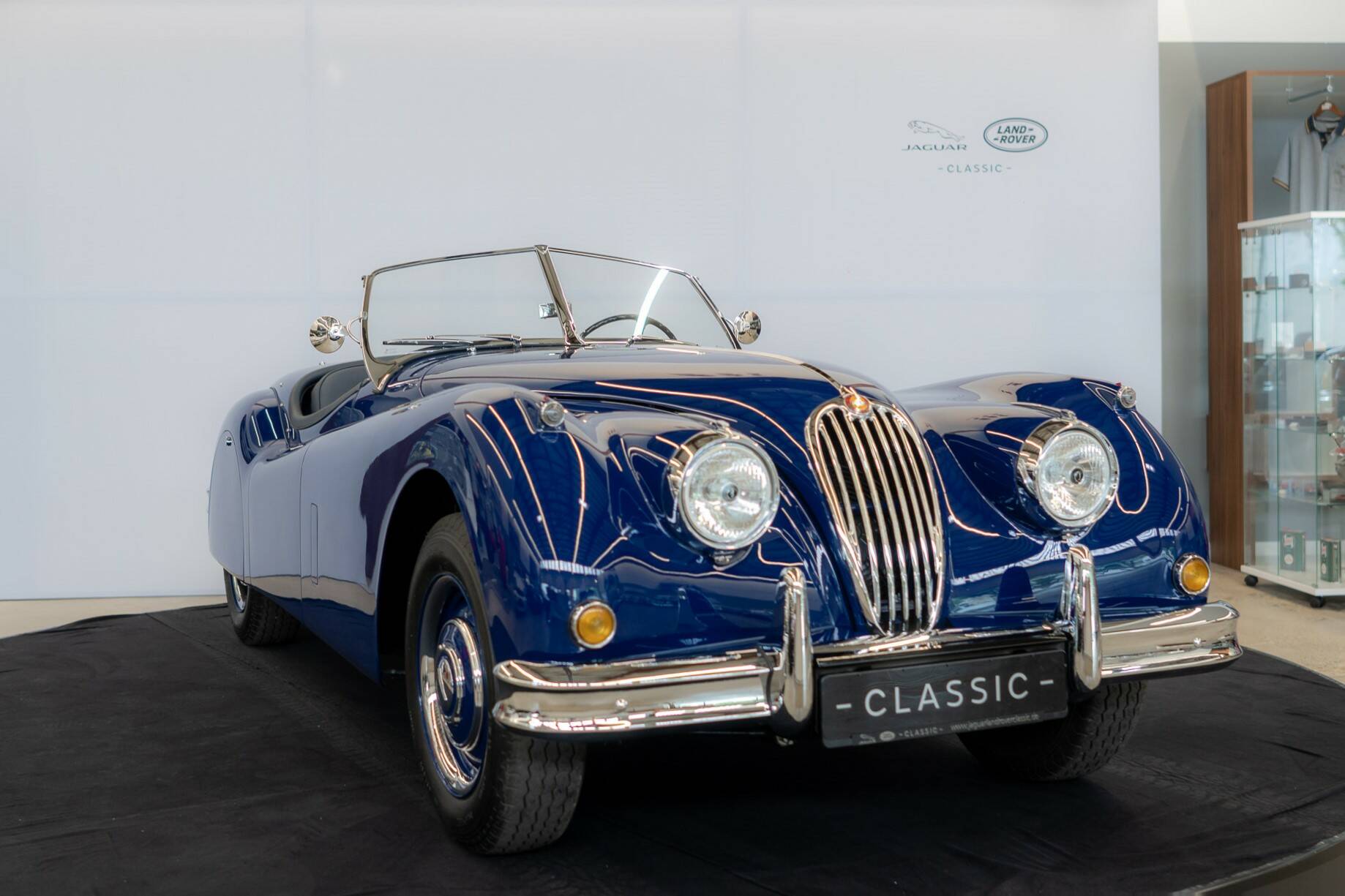
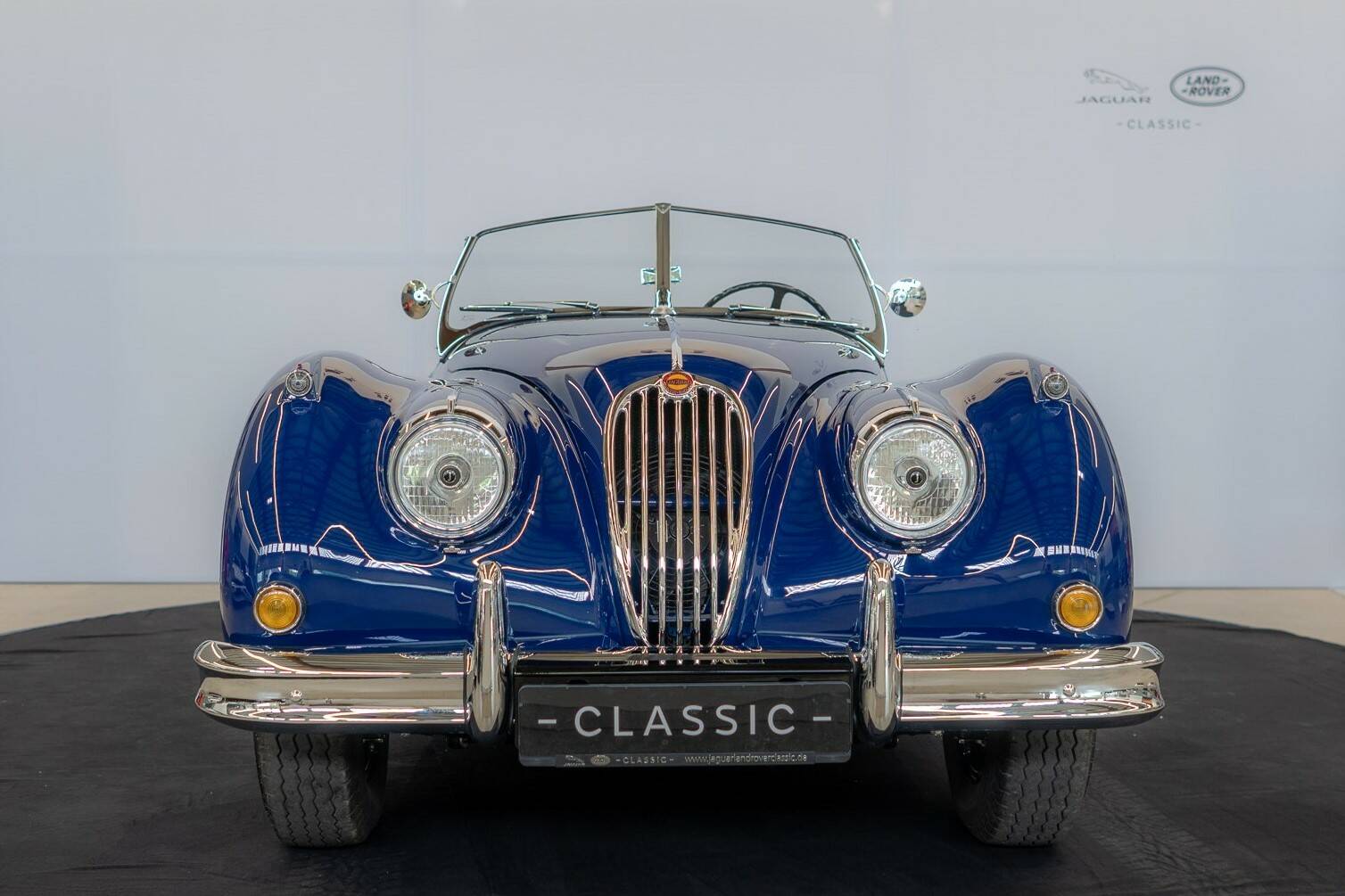
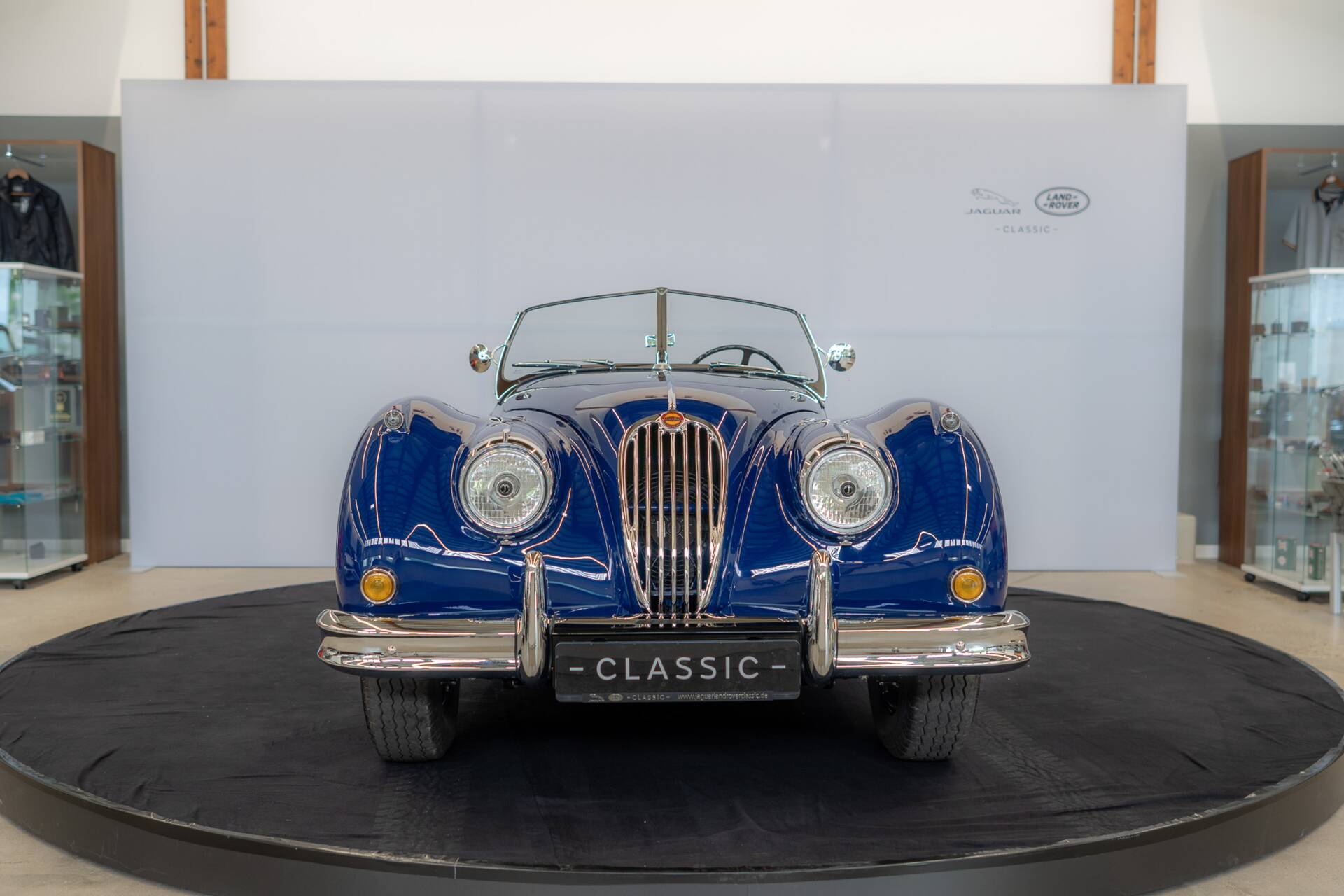
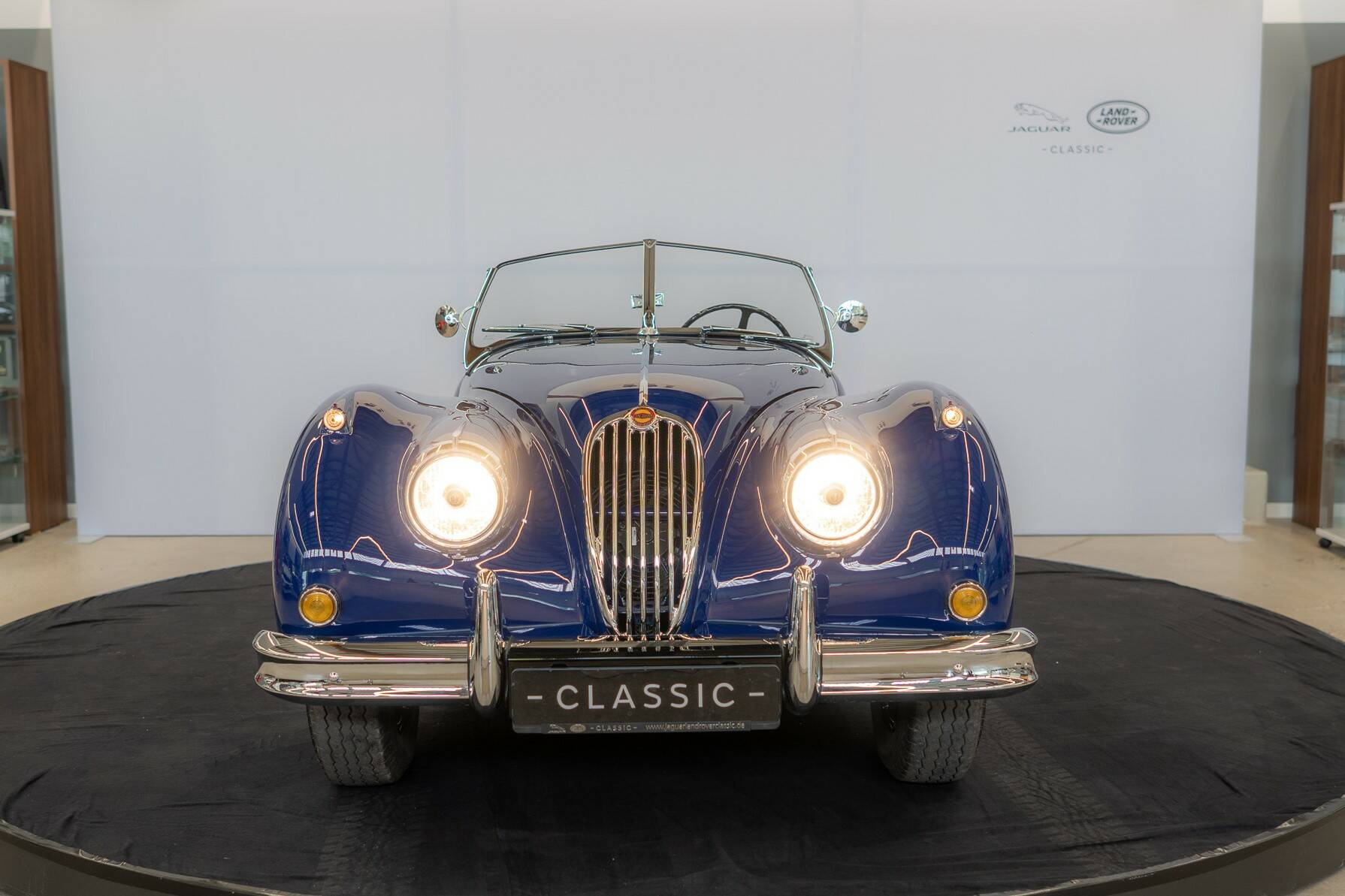
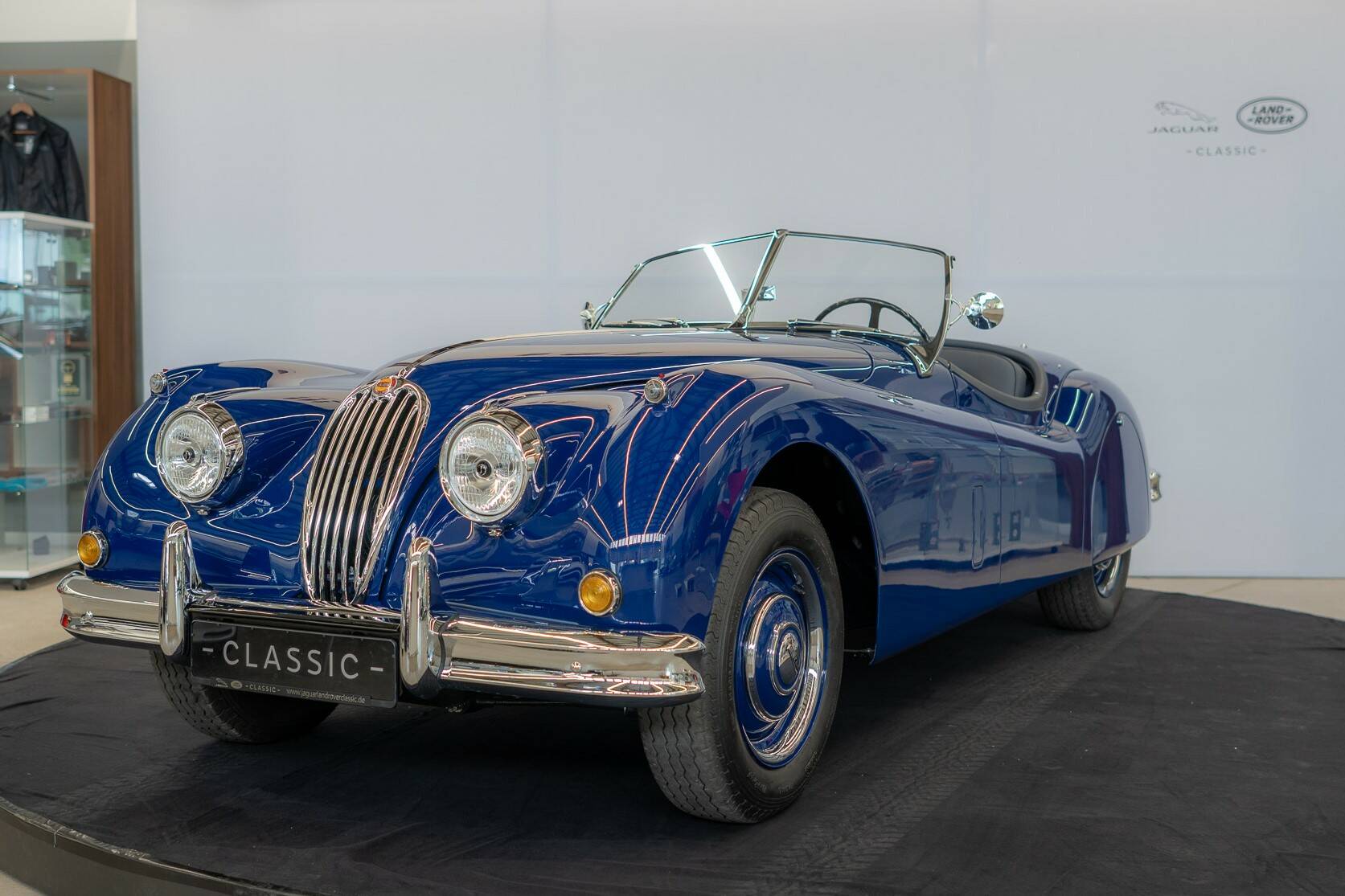
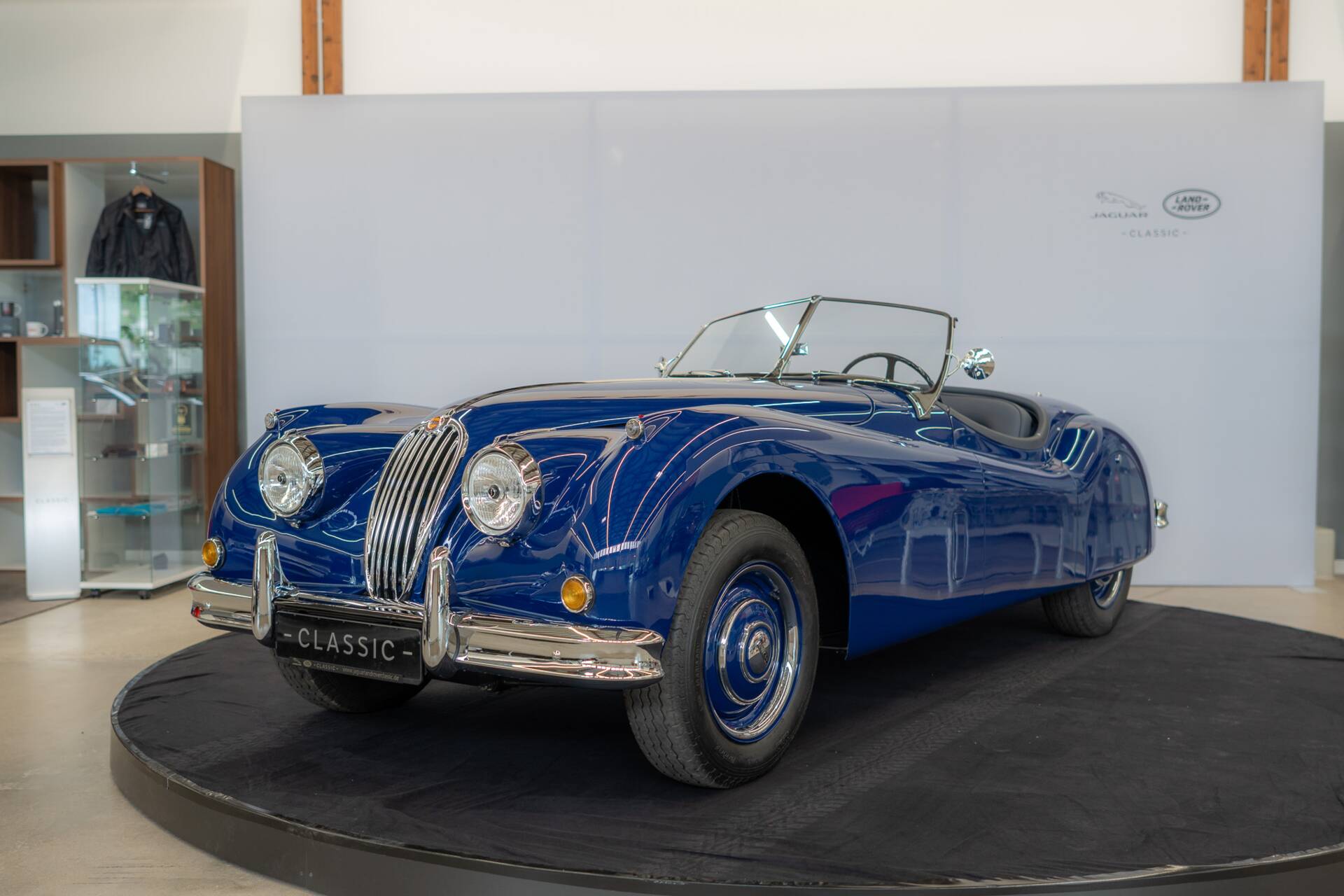
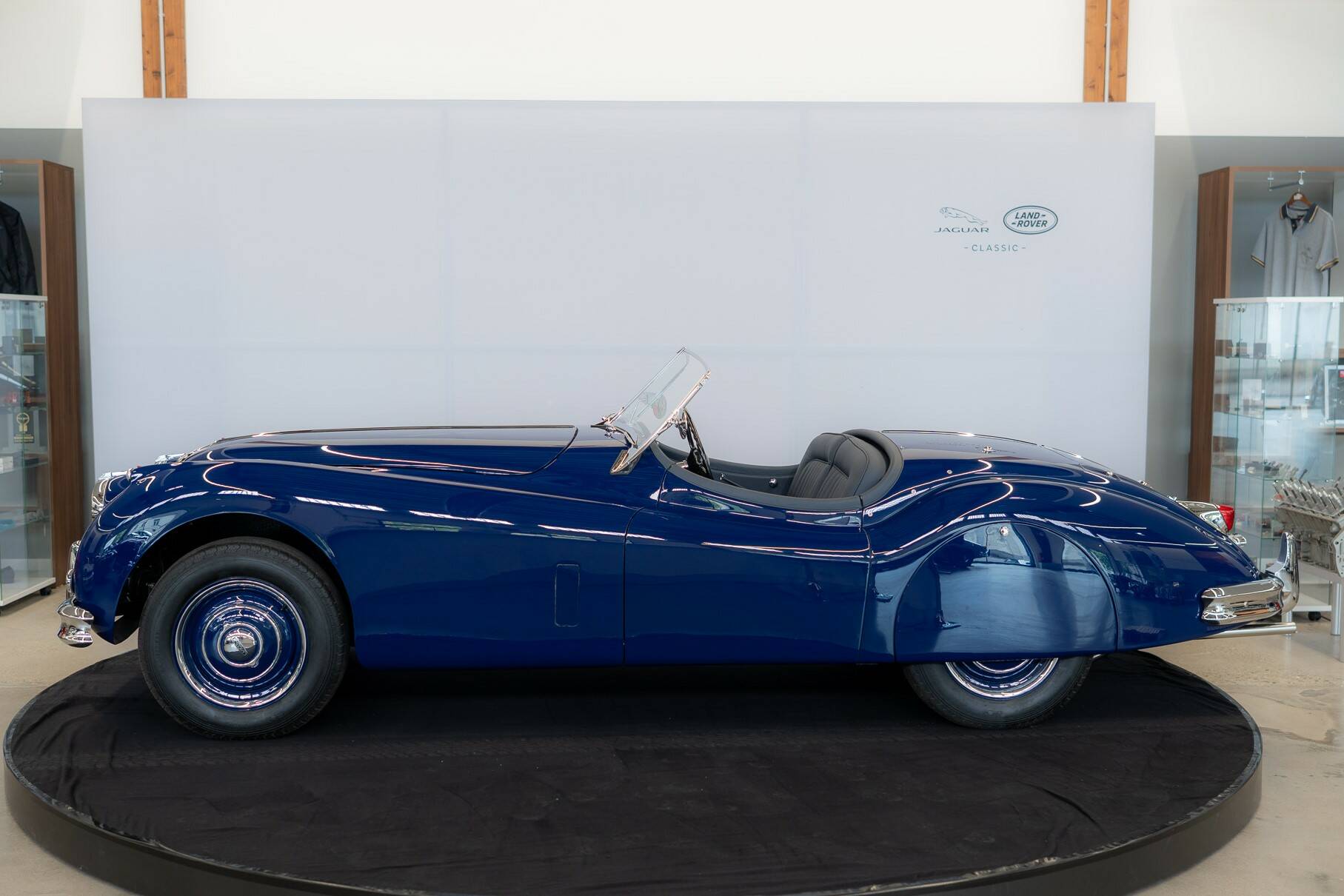
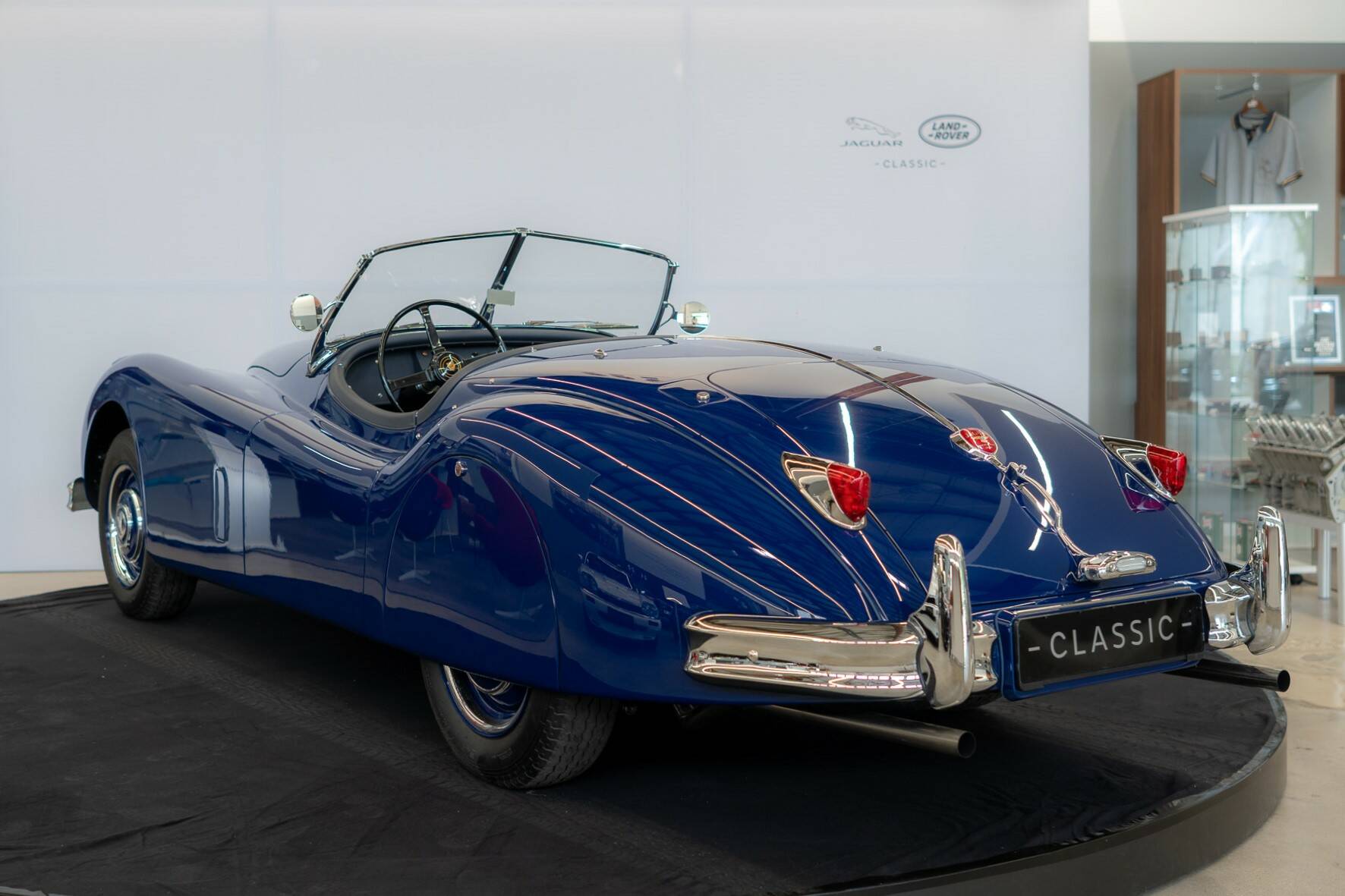
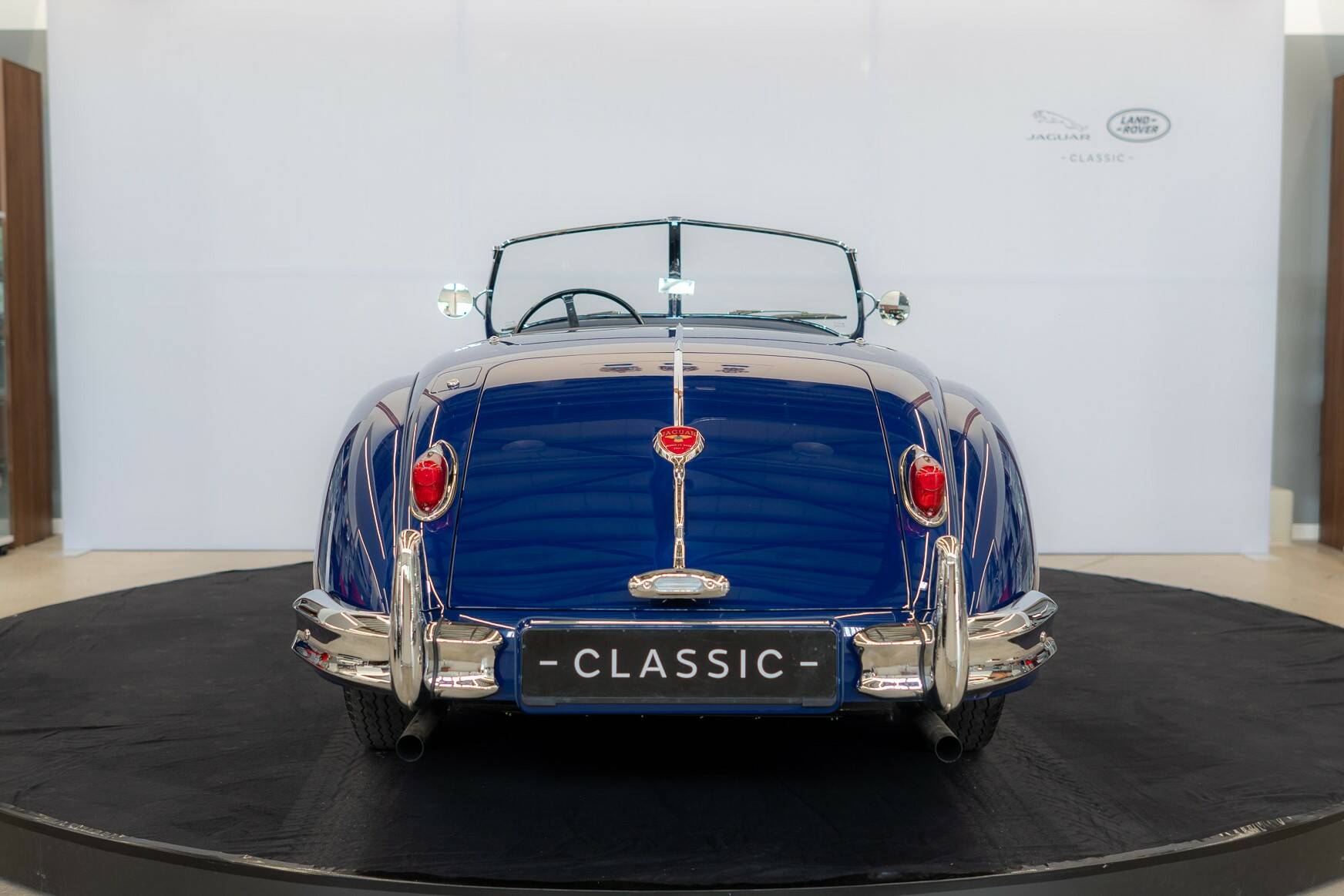
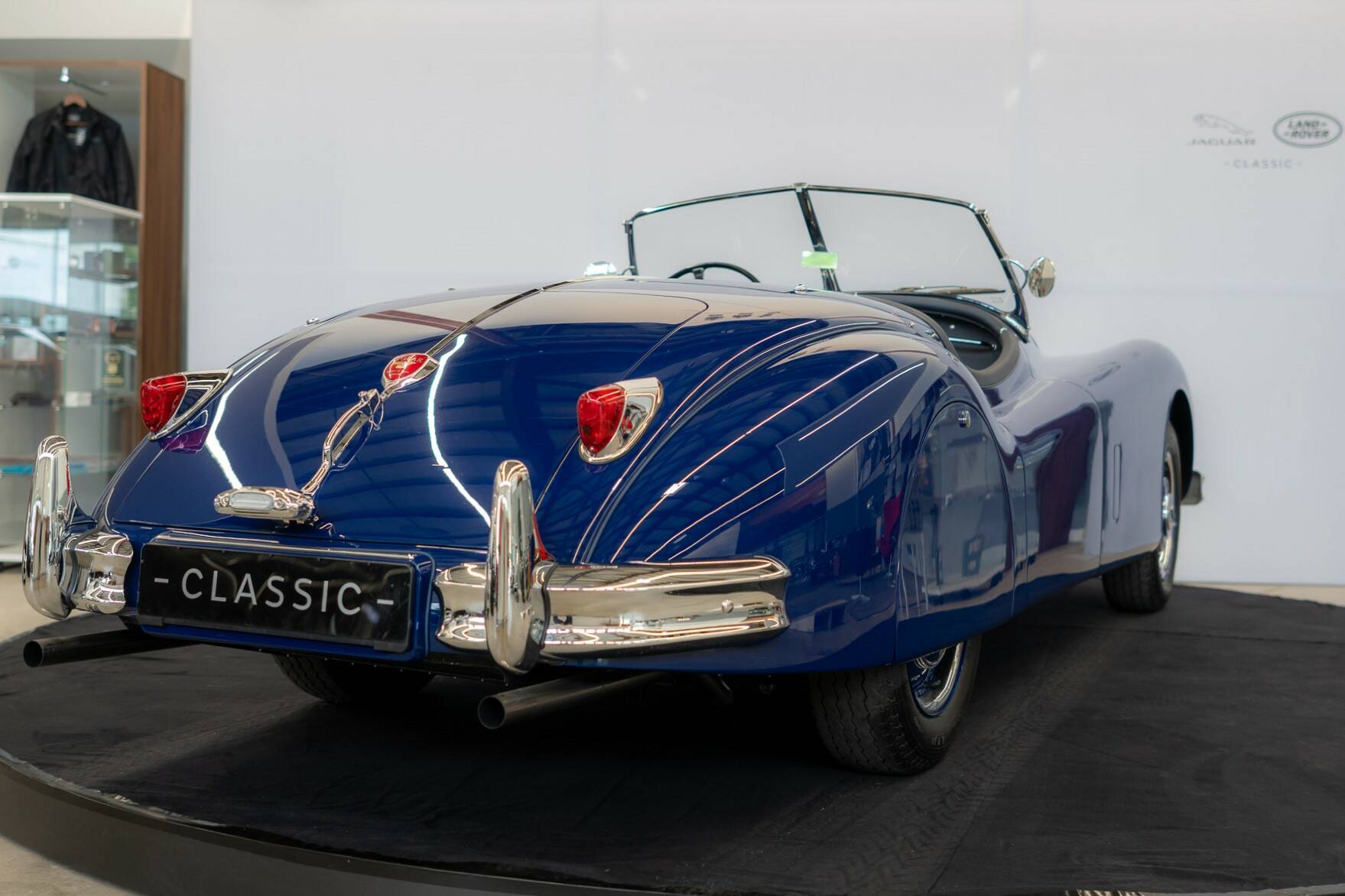
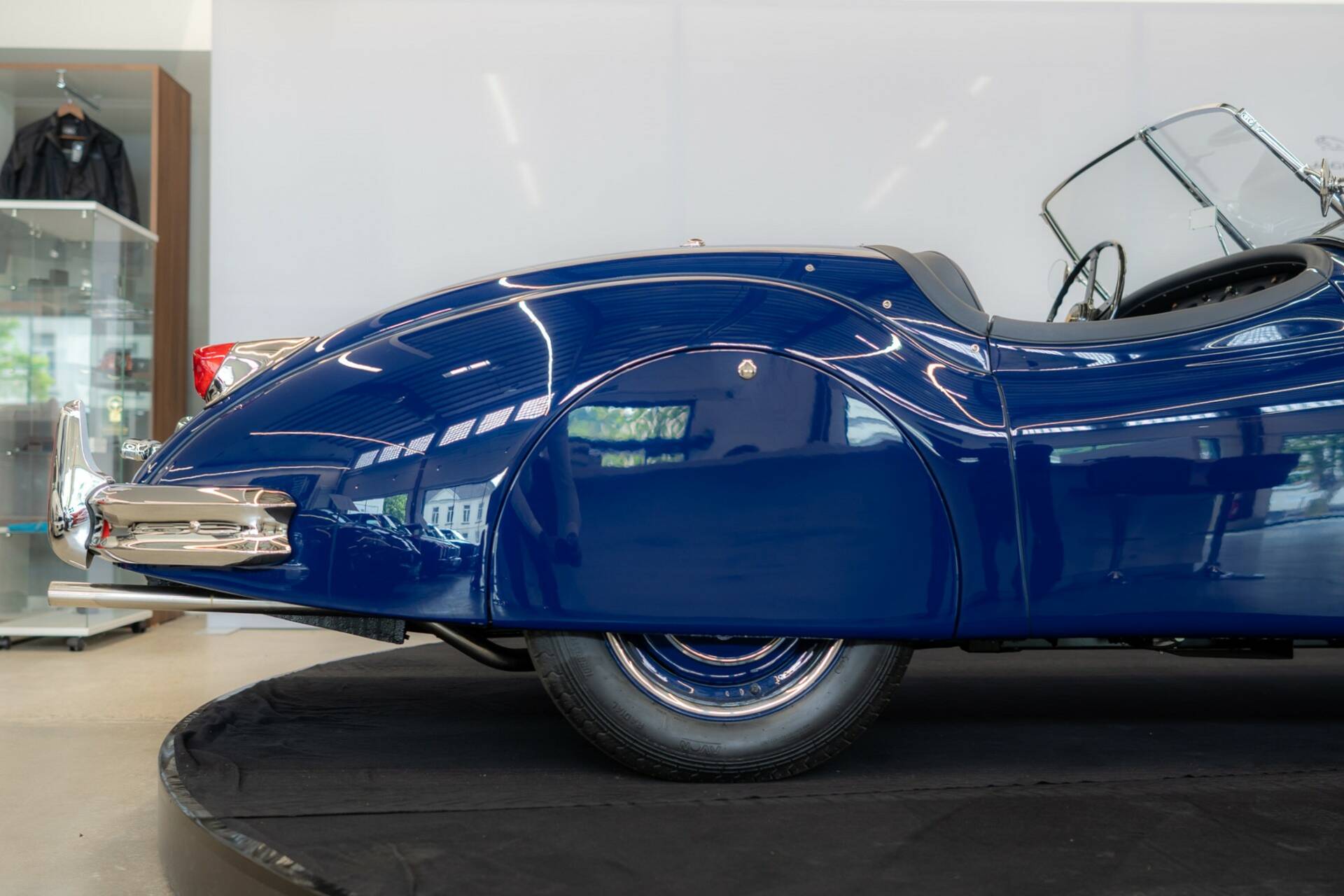
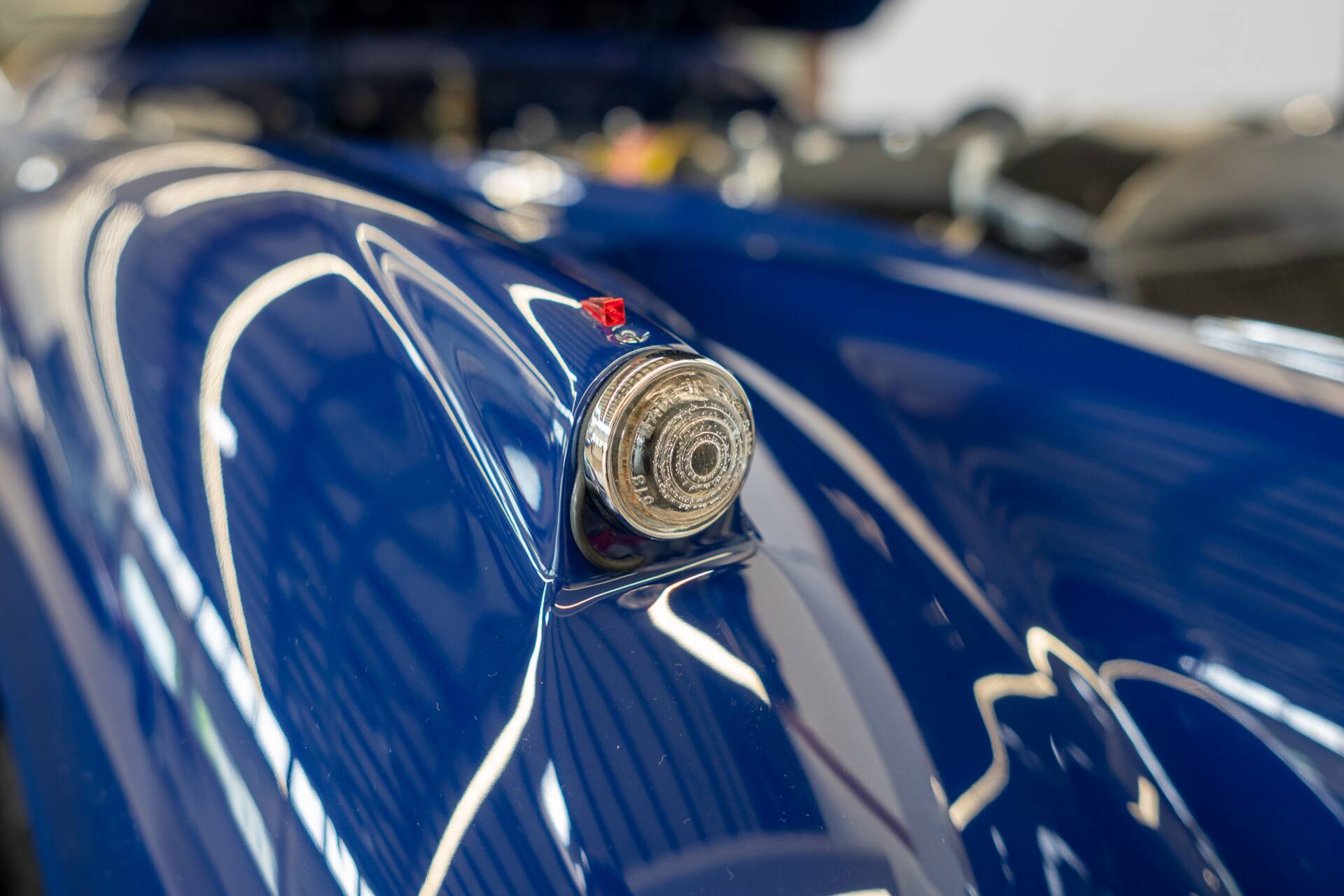
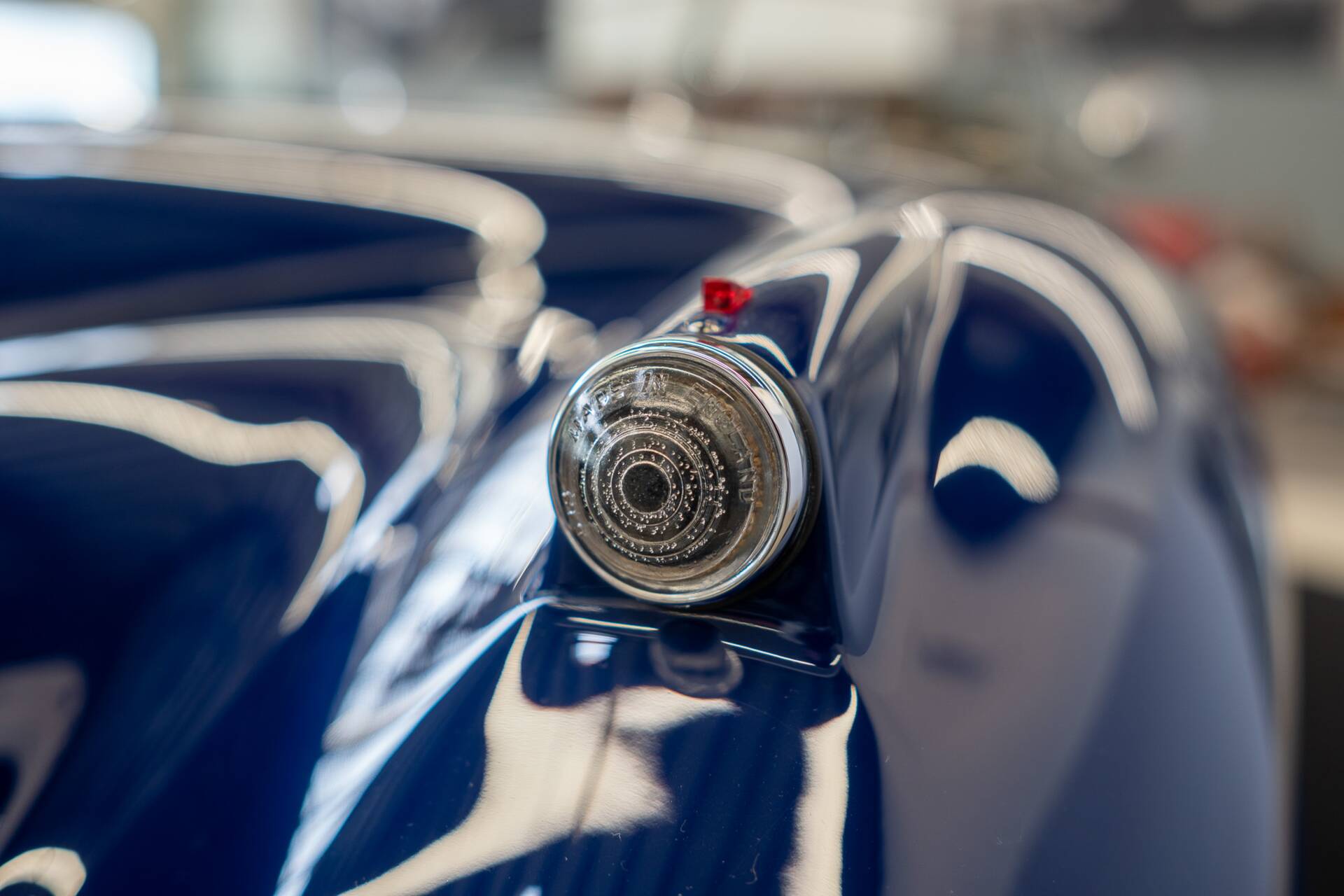
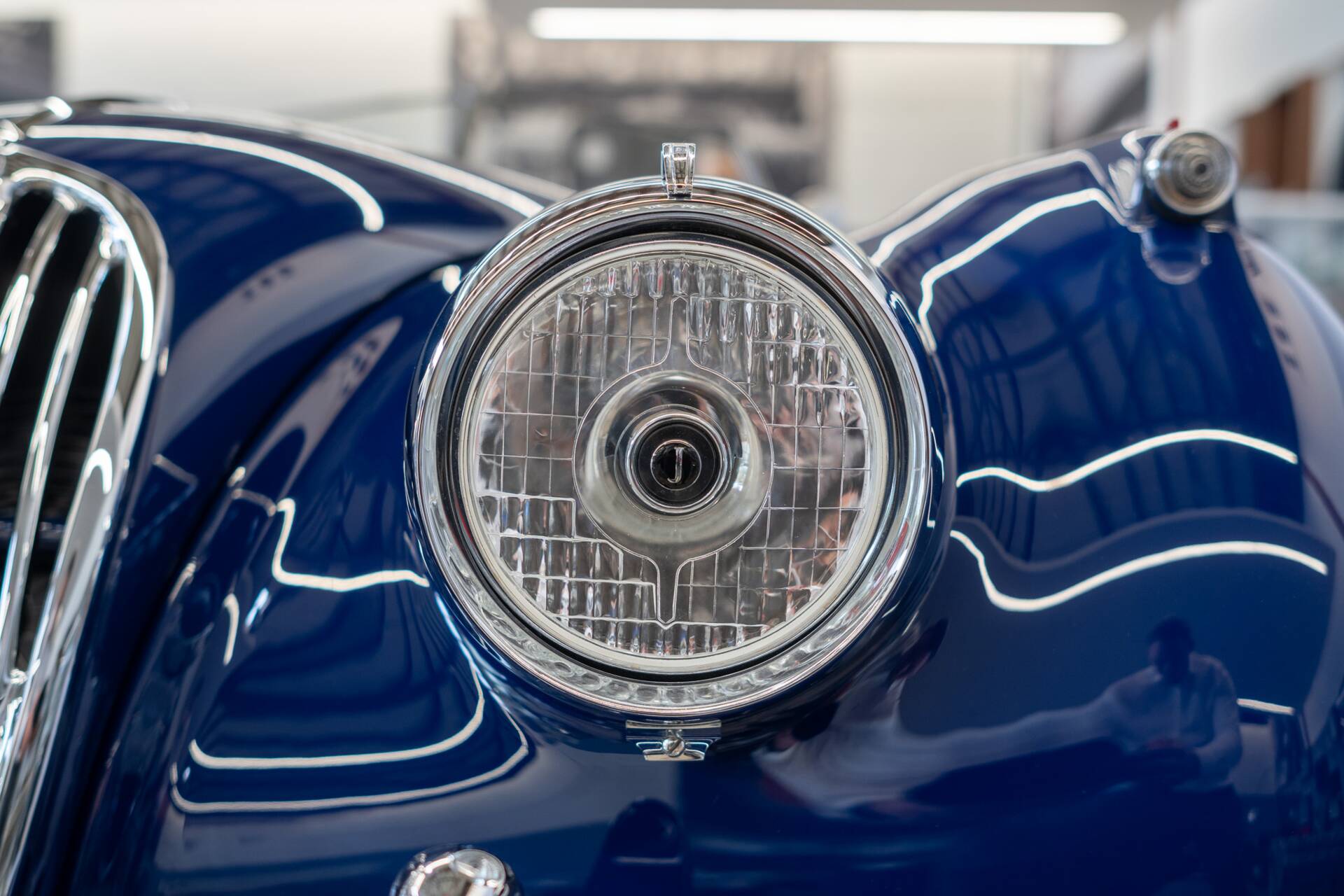
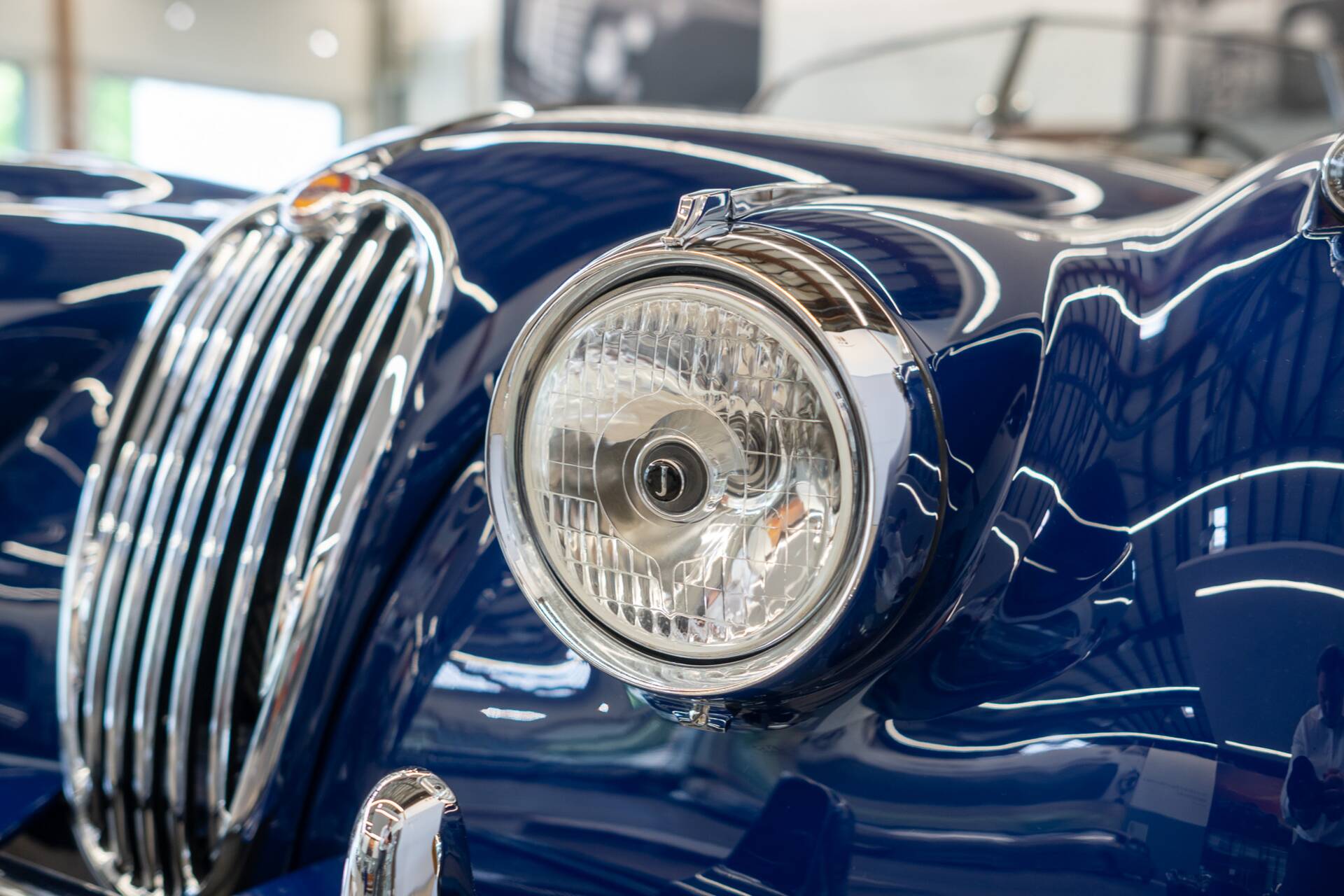
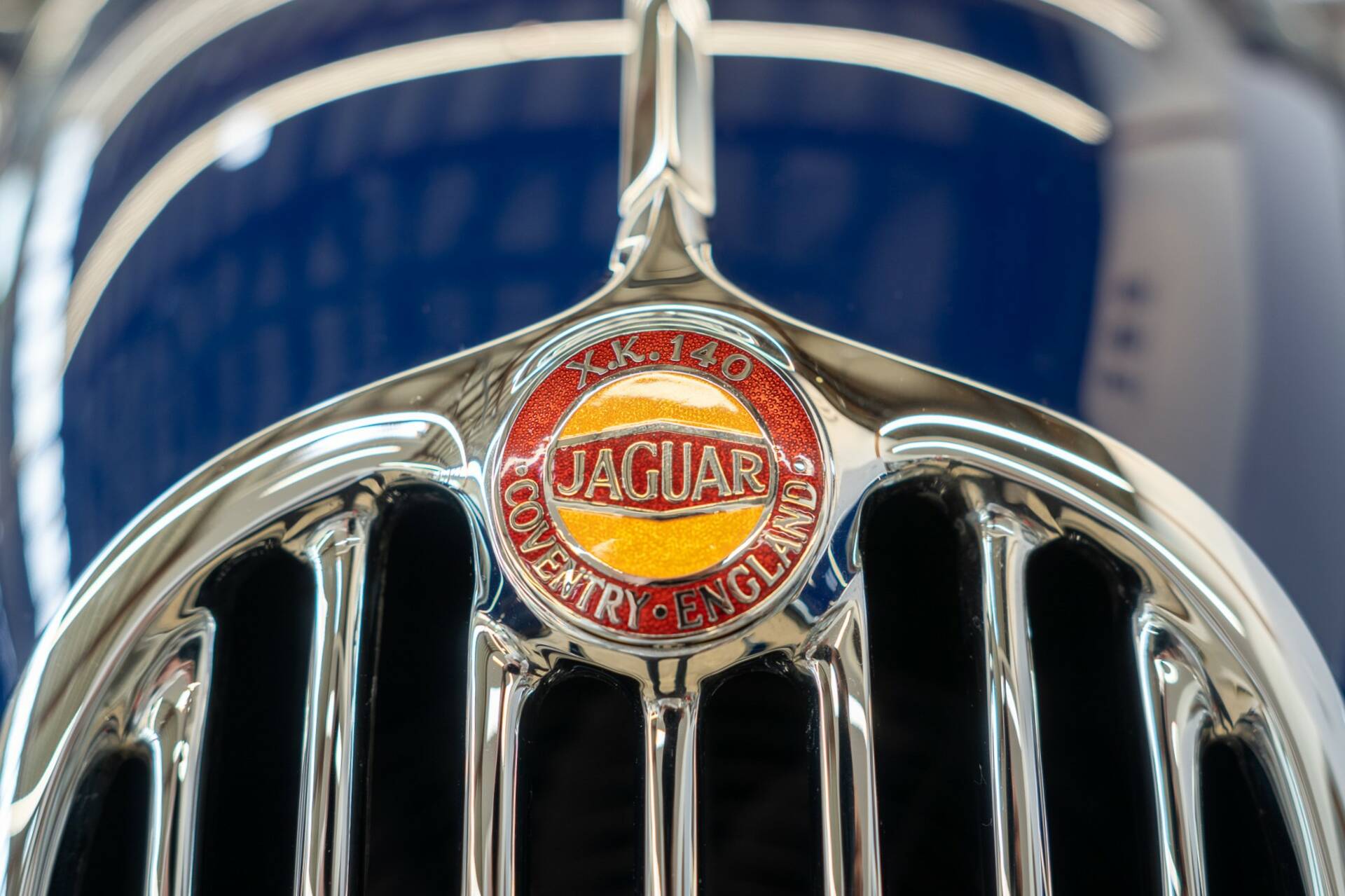
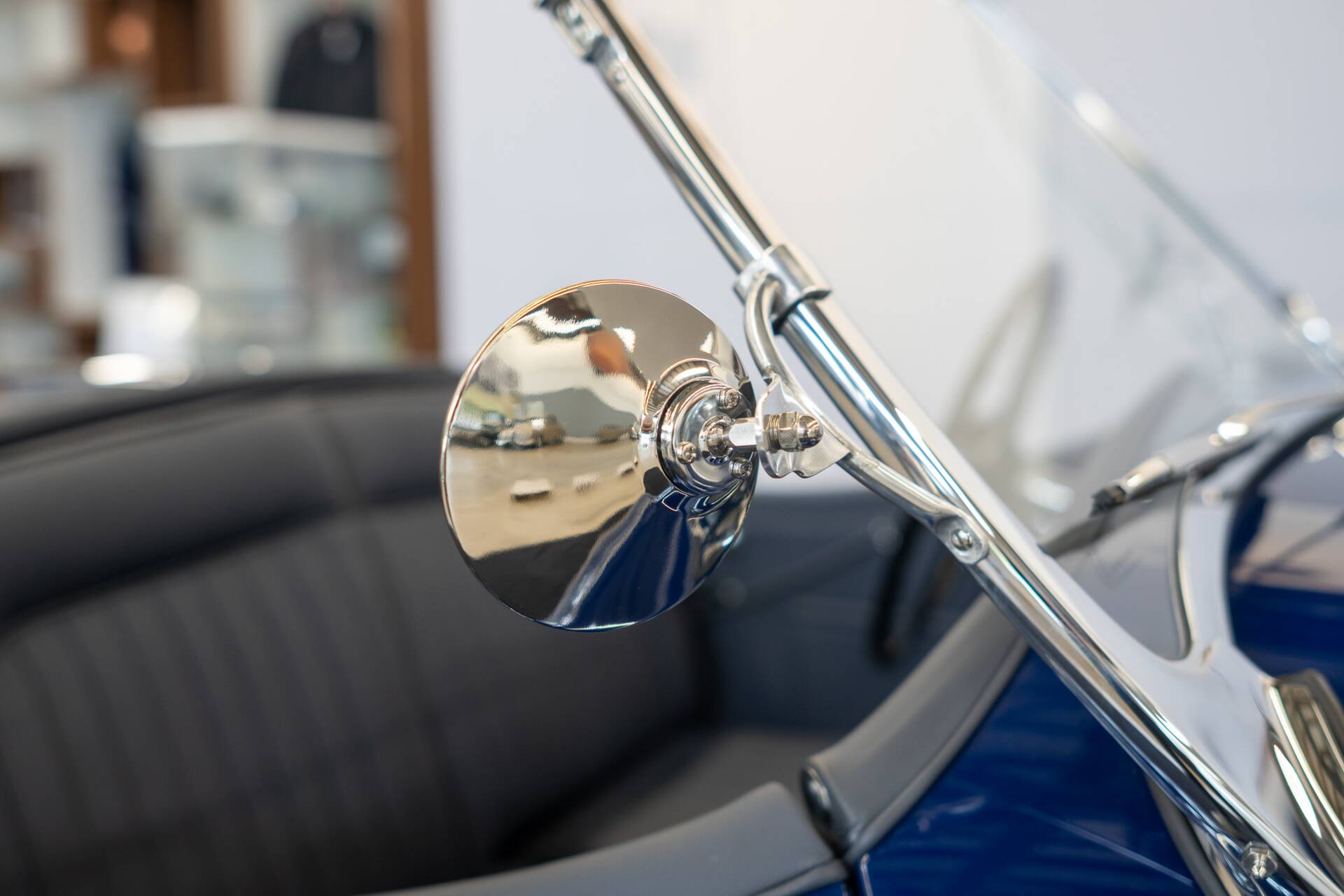
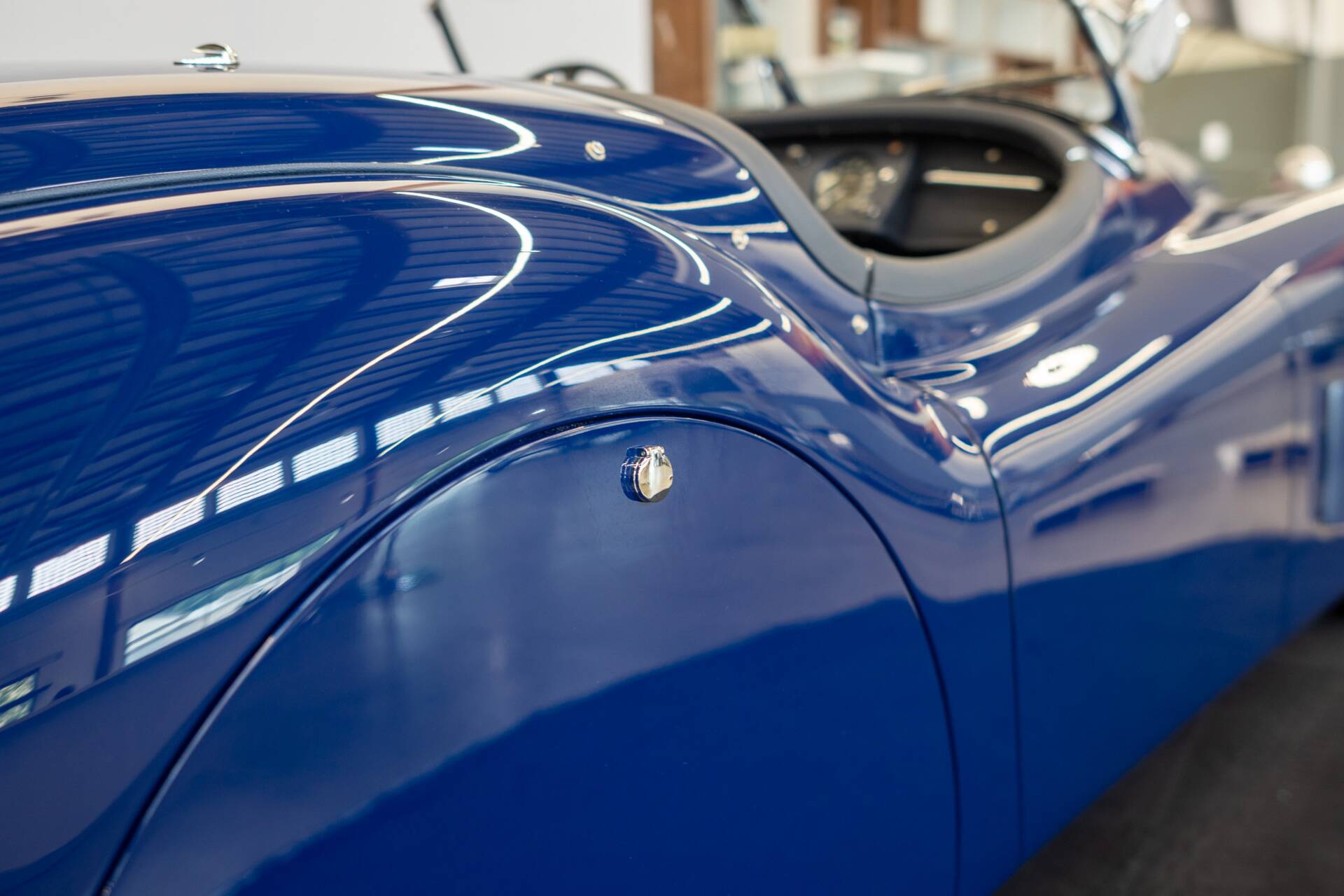
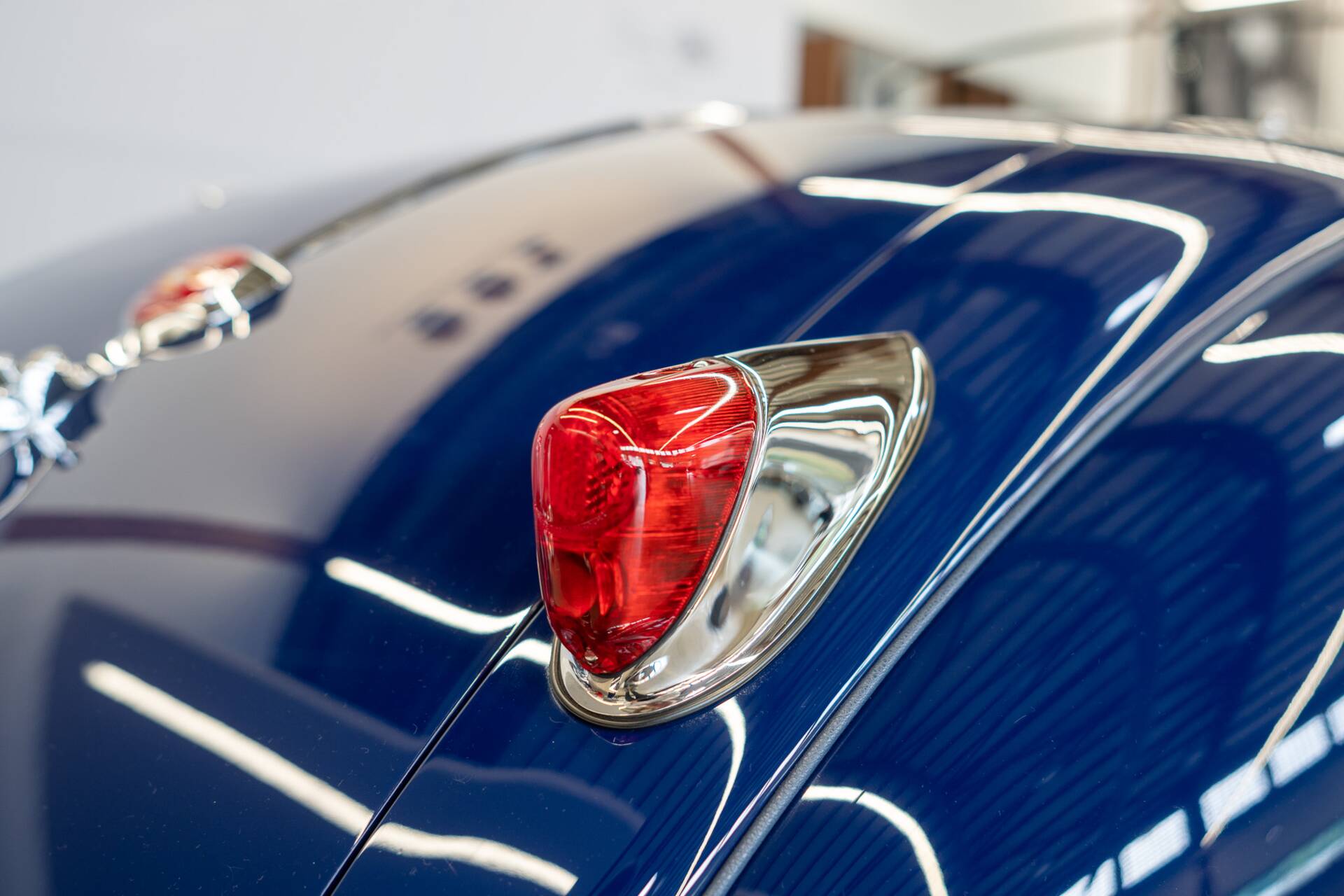
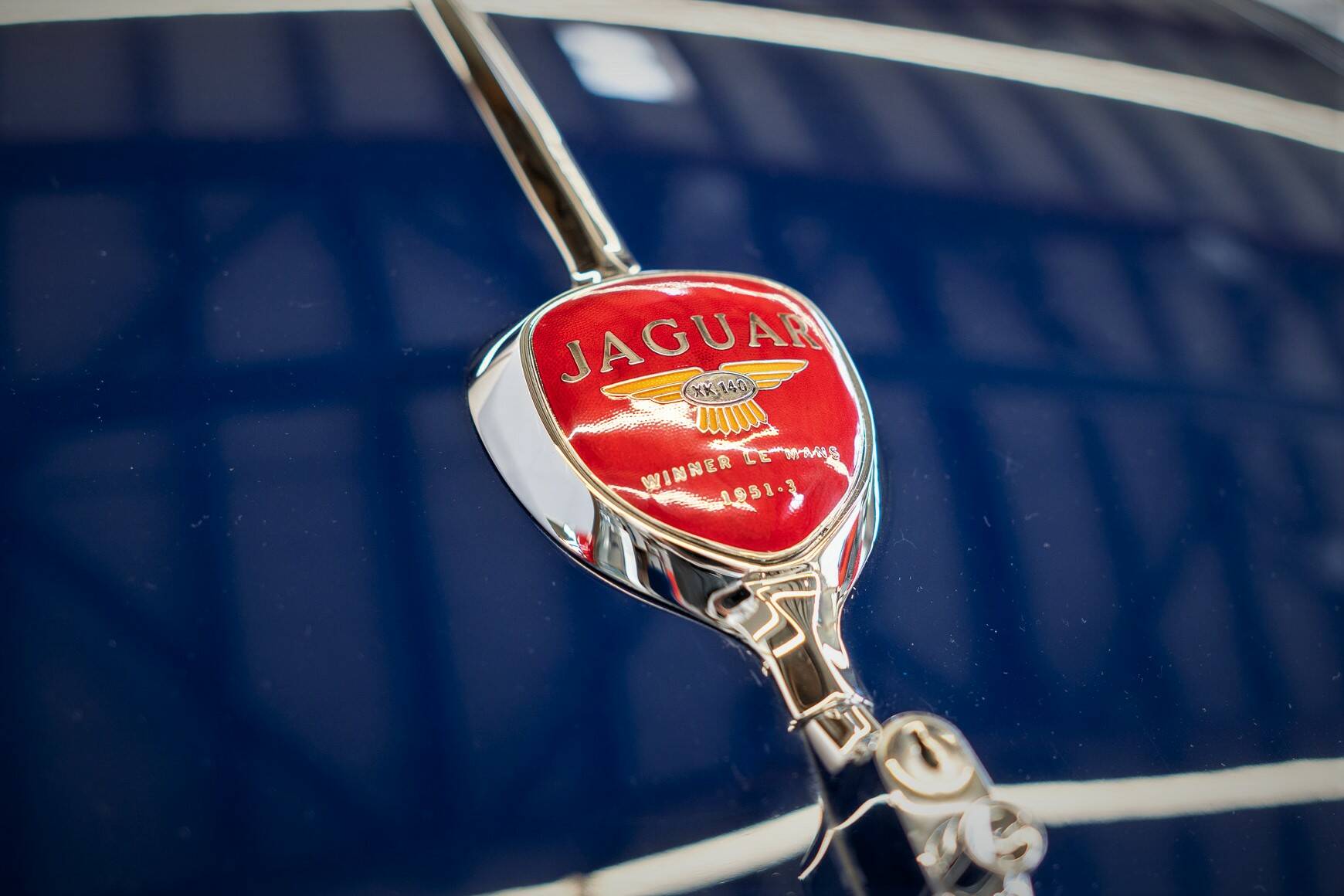
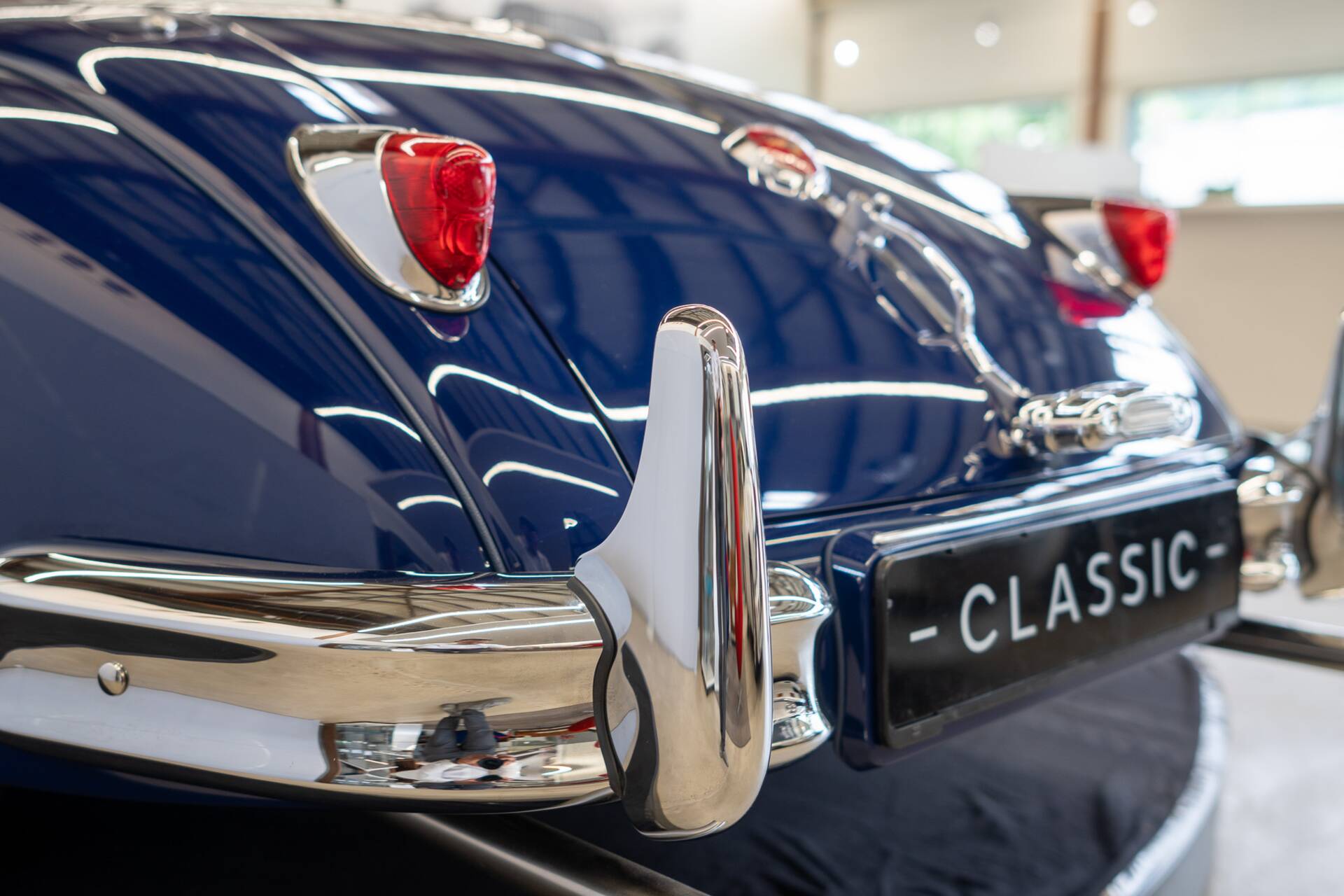
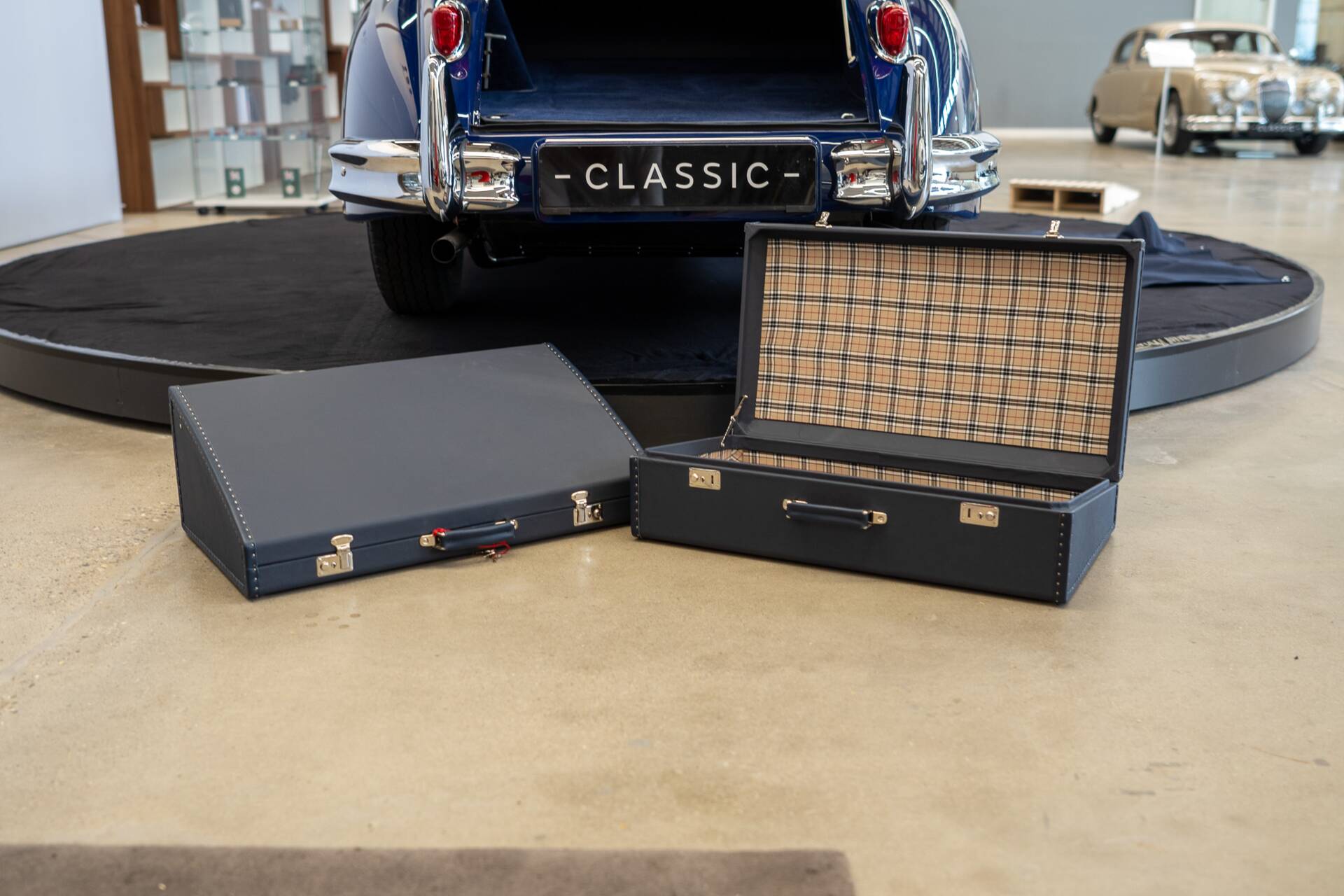
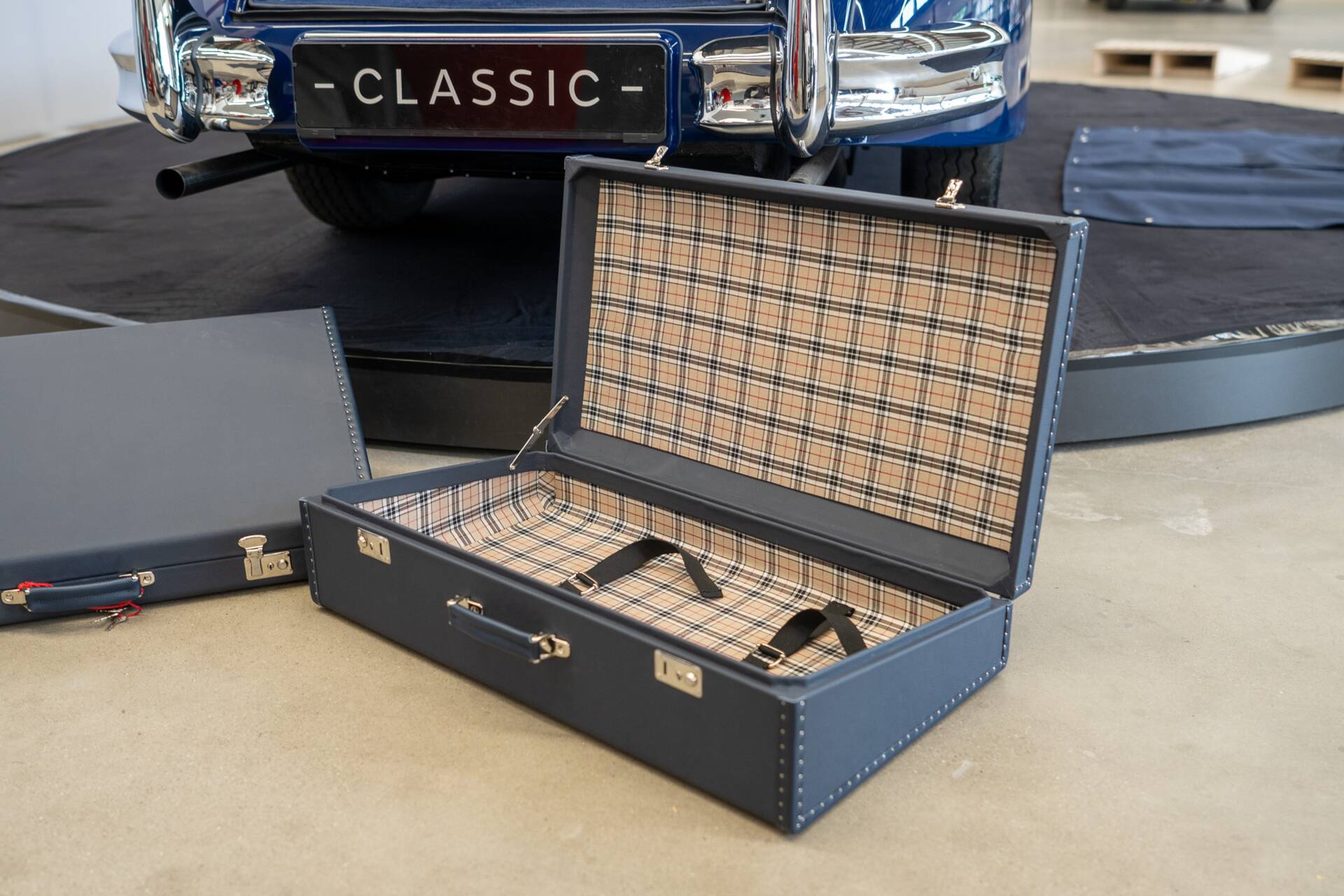
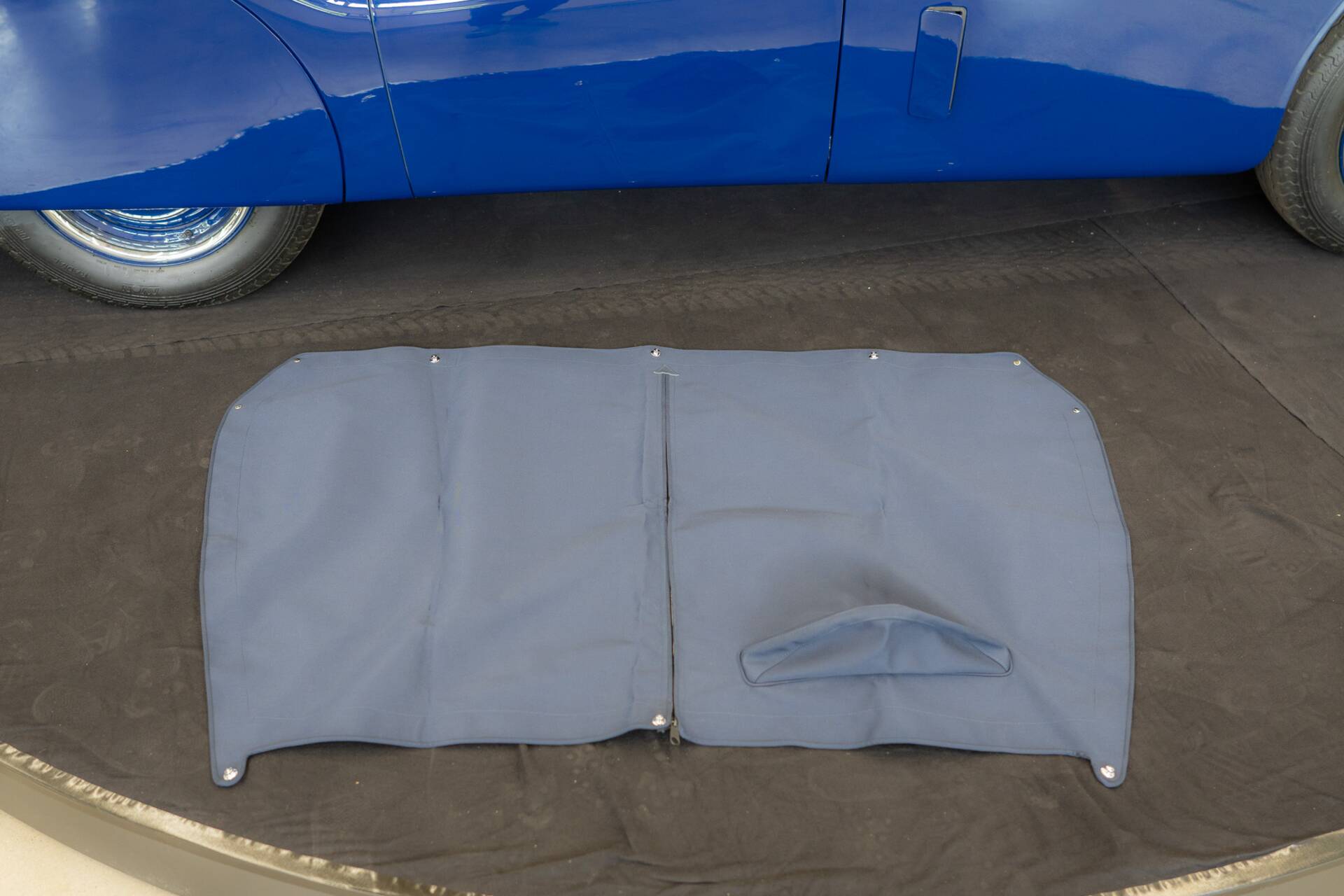
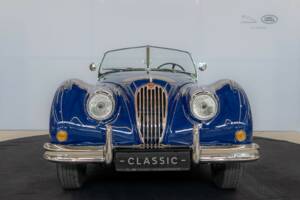
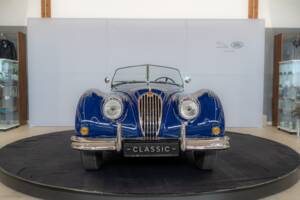
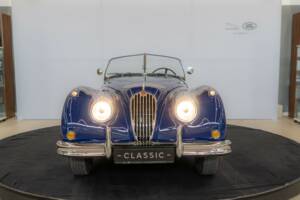
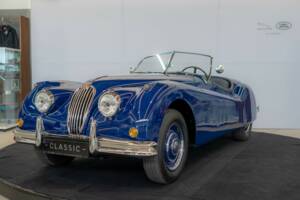
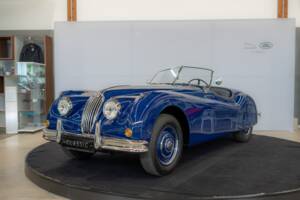
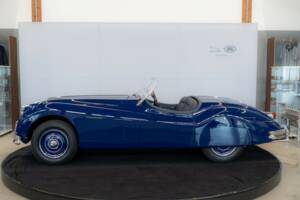
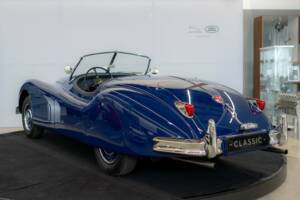
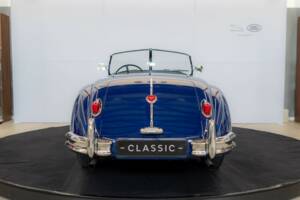
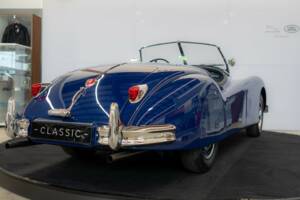
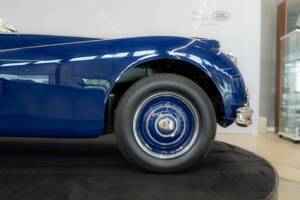
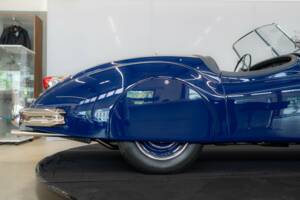
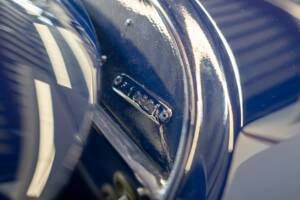
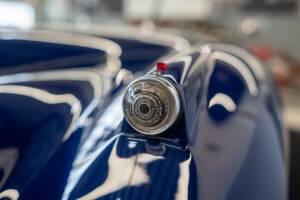
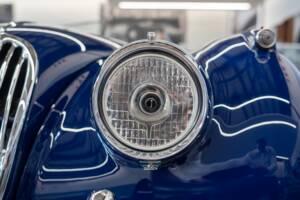
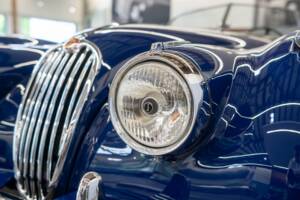
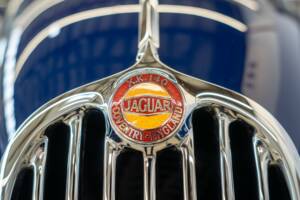
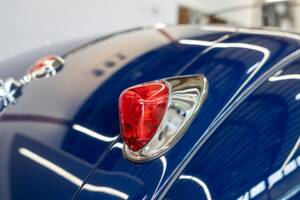
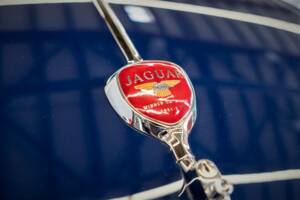
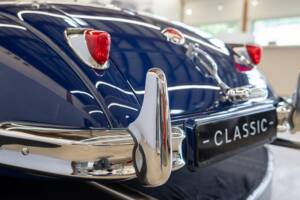
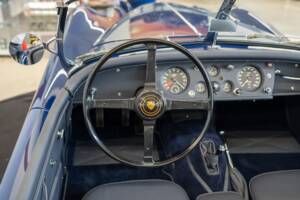
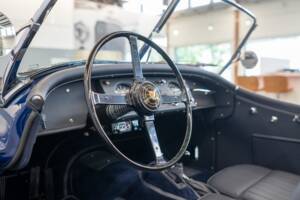
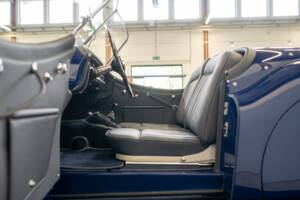
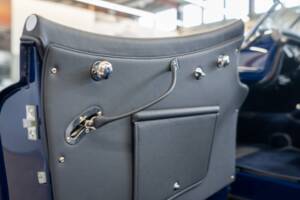
The XK140 was introduced at the end of 1954 and sold as a 1955 model. The exterior changes that distinguished it from the XK120 included larger front and rear bumpers with overriders and flashing turn signals above the front bumper. The radiator grille retained the same size, but was changed to a one-piece cast unit with fewer and wider vertical slats. The Jaguar emblem was integrated into the radiator grille surround. A chrome strip ran down the center of the bonnet and boot lid. An emblem on the boot lid bore the inscription "Winner Le Mans 1951-3".
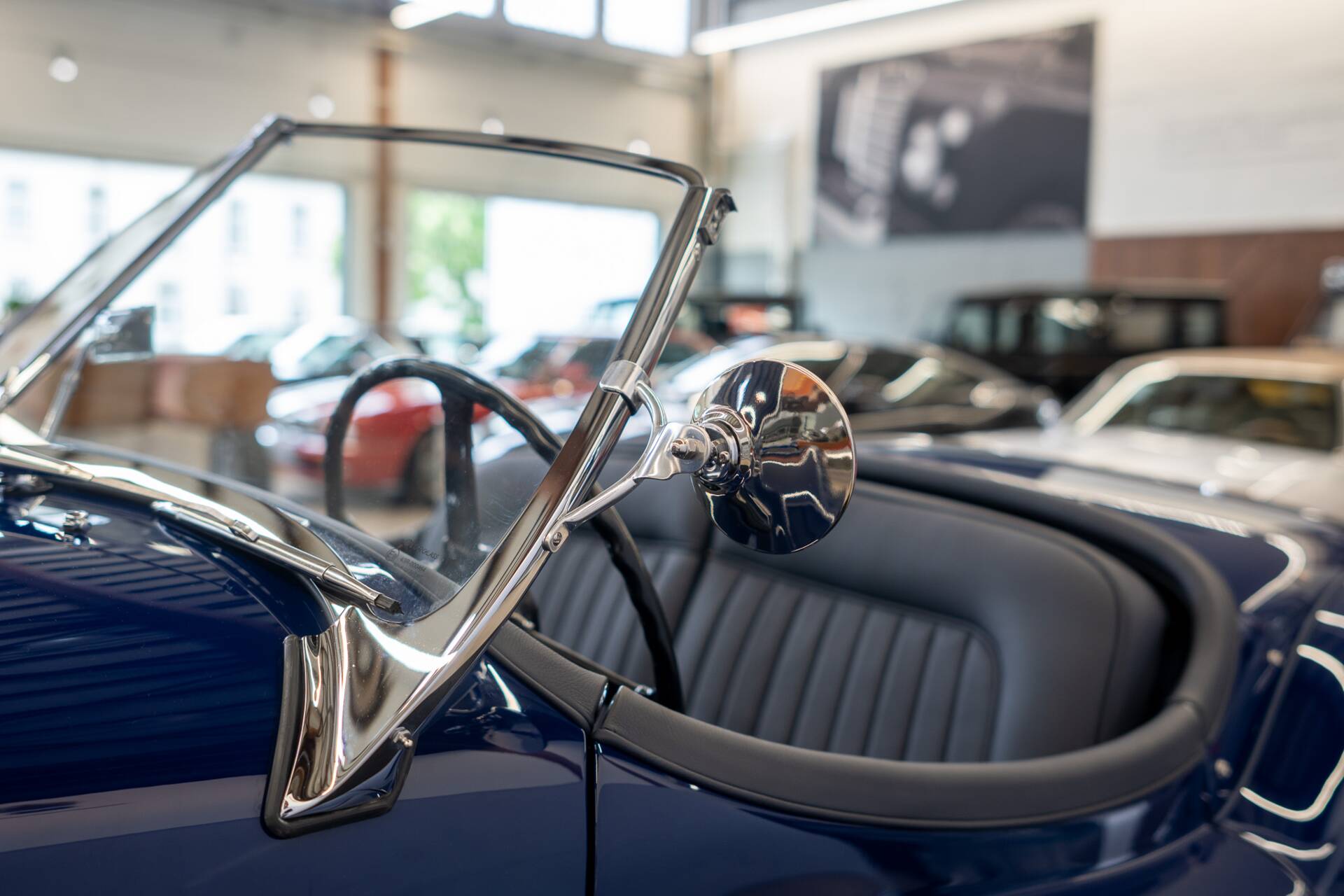
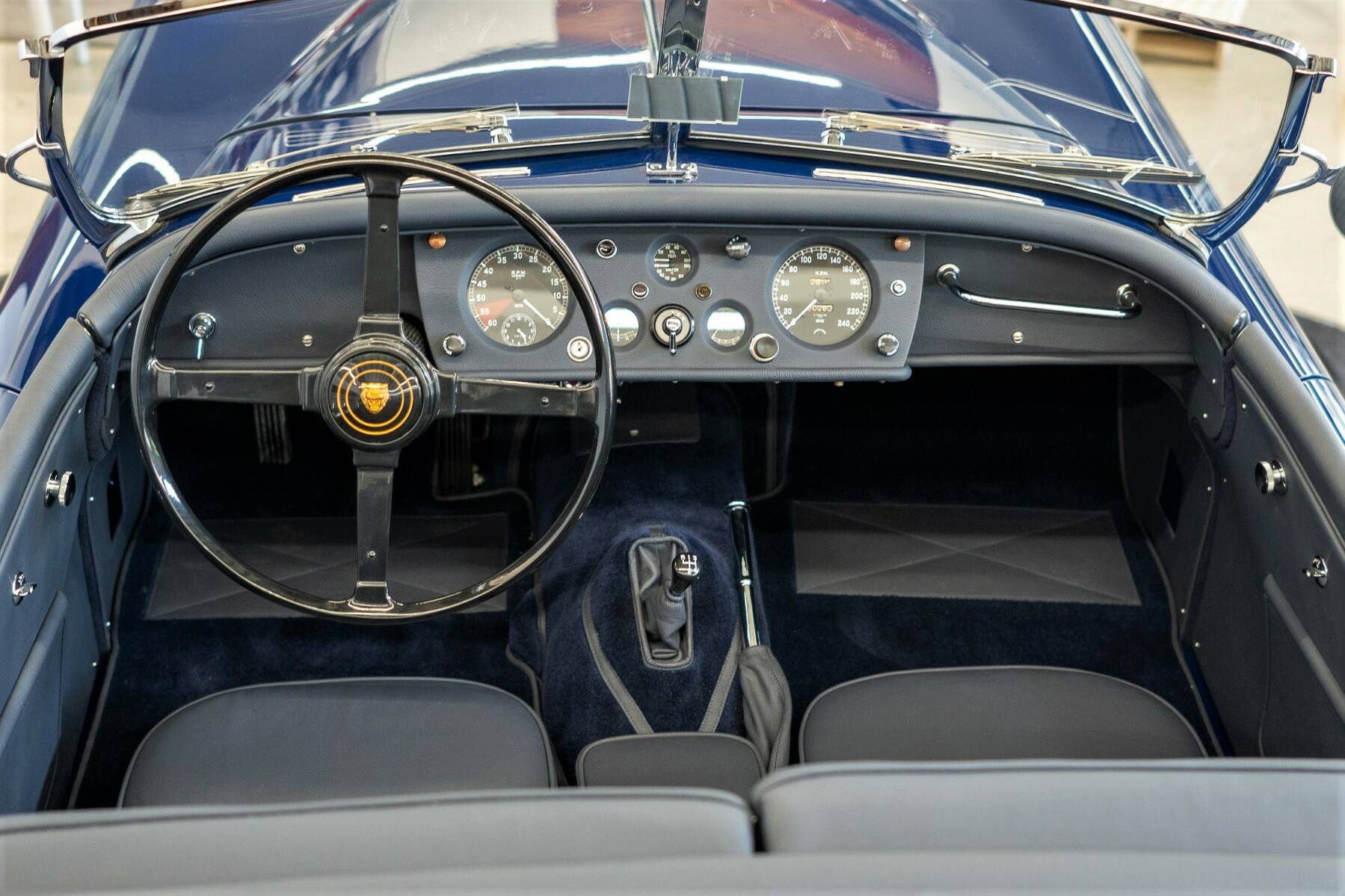
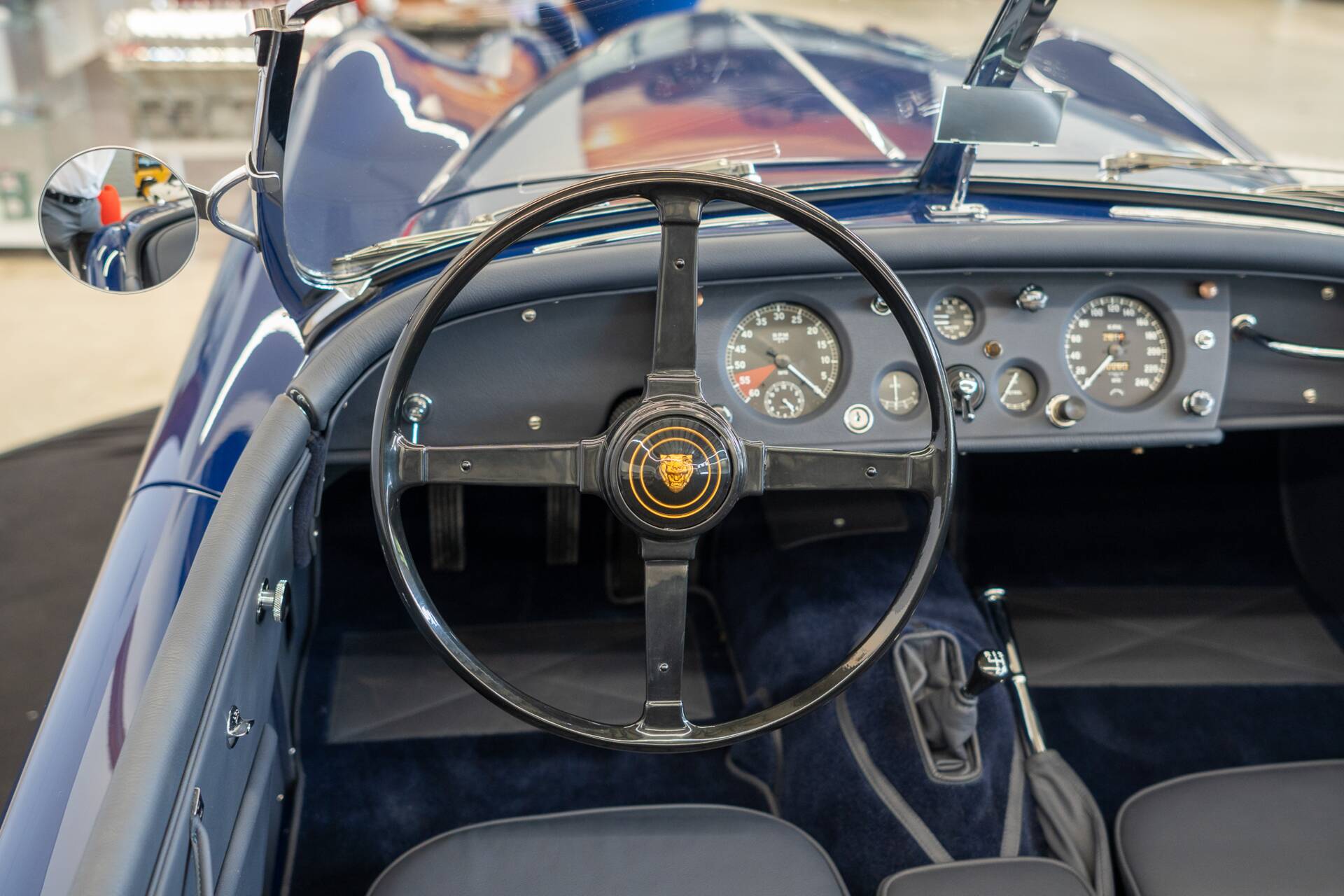
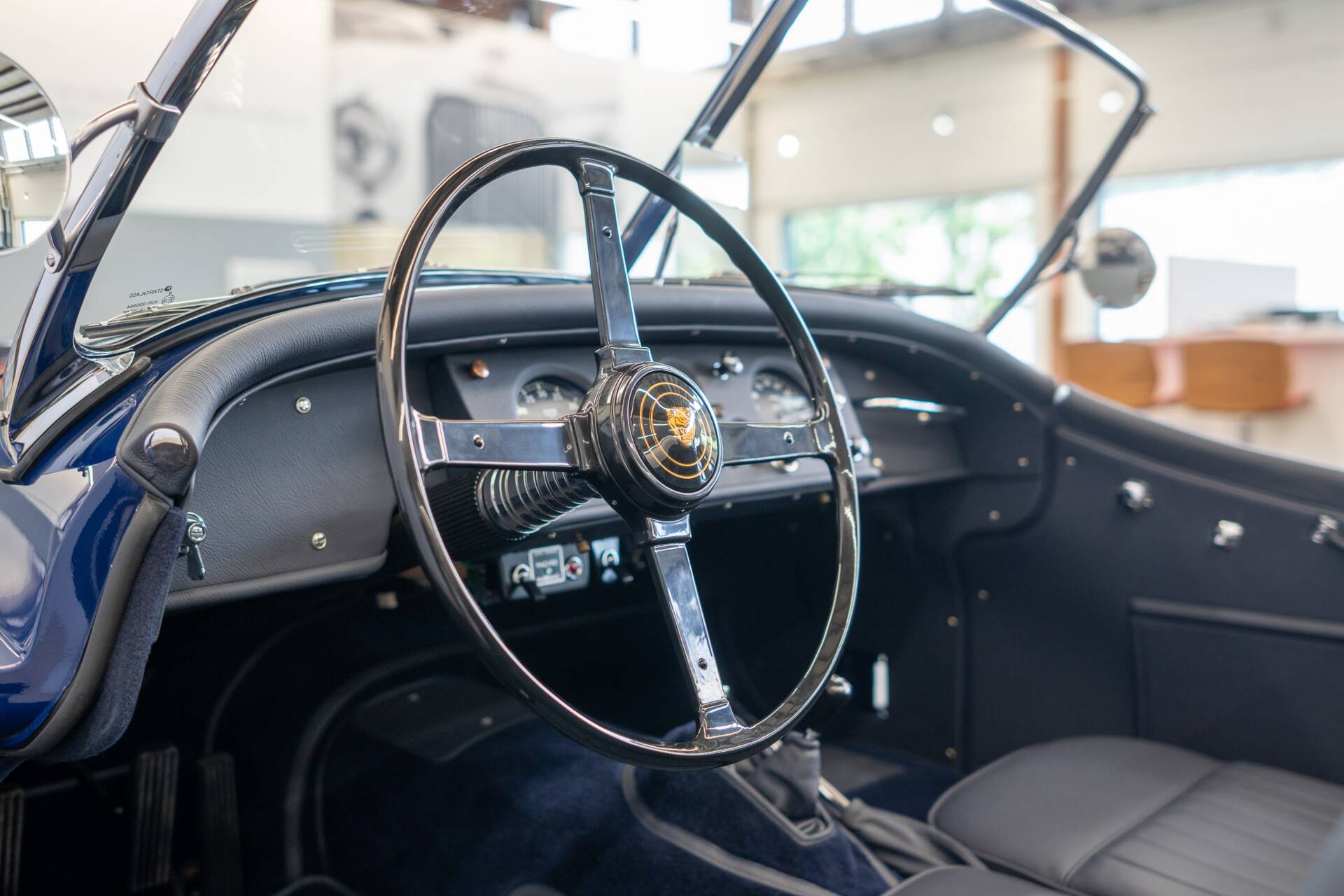
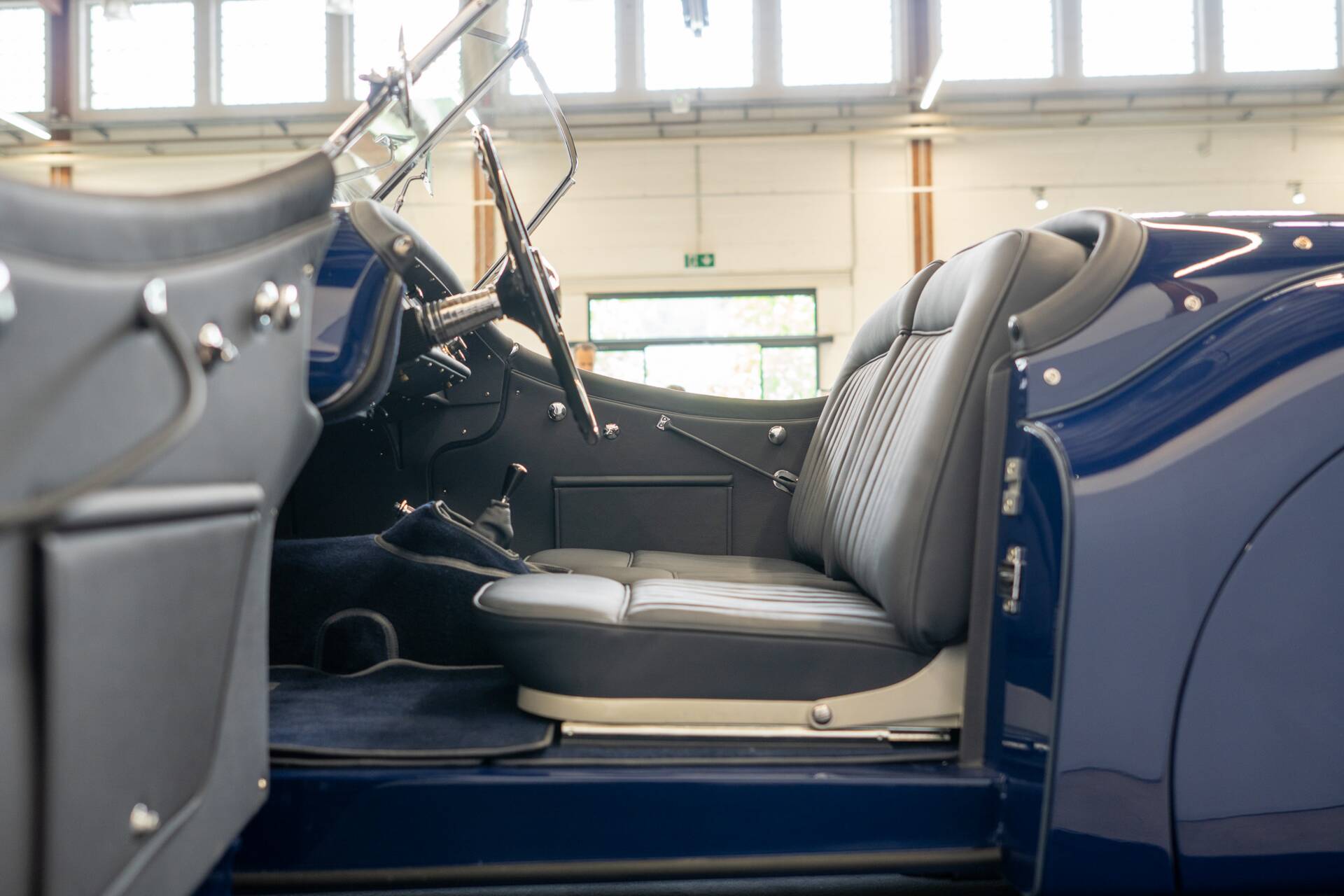
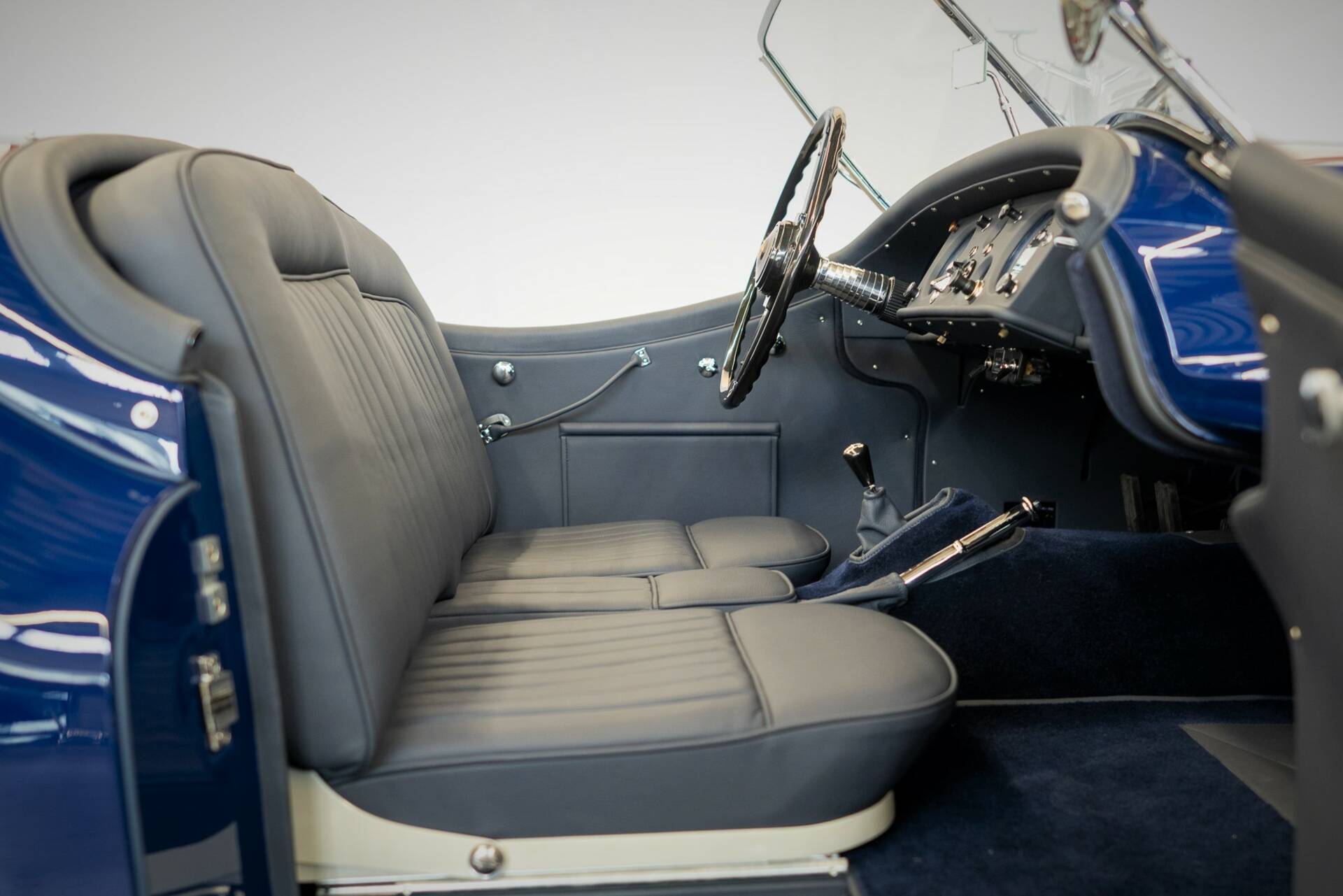
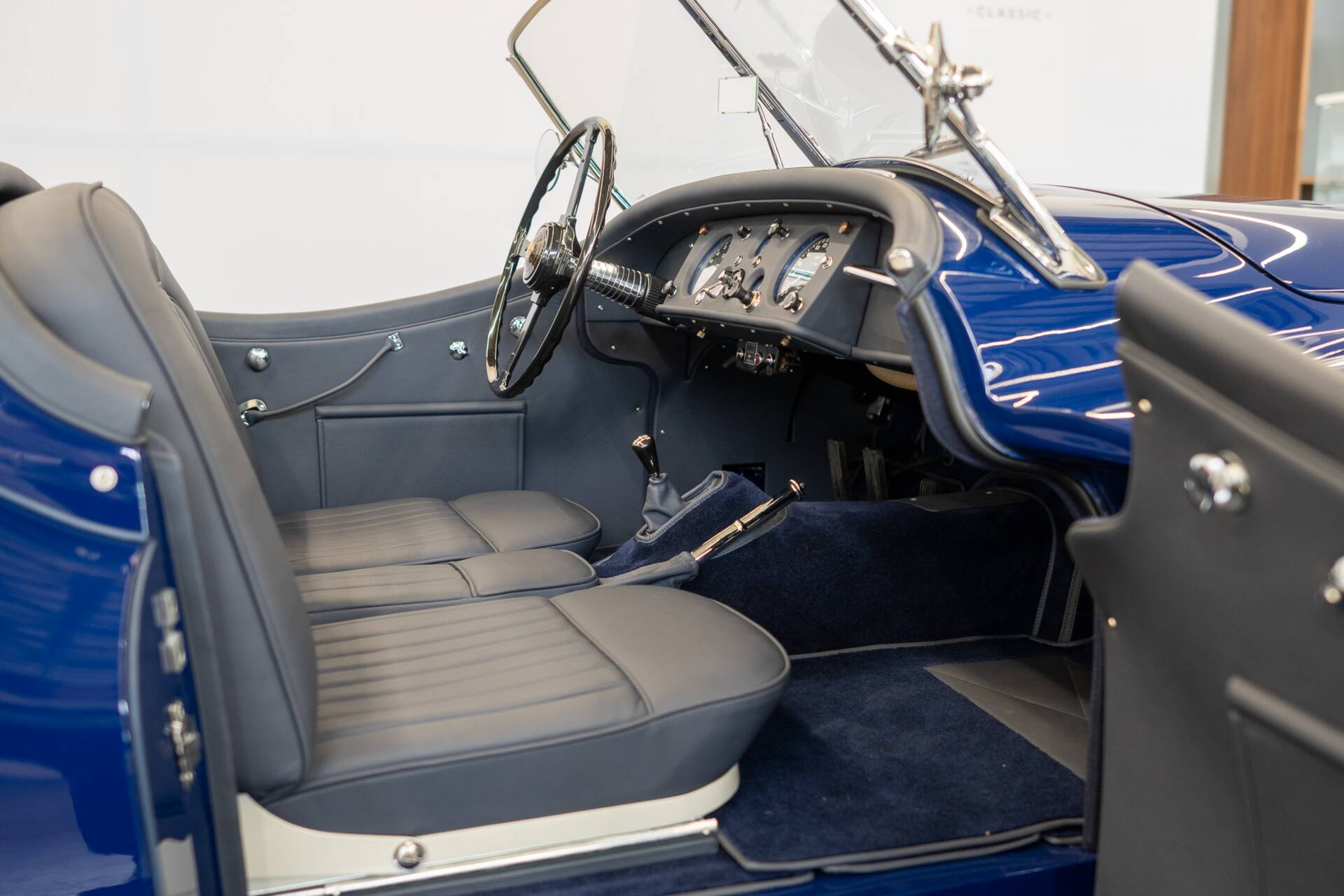
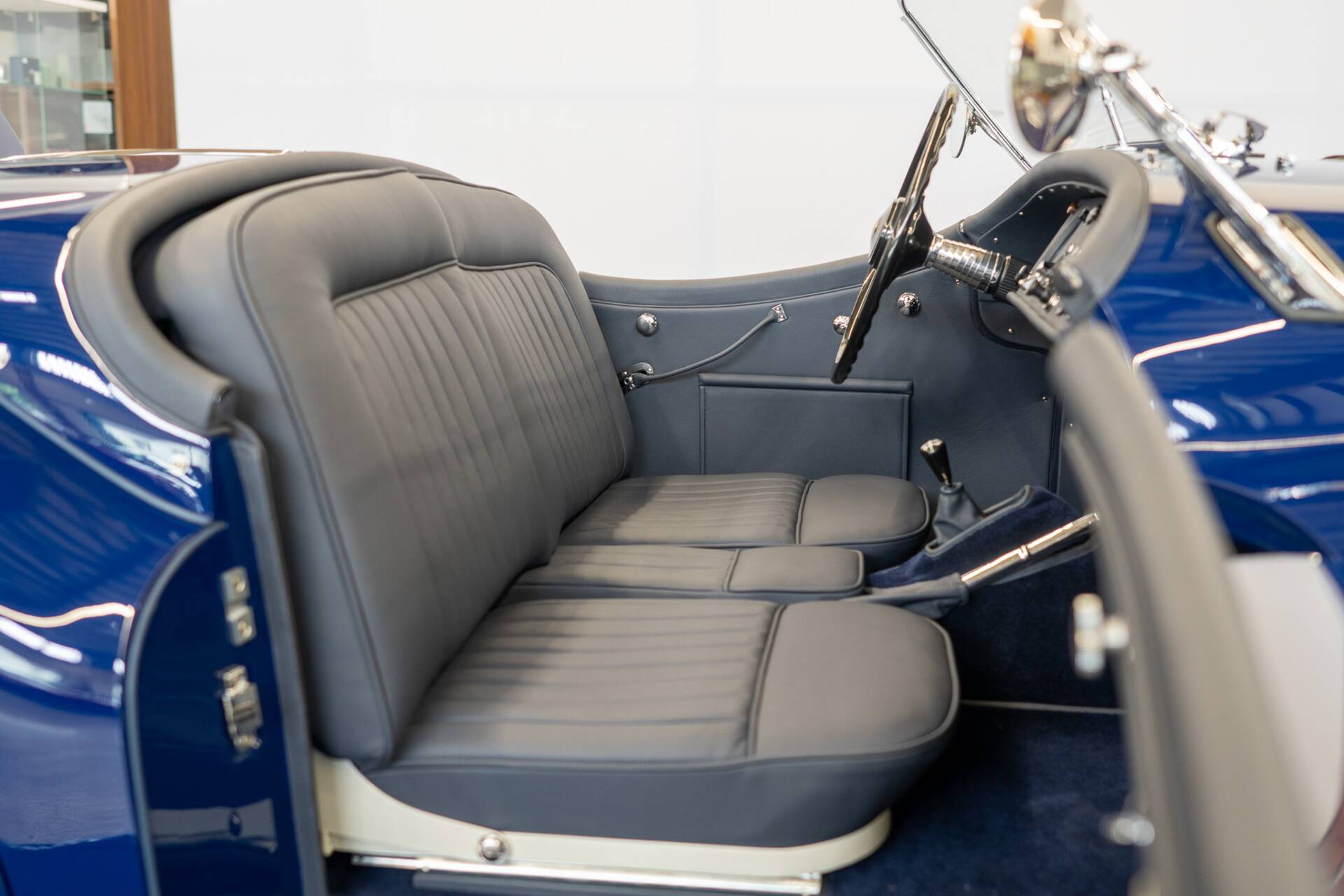
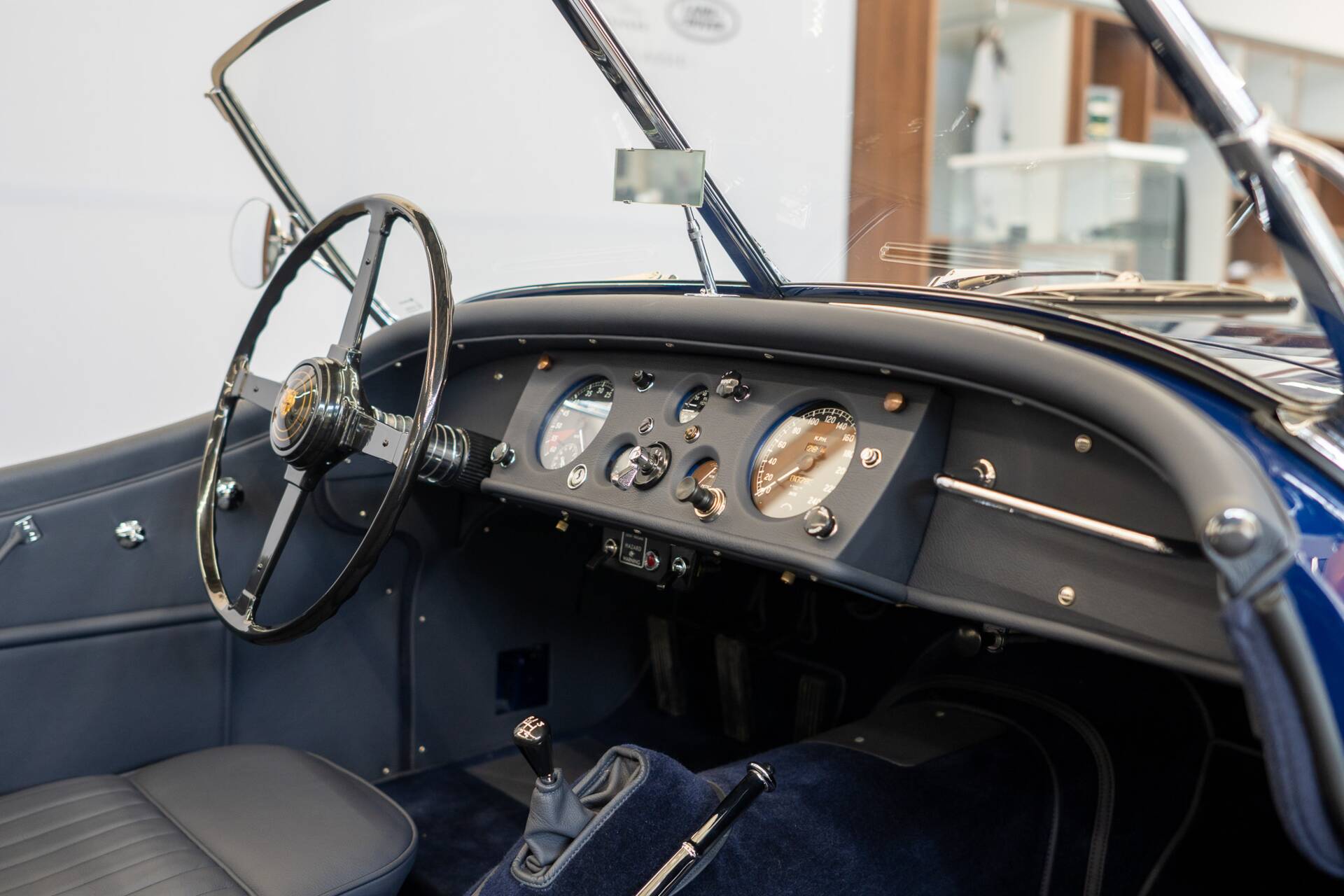
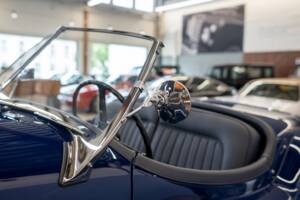
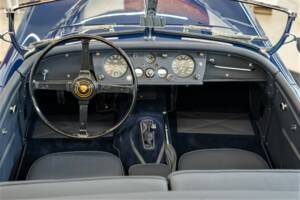
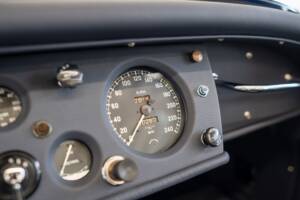
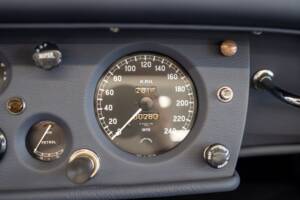
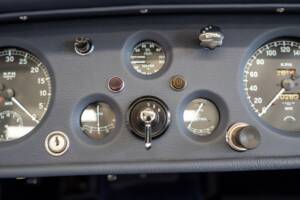
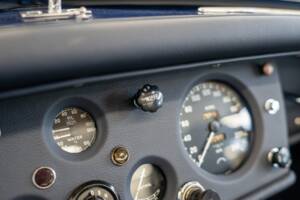
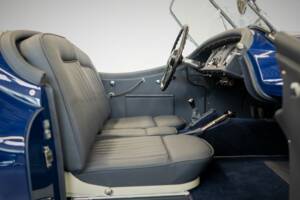
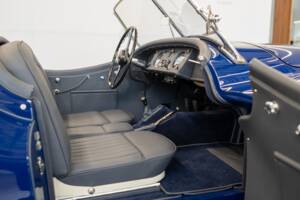
The interior was made more comfortable for taller drivers by moving the engine, firewall and dashboard forward to provide 76 mm more legroom. This makes the XK 140 significantly more drivable, even for people over 1.80 m tall.
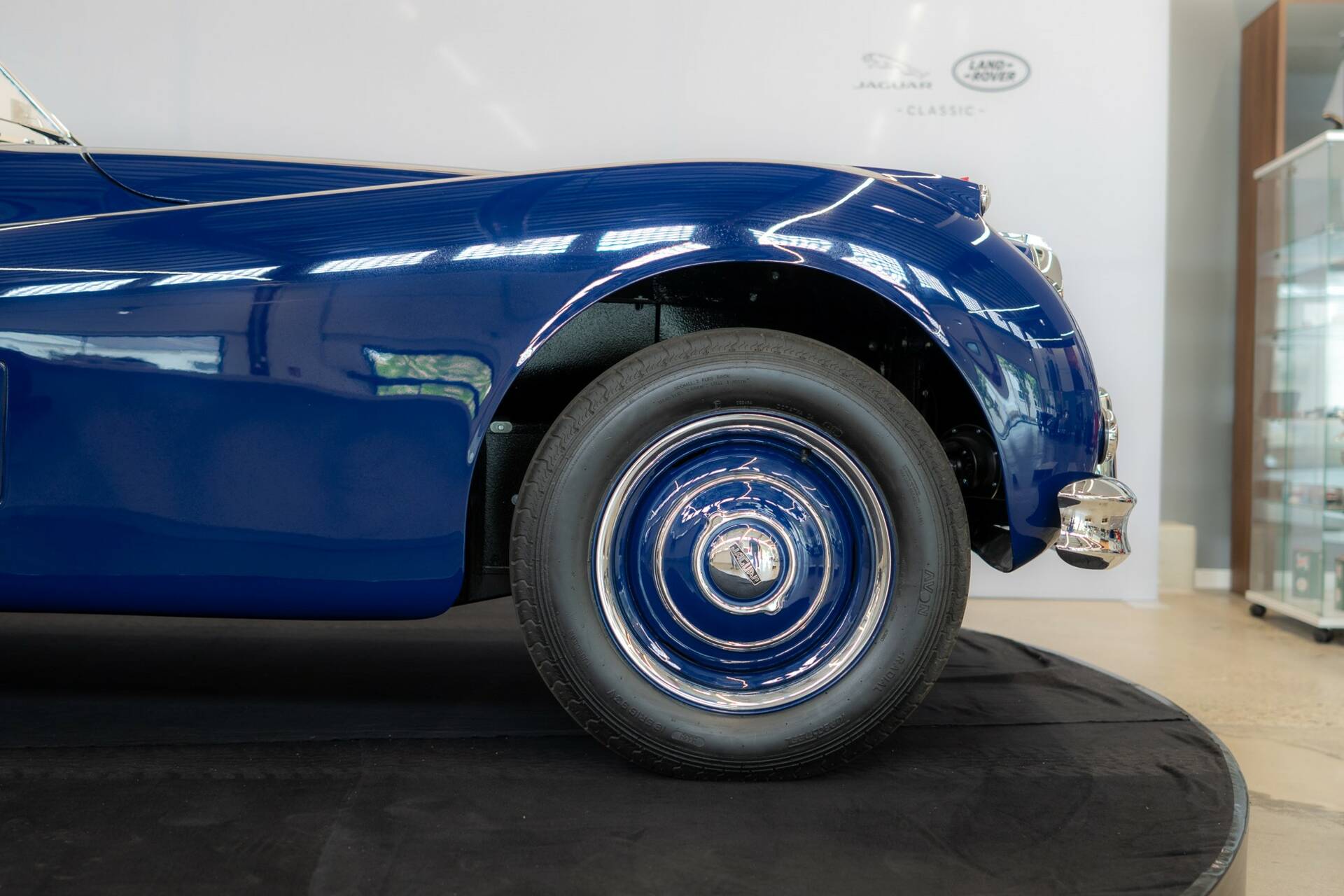
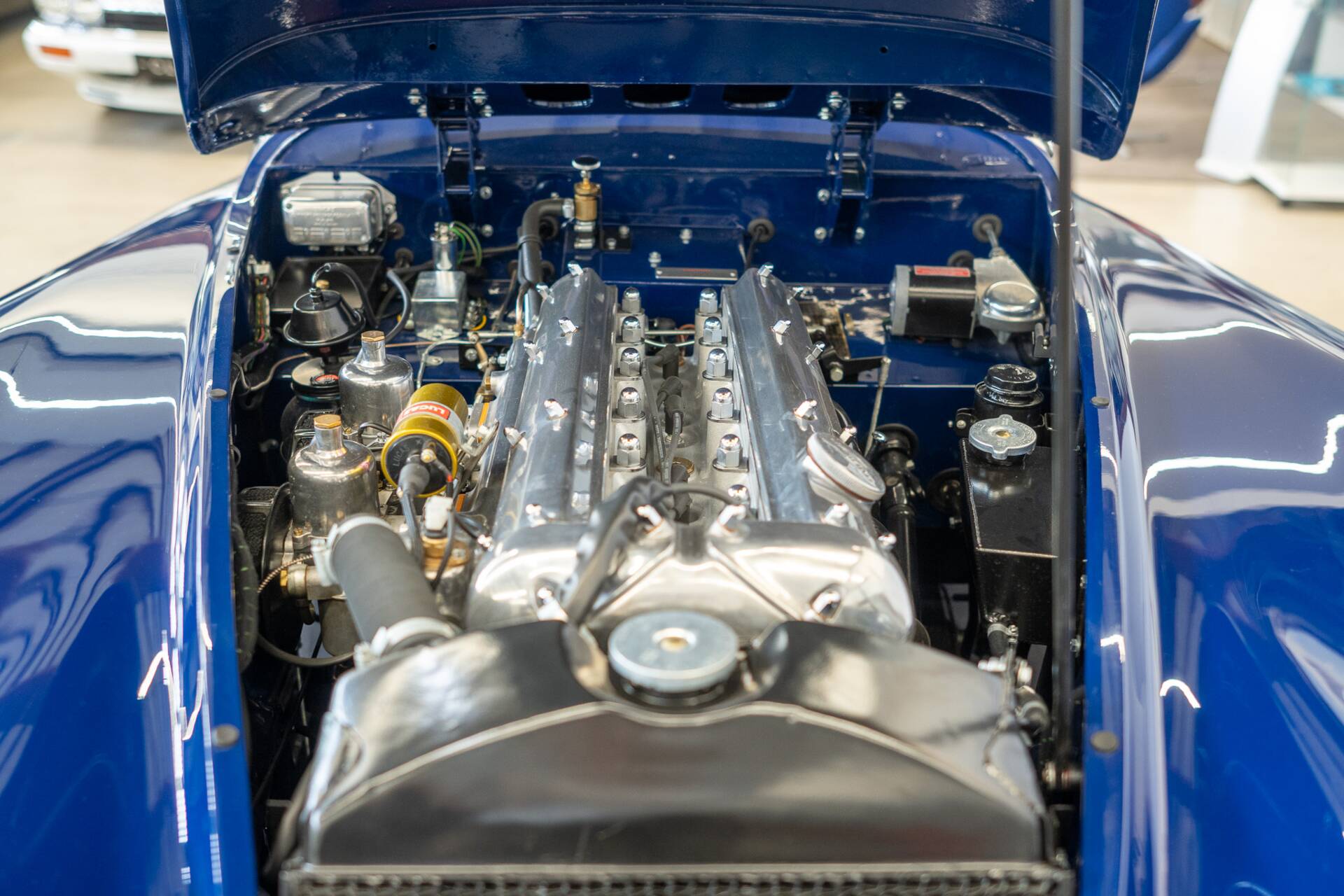
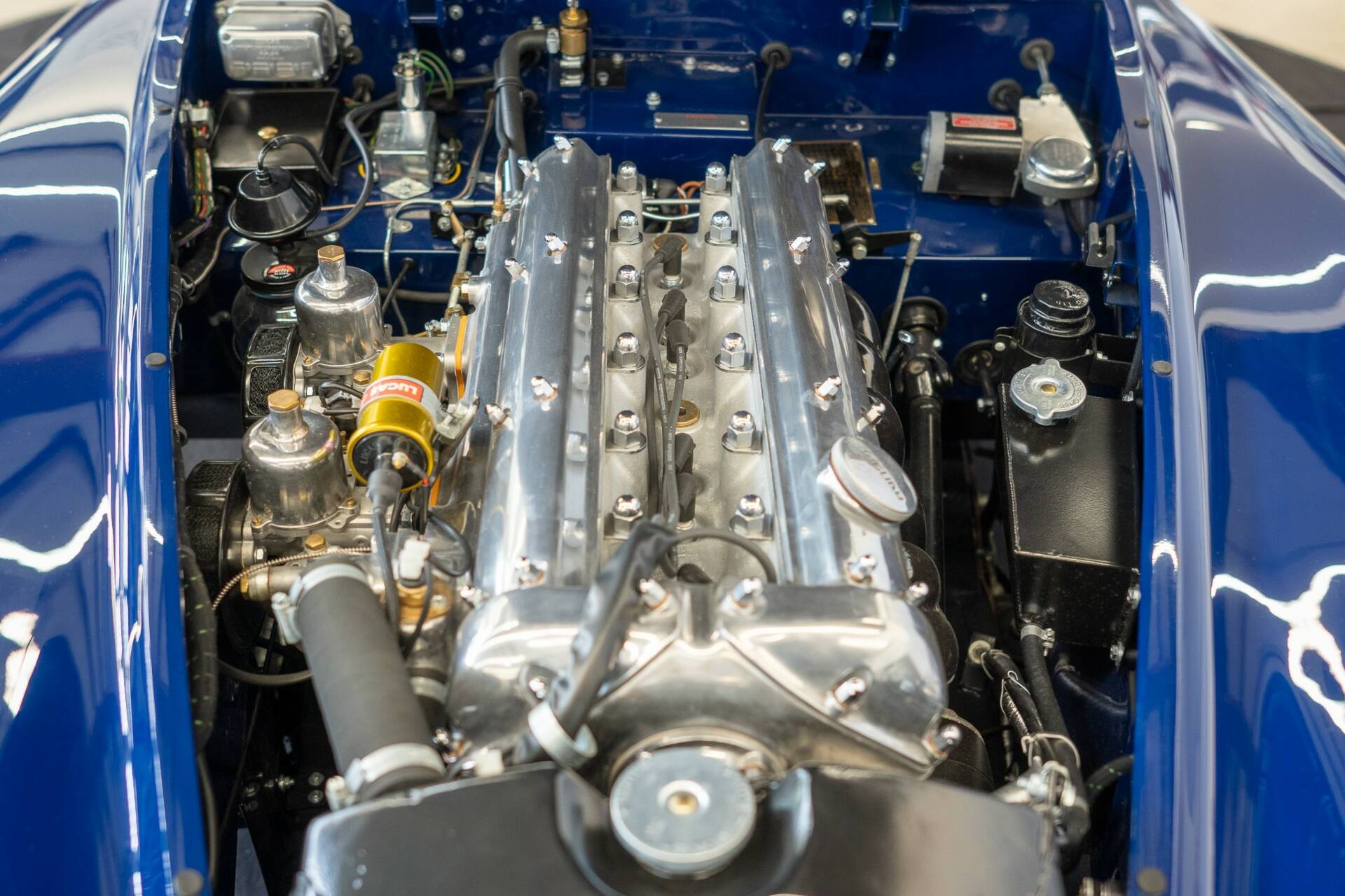
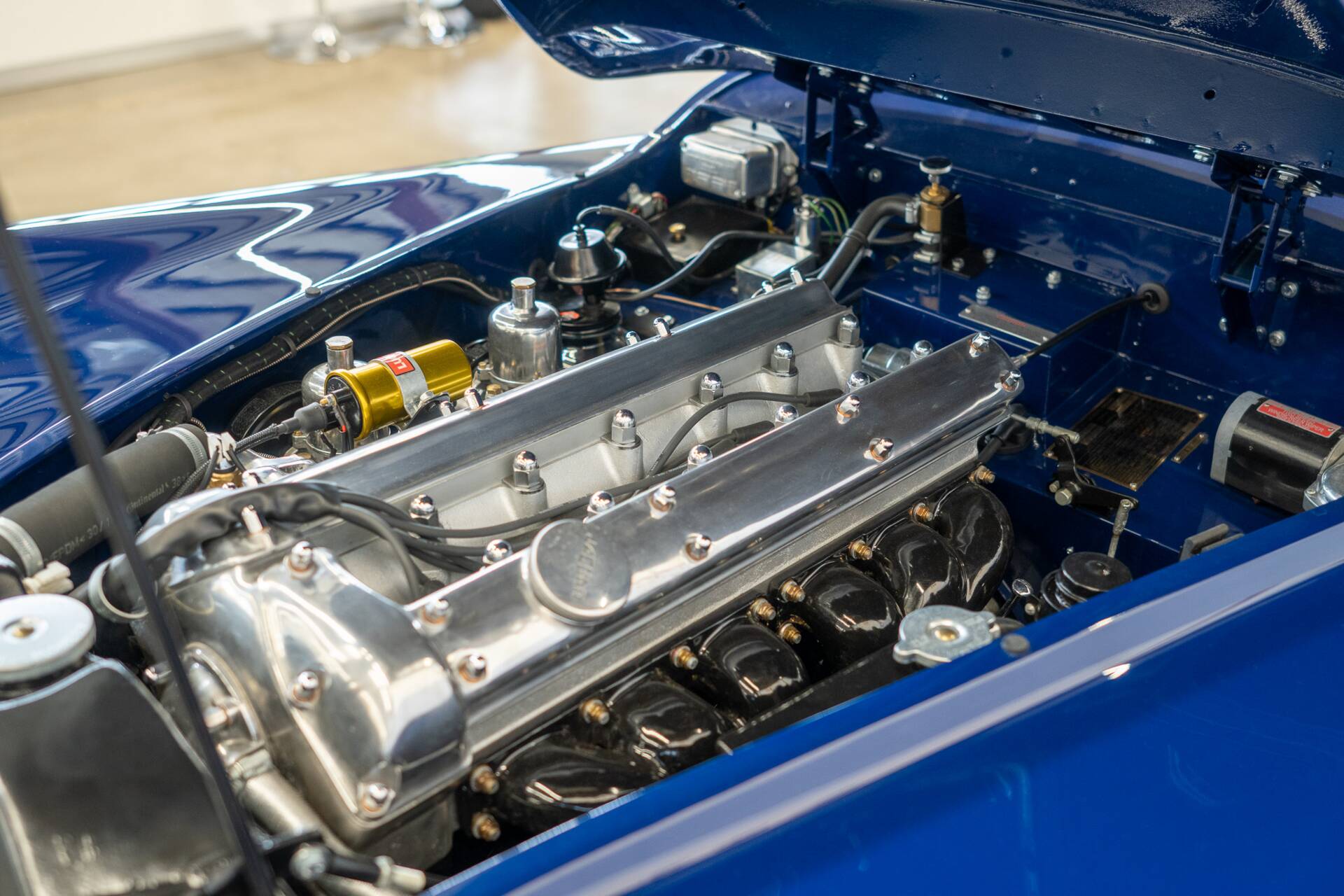
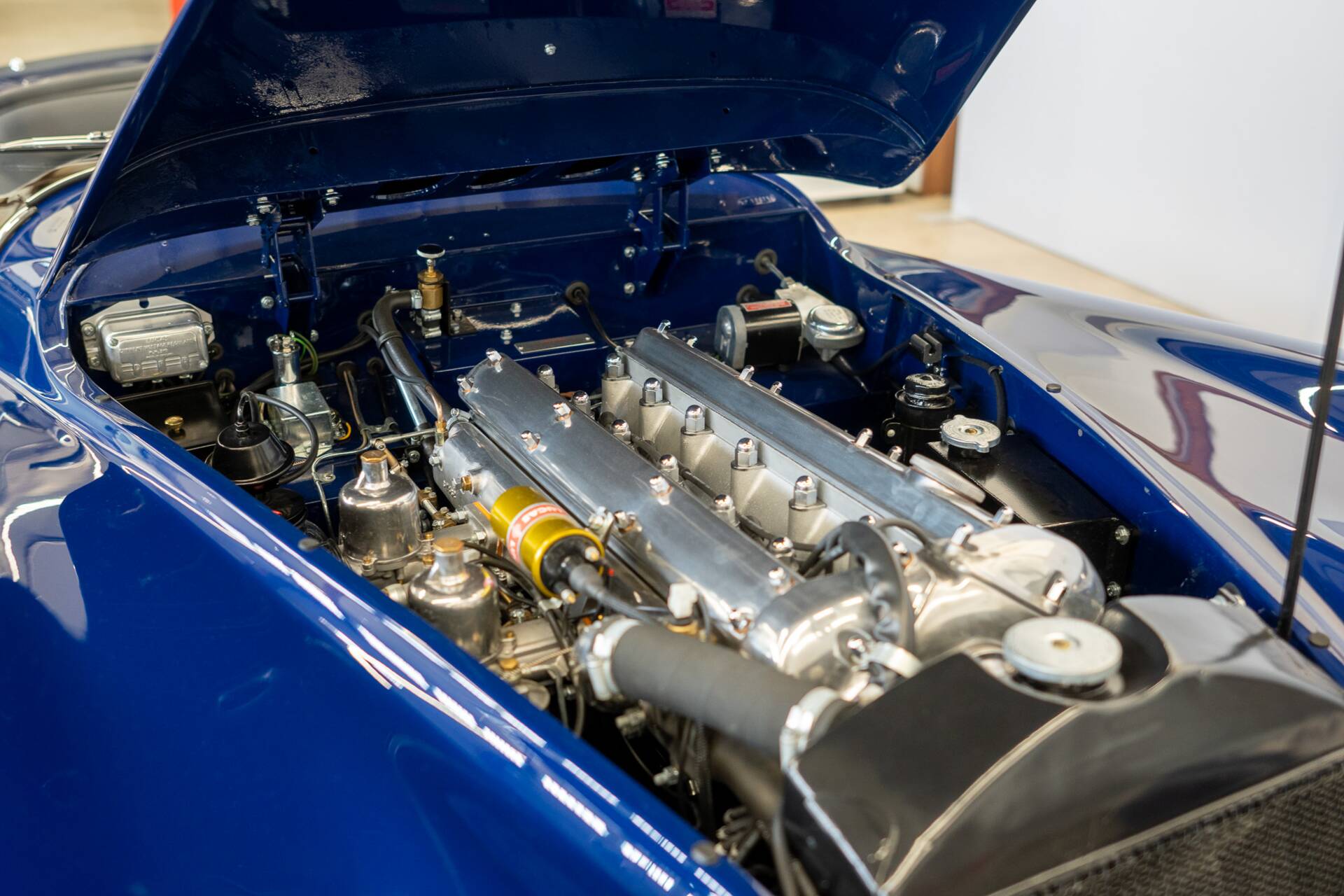
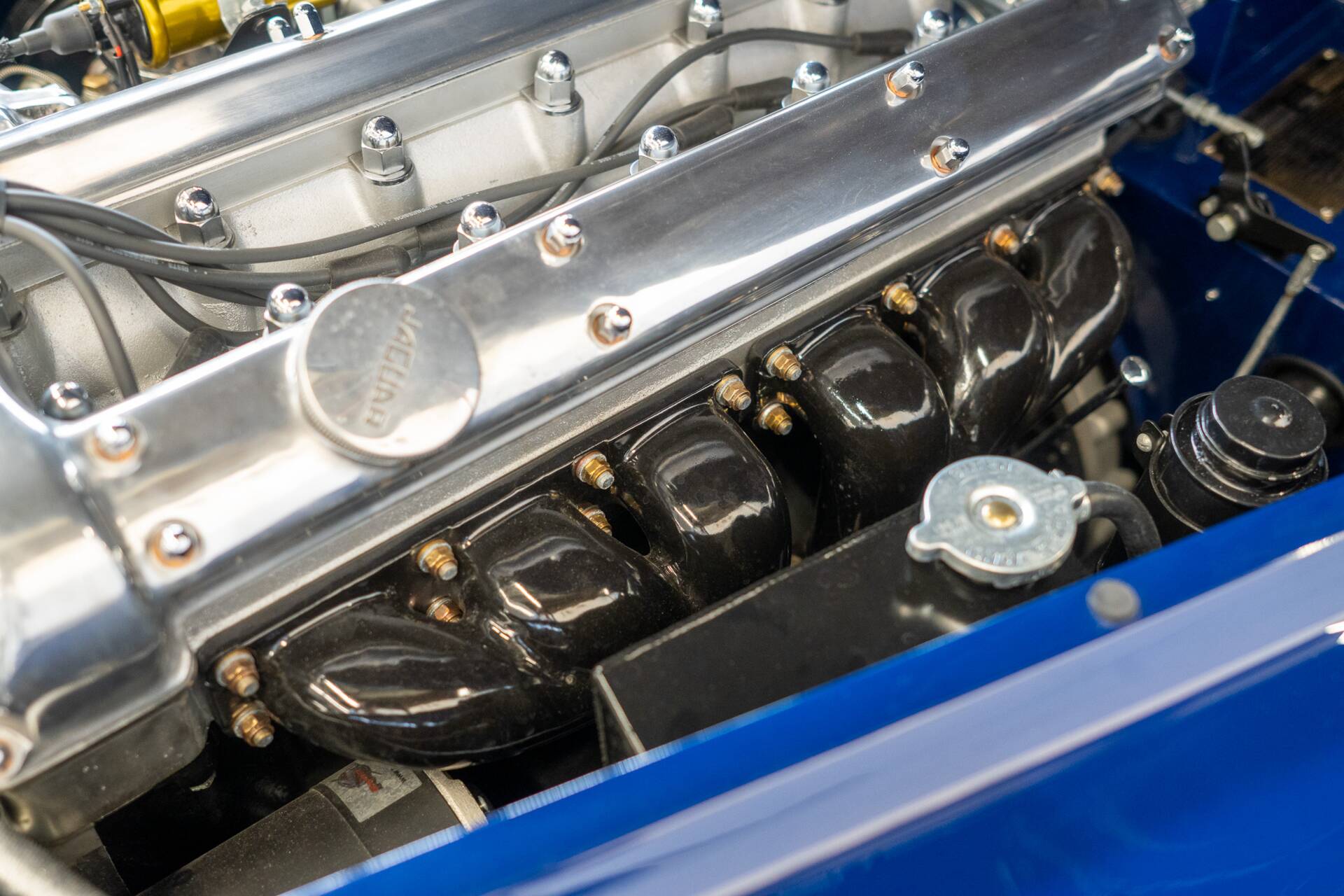
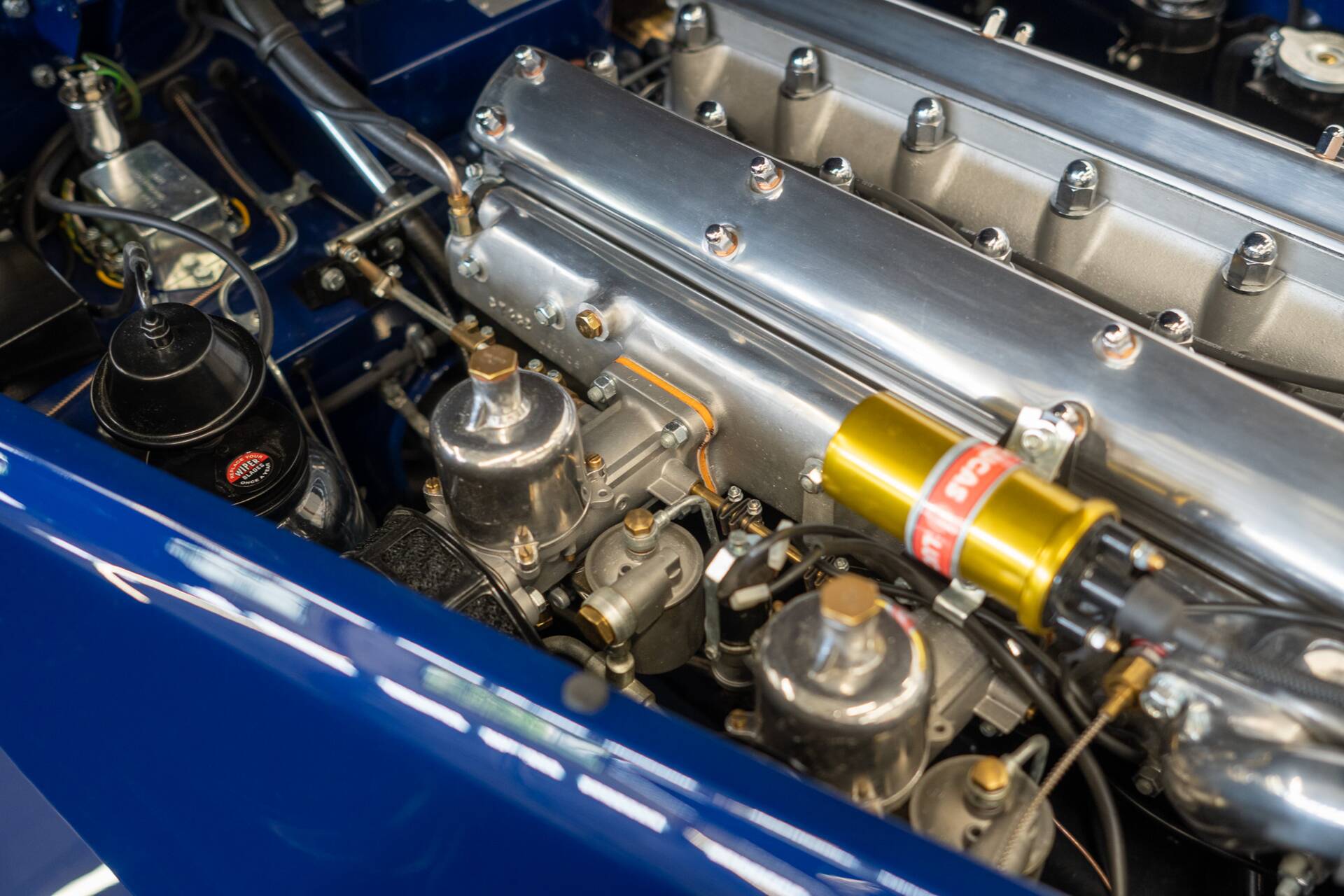
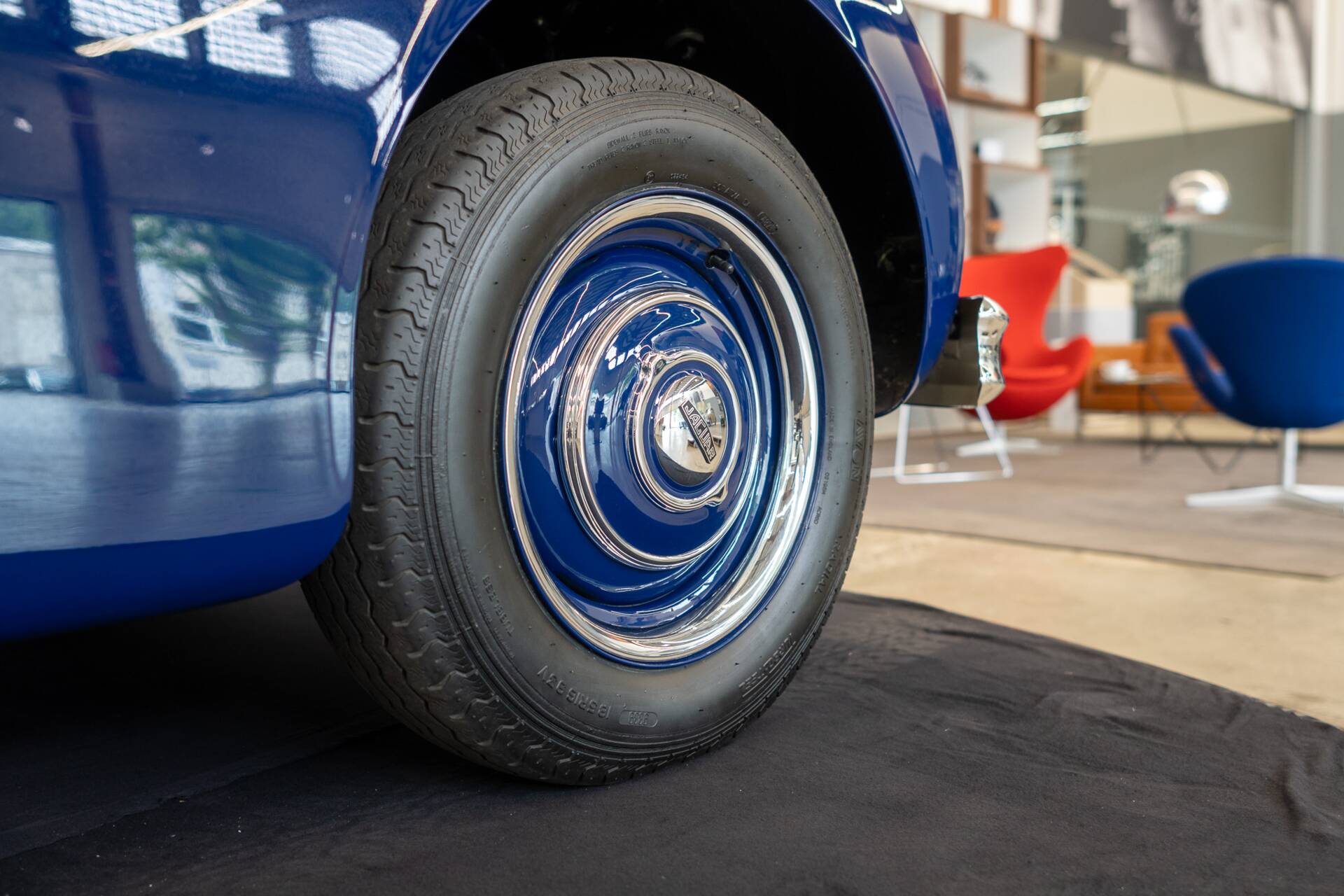
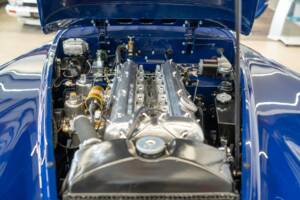
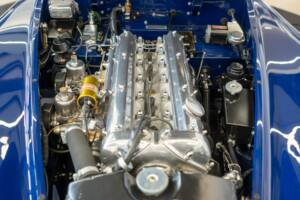
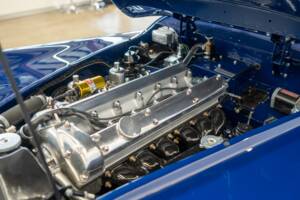
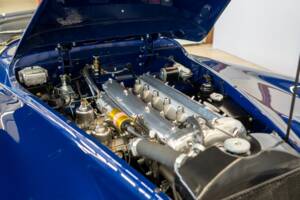
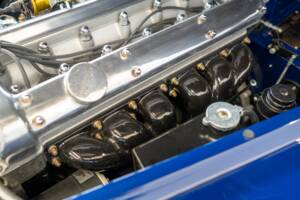
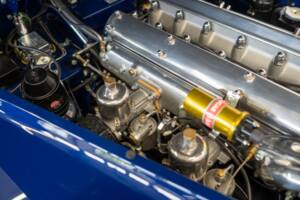
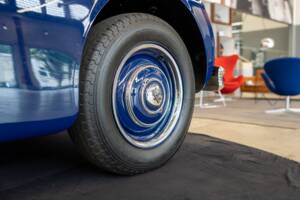
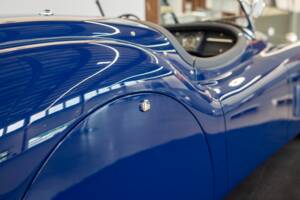
The XK140 is equipped with the XK 3.4-liter inline engine with dual overhead camshafts, producing the specified standard output of 190 hp (142 kW) gross at 5500 rpm. As with the XK120, wire wheels and dual exhaust systems were available as options. Vehicles equipped with the standard disc wheels had spats (fender skirts) over the rear wheel arches.
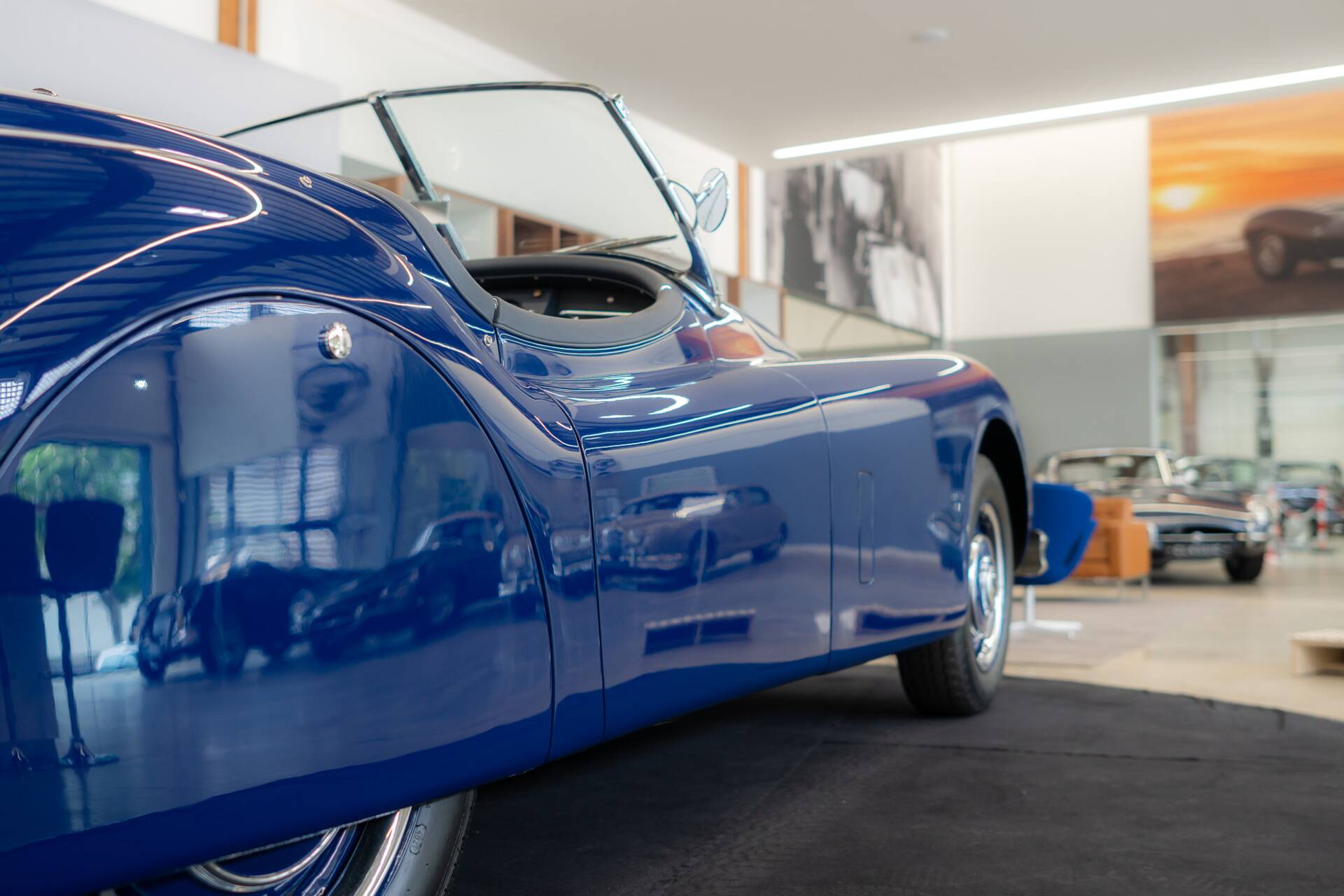
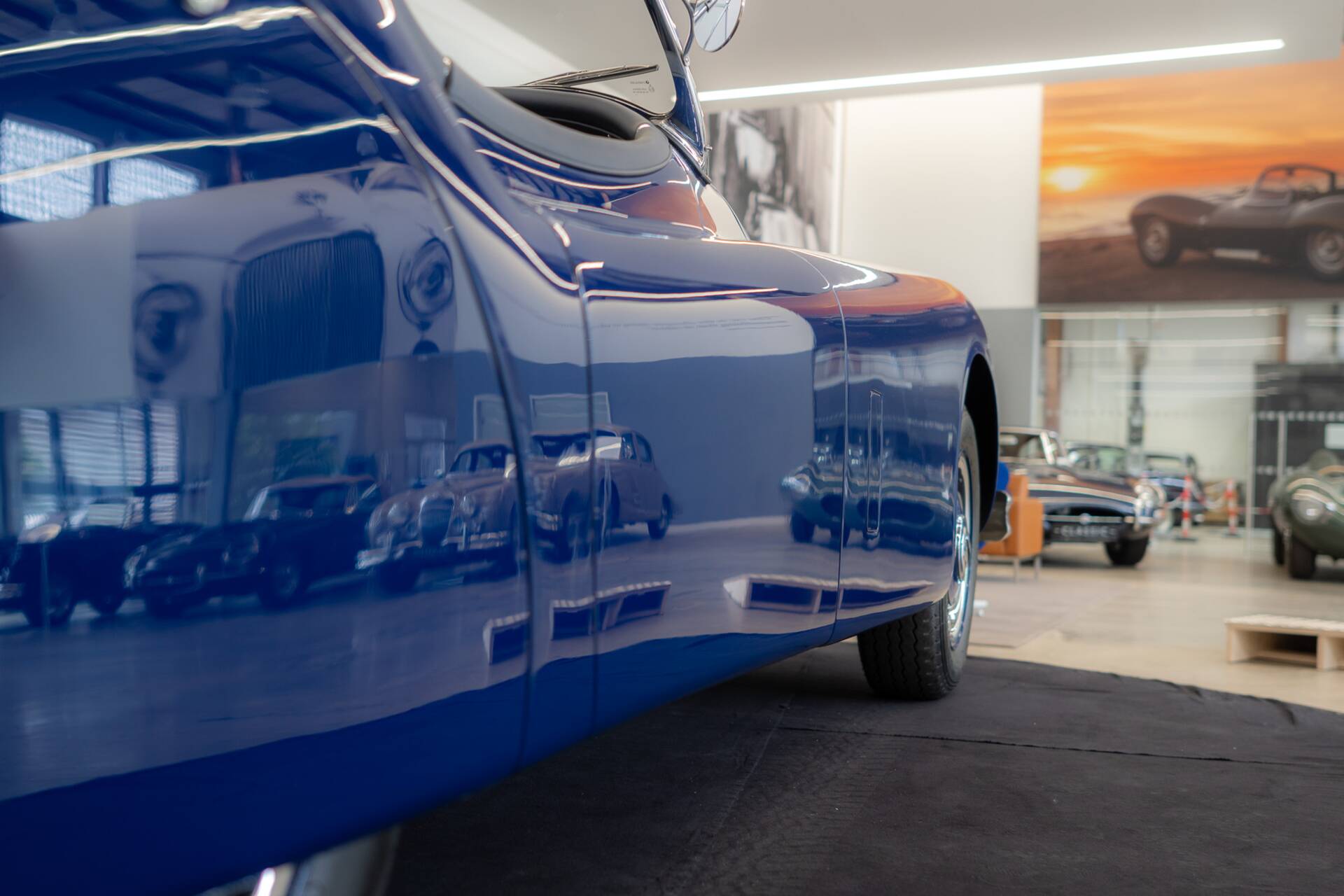
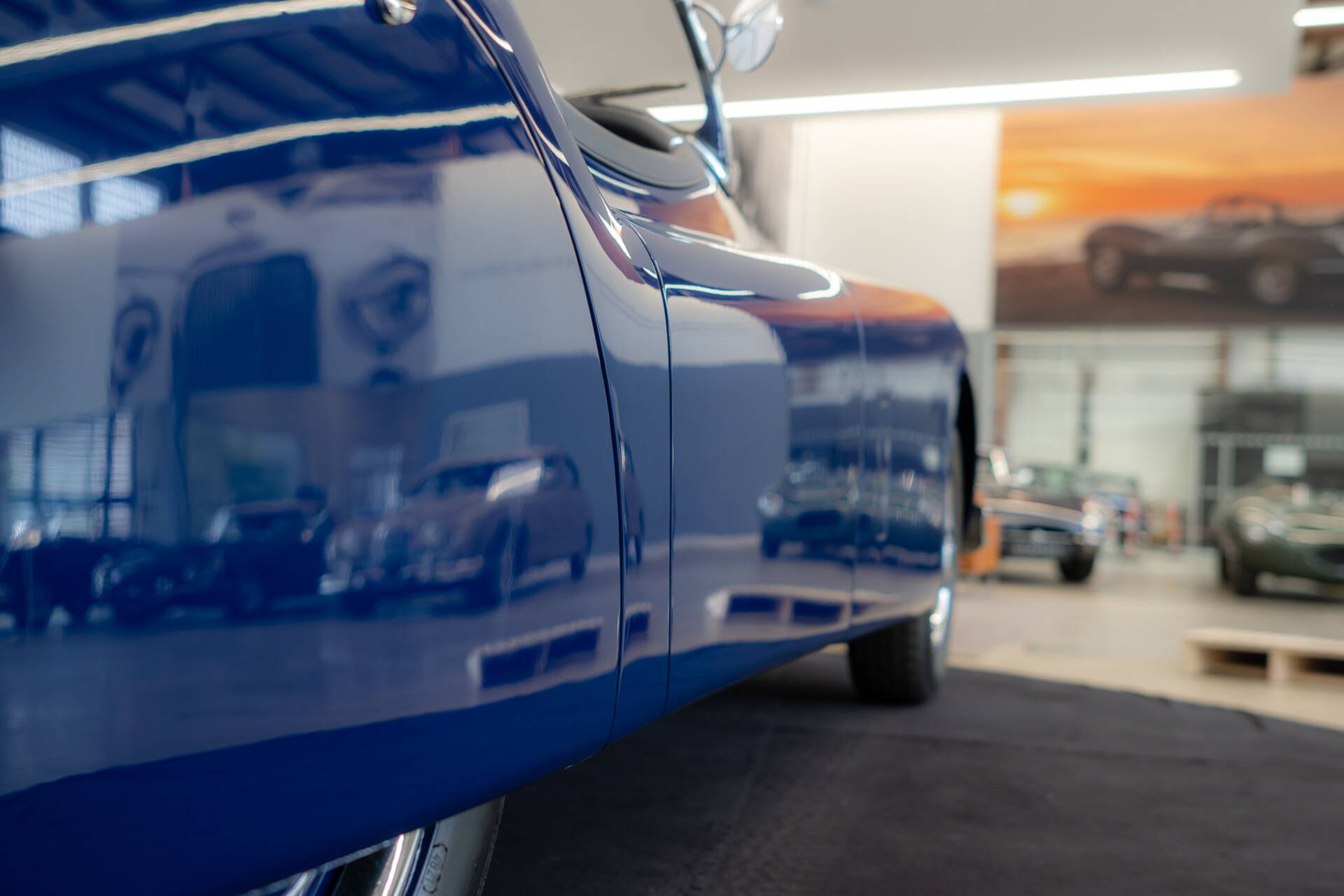
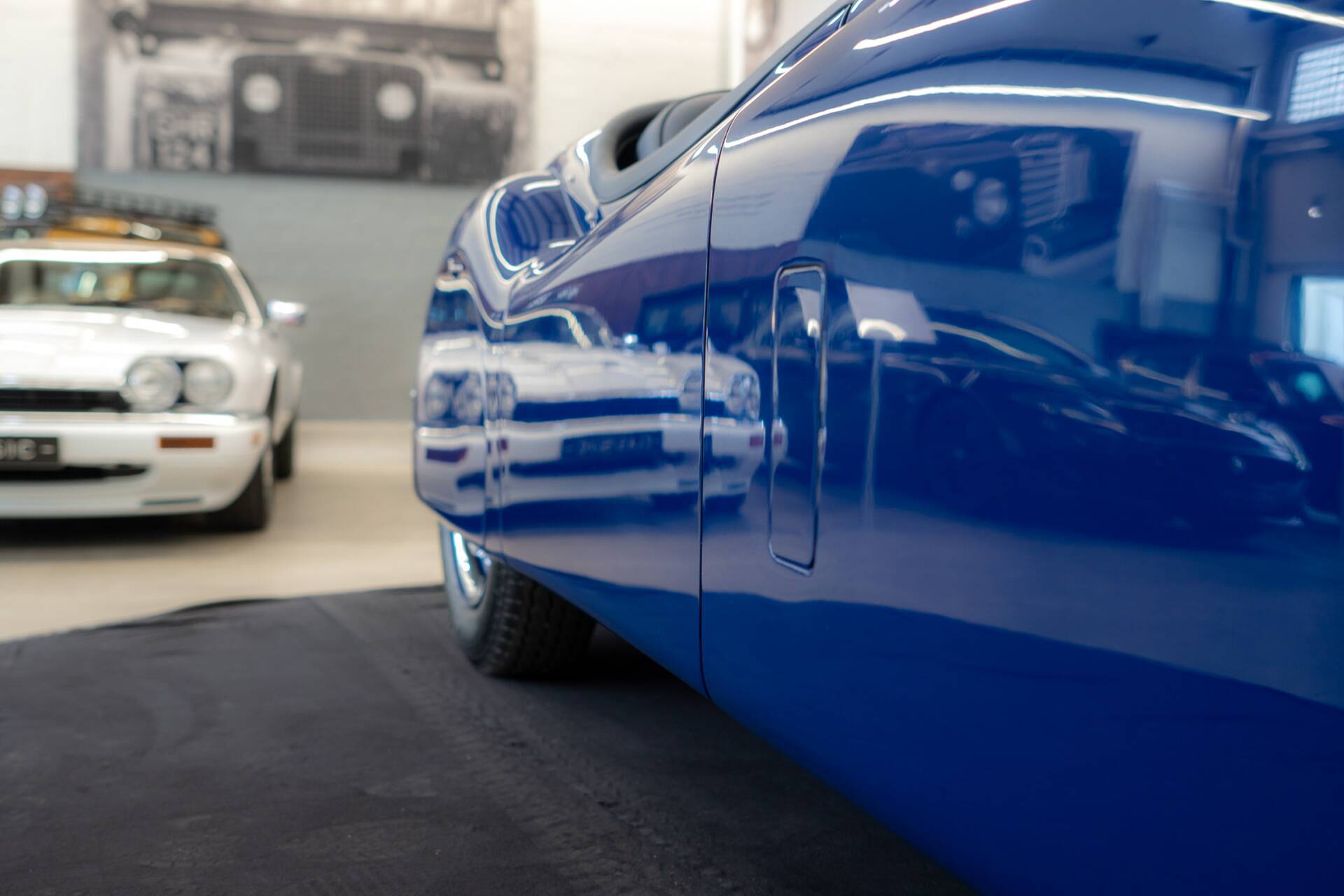
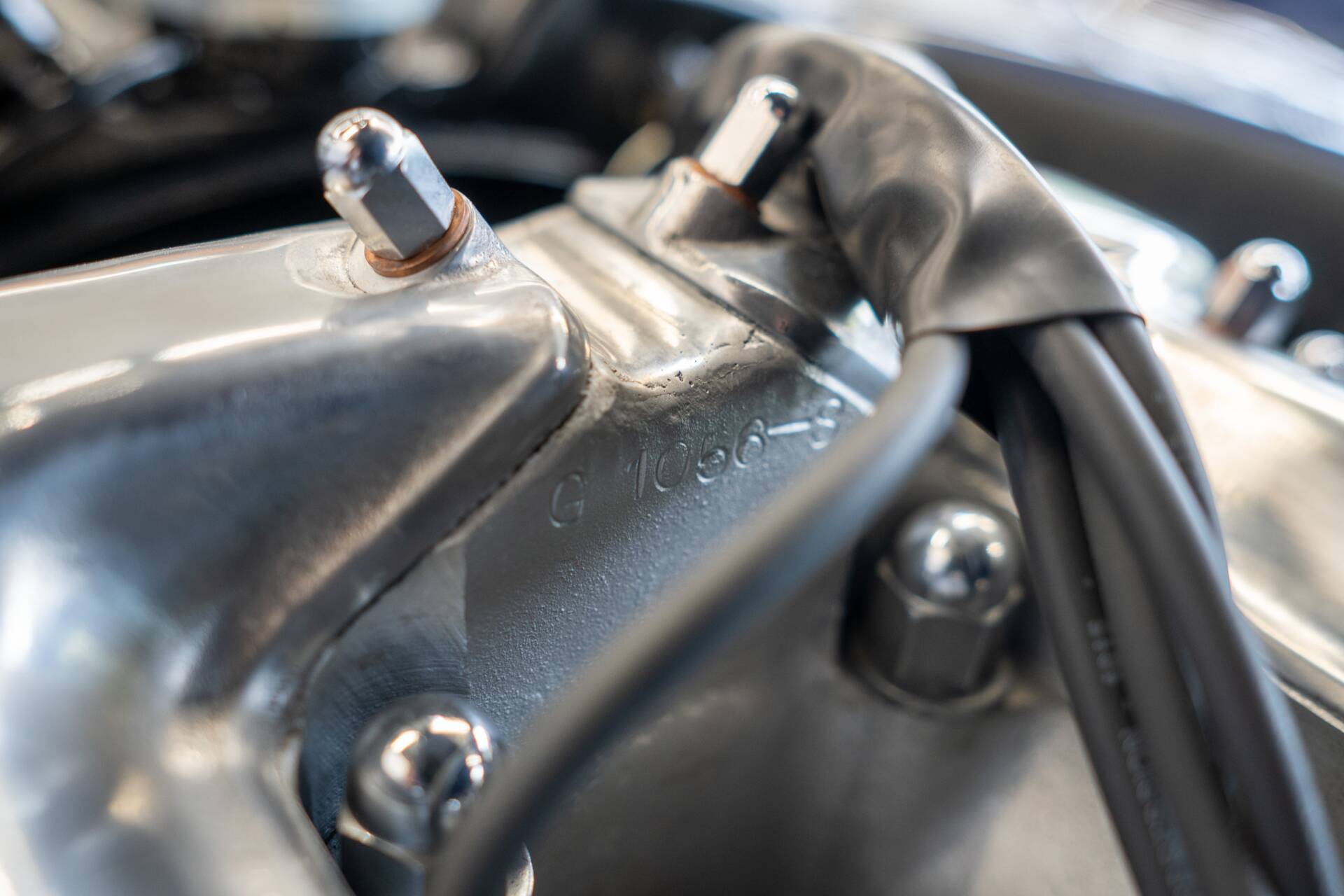
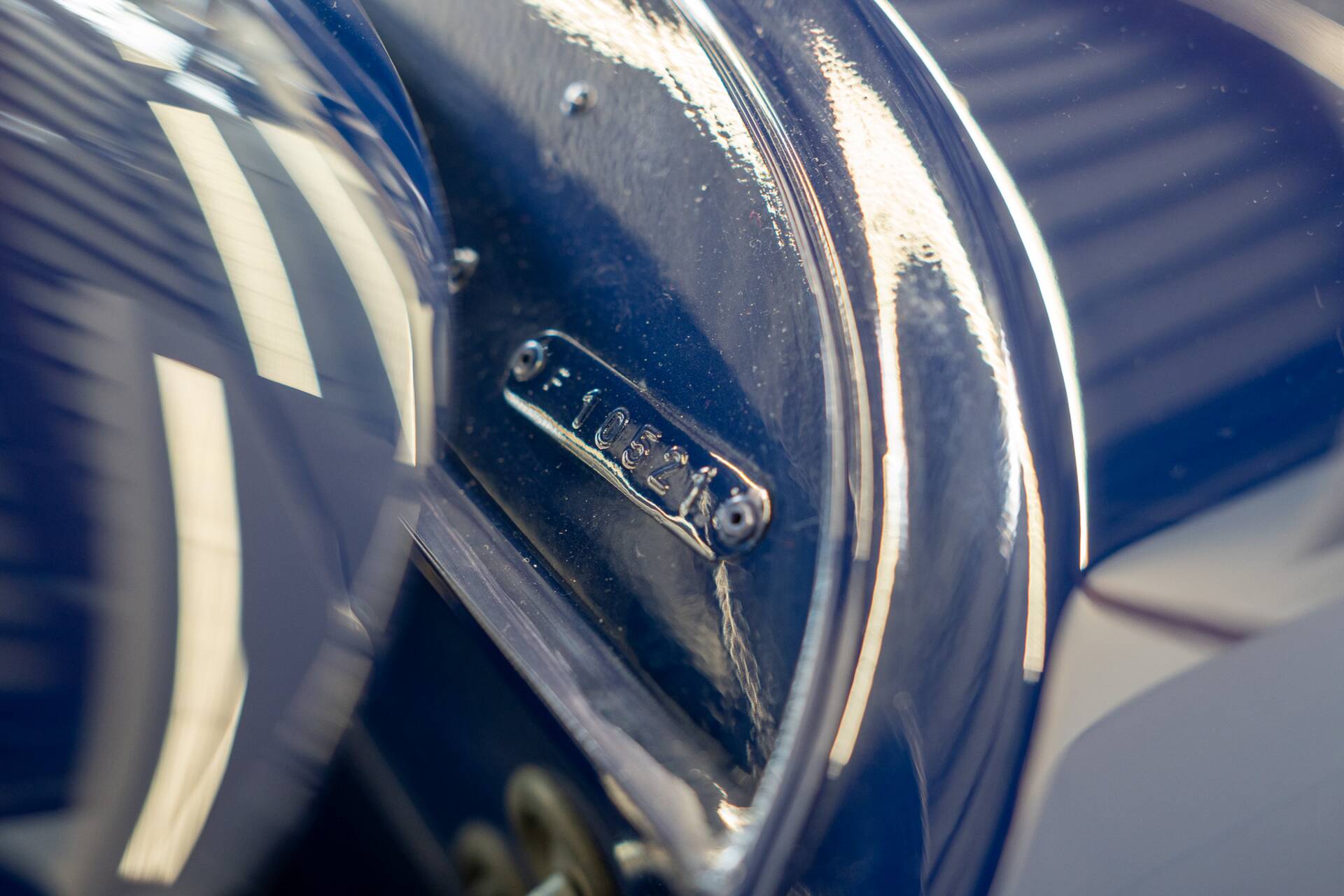
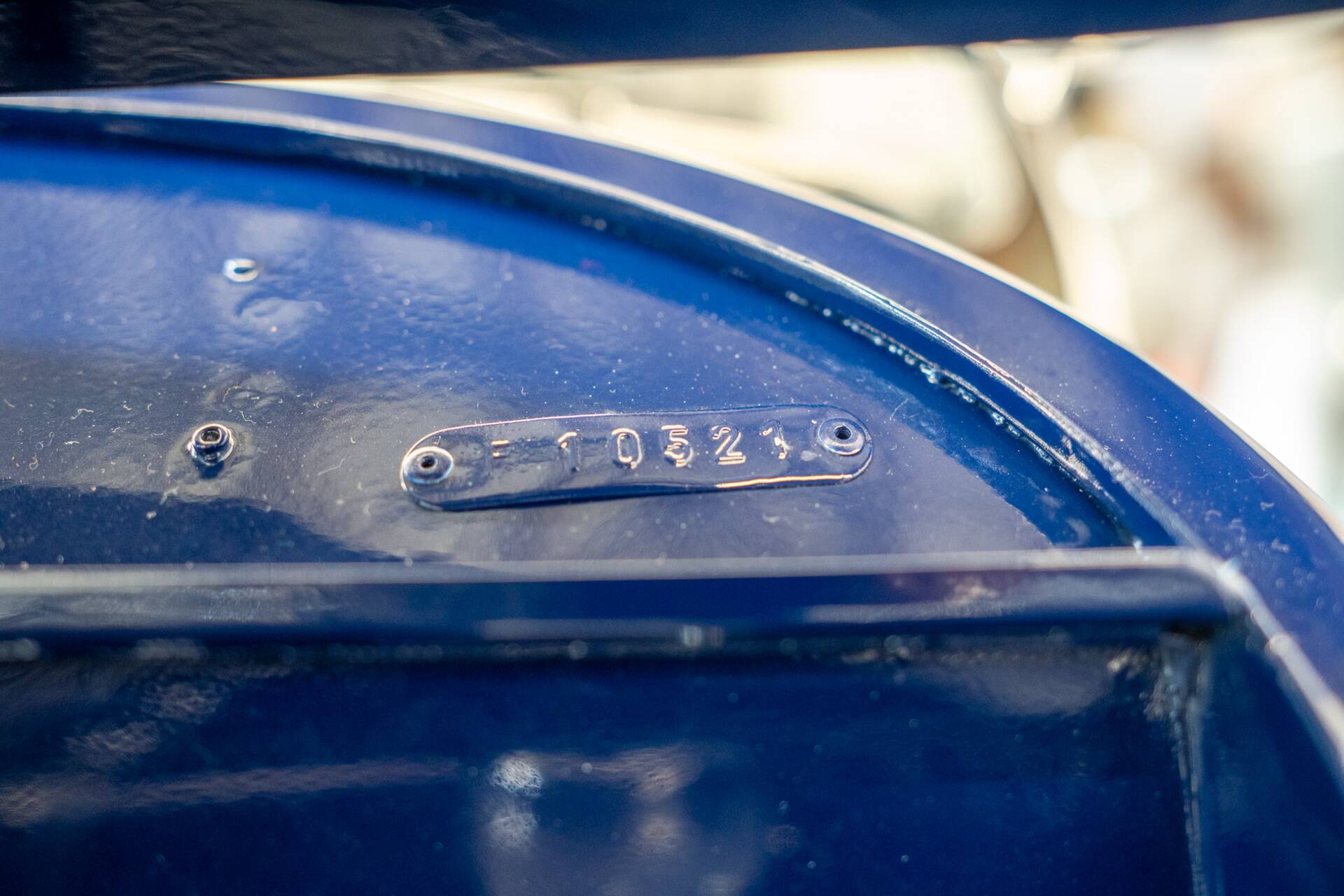
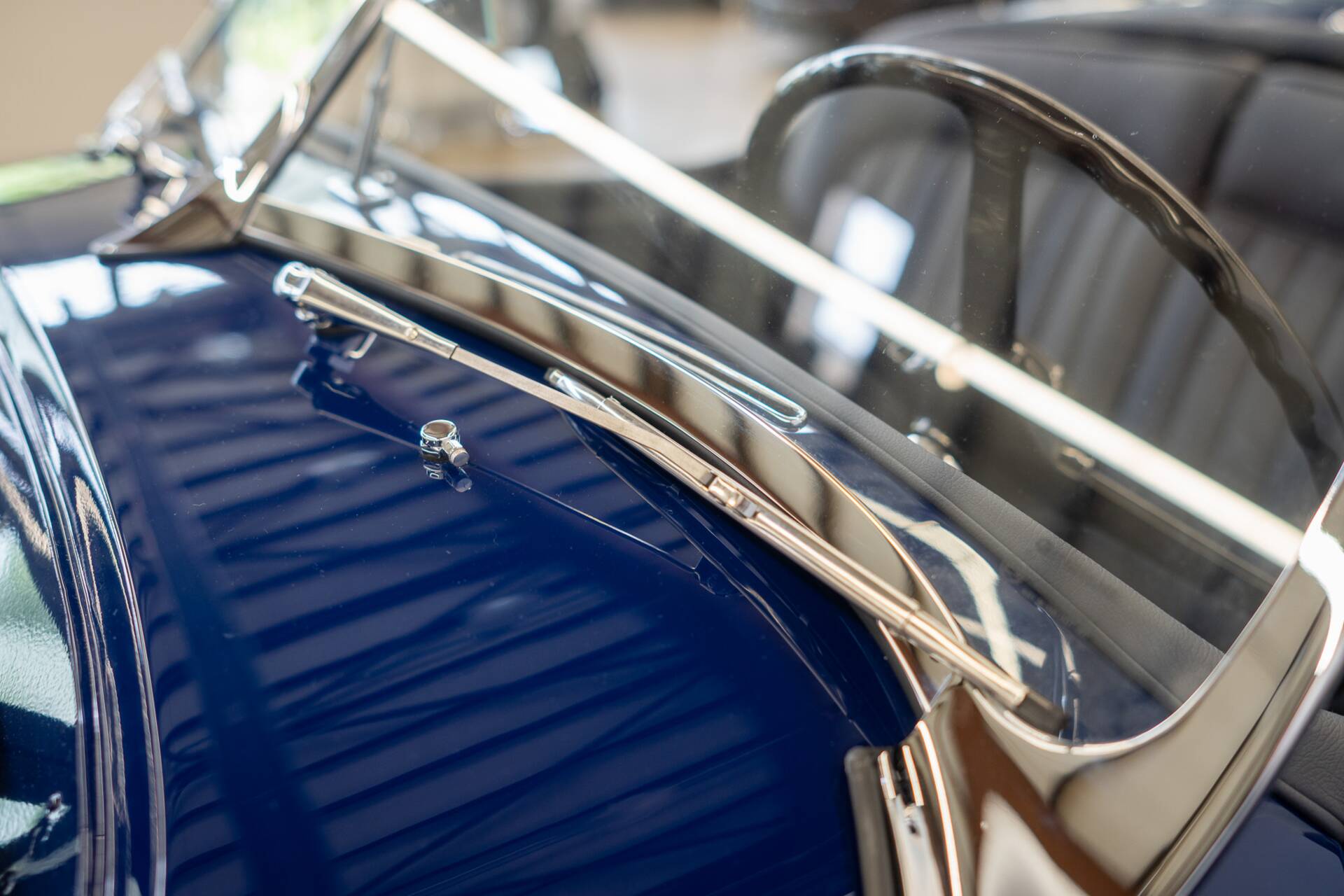
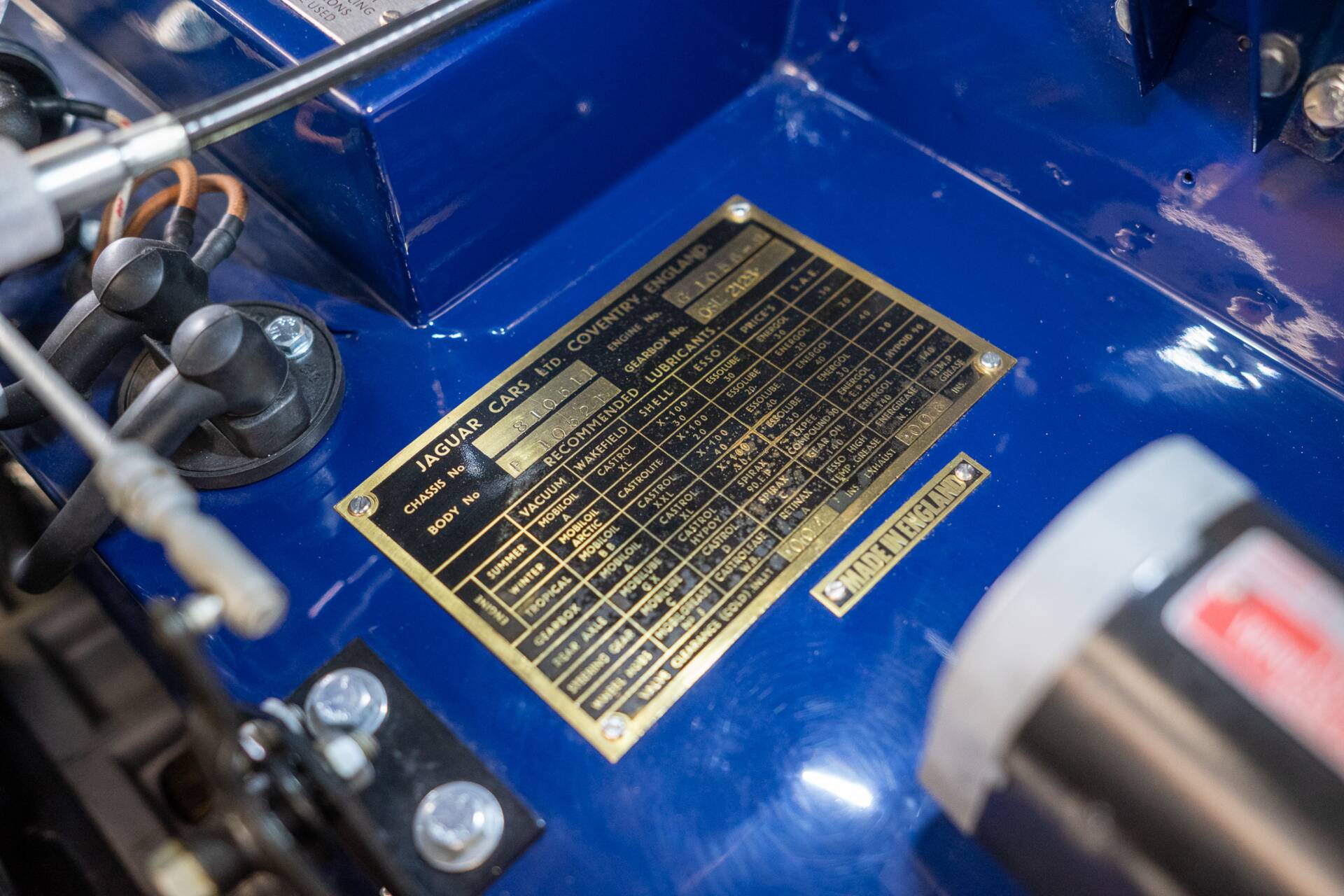
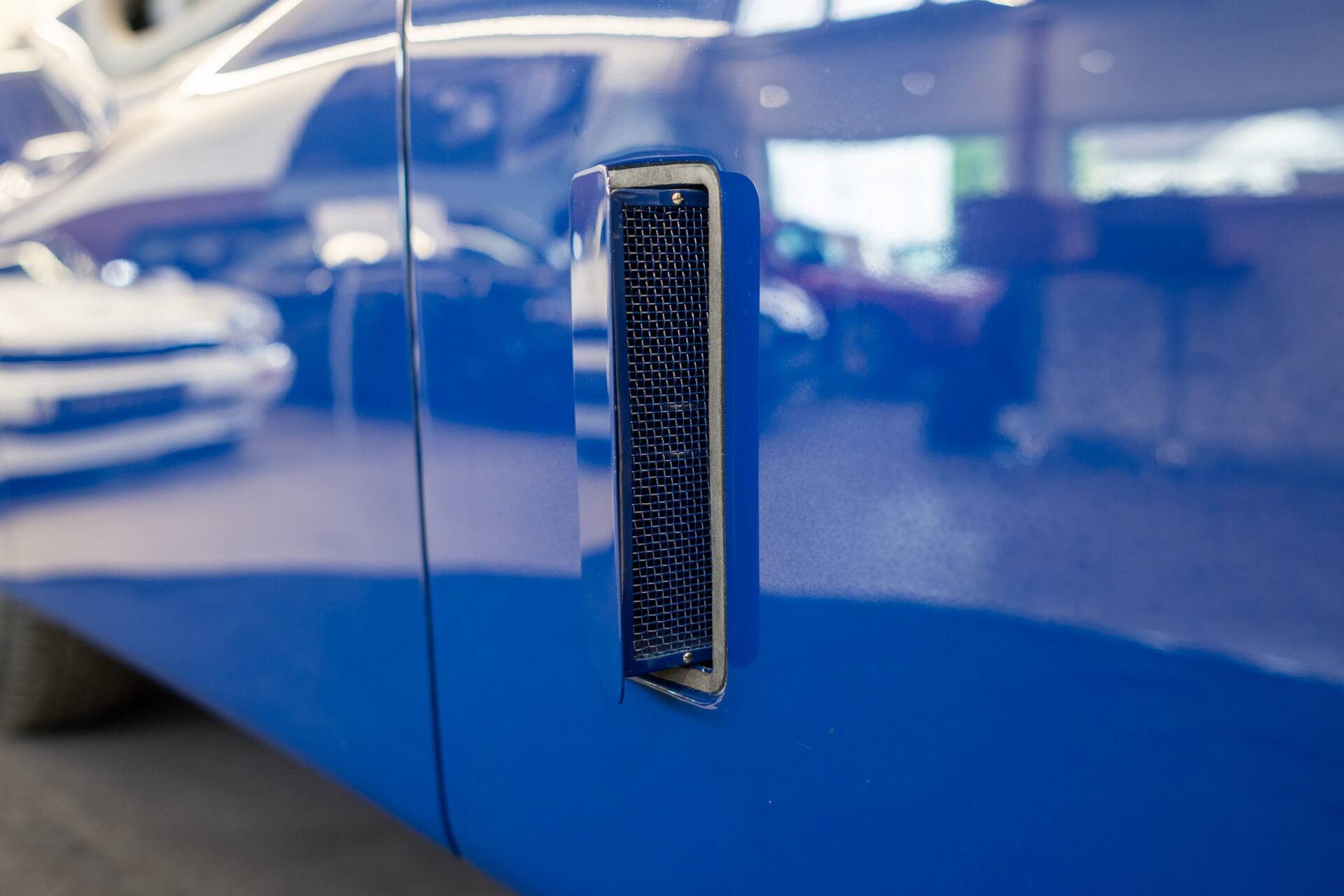
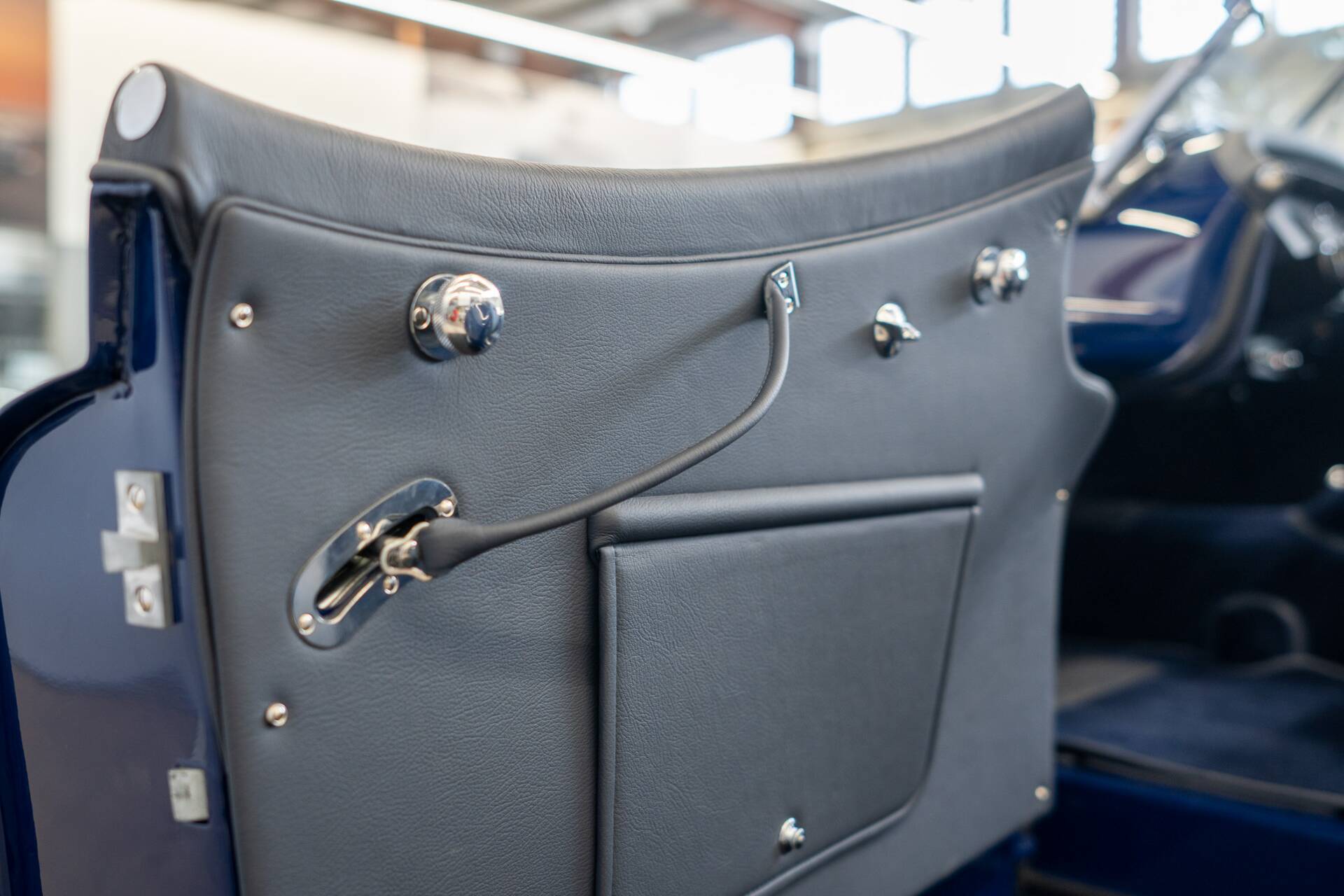
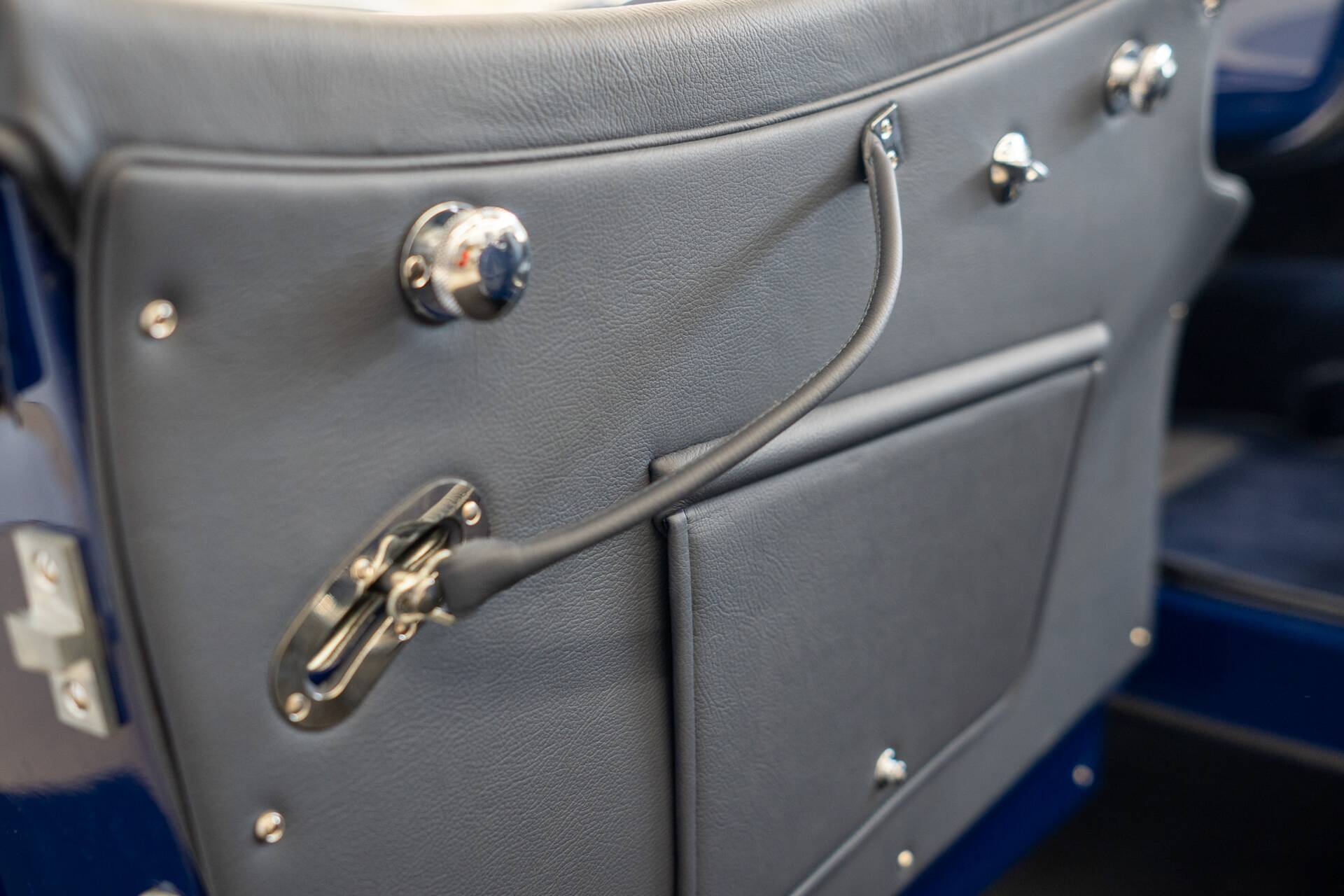
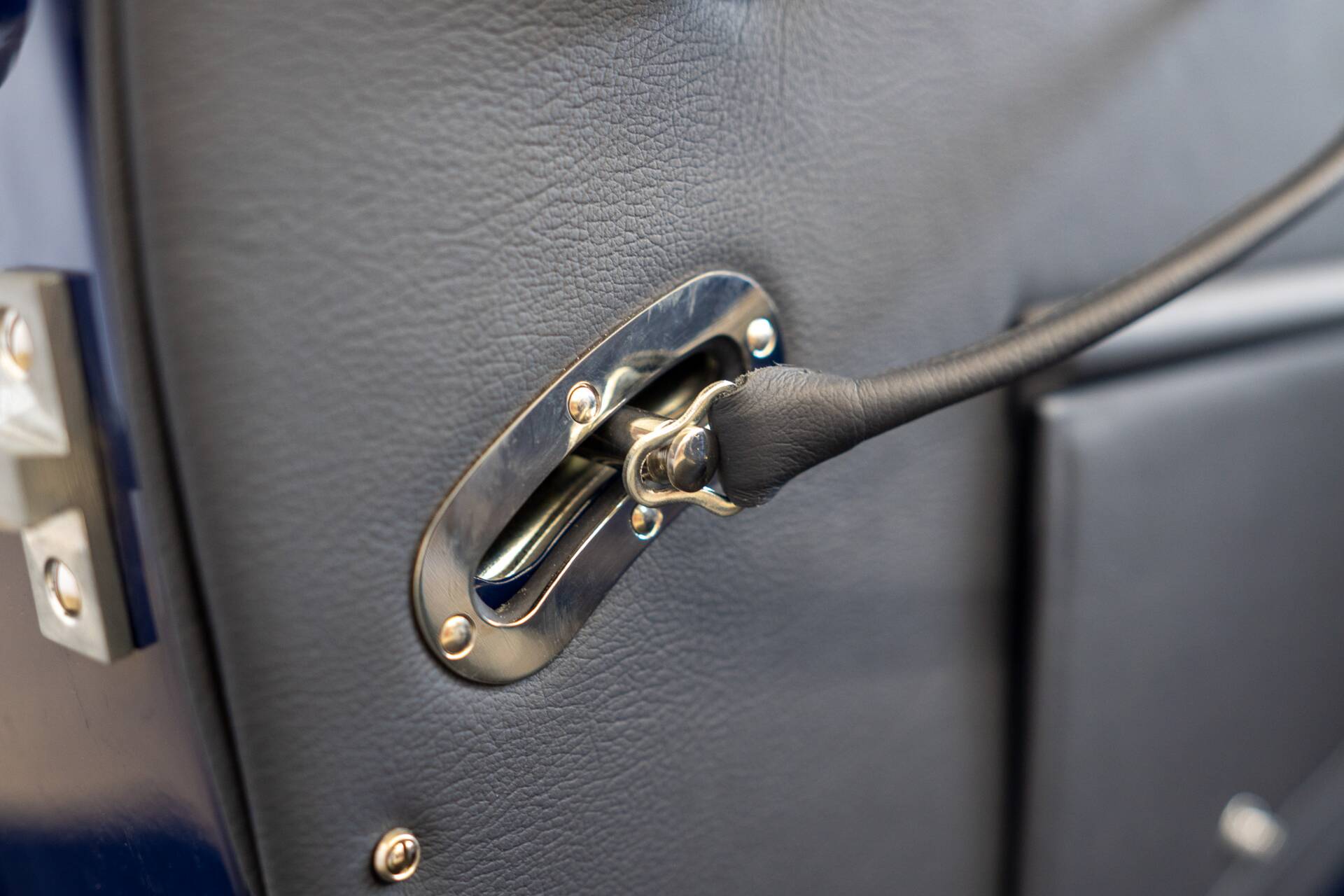
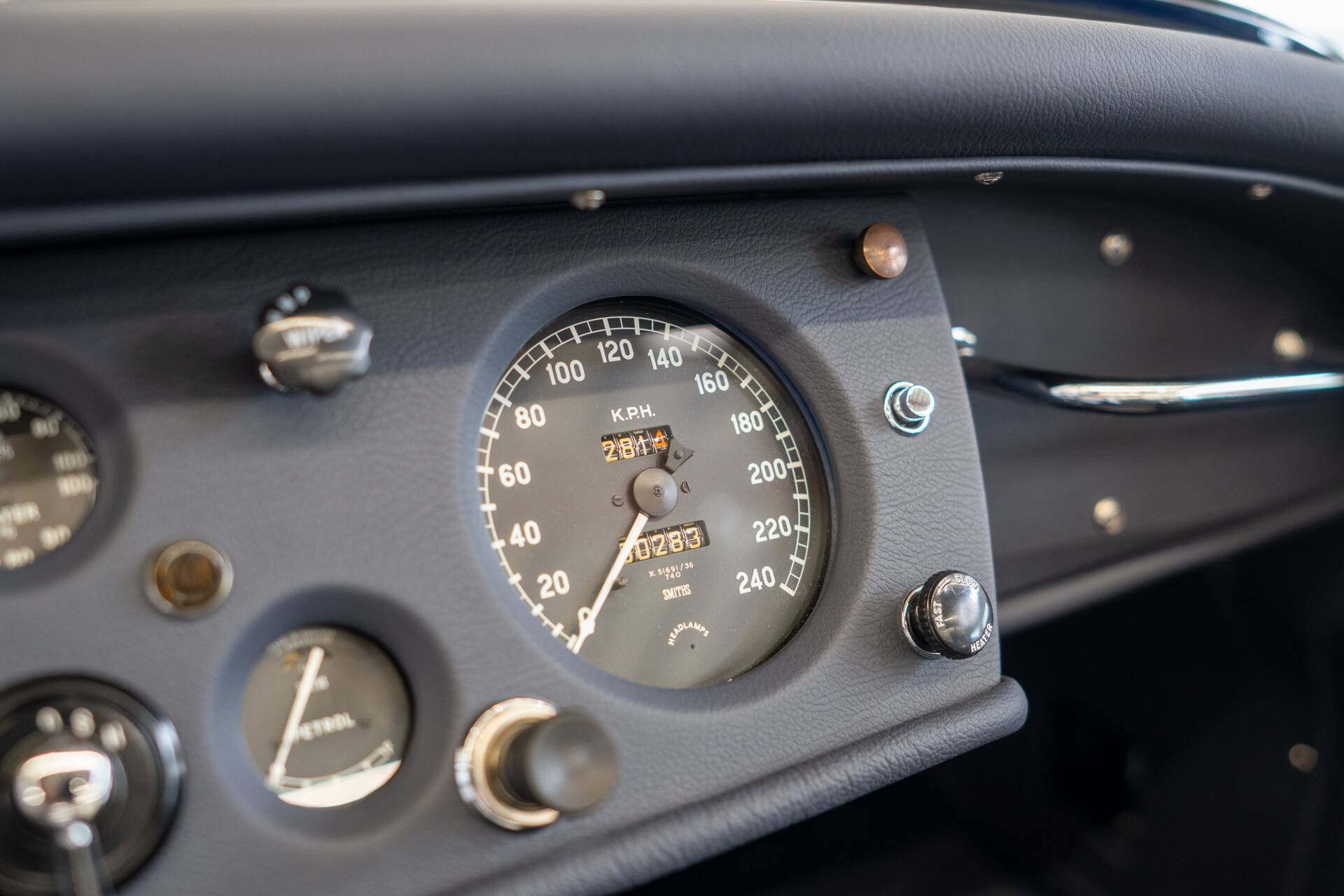
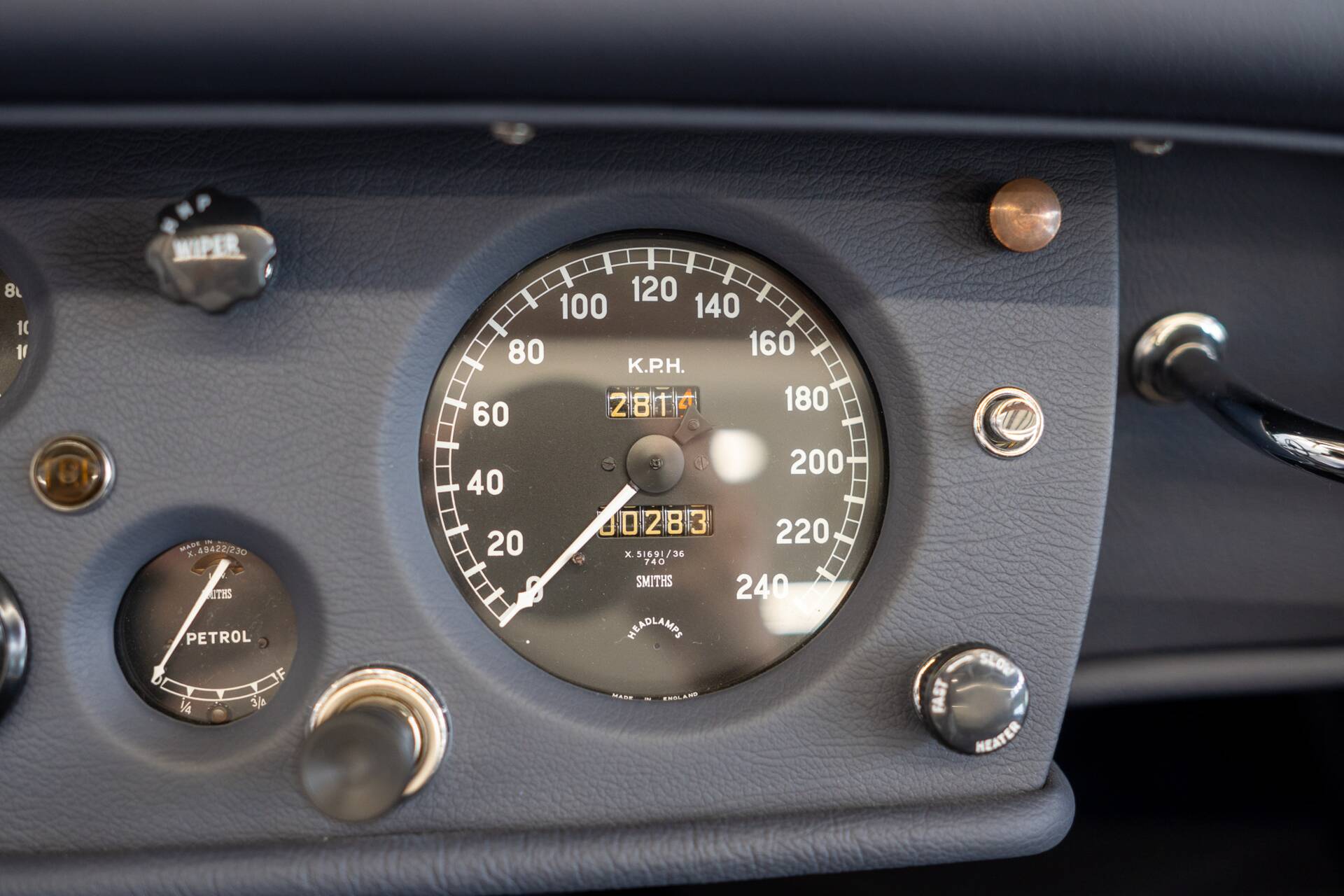
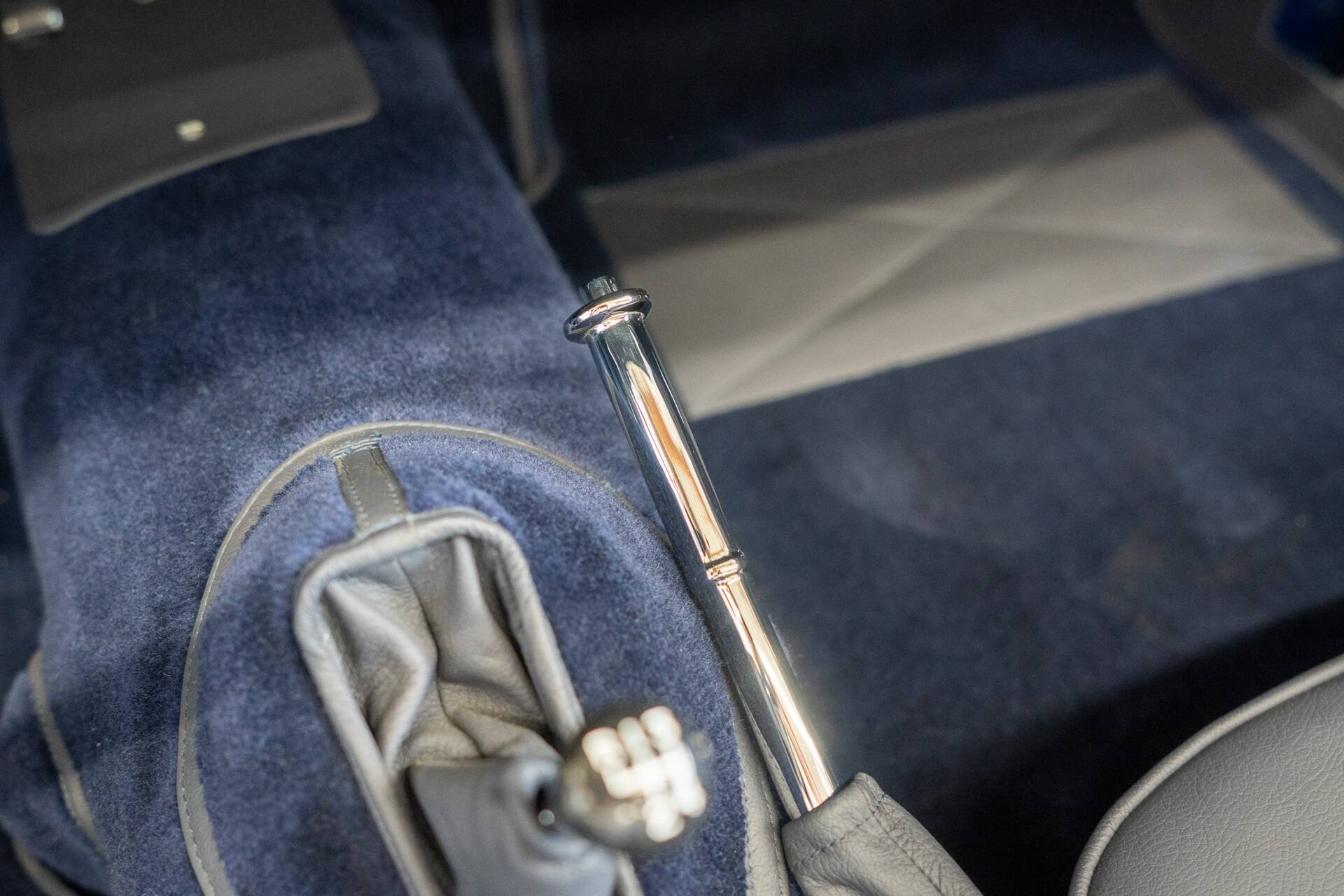
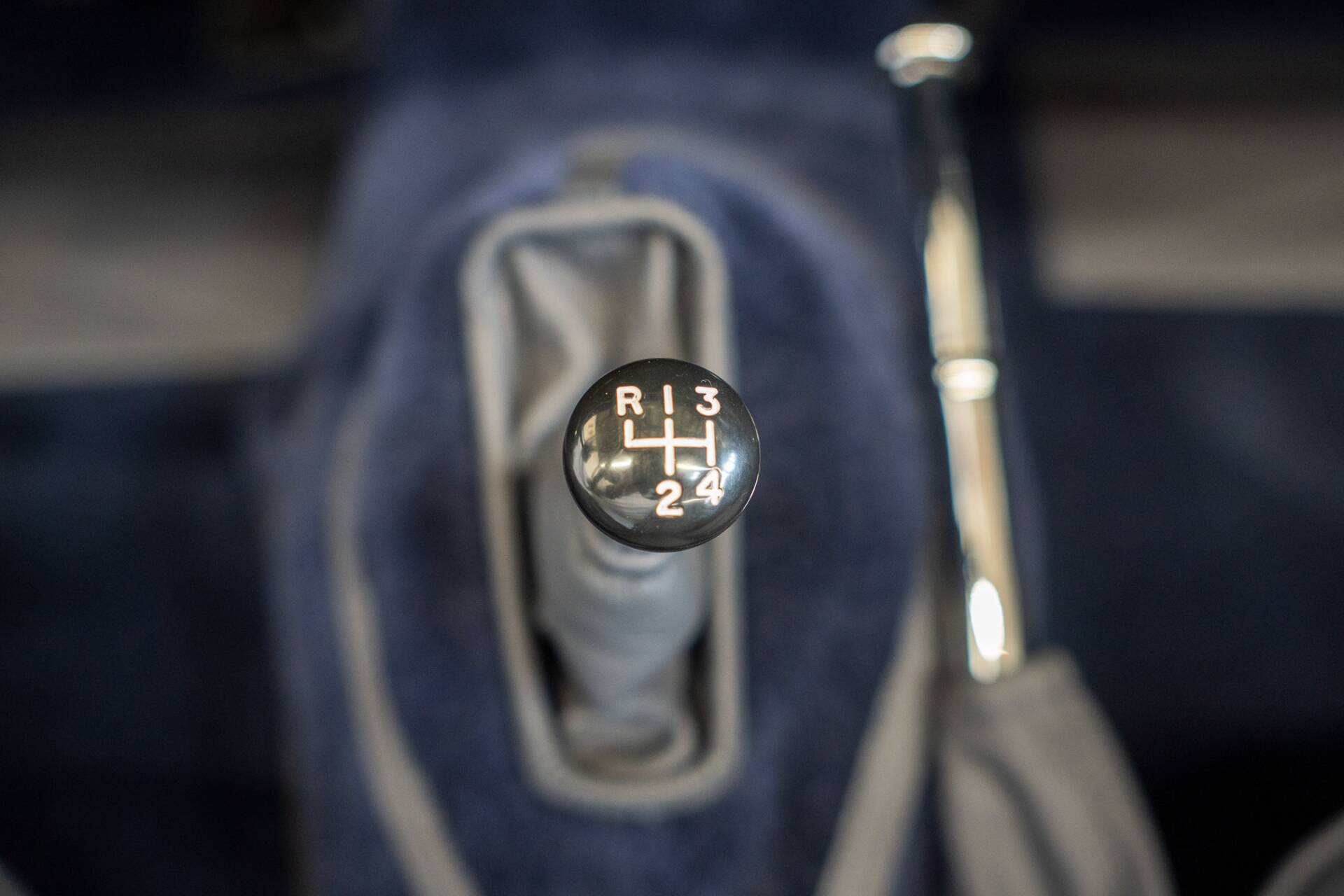
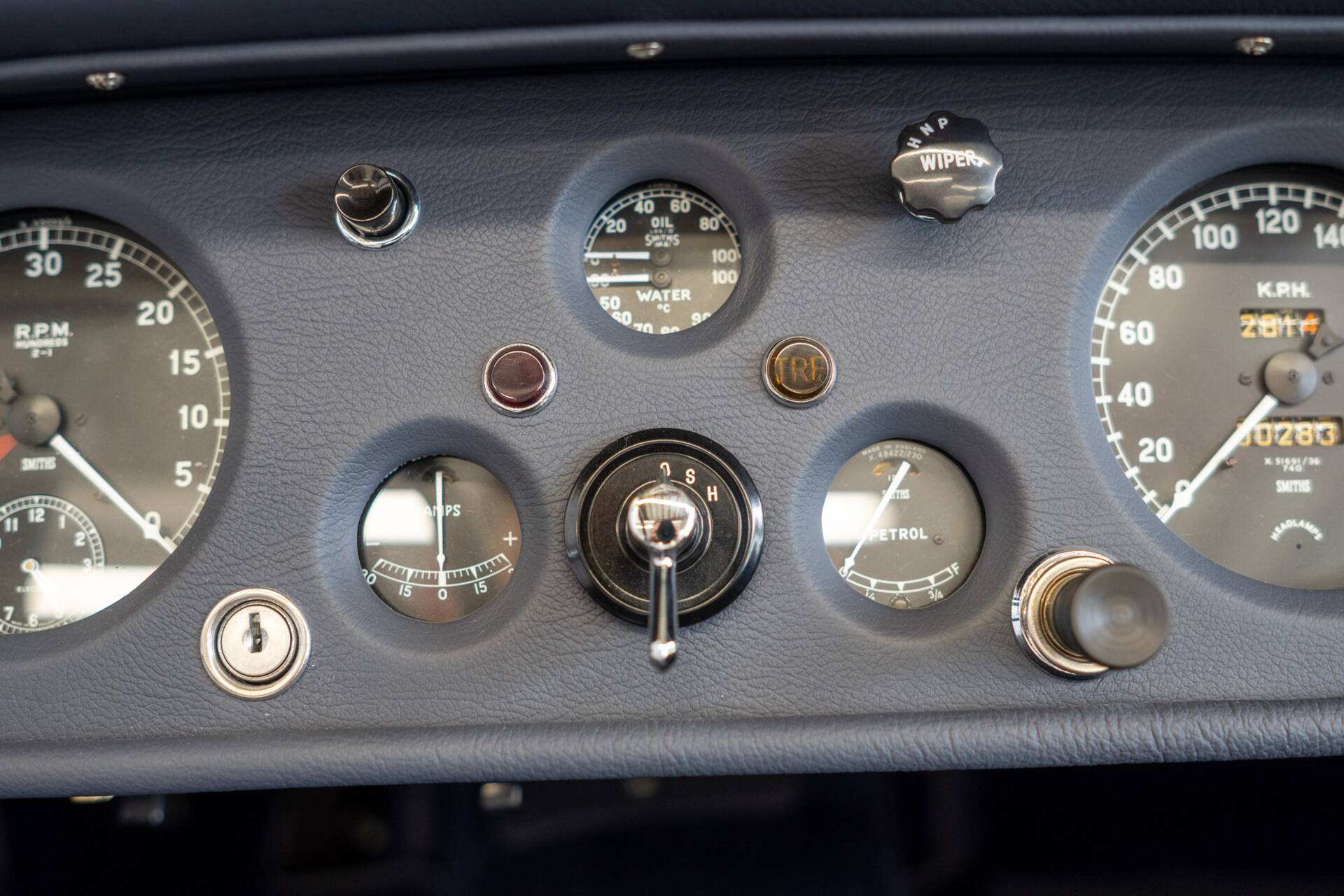
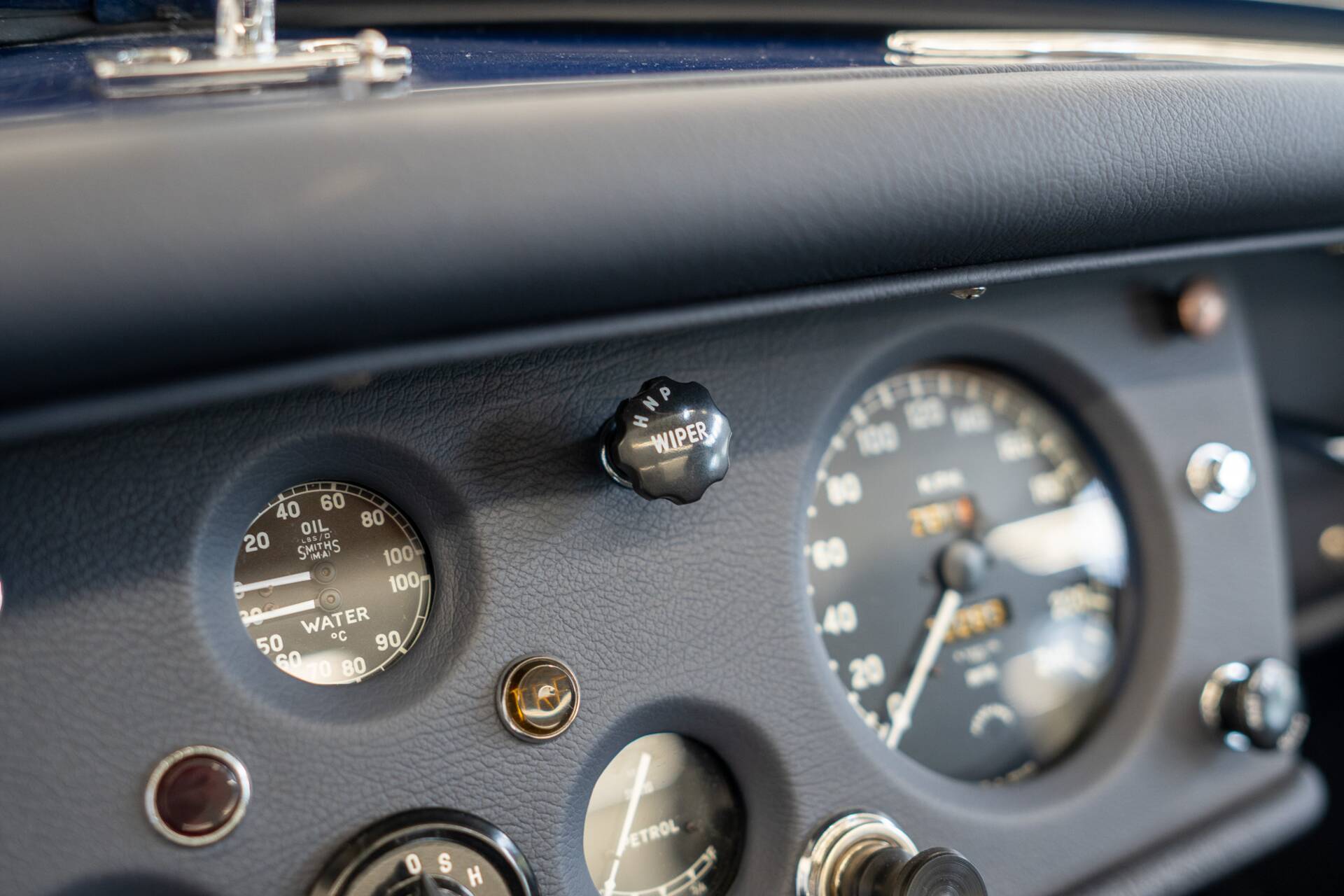
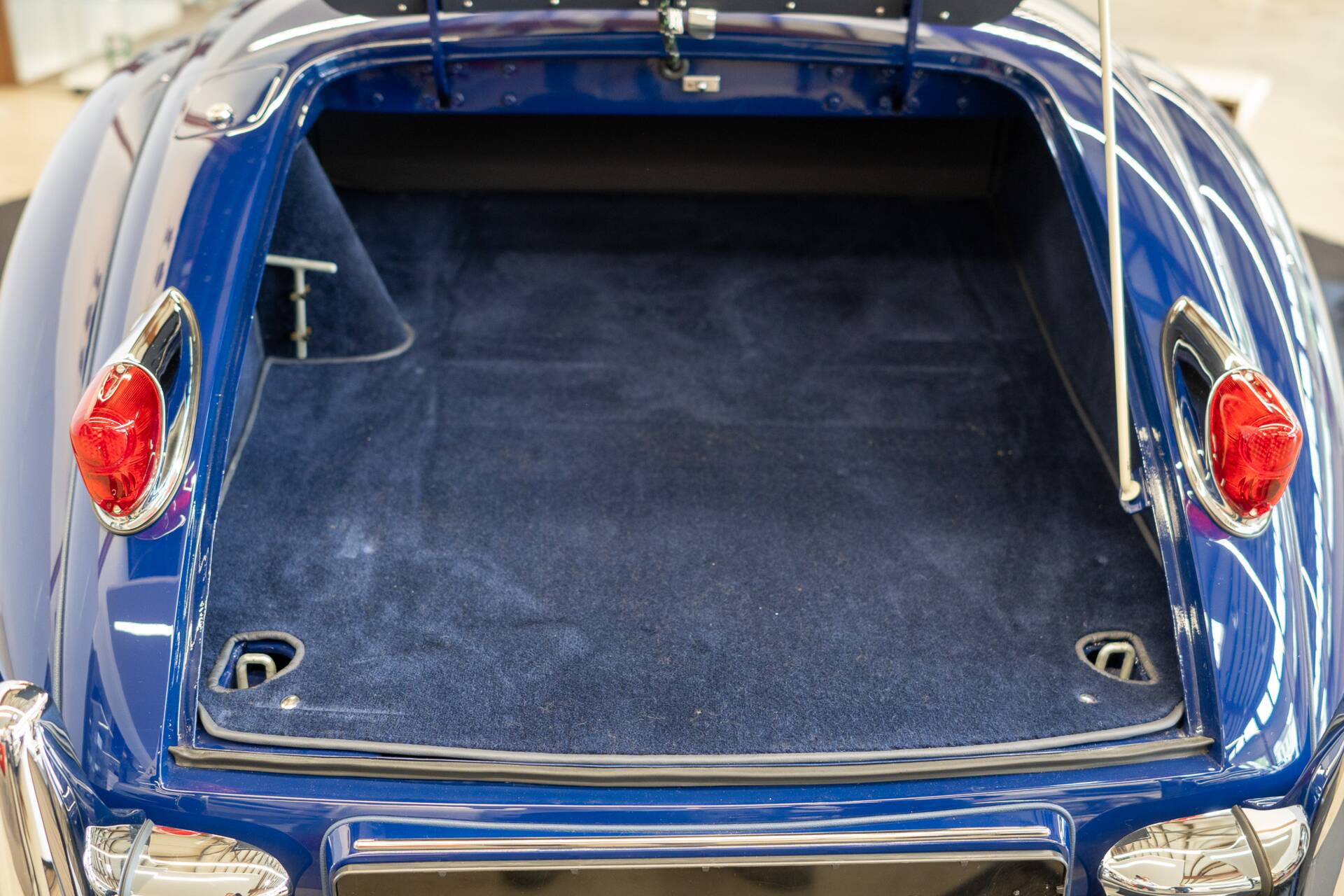
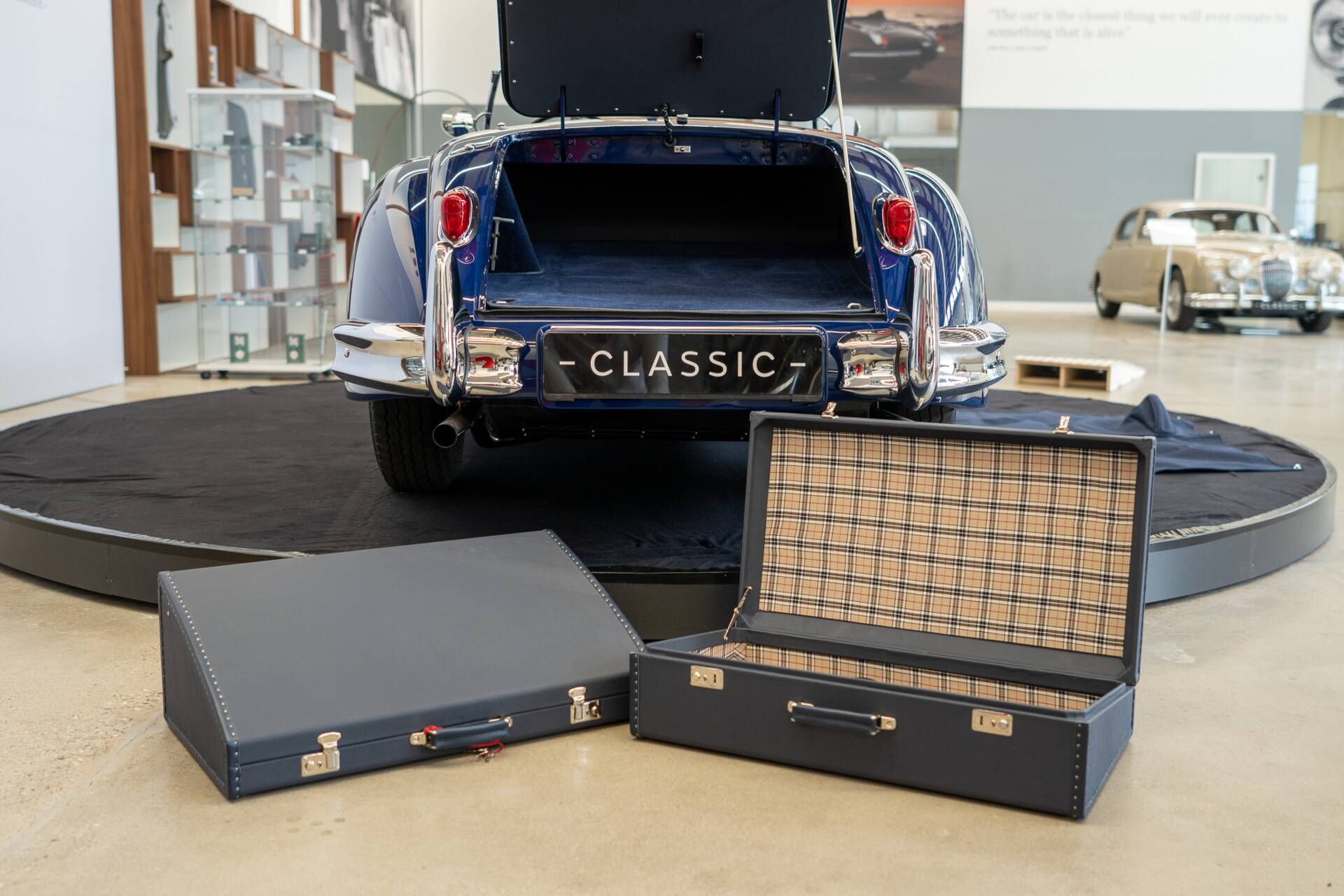
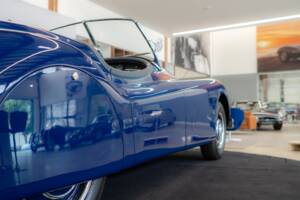
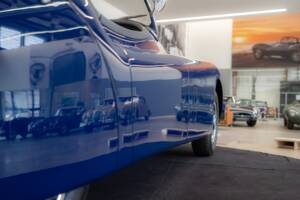
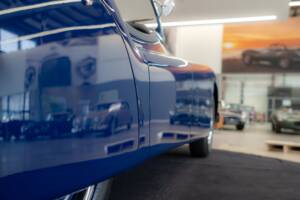
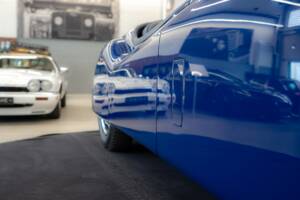
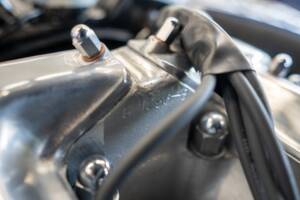
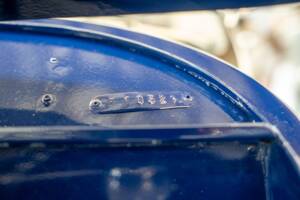
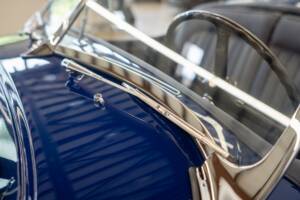
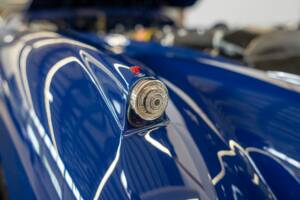
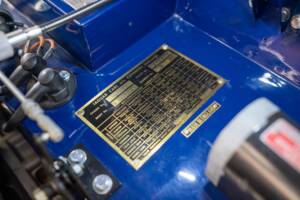
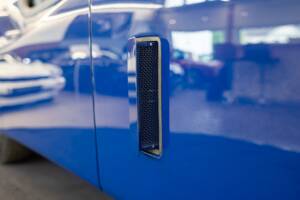
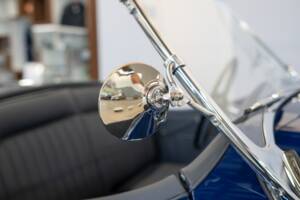
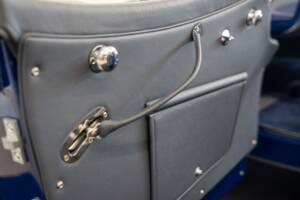
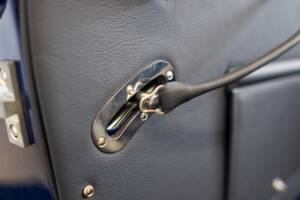
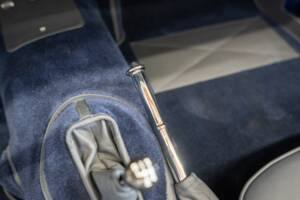
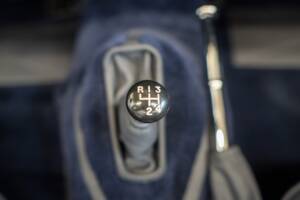
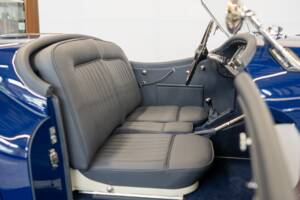
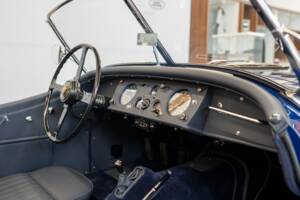
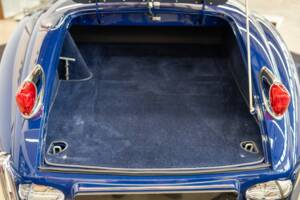
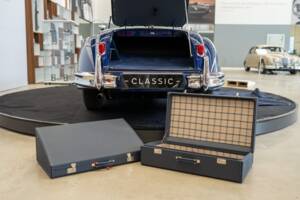
**This very early XK 140 offered here was built on December 17, 1954, in precisely this color combination, "Pacific Blue with Blue interior / Blue top," and delivered to the USA importer Hoffmann, New York. Found in 2019 in good condition with matching numbers, very rare and highly value-retaining, it was completely restored "Nut & Bolt." 1,800 hours were invested. Every single screw was handled, all cavities were opened, only non-repairable body panels were professionally cut out and replaced with new ones, the wooden substructure of the doors, etc., and the entire electrical system were renewed. The utmost importance was placed on working exactly as the Jaguar factory did in 1955. Every detail is in its proper place, and exclusively tin, rather than body filler, was used to straighten the surfaces. This is a technique that only a few specialists still master and apply today. The panel gaps and surfaces, as well as the flat body panels, speak for themselves. Two clear-coat layers were applied and additionally sealed with a ceramic coating. **
A classic in better-than-new condition.
This description has been automatically translated. Original language: German.