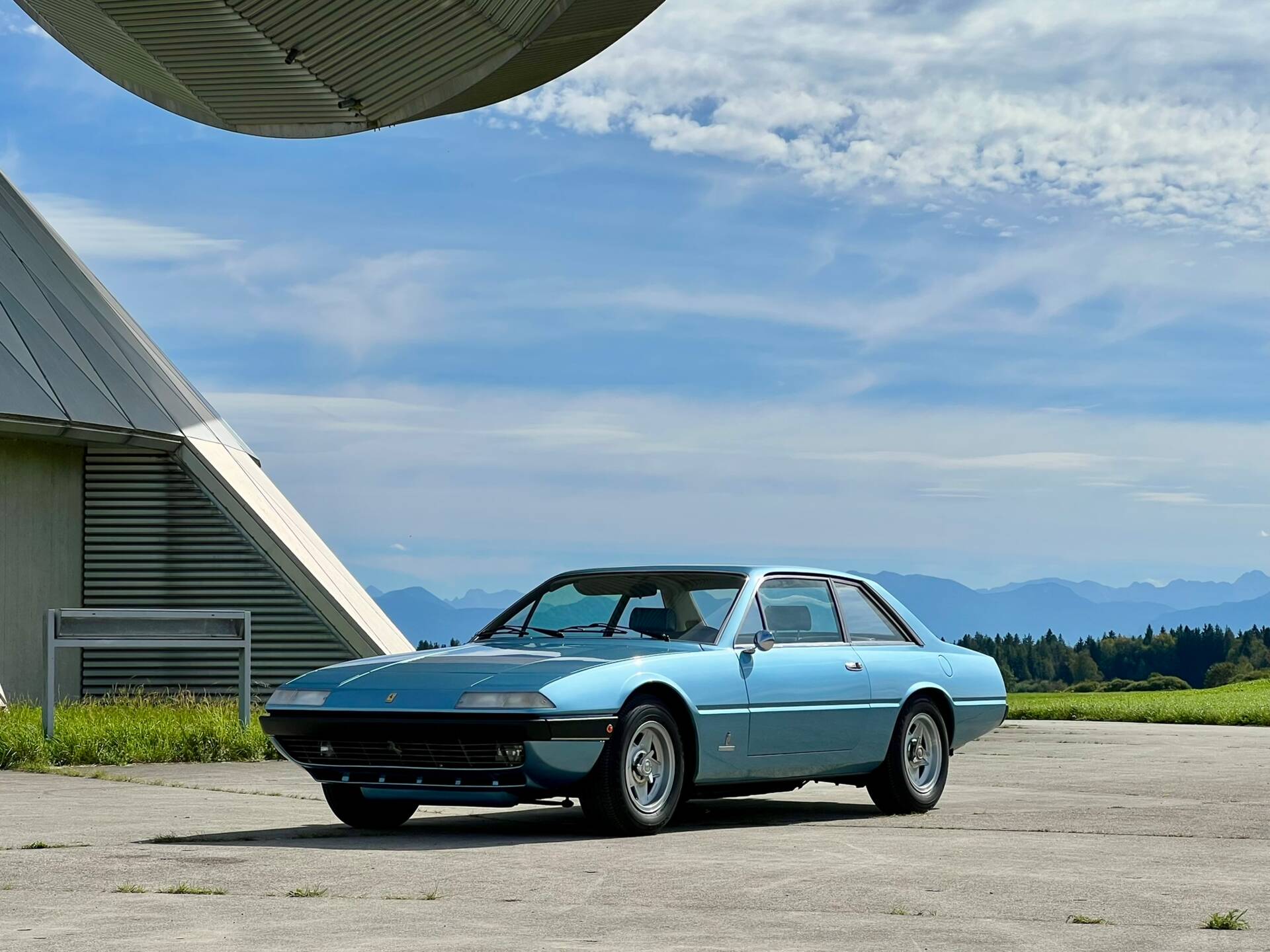
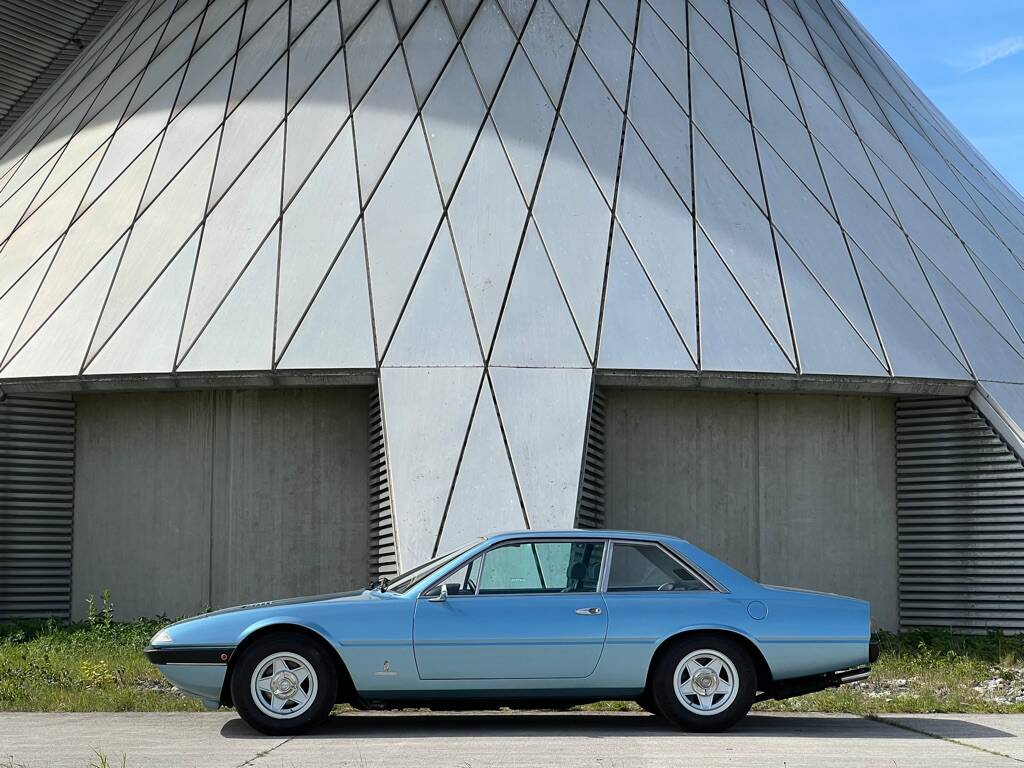
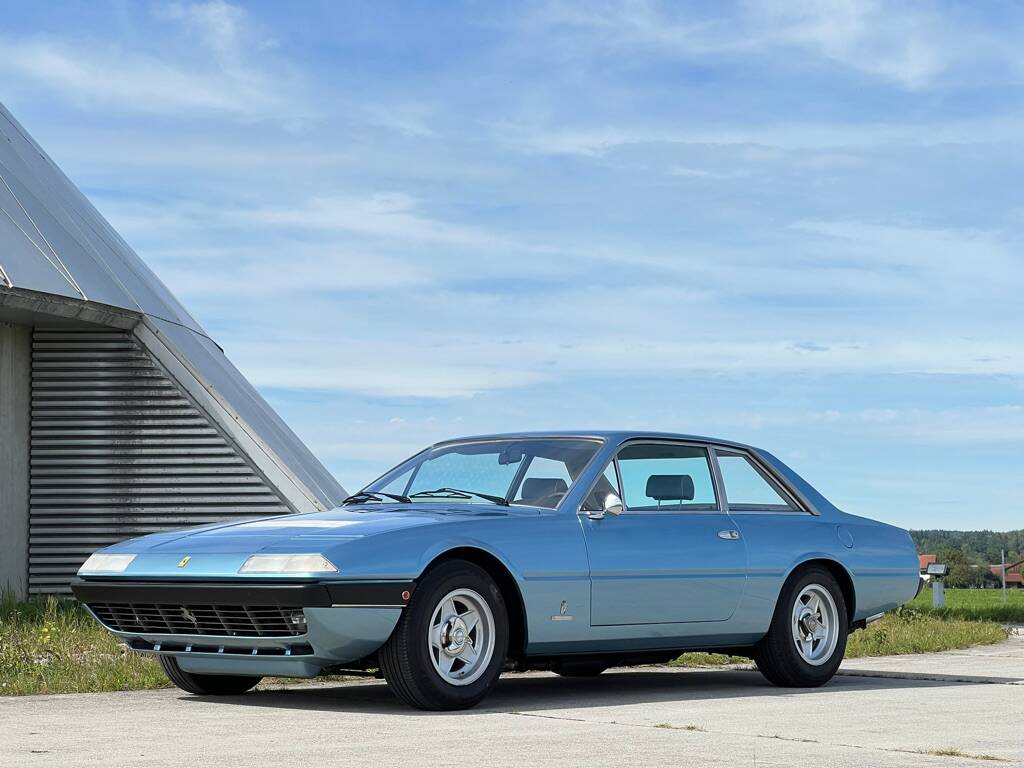
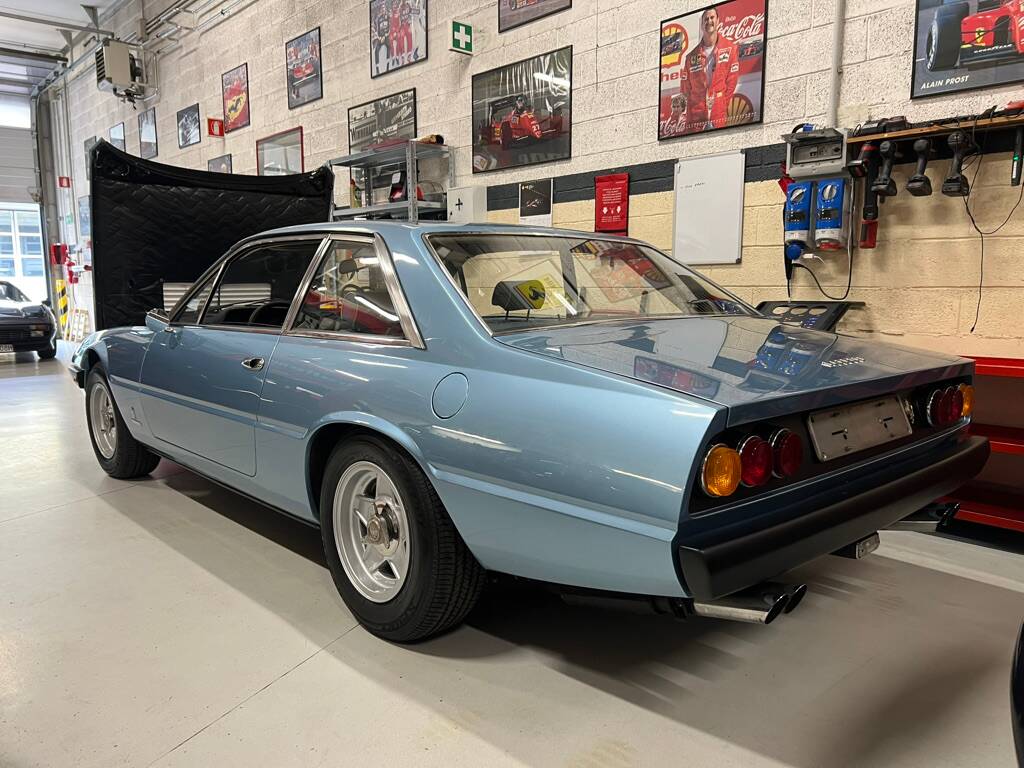
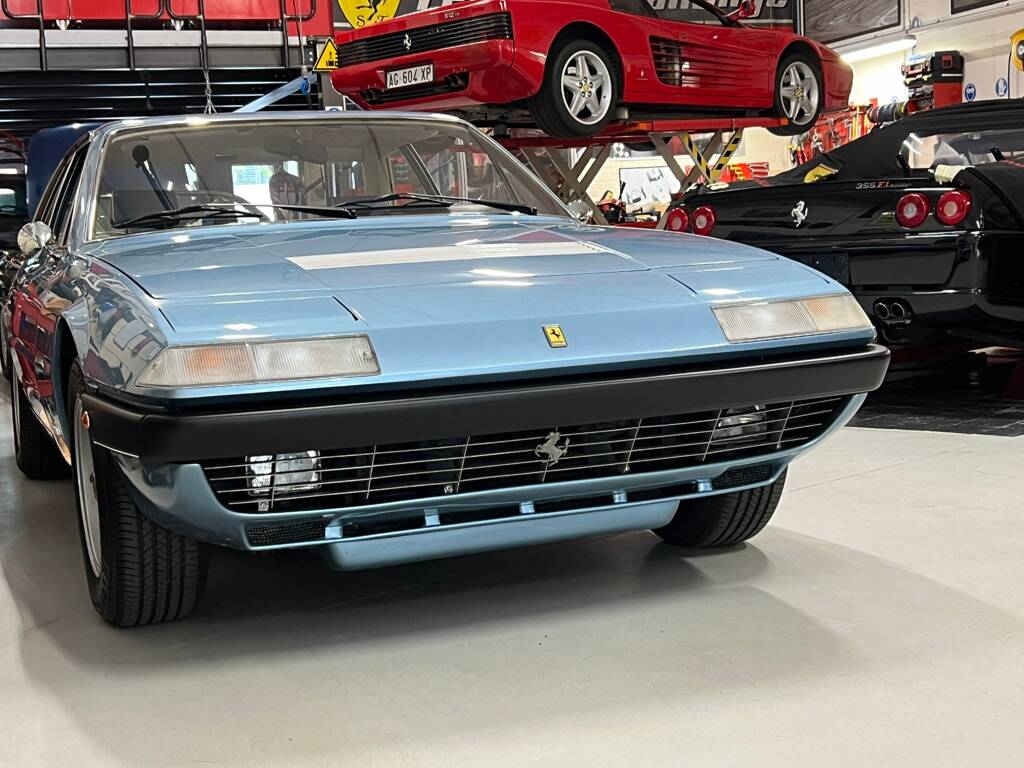
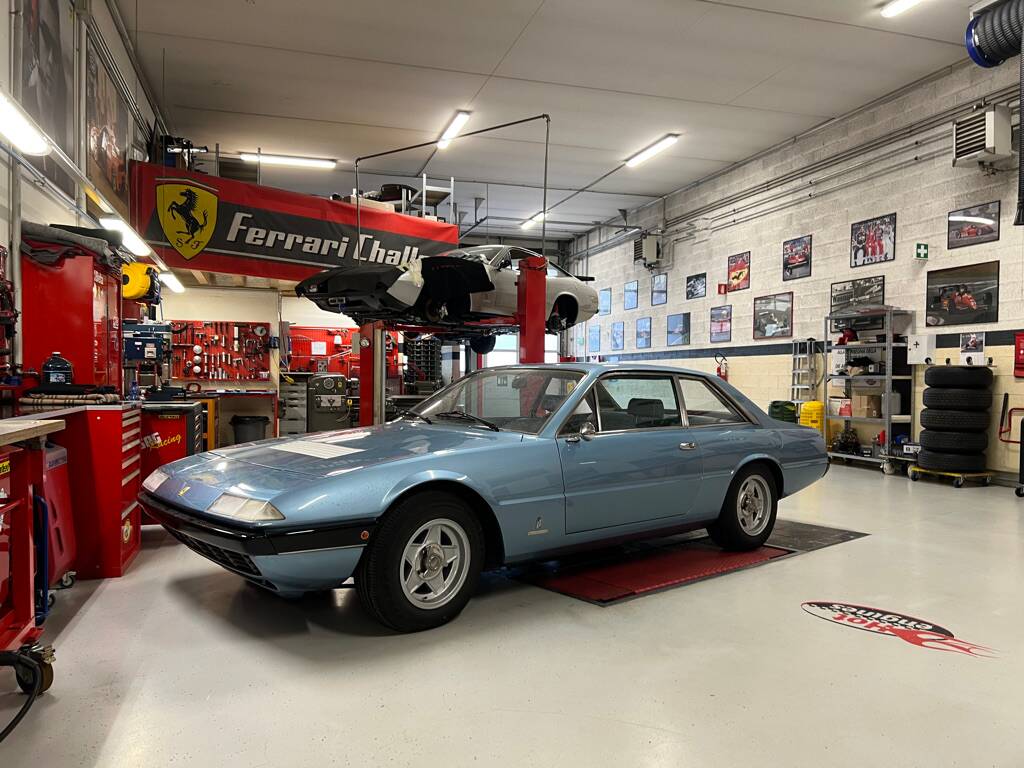
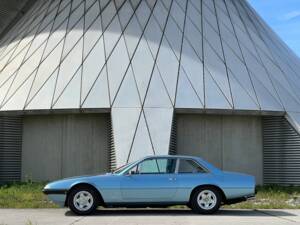
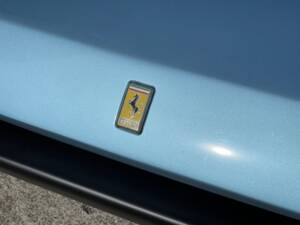
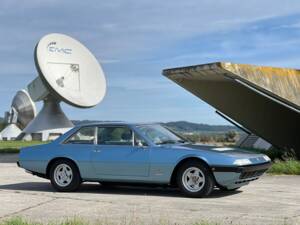
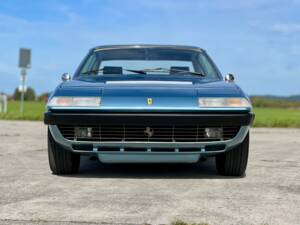
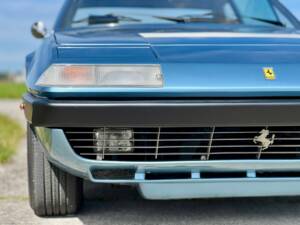
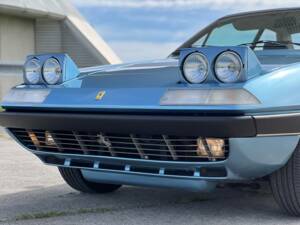
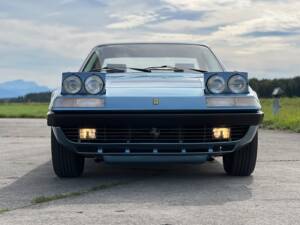
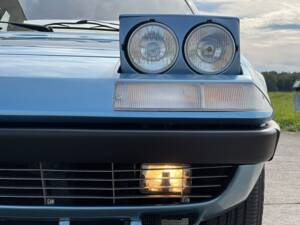
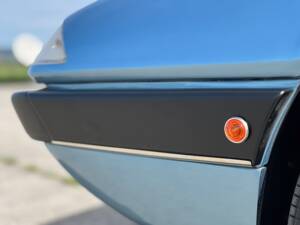
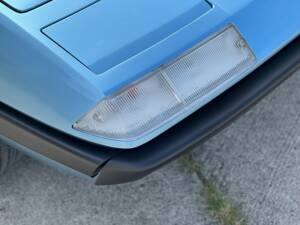
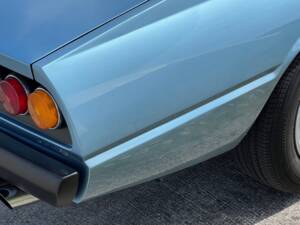
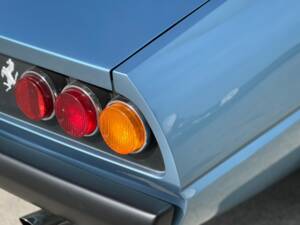
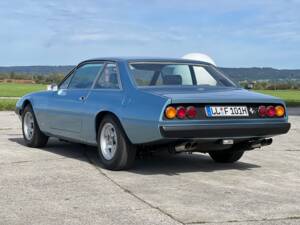
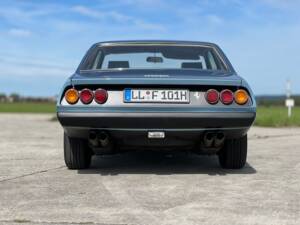
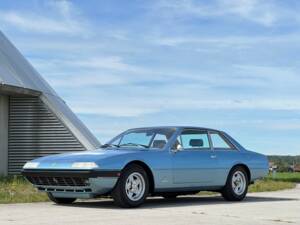
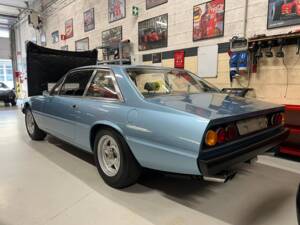
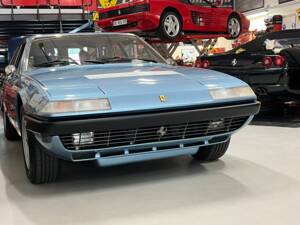
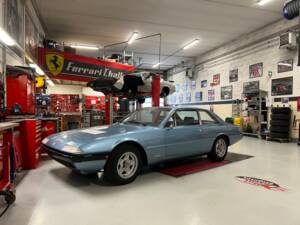
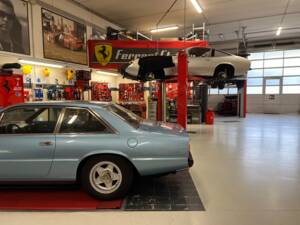
Ferrari 365 GT4 2+2 · Azzurro Hyperion
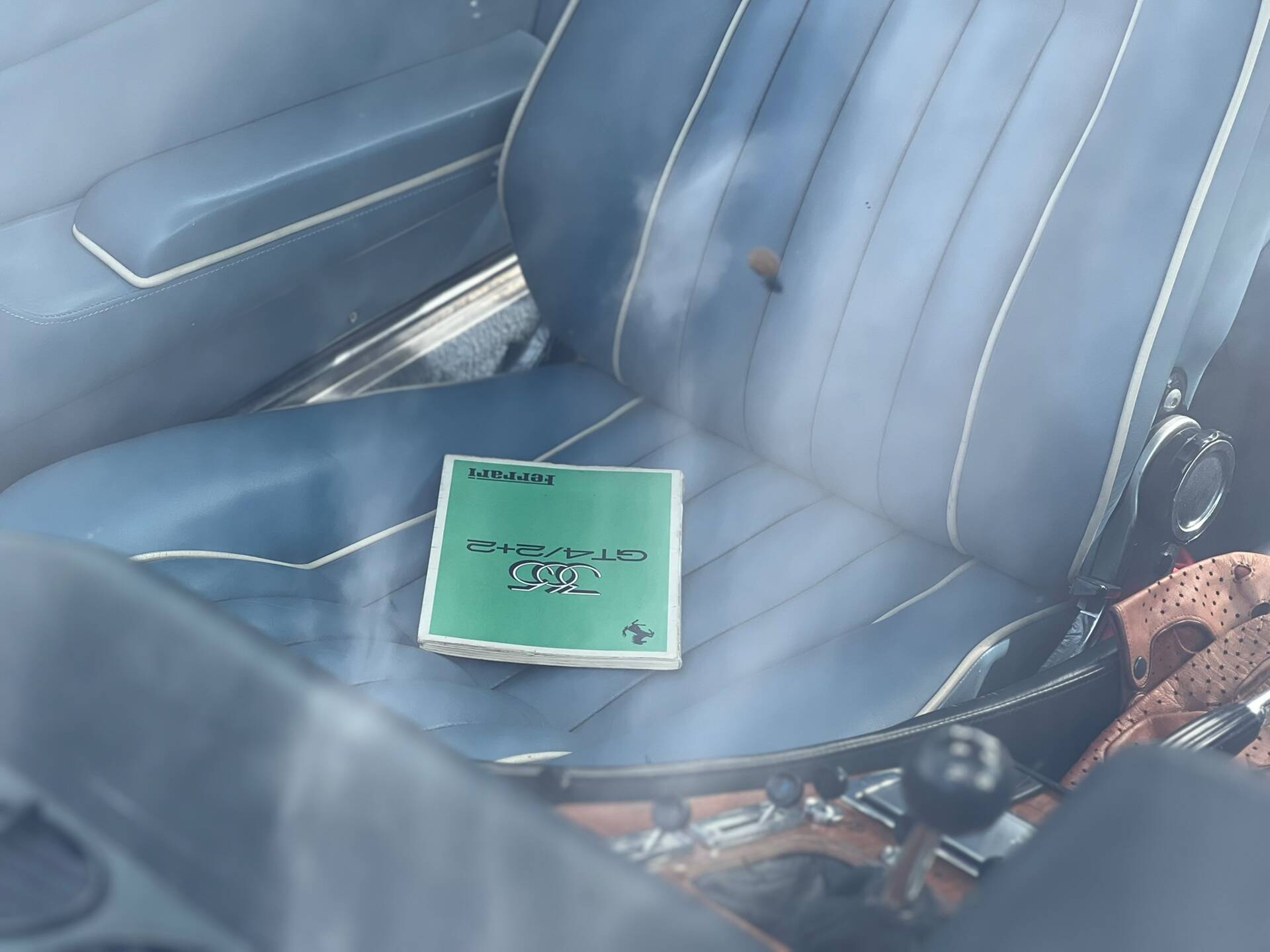
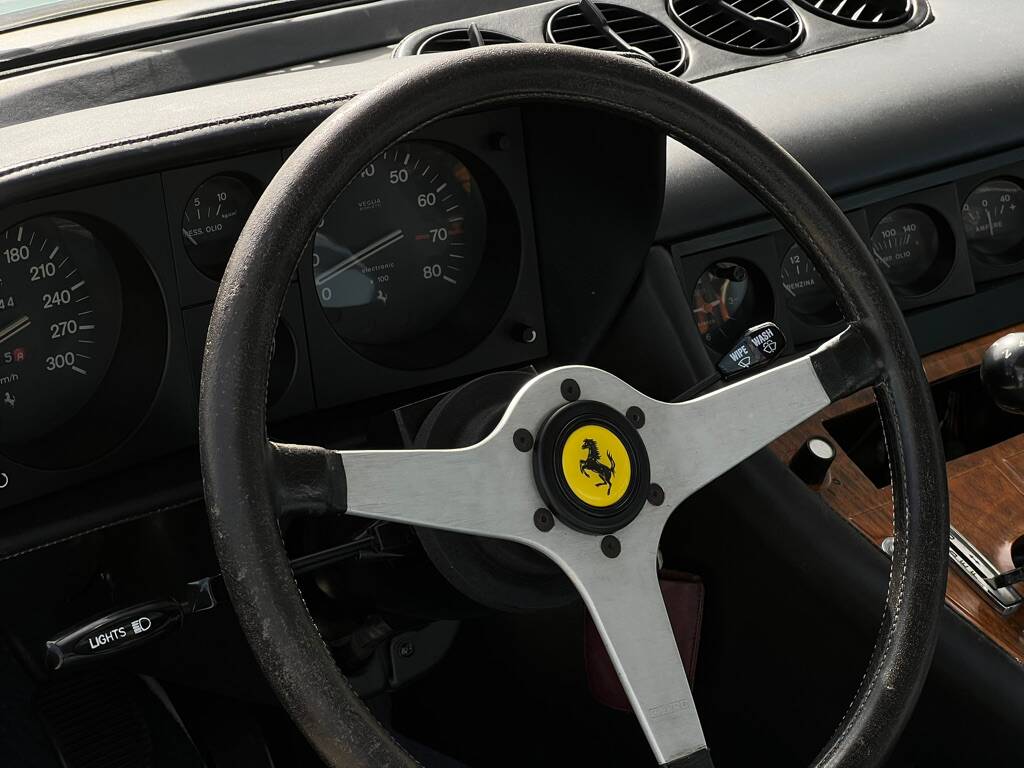
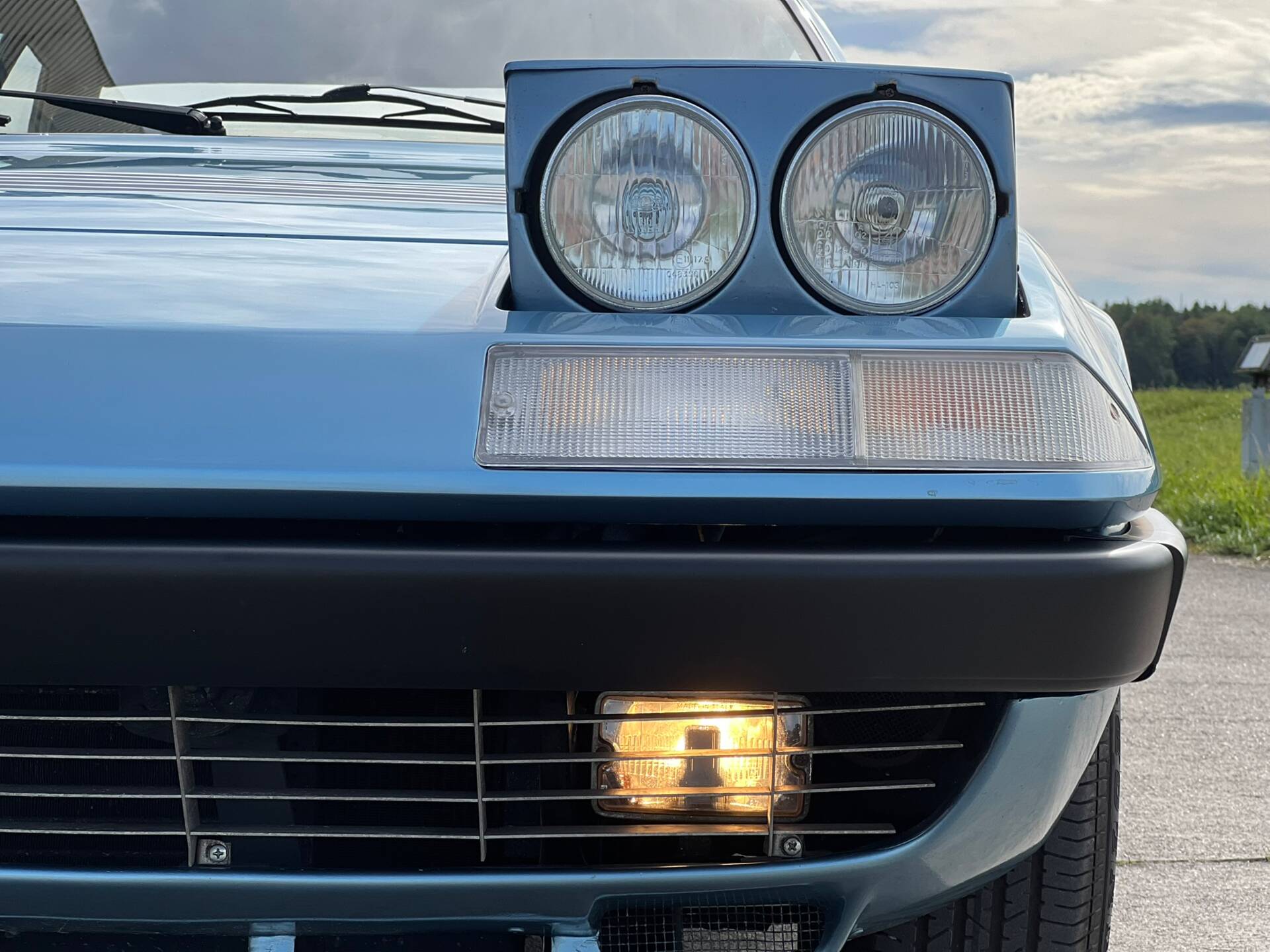
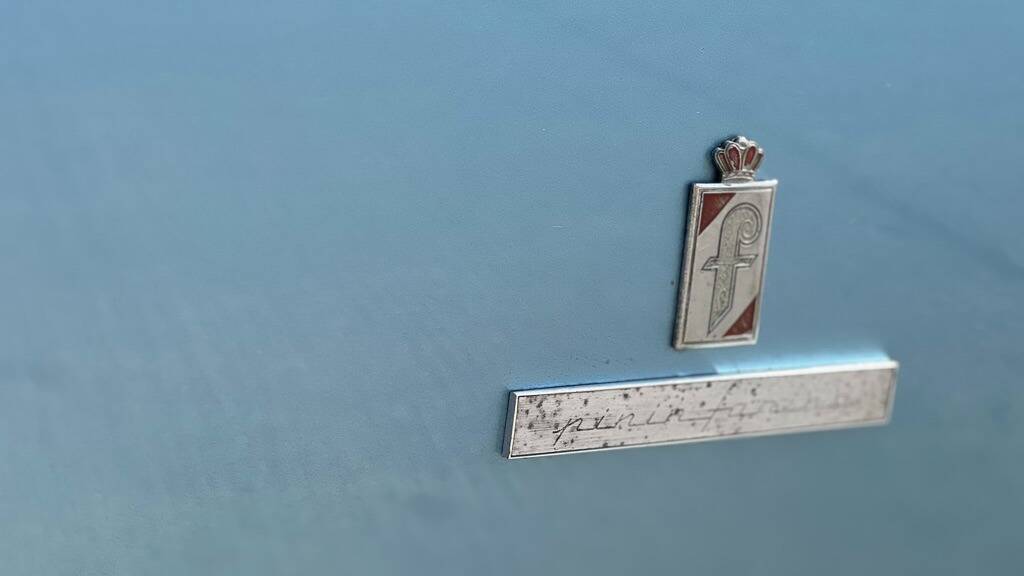
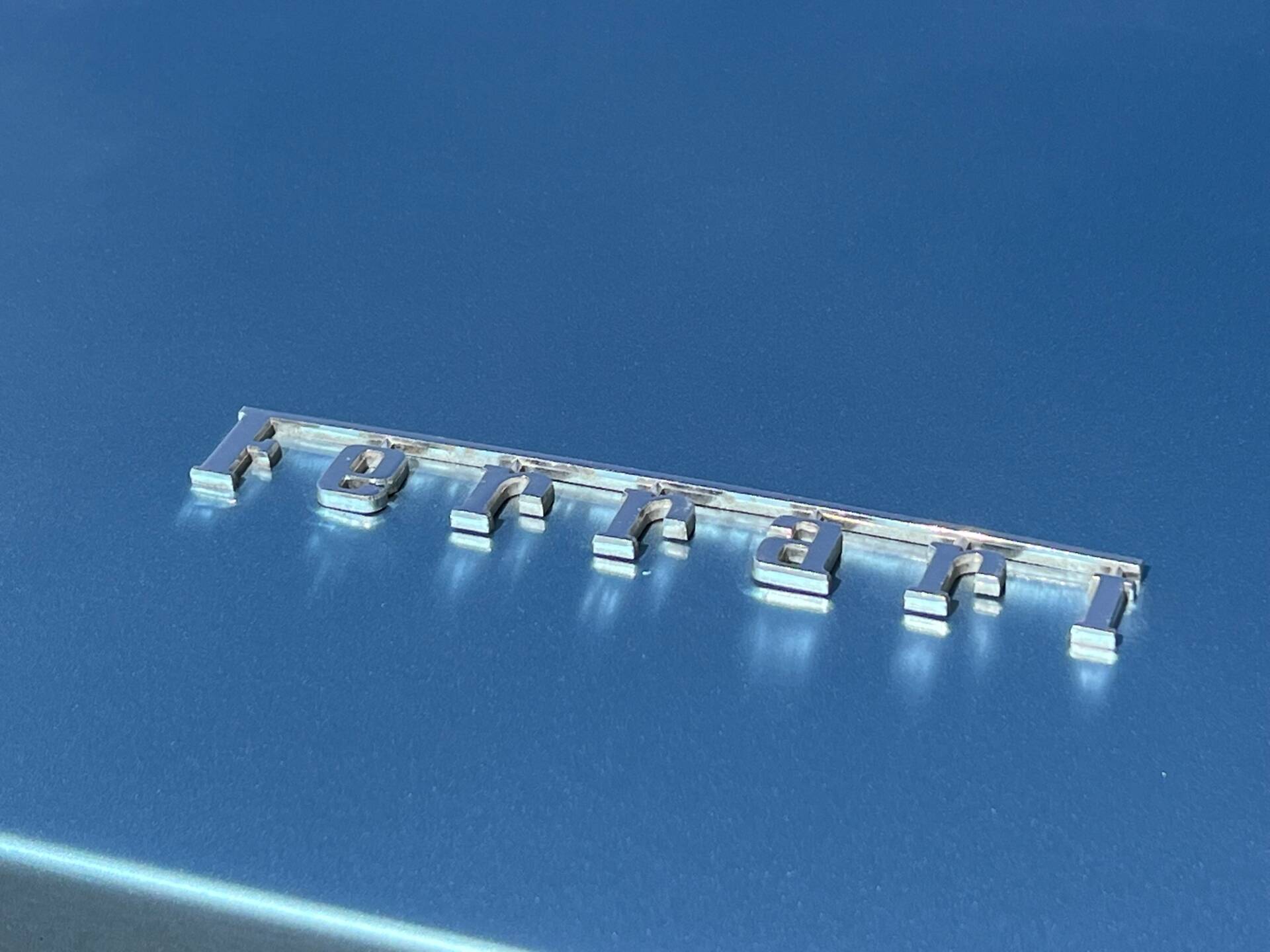
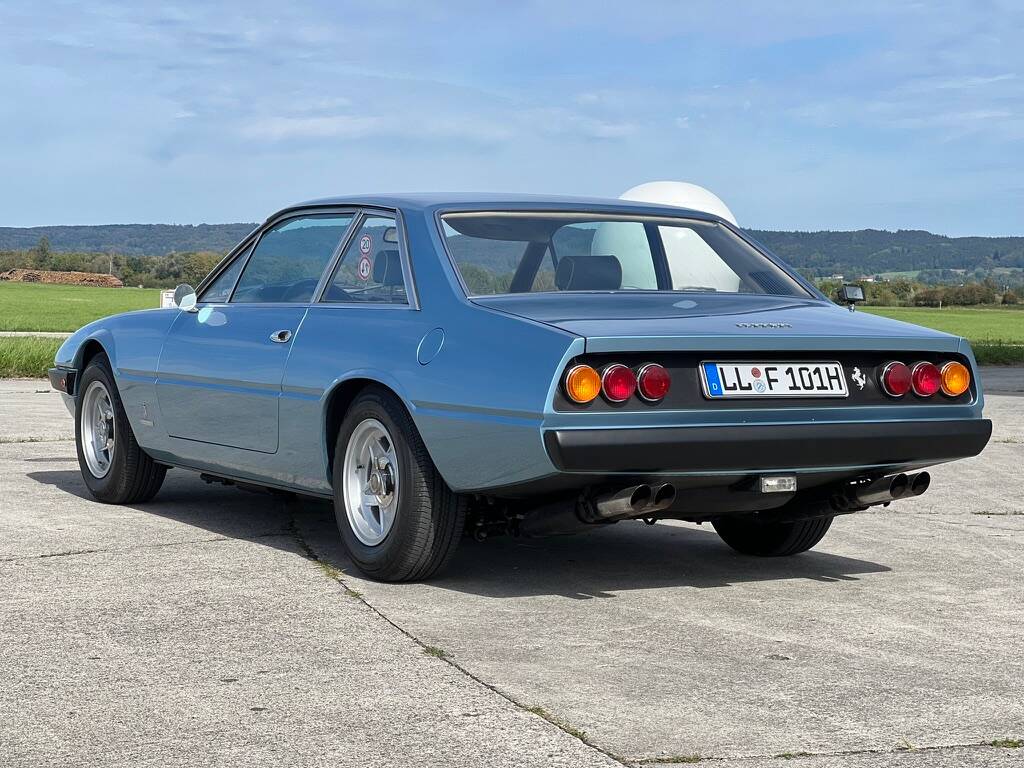
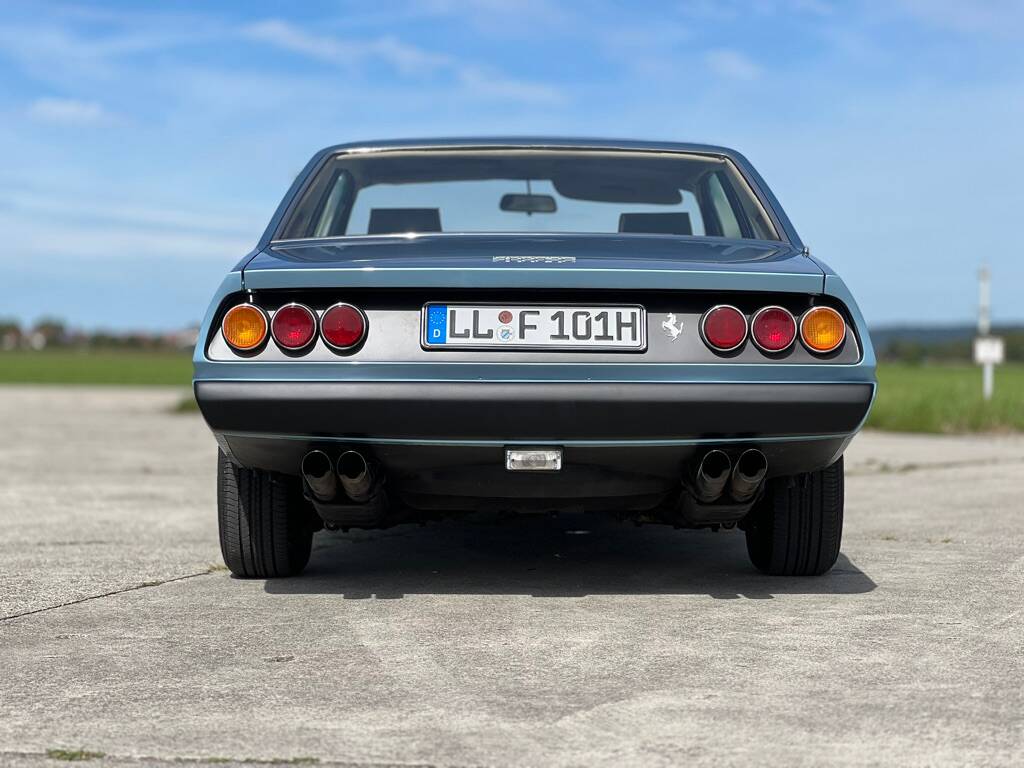
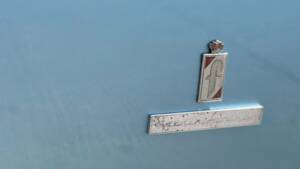
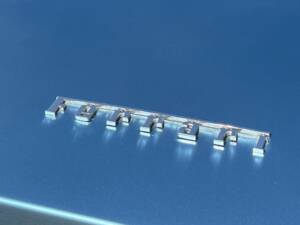
Paris, Salon de l'Automobile, 1972. Ferrari set itself a task long thought impossible: to create a twelve-cylinder motorcar of uncompromising class that could nonetheless accommodate four in genuine comfort. The answer bore the name 365 GT4 2+2. Its lines came from Leonardo Fioravanti at Pininfarina, the designer to whom we also owe the Daytona and the 365 BB.
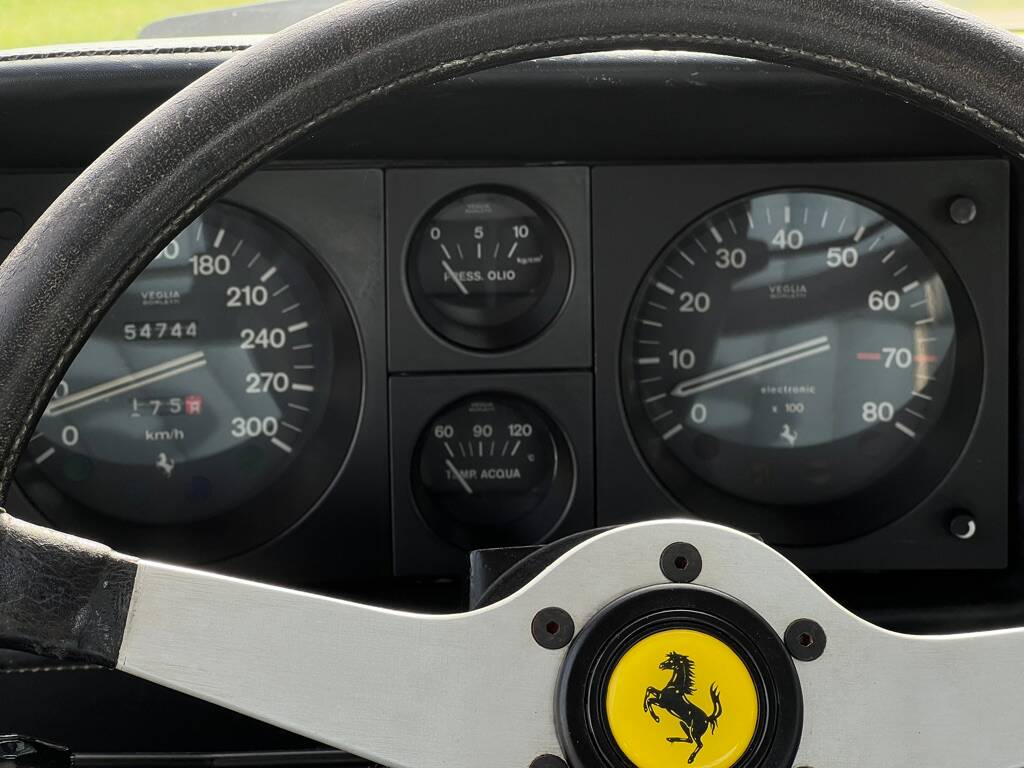
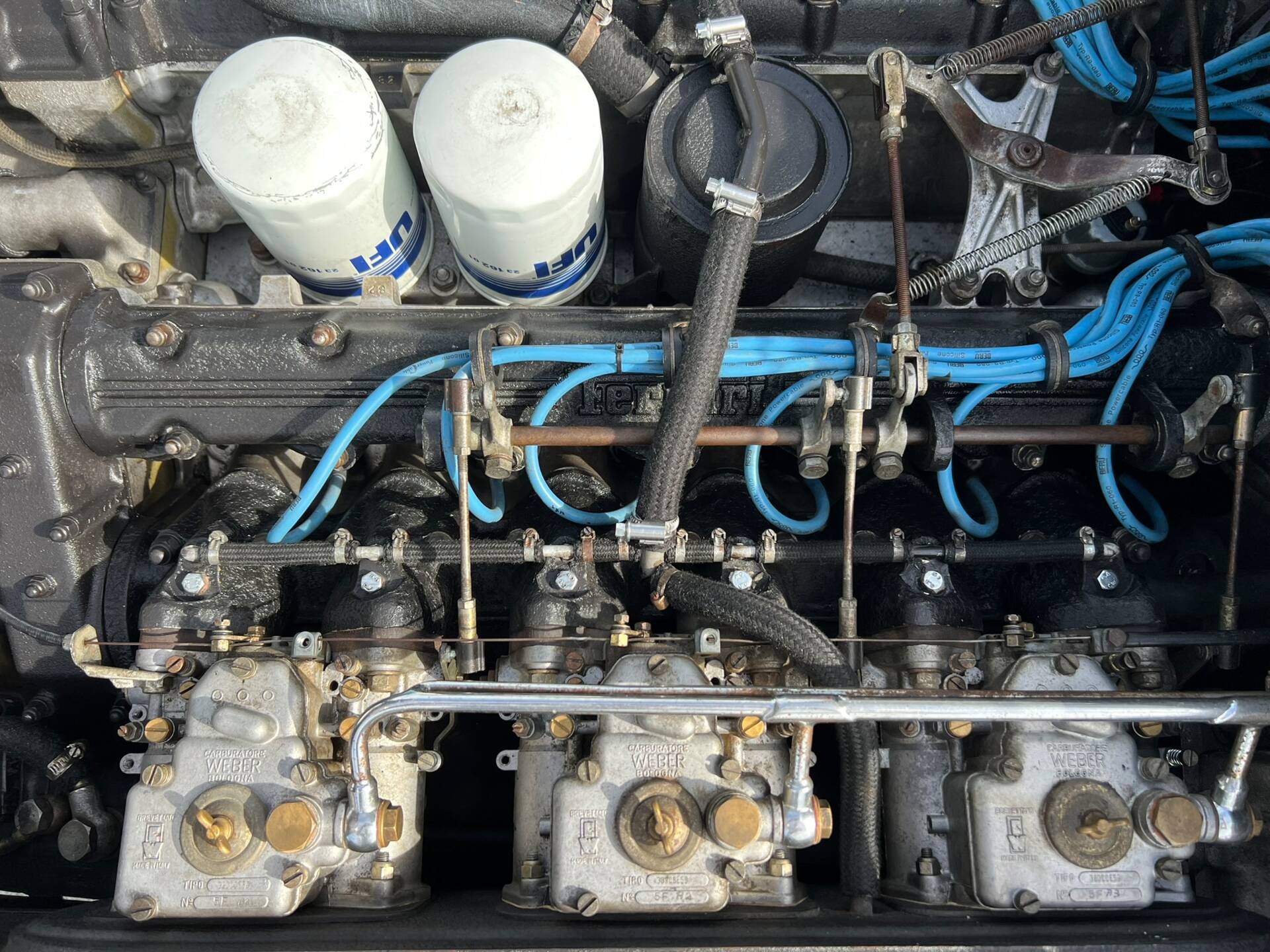
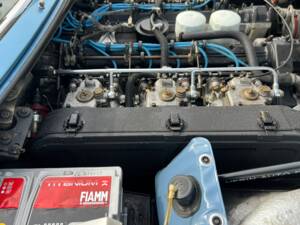
Scarcely more than 521 examples were ever built, only 388 of them in left-hand drive. Beneath the long bonnet lies a 4.4-litre V12 producing 340 hp, carrying the car from standstill to 60 mph in 6.4 seconds. Niki Lauda chose one as his personal car.
A Passion That Endured Three Decades
My first encounter with this automobile came at the age of seven, on a card from my car quartet game. More than thirty years later I found it again, not in the gleam of a showroom, but in the quiet of a barn in Germany, hidden among 116 other long-forgotten machines.
A History That Can Be Told Without Interruption
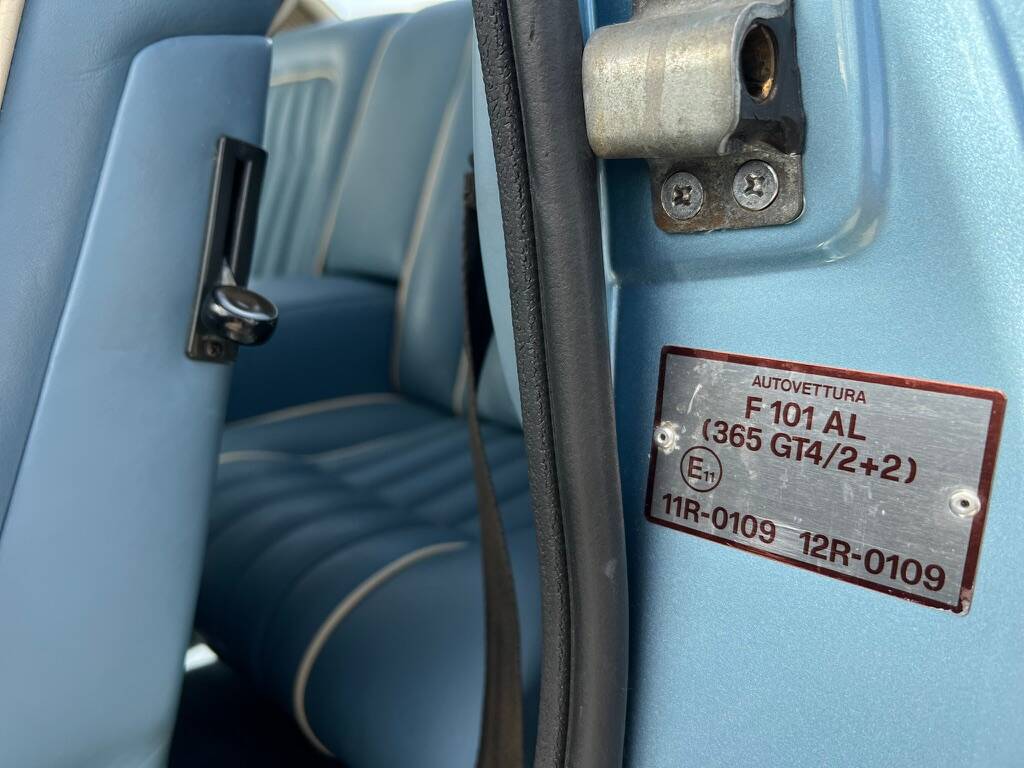
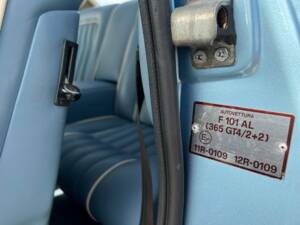
The history of this car is fully documented and traceable from its earliest days to the present. It is, by its nature, not a matching-numbers example, and precisely therein lies its particular fascination. Every number on this automobile tells its own chapter, fitting like a piece of mosaic into the greater picture of its life. Together they form not a sterile row of corresponding digits, but a living, verifiable record of its journey through the decades. This lends the car a provenance of rare depth, one that is not merely read, but discovered.
The Colour of a Remarkable Provenance
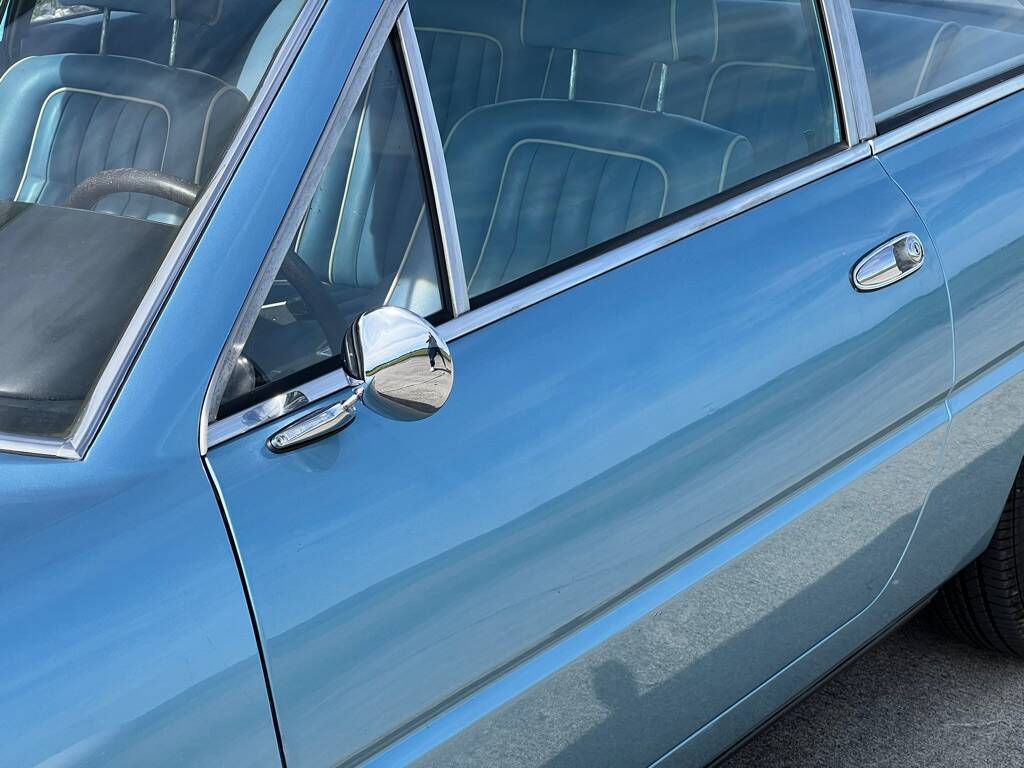
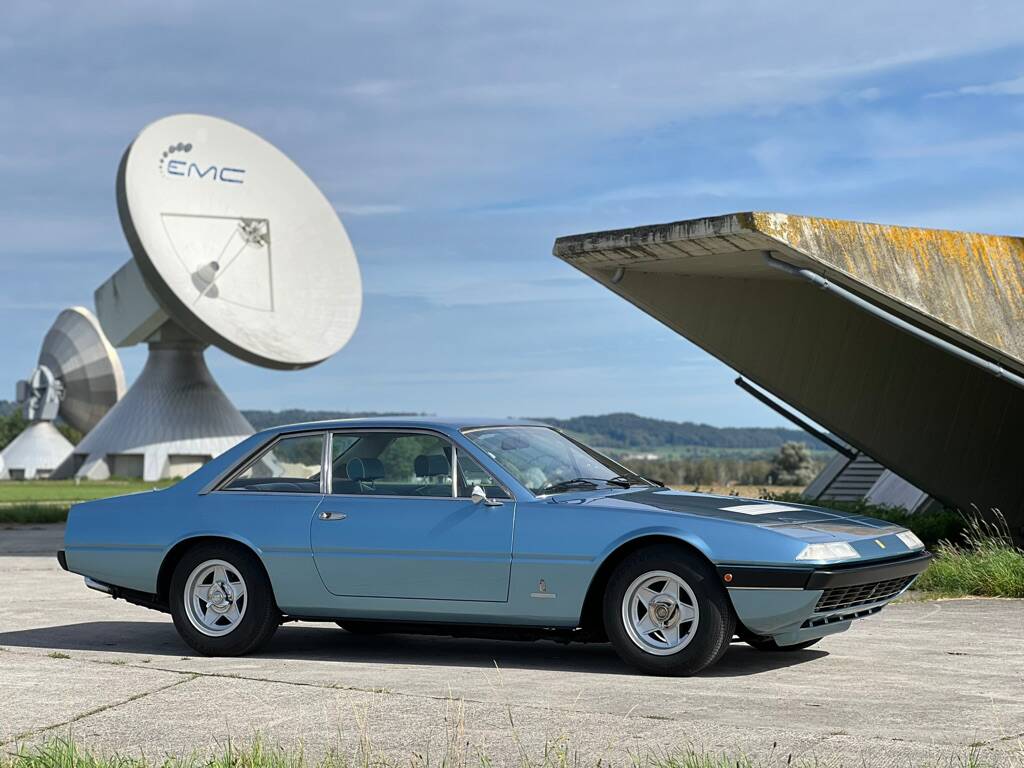
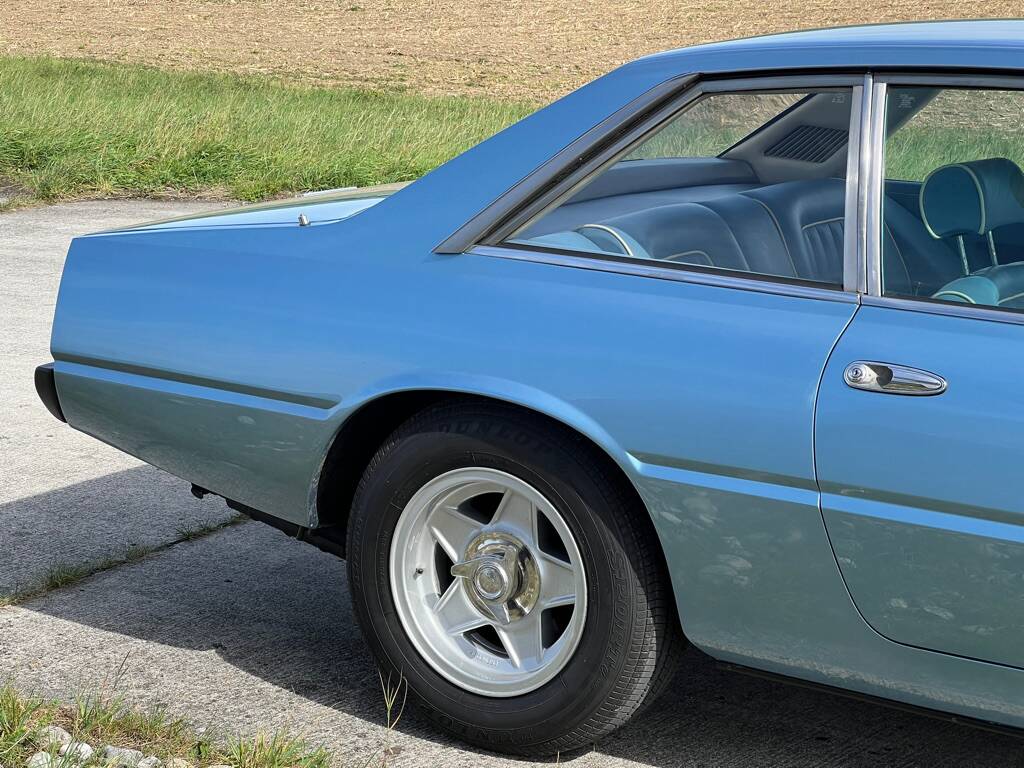
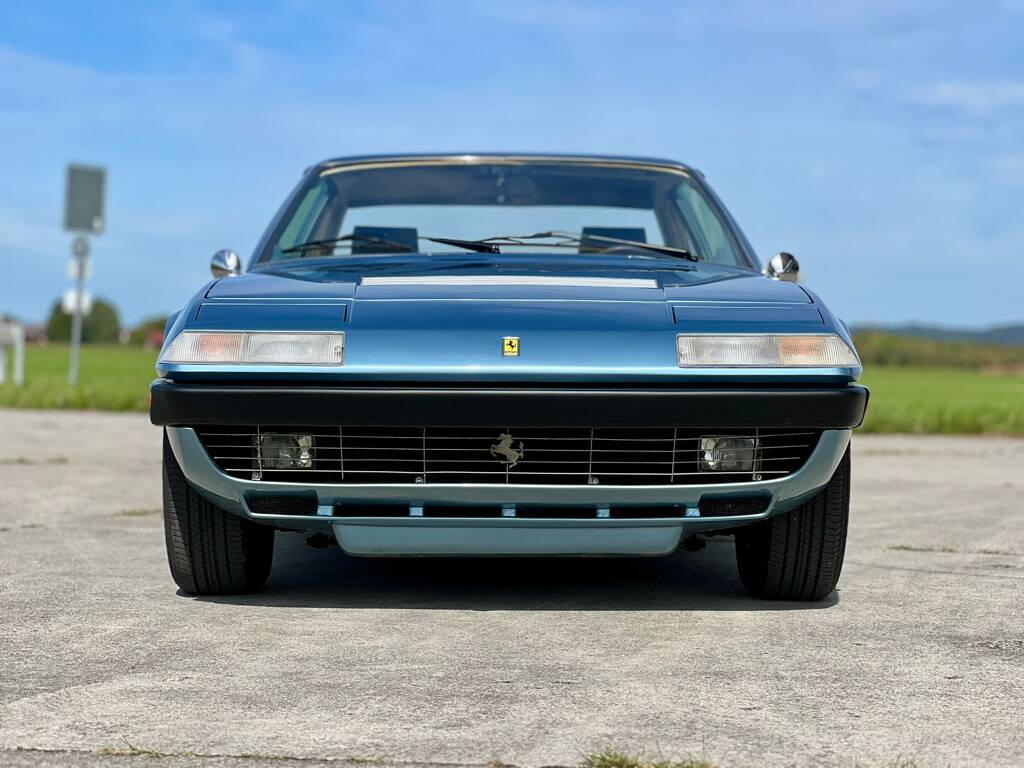
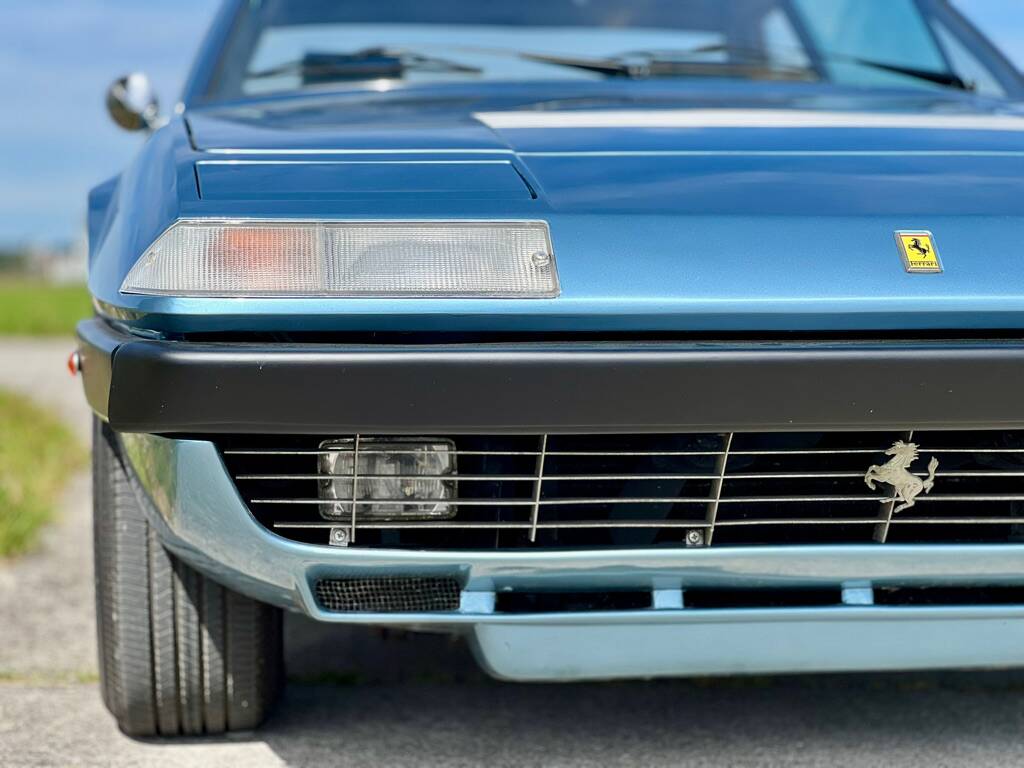
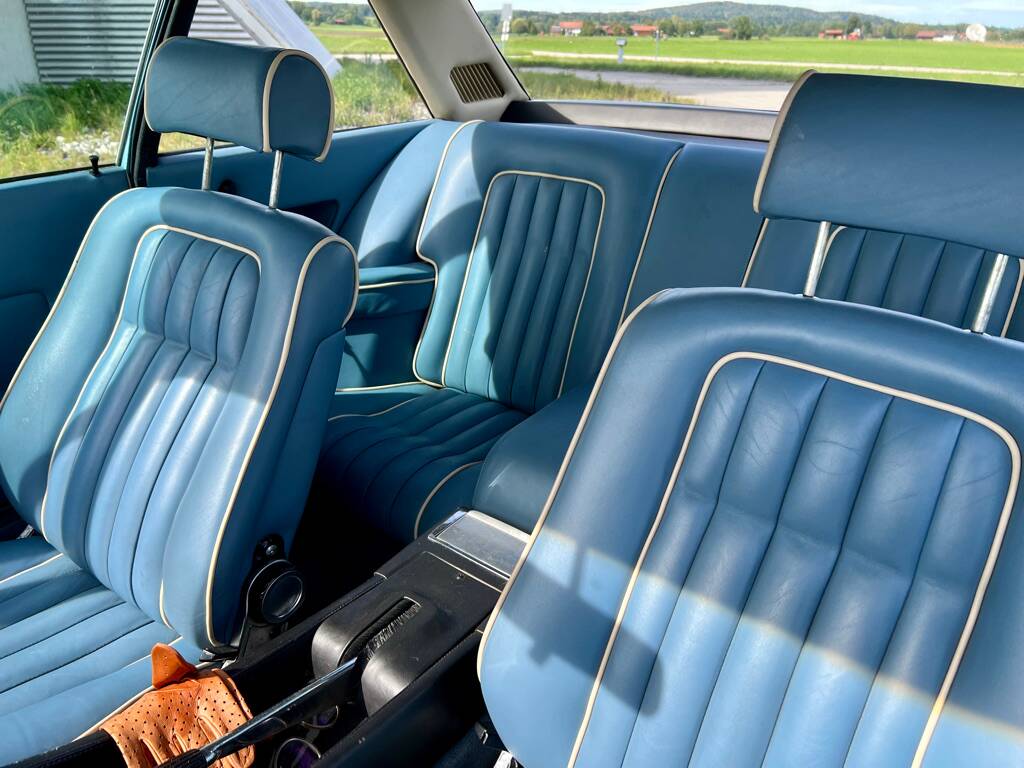
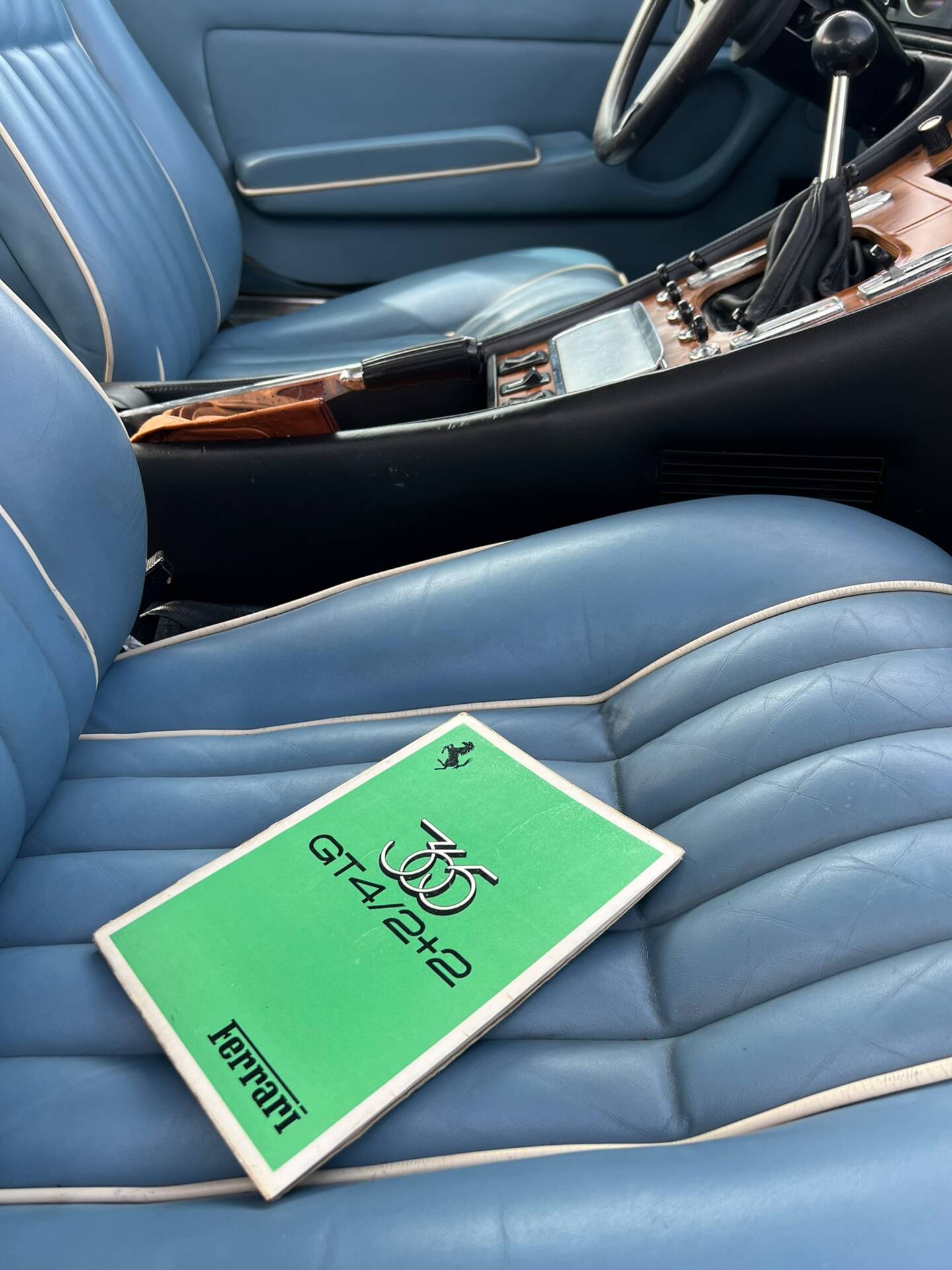
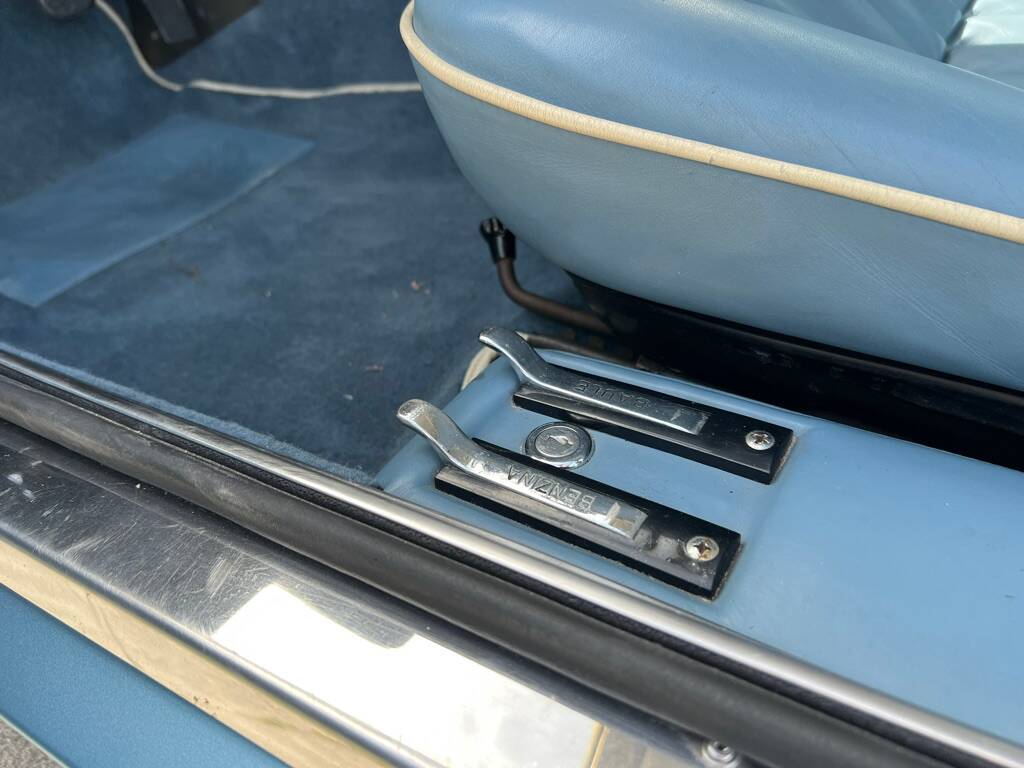
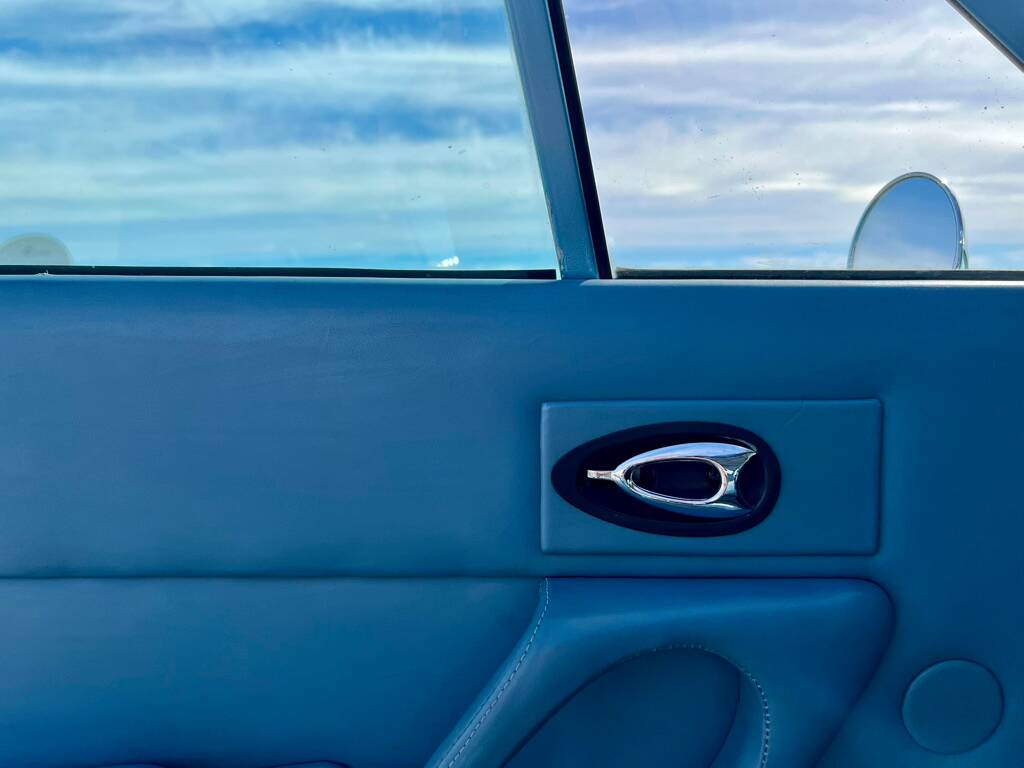
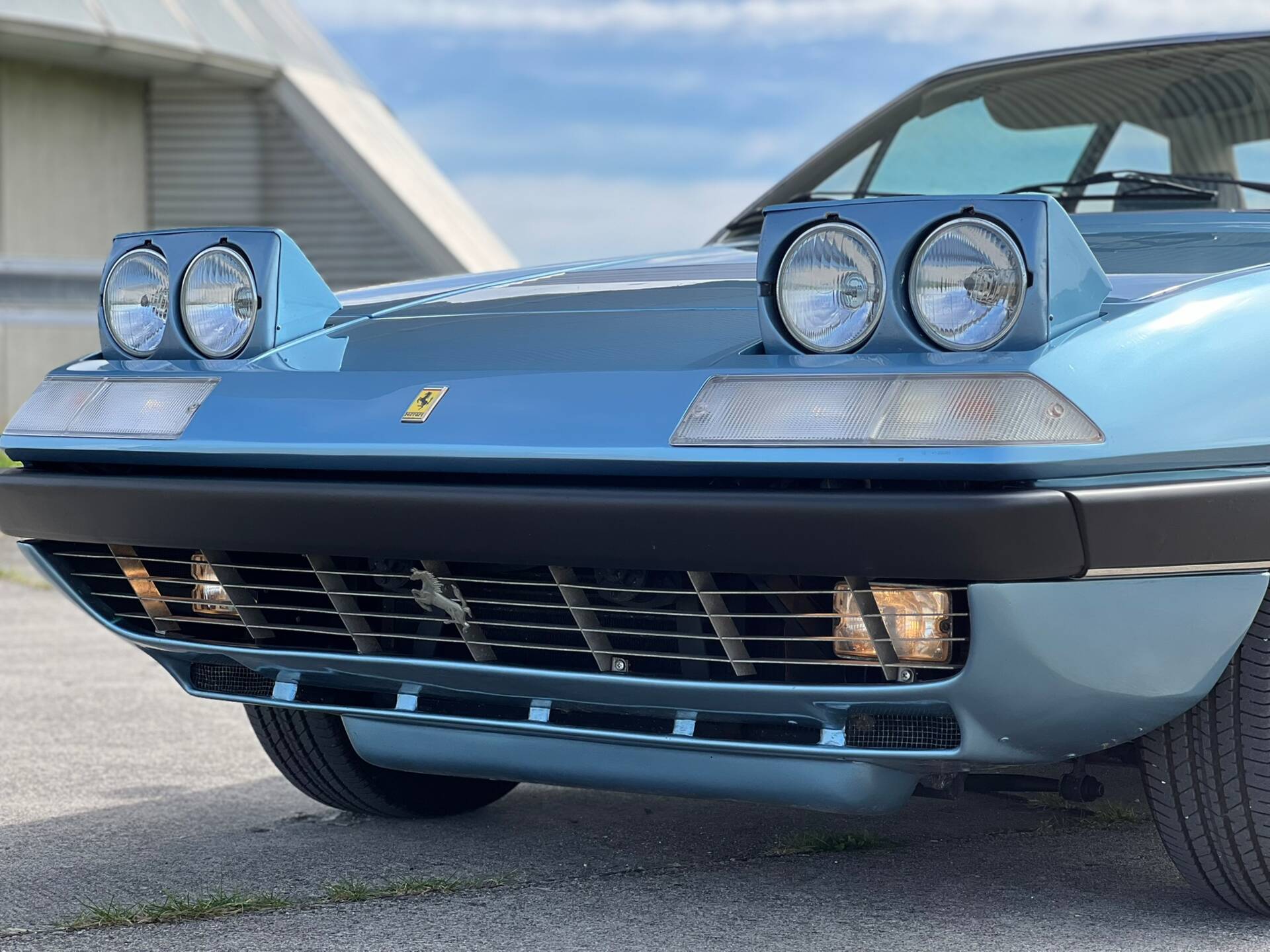
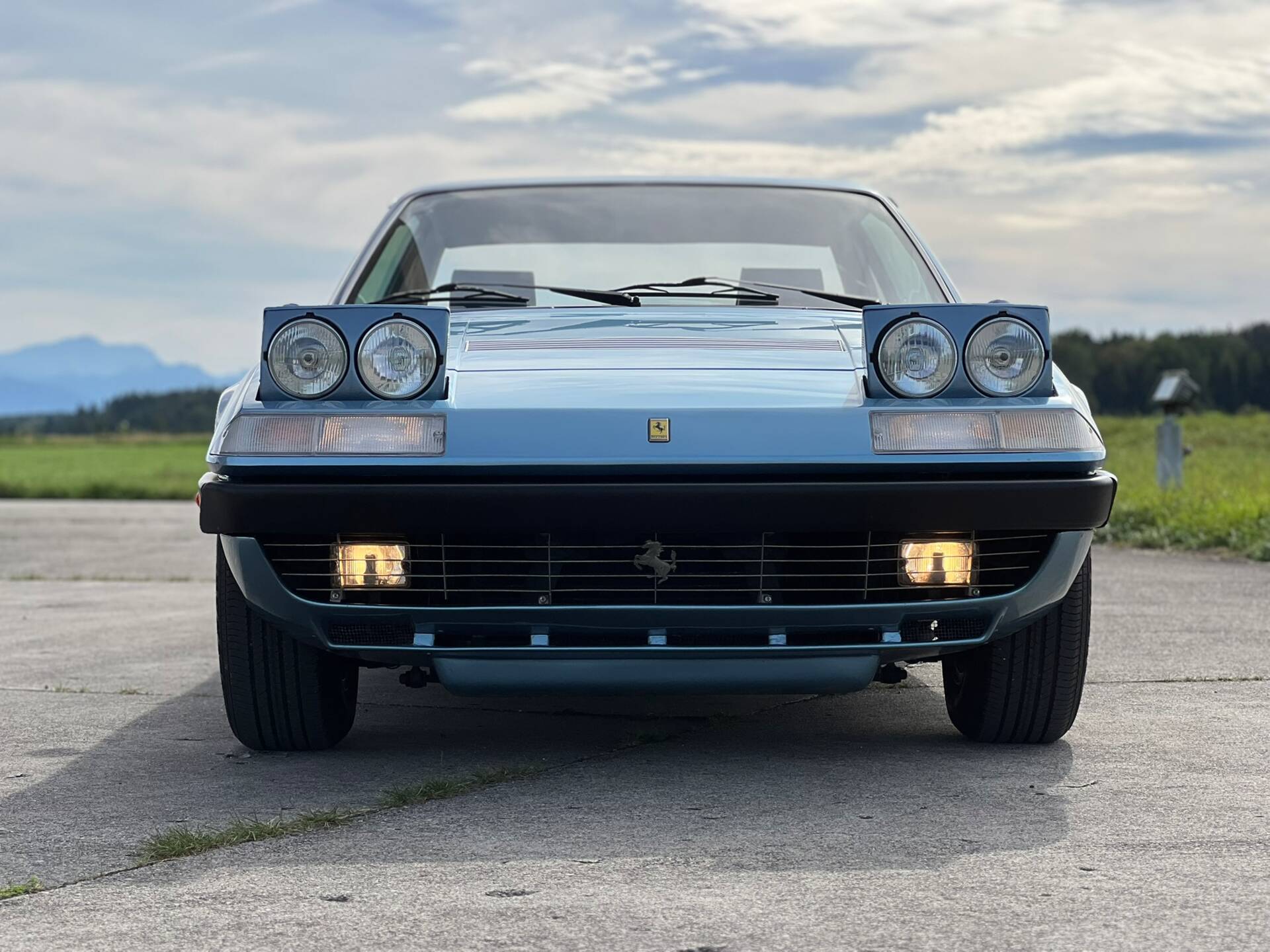
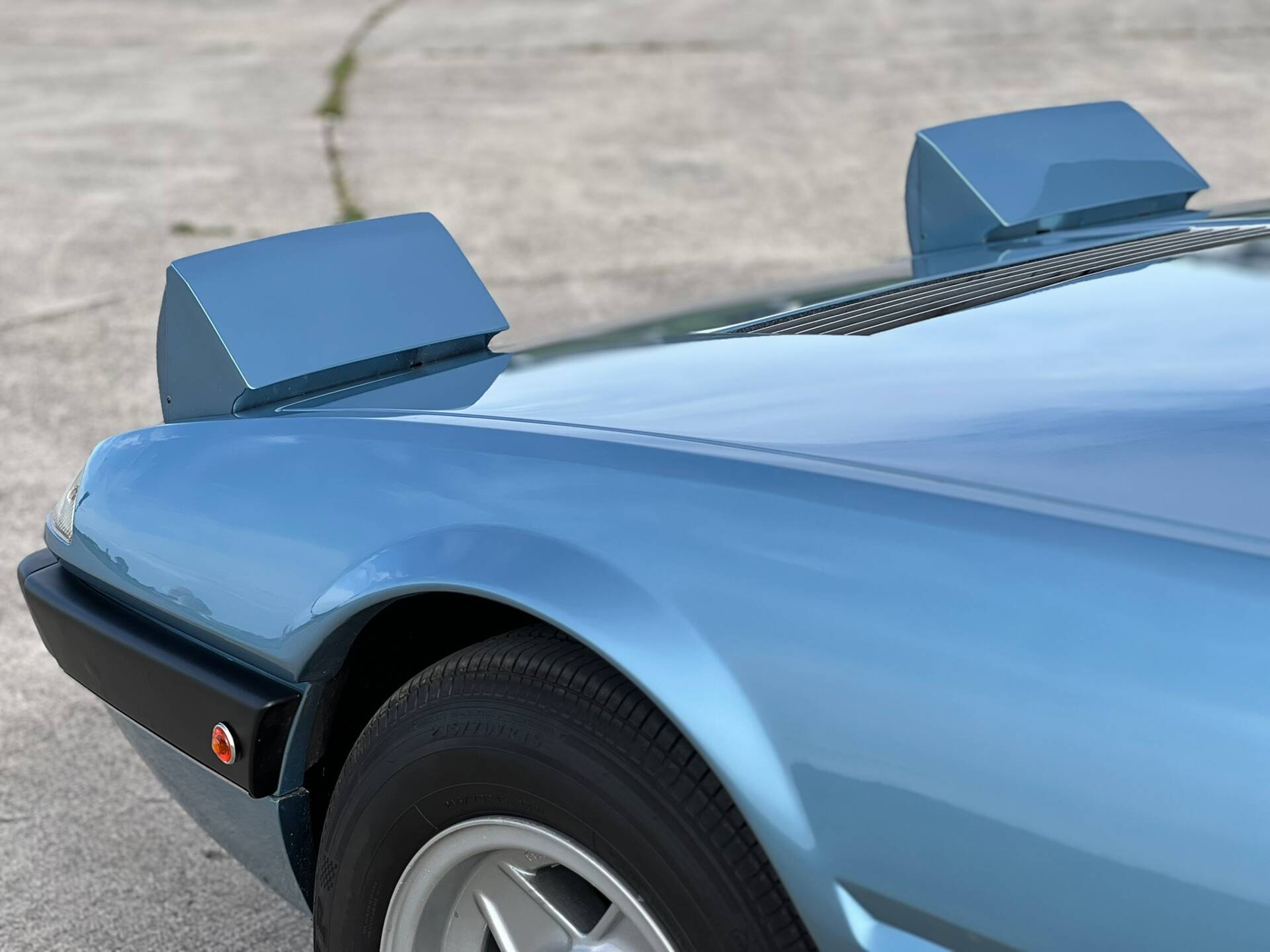
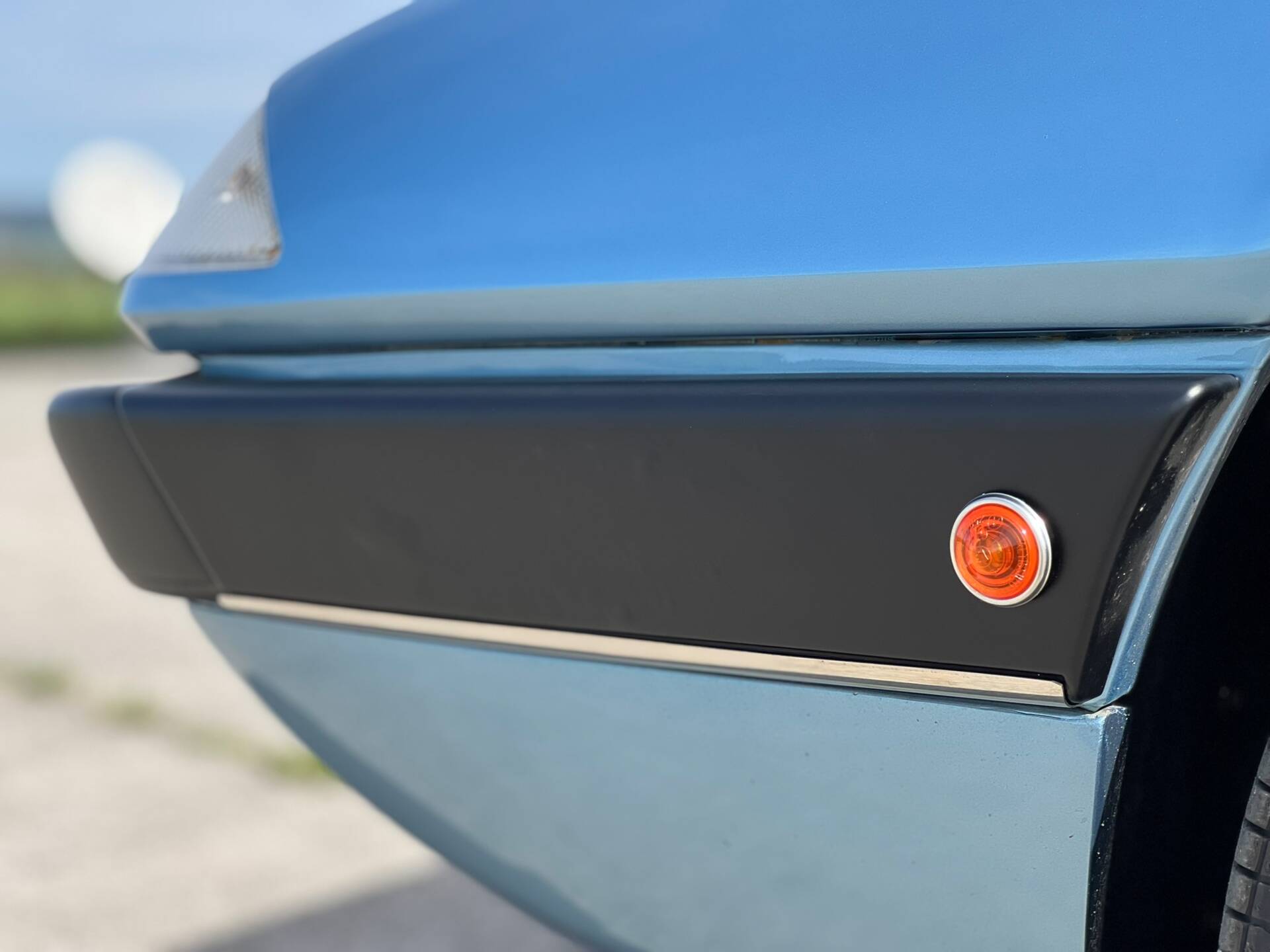
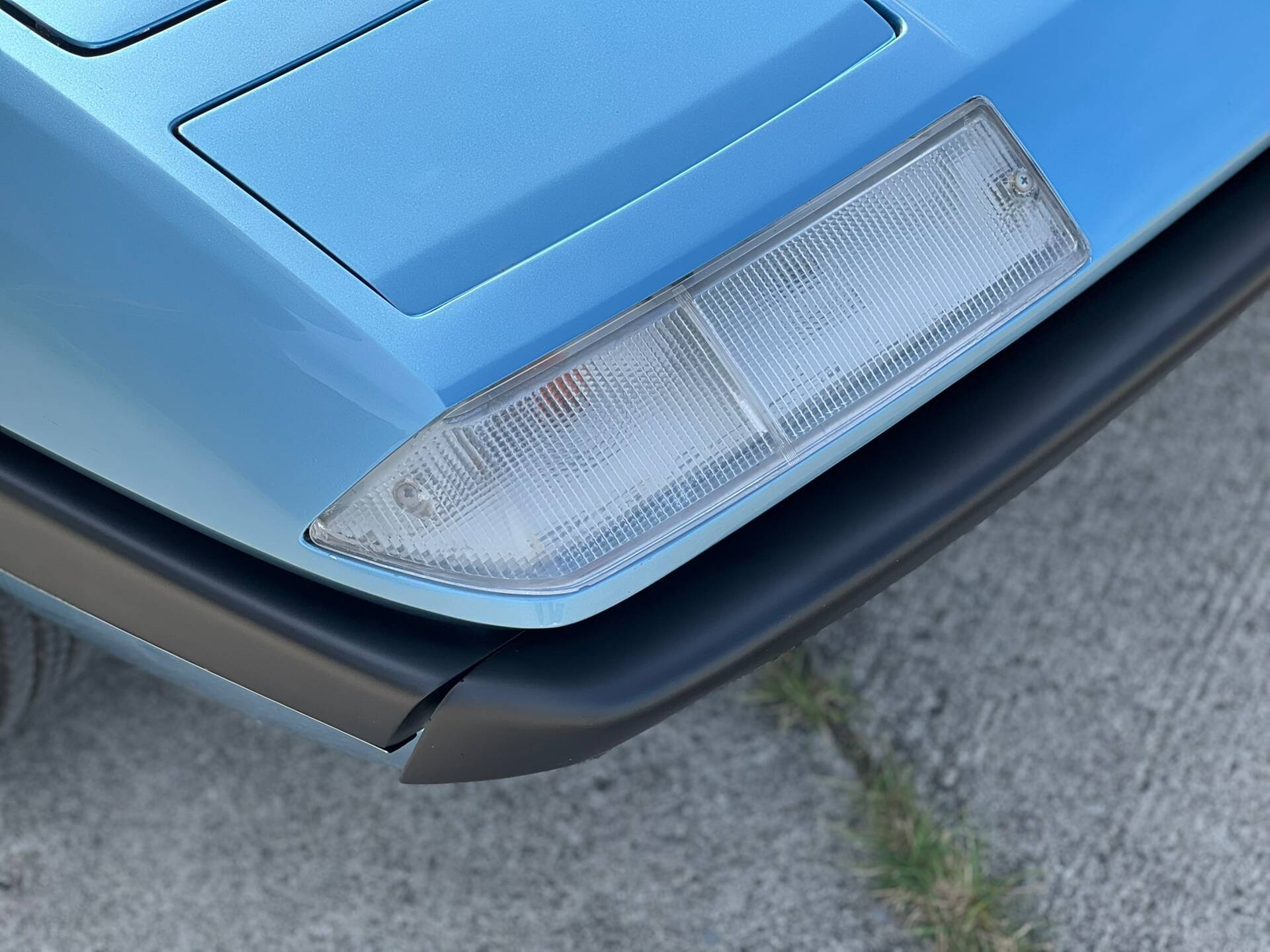
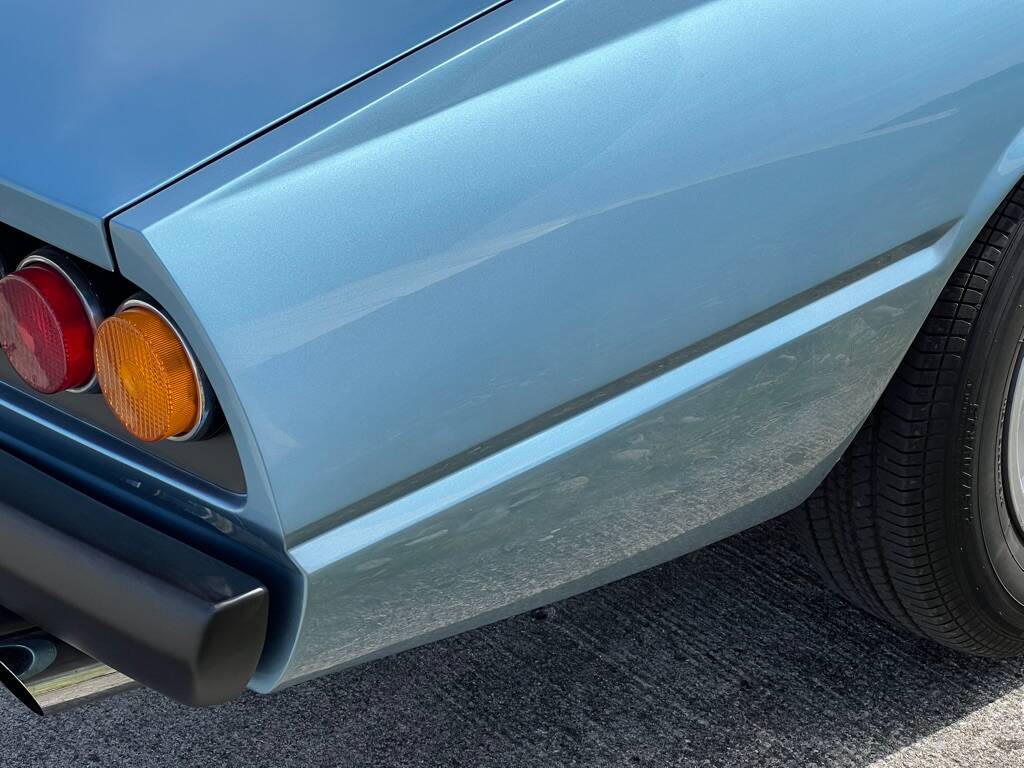
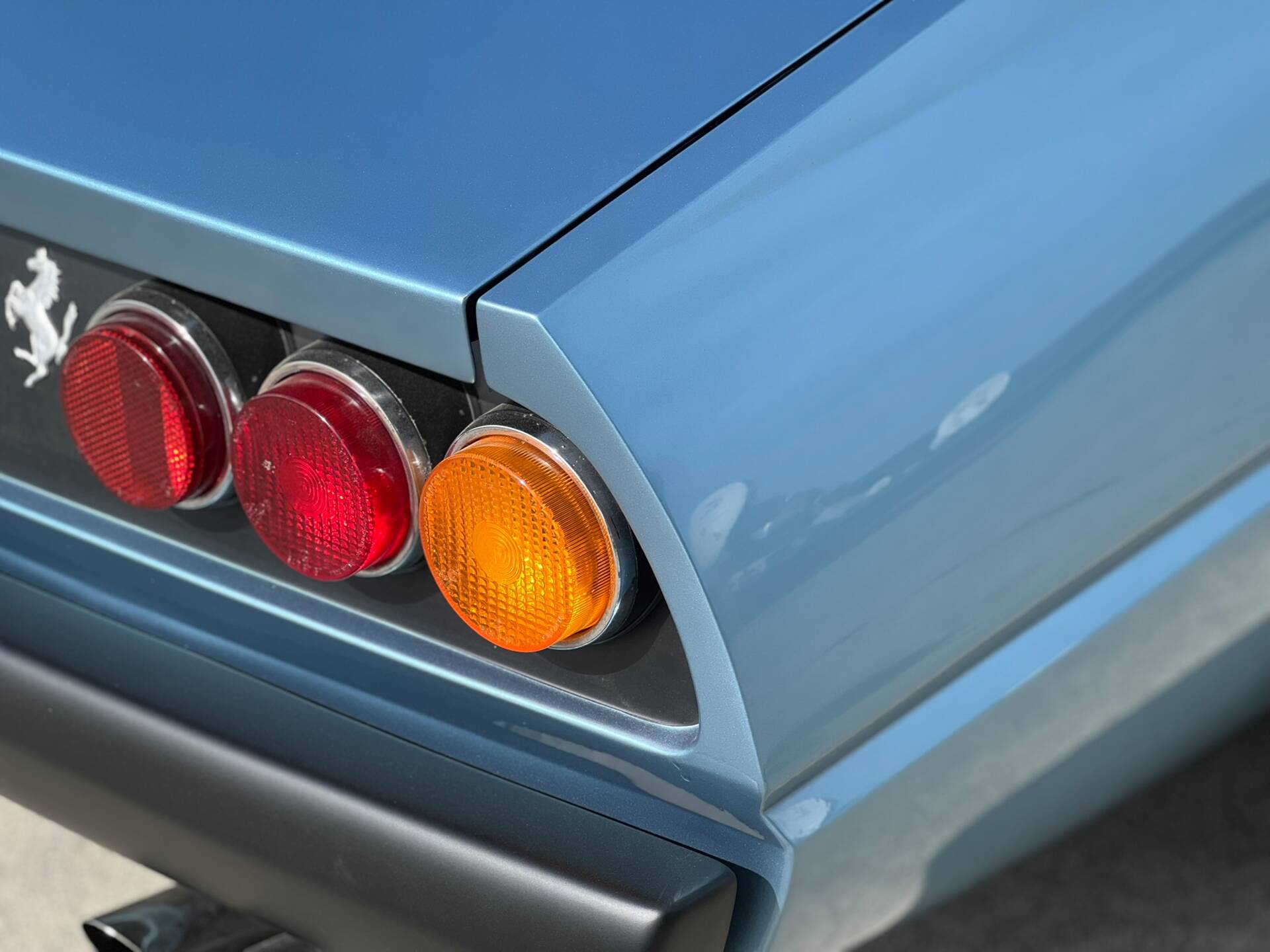
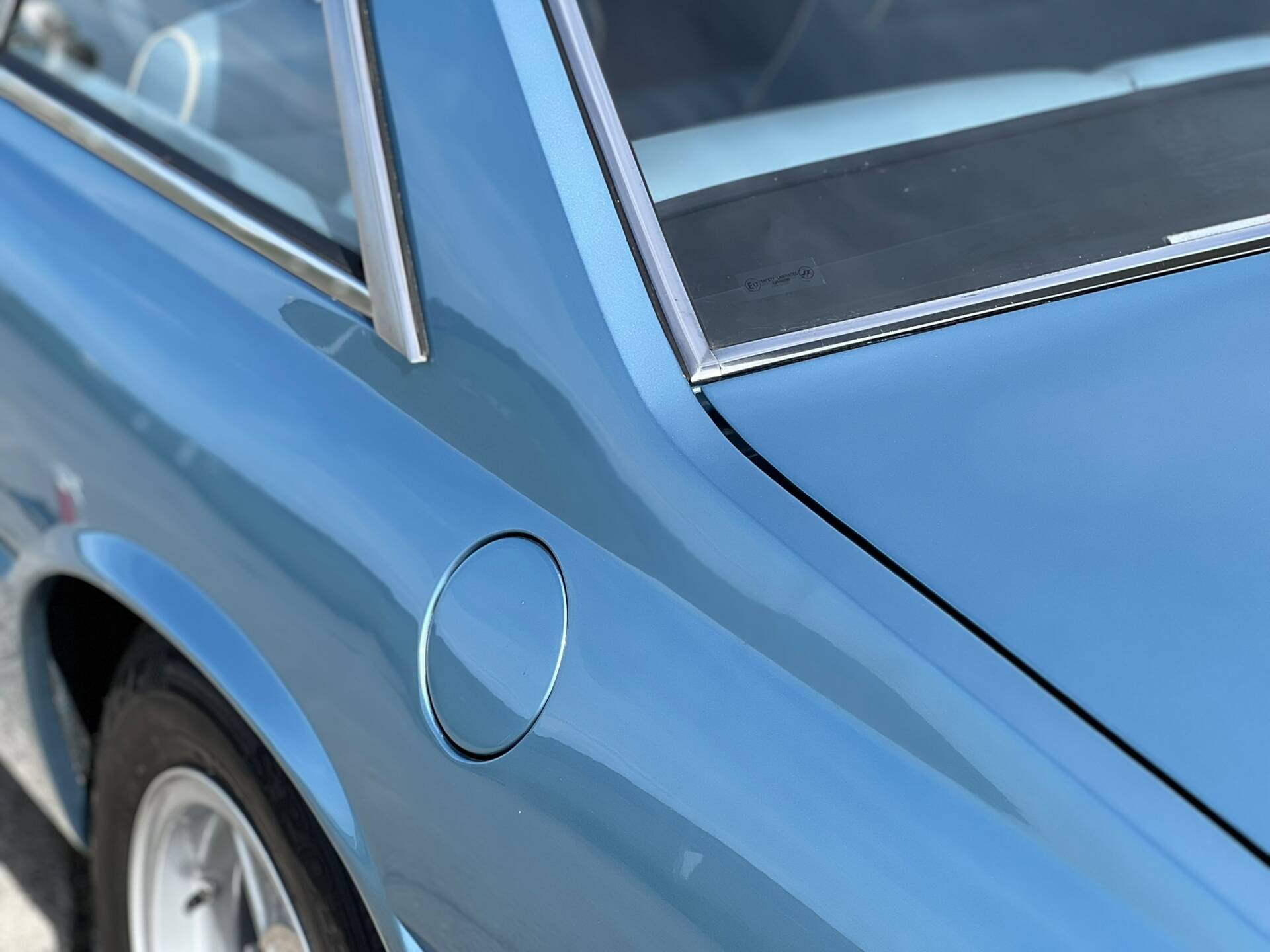
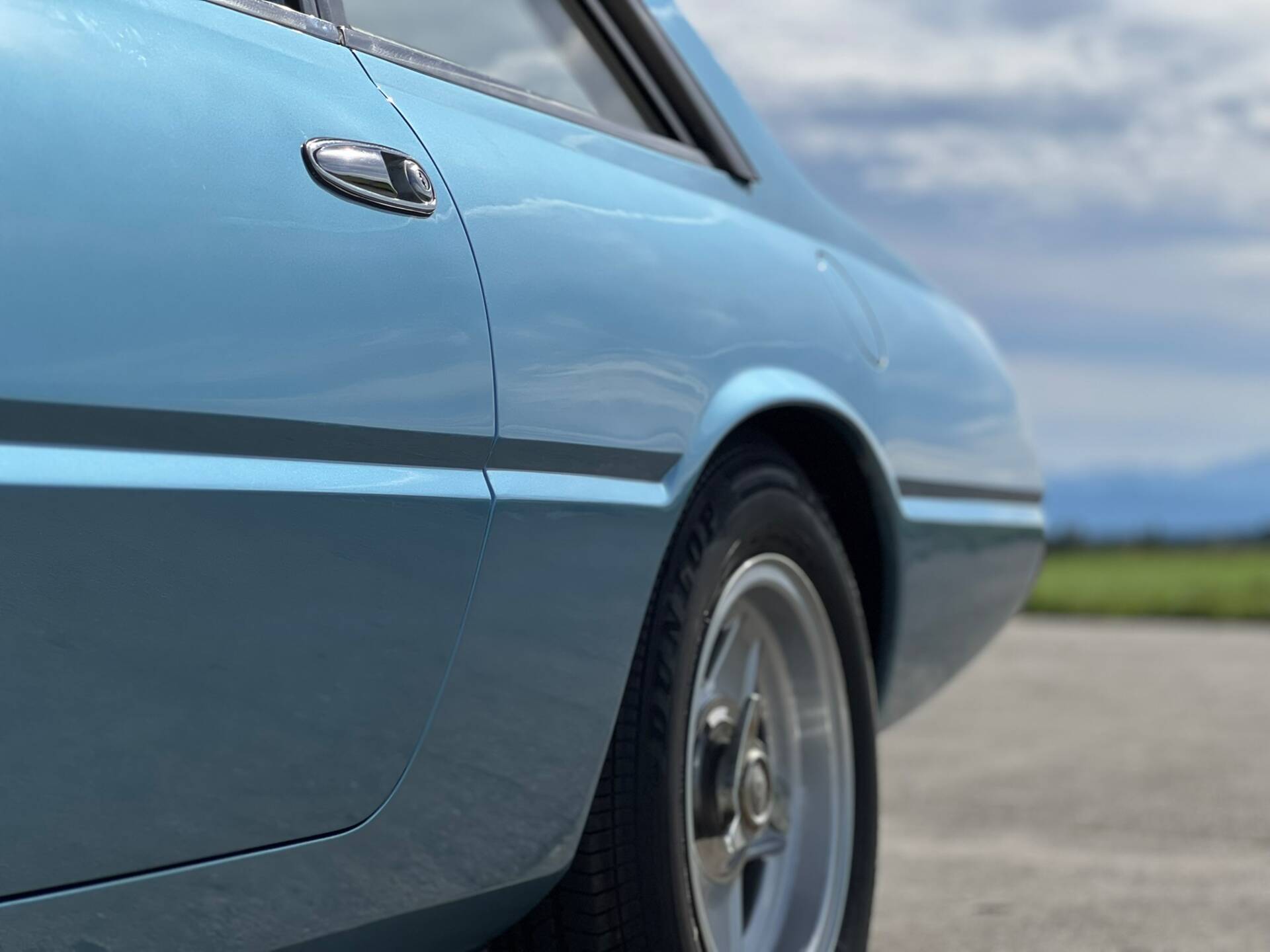
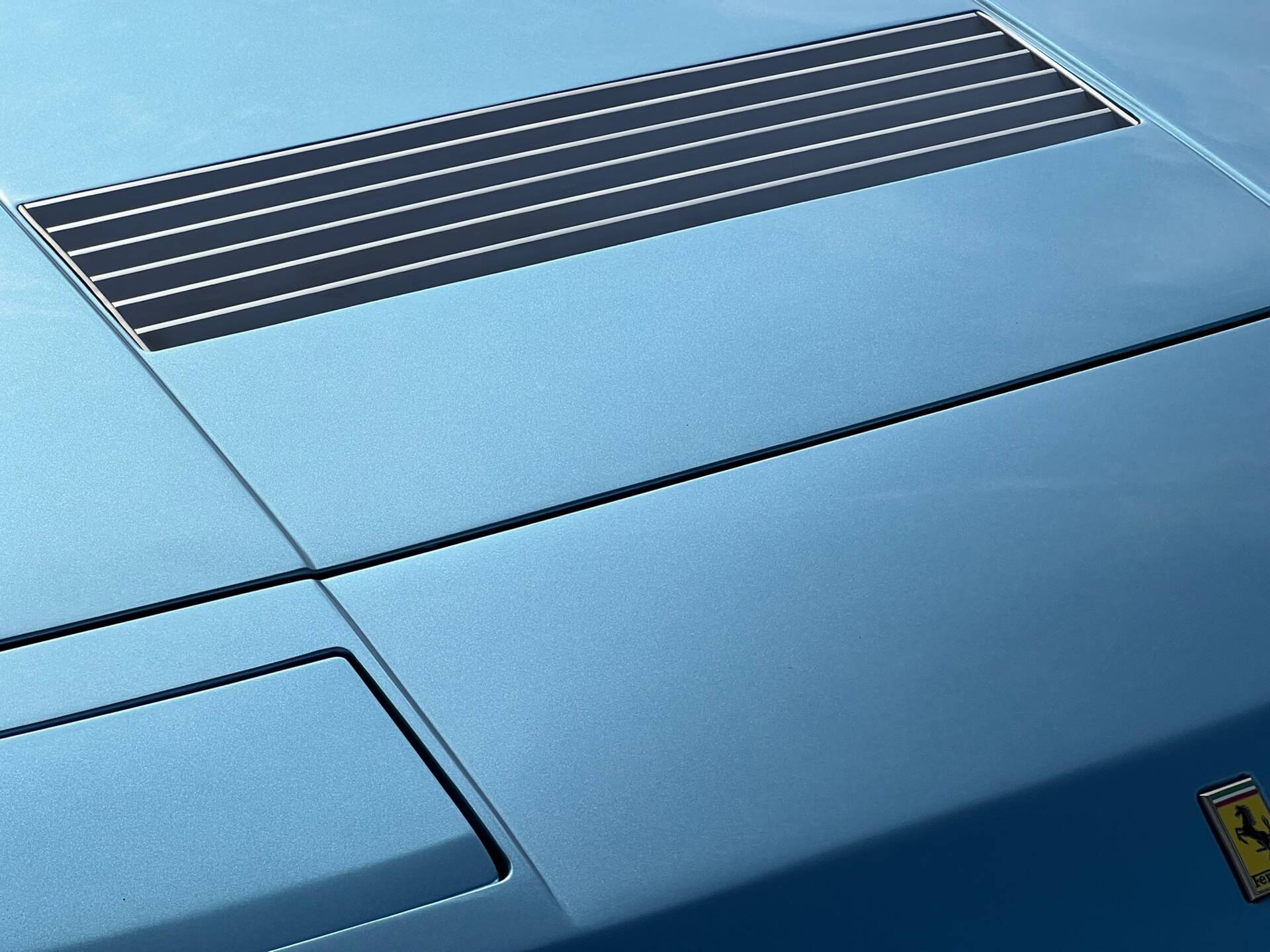
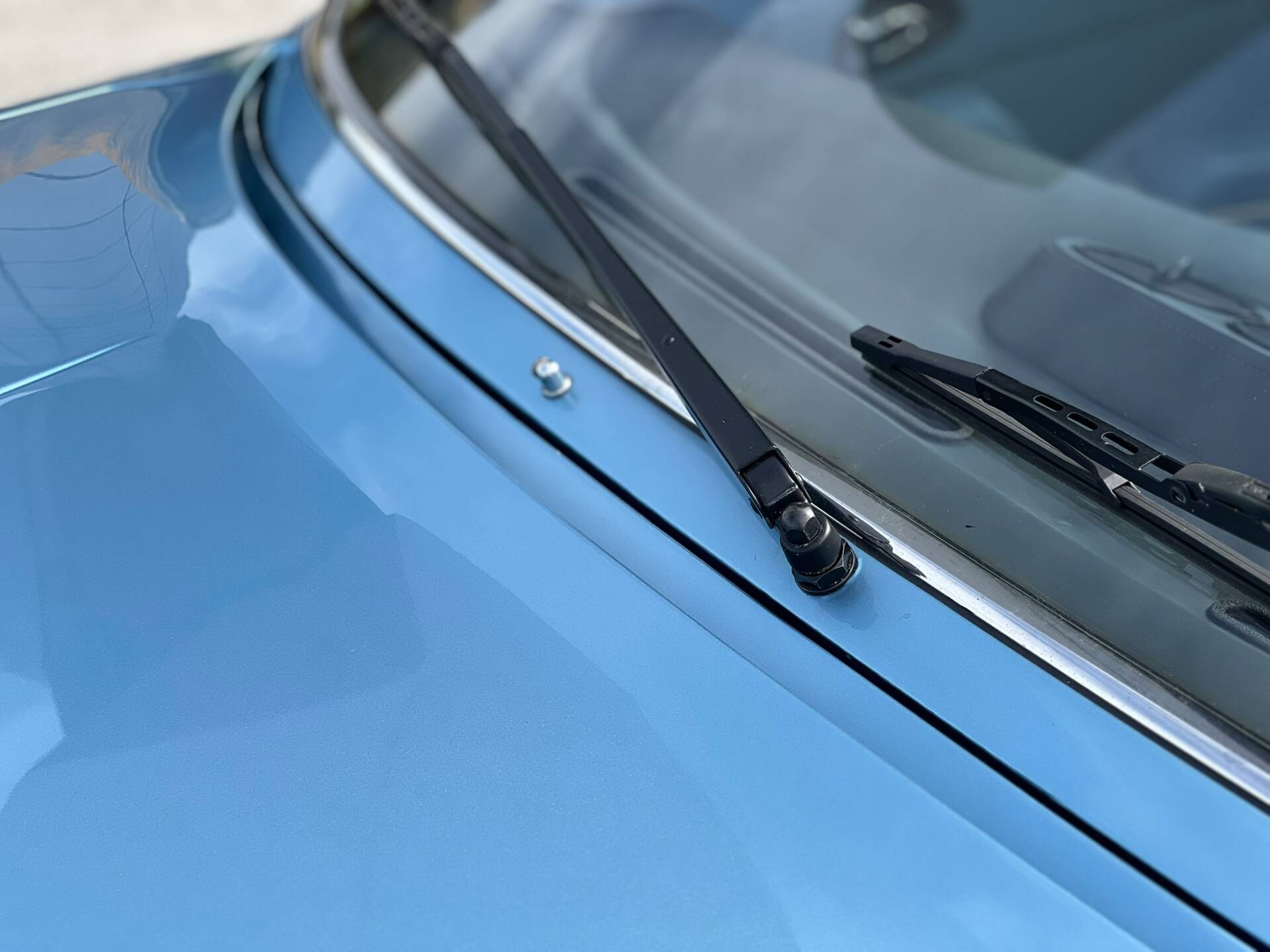
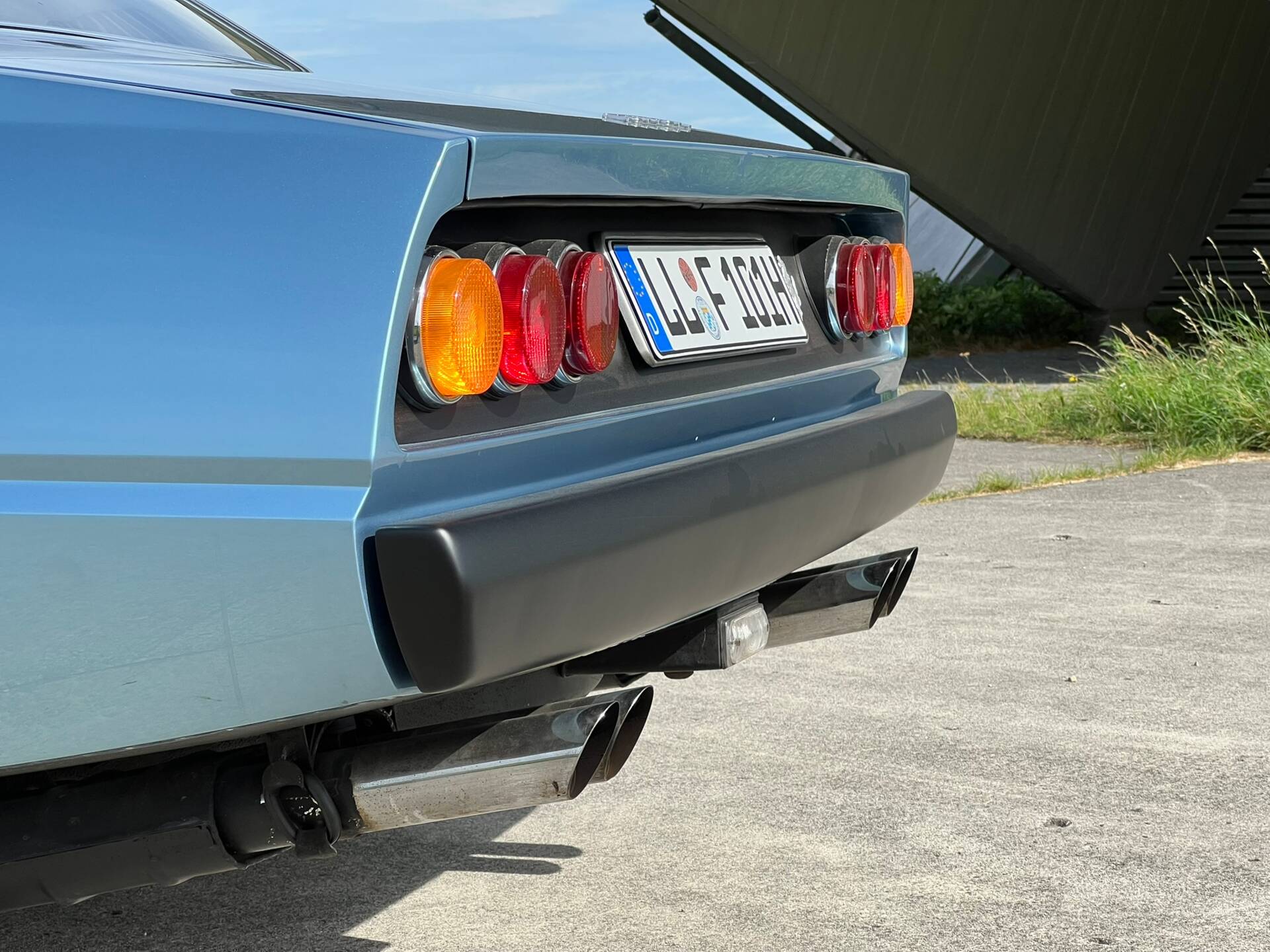
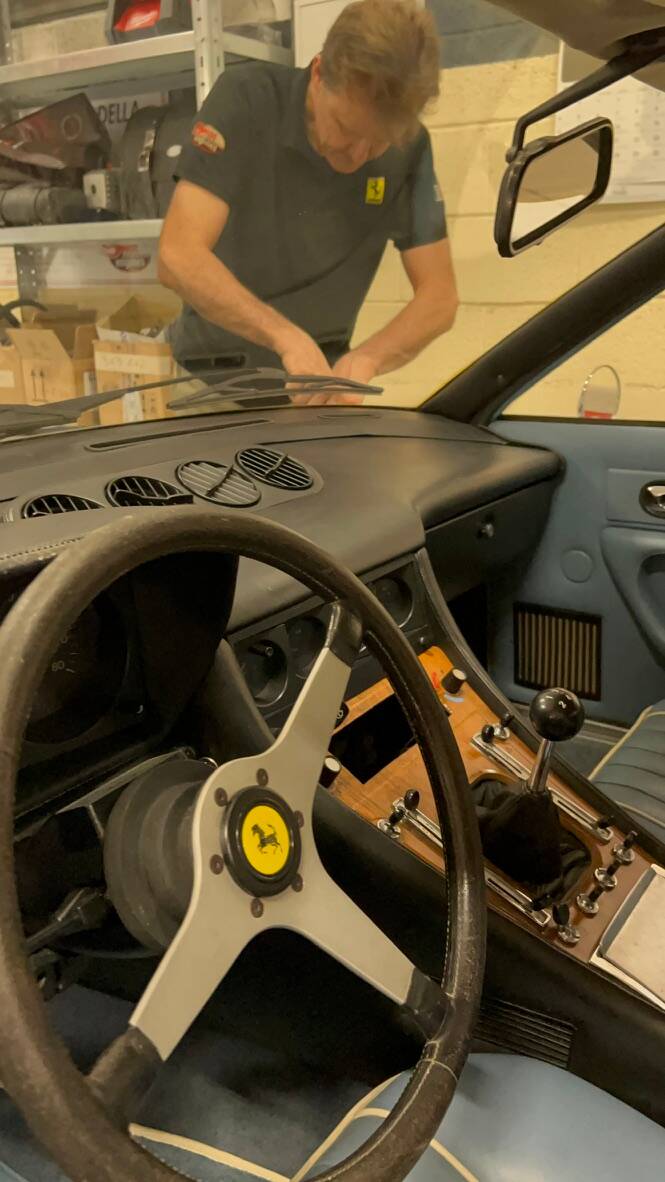
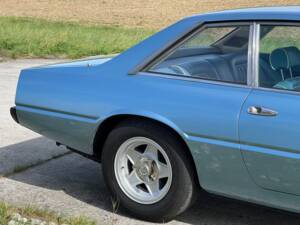
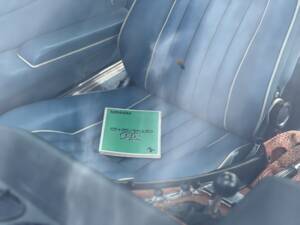
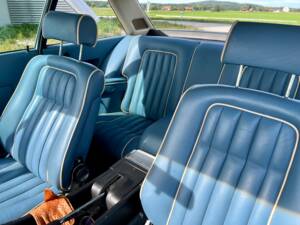
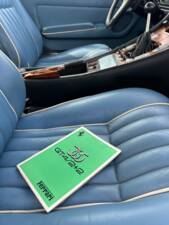
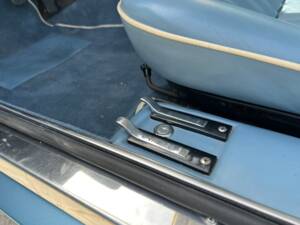
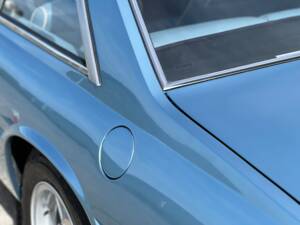
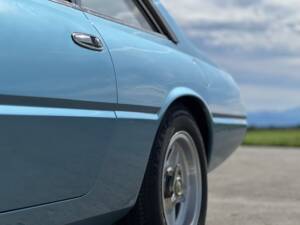
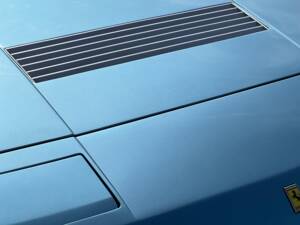
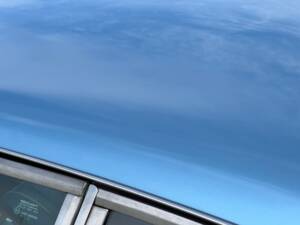
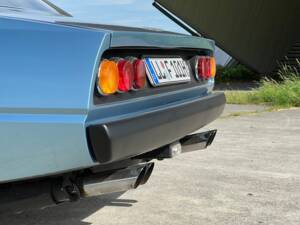
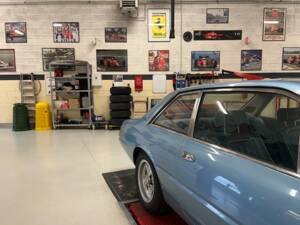
The car has been returned to its original shade: Azzurro Hyperion, a rare light-blue metallic that seems to glow from within, drawn from the marque's historic palette. It is paired with blue leather, framed by fine white contrast piping throughout the interior.
This combination has a distinguished history. It was worn by chassis 16293, one of only three hand-built prototypes of the 365 GT4 2+2. Shown at the 1972 Brussels Motor Show, it later served Enzo Ferrari himself as his personal car before finally passing to a new owner through RM Sotheby's. This car wears the very same colours.
The Art of Hand Finishing
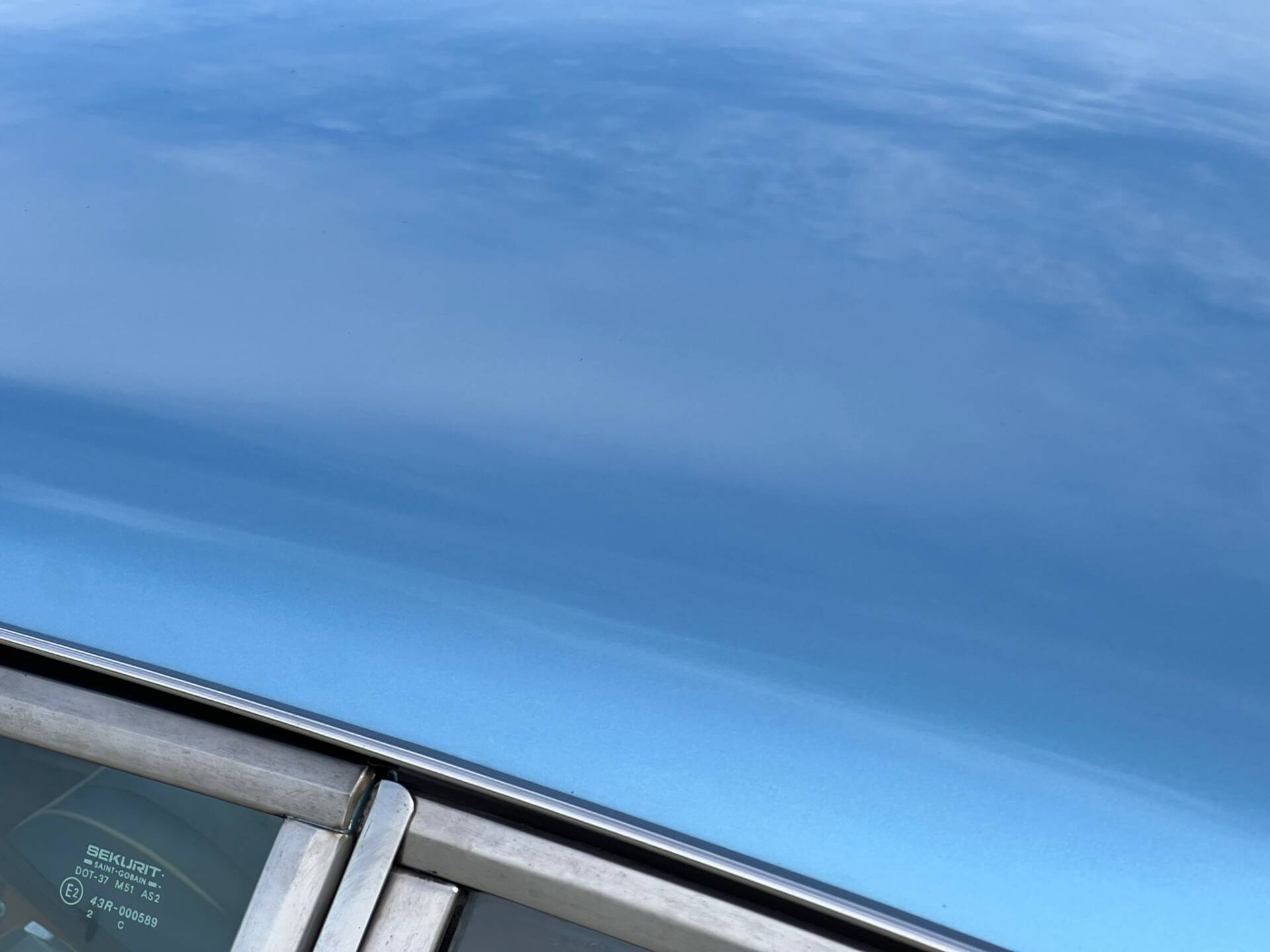
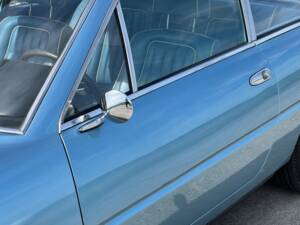
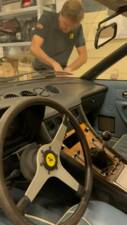
As with almost every serious restoration, the old paint was first removed by machine down to bare metal. Once the matte black filler primer had been applied, however, a different chapter began. From that moment on, every step was carried out by hand, using an aluminium square profile some 30 centimetres long and 4 × 4 centimetres in section. No orbital sander, no machine.
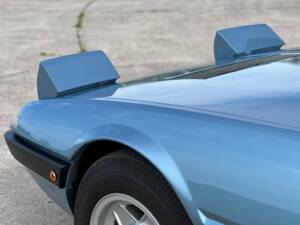
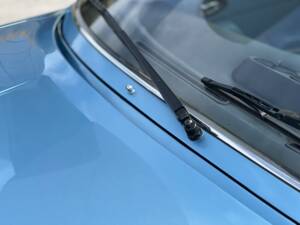
The reason lies in the detail. Machines leave behind a subtle waviness, barely perceptible to the eye, yet revealed the instant sunlight sweeps across the paint or a reflection distorts over the surface. Only hand sanding with a perfectly true, rigid straightedge brings out the tension and lines of the body exactly as the coachbuilder once conceived them. Therein lies the difference between a car that appears restored and one that is entirely correct.
Confidence Founded on Care
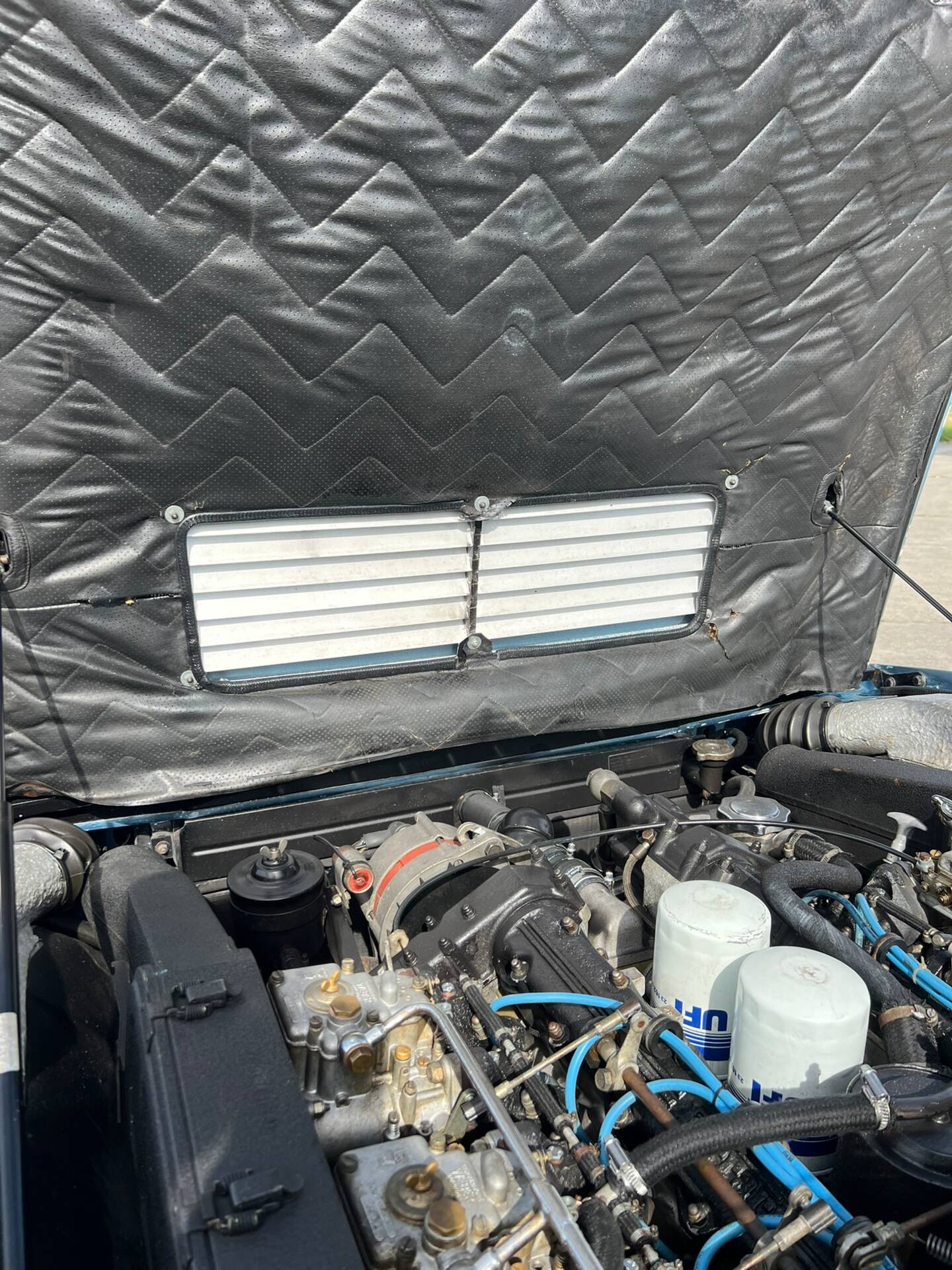
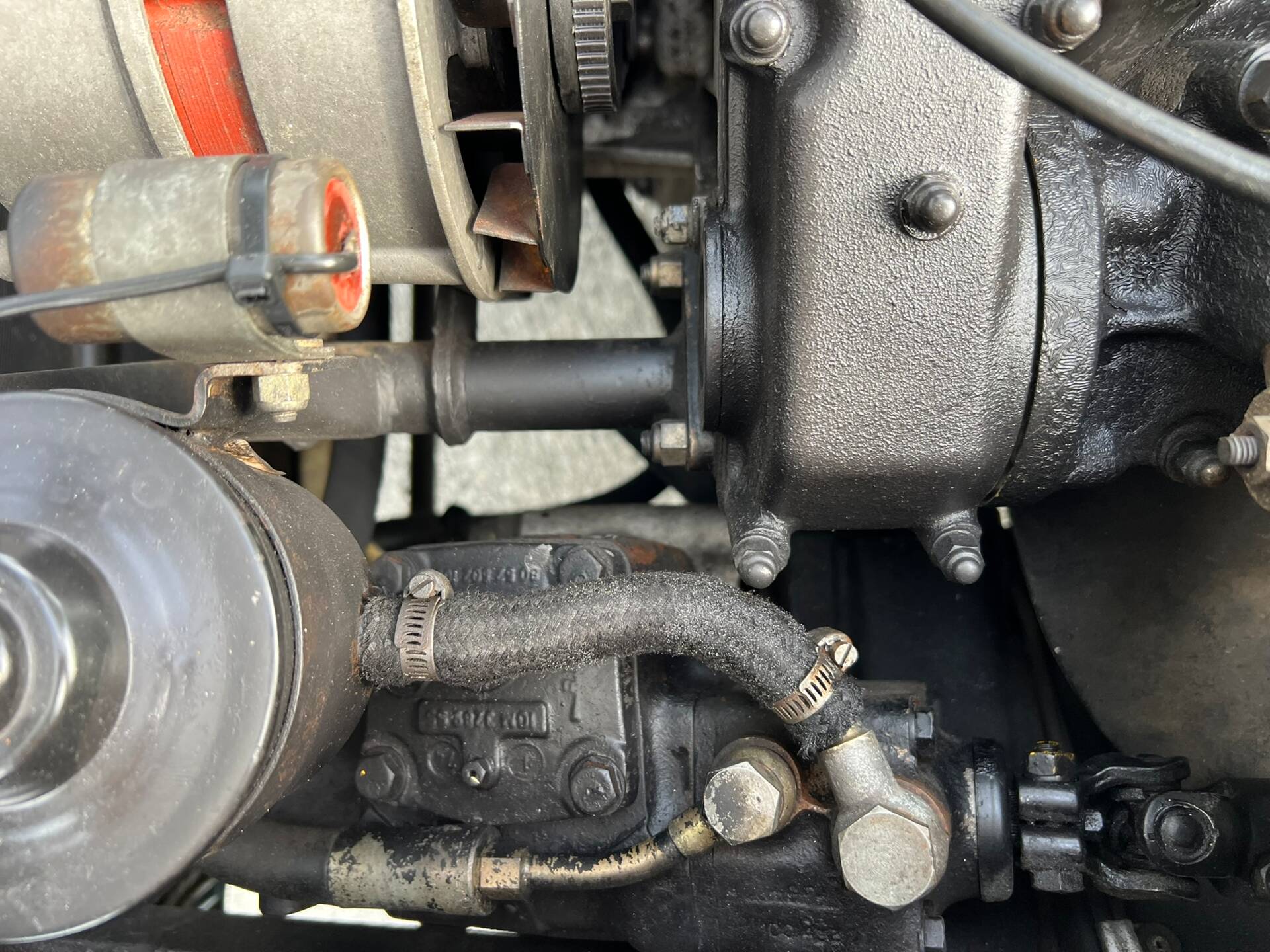
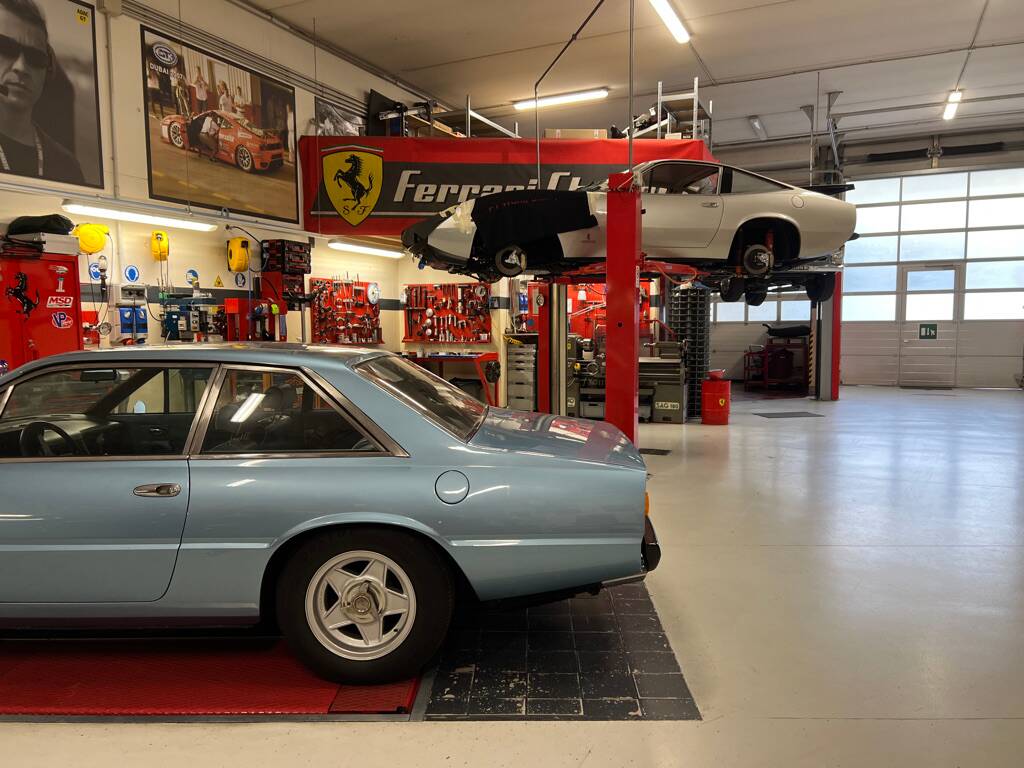
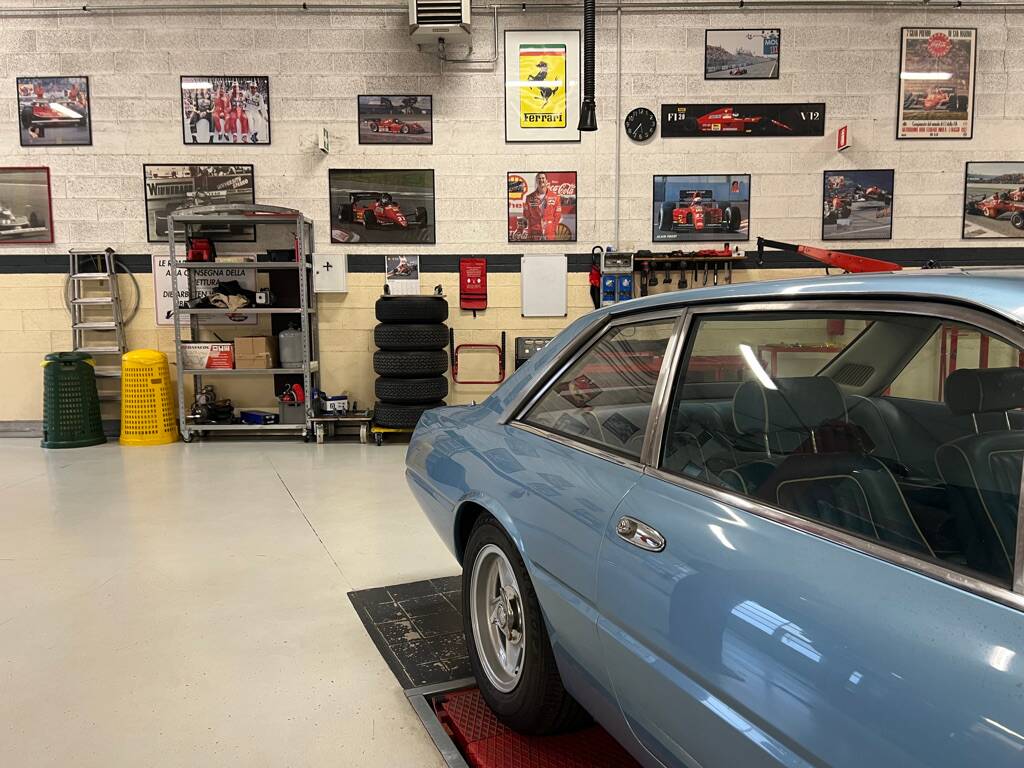
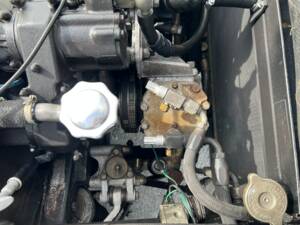
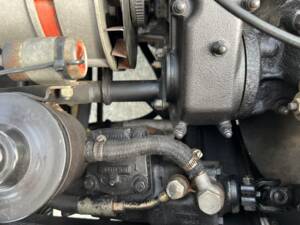
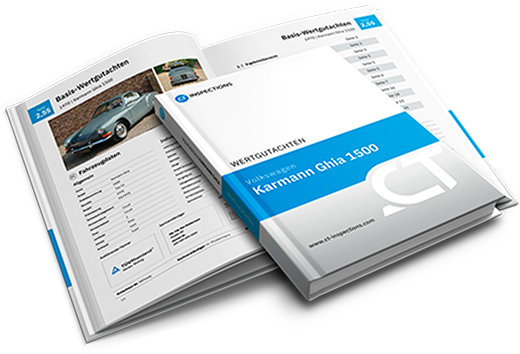
At Hot Engines, the true and quiet work followed: the meticulous completion of the entire TÜV inspection list. Brakes, electrics, rubber components, belts and air conditioning, in short, everything a twelve-cylinder grand tourer requires not merely to run, but to be driven once again with complete assurance.
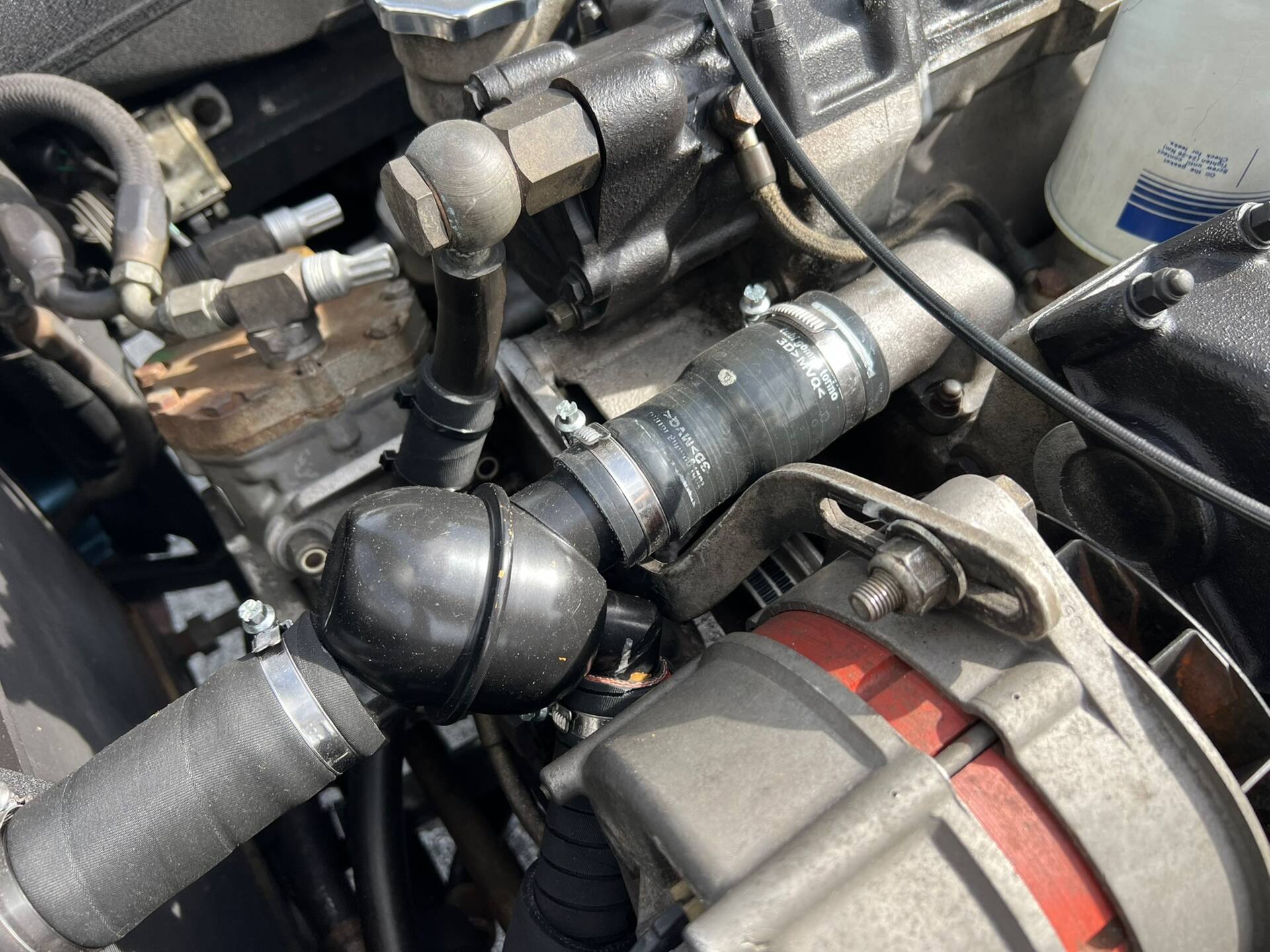
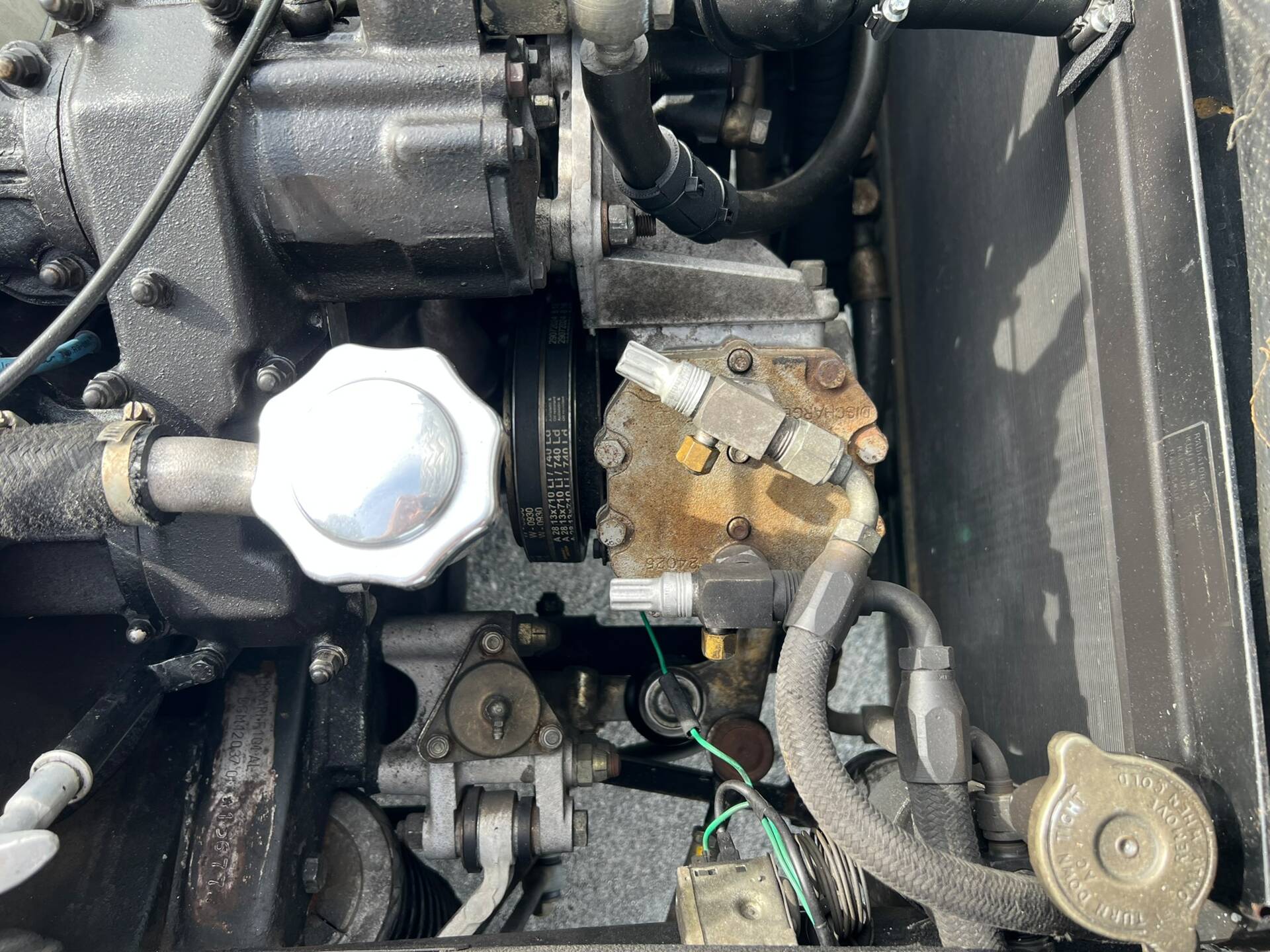
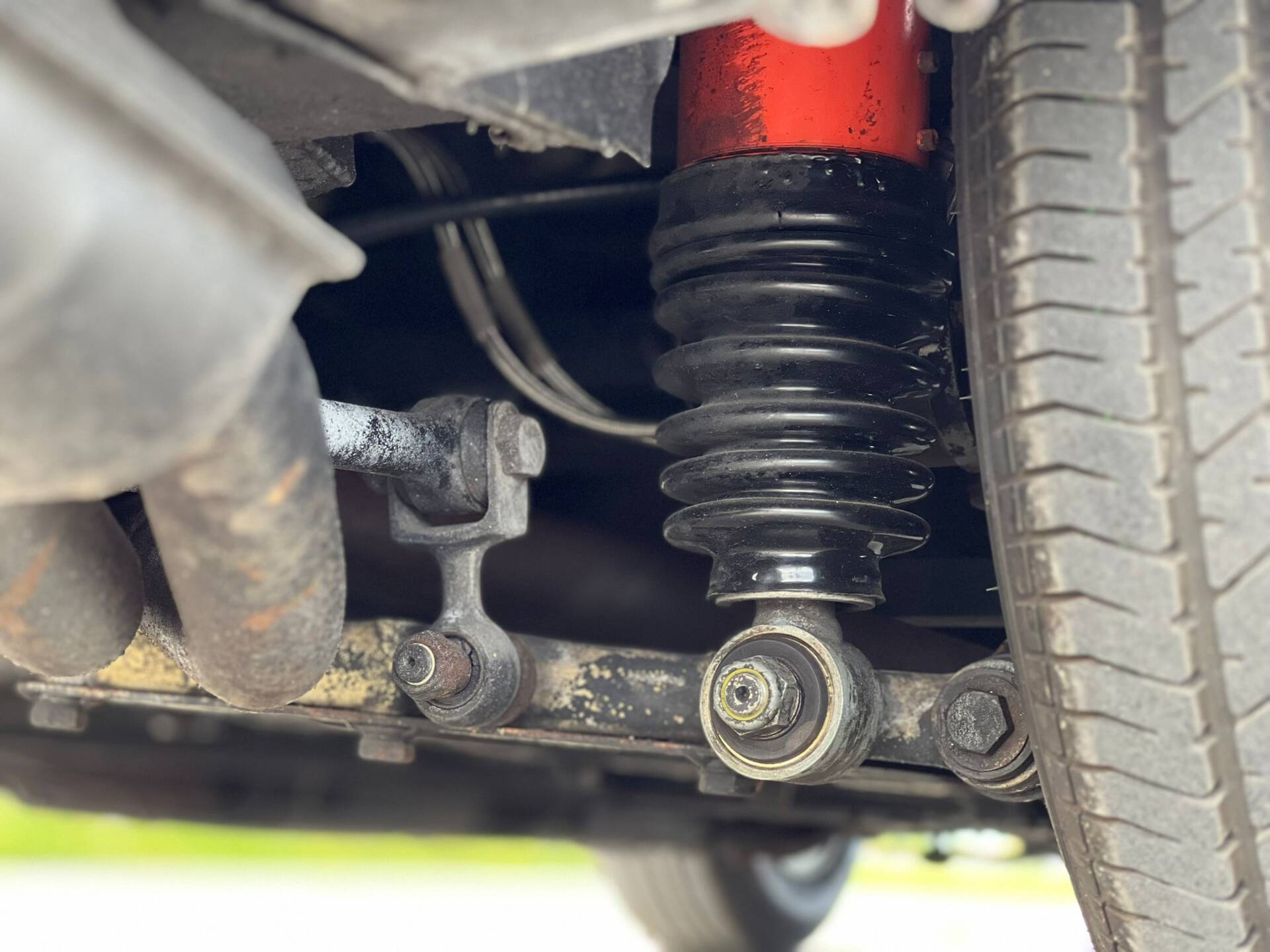
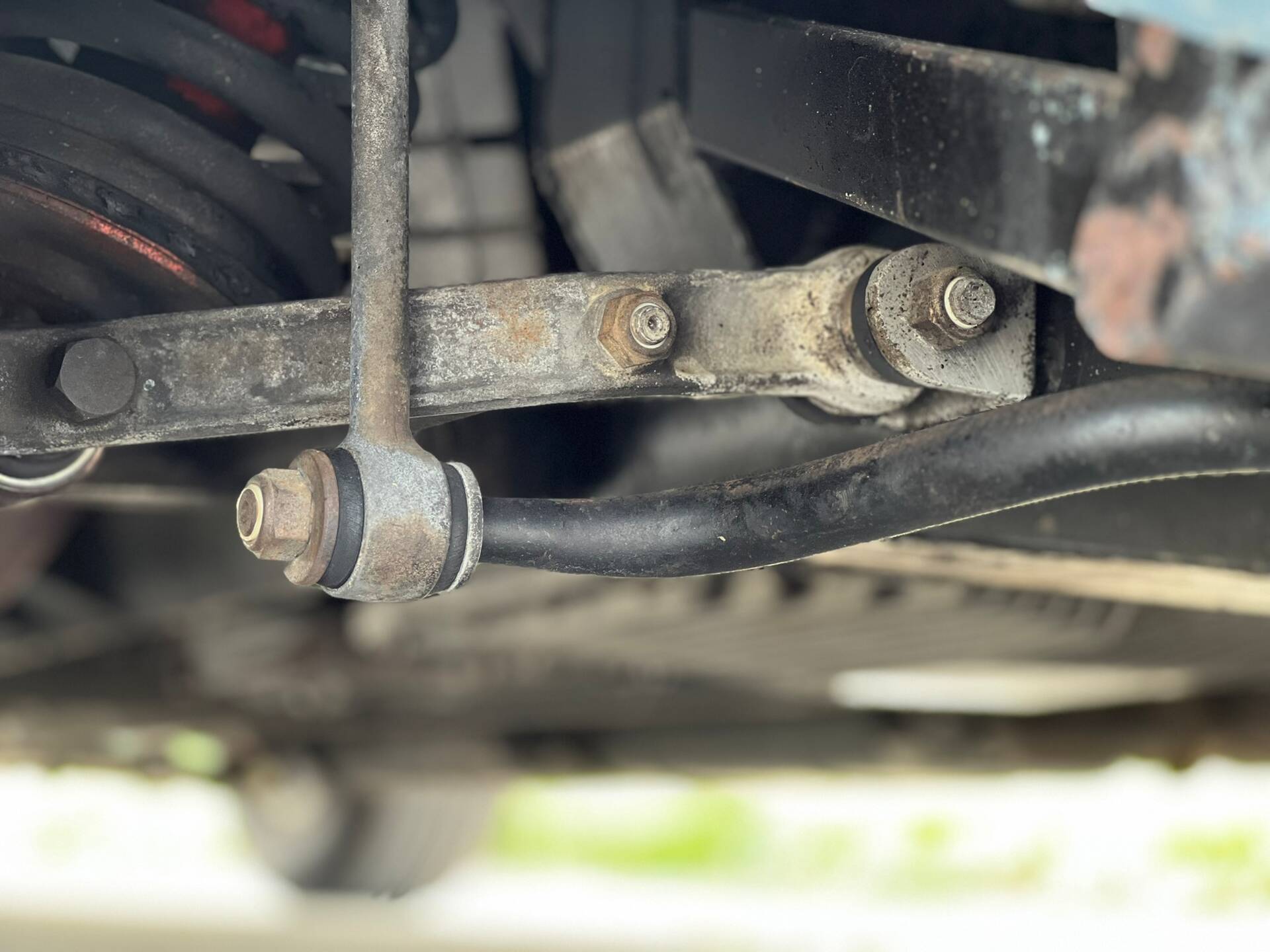
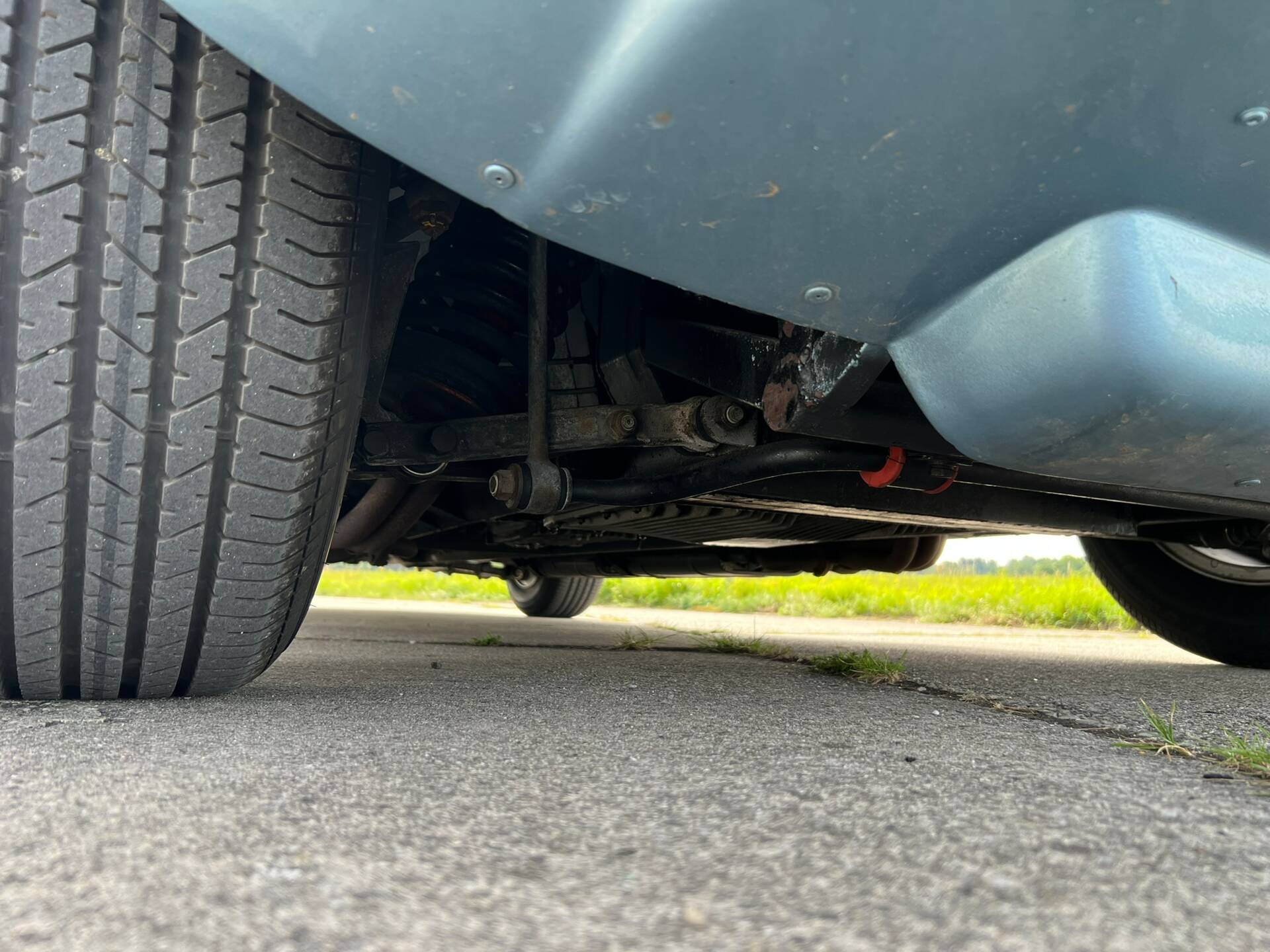
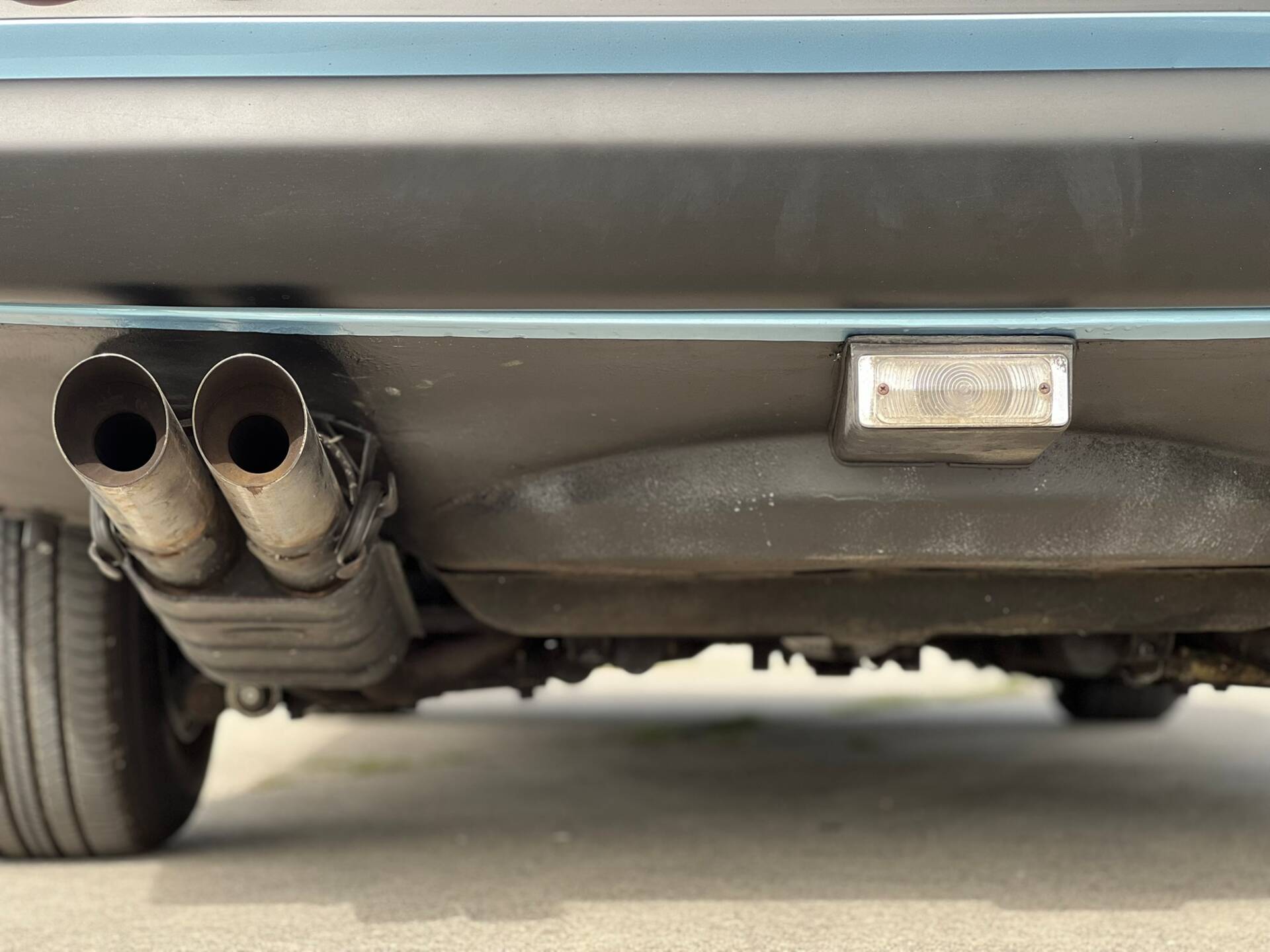
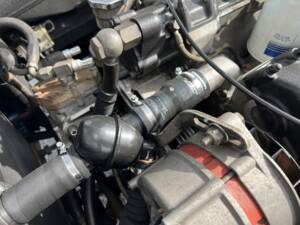
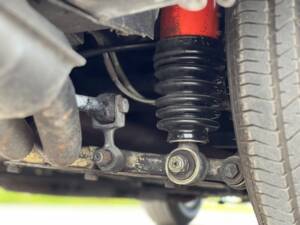
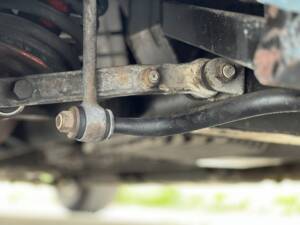
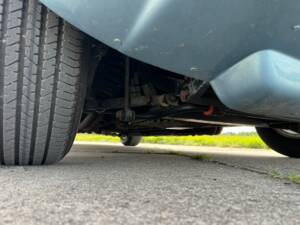
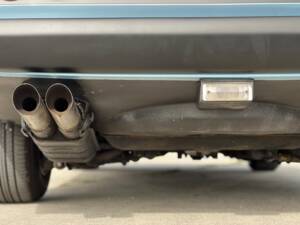
The front brake pads were replaced and the braking system restored to full function. The entire electrical system was brought back to order. Every rubber seal on the shock absorbers and axle components was renewed, as were the rubber elements throughout the ventilation, cooling and fuel systems. All belts were replaced, along with the rubber mounts holding the twin exhaust tips. The air conditioning, too, was fully restored, so that even on the hottest summer days the car offers the comfort one expects of a great grand tourer. The leather, already in remarkably youthful condition, received a deep conditioning treatment.
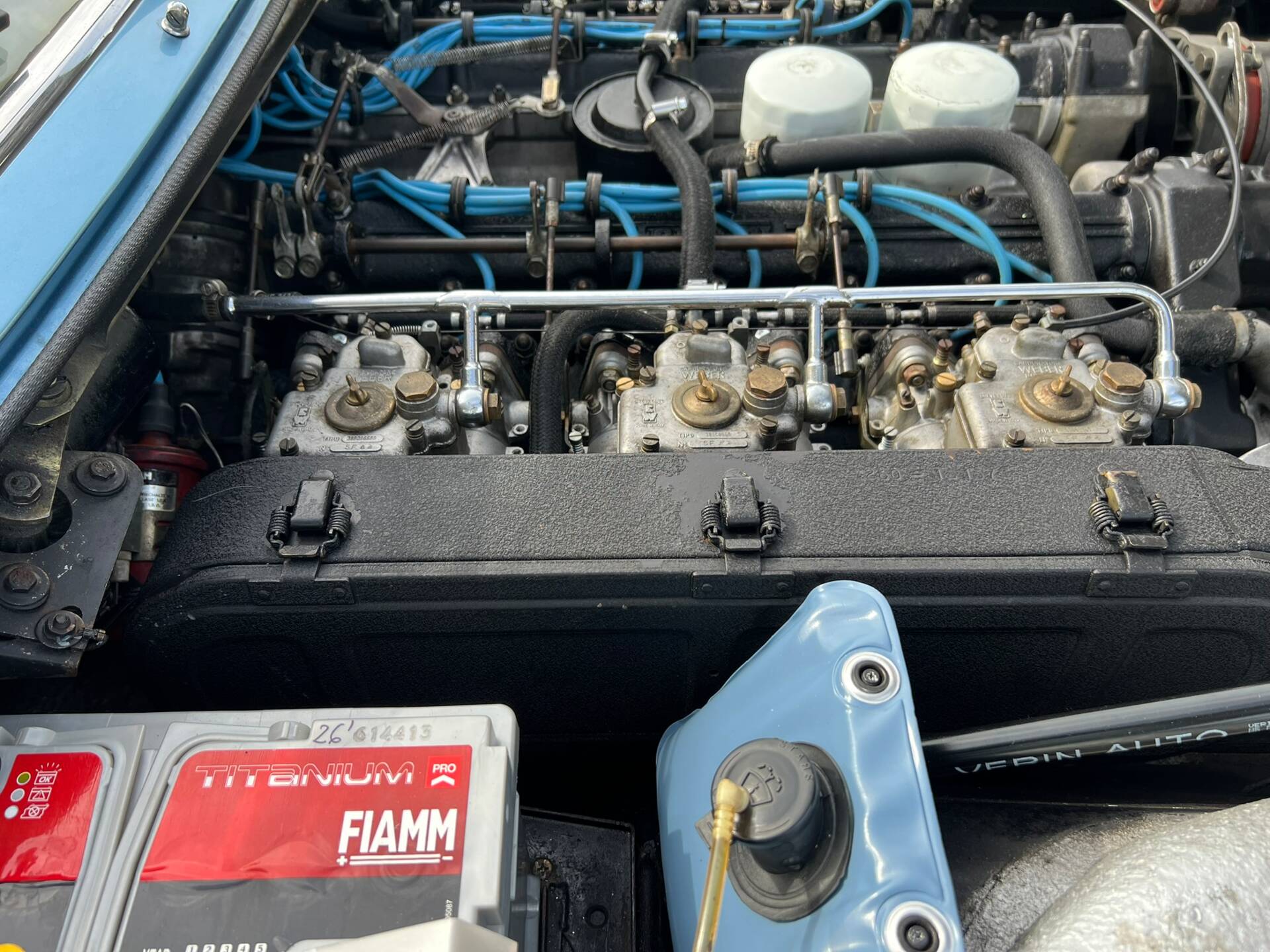
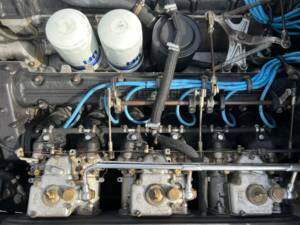
In total, some 130 hours were devoted to fine-tuning. At its heart lay the careful calibration of all six twin-choke Weber carburettors, the moment at which a running engine becomes a Ferrari one can entrust oneself to on every journey.