MG Metro classic cars for sale
The MG Metro stands as a compact British classic, embodying the evolution of small car engineering from the 1980s. As a sporting interpretation of the Metro family, it draws attention with peppy performance and a distinct metropolitan flair—qualities which make it a unique find among classic enthusiasts.
Search results
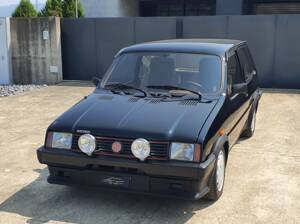
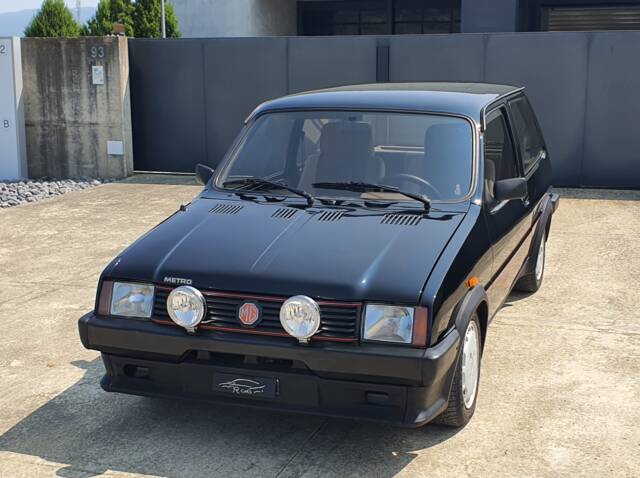
1984 | MG Metro Turbo
46 000 KM !!! 1 OWNER FROM NEW !!! BEST PLATE !!!

MG Metro listing references from Classic Trader
Below you will find listings related to your search that are no longer available on Classic Trader. Use this information to gain insight into availability, value trends, and current pricing for a "MG Metro" to make a more informed purchasing decision.
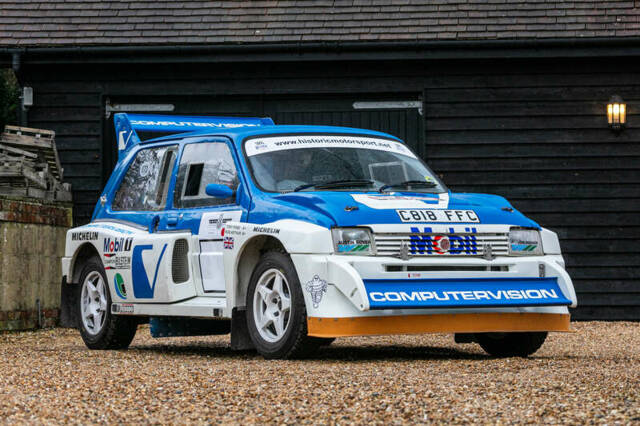
1986 | MG Metro 6R4 Clubman
1986 MG Metro 6R4 'Group B' Ex-Works 'C818 FFC'

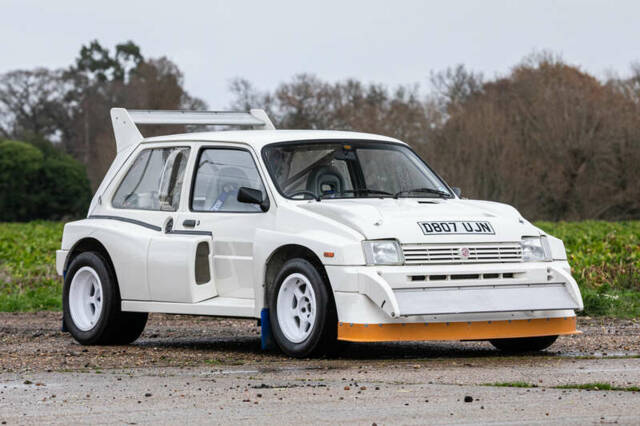
1987 | MG Metro 6R4 Evo
1987 MG Metro 6R4 'Clubman' - 3,423 Miles
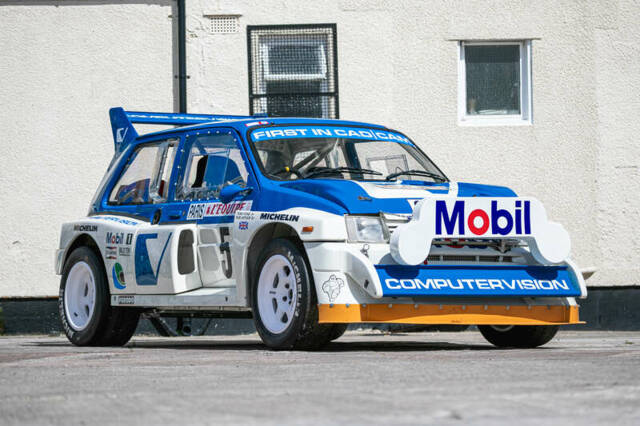
1985 | MG Metro 6R4 Clubman
1985 MG Metro 6R4 'Group B' Ex-Works 'C870 EUD'
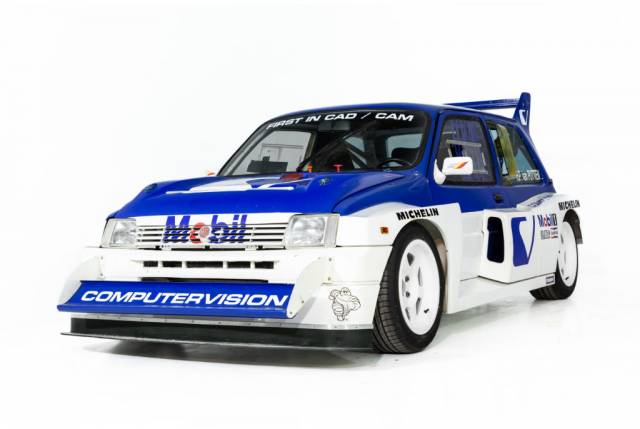
1986 | MG Metro 6R4 Evo

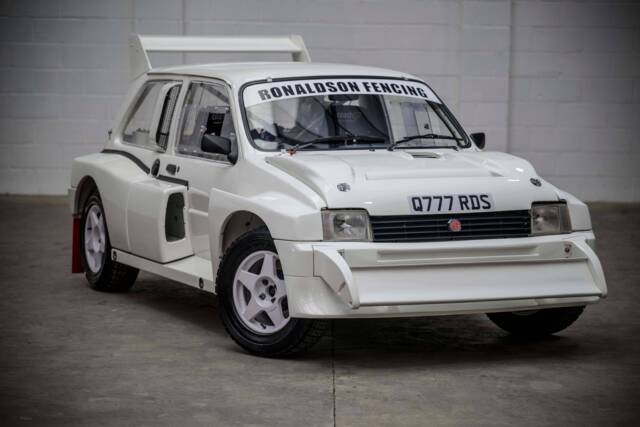
1989 | MG Metro 6R4 Evo
Recently Rebuilt - Cat 1 Rally Passport until Nov'33
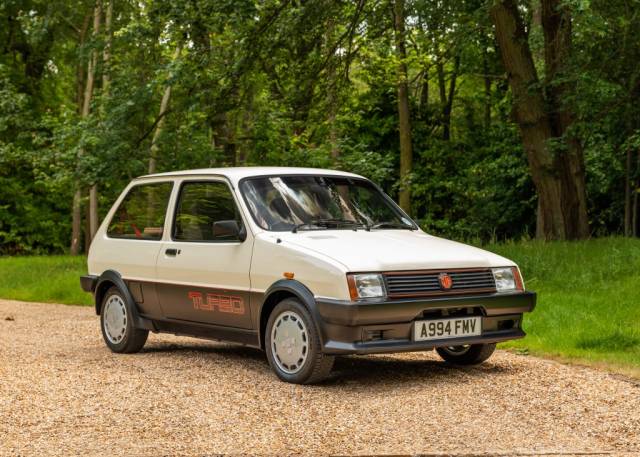
1984 | MG Metro Turbo
MG Metro Turbo
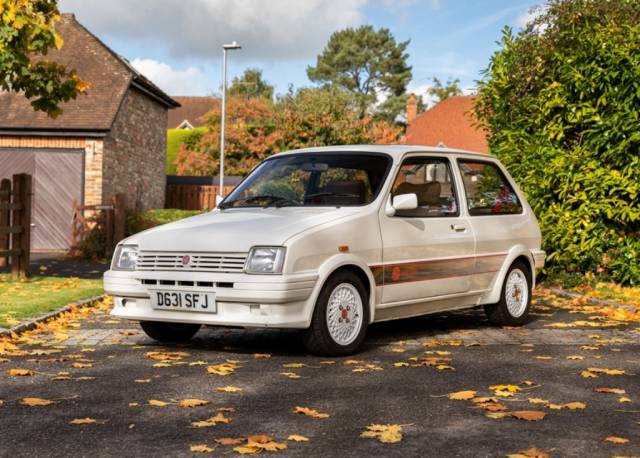
1987 | MG Metro 1300
MG Metro
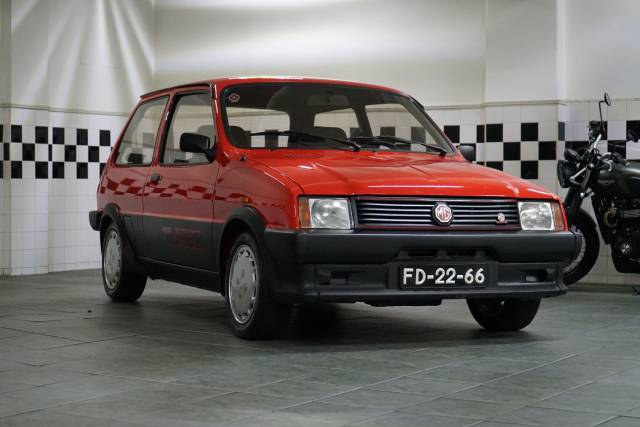
1983 | MG Metro Turbo
Documented A to Z restauration

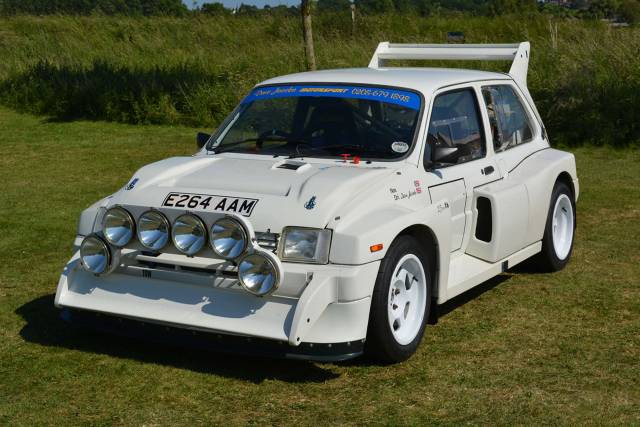
1988 | MG Metro 6R4 Clubman
1988 Rover Metro 6R4 - International Specification
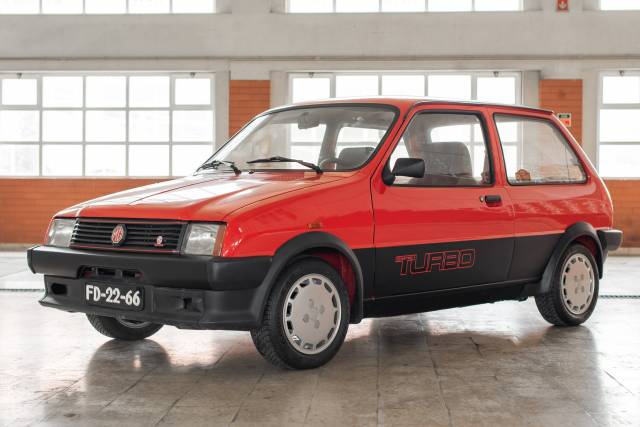
1983 | MG Metro Turbo
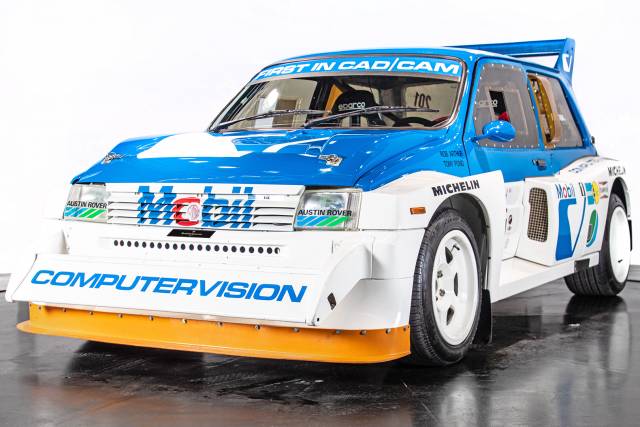
1985 | MG Metro 6R4 Evo
<h5 style="text-align: center;">CERTIFICATO DI COSTRUZIONE MG</h5>
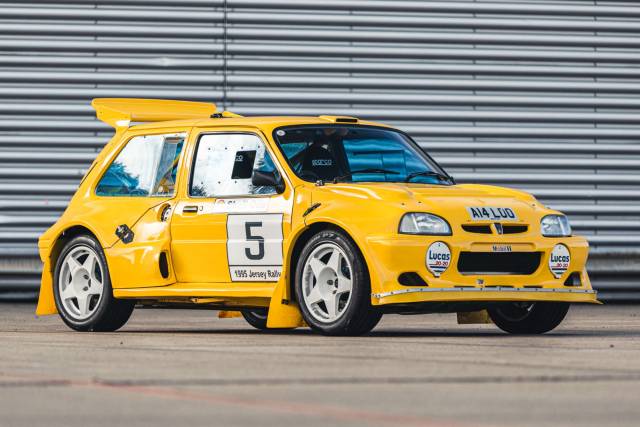
1987 | MG Metro 6R4 Clubman
MG Metro Classic Cars: Prices & Market Values
History of the MG Metro
Launched in 1980, the Metro was initially introduced as the Austin Mini Metro by British Leyland, targeting the supermini segment and city car markets in the UK and Europe. MG—the sporting brand of the group—lent its badge to a performance-oriented derivative, signalling a return to affordable and dynamic British motoring. Over the years, production continued under different brand banners as ownership passed from British Leyland to the Rover Group, keeping the model relevant until 1998. The development and presentation of the MG Metro was deeply intertwined with the wider efforts to modernise Britain's automotive industry in a competitive European landscape.
Model history
The Metro began life as an Austin model, but with MG's involvement came a sporting edge: improved suspension, sharper steering and distinctive styling touches. The original MG Metro served as a more spirited alternative to the standard variants, with the introduction of the MG Metro Turbo in 1982 marking a notable peak. The car retained its core layout throughout its production, standing as a bridge between the classic Mini and later Rover hatchbacks. There is no direct predecessor in the MG lineage; instead, the car picked up the thread where the original Mini left off and handed it on to the late 1990s’ Rover 100.
Highlights of the MG Metro
Key features of the MG Metro included sportier chassis tuning, unique interior touches such as red seat belts and a chunky leather wheel, as well as substantial engine upgrades over standard Metro models. The MG Metro Turbo, thanks to its forced induction A-Series 1275 engine, gained notoriety for strong acceleration in a light and compact package—making it an affordable hot hatch contender in its day. Period-correct graphics and bodywork additions, such as flared arches and distinctive alloy wheels, further cemented its appeal among enthusiasts.
Technical data
Special Editions and Collectible Models
The most noteworthy variant remains the MG Metro Turbo, produced from 1982, featuring a Garrett T3 turbocharger, uprated brakes, distinctive trim and body kit. While standard MG Metros are collectible in their own right for their period charm, the Turbo is especially sought after by those after a pure 1980s driving experience.
Weak Spots and Common Issues
No specific information on MG Metro weak spots has been provided. However, as with many small British cars of the era, attention should be paid to corrosion, especially around suspension mounting points and door sills. Original turbo units and carburettors should be checked for maintenance history, as should the cooling system, which can be a point of concern on turbocharged models.
Engine and Performance, Transmission and Handling
The MG Metro and especially the Metro Turbo established themselves as lively urban performers. The A-Series engines, though rooted in 1960s design, delivered surprising agility due to the car's low weight and compact footprint. The Turbo achieved nearly 93 horsepower, making it quick for its segment. Suspension improvements over standard Metros led to more confidence-inspiring handling, while disc brakes up front improved stopping power. - MG Metro Turbo (1275cc Turbo, approx. 93 hp)
- MG Metro 1300 (naturally aspirated, approx. 72 hp) Both models won praise for their punchy performance and nimble chassis, cementing their status as affordable driver's cars of their time.
Interior, Comfort, Exterior and design
Inside, the MG Metro set itself apart from lesser Metro variants with contrasting seat trim, sporting splashes of colour, and a three-spoke steering wheel. The Turbo featured special gauges indicating boost levels. Externally, added spoilers, wider bumpers, and alloys supplied a sporting look. The interior, although compact, was practical and the dashboard ergonomics reflected British standards of the early 1980s. Limited edition models occasionally featured unique colour schemes or decals, reinforcing the Metro's youthful appeal.
Other relevant features
The MG Metro served as a gateway model to performance motoring for a generation and laid the groundwork for later MG-badged Rovers. Its reputation today is underpinned by a passionate club following and a healthy parts supply, helped by its shared mechanical roots with classic Minis.
Summary
The MG Metro blends everyday usability with surprising performance and unmistakably British styling. Its historical significance stems from its role in MG's rebirth during the 1980s, as well as its influence on later generations of small performance cars. Enthusiasts value its feisty turbocharged editions and the unique mix of practicality and period sportiness found across the range.