Jaguar 340 Classic Cars for Sale
The Jaguar 340 stands out as the rare finale of the Mark 2 series, pairing the E-Type’s performance upgrades with a classic four-door British saloon body. With less than 2,800 units ever produced, this transitional model offers unique mechanical and aesthetic features that make it a favourite among connoisseurs. Discover the technical depth and heritage of the Jaguar 340.
Search results
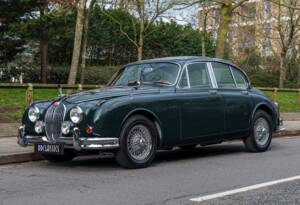
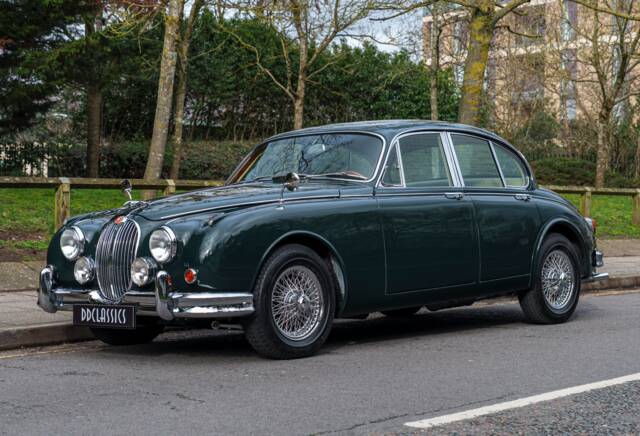

Jaguar 340 listing references from Classic Trader
Below you will find listings related to your search that are no longer available on Classic Trader. Use this information to gain insight into availability, value trends, and current pricing for a "Jaguar 340" to make a more informed purchasing decision.
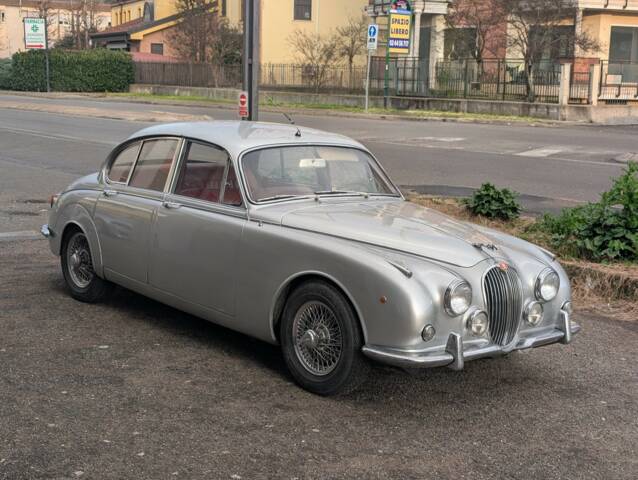
1968 | Jaguar 340
UNICA Per uso quotidiano

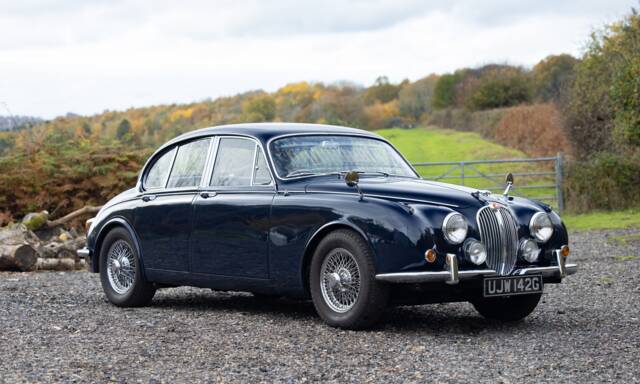
1968 | Jaguar 340
1968 Jaguar 340
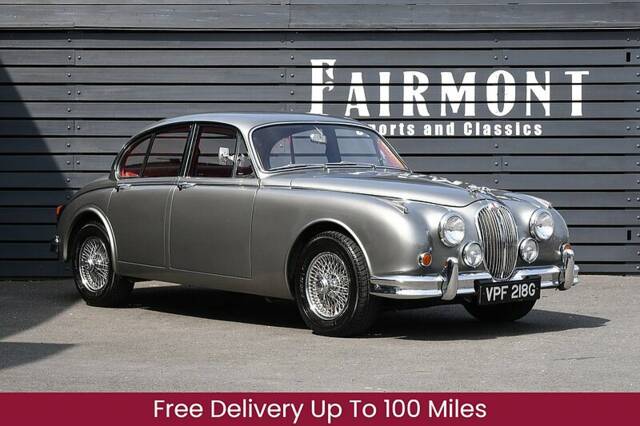
1968 | Jaguar 340
Jaguar 340

1968 | Jaguar 340
MKII

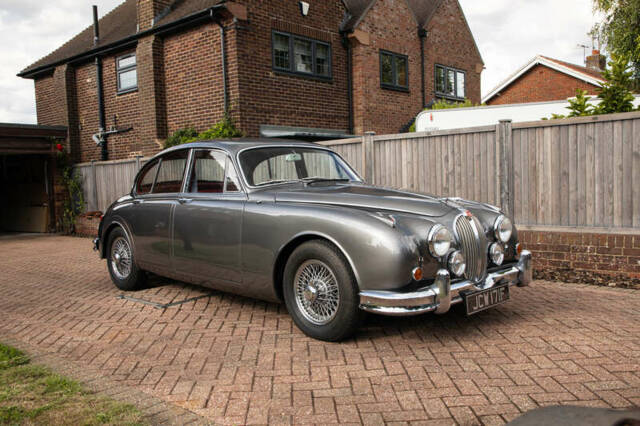
1968 | Jaguar 340
1968 Jaguar 340 (Manual Overdrive)
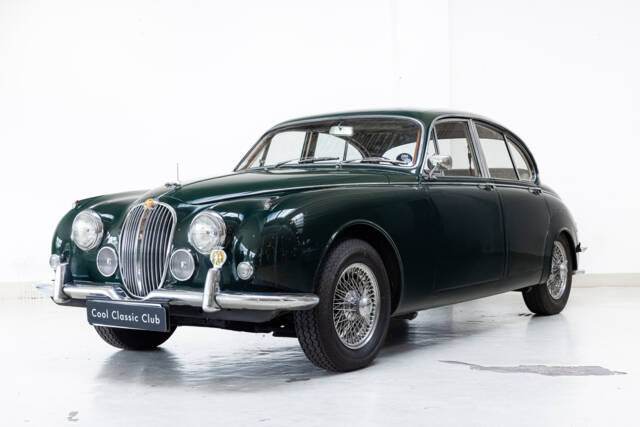
1969 | Jaguar 340
MK2 - Overdrive - Dutch delivered - Manual

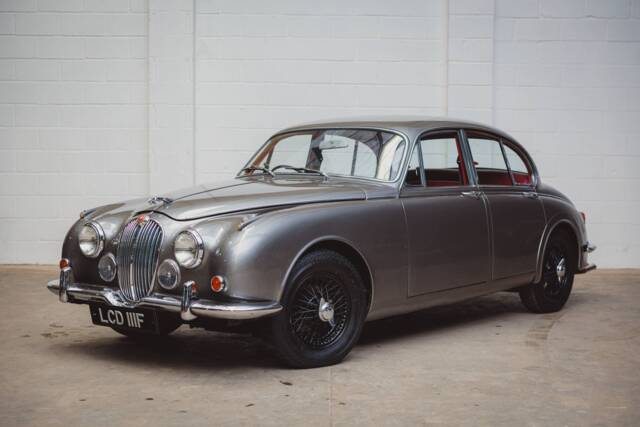
1968 | Jaguar 340
Large History File - 3.4ltr - Factory Overdrive
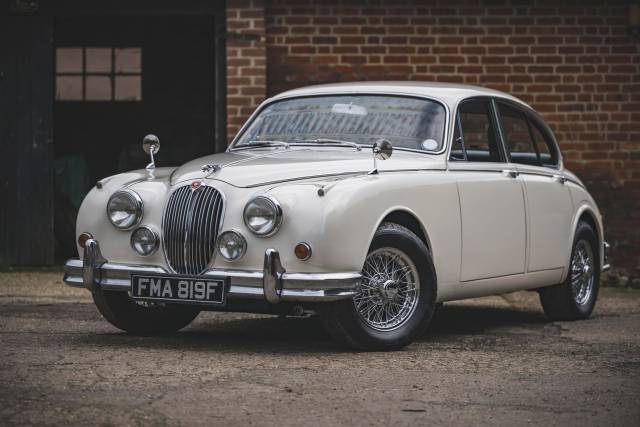
1968 | Jaguar 340
Lovely Example - Good History File
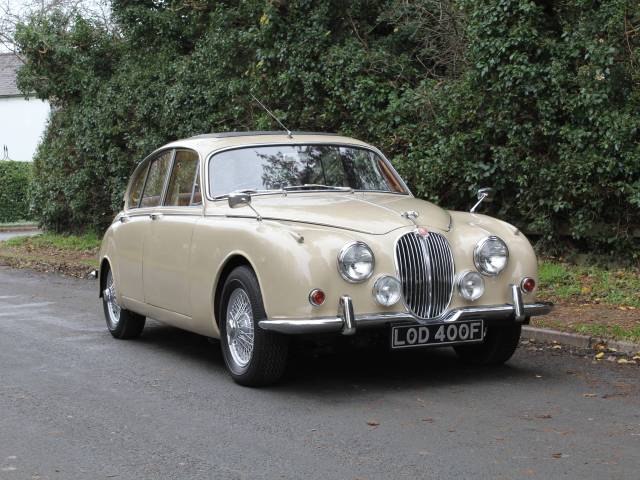
1968 | Jaguar 340
1968 Jaguar 340 - Manual with Overdrive
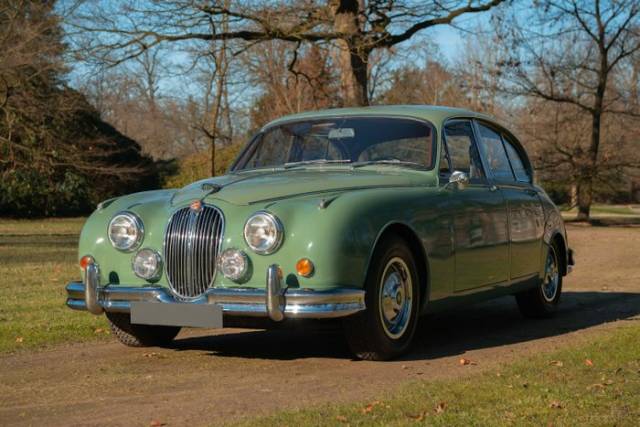
1967 | Jaguar 340
Jaguar - 340 - 1967
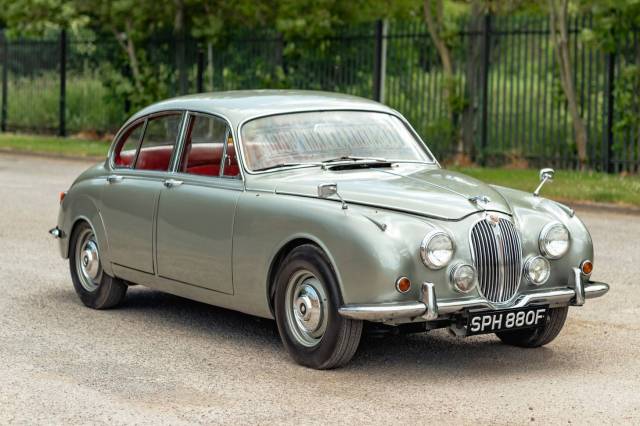
1967 | Jaguar 340
Fresh From A 2 Year Restoration - Rare 340 Guise
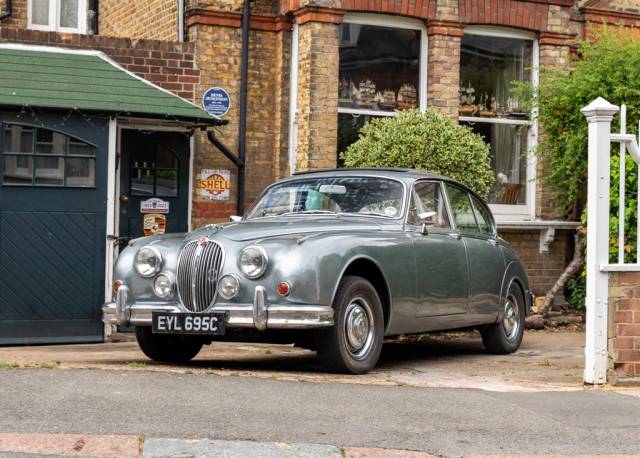
1965 | Jaguar 340
Jaguar 340
Jaguar 340 Classic Cars: Prices & Market Values
History of the Jaguar 340
Jaguar introduced the 340 as a bridge between the outgoing Mark 2 models and the arrival of the entirely new XJ6 in 1968. The 340 was born out of a rebranding and technical update to the Mark 2, continuing the tradition of midsized luxury sports saloons that began with the original Mark 1 and Mark 2 cars. The transition also marked the end of the larger 3.8-litre model, with the 340 occupying a niche of limited production, spanning only from 1967 until the XJ6’s introduction. Its exclusivity today is a direct result of a short production run and its role as a last hurrah for the Mark 2 lineage.
Model History
The Jaguar 340 is a direct evolution of the Mark 2 family, which started life in 1959. Upon the discontinuation of the Mark 2 3.8-litre, the 2.4- and 3.4-litre cars were rebadged as 240 and 340 respectively, with some technical improvements and reduced trim options for cost efficiency. The 340 used the straight-six 3.4-litre engine and ran until late 1967, when it was superseded by the XJ6. Only 2,788 340s left the factory, making it the least common Mark 2 variant aside from the never-produced 380.
Unique Features and Statistics
One defining highlight of the Jaguar 340 is the adoption of the E-Type’s straight port cylinder head, boosting performance well beyond previous Mark 2 standards. The lighter, slimmer chrome bumpers and simplified trim mark it visually. Interior luxury was kept with leather seats and burr walnut fittings. A period-correct feature is the option of a manual transmission with overdrive or a three-speed automatic, and a right-hand drive setup for UK models. Stainless steel exhaust systems are a common upgrade among well-kept examples. Less than 2,800 units make the 340 rare even among Jaguar enthusiasts.
Technical Data
Special Editions and Collectible Models
The uniqueness of the Jaguar 340 as a limited-production late Mark 2 makes every original, well-kept car a de facto collectible. Notable are UK market right-hand drive cars, those with overdrive, and cars upgraded with period-correct or modernised features such as stainless steel exhausts. No factory-limited editions are known, but the rare production count makes any unrestored or highly original 340 especially sought after among purists.
Engine and Performance, Transmission and Handling
The 3.4-litre XK engine, with its E-Type cylinder head, offers both robust reliability and lively acceleration for a classic saloon. The car’s dynamics benefit from moderate weight, rear-wheel drive, and a range of drivetrain options—manual with overdrive for enthusiasts or smooth automatic for comfortable cruising. Upgraded brakes, whether drum or disc, ensure adequate stopping power. The suspension and steering are designed for comfort, with enough feedback for engaging drives. Common optional equipment like power steering and overdrive transmissions further improve comfort and long-range credentials. Notable Jaguar 340 variants include those delivered with manual transmission and factory overdrive for driving enthusiasts, as well as select examples with full stainless steel exhaust upgrades and XJ6 seats with retrofitted headrests—providing extra safety and comfort in a classic package.
Interior, Comfort, Exterior and Design
Design signatures of the 340 include slimmer chrome bumpers than earlier Mark 2s, giving the car a lighter and sleeker visual form. The four-door body, steeped in British styling, is emphasised by chrome trim and period-correct badging. The interior, typically specified with hand-finished burr walnut dash and panels, high-grade leather seats, quality switchgear, and classic, analogue instrumentation, is both inviting and practical. Luggage space and rear passenger room are generous. Many cars feature sunroofs, wooden steering wheels, and original or upgraded audio systems. Common accessories include stainless steel exhausts and upgraded safety features, reflecting contemporary usability considerations but preserving originality.
Other Relevant Features
Some Jaguar 340s were extensively restored, with renewed bodywork, updated chassis, and retrimmed interiors featuring modern touches such as XJ6 seats with headrests. Many examples, particularly UK cars, were right-hand drive and a subset were imported into continental Europe, Germany included.
Summary
With just 2,788 units ever produced, the Jaguar 340 offers a unique transition between the Mark 2 series and the XJ6, benefitting from E-Type engineering influences and timeless British saloon aesthetics. Performance, exclusivity, and attention to period-correct detail combine in the 340, making it a compelling choice for classic Jaguar custodians prioritising rarity and mechanical authenticity.