Ford Vedette classic cars for sale
The Ford Vedette, produced by Ford SAF in Poissy from 1948 to 1954, stands out for its French engineering combined with American flair. Spacious, rear-wheel-driven, and featuring advanced options for its era, the Vedette remains a fascinating example of post-war European luxury motoring.
Search results
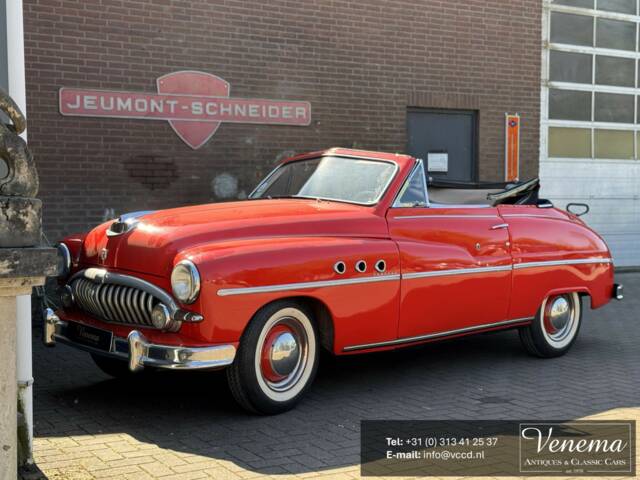
1951 | Ford Vedette
Ford Vedette
Ford Vedette listing references from Classic Trader
Below you will find listings related to your search that are no longer available on Classic Trader. Use this information to gain insight into availability, value trends, and current pricing for a "Ford Vedette" to make a more informed purchasing decision.
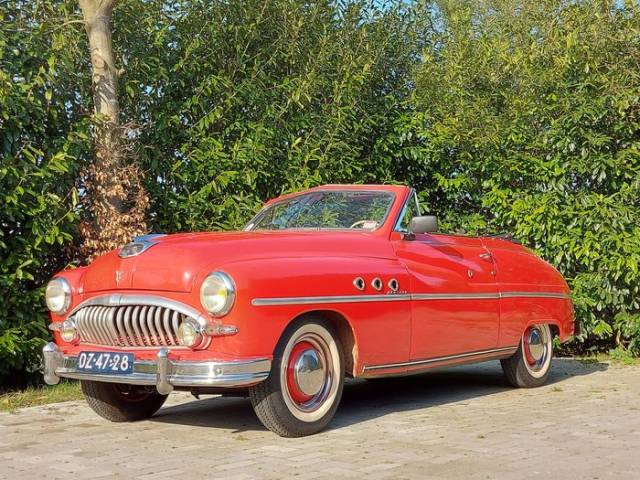
1951 | Ford Vedette
Ford - Vedette Cabriolet (transformable) - 1951
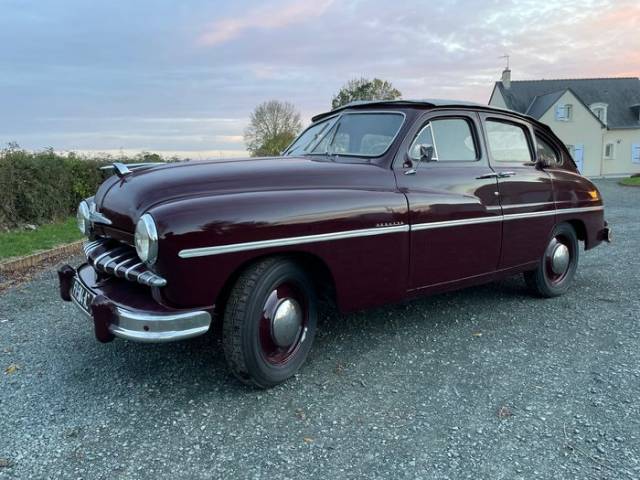
1952 | Ford Vedette
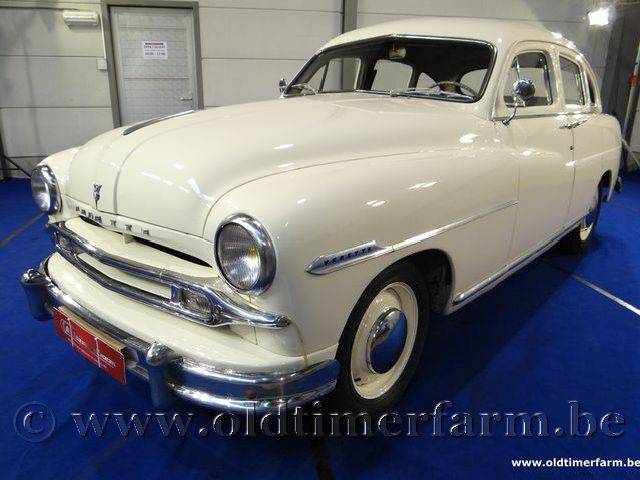
1955 | Ford Vedette
Ford Vedette V8 White '55
Ford Vedette Classic Cars: Prices & Market Values
History of the Ford Vedette
Launched in 1948 by Ford SAF in France, the Ford Vedette marked an ambitious step in the European automotive market for Ford. It was originally developed to bring American-style comfort and power to post-war Europe, assembled in the Poissy plant and tailored to the needs and tastes of French drivers. Production ran until 1954, during which the Vedette became known for its substantial size and robust engineering, distinguishing itself among contemporaries in a market still recovering from war. The Vedette's story is closely linked to a transitional time in France’s automotive industry, reflecting both innovation and adaptation to local conditions.
Model History
The Ford Vedette was the flagship in Ford's French range, replacing the Ford V8 models and succeeding none directly in the local lineup. Its lifespan from 1948 to 1954 saw various technical refinements, but the model kept its fundamental character as a large, luxurious sedan. After Ford sold its French subsidiary in 1954, the Vedette was succeeded in spirit by Simca's versions, as Simca acquired the Poissy plant and continued to produce variants based on the Vedette’s foundational design.
Highlights of the Ford Vedette
Key points that made the Ford Vedette stand out included its spacious five-seat interior, robust chassis with a wheelbase of 269 cm, and a weight of 1,270 kg—substantial for its time. The vehicle was equipped as standard with a 4-speed manual gearbox, a rarity in late-1940s France, and could be upgraded with the advanced Cotal electro-mechanical gearbox, notable for its steering column shift. The Vedette was delivered primarily as a two-door 'Coach' saloon, offering a blend of comfort and practicality for families and enthusiasts alike.
Technical data
Special Editions and Collectible Models
Certain Ford Vedette units were equipped with the optional Cotal electromagnetic gearbox, which offered much smoother gear changes and was considered an innovative accomplishment in post-war European automotive engineering. 'Coach' two-door models with specific trim levels or original French-market specifications are particularly sought after by collectors due to their relative rarity and historic value.
Weak Spots and Common Issues
Documentation on the Ford Vedette’s typical weak points is scarce, but as with many vehicles from this era, attention should be paid to rust-prone areas, electrical components, and the condition of rare transmission options like the Cotal electric gearbox. Preservation of original interior materials and chassis integrity can also present challenges due to the age of these models.
Engine and Performance, Transmission and Handling
The standard mechanical configuration of the Ford Vedette revolved around a robust rear-wheel-drive chassis paired with a four-speed manual gearbox, giving it solid traction and control even on the less-than-perfect road surfaces common in early 1950s France. The optional Cotal electromagnetic gearbox appealed to drivers looking for smoother and quicker gear changes. The Vedette's relatively high curb weight and long wheelbase contributed to a comfortable and steady ride. Enthusiasts appreciate the car's ability to deliver a classic driving experience with a distinctly French-American flavour. - Ford Vedette 1951 'Coach' (two-door saloon): 4-speed manual or optional Cotal electric gearbox, 5-seat layout, distinctive design for the French market.
Interior, Comfort, Exterior and design
The Ford Vedette showcases post-war European elegance with American influences—a smooth, rounded body, chrome accents, and a lengthy silhouette. Inside, it offers a grey interior with a five-seat configuration, tailored for both driver and passenger comfort. Period-specific details include classic instrument layouts and the option for a Cotal electric gearbox with a steering column shifter. Accessories such as custom luggage or rare trim packages occasionally appear, adding to originality and appeal for collectors interested in authentic details.
Other Features
Besides its technical and design aspects, the Ford Vedette marks an important chapter in the automotive relationship between France and the USA. Its production in the Poissy plant is notable, as it laid the groundwork for future French models after Ford SAF was acquired by Simca.
Summary
The Ford Vedette (1948–1954) embodies a unique blend of French craftsmanship and American design, created explicitly for a continental clientele in the aftermath of WWII. With advanced options like the Cotal electromagnetic gearbox and substantial size for its class, it remains a key entry in both Ford’s and France’s automotive histories. High supply and demand figures within classic circles underline its enduring relevance for collectors and enthusiasts searching for an authentic post-war European Ford.