Ford Probe classic cars for sale
The Ford Probe stands out as a unique liftback coupé from the late 1980s and 1990s, representing a remarkable blend of American design and Japanese engineering. Thanks to its front-wheel drive layout and sporty ambitions, the Probe delivers a distinctive driving experience. Discover all available Ford Probe classic cars here.
Search results
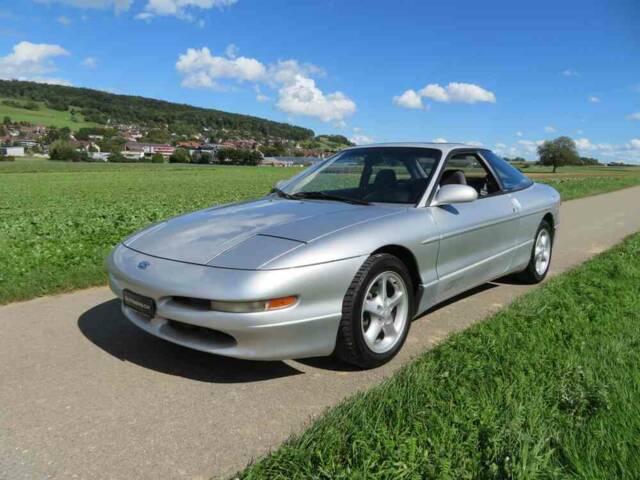
1993 | Ford Probe 2.5 24V
Swiss vehicle from 2nd owner! - MFK 12.2024!

Ford Probe listing references from Classic Trader
Below you will find listings related to your search that are no longer available on Classic Trader. Use this information to gain insight into availability, value trends, and current pricing for a "Ford Probe" to make a more informed purchasing decision.
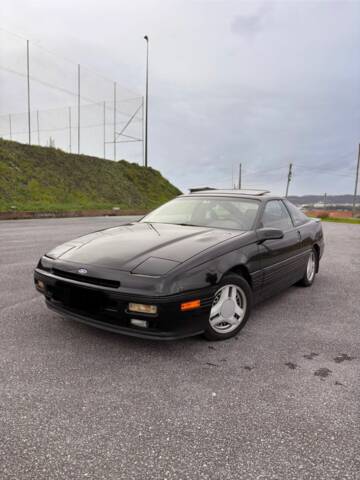
1990 | Ford Probe GT Turbo
Ford Probe GT Turbo | 1990 | Route 66 Auctions - For sale by auction. Estimate 3500 EUR

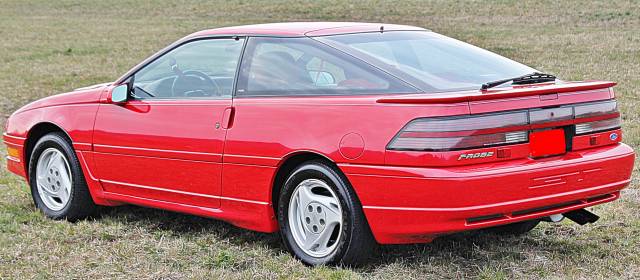
1991 | Ford Probe GT Turbo
Ford Probe GT Turbo 1 Hd. Checkheft 33 tsd. Meilen

Ford Probe Classic Cars: Prices & Market Values
History of the Ford Probe
Ford launched the Probe in 1988, capitalising on its strategic partnership with Mazda. Designed as a liftback coupé for a new generation of car buyers, the Probe was initially intended as a potential replacement for the Ford Mustang in the North American market, but it took on a character of its own, tracing its roots to the collaborative Ford-Mazda platform. Built on the Mazda G platform, the Probe moved away from Ford's traditional rear-wheel drive coupés and embraced front-wheel drive, embodying late-1980s trends for agile, efficient and contemporary vehicles. Production lasted until 1997, over which time the Probe was assembled in Flat Rock, Michigan, with strong Mazda influence evident throughout the car's engineering and driving dynamics.
Model History
Produced in two main generations, the Ford Probe first appeared in 1988 (Probe '89), with the second generation entering the market in 1993 (Probe '93). Both generations shared underpinnings with the Mazda Capella/626 but featured Ford-specific styling and interiors. While the first generation focused on a wedge-shaped profile and pop-up headlights, the second generation adopted smoother lines and improved aerodynamics. After 1997, Ford discontinued the Probe, marking the end of an interesting chapter of transpacific automotive cooperation. There was no direct successor, though the spirit of affordable coupés lived on in other Ford and Mazda models.
Highlights and Popularity
The Ford Probe stands out for its international origins—combining Mazda mechanicals with Ford styling. Features like the pop-up headlights on early models, sporty seating position, and contemporary dashboard design gave it youthful appeal. Its distinctiveness is also apparent in its availability; supply statistics reflect an even split: Probe '89 and Probe '93 each account for 50% of available classic probes. In terms of demand—gauged by listing views—the earlier Probe '89 models are currently twice as popular as the Probe '93, capturing 66.7% of all Ford Probe listing views.
Technical Data
Special Editions and Collectible Models
No limited editions or unique special models are widely recognised for the Probe, but models equipped with V6 engines, rare colour combinations or high factory specifications are of particular note for enthusiasts. The GT variant, with upgraded equipment and more potent engines, is a popular focus for collectors.
Weak Spots and Common Issues
No consistently reported weak spots or major recurring issues are documented for the Ford Probe in the available data. However, as with any coupé of its era, buyers should scrutinise service history, check for rust (particularly in regions with harsh winters), and give special attention to electronic systems and pop-up headlight mechanisms, especially in first generation cars.
Engine, Performance, Transmission and Handling
Thanks to the Mazda G platform, the Probe delivers nimble and composed handling, especially compared to other front-wheel drive coupés of its time. The available V6 provides adequate power and a satisfying soundtrack, while the four-cylinder engines offer a balance of economy and performance. Manual gearboxes, combined with the relatively low curb weight, allow for enthusiastic driving and responsive feedback. • Probe GT (notably with V6) • Probe '89 (notable for pop-up headlights, rawer driving experience) • Probe '93 (smoother styling, advanced comfort features)
Interior, Comfort, Exterior and Design
The Ford Probe’s design signals its era: the first generation is instantly recognisable by its sharp wedge profile and pop-up headlights, while the second generation features smoother, more aerodynamic lines. Interiors benefit from Mazda’s ergonomic influence—typical features include bolstered sports-style seats, an intuitively grouped dashboard and a digital instrument cluster on high-spec models. Accessory options ranged from alloy wheels to premium audio systems. Notable design highlights include large glass areas, futuristic rear light clusters and an overall profile that prioritises low drag and contemporary flair.
Other Features
A Ford Probe with well-preserved original paintwork, interior trim, and documentation is highly regarded among enthusiasts. Optional extras such as air conditioning or sunroof, when present and functional, add value. The Probe has developed a cult following, particularly among fans of 1990s coupés, who appreciate its blend of understated design and mechanical dependability.
Summary
The Ford Probe offers a unique value proposition: Japanese reliability coupled with American style, making it an interesting option for classic coupé enthusiasts. With a strong split between the '89 and '93 generations, buyers can choose between the pop-up headlight appeal of the earlier models or the more refined amenities of the later cars. Steady demand, especially for the first generation, points to increasing appreciation within enthusiast circles.