Ford Model C classic cars for sale
The Ford Model C stands as one of the earliest entry-level models from Ford, produced for a short period between late 1904 and 1905. Its technical innovations and historical positioning make it a prime choice for collectors seeking an authentic pre-T assembly from the Piquette Avenue Plant. Discover why the Ford Model C holds a unique place in automotive history.
Suchergebnisse
Zur Zeit sind keine passenden Inserate zu Ihrer Suche veröffentlicht.
Create search alert
Let yourself be notified as soon as a listing is published that matches your search filters.
Create listing
Do you have a Ford Model C that you want to sell? Then create a listing now.
Create listingFord Model C listing references from Classic Trader
Below you will find listings related to your search that are no longer available on Classic Trader. Use this information to gain insight into availability, value trends, and current pricing for a "Ford Model C" to make a more informed purchasing decision.
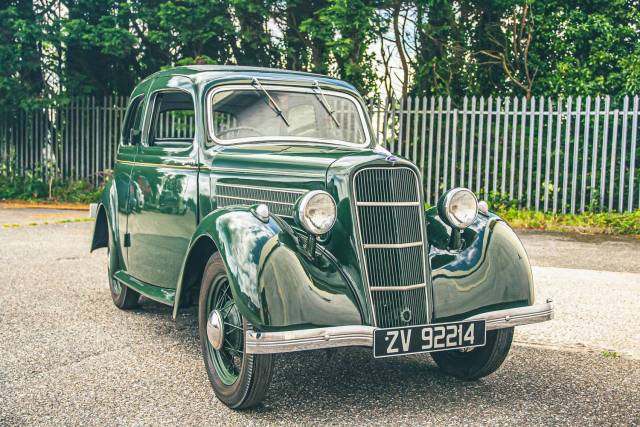
1936 | Ford Model C Ten
Very Rare and Low Mileage
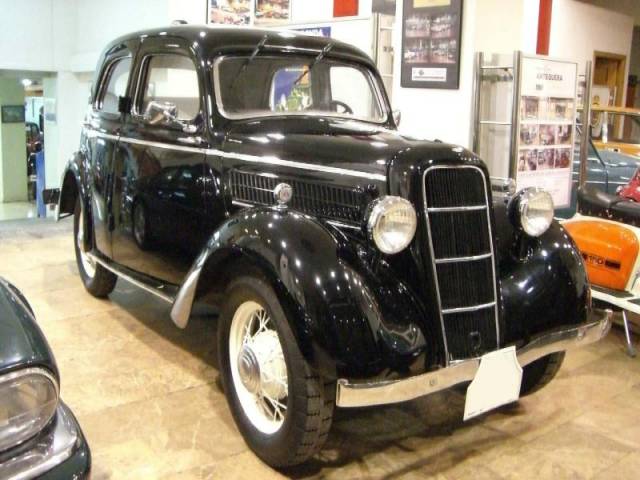
1937 | Ford Model C Ten
Create search alert
Let yourself be notified as soon as a listing is published that matches your search filters.
Create listing
Do you have a Ford Model C that you want to sell? Then create a listing now.
Create listingFord Model C Classic Cars: Prices & Market Values
History of the Ford Model C
Launched in late 1904, the Ford Model C was conceived as the more accessible alternative to the upscale Model B within Ford’s early lineup. Production focused around the 1905 model year, with initial sales starting in October 1904. The Model C benefitted directly from Horace Dodge’s significant design upgrades, notably to the engine and rear axle, as the Dodge Brothers were deeply involved in both parts production and as shareholders. Ford situated the Model C at the entry-level, utilising the same 10 hp engine as the 1904 Model A but improved with a longer wheelbase for better stability and ride quality. Around 1,000 examples were produced, with an important portion—approximately 160 to 170 units—assembled at the new Ford Canada plant in Walkerville, establishing the car's international reach early on.
Model History
The Ford Model C succeeded the Model A and served as Ford’s introductory vehicle until being succeeded by later models as the company progressed towards the legendary Model T. Its commercial role was to bridge the gap between the simpler Model A and the more upscale Model B, offering buyers greater affordability without sacrificing technical substance. The transition from the Model A’s shorter platform to the Model C's extended setup marked a notable step in Ford’s rapid development cycle during the brass era.
Highlights
A defining aspect of the Model C is the extensive engineering input from Horace Dodge, which improved engine reliability and rear axle design compared to its predecessor. The car utilised Dodge-built engines and critical assemblies due to the Dodge Brothers' dual role as suppliers and shareholders. Furthermore, it’s one of the few Ford models to be assembled both in Detroit and at the new Canadian facility, underscoring its international relevance for early adopters and institutions. Its positioning as Ford's entry-level offering gave it access to a broader customer base, while its brief production span ensures exclusivity among collectors.
Technical Data
Special Editions and Collectible Models
While the Model C itself was never produced as a limited edition, the units assembled in Walkerville, Canada (about 160-170 in total), are often sought after by collectors due to their distinct assembly location and significance in establishing Ford’s Canadian operations.
Engine and Performance, Transmission and Handling
With its 10 hp motor, the Ford Model C offered improved driving dynamics over the earlier Model A, partly due to its longer wheelbase and revised mechanicals. The influence of the Dodge Brothers on mechanical reliability and the robust, simple drivetrain made it a reliable option for its time. The rear axle improvements resolved known issues with earlier Fords, delivering smoother driving and more predictable handling for drivers venturing beyond city streets. Due to the short production span and limited total output, all variants of the Model C are considered historically noteworthy, with the Canadian-assembled cars representing a minor but distinctive subset.
Interior, Comfort, Exterior and Design
The Model C’s design was a refined evolution of the Model A, with elongated proportions thanks to the longer wheelbase. While designed for affordability, the coachwork was practical and tailored for daily operation rather than luxury. The input of the Dodge Brothers ensured that several mechanical elements, like the engine and axle, received design attention—less focused on ornamentation but firmly on function and reliability. Materials used were robust for their era, with exterior paintwork and finishes reflecting early twentieth-century standards. Accessories and trim were simple, prioritising operation over excess embellishment.
Other relevant features
The Model C’s status as an early international Ford—thanks to the Walkerville assembly—set a precedent for Ford’s long-standing multinational production philosophy. It also stands out as one of the few Fords where supplier influence (the Dodge Brothers) is directly traceable in the final product.
Summary
The Ford Model C marks a crucial step in Ford's early development, bridging two important eras in pre-T history. Its short production run, coupled with international assembly, Dodge Brothers engineering and unmistakable brass-era characteristics, positions the Model C as a historically significant classic that is as instructive to automotive historians as it is attractive to dedicated collectors.