Ford Model B classic cars for sale
The Ford Model B (1932) stands as a milestone in automotive engineering, introducing a refined four-cylinder engine alongside the option for Ford’s all-new Flathead V8. Whether as a Roadster or the sought-after Three-Window Coupe, the Model B captivates collectors and Hot Rod enthusiasts alike with its authentic 'Henry Ford steel' body and unmistakable 1932 grill design.
Search results
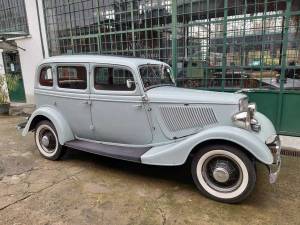
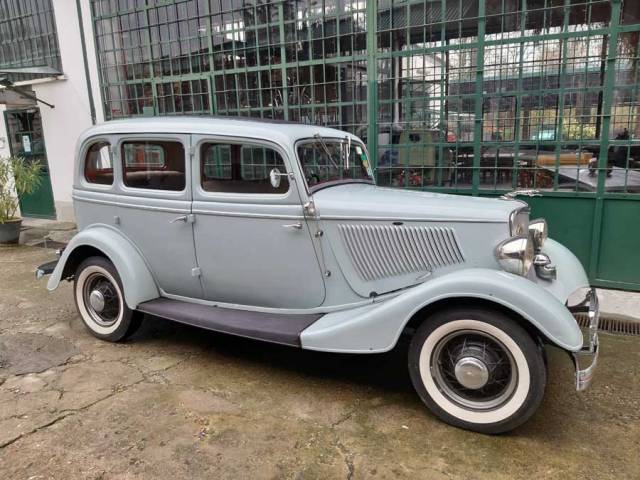
1933 | Ford Model B
SUMMER PRICE 2026 @ CITY MOTORS

Ford Model B listing references from Classic Trader
Below you will find listings related to your search that are no longer available on Classic Trader. Use this information to gain insight into availability, value trends, and current pricing for a "Ford Model B" to make a more informed purchasing decision.
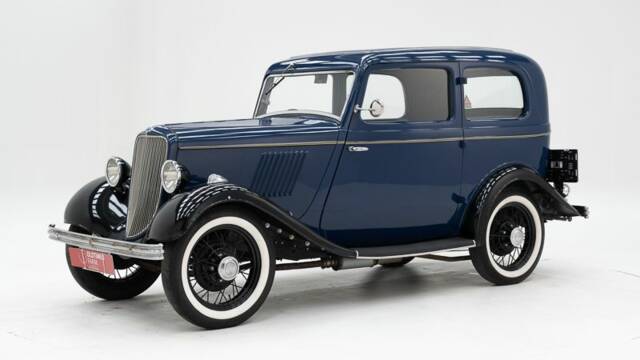
1932 | Ford Model B
1932 Ford Model Y 8 HP Tudor '32

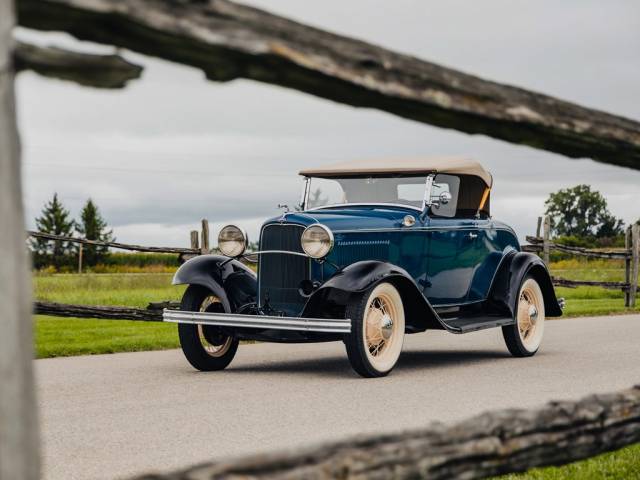
1932 | Ford Model B Roadster
1932 Ford Model B Roadster

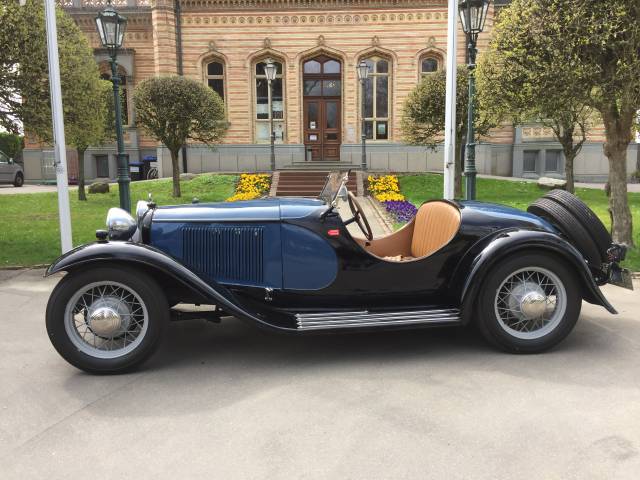
1932 | Ford Model B Roadster
Ford Model B-Special Sport 1932 6-Zylinder

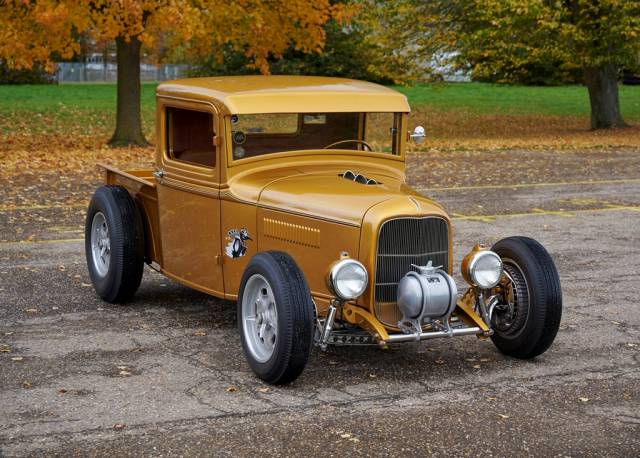
1937 | Ford Model B
Ford Model B Pick-Up Hot Rod
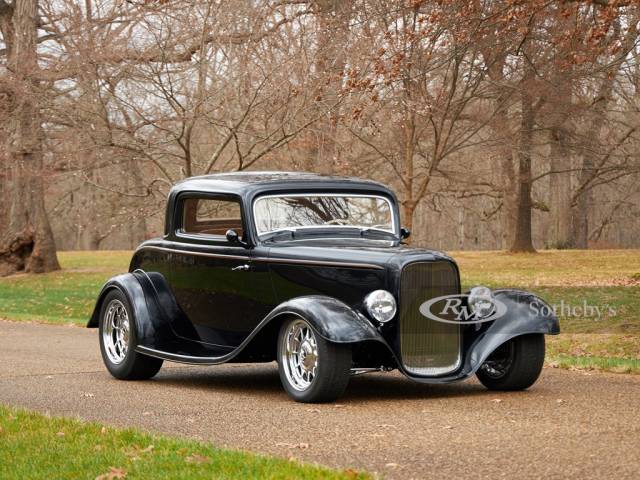
1932 | Ford Model B Hot Rod
1932 Ford Three-Window Coupe Custom
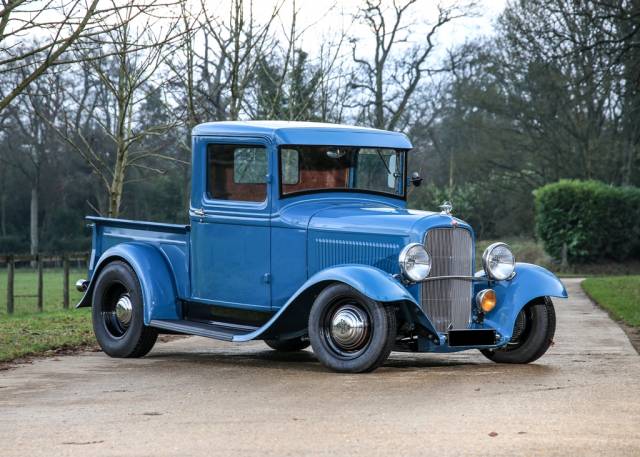
1932 | Ford Model B
Ford Model B Pick-up
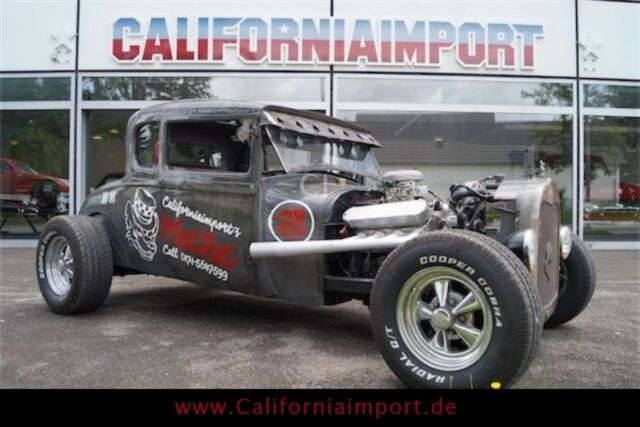
1932 | Ford Model B Hot Rod
Oldtimer Ford Hot Rod Mad Rat
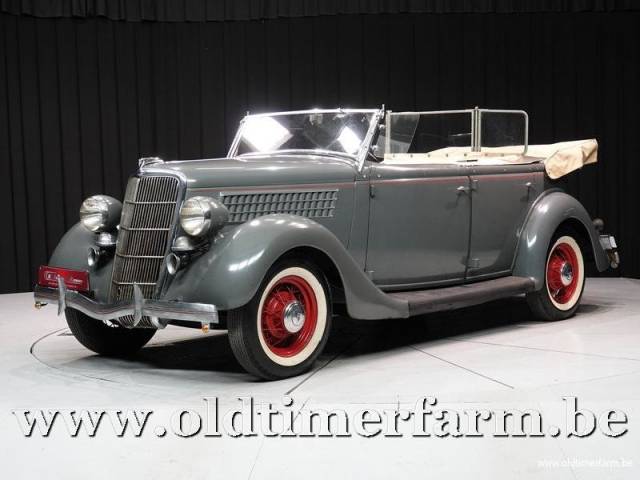
1935 | Ford Model B
1935 Ford B V8 4 door Phaeton '35
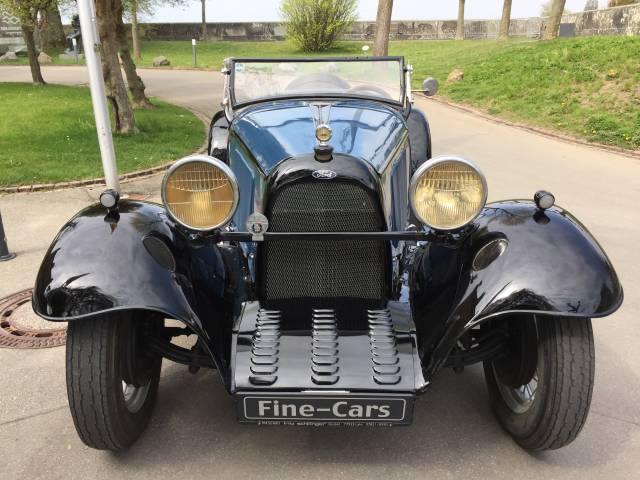
1932 | Ford Model B Roadster
Ford Model B-Special 1932
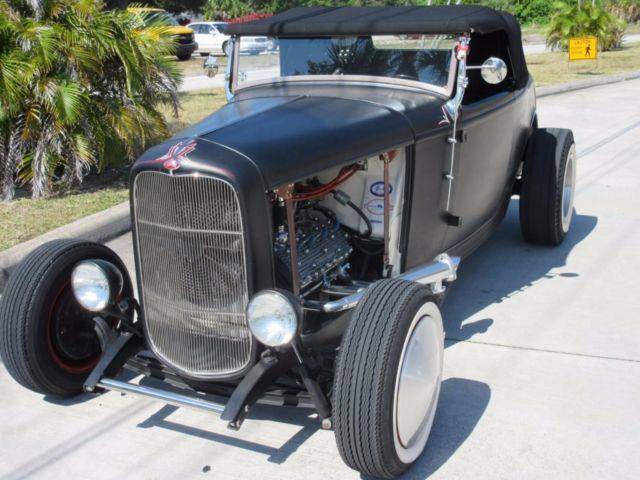
1932 | Ford Model B Roadster
Oldtimer Ford B V8 Hi-Boy - klass. Hot Rod - 255 Full Race FH
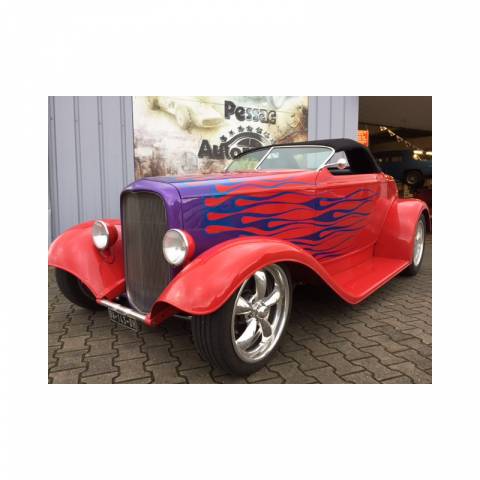
1932 | Ford Model B
FORD 32 HOT ROD

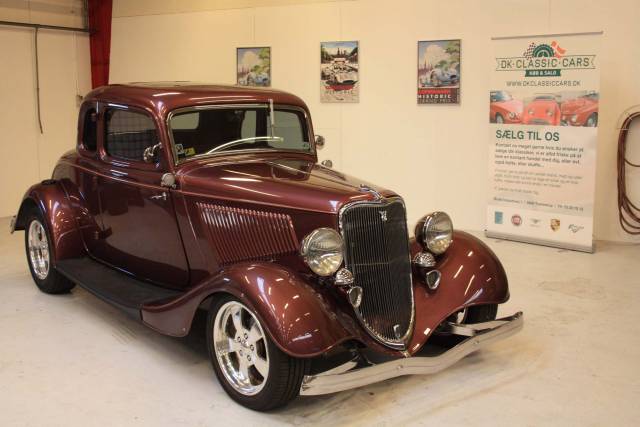
1933 | Ford Model B

Ford Model B Classic Cars: Prices & Market Values
Introduction and history of Ford Model B
In 1932, Ford presented the Model B, a car that redefined mass-market motoring. The Model B succeeded the popular Model A, updating the concept with sharper design and technical improvements. For the first time, buyers could choose between a modernised four-cylinder engine or, in the Model 18, Ford’s groundbreaking Flathead V8. The Model B’s body, constructed from substantial Ford steel, provided both durability and a perfect canvas for Hot Rod transformation, a trend that would make the 1932 Ford world-famous.
Model history
The Ford Model B replaced the Model A, streamlining Ford’s portfolio and marking a clear design and technology leap in 1932. While it retained core Model A virtues, the Model B took on a more modern, stylish appearance and introduced improvements in comfort and mechanics. Although built only in the 1932 model year, its short production run, multiple body styles, and the option for an eight-cylinder engine made it a pivotal chapter in Ford’s early 1930s evolution.
Highlights of Ford Model B
- Offered with a robust four-cylinder engine (50 hp); optional V8 (Flathead) engine in parallel line Model 18
- Multiple body styles: rare Roadster and Three-Window Coupe are most coveted
- Mid-mounted dashboard with minimal switches – classic and uncluttered factory look
- Original wire wheels and signature 1932 grille
- Frequently modified into Hot Rods; unaltered originals are increasingly scarce
- Genuine Canadian Model Bs can be recognized by their ‘CBQ’ chassis prefix
Technical data
Special Editions and Collectible Models
The Three-Window Coupe stands out due to its status among Hot Rod enthusiasts and its rarity in original condition. Other special variants include Canadian-built Model Bs, distinguished by the ‘CBQ’ chassis code and unique local details.
Weak Spots and Common Issues
No specific weaknesses are referenced in the available data. However, originality is of primary interest to collectors—many surviving Model Bs have undergone Hot Rod modifications or engine swaps, which can complicate restoration or assessment of authenticity. Due diligence regarding drivetrain originality and body modifications is highly recommended.
Engine and Performance, Transmission and Handling
The Model B’s main engine, an improved 3.3-litre four-cylinder with 50 hp, offered reliable performance for the time. The Model 18 V8 upgrade was a breakthrough, delivering smoother acceleration and marking an early benchmark for affordable performance. Factory front suspension used a solid axle, while many customs feature later independent setups. Hot Rod and custom Model Bs may be fitted with engines such as the Chevrolet LT1 V8 and automatic gearboxes, significantly altering handling and power delivery. - Ford Model B Roadster: Sought for open-air motoring and collectible appeal
- Ford Model B Three-Window Coupe: Celebrated for body stiffness and aesthetics, a core base for Hot Rods
- Model B Four-Door Sedan: Preferred by restorers for originality
Interior, Comfort, Exterior and design
The 1932 Model B received newly styled bodies, departing from the utilitarian look of its predecessors. The prominent upright grille, sweeping fenders, and wire wheels distinguished it visually from earlier Fords. The cabin featured a mid-mounted dashboard for uncluttered control, finished with minimal switches—a style often retained in custom builds. Paint options varied by market; 'Henry Ford steel' bodies, original interiors, and rare accessories such as factory radios or rear luggage racks are highly prized by enthusiasts. "Special design features" like the celebrated 'three-window' configuration and body buckles contribute to its reputation among collectors.
Other relevant features
Canadian Model Bs feature the 'CBQ' chassis prefix, marking them as distinct internationally. Purists especially seek these regional variations. Many original cars have been transformed—sometimes irreversibly—into Hot Rods or customs, meaning properly maintained, untouched Model Bs are rare finds at shows and auctions.
Summary
The 1932 Ford Model B stands as a defining, technically advanced vehicle in classic car history. Lauded for introducing innovation like the Flathead V8 and for its versatility as both a factory model and a base for Hot Rods, the Model B remains essential to Ford enthusiasts and collectors serious about 1930s American motoring.