- Automobile
- Ford
- Ford Maverick (0 offerte)
Ford Maverick classic cars for sale
The Ford Maverick range spans five distinct vehicle generations, covering compact cars, SUVs, and pickups, produced from the 1970s to the present. Known for their diversity, Mavericks have served drivers from North America to Australia and Europe, with each generation offering unique driving experiences and technical features.
Risultati della ricerca
Attualmente non ci sono annunci corrispondenti alla tua ricerca.
Create search alert
Let yourself be notified as soon as a listing is published that matches your search filters.
Create listing
Do you have a Ford Maverick that you want to sell? Then create a listing now.
Create listingFord Maverick listing references from Classic Trader
Below you will find listings related to your search that are no longer available on Classic Trader. Use this information to gain insight into availability, value trends, and current pricing for a "Ford Maverick" to make a more informed purchasing decision.
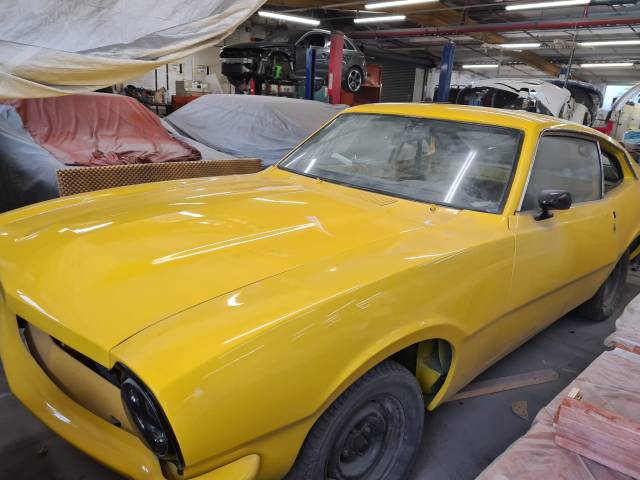
1971 | Ford Maverick 250
1971 Ford Maverick Project

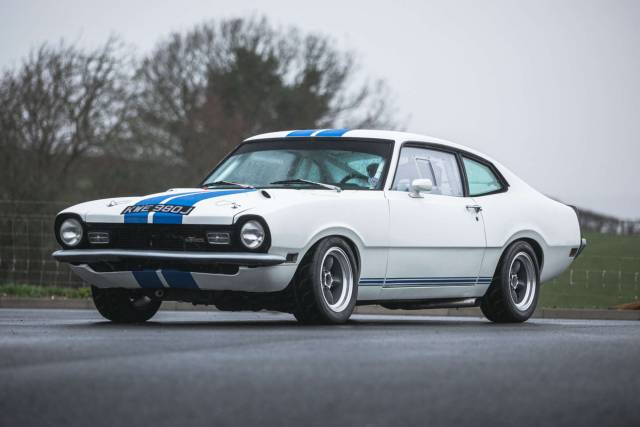
1971 | Ford Maverick Grabber 250
1971 Ford Maverick Grabber
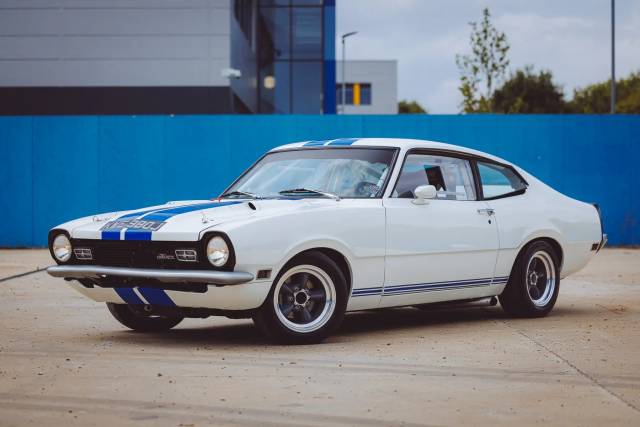
1971 | Ford Maverick 250
Ready to Race - Or Just 'Grab' Attention!
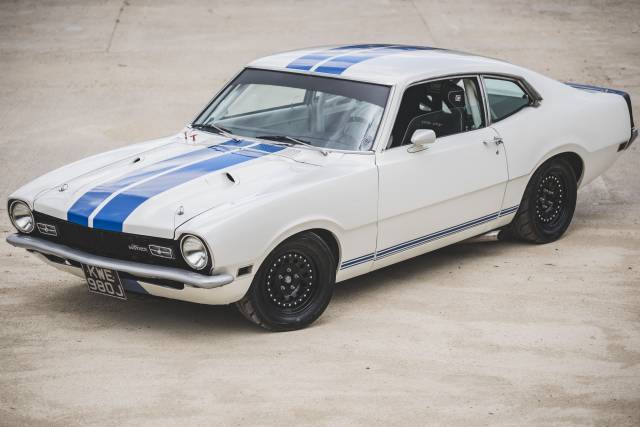
1970 | Ford Maverick Grabber 250
Interesting + Well prepared race entrant
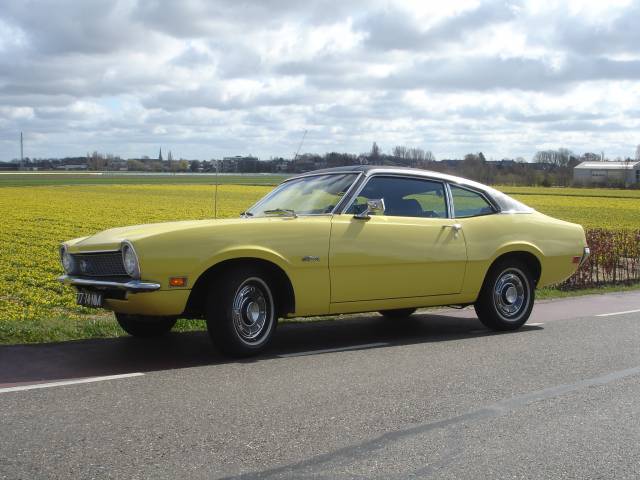
1970 | Ford Maverick 250
Ford Maverick

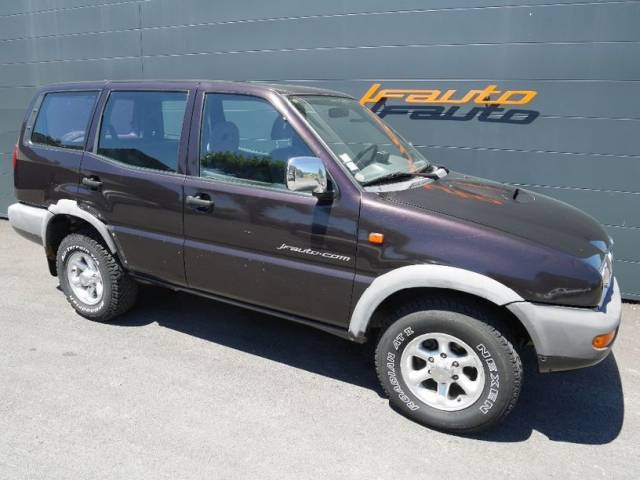
1997 | Ford Maverick 2.7 TD
7 Places, Clim.

Create search alert
Let yourself be notified as soon as a listing is published that matches your search filters.
Create listing
Do you have a Ford Maverick that you want to sell? Then create a listing now.
Create listingFord Maverick Classic Cars: Prices & Market Values
History of the Ford Maverick
The Ford Maverick nameplate first appeared in 1970 as a compact car for the North American and Brazilian markets, positioned as an affordable, practical alternative to the traditional full-size sedan. Ford subsequently applied the Maverick name to a diverse set of models worldwide, including a rebadged Nissan Patrol Y60 SUV in Australia (1988–1994), a Nissan Terrano II-based off-roader in Europe (1993–1999), the European and Chinese Ford Escape (2001–2005), and, most recently, a compact pickup truck in the Americas from 2022 onwards. This flexible use of the Maverick badge speaks to Ford's strategy of adapting to a variety of automotive markets and consumer needs, resulting in a lineage characterised by adaptability and evolution.
Model History
The Maverick's journey began with the 1970–1977 compact car, created to offer economy without sacrificing style or practicality. Its successors did not share the original’s platform or body type, as Ford opted to reuse the Maverick name for region-specific vehicles: the Nissan Patrol Y60 (Maverick) for Australia responded to the 4x4 utility market, while the Nissan Terrano II-based Maverick in Europe targeted the growing demand for capable off-roaders. The Maverick badge appeared again on a rebadged Ford Escape in Europe and China, and in 2022 was revived as a compact pickup for the Americas, indicating Ford's willingness to reinterpret the Maverick for new eras and audiences.
Highlights of the Ford Maverick
No other Ford model shares the Maverick’s diverse portfolio: it's been a compact car, an SUV, and a pickup across different continents. The variety of platforms and engines used under this badge reflects ongoing market trends and regulatory demands in each country. The early models caught attention for their affordability, while later versions—especially the SUV and pickup—catered to buyers seeking practical utility. Limited to the Maverick, this eclectic product lineage stands out among historic Ford offerings.
Technical Data
Special Editions and Collectible Models
Throughout its production, special editions of the Ford Maverick have typically reflected local market tastes and promotional tie-ins, particularly for the 1970s compact cars in North America, where 'Grabber' and decorated trim levels were briefly available. These versions are sought after for their unique visual details and, sometimes, upgraded engines or suspension.
Engine and Performance, Transmission and Handling
The original Maverick compact cars were known for strong durability and straightforward mechanics, often featuring simple suspension setups optimal for everyday use and easy servicing. Australian and European Mavericks, being rebadged SUVs, featured more advanced 4x4 systems and heavier-duty drivetrains, which provided respectable off-road ability but also resulted in increased maintenance complexity. Today's Maverick pickup features contemporary powertrains with an emphasis on efficiency and utility. Early V8 Mavericks appeal for their period performance and modifiability. The Australian Maverick (Nissan Patrol Y60) is renowned among off-roaders for its robust chassis and torque-rich engines. European Terrano II-based Mavericks attract those seeking an affordable vintage 4x4 experience.
Interior, Comfort, Exterior and Design
Design details vary significantly across Maverick generations. The 1970s North American Maverick exhibited clean lines and compact proportions, with vinyl and bench seats commonly specified. Optional luxury packages in certain years added brightwork, unique paint, and sport-style wheels. The Australian and European Mavericks emphasized practicality and off-road utility, with rugged interiors, durable trim materials, and exterior details suited for challenging conditions. The latest Maverick pickups blend a modern cabin layout with digital controls, utility-focused bed designs, and adaptable interior configurations. Accessories such as roof racks, towing equipment, and special paint finishes were frequently available across ranges, depending on local market demands.
Other Noteworthy Features
Across markets, Mavericks have often been available with local adaptations such as alternate lighting, emissions systems, or market-specific accessories, reflecting Ford’s regional approach. Parts availability ranges depending on the generation and the donor vehicle from which the Maverick was derived.
Summary
The Ford Maverick history consists of distinctly different vehicles, each aimed at answering specific market needs—from the North American compact car era to European and Australian SUVs, and the present-day compact pickup scene. With no other Ford model range demonstrating this level of variation under a single nameplate, the Maverick stands out for its adaptability and evolutionary nature in the classic car world.