Ford Formula Ford classic cars for sale
The Ford Formula Ford is the gateway to single-seater racing for countless drivers and collectors. Featuring a stripped-down design and Ford Kent engine, Formula Ford models offer unparalleled insight into pure racing engineering and the development of grassroots motorsport talent.
Resultados de la búsqueda
Actualmente no hay anuncios que coincidan con su búsqueda.
Create search alert
Let yourself be notified as soon as a listing is published that matches your search filters.
Create listing
Do you have a Ford Formula Ford that you want to sell? Then create a listing now.
Create listingFord Formula Ford listing references from Classic Trader
Below you will find listings related to your search that are no longer available on Classic Trader. Use this information to gain insight into availability, value trends, and current pricing for a "Ford Formula Ford" to make a more informed purchasing decision.
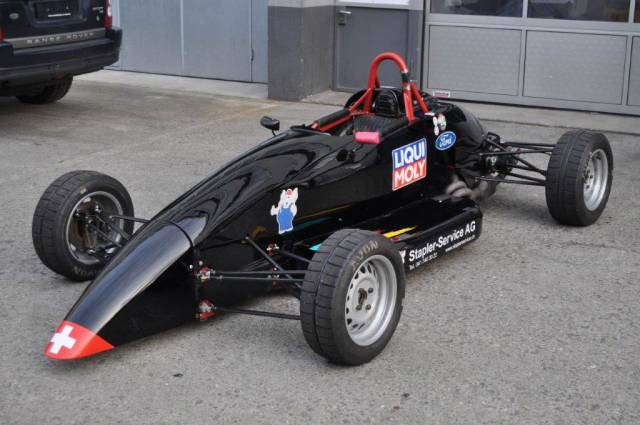
1994 | Ford Formula Ford Faster AF96
Rennwagen Formel Ford Zetec 1800

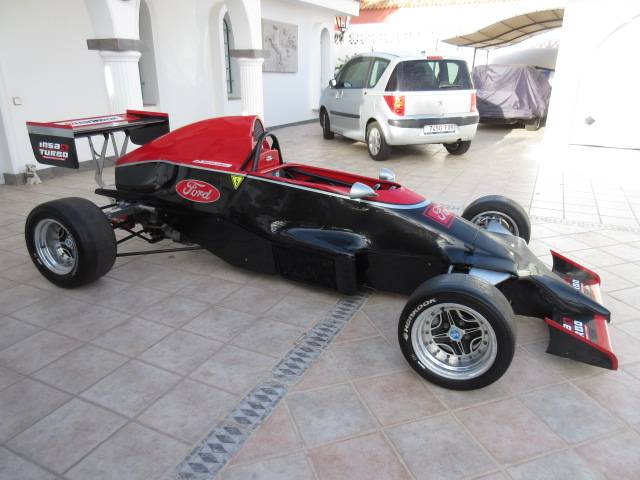
1984 | Ford Formula Ford 3 Superformance
Monoposto Formel 3 Rennwagen 1300 Performance, neuwertig, Eintausch/Tausch.

Create search alert
Let yourself be notified as soon as a listing is published that matches your search filters.
Create listing
Do you have a Ford Formula Ford that you want to sell? Then create a listing now.
Create listingFord Formula Ford Classic Cars: Prices & Market Values
History of the Ford Formula Ford
Launched in 1967, the Ford Formula Ford emerged as a single-seater, open-wheel racing car class, designed specifically to make entry-level motorsport more accessible. Using the robust and readily available Ford Kent crossflow engine, the cars quickly became the proving ground for aspiring Formula 1 drivers. The series established itself across the UK and Europe, creating an influential ladder system and heavily impacting the training of drivers through the decades.
Model history
The Formula Ford model series was born as a response to the need for a cost-effective single-seater class. The initial examples in 1967 were powered by the 1.6-litre Ford Kent engine. Unlike Formula 3, Formula Ford regulations emphasised mechanical simplicity – the engine and major components were production-based and subject to strict limitations. Over the years, the concept has given rise to global championships, with many different chassis manufacturers adopting the Ford Kent drivetrain.
Highlights of the Ford Formula Ford
Formula Ford models famously do without aerodynamic wings, which places a pure focus on chassis dynamics and driver skill. The light tubular frame, minimalist body, and exposed wheels produce a visceral driving experience. Many racing talents—such as Ayrton Senna and Jenson Button—have honed their craft in a Formula Ford. The car’s technical purity and continued popularity in historic racing guarantee a dedicated fanbase.
Technical data
Special Editions and Collectible Models
Within the Formula Ford category, special editions often relate to limited-production chassis by renowned constructors—such as Van Diemen, Reynard, and Lola. Cars that achieved major race wins, or those driven in debut seasons by famous racers, are particularly sought after within the historic racing community.
Weak Spots and Common Issues
Formula Ford race cars were designed for reliability and ease of maintenance, but as track weapons, they endure high mechanical stresses. Chassis may show signs of fatigue or accident repair; suspension joints, brakes, and engine components should be checked for wear and proper service life. The Ford Kent engine is robust but sensitive to high-rev abuse and infrequent oil changes. Regular inspection for cracks in frame tubes and proper alignment of suspension components is vital for safety and performance.
Engine and Performance, Transmission and Handling
Performance is defined by light weight, direct steering, and the raw 1.6-litre Kent engine—delivering remarkable acceleration and agility. Power is up to 105 bhp, but with under 500 kg to move, the cars are quick and extraordinarily nimble. Manual gearboxes provide tactile control, while the absence of downforce aerodynamics emphasizes the importance of mechanical grip and driving technique. Handling is renowned for being neutral and responsive, rewarding skill and commitment. Notable chassis include Van Diemen RF88, Reynard 84FF, and Lola T540E, all featuring subtle differences in geometry and balance. Each provides a distinctive take on the Formula Ford formula, making for lively debate among racing enthusiasts.
Interior, Comfort, Exterior and Design
Formula Ford models focus on minimalism: single-seat cockpit, spartan dash with essential instruments, and purposeful pedal positioning. No comfort features, but each example is tailored for optimal driving ergonomics. Fibreglass or aluminium panels cover a tubular steel spaceframe, often finished in racing liveries or period-correct colours. Adjustable pedals and bespoke seat inserts are common accessories for accommodating different drivers. Design details—like exposed suspensions and nosecones—reflect purpose and the sporting ethos of the era.
Other relevant features
Log books for historic eligibility, period-correct components, and provenance relating to specific drivers or race events can greatly affect value and desirability. Many cars are eligible for a wide range of historic and clubman racing events, increasing their appeal among active racers.
Summary
The Ford Formula Ford, particularly in Kent engine specification, represents pure driver-focused racing. With all Kent-powered listings dominating supply and demand, this model remains a centrepiece of classic motorsport. A careful blend of technical simplicity, iconic heritage, and active racing opportunities make Formula Ford models the natural choice for anyone looking to experience or collect the essence of grassroots single-seater racing.